When Cruise Ships Were Pure Elegance
There was a time when traveling across the ocean meant something more than just getting from one place to another. Back then, ships were built to impress, with rooms full of fine wood, expensive fabrics, and designs that borrowed from palaces and grand hotels.
People dressed up for dinner, walked along wide decks, and felt like they were part of something special. The ships themselves looked powerful and beautiful at the same time, cutting through the waves with tall smokestacks and sleek lines.
This was the golden age of ocean liners, and nothing today quite captures what that felt like. Let’s take a look at the ships that made this era unforgettable.
RMS Titanic

The Titanic featured first-class facilities widely regarded as the finest of her time, emphasizing comfort and subdued elegance in the style of a British country manor or luxury hotel. When she set sail in 1912, she was the biggest ship afloat and promised a level of comfort nobody had seen before.
First-class areas included five dining spaces, cocktail bars, swimming pools, a grand ballroom, a squash court, and even a small hospital. The ship had rooms decorated in different historical styles, from French Empire to Italian Renaissance, and some suites came with private promenades stretching 50 feet long.
Of course, Titanic is remembered for tragedy, but before that iceberg, she represented the peak of what money could buy on the water.
SS Normandie
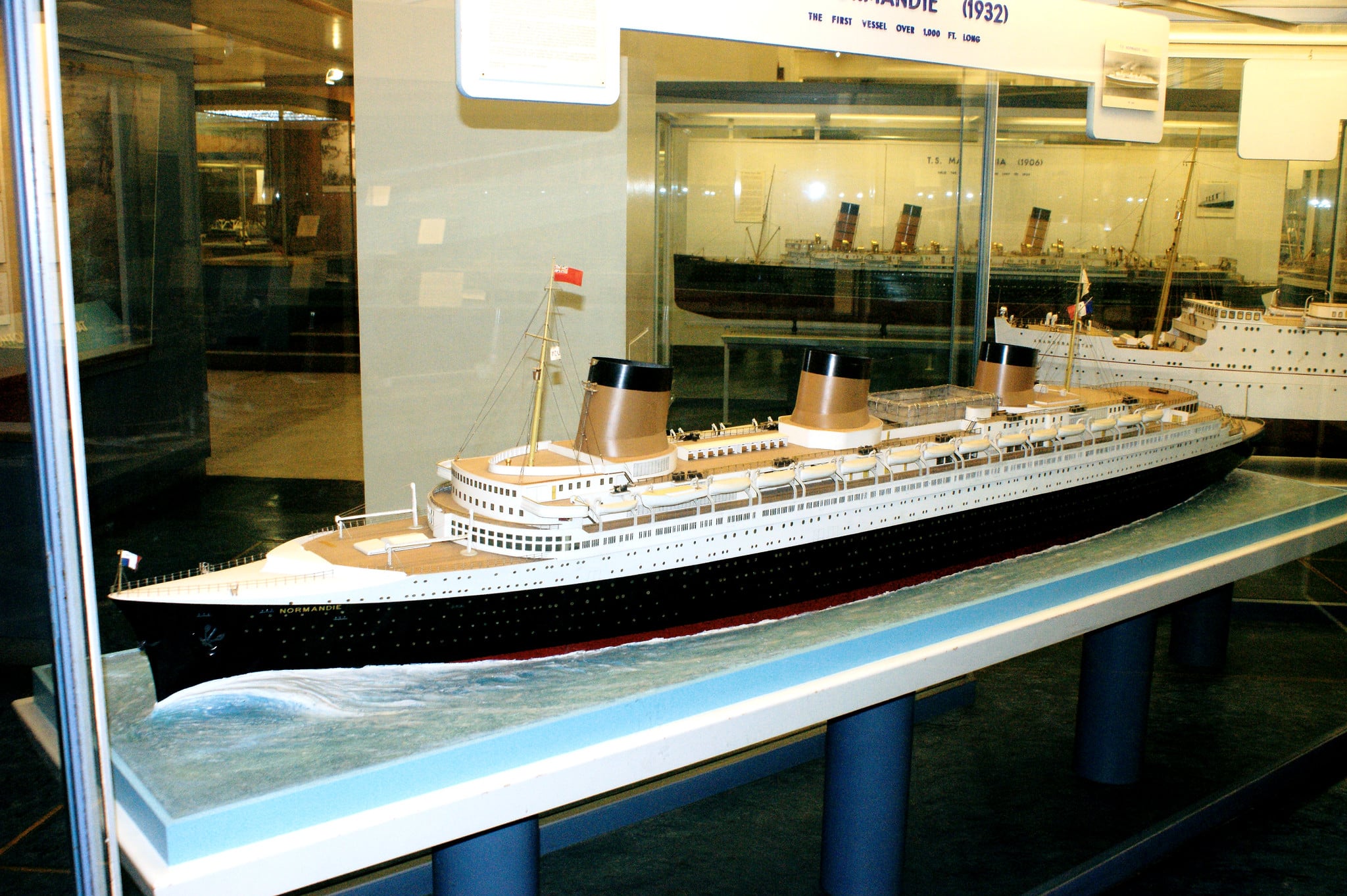
The SS Normandie entered service in 1935 as the largest and fastest passenger ship afloat, crossing the Atlantic in a record 4.14 days. Built for the French Line, this ship was all about showing off what France could do.
The liner featured an all-Art Deco design with grand artwork adorning the walls and intricate lights, especially two chandeliers in the main dining hall that gave the ship the nickname ‘Ship of Light’. The dining room alone stretched three decks high and could seat hundreds of people at once.
Everything inside was designed to make passengers feel like they were in the finest building in Paris, not on a moving ship. But despite her achievements, Normandie often traveled at less than 50 percent capacity because the over-the-top luxury felt too much for many travelers who preferred a more comfortable experience.
RMS Queen Mary
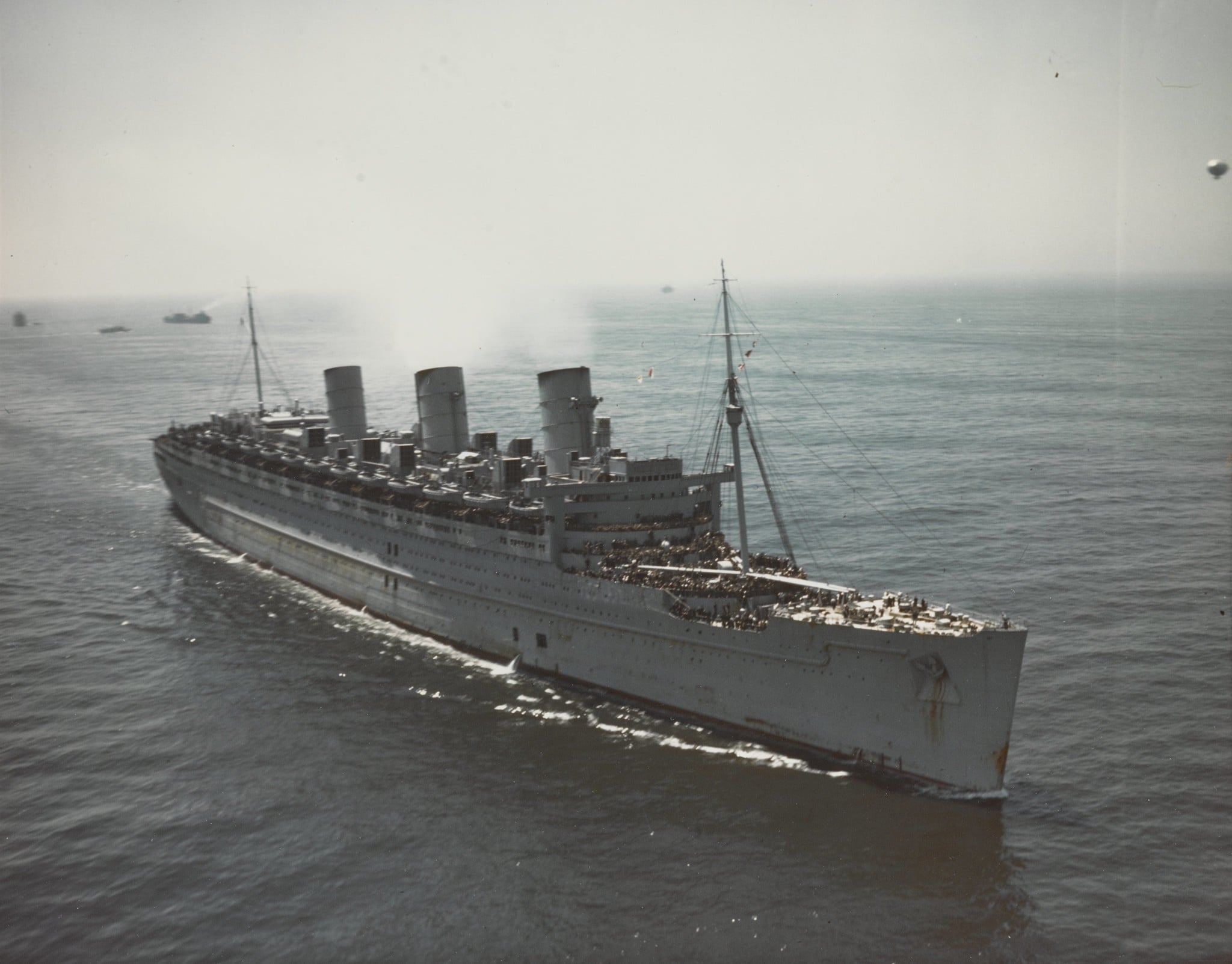
The RMS Queen Mary operated primarily on the North Atlantic Ocean from 1936 to 1967 for the Cunard Line and won the Blue Riband in August 1936. She was built to compete with the French and German ships but took a different approach.
While the Normandie was champagne and caviar at midnight, the Queen Mary was tea and cakes at four in the afternoon, decorated in polished woods, swirl carpets, sconce lamps, soft chairs, and lots of linoleum floors. The British knew how to make people feel at home without going overboard.
During World War II, the Queen Mary was refitted as a troopship and could carry more than 15,000 soldiers at a time, setting a record in 1943 by transporting 16,683 people in a single trip. After the war ended, she went back to carrying passengers until jets made ocean travel too slow to compete.
SS United States

The SS United States is the largest ocean liner to be entirely constructed in the United States and the fastest ocean liner to cross the Atlantic Ocean in either direction, earning the Blue Riband on her maiden voyage in 1952. This ship was built with speed in mind, and she delivered.
During her speed trials, the SS United States sliced through the waves at an astonishing 38.32 knots, which equals 44 miles per hour. The whole thing was made mostly from aluminum to keep the weight down, and there was almost no wood anywhere because the designer worried about fires.
Famous passengers included Marlon Brando, Coco Chanel, Sean Connery, Walt Disney, Marilyn Monroe, Prince Rainier and Grace Kelly, Elizabeth Taylor, and John Wayne. She crossed the Atlantic faster than anyone else for decades, and that record still stands today.
SS Île de France

The SS Île de France was the first ocean liner launched after World War I, setting out on her maiden voyage in 1927, and was among the first to be decorated in an Art Deco style. This French ship changed the way people thought about what the inside of a liner could look like.
Before her, most ships tried to copy old European palaces with heavy decorations and dark colors. The Île de France went modern with clean lines, geometric patterns, and lighter colors that made the rooms feel open and bright.
The ship had such popular first-class accommodations that it maintained the lowest number of vacant berths in first class of any Atlantic Ocean liner during the mid-1920s. People loved how fresh and different she felt compared to everything else on the water.
RMS Mauretania

The Mauretania held the Blue Riband for speed for an incredible 22 years starting in 1907. Built for the Cunard Line, she was known for being fast but also surprisingly comfortable for her time.
The ship had a reputation for rolling in rough seas, which made some passengers uncomfortable, but her speed made up for it. The interiors mixed different historical styles with plenty of carved wood and plush furniture.
She served through World War I as a hospital ship and troopship before going back to passenger service. By the late 1920s, newer ships were catching up, but the Mauretania stayed popular with travelers who appreciated her combination of speed and steady service.
RMS Olympic
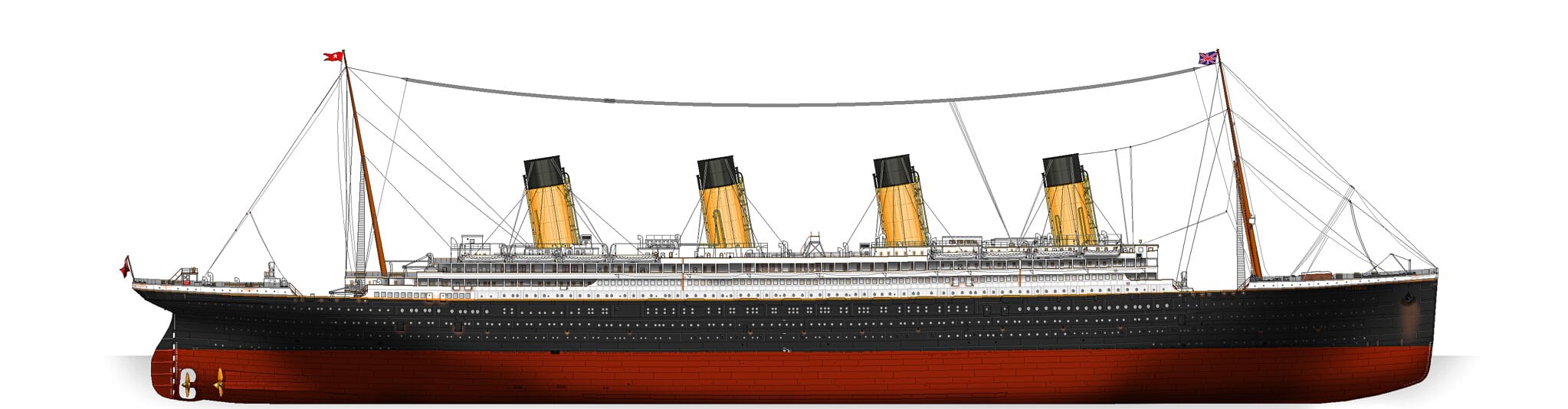
The first of what was planned to be a major trio of luxurious liners, Olympic went on to have one of the most legendary careers of any passenger ship. She was Titanic’s older sister and looked almost identical, but Olympic had something her sister never got—a long and successful life.
The ship started service in 1911 and kept sailing for 24 years, which was impressive for any liner. During World War I, she carried troops and even rammed and sank a German submarine, earning the nickname Old Reliable.
After the war, she went back to carrying passengers and became known for being steady and dependable. The wood paneling and elegant rooms from Olympic were so well made that some of it ended up being saved and used in modern cruise ships decades later.
SS Bremen and SS Europa
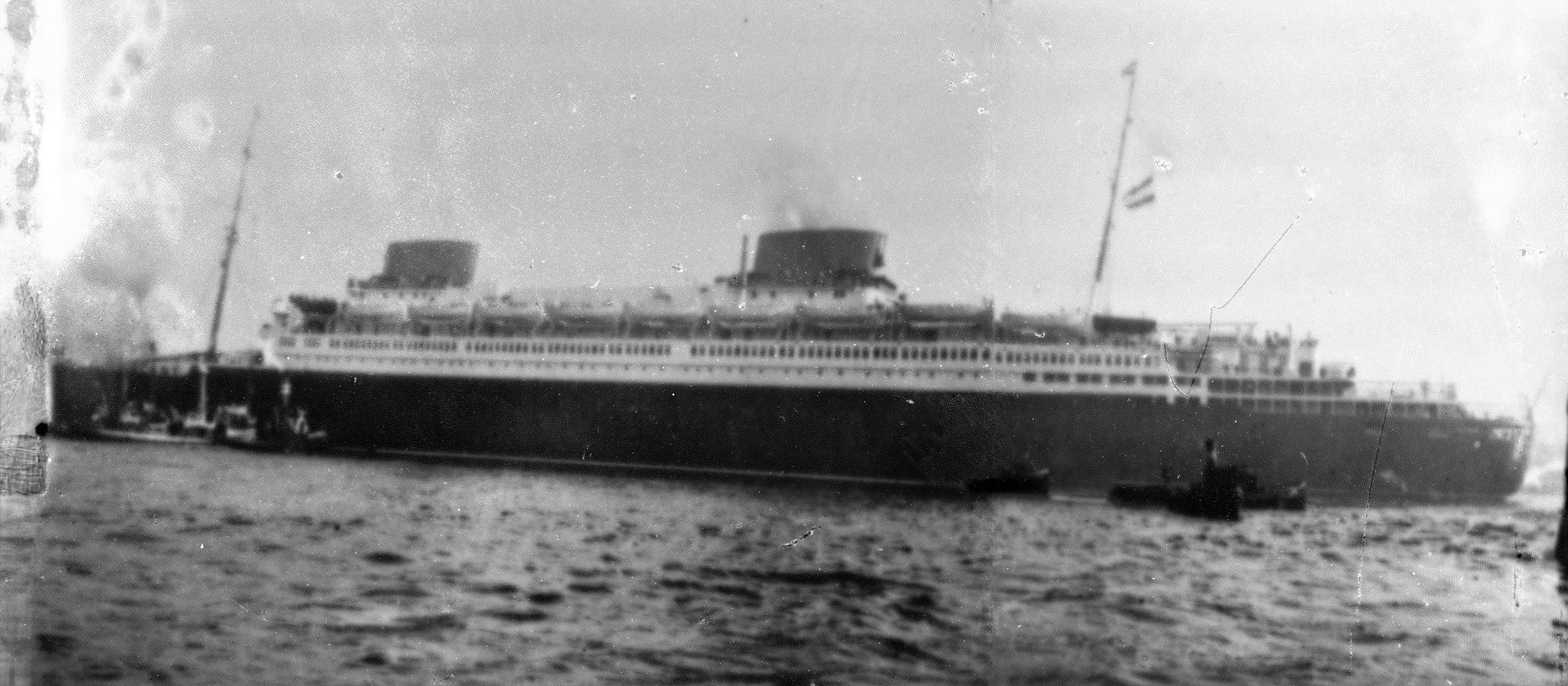
These two German ships were built in the late 1920s to compete with the British and French liners. The Bremen was the first to cross the Atlantic in less than five days, winning the Blue Riband in 1929.
Both ships featured modern designs with an emphasis on clean lines and efficient use of space. They were fast, comfortable, and represented Germany’s push to compete in the luxury travel market.
The Bremen had a distinctive look with its low, streamlined profile and two large funnels set far apart. During World War II, both ships had different fates—the Bremen caught fire and was destroyed, while the Europa was taken by the Allies and eventually sailed for the French Line.
Before the war, though, they set the standard for what a modern ocean liner should be.
SS Rex

Mussolini and his Fascist ministers wanted their share of the ocean liner business and created the super liner Rex in 1932. This Italian ship was built to show that Italy could compete with the British, French, and Germans.
The Rex won the Blue Riband in 1933 by crossing the Atlantic in just over four days. Inside, the ship featured grand public rooms with marble columns, frescoes on the walls, and furniture that looked like it came from Renaissance palaces.
There was even a chapel decorated with religious artwork. The Rex had an outdoor swimming pool on deck, which was still a rare feature at the time.
She only sailed for a few years before World War II ended her career, but during that time, she gave Italian travelers a reason to feel proud.
RMS Aquitania
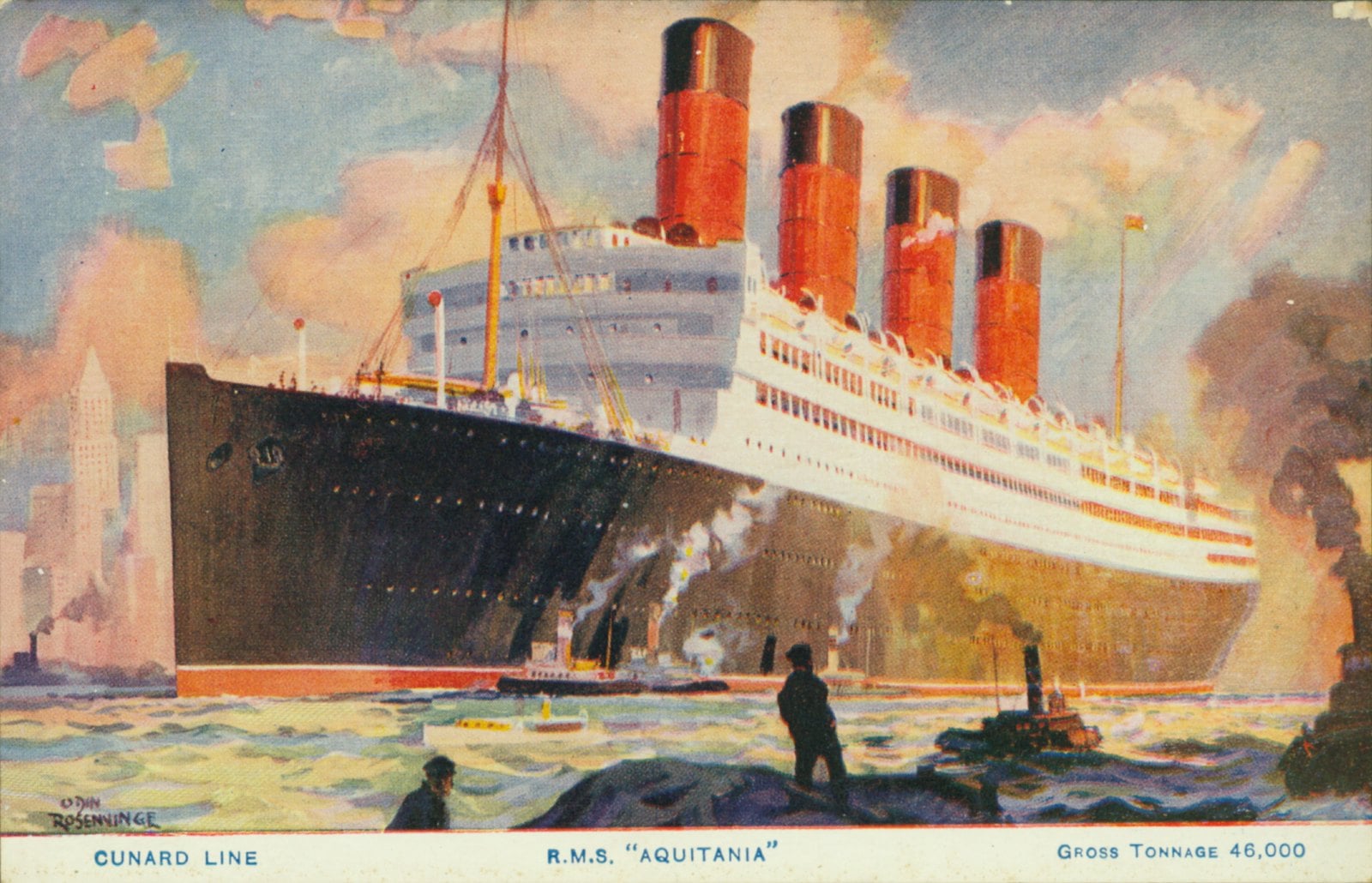
The Aquitania sailed for Cunard Line from 1914 all the way to 1950, making her one of the longest-serving liners ever. She was launched just before World War I started and immediately got pressed into service as a troopship and hospital ship.
After the war, she went back to carrying passengers and became known as the Ship Beautiful because of her elegant interiors. The design borrowed from classic English and French styles with lots of wood paneling, comfortable furniture, and well-lit public rooms.
She survived World War II and kept sailing into the late 1940s, outlasting many newer and fancier ships. People appreciated that she felt traditional and comfortable without trying too hard to impress.
SS Conte di Savoia

The Conte di Savoia was created in 1932 as Italy’s second super liner alongside the Rex. This ship was known for having one of the most advanced stabilizing systems of its time, which used large gyroscopes to reduce rolling in rough seas.
That made her popular with passengers who got easily queasy. The interiors were decorated in Italian Renaissance and Baroque styles with lots of marble, gilded details, and painted ceilings.
There was a special chapel, multiple dining rooms, and a winter garden filled with plants. The ship competed for the Blue Riband but never quite matched the Rex’s speed.
Still, she was considered one of the most comfortable liners on the Atlantic until World War II ended her career.
RMS Empress of Britain

Capped by three oversized funnels and with an all-white hull, the Empress of Britain was the grandest, largest, and fastest liner ever to sail on the Canadian route between Southampton and Quebec City. Built for the Canadian Pacific Railway, this ship started service in 1931 and stood out because of her striking appearance.
The ship had superb accommodations including columned lounges, a Grecian-inspired main lounge, luxurious suites and staterooms, and the very first large tennis court on its top decks. In winter, when the Canadian route was frozen, she sailed on luxury cruises around the world that lasted four months.
The Empress of Britain combined elegance with a more relaxed atmosphere than some of the stuffy European liners. Her career ended during World War II when she was bombed and sunk while serving as a troopship.
SS Nieuw Amsterdam

The SS Nieuw Amsterdam went on to represent the Netherlands on the high seas and had the distinction of having been the first ocean liner to feature an air-conditioned theater. Launched in 1938 for the Holland America Line, this ship was built just before World War II started.
Art Deco was the main design theme throughout her luxurious interiors and she served as a troopship during the second world war. After the war, she became known for Caribbean cruises and trips around South America.
The ship had a reputation for being comfortable and well-run without being flashy. Dutch craftsmanship showed in the details—quality wood, good lighting, and spaces that felt welcoming.
She sailed for nearly three decades before being retired in the late 1960s.
SS Canberra

SS Canberra had a uniquely modern design for her time and had the distinction of having serviced the British in 1982 during the Falklands War. Built in 1961, she came from a later generation of liners but still captured some of that classic elegance.
Not only was her design modern, she was also the first British passenger ship to utilize alternating current for electric power. The ship had clean lines and open decks that felt spacious compared to older liners.
Inside, the rooms were decorated in a more contemporary style with lighter colors and simpler furniture. Canberra sailed regular routes and cruises until being called up for military service during the Falklands War, where she transported troops to the South Atlantic.
She came back and continued sailing until the 1990s, earning the nickname The Great White Whale.
SS Rotterdam

SS Rotterdam is one of the few ocean liners left intact today, not scrapped and currently serving as a hotel ship permanently moored in the Netherlands. Built in 1959 for the Holland America Line, this ship was known as The Grande Dame.
She was in service for 41 years, serving as both a cruise ship and ocean liner, and her construction and creation of her interiors involved some of the most renowned artisans from the Netherlands. The Rotterdam was designed to be converted easily between liner service and cruising, with moving partitions and a double staircase.
The interiors featured Dutch artwork, quality wood, and a mix of traditional and modern design. She represented the end of an era when ships were still built with care and attention to lasting quality.
Now permanently docked in her home country, she serves as a reminder of what ocean travel used to be.
RMS Caronia
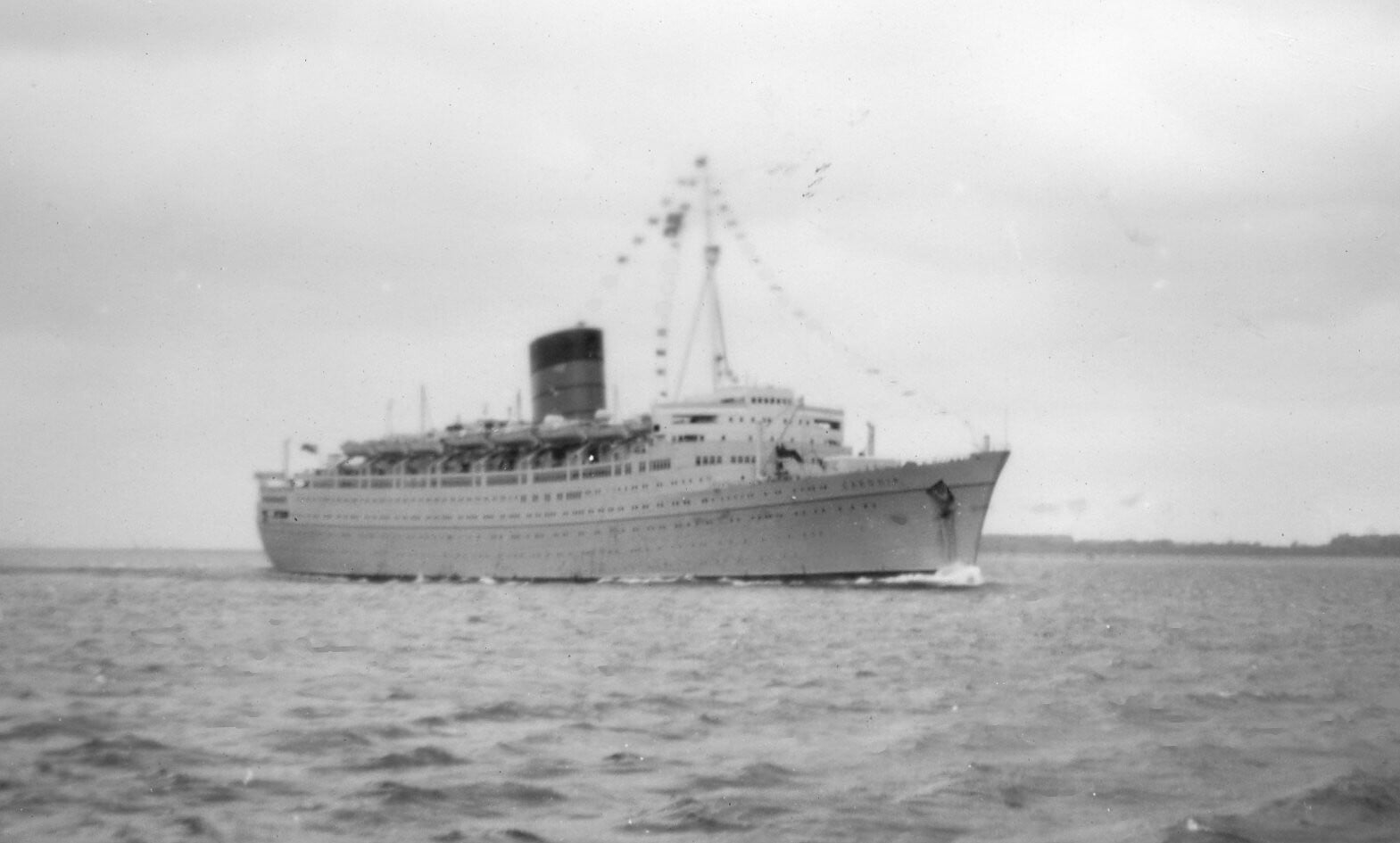
RMS Caronia was known as the ‘green goddess’ due to her unique light green paint pattern, yet she still sported the traditional Cunard colors on her one funnel. Launched in 1948 for Cunard Line, she was built specifically for cruising instead of just crossing the Atlantic.
Like other ships of her time, Caronia was built with the intended purpose of cruises as well as her traditional transatlantic crossings in mind. The green paint helped her stand out from every other ship on the water.
Inside, she was comfortable rather than flashy, with well-appointed rooms and public spaces that felt more like a good hotel than a palace. Caronia became popular with wealthy travelers who wanted long cruises to warm climates.
She sailed for nearly three decades before being sold and eventually scrapped.
Kaiser Wilhelm der Grosse

In 1897, Norddeutscher Lloyd launched SS Kaiser Wilhelm der Grosse, which was followed three years later by three sister ships, and she was the first of the fourteen ocean liners with four funnels that have emerged in maritime history. This German ship started the whole race for bigger, faster, and more impressive liners.
The ship needed only two funnels, but more funnels gave passengers a feeling of safety. She won the Blue Riband and held it for several years, proving Germany could compete with Britain’s dominance.
The interiors mixed luxury with German engineering, featuring carved wood, velvet furniture, and electric lighting, which was still relatively new. The Kaiser Wilhelm der Grosse set the template that other liners would follow for the next two decades.
Why it changed
In 1958, the first commercial transatlantic flights by jet began a completely new era of competition for passenger liners, with London to New York travel time reduced to just 7-8 hours. Suddenly, spending days on a ship seemed old-fashioned when you could fly across in less than a day.
By 1965, the entire Cunard fleet was operating at a loss, and on some voyages, especially in winters, Queen Mary sailed into harbor with more crew than passengers. The great liners either got scrapped, converted into hotels, or were left to rust at dock.
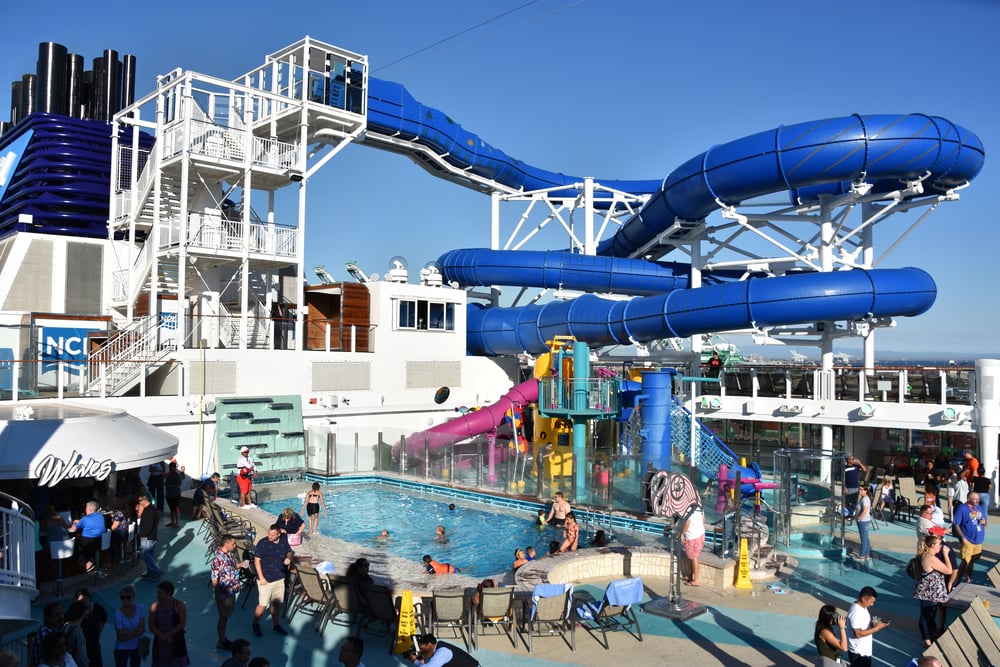
Modern cruise ships took over, but they were built for a different purpose—floating resorts designed to visit multiple ports rather than elegant transportation from one place to another. The ships from the golden age were about the journey itself, and once that stopped mattering, their time was done.
More from Go2Tutors!

- The Romanov Crown Jewels and Their Tragic Fate
- 13 Historical Mysteries That Science Still Can’t Solve
- Famous Hoaxes That Fooled the World for Years
- 15 Child Stars with Tragic Adult Lives
- 16 Famous Jewelry Pieces in History
Like Go2Tutors’s content? Follow us on MSN.



