Forgotten Foods That Shaped Regional Traditions
Food tells stories that history books often miss. Every region has dishes that once fed entire communities, brought families together, and defined what it meant to belong to a place.
These foods shaped celebrations, daily routines, and even local economies before quietly fading from tables and memories. Time moves on, and so do our eating habits.
Let’s look at some of these lost culinary treasures and understand how they once mattered so much to the people who made them.
Ash cakes
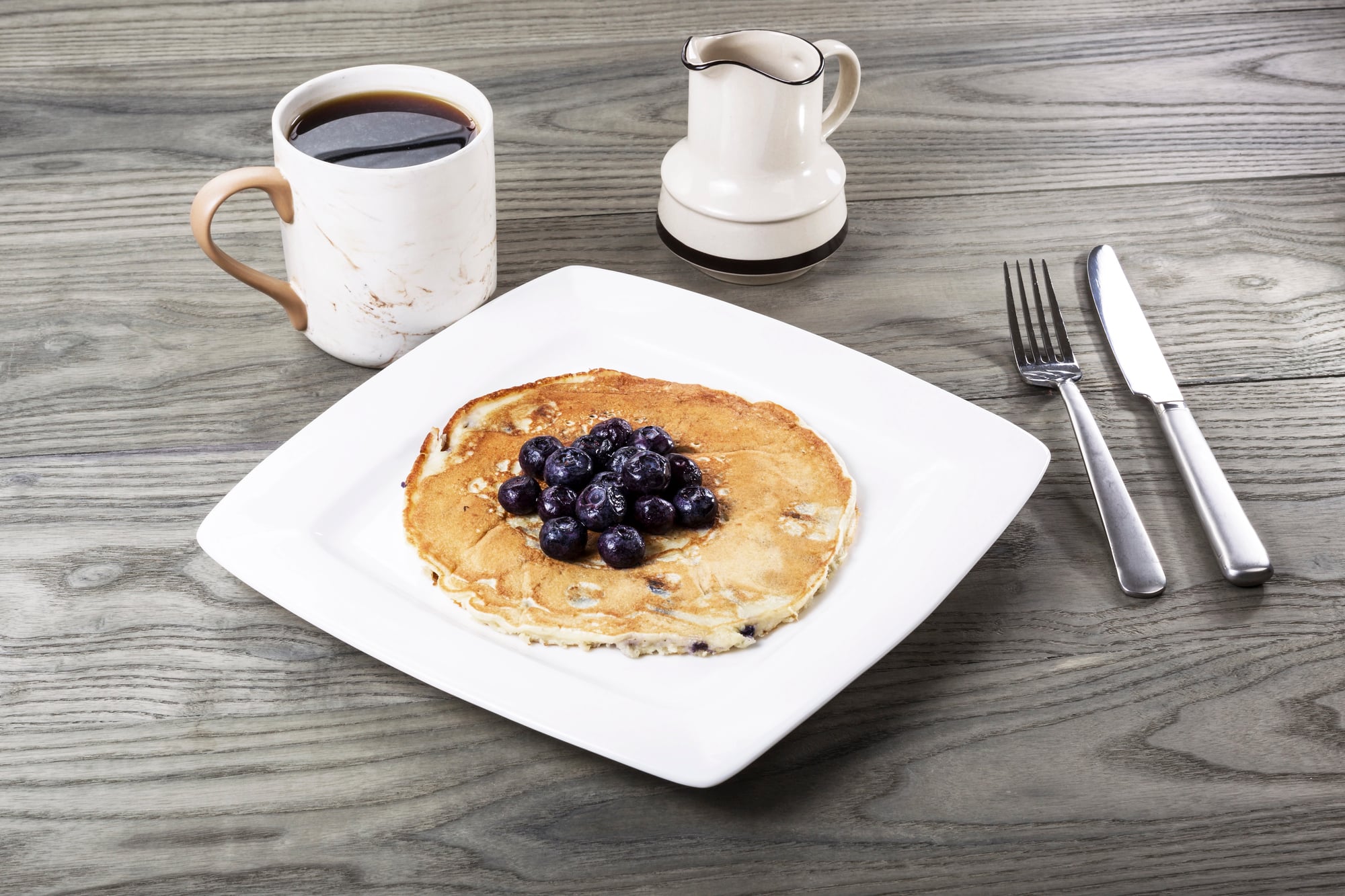
Before ovens became common in American homes, people cooked directly in their fireplace ashes. Ash cakes were simple cornmeal patties wrapped in cabbage leaves or sometimes just placed right on hot coals.
Enslaved people in the South relied on this method because they often had no access to proper cooking equipment. The ashes gave the bread a distinct flavor that modern bakers would probably find strange, but it filled stomachs when nothing else was available.
Syllabub

Colonial Americans loved this frothy drink made from milk or cream mixed with wine or cider. The mixture was whipped until it formed a light, airy foam that people ate with spoons rather than drank.
Syllabub appeared at fancy parties and simple gatherings alike, serving as both dessert and entertainment since making it required some skill. The drink fell out of favor once refrigeration arrived and people could keep more delicate desserts fresh.
Pemmican
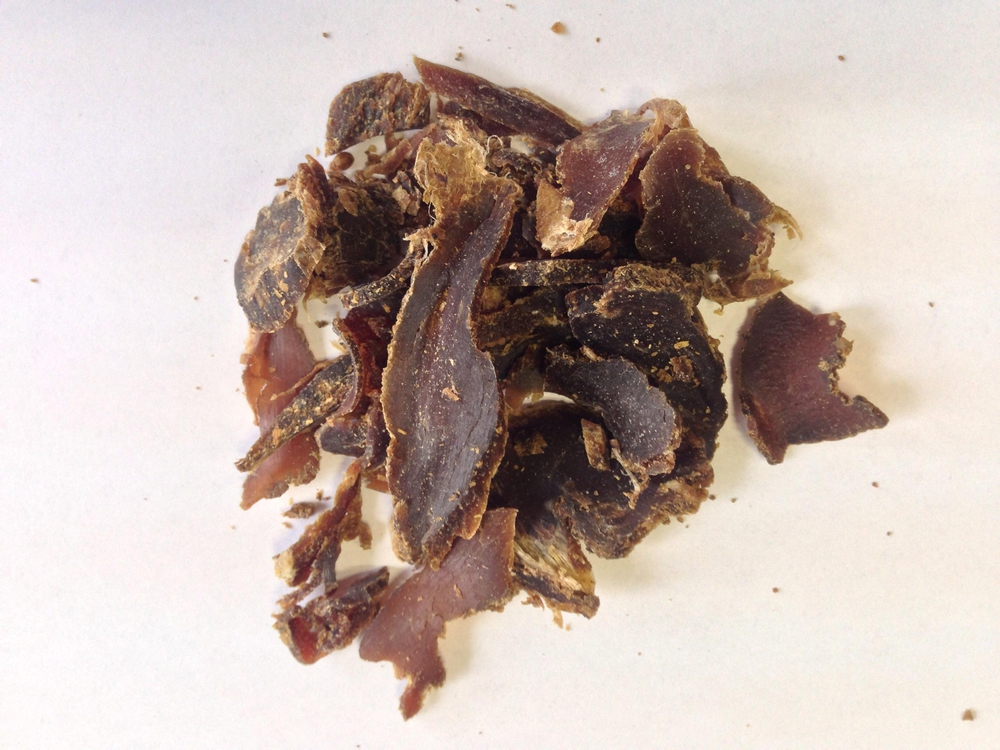
Native American tribes across the Great Plains created this concentrated survival food centuries before energy bars existed. Dried meat got pounded into a powder, then mixed with rendered fat and sometimes berries to create dense cakes that lasted for years.
Pemmican fueled long hunting trips, sustained tribes through harsh winters, and later kept fur traders and explorers alive during their journeys. The food was so efficient that one pound could replace five pounds of fresh meat.
Tomato aspic
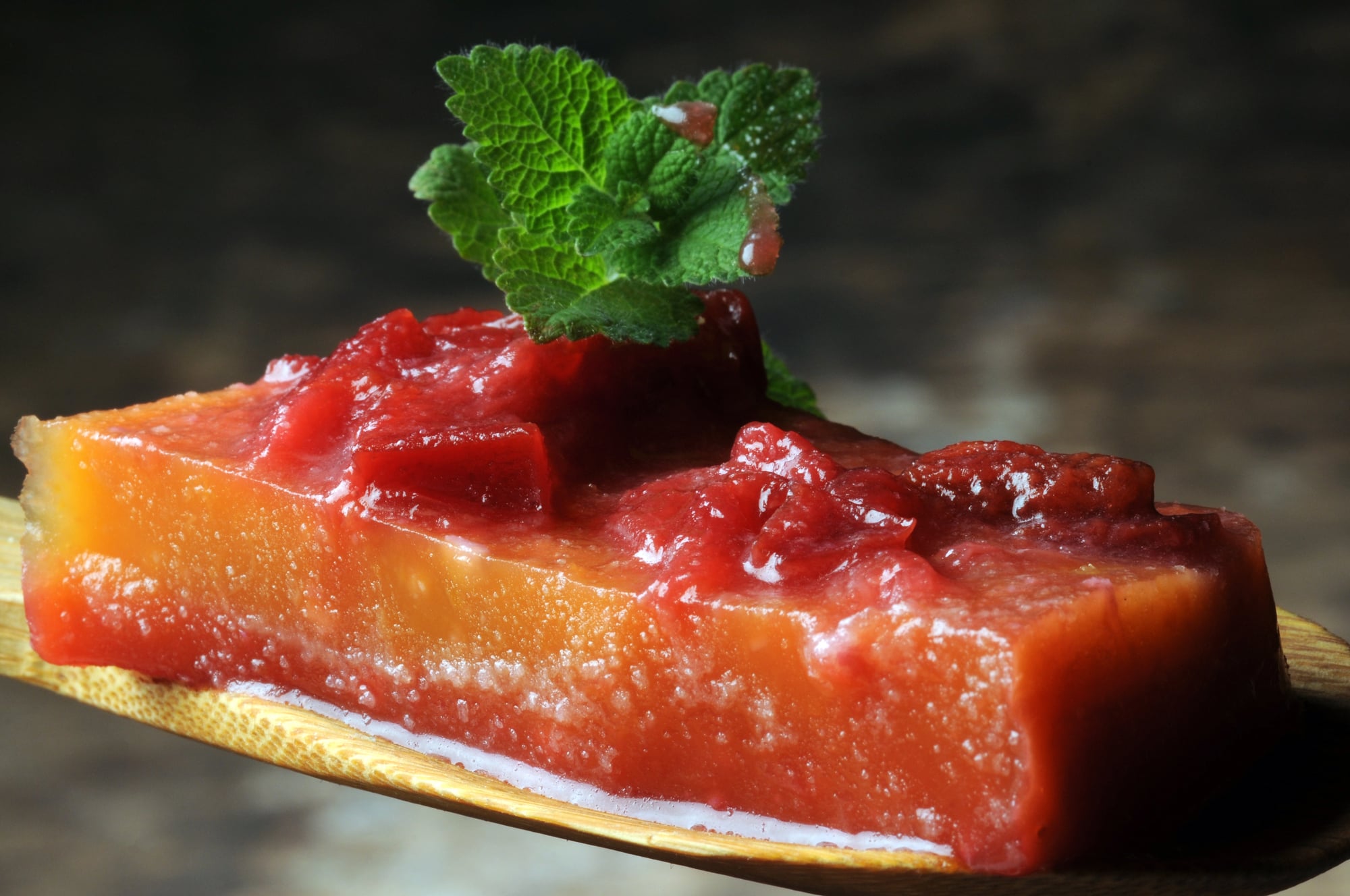
Gelatin salads dominated American tables throughout the early and mid-1900s, with tomato aspic reigning as the savory king. Cooks combined tomato juice with gelatin, vegetables, and sometimes seafood to create molded dishes that wobbled on plates at holiday dinners.
Southern hostesses particularly embraced aspic as a sign of sophistication and culinary skill. The sight of a good aspic shimmering on a buffet table meant the host had taken time and care with the meal.
Burgoo
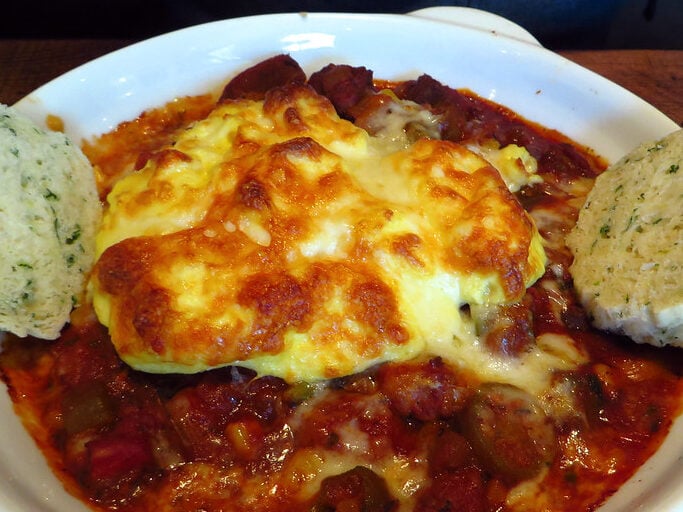
Kentucky created this thick stew as a way to feed large crowds at political rallies, church gatherings, and community events. The original versions supposedly included squirrels, rabbits, or whatever game hunters could provide, along with any vegetables people brought from their gardens.
Cooking burgoo was an all-day affair that required enormous pots and constant stirring. The stew represented true communal cooking since no single family could make enough to feed hundreds of people alone.
Scrapple
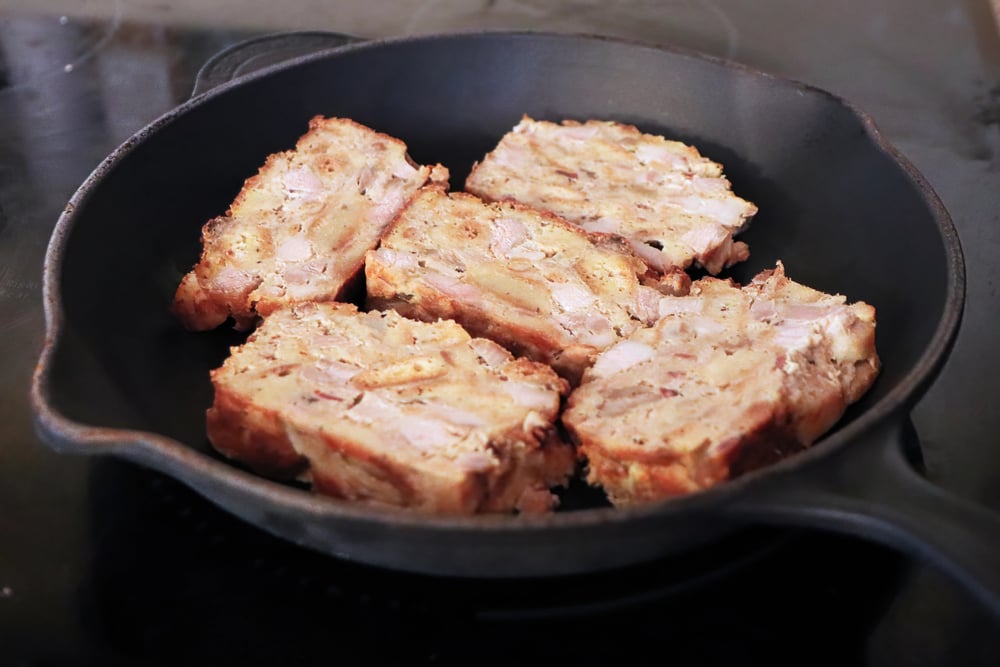
Pennsylvania Germans refused to waste any part of the pig, so they created scrapple from scraps of pork mixed with cornmeal and spices. The mixture got cooked into a loaf, then sliced and fried until crispy for breakfast.
This food kept farming families fed through long winters when fresh meat was scarce. Scrapple still exists in some Mid-Atlantic markets, but most Americans have never heard of it despite its importance to early Pennsylvania foodways.
Funeral pie
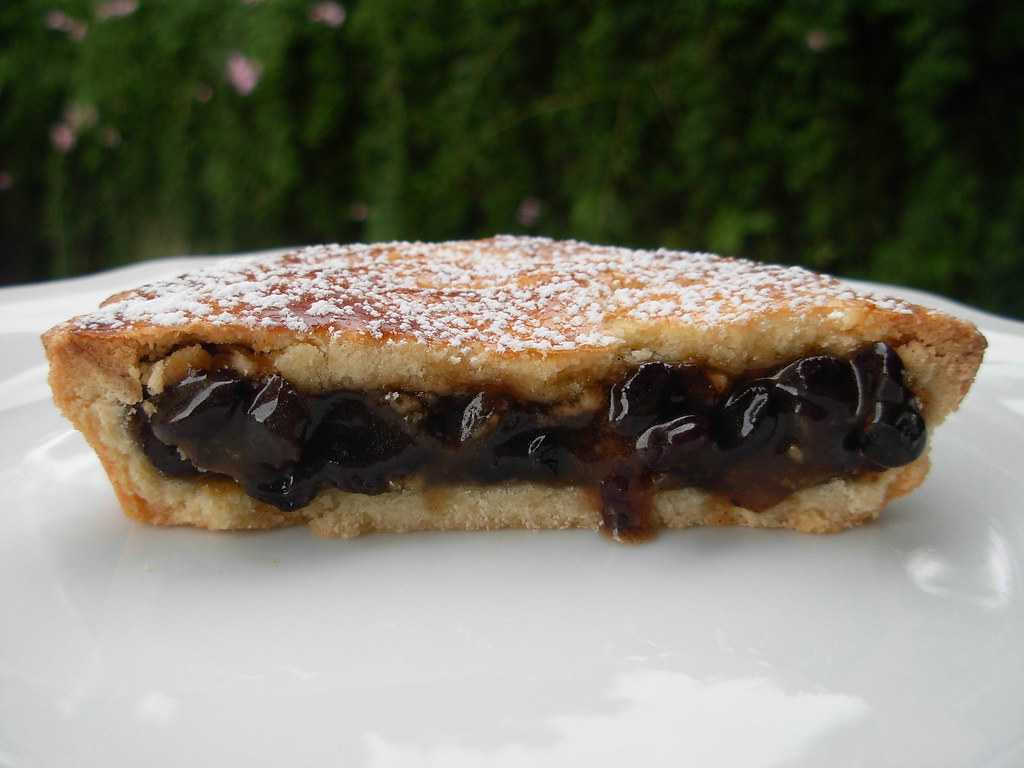
Raisin pie earned its morbid nickname because Pennsylvania Dutch communities always served it at memorial services. The dried fruit filling meant families could store the ingredients year-round and assemble pies quickly when death struck without warning.
Funeral pie represented both practical thinking and community care since neighbors would bring these pies to grieving families who had no time or energy to cook. The sweet, spiced filling provided comfort during the hardest days.
Succotash
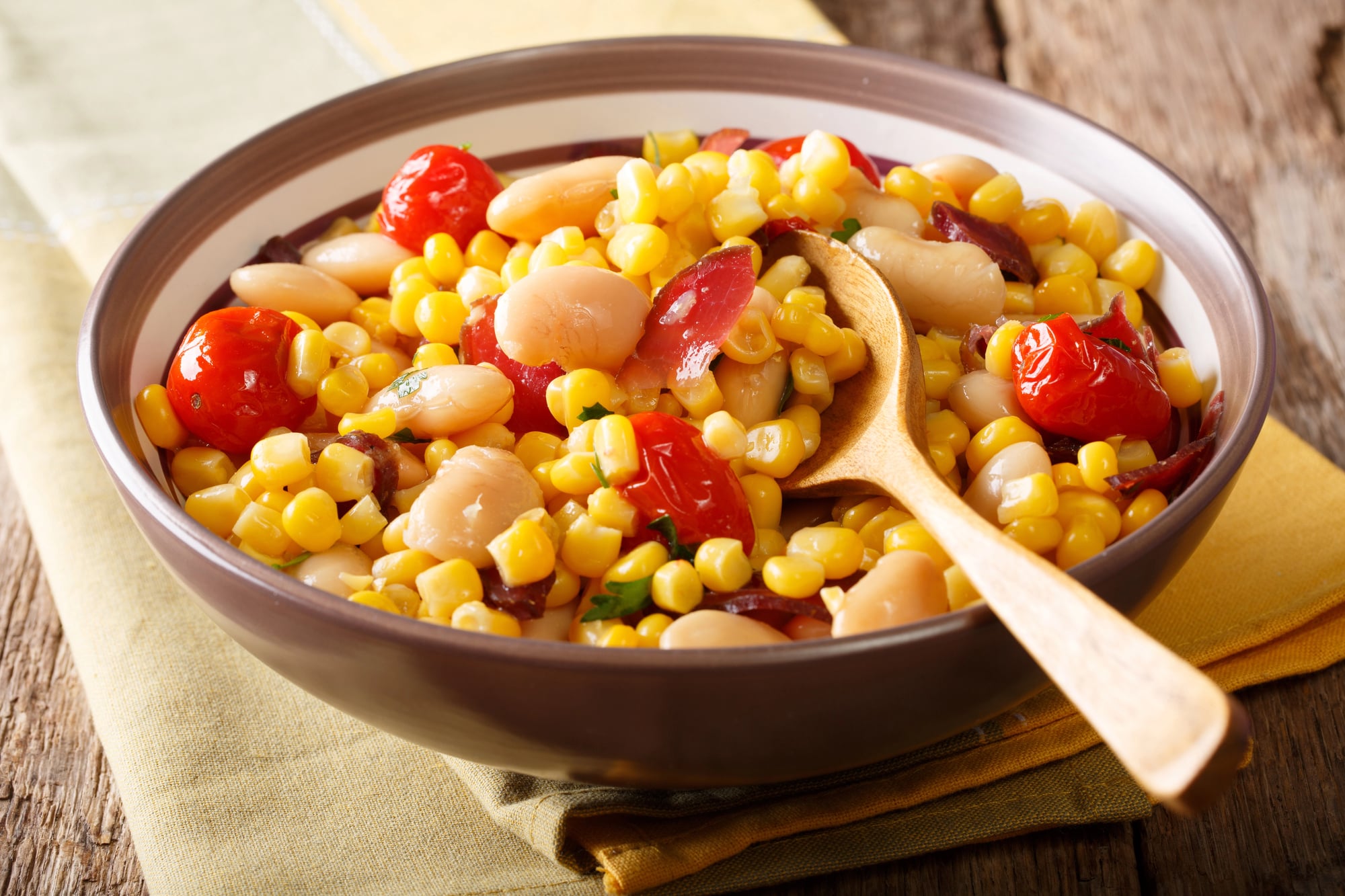
This simple mixture of corn and lima beans came directly from Native American cooking traditions. The name itself comes from a Narragansett word meaning broken corn kernels.
Early colonists adopted succotash because it used crops they could grow easily and store through winter. The dish became so common that families ate it several times a week, though today most people only encounter it as a punchline about unappetizing cafeteria food.
Headcheese
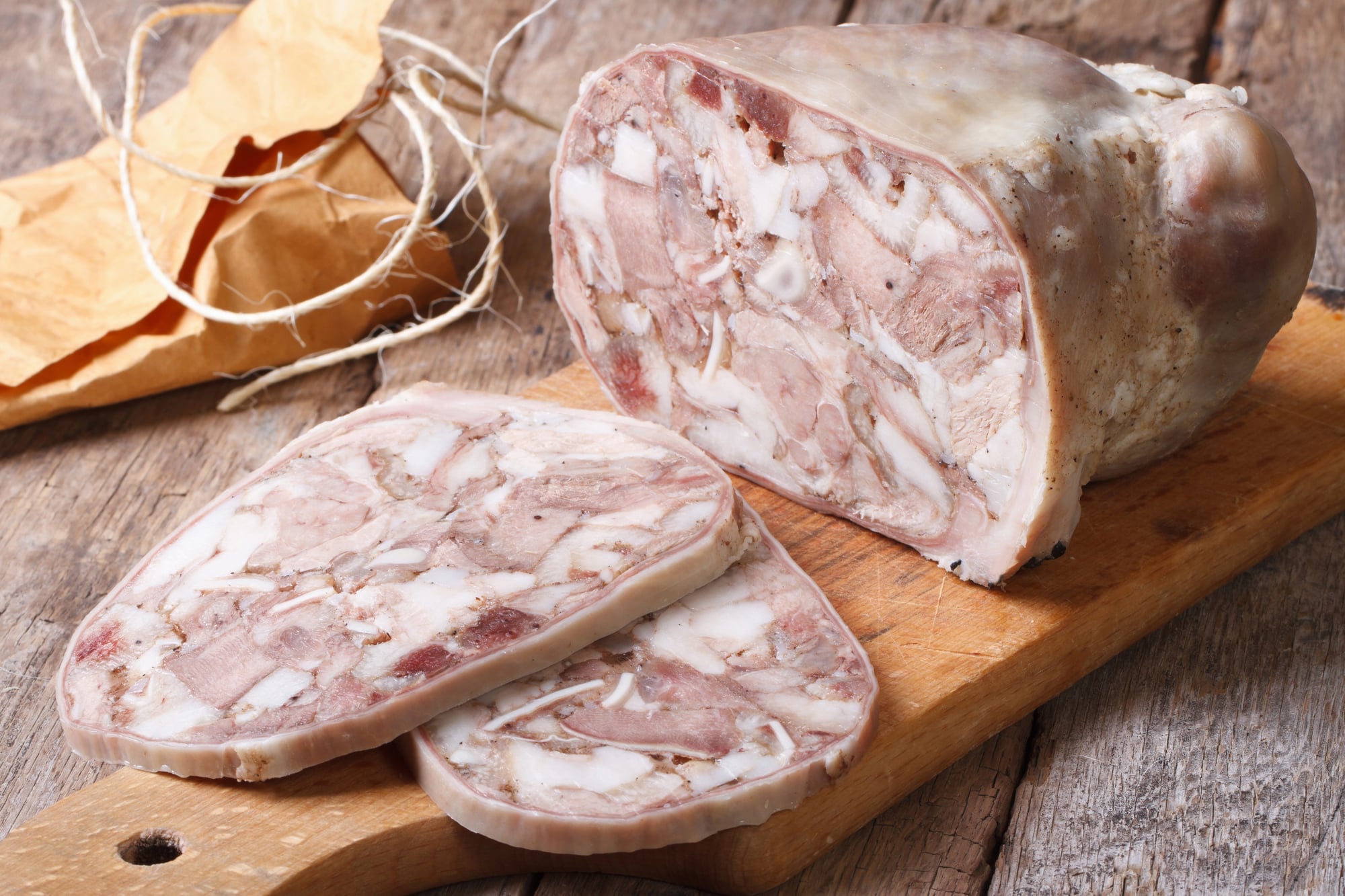
Despite the name, this contains no cheese at all but rather jellied meat from a pig’s head. European immigrants brought the technique to America, where thrifty families embraced it as another way to use every bit of the animal.
The meat simmered for hours until it fell off the bone, then pressed into a loaf and chilled until the natural gelatin held everything together. Headcheese sandwiches were common lunch fare in working-class neighborhoods until people could afford to be pickier about their meat.
Souse
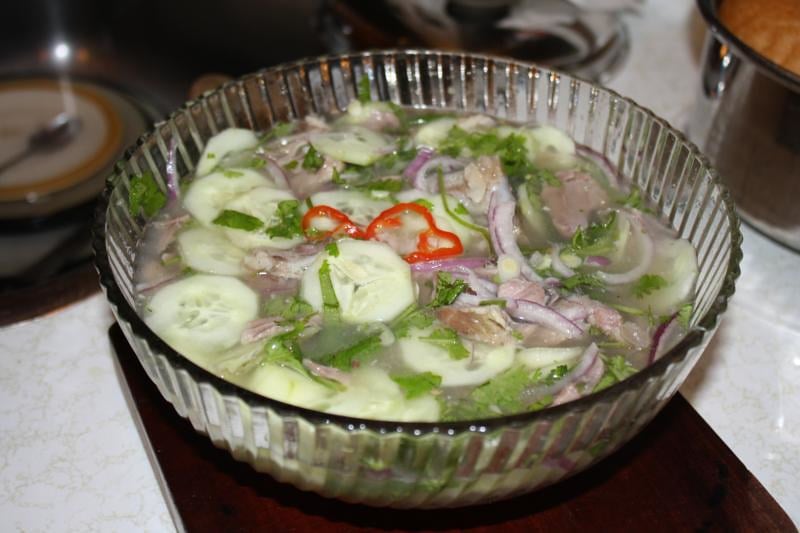
This pickled pork dish originated in Europe but became deeply rooted in Pennsylvania German and Southern foodways. Cooks would take leftover pork pieces, pickle them in a spiced vinegar brine, then serve the cold meat as a side dish or sandwich filling.
Souse provided protein that stayed safe without refrigeration, which mattered tremendously before electric cooling. The tangy, sharp flavor might shock modern palates, but it once added variety to limited winter diets.
Milk toast
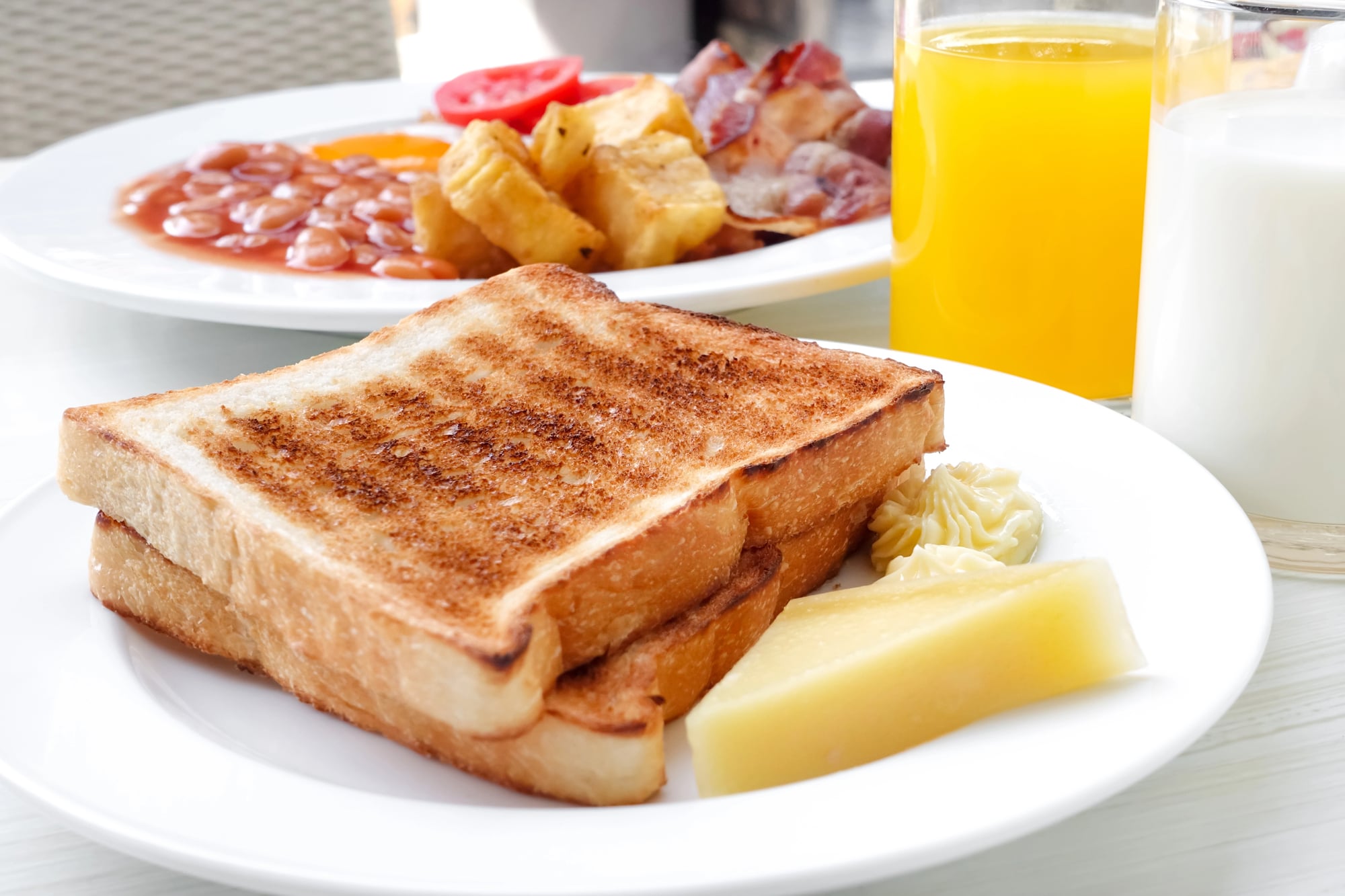
Sick people and children across America once ate this gentle food made from toasted bread soaked in warm, sweetened milk. The dish was so bland and easy to digest that it became synonymous with anything boring or overly cautious.
Mothers prepared milk toast for feverish children or upset stomachs because it provided calories without irritating delicate systems. Modern medicine and a wider range of options pushed this comfort food into complete obscurity.
Salt rising bread
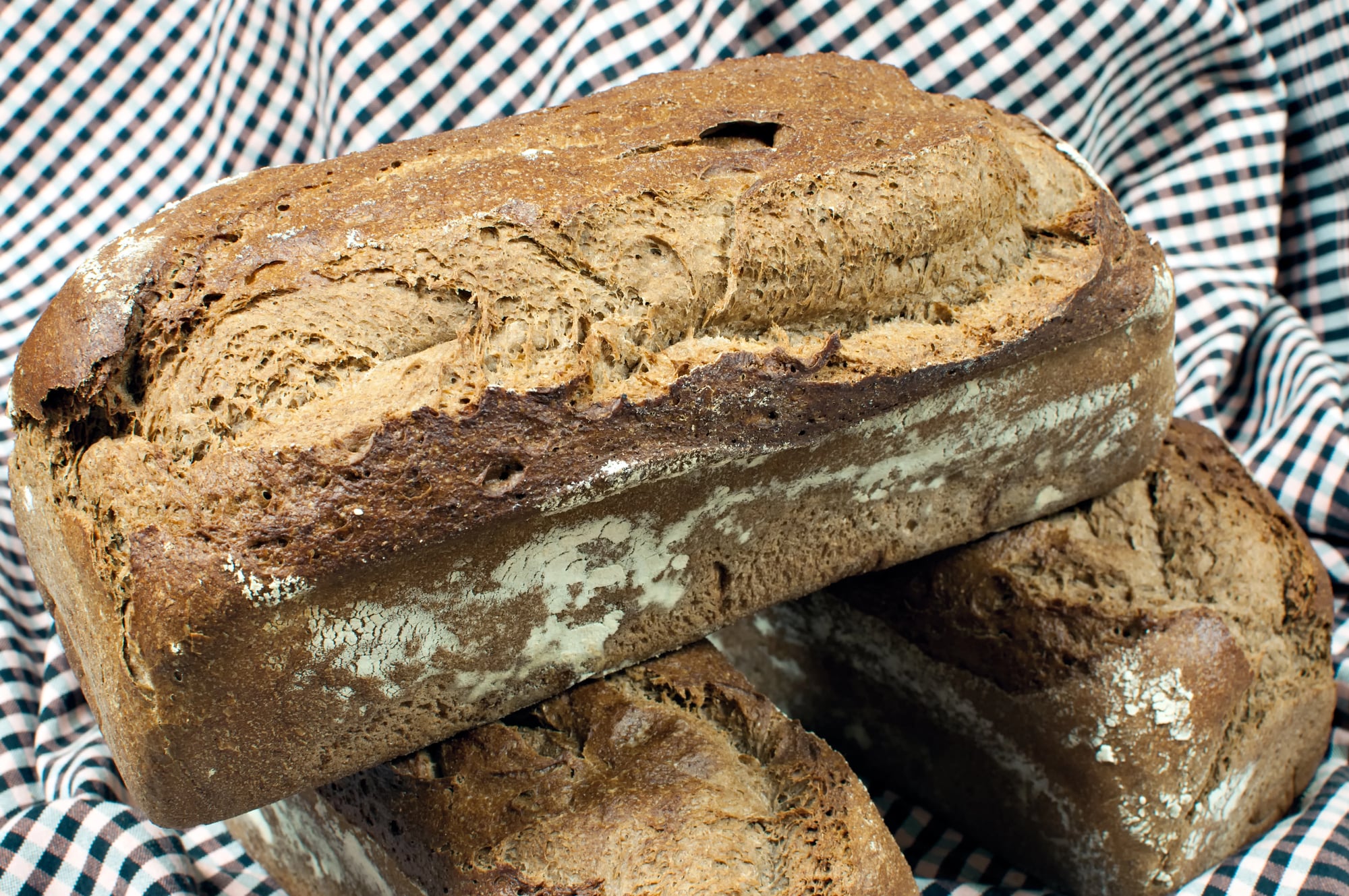
This unusual bread used a fermentation process based on naturally occurring bacteria rather than yeast. The starter required specific temperatures and often smelled terrible while developing, but the resulting bread had a distinctive tangy flavor and fine texture.
Appalachian cooks mastered salt rising bread out of necessity since commercial yeast was expensive and unreliable in remote areas. The bread nearly vanished because the technique was so finicky that even slight temperature variations caused complete failure.
Chipped beef on toast
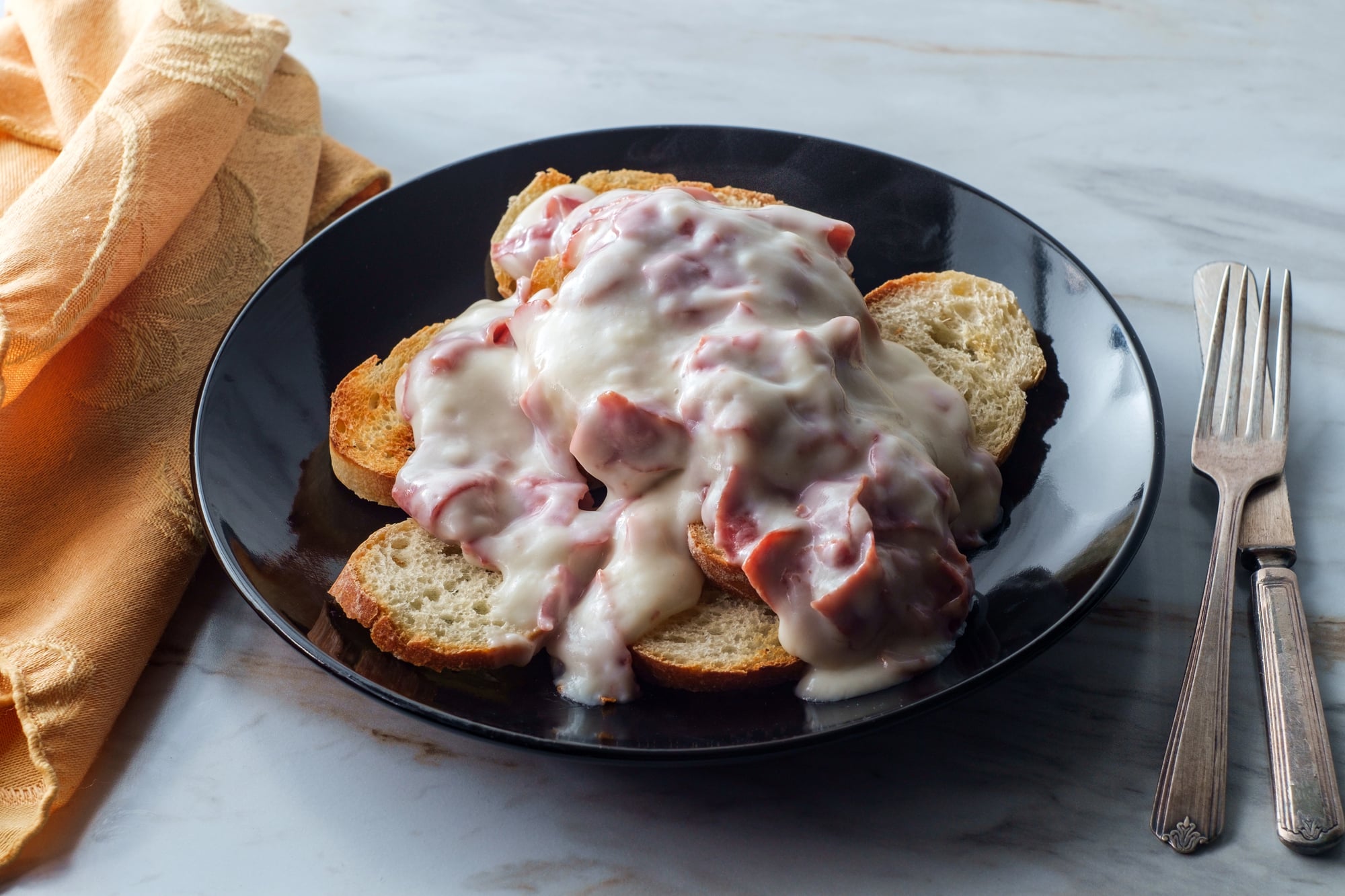
Military cooks served this creamy, salty dish to soldiers during both World Wars, leading to its crude nickname that can’t be printed here. Dried beef got rehydrated and mixed into a white sauce, then ladled over toast for a filling, cheap meal.
The dish migrated to civilian tables during the Depression when families needed to stretch every dollar. Chipped beef lost its appeal once processed foods offered more convenient options and people had money for better ingredients.
Ambrosia salad
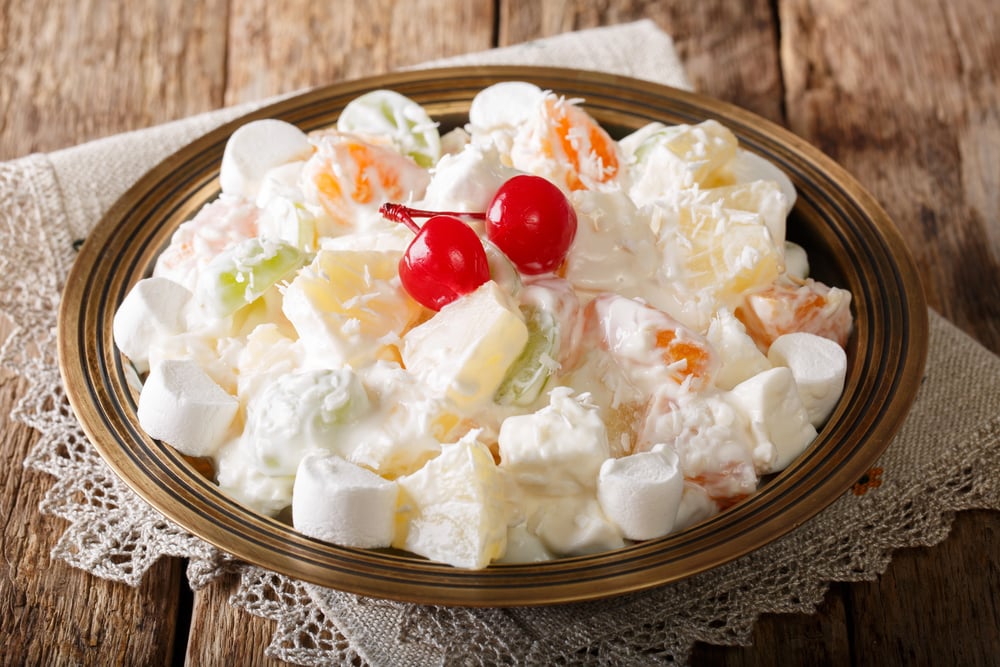
Southern home cooks tossed together oranges, pineapple, coconut, mini mallows, plus a dollop of fluffy cream. This sugary mix showed up at almost every family gathering or festive table.
People called it ambrosia, like food for the gods, but nowadays not everyone agrees it’s heavenly. Back then, serving it meant you had plenty, ’cause some stuff came from faraway places or cost more than usual.
Over time, folks started skipping super-sweet salads, so this one kinda faded from the plate.
Welsh rarebit
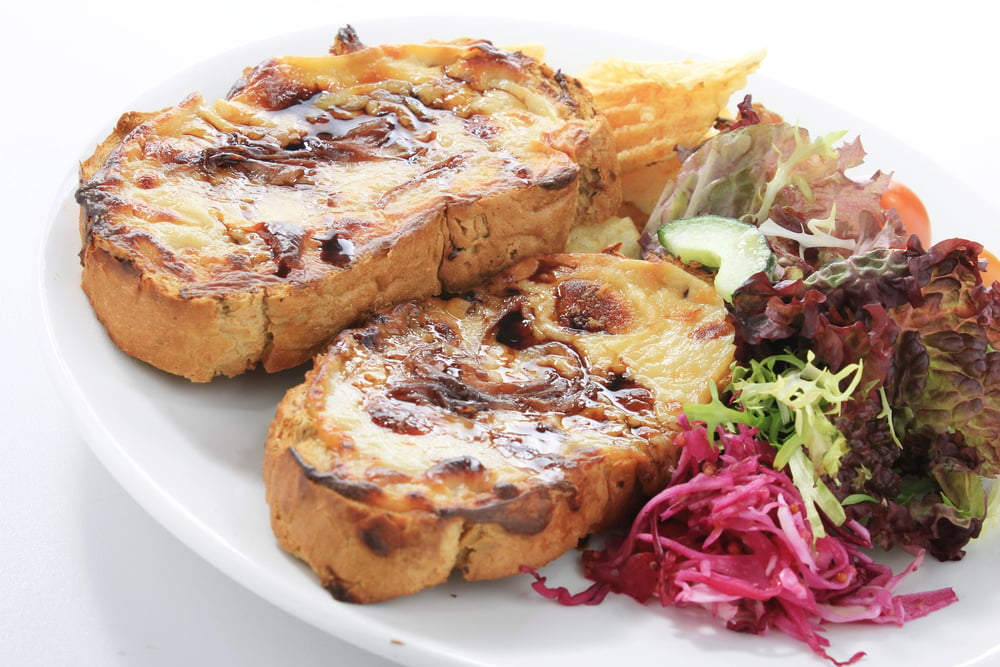
This posh term meant gooey cheese drizzled on bread, a big hit in U.S. households shaped by British tastes. It mixed ale, mustard, along with spices to turn basic cheddar into dinner-worthy comfort food.
Showed up in recipe books and diners across the late 1800s into the 1920s. The title was actually a tease, since rabbit cost more back then, so folks poked fun at broken Welsh cooks using dairy. But Yanks took it straight-faced.
Clabber
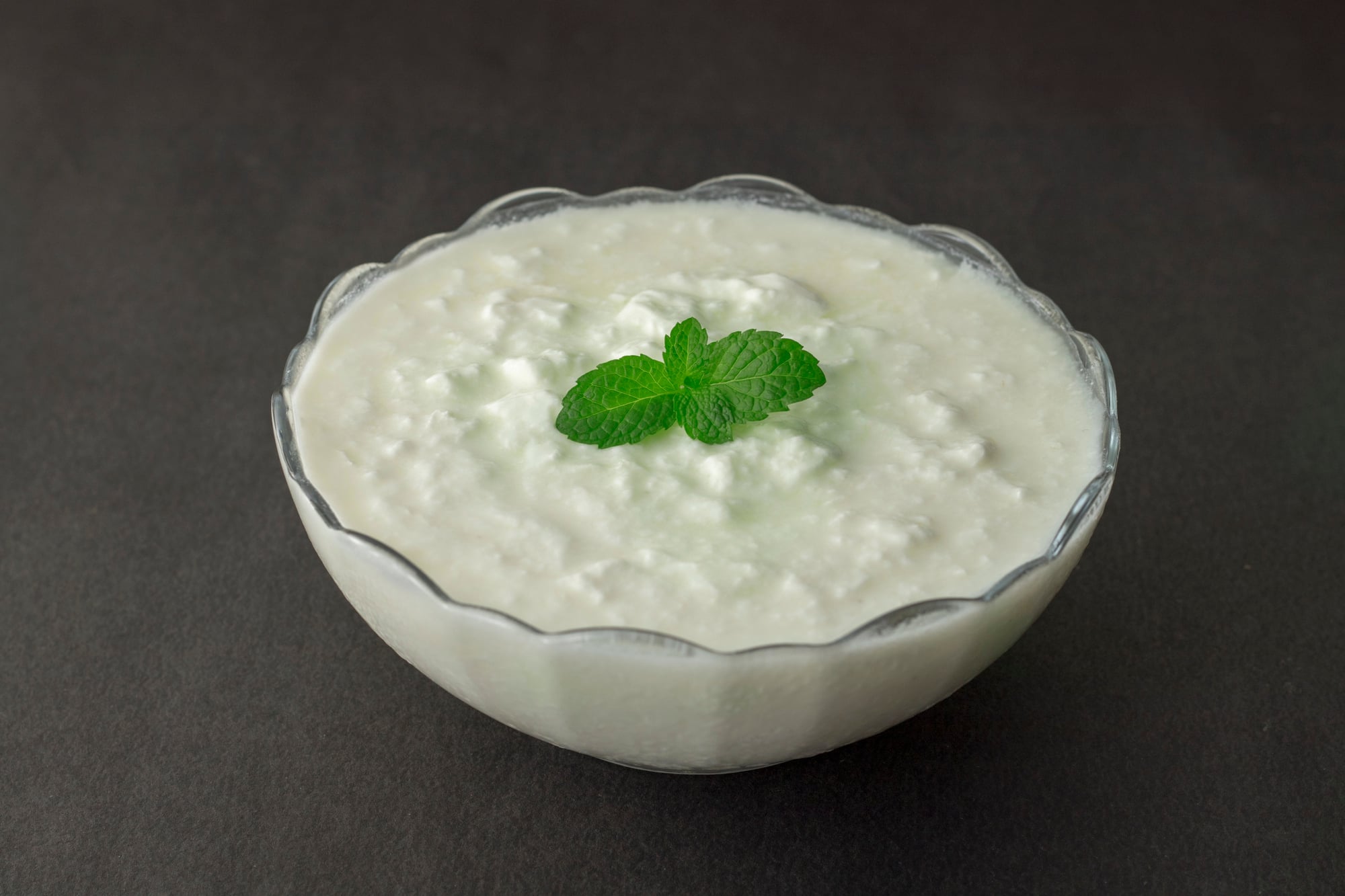
Back then, milk turned sour on its own, becoming a thick, sharp-tasting stuff folks in the countryside gobbled up just like yogurt. Instead of tossing old milk, households got gut-friendly bugs and solid nutrition from it.
In the South, people loved using it to whip up soft biscuits and fluffy cakes. But now, rules around clean food and fridges everywhere have pushed clabber off store shelves. Even so, a few local dairies keep making it.
Persimmon pudding
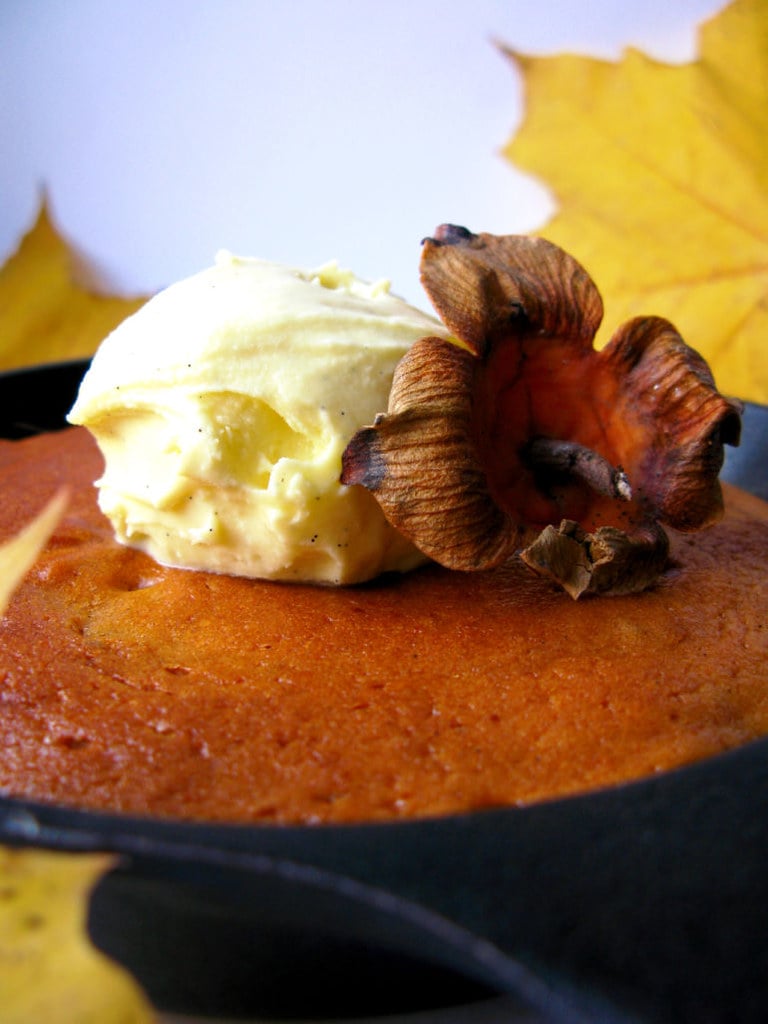
Wild persimmons used to pop up everywhere in the South and Midwest. Folks would collect them for thick, spiced desserts.
If the fruit wasn’t fully ripe, its strong tannins could leave your mouth feeling dry. During holidays like Thanksgiving or Christmas, this pudding often showed up instead of pumpkin pie.
Nowadays, hardly anyone’s tried a fresh wild persimmon, much less cooked one into dessert.
Why these foods still matter
These old recipes vanished, not due to poor flavor or lack of nutrition. Life shifted, making them no longer fit daily routines.
Today’s supermarkets, fridges, cold shipping routes, things past generations never had. Yet when meals fade away entirely, we lose more than taste.
We drop know-how, traditions, tales linking folks to place and roots. Knowing what someone cooked tells you about their world, struggles, identity.
More from Go2Tutors!

- The Romanov Crown Jewels and Their Tragic Fate
- 13 Historical Mysteries That Science Still Can’t Solve
- Famous Hoaxes That Fooled the World for Years
- 15 Child Stars with Tragic Adult Lives
- 16 Famous Jewelry Pieces in History
Like Go2Tutors’s content? Follow us on MSN.