15 Animal Communications We’ve Only Recently Decoded
Animals have been chatting, warning, and gossiping long before humans figured out how to understand their conversations. While we’ve always known creatures communicate, the specifics of their languages remained mysteries until modern technology gave us the tools to eavesdrop properly.
Scientists now use everything from underwater microphones to AI analysis to crack these biological codes, revealing communication systems that rival our own in complexity and sophistication.The breakthroughs keep coming as researchers develop better ways to listen in on nature’s conversations.
Here is a list of 15 animal communications we’ve only recently decoded.
Prairie Dog Alarm Calls

Prairie dogs don’t just bark random warnings when predators approach—they’re actually giving detailed police reports. Researchers discovered these rodents have specific calls that describe the type, size, color, and even the speed of approaching threats.
It’s like having a neighborhood watch system that broadcasts live updates about suspicious activity.
Honeybee Waggle Dance Directions
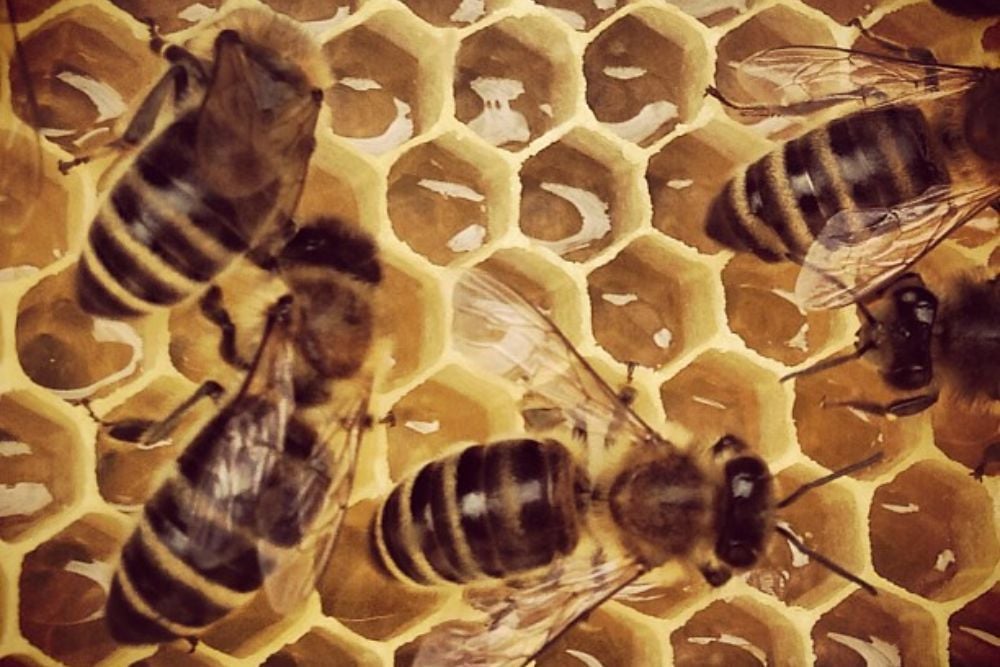
The famous waggle dance of honeybees turned out to be far more sophisticated than anyone imagined. Scientists recently cracked the code on how these insects communicate precise GPS coordinates to their hivemates through body movements.
The angle of their dance relative to vertical tells other bees the direction relative to the sun, while the duration indicates the exact distance to food sources.
Like Go2Tutors’s content? Follow us on MSN.
Elephant Infrasonic Conversations
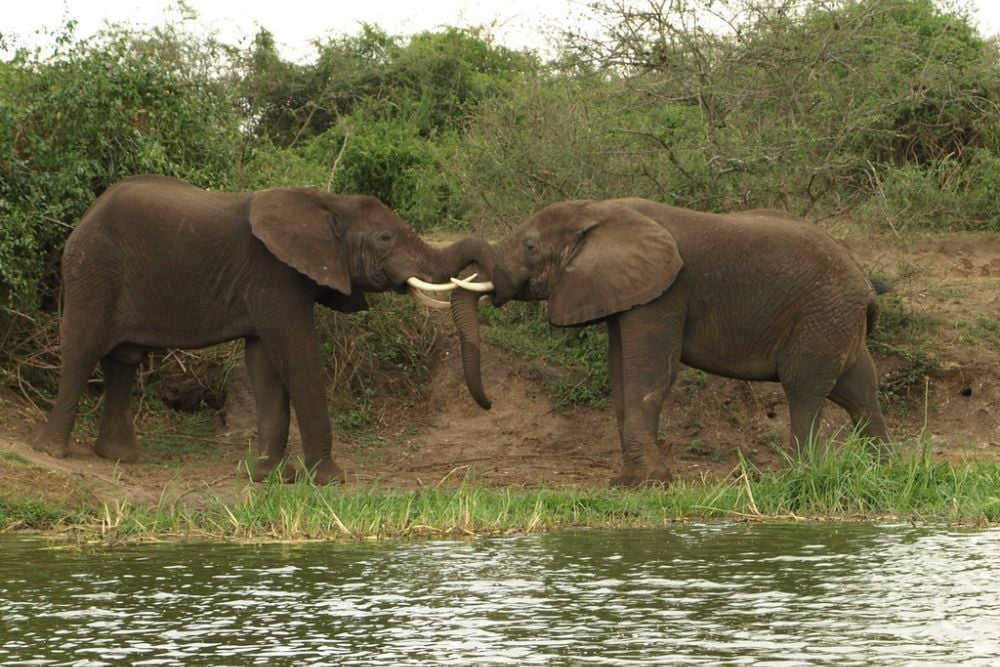
Elephants have been having long-distance phone conversations this whole time, and we only recently learned how to tune in. These massive mammals communicate using sounds below human hearing range, sending messages that can travel for miles through both the ground and air.
They coordinate family reunions, warn about dangers, and even announce mating availability using these infrasonic calls.
Dolphin Signature Whistles
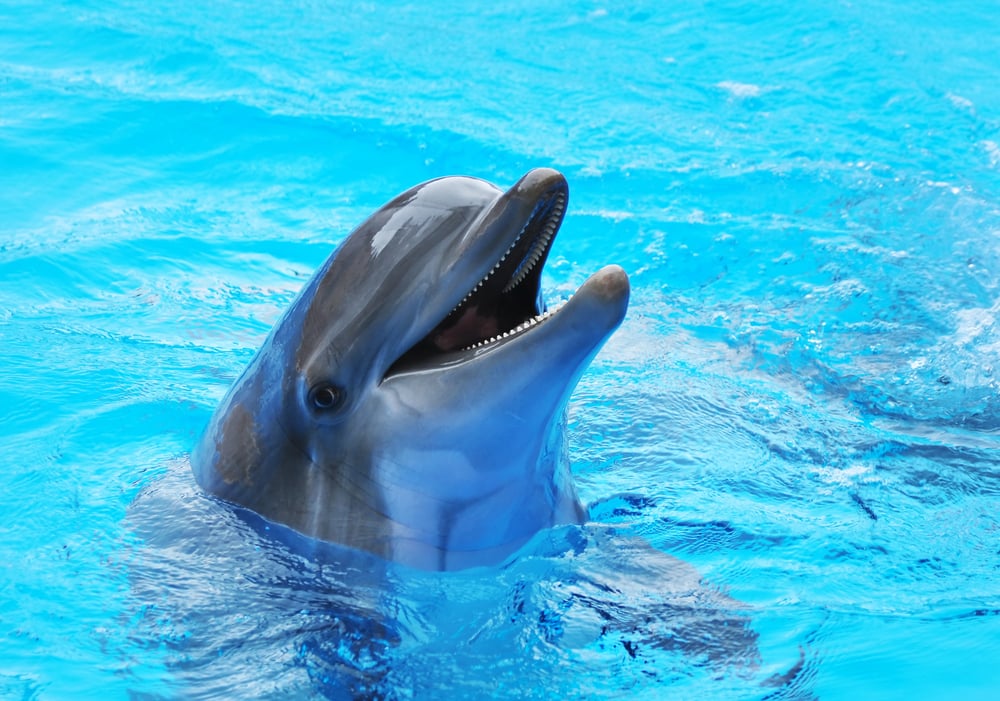
Every dolphin has its own unique whistle that works like a name, and they use these signatures in ways that mirror human social media. Scientists decoded how dolphins call out specific names when they want to get someone’s attention, similar to how we tag a friend on social media.
This naming system helps dolphin pods stay connected across the ocean, maintaining relationships even when separated by distance.
Sperm Whale Click Patterns

Sperm whales speak in clicking patterns that function like regional dialects, and each whale family has its own acoustic signature. Researchers discovered these marine giants use specific click sequences called codas to identify their clan membership, similar to how humans use accents.
Different whale populations around the world have distinct coda patterns that get passed down through generations.
Like Go2Tutors’s content? Follow us on MSN.
Vervet Monkey Predator Alerts

Vervet monkeys run a sophisticated early warning system with different alarm calls for specific types of predators. Scientists decoded their system and found these primates have distinct calls for leopards, eagles, and snakes—and each call triggers different escape behaviors.
When they hear the leopard call, monkeys climb trees, but the eagle call sends them diving into bushes.
Orca Family Dialects
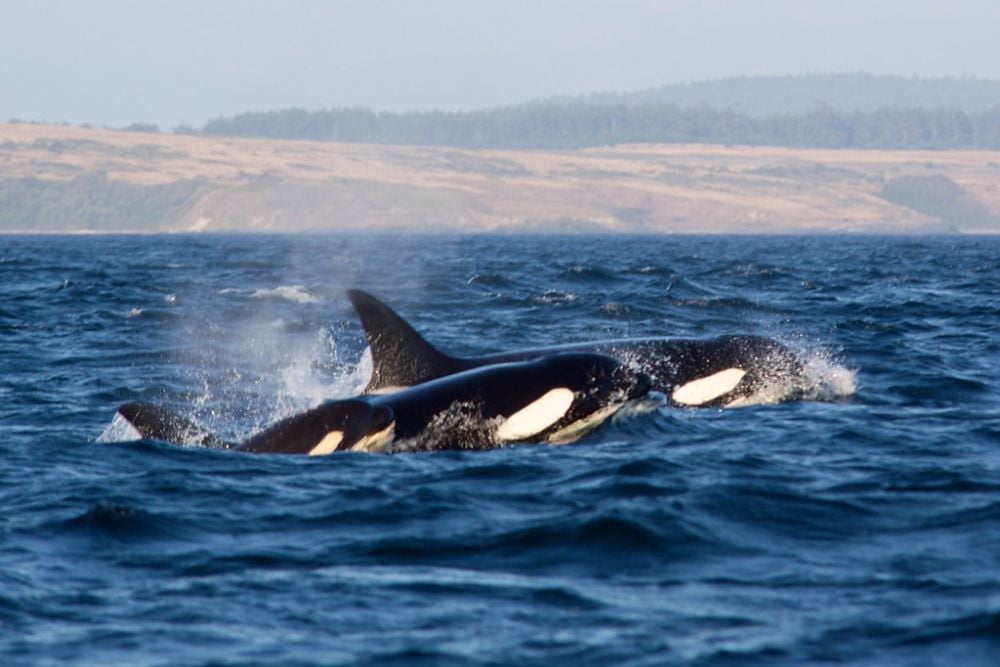
Killer whales have family-specific languages that work like human dialects, with each pod speaking its own variation of orca. Scientists discovered that these marine mammals learn their communication patterns from their mothers and pass them down through generations.
Members of the same pod can recognize each other’s voices from miles away, creating tight family bonds that last for life.
Chimpanzee Gesture Meanings
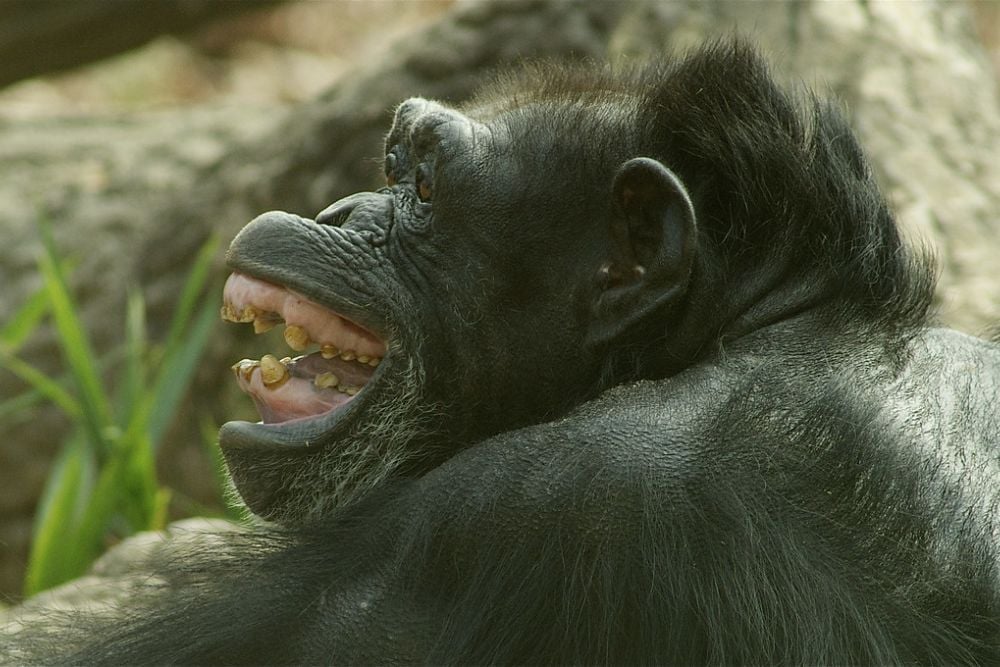
Chimpanzees communicate through a complex system of hand gestures that researchers have finally started to decode. These apes use specific arm movements, hand positions, and body language to convey different messages, from requests for grooming to invitations to play.
Scientists found that chimps actually have regional gesture dialects, with different communities using slightly different signs for the same concepts.
Like Go2Tutors’s content? Follow us on MSN.
Bat Echolocation Names

Bats don’t just use echolocation to navigate—they also use personalized sound signatures that work like vocal name tags. Researchers discovered that individual bats have unique call patterns that help them identify each other in crowded roosts.
Mother bats can pick out their babies’ calls among thousands of other voices, similar to how human parents recognize their children in a noisy playground.
Cuttlefish Color Conversations

Cuttlefish communicate through rapid color changes that function like a visual texting system. Scientists decoded how these marine creatures use specific color patterns, skin textures, and body positions to send messages to each other.
Males display different patterns when courting females versus warning off rival males, essentially changing their appearance to match their intended message.
Meerkat Sentry Calls
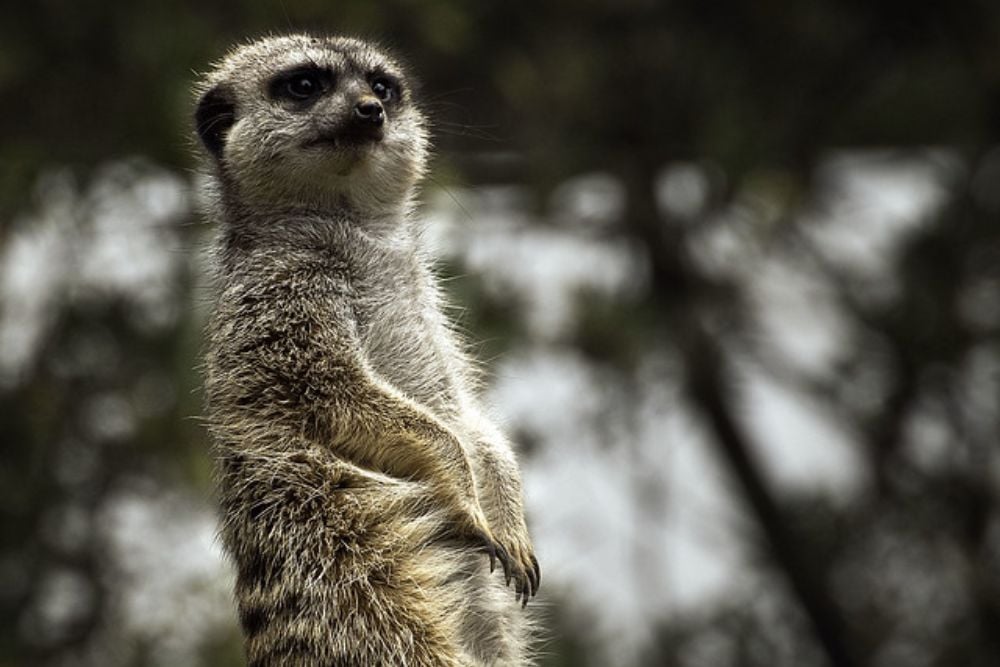
Meerkats have developed a complex guard duty communication system that keeps their colonies safe from predators. Researchers discovered these small mammals use different warning calls to indicate whether threats are coming from the ground or sky, and they even have specific calls that mean ‘all clear.’
The sentry meerkats essentially provide live commentary on the surrounding environment, keeping their family informed about potential dangers.
Like Go2Tutors’s content? Follow us on MSN.
Crow Family Recognition

Crows communicate using family-specific calls that help them identify relatives and distinguish between friend and foe. Scientists found that these intelligent birds learn their family’s vocal signatures as juveniles and maintain these communication patterns throughout their lives.
Crow families can recognize each other’s voices across distances, allowing them to coordinate group activities and defend their territory together.
Octopus Arm Signals

Octopuses use their flexible arms to create a sign language system that researchers have only recently begun to understand. These intelligent creatures communicate through arm positions, tentacle movements, and body postures that convey different meanings.
Scientists discovered that octopuses can signal aggression, curiosity, or submission through specific arm arrangements, creating a visual communication system as complex as their color-changing abilities.
Wolf Pack Coordination

Wolves coordinate pack hunts through a sophisticated system of howls, body language, and subtle vocalizations that scientists have recently decoded. Different howl patterns serve distinct purposes, from rallying the pack for a hunt to calling scattered members back to the group.
Researchers found that wolves can communicate hunting strategies and coordinate complex maneuvers using their varied vocal repertoire.
Parrot Contextual Learning

Parrots don’t just mimic sounds randomly—they actually learn to use human words in appropriate contexts, creating a bridge between species communication. Recent studies revealed that these intelligent birds understand the meaning behind many of the words they learn and use them to communicate specific needs or emotions.
Some parrots even combine learned words in new ways to describe objects or situations they haven’t encountered before.
Nature’s Ongoing Conversation

These communication breakthroughs represent just the beginning of our understanding of animal languages. As technology advances and scientists develop more sophisticated listening tools, we’re discovering that the natural world buzzes with conversations we’re only starting to comprehend.
The complexity of these communication systems suggests that animals have been running intricate social networks long before humans invented our own. Each decoded message brings us closer to understanding that we share our planet with creatures whose communication abilities might be far more advanced than we ever imagined.
More from Go2Tutors!

- 16 Restaurant Chains That Went Too Fast
- 12 Things Sold in the 80s That Are Now Illegal
- 15 Strange Things People Have Tried to Ban (And Failed)
- 16 Collectibles People Tossed Out Too Soon
- 17 Myths from Your Childhood That Were Actually Based on Real Things
Like Go2Tutors’s content? Follow us on MSN.