Olympic Athletes Competed Under Extreme Conditions
The Olympics celebrate human achievement at its finest. But behind the gold medals and record times lie stories of athletes pushing through conditions that went far beyond normal competition.
Some faced brutal weather, others dealt with political upheaval or war. A few competed while injured or sick.
Many endured circumstances that would have stopped most people before they even started. These weren’t minor inconveniences.
These were genuine threats to health and safety that forced athletes to make difficult choices about whether competing was worth the risk. Most chose to compete anyway.
The 1904 Marathon Death Race

St. Louis in August hit temperatures above 90 degrees Fahrenheit. The marathon course wound through dusty roads with almost no water stations.
Only 14 of the 32 starters finished the race. Thomas Hicks won, but barely.
His trainers gave him strychnine and brandy during the race—substances they believed would help him finish. He collapsed after crossing the finish line and needed medical attention for hours.
Doctors thought he might die. Another runner, Felix Carvajal, stopped to eat apples from an orchard along the route.
The apples were rotten. He got stomach cramps but kept running anyway, finishing fourth despite stopping to nap on someone’s lawn.
The first-place finisher, Fred Lorz, rode in a car for 11 miles when he got tired, then jogged back onto the course and crossed the finish line. Officials caught him and disqualified him.
The whole event was chaotic.
Thin Air in Mexico City

The 1968 Olympics took place at 7,350 feet above sea level. Athletes from low-altitude countries struggled to breathe during events that required sustained effort.
The reduced oxygen made every race feel like sprinting up a mountain. Distance runners suffered most.
Their bodies couldn’t process oxygen fast enough. Some collapsed after crossing the finish line.
Others dropped out mid-race, unable to continue. But the altitude helped athletes in explosive events.
The thinner air meant less resistance. Bob Beamon jumped 29 feet 2.5 inches in the long jump—a record that stood for 23 years.
The conditions that crushed distance runners created perfect circumstances for jumpers and sprinters. Athletes who trained at altitude had clear advantages.
Those who arrived from sea level faced a choice: compete while gasping for air or skip events they’d spent years preparing for.
Berlin Under the Swastika
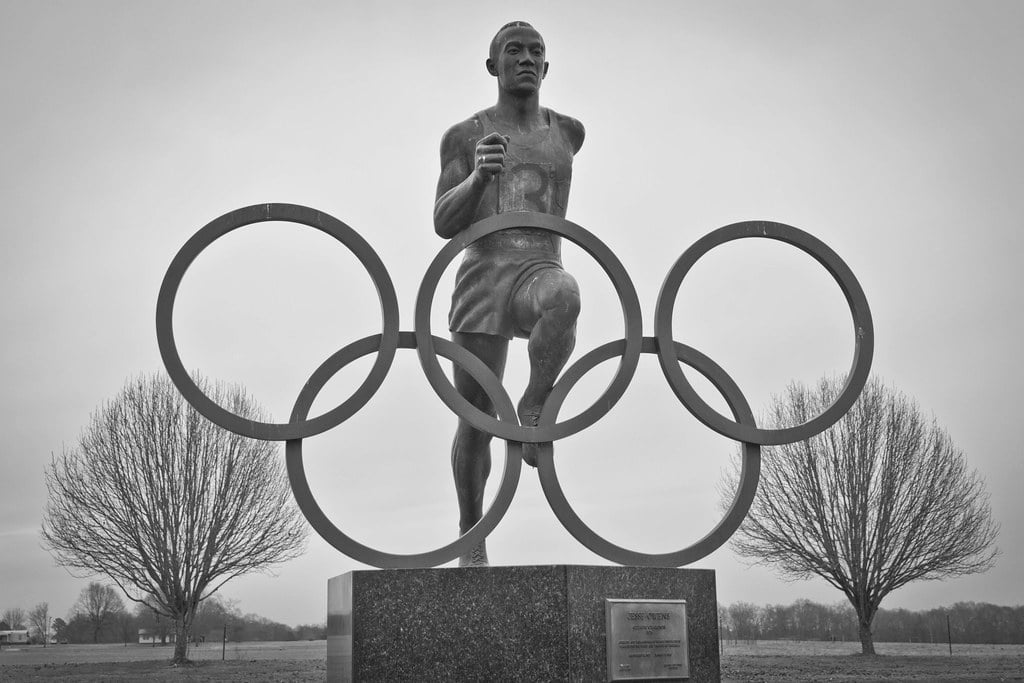
The 1936 Olympics happened in Nazi Germany. Athletes competed while Hitler used the Games as propaganda for his regime.
Jewish athletes faced persecution. Black athletes dealt with overt racism from the host nation.
Jesse Owens won four gold medals while Nazi officials watched. His success contradicted everything the regime claimed about racial superiority.
But the pressure on him went beyond normal athletic competition. He represented more than himself or his country.
German officials tried to control every aspect of the Games. They temporarily removed anti-Jewish signs from Berlin.
They presented a false image of tolerance while running concentration camps outside the city. Athletes knew the truth but had to decide whether to participate anyway.
Several countries debated boycotting. Most sent their teams.
The athletes who competed had to perform under the weight of knowing their presence gave legitimacy to a murderous government.
Moscow Without America

Sixty-five countries boycotted the 1980 Moscow Olympics to protest the Soviet invasion of Afghanistan. The United States led the boycott.
Athletes who had trained their entire lives for Olympic glory watched from home while the Games happened without them. The athletes who did compete faced their own challenges.
Security was intense. Soviet officials controlled everything.
The political tension hung over every event. Many American athletes never got another chance.
The next Olympics came four years later—too long for athletes who had peaked in 1980. Their careers ended without the Olympic moment they’d worked for.
The Moscow Games felt incomplete. Whole nations were missing.
Records set there carried asterisks in people’s minds because the competition wasn’t truly global.
The Original Marathon Route

The 1896 Athens Games revived the ancient Olympics. The marathon followed the legendary route from Marathon to Athens—roughly 25 miles over hills in Greek summer heat.
Most runners had never run that far. The concept of marathon training barely existed.
They just showed up and ran until they couldn’t anymore. Spyridon Louis, a Greek water carrier, won by running the last stretch barefoot after his shoes wore out.
He stopped at a tavern along the route to drink wine. Then he kept going and won anyway.
The course was brutal. The heat was oppressive.
Seventeen runners started. Nine finished.
The Greek crowd went wild when Louis entered the stadium, turning him into a national hero overnight.
Post-War Antwerp

The 1920 Olympics happened in Belgium just two years after World War I ended. The country was still recovering.
Food shortages continued. Buildings showed war damage.
The Olympic facilities were built quickly and poorly. Athletes slept in temporary barracks.
Meals were basic. Training facilities were inadequate. Germany, Austria, Hungary, Bulgaria, and Turkey weren’t invited—too soon after the war for the victors to forgive.
The weather didn’t help. The rain turned the track into mud.
Athletes competed in cold, wet conditions that made everything harder. But they competed anyway, grateful just to have the Olympics again after the war canceled the 1916 Games.
The Antwerp Olympics proved that sport could rebuild connections between nations. The conditions were harsh, but athletes from former enemy countries competed together peacefully.
Breathing Beijing’s Air

The 2008 Beijing Olympics happened during some of the worst air pollution the city had ever recorded. Smog hung thick enough that you could see it.
Athletes worried about lung damage from racing in those conditions. China tried to improve the air before the Games.
They shut down factories, restricted car traffic, and seeded clouds to make it rain. The efforts helped some, but the air quality remained poor by international standards.
Endurance athletes faced the worst of it. Marathon runners and cyclists spent hours inhaling polluted air while their bodies demanded maximum oxygen.
Some wore masks during training. Others cut their workouts short.
Haile Gebrselassie, the world record holder in the marathon, skipped the race entirely. He had asthma and didn’t want to risk permanent damage.
His withdrawal highlighted the severity of the problem.
Tokyo in the Heat

The 2021 Olympics (held in 2021 despite the name) combined extreme heat with COVID-19 restrictions. Athletes competed in temperatures above 90 degrees with high humidity.
Then they went back to isolated hotel rooms where they couldn’t interact with anyone. The heat caused problems across multiple sports.
Tennis matches started late to avoid the worst temperatures. Marathon runners started at 6 AM.
Even then, the conditions were brutal. COVID protocols added mental strain.
Athletes couldn’t explore Tokyo or interact normally with other competitors. They got tested constantly.
One positive test meant immediate removal from competition, regardless of symptoms. Some athletes trained for five years for these Olympics after the 2020 postponement.
They competed in conditions far from ideal while dealing with the stress of knowing a positive test would end their Olympic dreams instantly.
The Woman Who Wouldn’t Quit
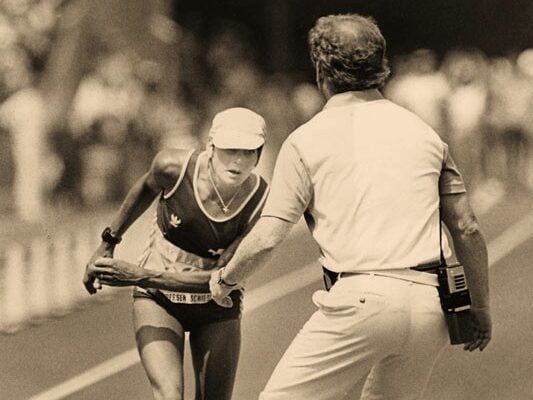
The 1984 Los Angeles Olympics featured Gabriela Andersen-Schiess stumbling into the stadium during the women’s marathon. She was severely dehydrated and disoriented.
Her left leg barely worked. She lurched forward, staggering and nearly falling with each step.
Medical staff wanted to help her, but touching her meant disqualification. So they followed her around the track while she struggled forward.
The crowd watched in silence, not sure whether to cheer or demand someone stop the suffering. It took her five minutes to complete the final lap.
She refused to quit. She crossed the finish line in 37th place, then collapsed.
Medical teams rushed to help. She recovered fully and later said she never considered stopping.
Her run became iconic—proof of the determination athletes show when everything goes wrong. The conditions weren’t unusual, but her body’s response was severe.
She pushed through anyway.
Mountain Ice and Bitter Cold

Winter Olympics regularly feature conditions that would shut down normal life. The 1994 Lillehammer Games saw temperatures drop to -4 degrees Fahrenheit.
Athletes competed anyway. Alpine skiers raced down mountains at 80 miles per hour in freezing wind.
Figure skaters performed in outdoor venues where their breath froze in the air. Ice conditions varied wildly based on temperature fluctuations.
The 2018 PyeongChang Olympics hit temperatures below zero with wind chill making it feel like -20. Opening ceremony performers and spectators dealt with hypothermia risks.
Athletes had to warm up in conditions cold enough to cause frostbite in minutes. Winter athletes train for colds, but Olympic conditions sometimes exceed normal preparation.
They adjust their equipment, modify their warmups, and compete in weather that keeps most people indoors.
London After the War
The 1948 London Olympics happened in a city still rebuilding from World War II. Food rationing continued.
Bomb damage scarred the landscape. Britain was broke. Organizers called them the “Austerity Games.”
No new venues were built. Athletes slept in military barracks and existing housing.
Meals were basic because ingredients remained rationed. Germany and Japan weren’t invited.
The Soviet Union didn’t participate. But 59 nations sent athletes despite the difficult conditions.
They competed in repaired facilities and made do with limited resources. The Games went on because the world needed something to celebrate.
The conditions were far from ideal, but the alternative was waiting years more while Europe continued recovering.
Montreal’s Money Problems

The 1976 Montreal Olympics nearly bankrupted the city. Construction delays and cost overruns created chaos.
Some venues weren’t finished when athletes arrived. The financial disaster hung over everything.
Athletes competed while news stories detailed the mounting debts. Montreal residents opposed the Games as costs spiraled.
The political pressure affected everyone involved. The Olympic Stadium’s tower remained unfinished.
Workers were still constructing parts of the facilities while events happened nearby. The organization was stressed to breaking point.
It took Montreal 30 years to pay off the Olympic debt. Athletes competed in a city that couldn’t afford to host them properly but was committed too deeply to back out.
When Equestrian Went North
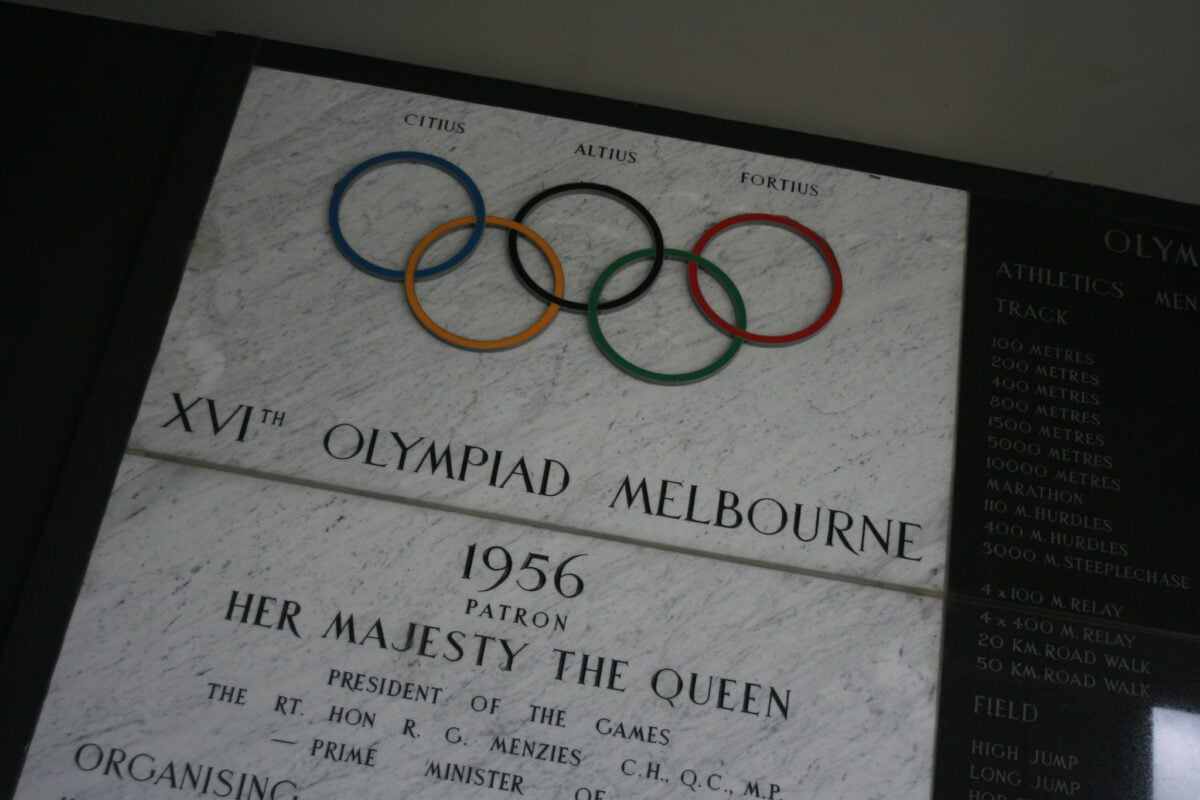
The 1956 Melbourne Olympics faced a unique problem. Australia’s quarantine laws for horses were so strict that bringing equestrian animals into the country was nearly impossible.
The solution was radical: hold the equestrian events in Stockholm, five months before the other sports and halfway around the world. Equestrian athletes competed in June in Sweden while the rest of the Olympics happened in November in Australia.
The sports were part of the same Games but separated by thousands of miles and half a year. Athletes who competed in both equestrian and other events had to travel to two different continents months apart.
The logistics were nightmarish. But the events proceeded because the alternative was canceling the equestrian competition entirely.
Depression-Era Games
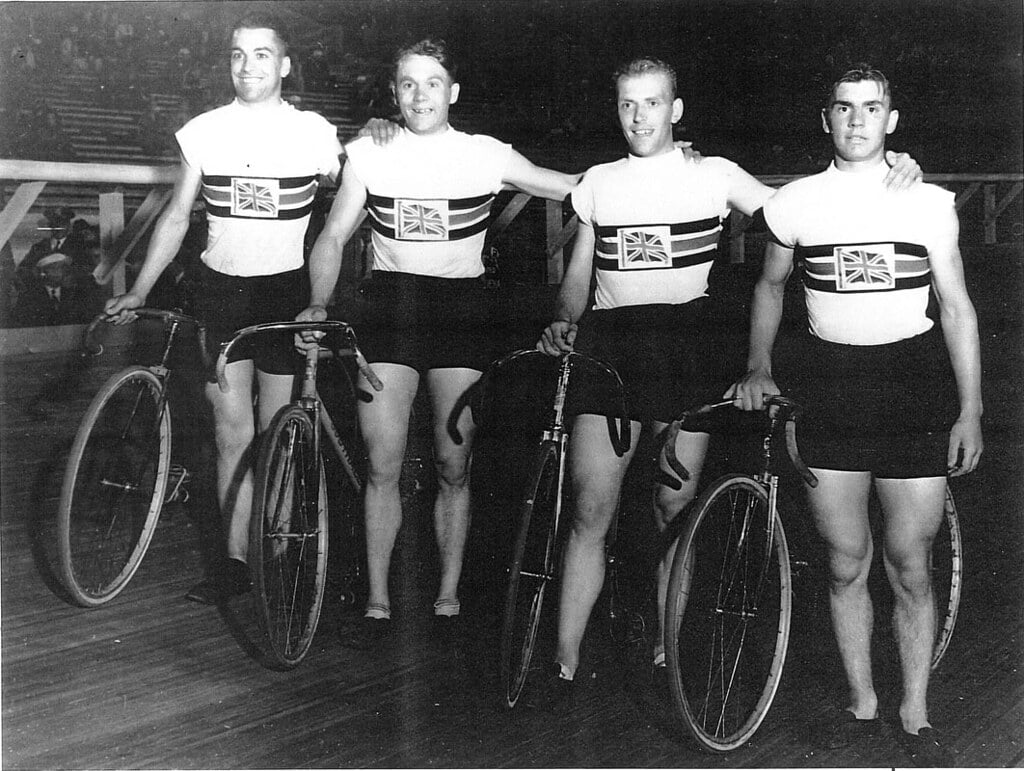
The 1932 Los Angeles Olympics happened during the Great Depression’s depths. Many countries couldn’t afford to send teams.
Athletes who did make it often paid their own way or relied on donations. The Brazilian team traveled on a ship loaded with coffee.
They sold the coffee at ports along the way to fund their Olympic participation. The Japanese team’s budget was so tight that they could barely afford meals.
Attendance was lower than expected because people couldn’t afford tickets. The Olympic Village, built specifically for the Games, sat in an undeveloped area because land was cheap there.
Athletes competed while millions back home struggled to find work or food. The contrast between Olympic glory and economic devastation was stark.
But the Games provided a brief distraction from the crisis.
What Endurance Really Means
What ties these tales together? Not just sport, but extreme pressure – far past what top athletes usually endure. Pulling out was an option, maybe even expected.
Still, each one stepped up to take part. Out there under bright lights, today’s Olympic events unfold inside carefully managed spaces.
Still, even with layers of protection built in, athletes wrestle with intense demands. Yet it’s uncommon now for the setting itself to put well-being at risk like it once did long ago.
Step by step, changes over time have shaped a more secure and balanced contest. Still, a few things from those rough years stick around for good reason.
What mattered pushed them forward, no matter the cost. Through scorching days or freezing mornings, they kept going.
High mountains, dirty air, tension between nations – none of it stopped them. Even after conflict faded and money vanished, they showed up.
Missing that chance felt worse than any struggle. What made them push forward was never about being flawless.
It came from a place most people know – choosing not to waste what they’d already built. You do not require a crisis for that mindset to count.
Yet it becomes harder to ignore once everything gets stripped down.
More from Go2Tutors!

- The Romanov Crown Jewels and Their Tragic Fate
- 13 Historical Mysteries That Science Still Can’t Solve
- Famous Hoaxes That Fooled the World for Years
- 15 Child Stars with Tragic Adult Lives
- 16 Famous Jewelry Pieces in History
Like Go2Tutors’s content? Follow us on MSN.



