Unusual Ways People Used Mirrors in History
Mirrors feel pretty basic now. Look into one to fix your hair or see if food’s wedged in your teeth.
Yet way back, folks used them for more than just checking looks. Some uses made sense, some got weird fast, while a handful actually shifted how we understand the world.
When Mirrors Became Weapons
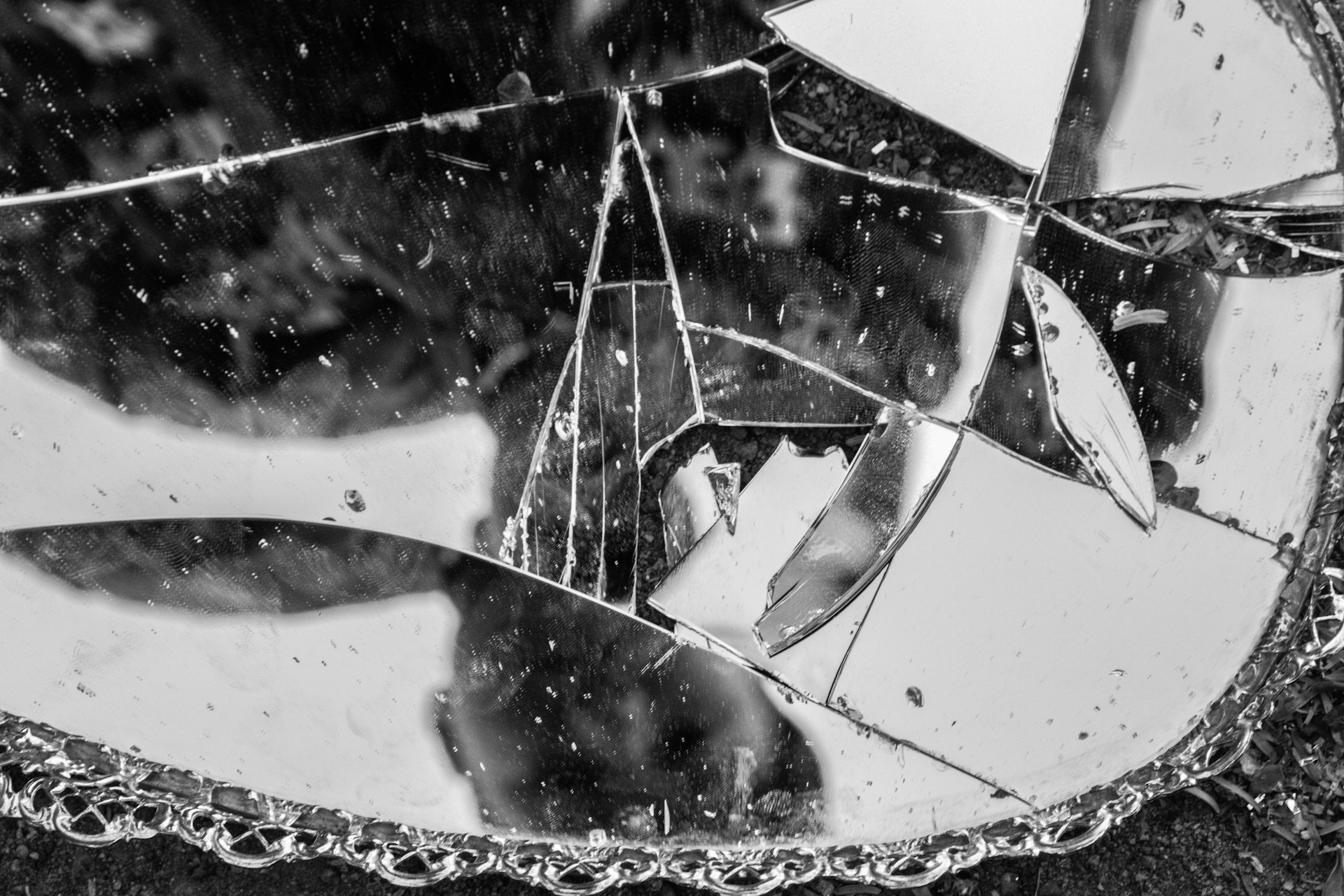
During the Siege of Syracuse around 213-212 BC, the mathematician Archimedes supposedly defended his city against Roman ships using an array of mirrors. The story claims he directed soldiers to position polished shields or bronze mirrors to focus sunlight onto approaching Roman vessels, setting them ablaze.
Whether this actually happened is hotly debated—the earliest accounts appear centuries after the events, and modern experiments show mixed results. MythBusters called it busted, though some researchers managed limited success under perfect conditions.
Real or not, the legend stuck around for over two thousand years.
Dentistry Before Electric Lights
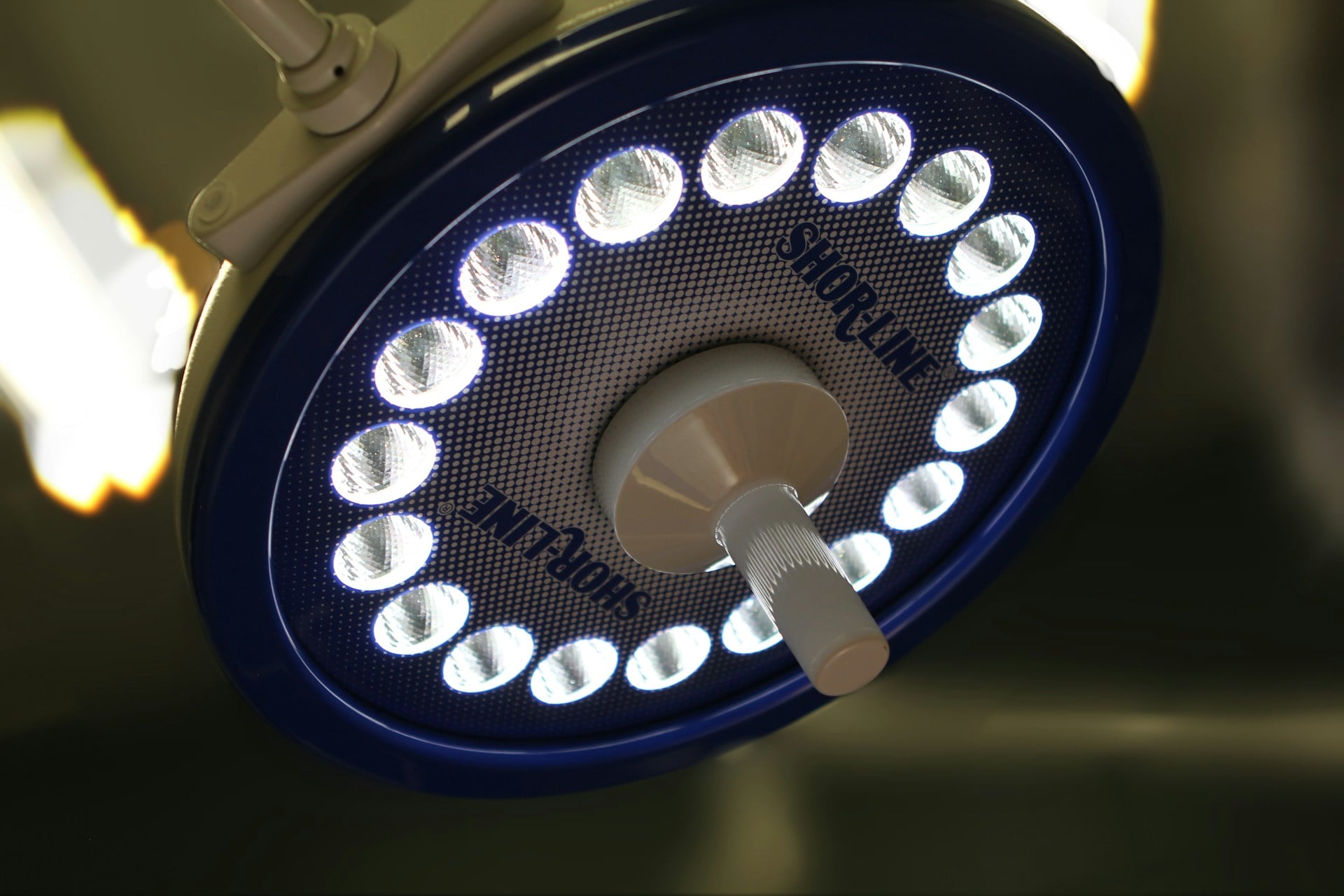
Pull a tooth in near-darkness and you’re bound to make mistakes. Early dentists in the 1700s and 1800s solved this problem by strapping small mirrors to their foreheads, angled to catch and reflect candlelight or sunlight directly into a patient’s mouth.
The setup looked ridiculous but it worked. These head-mounted mirrors became standard equipment, giving dentists a clear view of molars and cavities that would otherwise hide in shadow.
Communication Across Battlefields
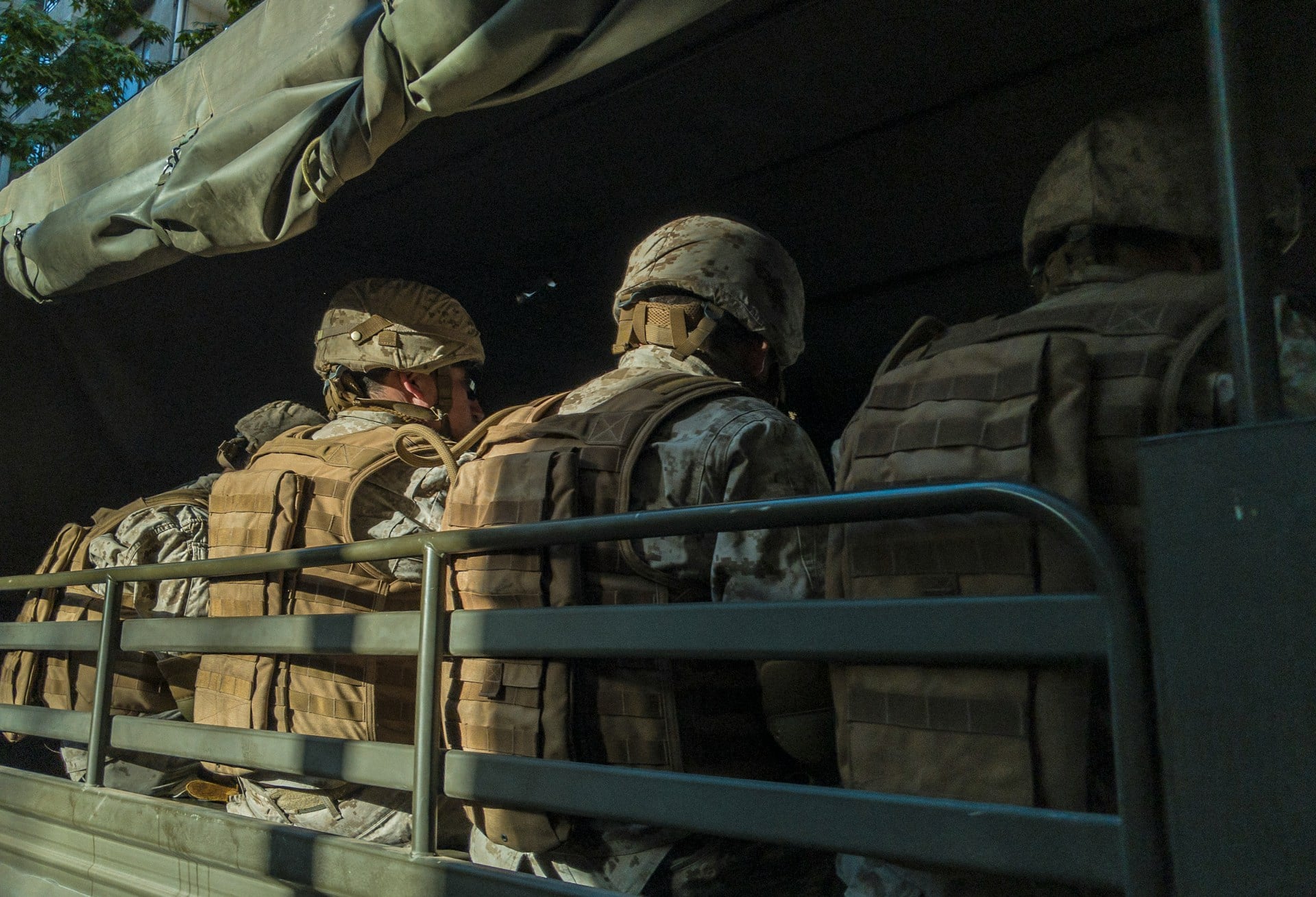
Long before radios or phones, armies needed ways to send messages quickly across distances. The heliograph—a device using mirrors to flash sunlight in coded patterns—became military standard in the late 1800s.
Soldiers positioned miles apart could spell out entire messages by tilting mirrors to create long and short flashes, basically Morse code with sunshine. Desert campaigns relied heavily on this technology because it worked in environments where other communication methods failed.
Victorian Parlor Tricks That Spooked Guests
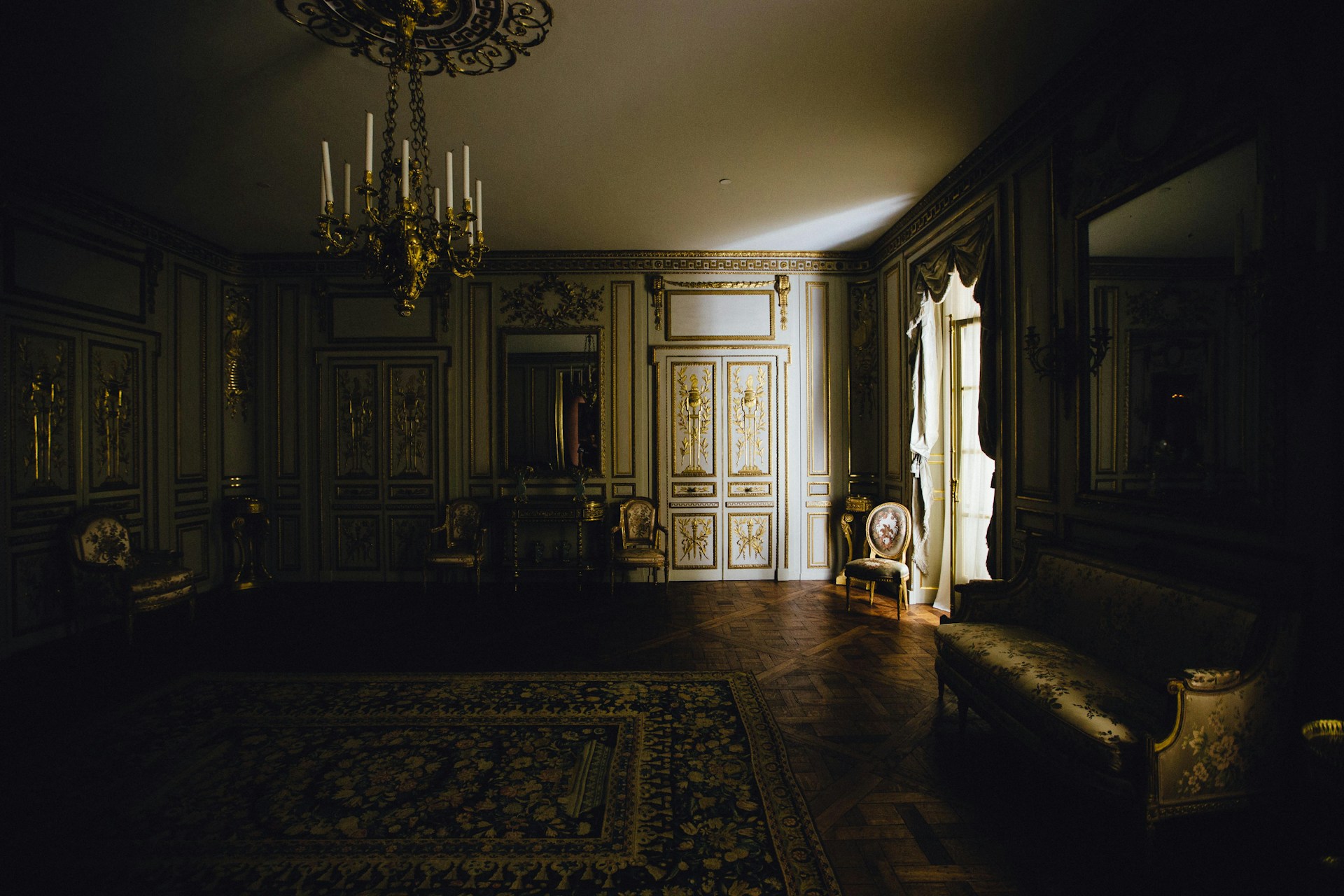
The Victorians loved a good illusion, and mirrors gave them plenty to work with. Pepper’s Ghost, a theatrical technique first demonstrated publicly in 1862, used angled glass and careful lighting to make transparent figures appear on stage.
Engineer Henry Dircks developed the concept, but John Henry Pepper popularized it at London’s Royal Polytechnic Institution during a Christmas production. Audiences watching plays or magic shows would see ghosts floating through walls or demons rising from trapdoors.
The effect required precise mirror placement and timing, but it convinced thousands that they’d witnessed something supernatural. Theater owners guarded the technique’s secrets closely.
They positioned large panes of glass at 45-degree angles below the stage, reflecting hidden actors lit in specific ways. When done right, the reflected image appeared to float in mid-air while real performers interacted with these “spirits.”
The setup was expensive and complicated, but it packed theaters for decades.
Desert Navigation Using Reflection

Travelers crossing vast, empty landscapes needed landmarks, but deserts don’t offer many. Some nomadic groups carried polished metal mirrors specifically to create temporary waypoints.
They’d prop mirrors on rocks or dunes at specific angles so that sunlight would reflect in a particular direction. Other travelers following behind could spot these bright flashes from miles away and adjust their route accordingly.
This wasn’t about leaving permanent markers. The mirrors could be collected and moved, making them perfect for groups who didn’t want to advertise their paths to everyone.
The technique required knowledge of sun angles and timing, skills passed down through generations.
Medical Examinations in Unlikely Places

Doctors examining the human body often needed to see around corners—literally. Small angled mirrors mounted on metal rods let physicians look into ears, throats, and other body cavities without invasive procedures.
These tools predated modern endoscopes by centuries and made diagnosis possible in eras when patients would have otherwise gone untreated. Some of these mirrors were incredibly small, no bigger than a shirt button, yet they provided views that saved lives.
The design was simple but effective, and variations of these mirror tools stayed in medical bags well into the 20th century.
Catching Sunlight in Dark Scandinavian Towns
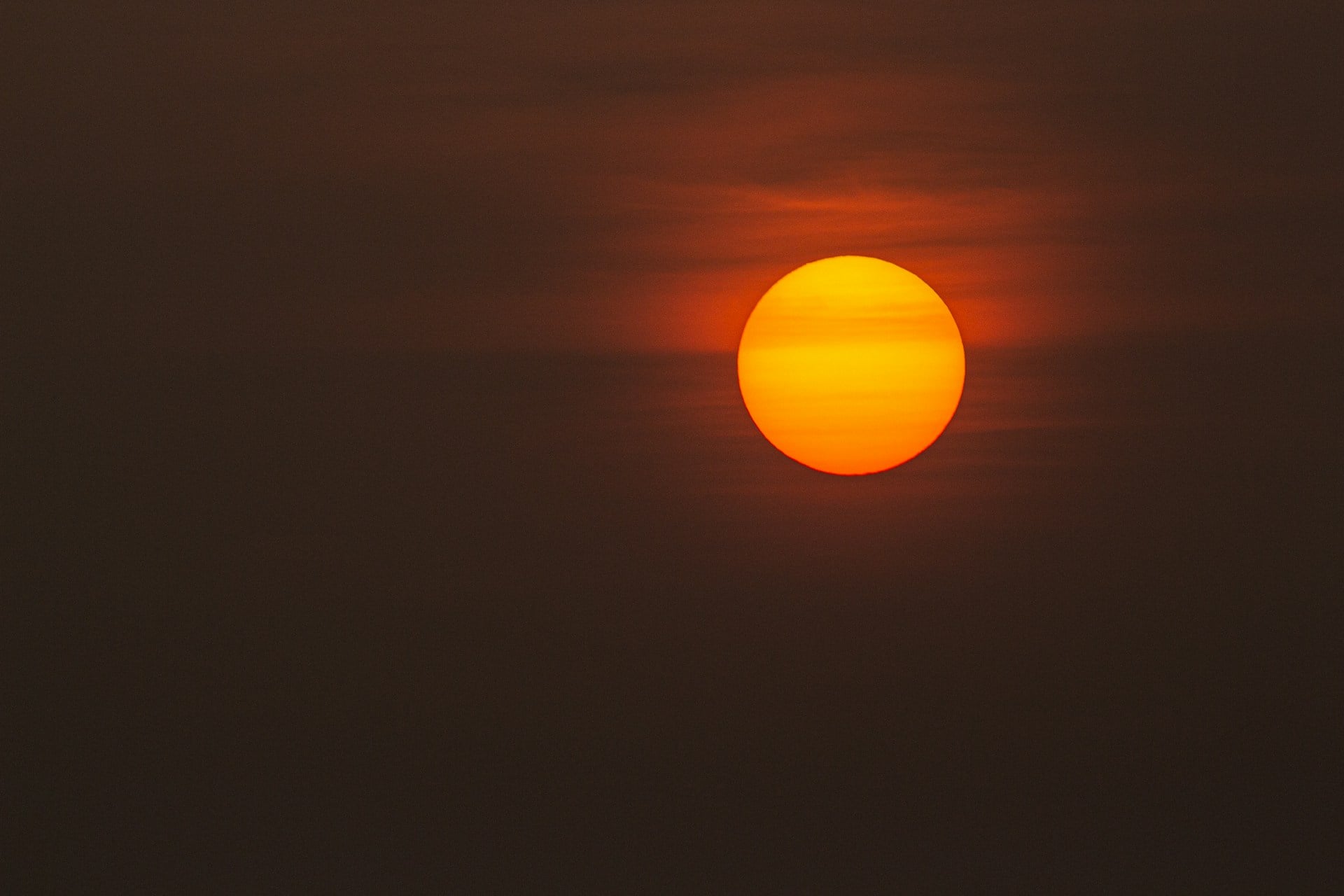
Norwegian towns nestled in deep valleys faced months of winter darkness when mountains blocked all direct sunlight. In 1913, Sam Eyde, founder of the town of Rjukan, proposed installing large mirrors on a nearby mountain to reflect sunlight down into the town square.
The technology wasn’t ready yet, so he built a cable car instead to take people up to the sunny mountaintops. A century later, in 2013, artist Martin Andersen revived the idea with computer-controlled mirrors.
The system works—three massive mirrors track the sun throughout the day, bouncing light into the valley and creating an elliptical patch of warmth in the town square during the darkest months.
Interrogation Techniques That Used Reflection
Law enforcement in various countries experimented with mirrors during questioning. The setup involved placing suspects in rooms with mirrors positioned to create disorienting reflections or to make the person feel constantly watched from multiple angles.
The psychological impact of seeing yourself from strange angles while being questioned apparently affected how people responded. These techniques fell out of favor as interrogation methods evolved and ethical standards changed, but they represented an unusual application of how mirrors affect human psychology and spatial awareness.
Astronomy Before Telescopes Got Good
Early astronomers struggled with the limitations of glass lenses, which distorted images and gathered limited light. Isaac Newton solved part of this problem by building reflecting telescopes that used curved mirrors instead of lenses as the primary light-gathering element.
This wasn’t just an improvement—it was a fundamental shift in how humanity observed the cosmos. The mirrors had to be ground and polished to exact specifications, a process that took weeks or months.
Even tiny imperfections would ruin the image. But once perfected, these mirror-based telescopes revealed celestial details that lens-based designs simply couldn’t capture.
Signaling Between Mountain Peaks
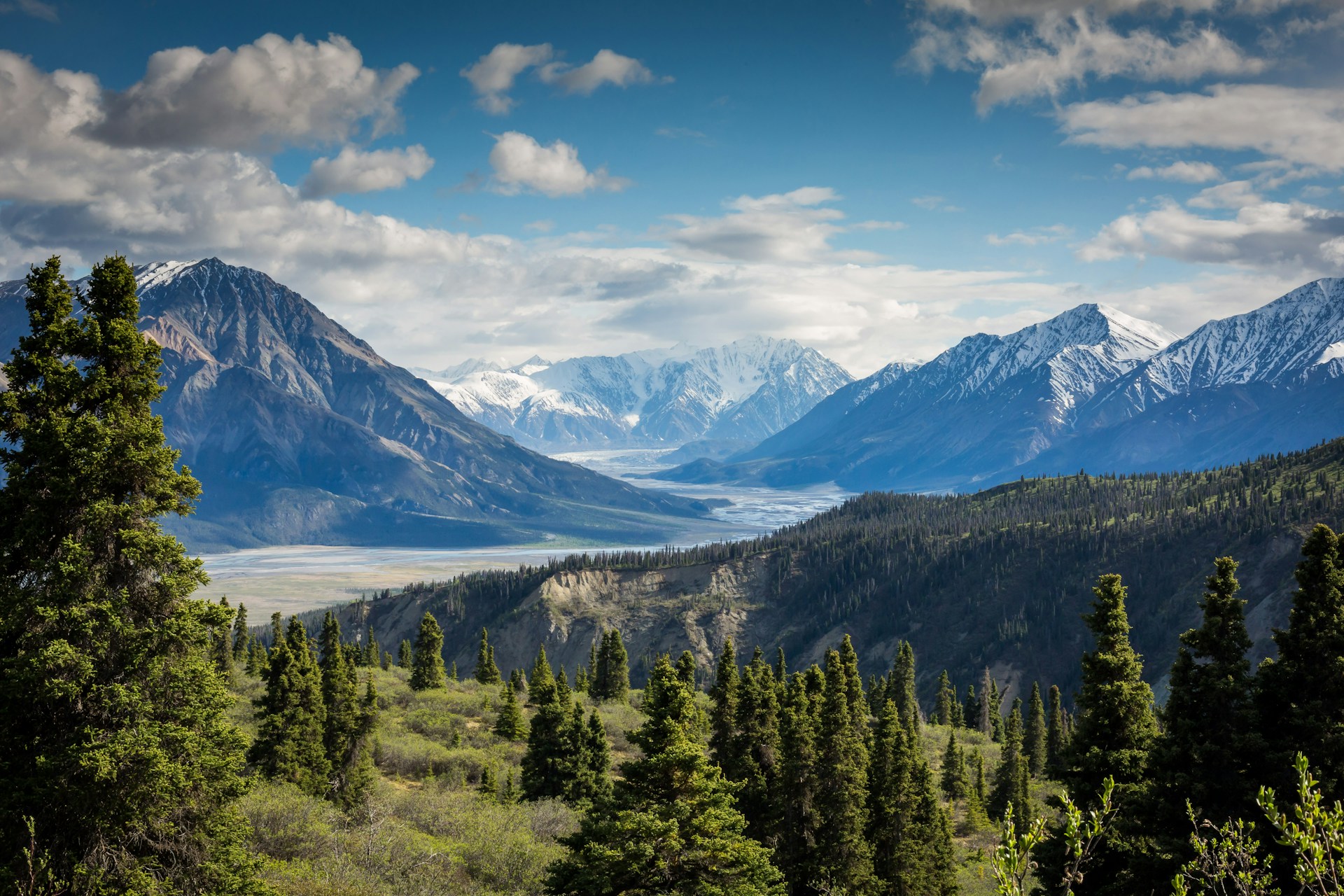
Alpine communities separated by steep terrain used mirrors to communicate across valleys too wide for shouting and too dangerous for messengers in bad weather. A person on one peak would flash sunlight toward another peak in patterns that conveyed simple but crucial information—warning of avalanches, announcing arrivals, or calling for help.
The system required clear sight lines and sunny weather, but when conditions aligned, messages traveled instantly across distances that would take hours or days to cross on foot. Children learned the flash patterns the same way they learned language, making mirror communication a natural part of mountain life.
Catching Spies and Thieves
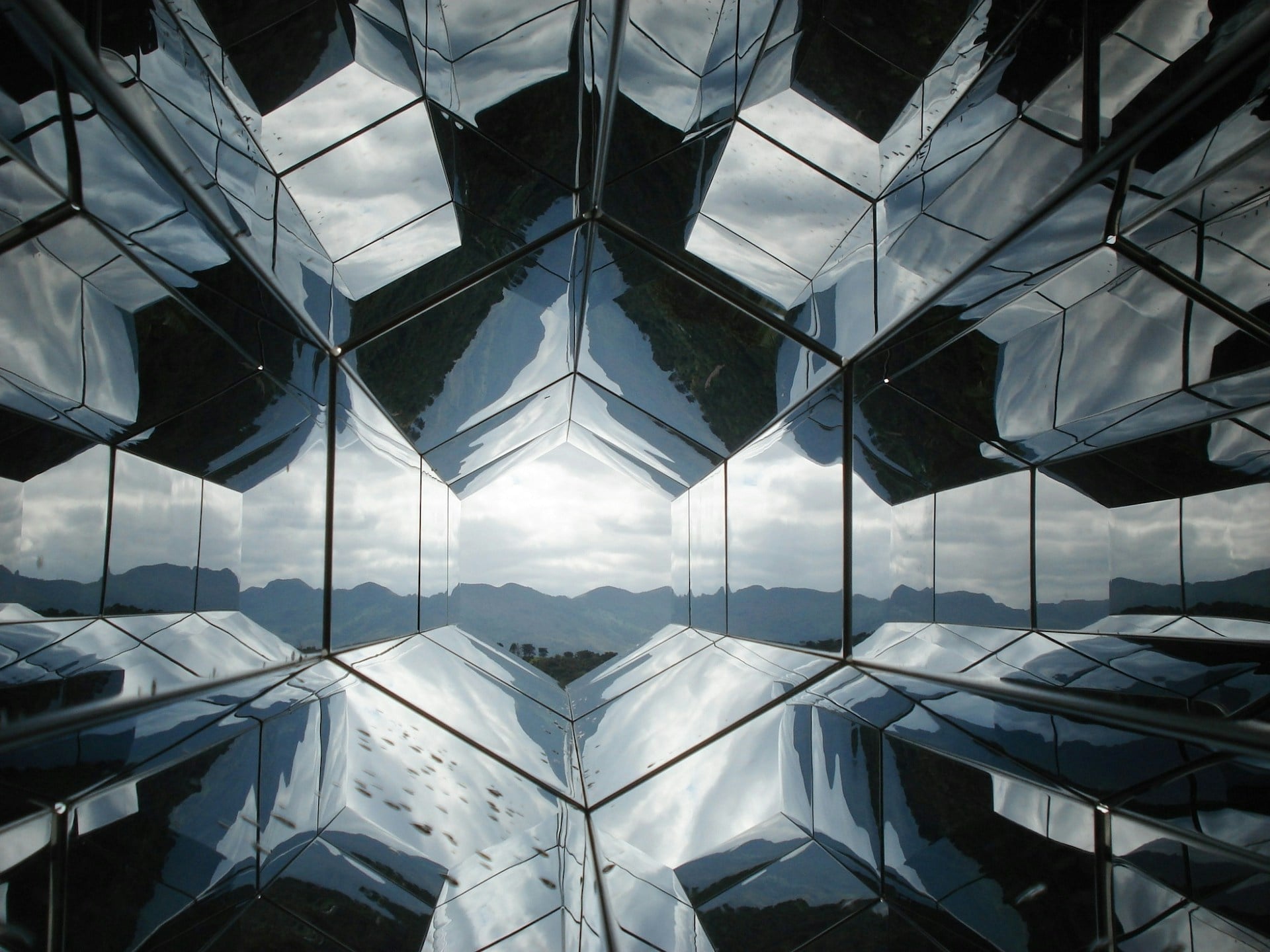
Security-conscious merchants and government officials sometimes installed mirrors in unexpected places—above doorways, around corners, or behind decorative panels. These hidden mirrors let them monitor rooms or hallways without being obvious about it.
Some historical buildings in Europe still have these “spy mirrors” built into their architecture, remnants of an era when surveillance meant clever positioning rather than cameras. The mirrors were usually small and positioned to blend with ornamental metalwork or architectural details.
Someone who knew where to look could watch an entire room while appearing to focus on something else entirely.
Renaissance Artists Who Traced Reality
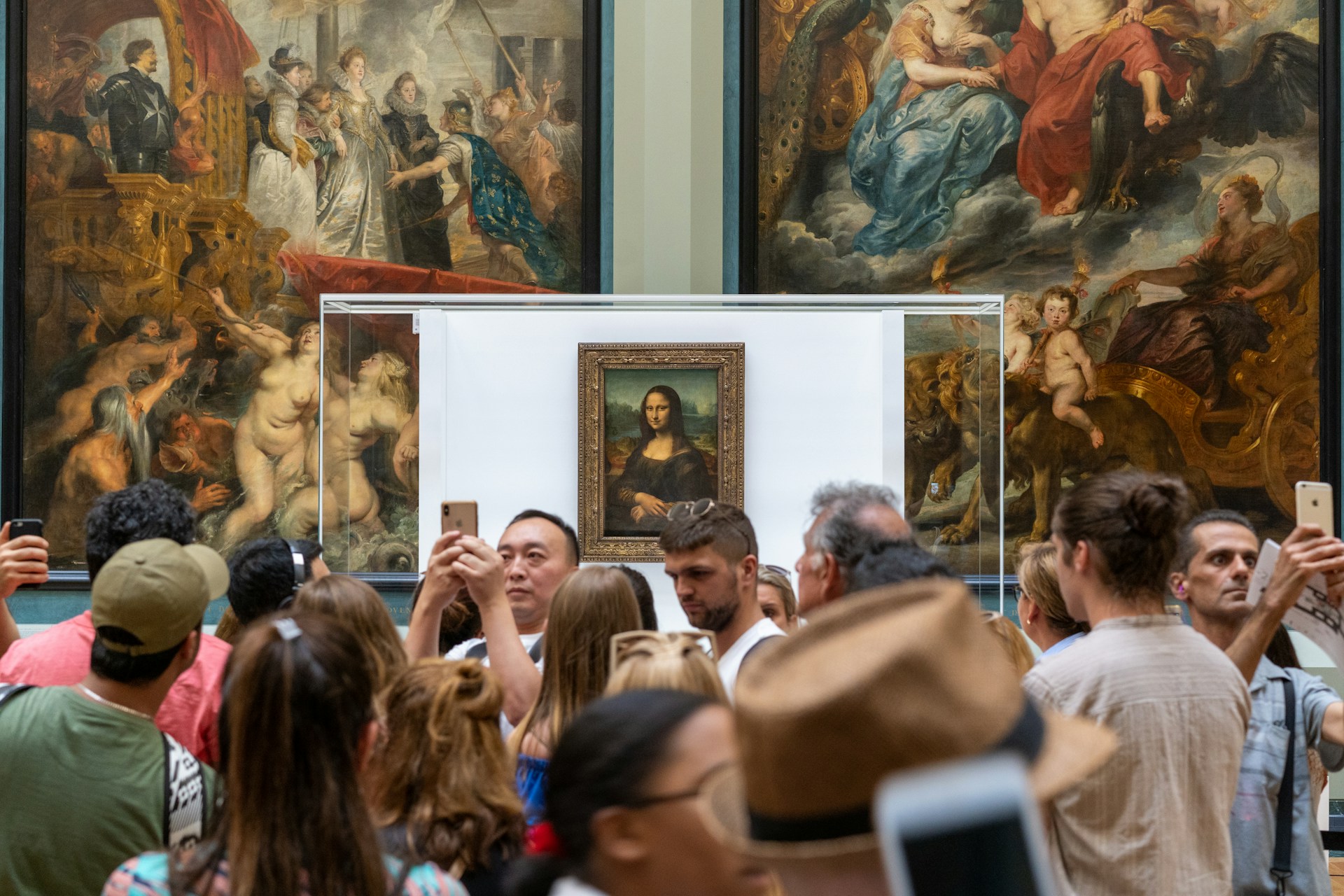
Painters before the camera era faced a challenge—how do you capture exact proportions and perspective? Some Renaissance artists used mirrors to project scenes onto their canvases, essentially creating a primitive form of image transfer.
They’d position mirrors to reflect their subject, then trace the reflected image onto prepared surfaces. This technique was controversial because it blurred the line between artistic skill and mechanical reproduction.
Some artists kept their mirror use secret, worried that it would diminish their reputation. But the results spoke for themselves—paintings with proportions and details that seemed impossibly accurate for hand-drawn work.
Burning Ants Wasn’t the Only Use
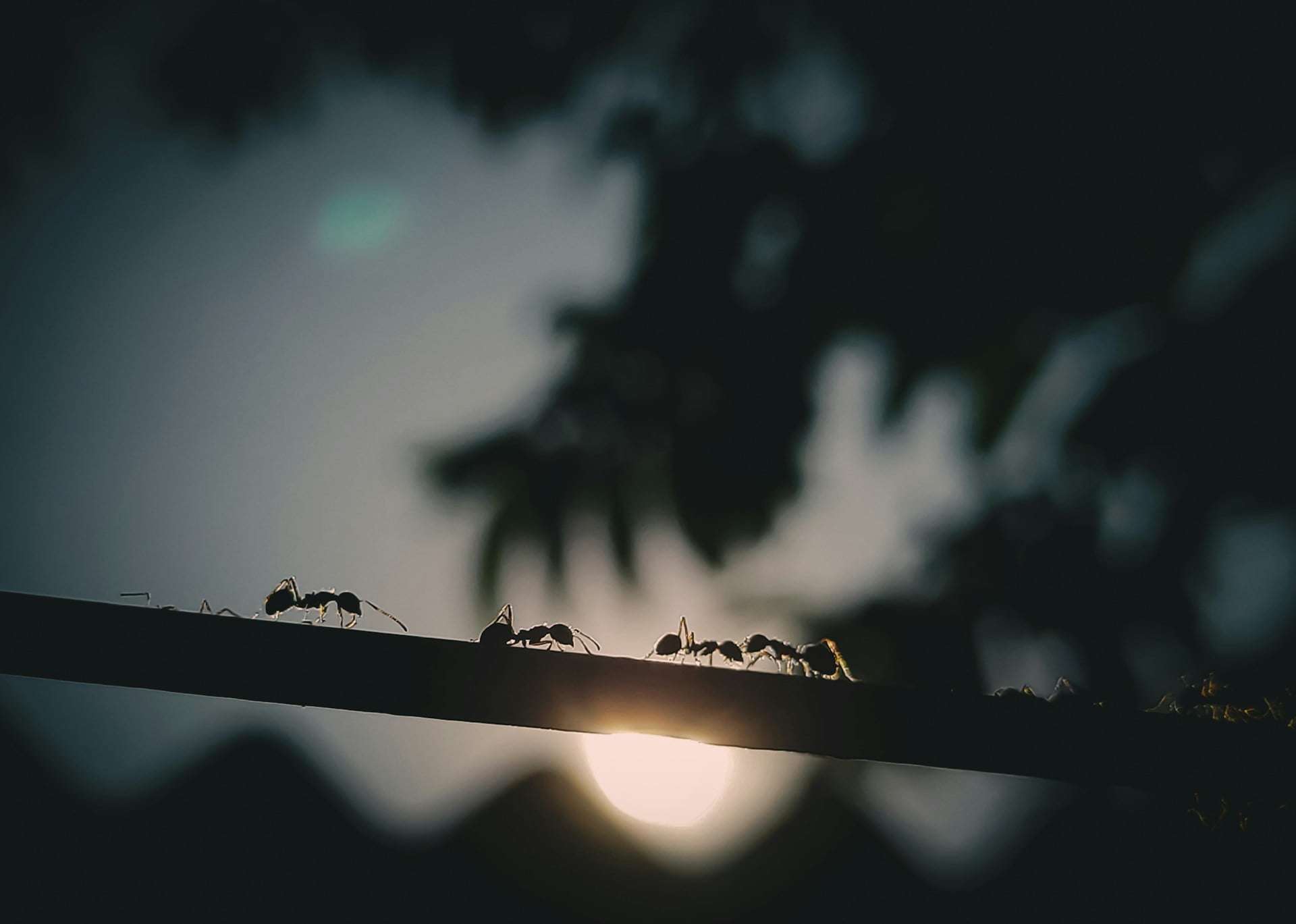
Kids found out magnifying glasses can beam sunlight onto one hot spot. Yet grown-ups long ago did something alike using mirrors instead.
Certain groups cooked food with curved reflectors – no spark or rubbing needed. Meanwhile, some treated injuries by sealing cuts under sunbeams when fire wasn’t around.
That concentrated light got so intense it either lit up dry stuff or closed open skin. These mirrors needed just the right curve – too shallow, yet the light wouldn’t focus well; too deep, so the hotspot became tiny and useless.
Anyone able to craft consistent fire-igniting mirrors possessed a rare talent.
Where Light Becomes Memory
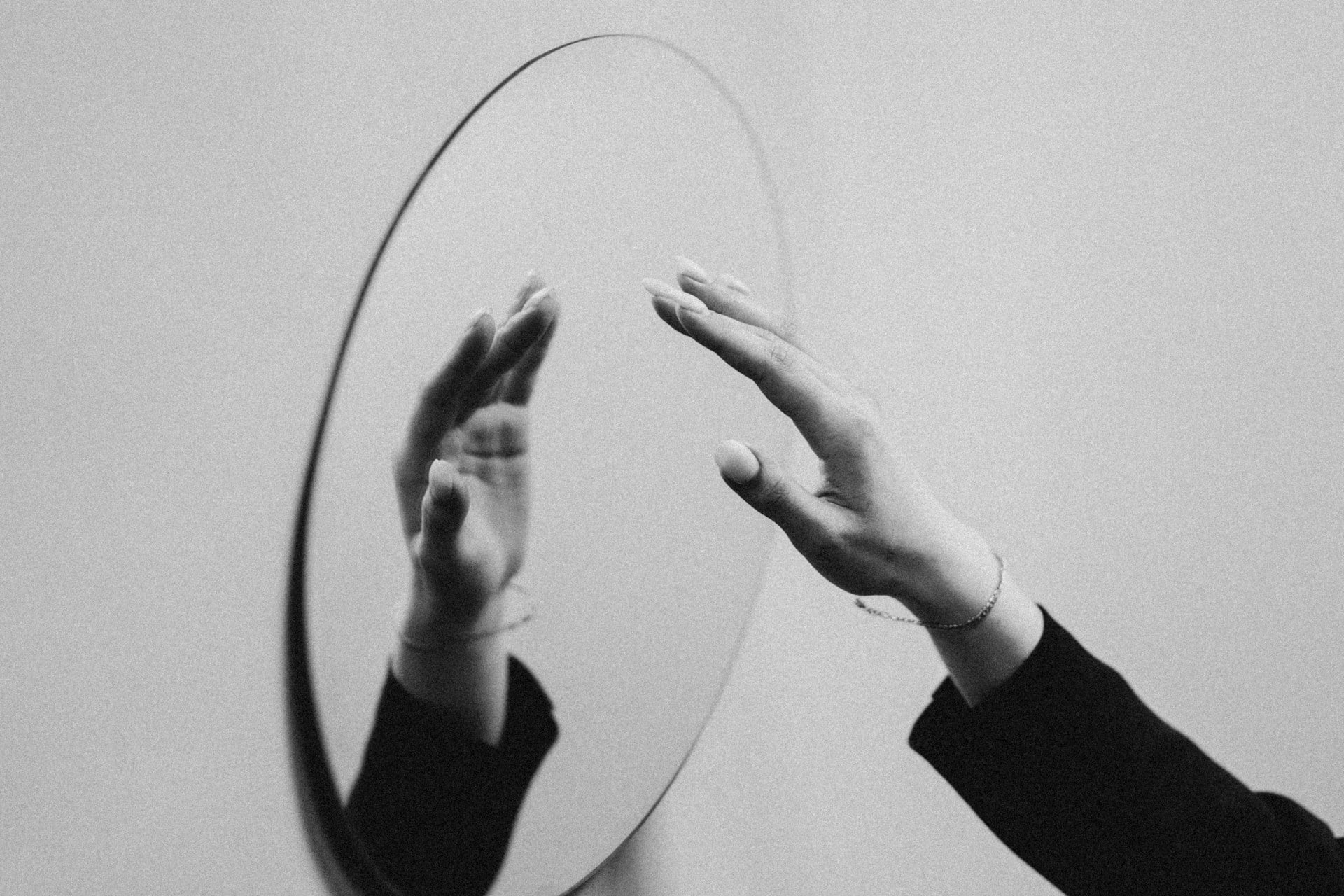
Mirrors, over time, didn’t just show what’s there. Yet they became aids for staying alive, gear used in battle, gadgets that helped discovery, even props for fun illusions.
So folks began using them to steer light how they liked – peeking where eyes couldn’t reach, sending signals far off, maybe even glimpsing inside themselves. Each odd job started with a person staring into a glass, not just checking their look.
Instead of an image, they spotted potential – an answer to something thought impossible. In this light, perhaps the weirdest part isn’t one old-time trick, but how people never stopped discovering fresh tricks.
More from Go2Tutors!

- The Romanov Crown Jewels and Their Tragic Fate
- 13 Historical Mysteries That Science Still Can’t Solve
- Famous Hoaxes That Fooled the World for Years
- 15 Child Stars with Tragic Adult Lives
- 16 Famous Jewelry Pieces in History
Like Go2Tutors’s content? Follow us on MSN