20 Landmarks Smaller Than You’d Expect
There’s an interesting phenomenon of perception with well-known structures. Because of the prevalence of postcards, wide-angle camera shots, and exciting scenes in movies, there’s an unconscious tendency for our minds to enlarge them.
When people eventually visit these structures, they find that they’re not as large as they thought. This isn’t an issue of people being disappointed with what they see.
Rather, it’s an issue of perspective. Some of the most iconic structures in America aren’t necessarily iconic because of their size.
Here’s a closer look at 20 structures in America that people find to be smaller in real life.
Statue of Liberty
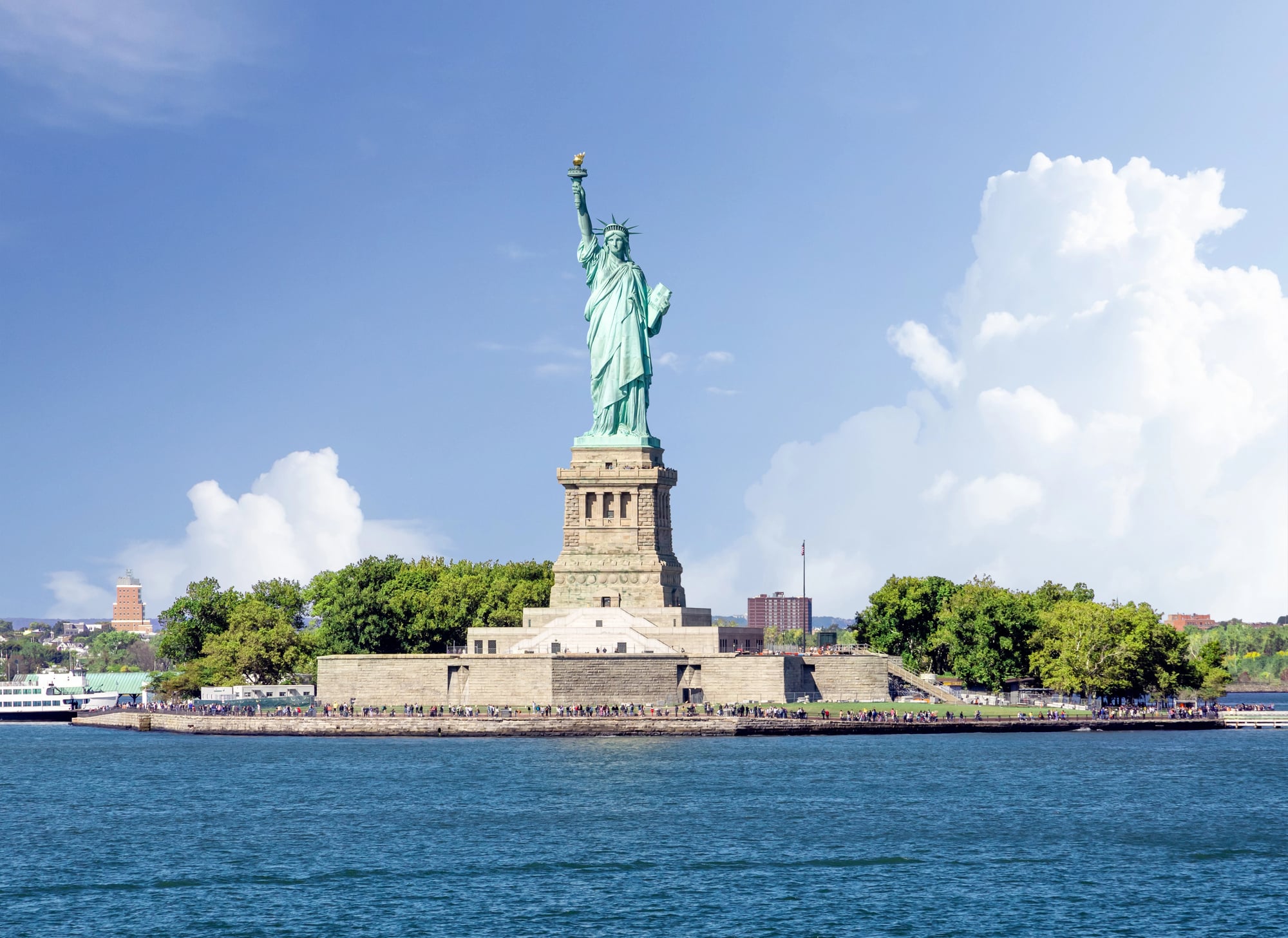
The Statue of Liberty stands 151 feet from heel to torch, which surprises visitors who expect something skyscraper-sized. Including the pedestal, it reaches 305 feet, but the statue itself is narrower and more compact than many assume.
From a distance in New York Harbor, it appears colossal. Up close, the figure feels more human in proportion — powerful, but not towering beyond comprehension.
Mount Rushmore

Each presidential face at Mount Rushmore measures about 60 feet tall. That is impressive, yet many visitors arrive expecting mountain-sized profiles.
The illusion comes from isolation. Set against vast granite cliffs and often photographed tightly framed, the faces appear monumental beyond scale.
In person, they are detailed and striking, but not overwhelming in height.
Hollywood Sign
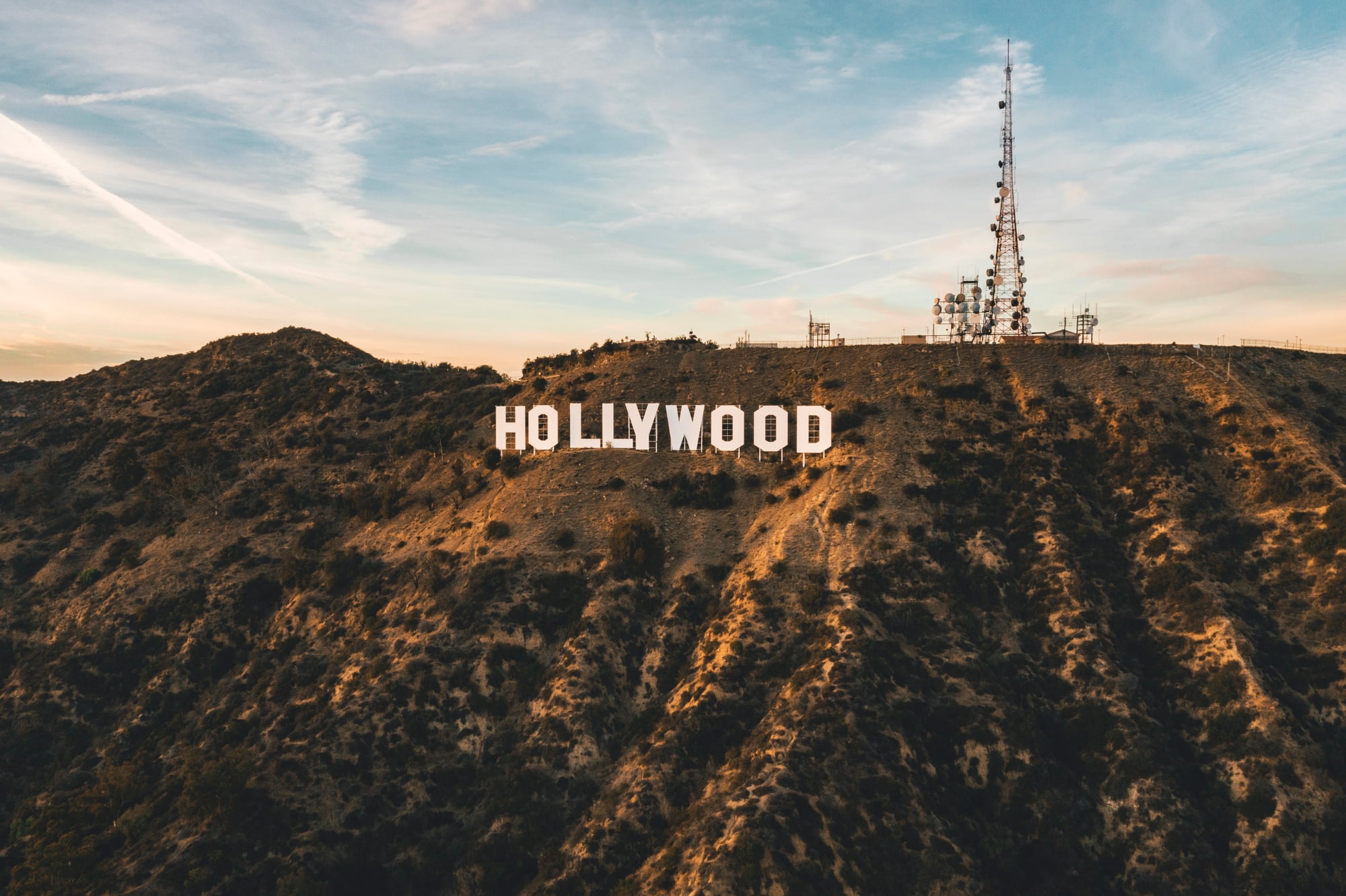
The Hollywood Sign letters are 45 feet tall. That is roughly the height of a four-story building, not a towering hillside skyscraper.
Because it sits high above Los Angeles and is typically shot from below, the sign feels massive. Standing near the base reveals a surprisingly modest footprint.
The Alamo
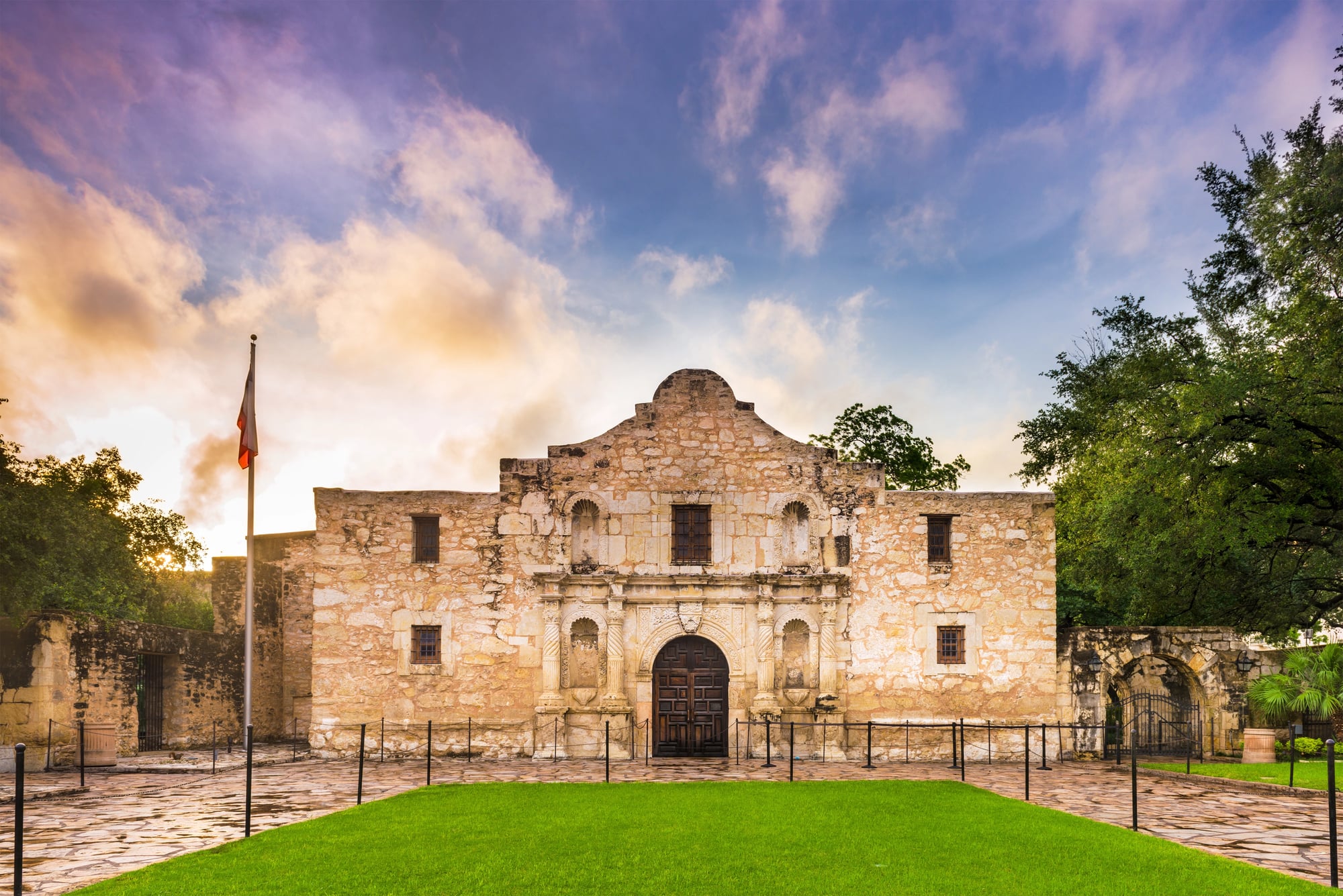
The Alamo is deeply embedded in American history, yet the main chapel façade is relatively compact. Visitors expecting fortress-scale walls often find a structure closer in size to a small church.
The weight of history makes it feel larger than its physical dimensions. Symbolism, in this case, expands space.
Plymouth Rock
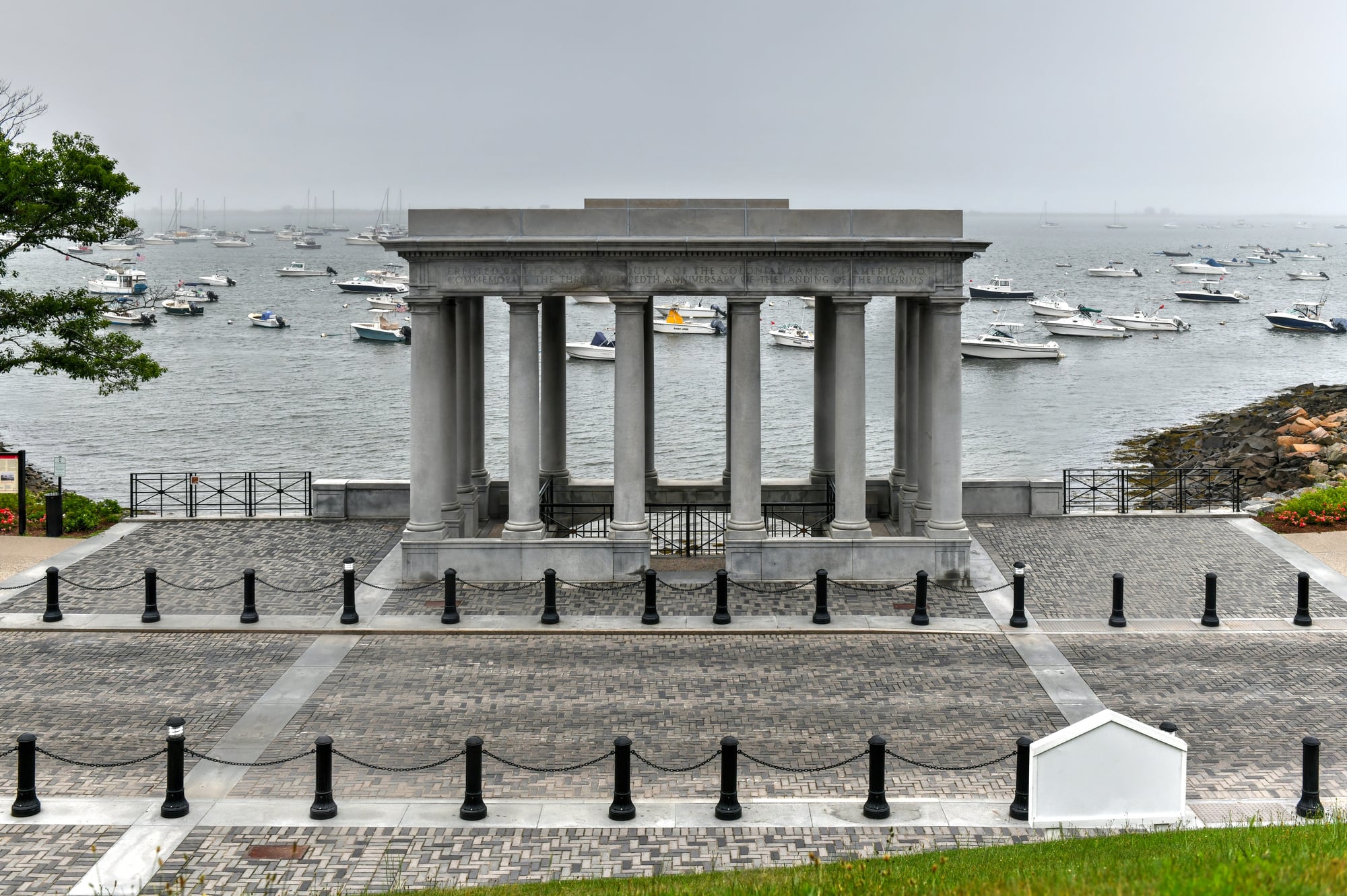
Plymouth Rock is perhaps the most famous rock in the country. It is also far smaller than many expect — roughly the size of a large boulder.
Protected under a classical canopy, it carries centuries of meaning. Physically, though, it is surprisingly unassuming.
The White House

The White House spans 55,000 square feet, but from the front lawn it appears more intimate than many pictures. Television angles and press coverage often give the impression of something palace-sized.
Up close, it feels stately rather than sprawling. Its influence outweighs its footprint.
Liberty Bell
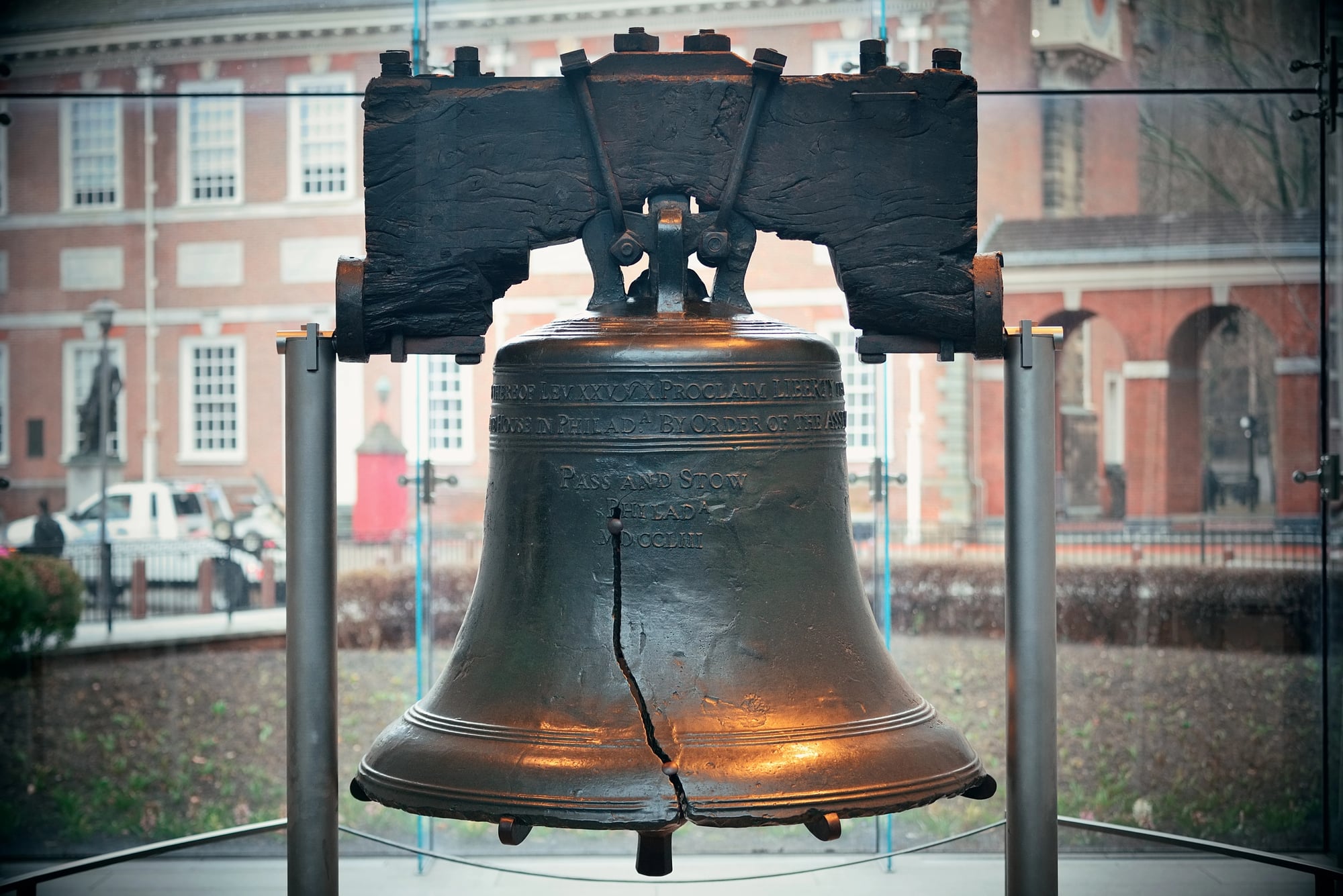
The Liberty Bell stands just over three feet tall and weighs about 2,080 pounds. Many first-time visitors expect something dramatically larger.
Instead, it is compact and approachable. The crack, not the scale, defines its presence.
Lincoln Memorial Statue
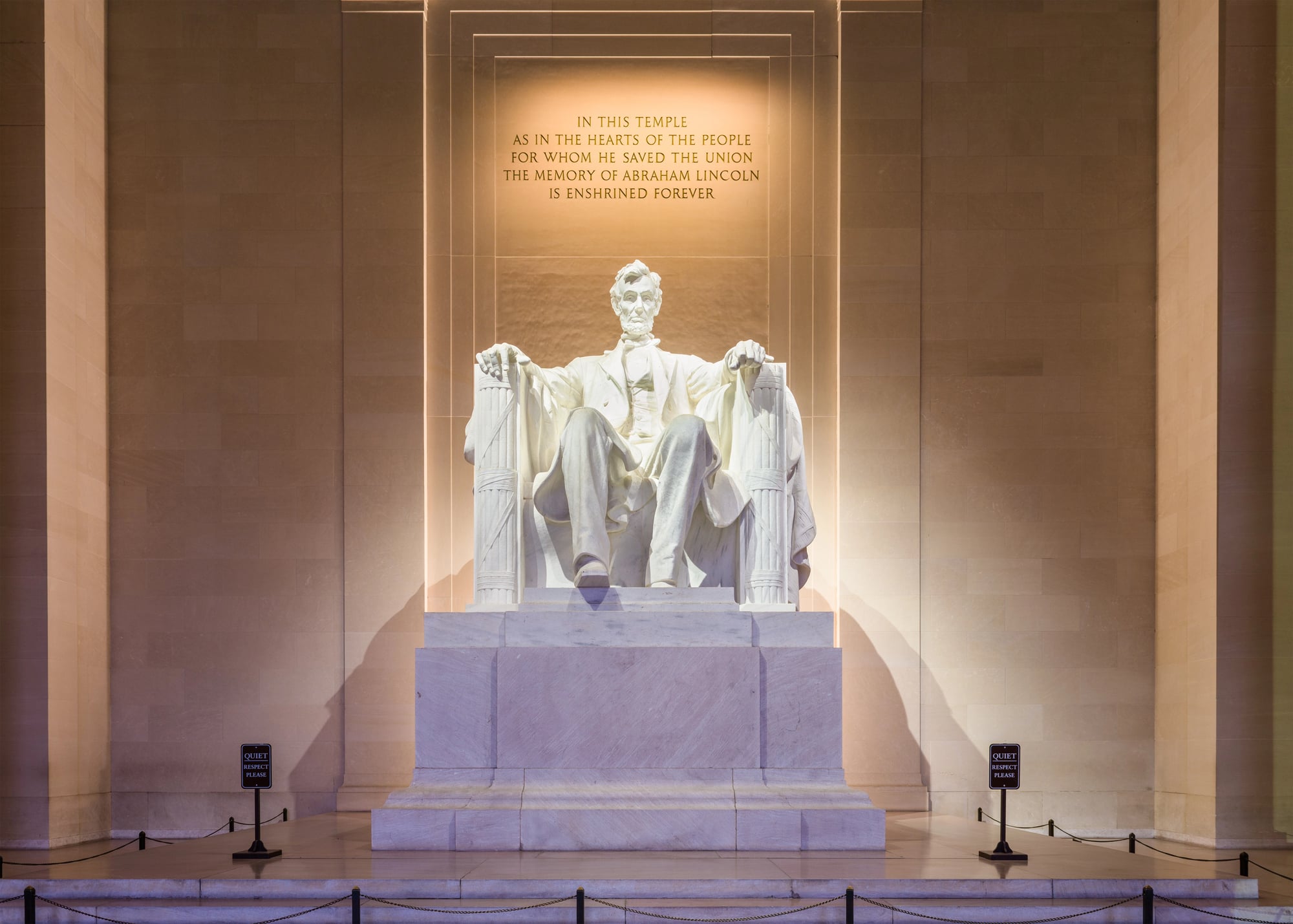
Inside the Lincoln Memorial, the seated Abraham Lincoln statue stands 19 feet tall. While large, it feels smaller than its dramatic interior suggests.
The towering columns and open chamber amplify the effect. Context makes the sculpture feel larger than it truly is.
Cloud Gate

Chicago’s Cloud Gate, often called The Bean, measures 33 feet high and 66 feet long. Its mirrored surface reflects the skyline in a way that magnifies perception.
Approaching it reveals a surprisingly compact form. The reflection creates visual expansion that exceeds its actual dimensions.
Charging Bull

The Charging Bull in Manhattan is about 11 feet tall and 16 feet long. In photos, it often appears massive and imposing.
Standing beside it reveals a sculpture that is powerful but not oversized. Crowds packed around it often add to the illusion.
Paul Revere’s House

Paul Revere House dates to the late 1600s and is one of Boston’s oldest surviving buildings. It is modest in size, more cottage than mansion.
The legend attached to it stretches far beyond its walls. History amplifies physical space once again.
The Gateway Arch
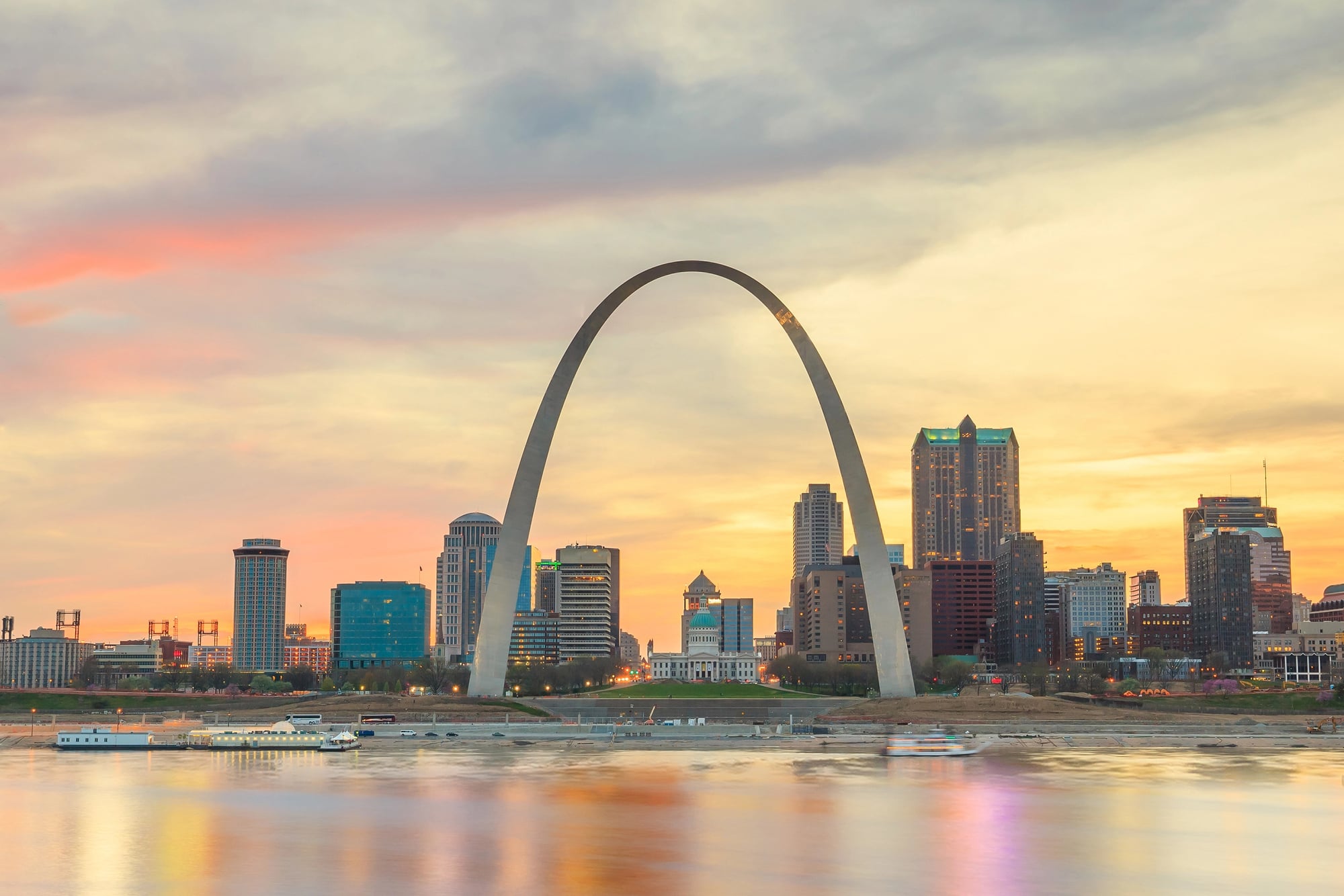
The Gateway Arch rises 630 feet, making it the tallest monument in the United States. Yet from afar across the Mississippi River, it can appear slimmer and less imposing than imagined.
Its clean curve and narrow frame create elegance rather than bulk. It is tall, but not visually heavy.
Independence Hall

Independence Hall is where the Declaration of Independence was debated and adopted. Visitors often expect a grand government complex.
Instead, it resembles a well-proportioned brick meeting house. Its historical weight eclipses its size.
Graceland
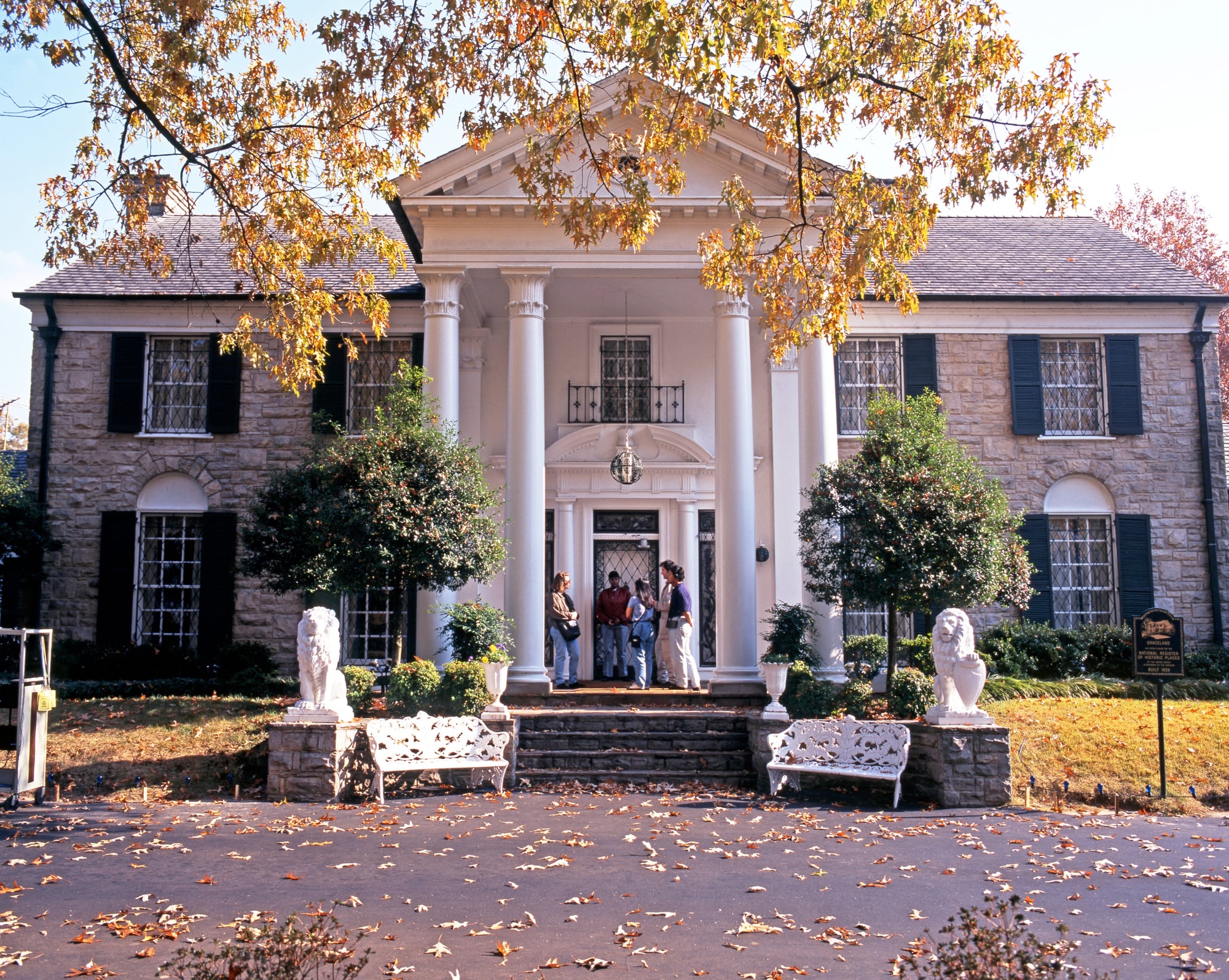
Graceland, home of Elvis Presley, spans about 10,000 square feet. That is sizable, yet many assume a celebrity residence of far greater scale.
Compared to modern mega-mansions, it feels almost modest. Its cultural aura is what fills the grounds.
The Flatiron Building
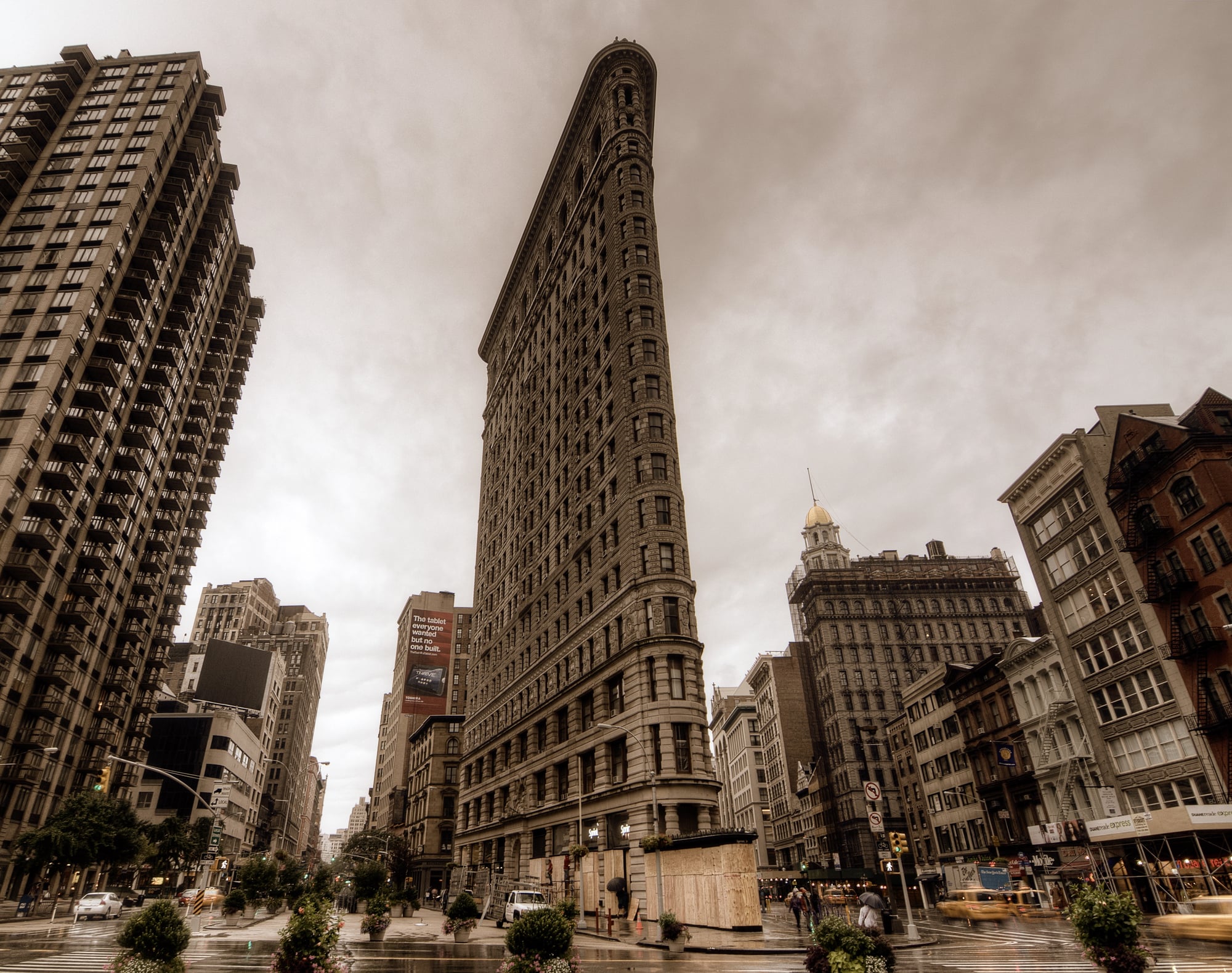
New York’s Flatiron Building stands 285 feet tall. While striking in shape, it is far shorter than nearby skyscrapers.
Photographed from below, its triangular edge feels towering. In reality, it is compact within Manhattan’s skyline.
Little White House
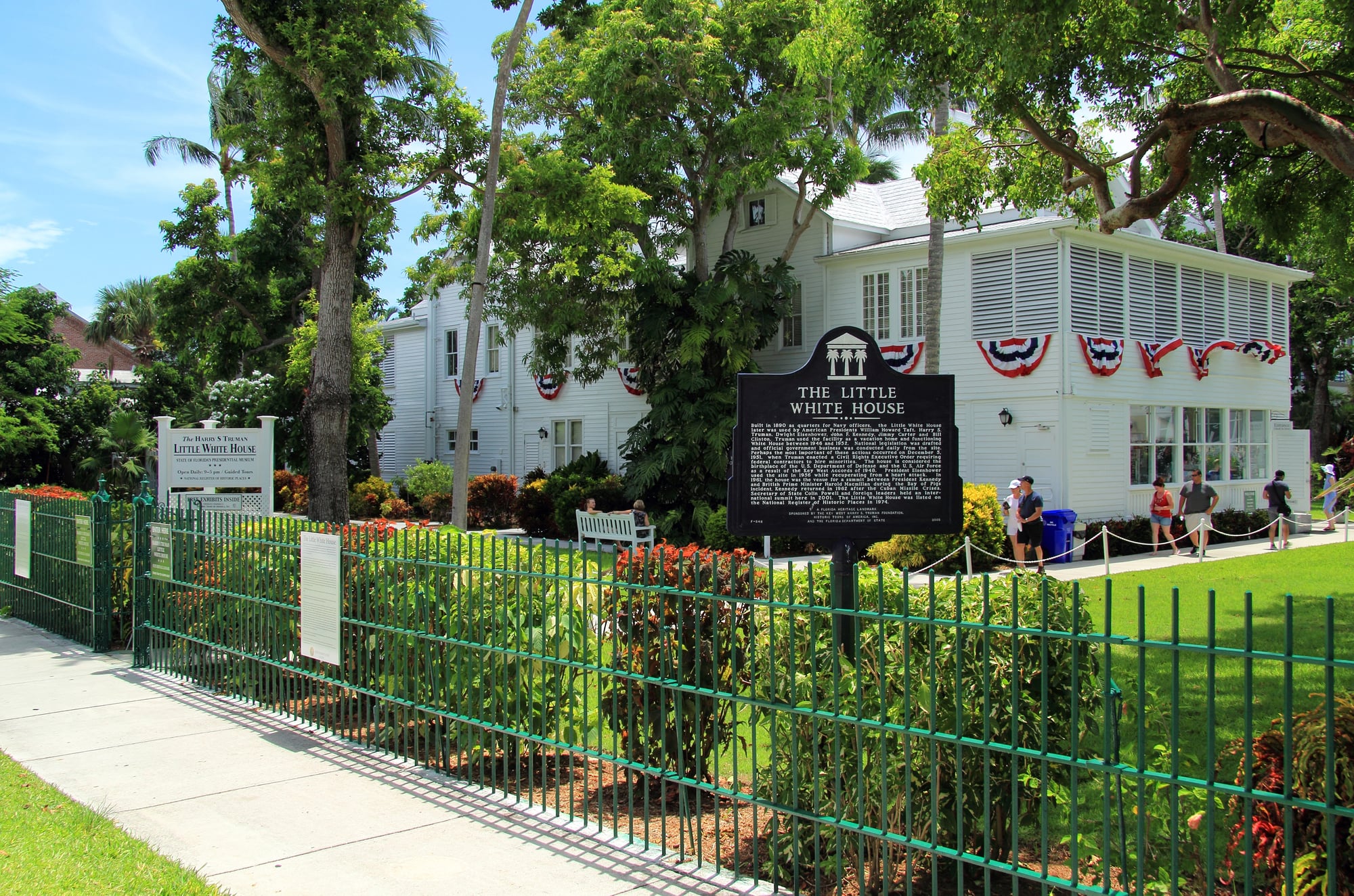
Little White House in Key West served as a winter retreat for President Harry Truman. The name suggests grandeur.
Instead, it is understated and residential in scale. Its importance lies in who stayed there, not in square footage.
Bunker Hill Monument

Bunker Hill Monument rises 221 feet. Visitors often imagine something closer to the Washington Monument scale.
It is solid and impressive, yet not overwhelming. Its surrounding neighborhood softens its visual impact.
Times Square Core
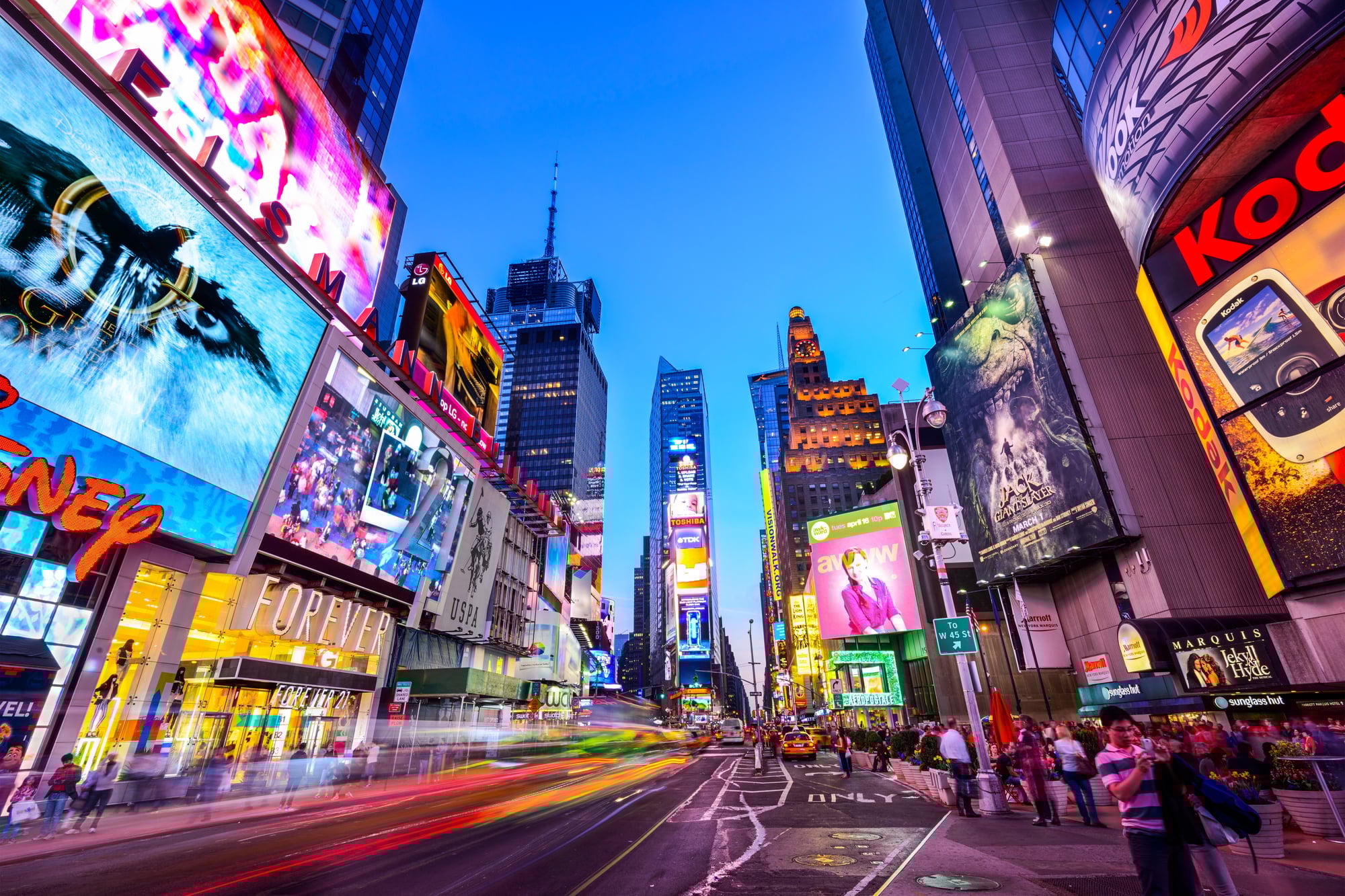
Times Square feels enormous on television. The central pedestrian plaza, however, occupies a relatively compact stretch of Manhattan blocks.
Density, light, and vertical signage create the illusion of endless space. Physically, it is more contained than it appears.
Manneken Pis Replica

The Las Vegas Strip features numerous scaled replicas of global landmarks. Many of these, including mini Eiffel Towers and pyramids, are deliberately smaller than their originals.
They feel monumental in context, yet their dimensions are controlled for entertainment scale. Proximity shapes perception.
Water Tower
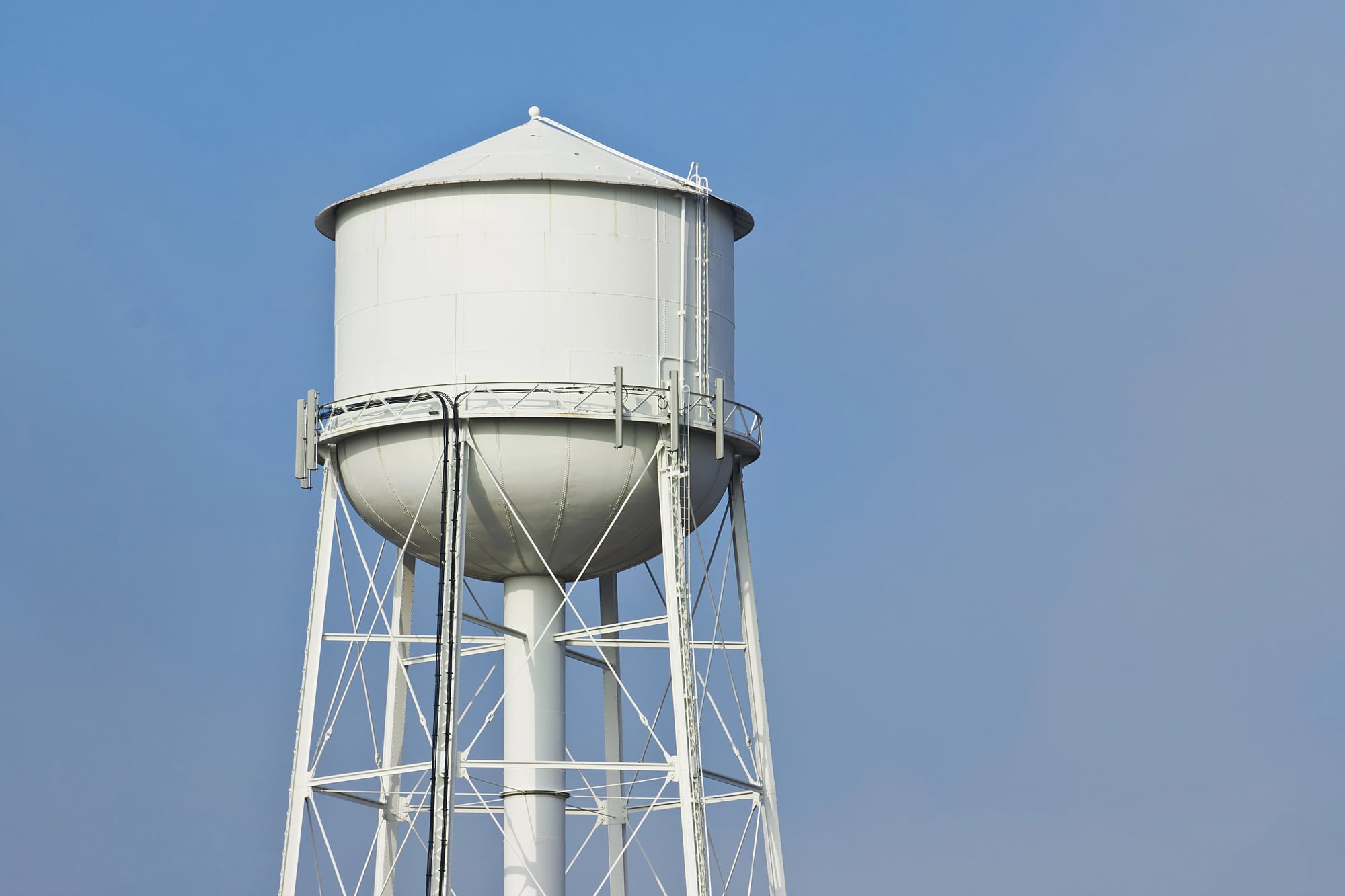
Chicago’s Chicago Water Tower survived the Great Fire of 1871. It appears fortress-like in photographs.
Standing beside it reveals a relatively compact structure. Its resilience, not its height, defines its legacy.
When Scale Meets Symbolism
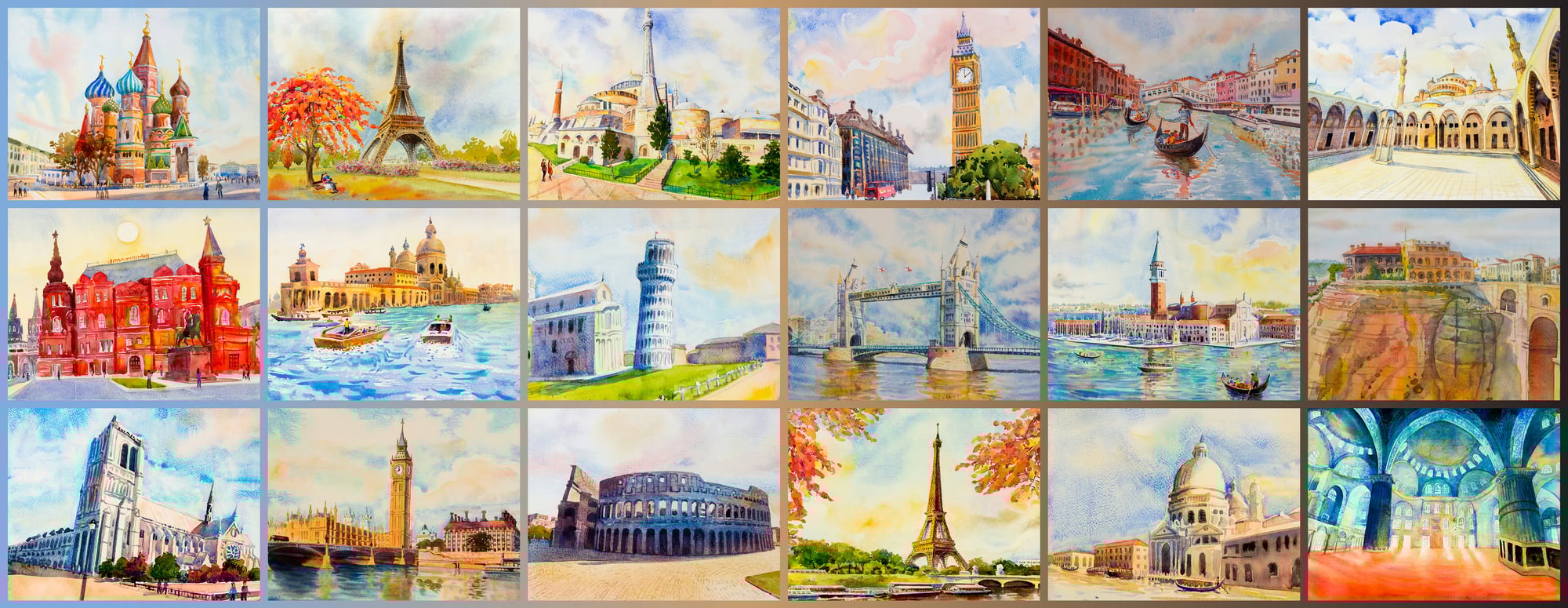
This can be seen in America’s most iconic landmarks, which show us that size alone does not always equal influence. Some of these structures may be long and narrow, others small and historically gigantic.
This is because photographs, tales, and repetition have a way of magnifying them in our minds. Seeing these in person, however, redefines what one might have thought was smaller.
While it may not have been larger, it was more touchable. This change in perspective is one of the hidden benefits of travel.
It helps visitors understand that meaning and importance are never truly measured in inches and miles, but in the tales told long after the trip.
More from Go2Tutors!

- The Romanov Crown Jewels and Their Tragic Fate
- 13 Historical Mysteries That Science Still Can’t Solve
- Famous Hoaxes That Fooled the World for Years
- 15 Child Stars with Tragic Adult Lives
- 16 Famous Jewelry Pieces in History
Like Go2Tutors’s content? Follow us on MSN.



