Birds That Cannot Fly But Run Fast
Flight seems like the defining feature of birds. But some species traded wings for legs and never looked back.
These ground-dwellers sprint across deserts, forests, and grasslands at speeds that would leave most predators in the dust. Their powerful legs carry them through life in ways their ancestors’ wings never could.
The Ostrich Sets the Speed Record

The ostrich holds the title for fastest bird on land. These African giants can hit 45 miles per hour and maintain that pace for surprisingly long distances.
Their legs span up to 16 feet in a single stride, and those powerful limbs can kill a lion with one well-placed kick. You won’t find the ostrich wasting energy in short bursts.
They run efficiently, covering ground with minimal effort. Males can weigh over 300 pounds, yet they move with a grace that seems impossible for something that size.
The secret lies in their tendons, which store and release energy like springs with each step.
Cassowaries Command Respect
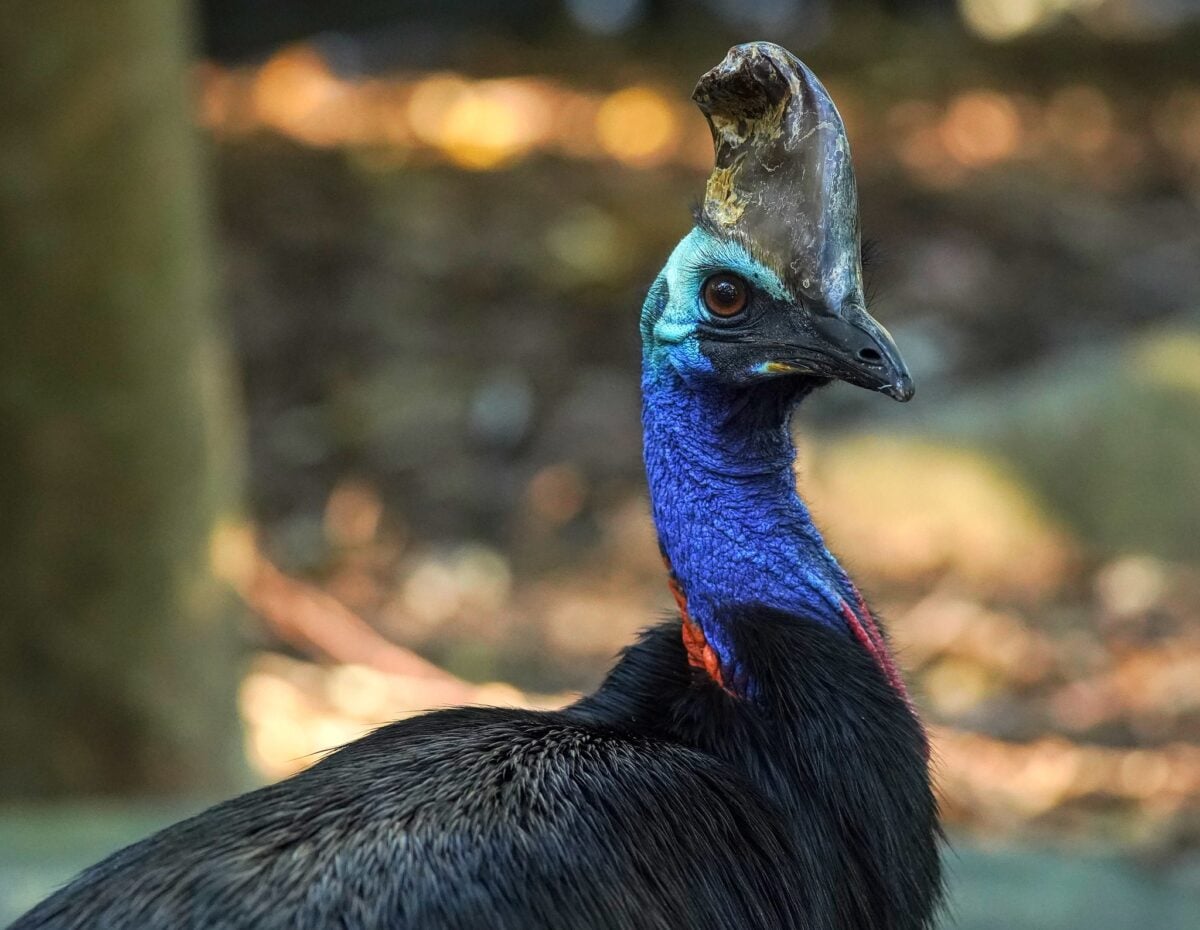
Walk through a rainforest in New Guinea or northern Australia, and you might encounter the cassowary. This bird doesn’t just run fast—it runs dangerously.
Those prehistoric-looking helmets on their heads aren’t for show. They crash through dense vegetation at speeds around 30 miles per hour, and their inner toe sports a dagger-like claw that can measure five inches long.
People have died from cassowary attacks. The bird doesn’t hunt humans, but it defends its territory with lethal force.
That combination of speed, size, and weaponry makes the cassowary one of the most dangerous birds alive. Even experienced handlers give them plenty of space.
Emus Dominate the Australian Outback
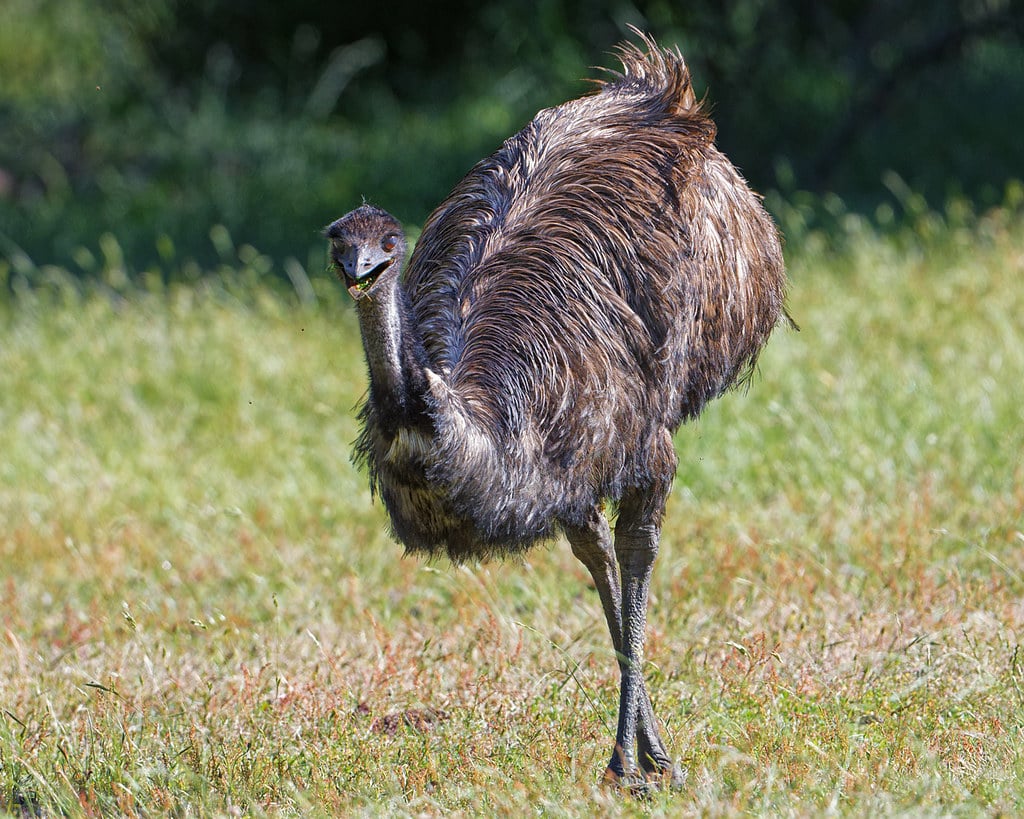
Australia’s largest bird runs at speeds up to 30 miles per hour. Emus cover vast distances across the continent, traveling in search of food and water.
Their endurance outmatches their top speed—these birds can run for hours without tiring. The Australian military once declared war on emus.
Seriously. Farmers complained that the birds were destroying crops, so the government sent soldiers with machine guns.
The emus won. They scattered, regrouped, and kept right on doing what emus do.
That incident tells you everything about their survival skills.
Rheas Rule South America

Two species of rhea sprint across the grasslands of South America. The greater rhea reaches speeds around 40 miles per hour, while the smaller Darwin’s rhea isn’t far behind.
These birds look like smaller versions of ostriches, but they evolved their running abilities completely independently. Rheas use their speed to escape predators like pumas.
They zigzag while running, making themselves harder to catch. Males raise the chicks alone, protecting up to 50 young at once.
Watch a male rhea shepherd his brood across the pampas, and you’ll see protective instinct combined with impressive athleticism.
Roadrunners Live Up to Their Name

The greater roadrunner sprints through the American Southwest at speeds reaching 20 miles per hour. That might not sound impressive compared to an ostrich, but for a bird that weighs less than a pound, it’s remarkable.
They chase down lizards, snakes, and even rattlesnakes. These birds rarely fly.
Their wings work, technically, but running gets them where they need to go faster and more efficiently. They’ve adapted to life in harsh desert conditions where every movement costs precious energy.
Running burns fewer calories than flying, and the roadrunner has mastered the art of energy conservation. The cartoon version made them famous, but real roadrunners are more impressive than any animation.
They kill prey by bashing it against rocks repeatedly. They regulate their body temperature by exposing dark skin patches on their backs to the sun.
They’re survivors in one of the harshest environments on Earth.
Kiwis Navigate by Night

New Zealand’s iconic kiwi doesn’t run as fast as other flightless birds, but it moves with purpose through forest undergrowth. These nocturnal birds hunt for insects and worms using their exceptional sense of smell.
Their legs might be short, but they’re strong and perfectly suited for the forest floor. Kiwis have adapted to a life without predators—at least, they had until humans arrived with cats, dogs, and rats.
Now they’re endangered. Conservation efforts focus on protecting their habitat and controlling invasive species.
The birds themselves haven’t changed their behavior in thousands of years.
Penguins Master Two Worlds
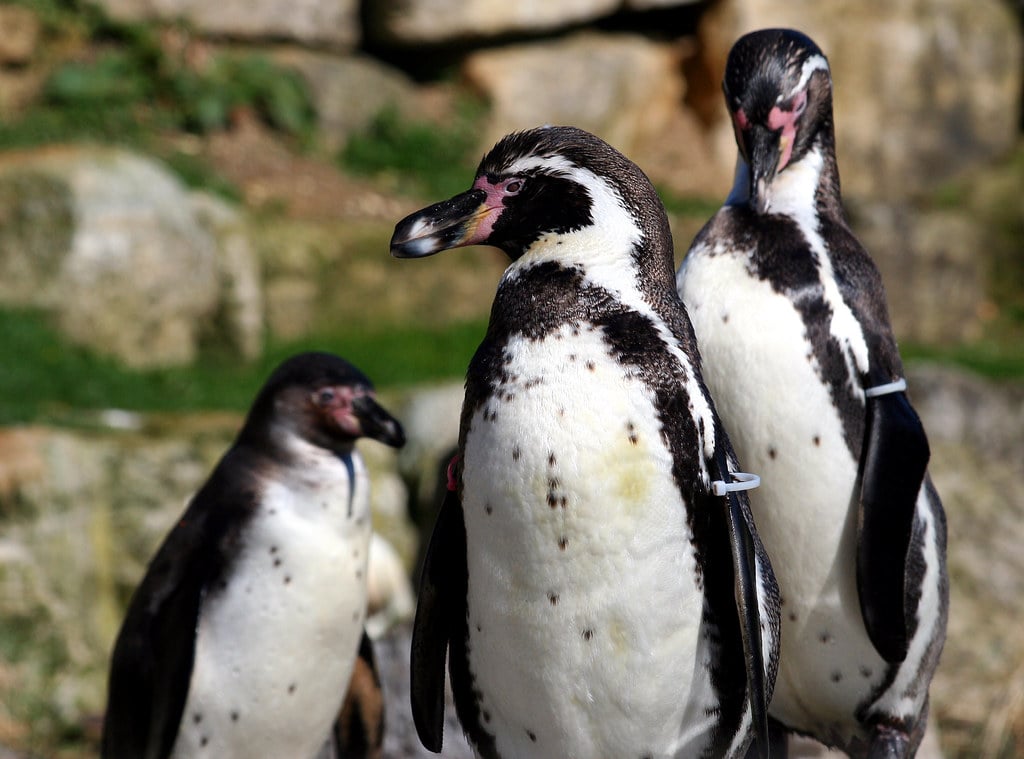
Penguins fly underwater. That’s the best way to describe their swimming technique.
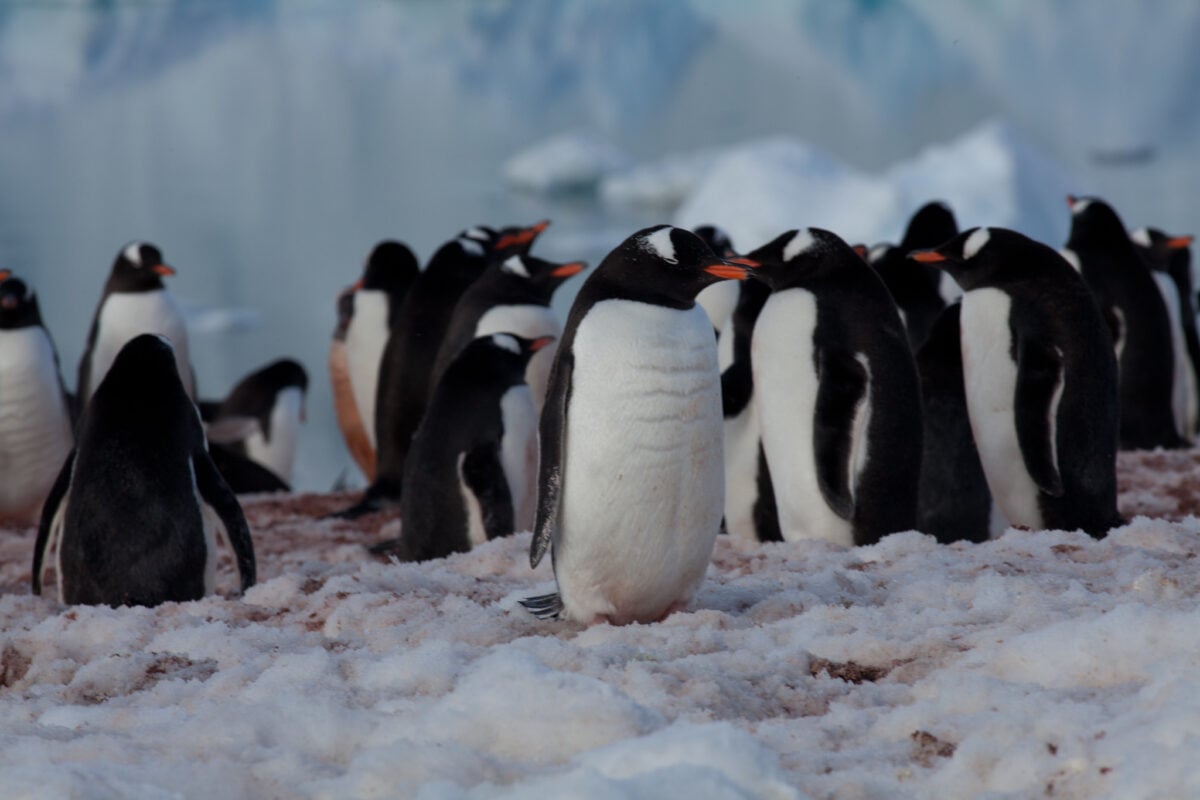
On land, they waddle awkwardly, but some species can run when needed. Gentoo penguins, for instance, can sprint across ice at speeds up to 22 miles per hour when rushing back to their nests.
Their wings evolved into flippers, trading air for water. Underwater, penguins reach speeds of 22 miles per hour, pursuing fish with incredible agility.
The transformation from flying bird to swimming bird happened over millions of years, but the end result speaks for itself. Emperor penguins trek up to 75 miles across Antarctic ice to reach their breeding grounds.
They don’t run the whole way—that would be exhausting—but they can pick up speed when necessary. Their short legs and heavy bodies make them look clumsy, but they’re remarkably well adapted to their environment.
The Kakapo Defies Expectations

New Zealand’s kakapo is the world’s only flightless parrot. These birds don’t run particularly fast, but they deserve mention because they represent an extreme example of flight loss.
Kakapos evolved in an environment without land predators, so they simply stopped flying. They climb trees instead, using their strong legs and beak to scale heights that would terrify most ground-dwelling birds.
At night, they descend to forage for plants and seeds. Their lack of fear made them easy prey when humans introduced predators to New Zealand.
Now fewer than 250 kakapos exist, each one monitored intensively by conservation teams.
Steamer Ducks Power Through Water

Flightless steamer ducks live along the coasts of South America. They can’t fly, but they propel themselves across water by beating their wings against the surface—like a sidewheel steamer boat.
On land, they waddle more than run, but their real speed shows in water. These ducks are territorial and aggressive.
Males fight over prime coastal real estate, using their powerful wings as weapons. The females choose nesting sites based on the male’s ability to defend territory.
It’s a system that’s worked for thousands of years.
How Flight Disappeared
Evolution doesn’t have a goal. Birds didn’t decide to stop flying—they simply survived better without it.
On islands without predators, flight became expensive. It requires huge chest muscles, lightweight bones, and massive amounts of energy.
Ground-dwelling birds could afford heavier bones, stronger legs, and bigger bodies. The pattern repeats across the world.
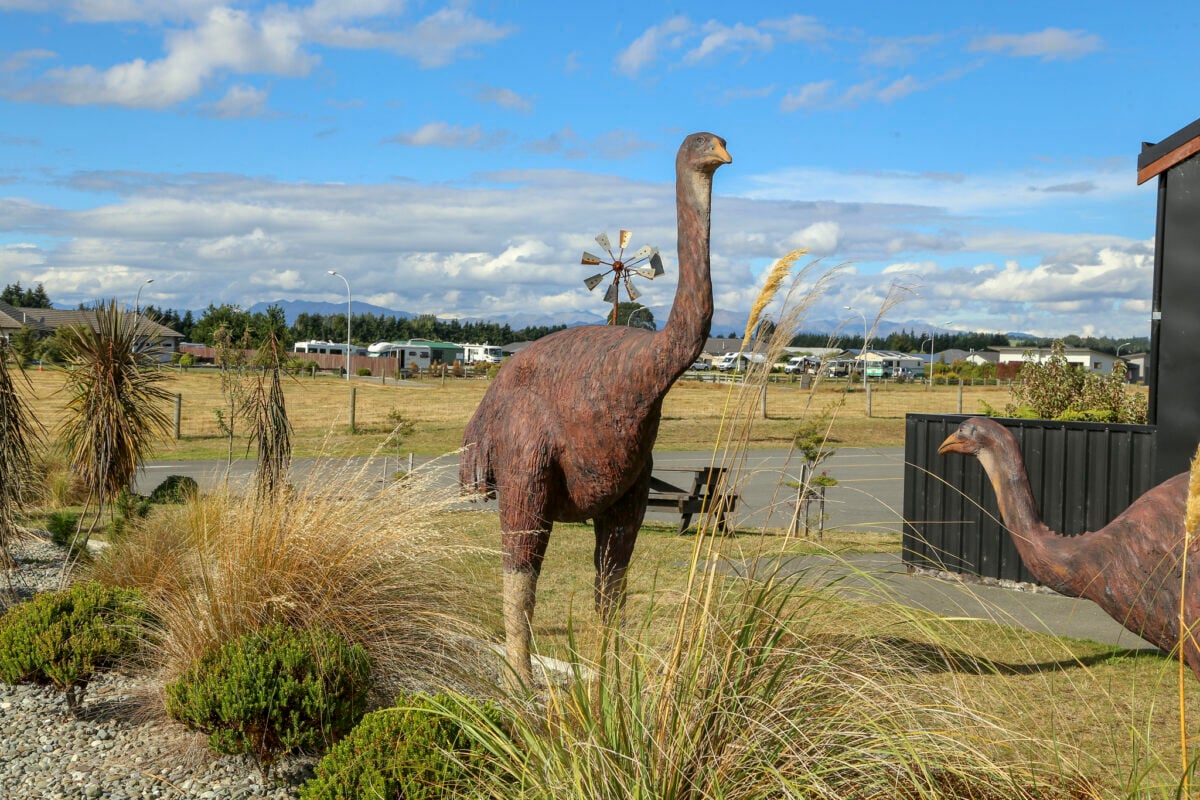
New Zealand had no land mammals, so birds filled those ecological niches. The moa, now extinct, grew to 12 feet tall.
The elephant bird of Madagascar weighed over 1,000 pounds. South America’s terror birds hunted like wolves.
All of them gave up flight for size and power. Climate plays a role too.
In stable environments with abundant food, flying becomes less necessary. Why burn energy taking to the air when everything you need sits at ground level?
Natural selection favored birds that invested in running instead of flying.
Speed Replaces Wings

Running fast accomplishes what flying once did—escape from danger. An ostrich can outrun most predators.
A cassowary can fight anything it can’t outrun. Speed became these birds’ primary defense mechanism, and their bodies evolved accordingly.
Their leg muscles dwarf their chest muscles. Their bones are dense and strong, not hollow and light.
Their hearts pump blood efficiently to support sustained running. Every aspect of their physiology reflects their commitment to life on the ground.
Some flightless birds combine speed with other defenses. Ostriches can kick with tremendous force.
Cassowaries have deadly claws. Emus travel in groups for protection.
The loss of flight didn’t leave them vulnerable—it freed them to develop alternative survival strategies.
Humans Changed Everything

Island birds evolved without land predators, so they never developed fear responses. When humans arrived—bringing rats, cats, dogs, and pigs—these birds had no defense.
The dodo became the famous example, but dozens of species went extinct the same way. Habitat destruction compounds the problem.
Kiwis need mature forests. Kakapos need specific plants.
Development fragments their territories and isolates populations. Conservation requires protecting entire ecosystems, not just individual species.
Breeding programs have brought some species back from the brink. The kakapo population is slowly growing.
Kiwi sanctuaries provide predator-free environments. But these efforts require constant vigilance and significant resources.
The birds can’t adapt fast enough to counter human impact.
Running Into the Future
Flightless birds remind us that evolution doesn’t follow a single path. Flight isn’t the ultimate adaptation—it’s just one option among many.
These birds found success on the ground, developing speed and strength instead of wings and feathers. They’ve survived millions of years of climate change, continental drift, and natural disasters.
The real test comes now, as they face rapid human expansion. Some will adapt.
Some will retreat to protected reserves. Others will disappear entirely, leaving only fossils and faded photographs.
But watch an ostrich sprint across the savanna or an emu navigate the outback, and you see more than just a bird that can’t fly. You see a creature perfectly suited to its environment, moving through the world with purpose and power.
That’s worth preserving.
More from Go2Tutors!

- The Romanov Crown Jewels and Their Tragic Fate
- 13 Historical Mysteries That Science Still Can’t Solve
- Famous Hoaxes That Fooled the World for Years
- 15 Child Stars with Tragic Adult Lives
- 16 Famous Jewelry Pieces in History
Like Go2Tutors’s content? Follow us on MSN.