Plays Designed to Last for Days
Most plays finish within a couple hours. Sit back, follow the plot, then leave when it’s done.
This setup’s stuck around forever. Yet certain creators saw that norm then chose to ditch it.
Some shows go on for days, even stretching into weeks. Viewers are expected to give more than just one night.
You could take turns watching, come back again and again, or stay put the whole time. It feels less like regular theater more like pushing your limits, taking part in a ceremony, or moving through an adventure together.
Wagner’s Ring Cycle Started Something
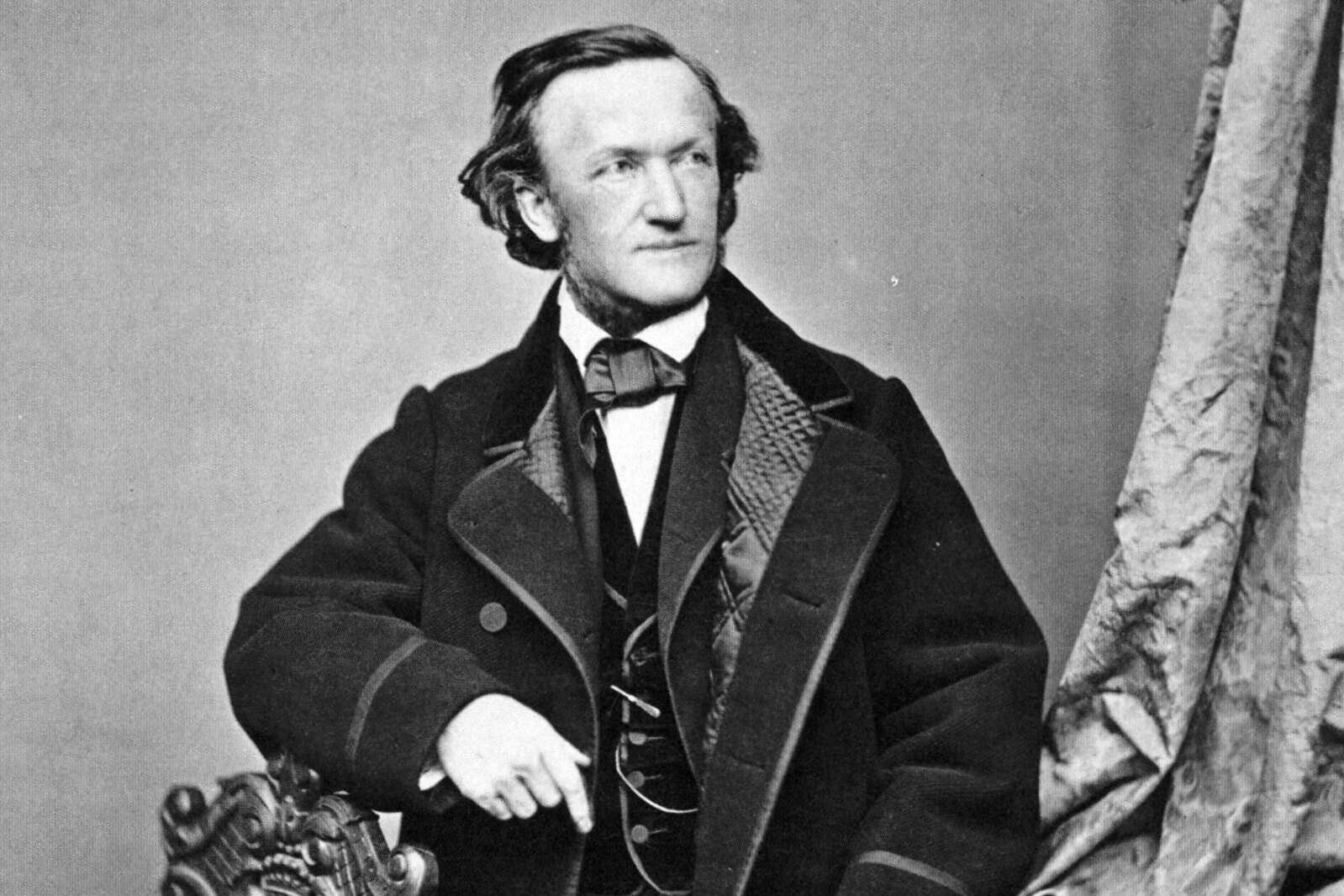
Richard Wagner composed four operas that together tell one massive story from Norse mythology. The Ring Cycle runs roughly 15 hours when performed in full.
Wagner intended audiences to experience all four operas over several days, with breaks between each. The Bayreuth Festival in Germany still performs the cycle this way.
You commit to four consecutive evenings. Each opera runs between two and five hours.
By the time Götterdämmerung ends on the fourth night, you’ve spent nearly a week inside Wagner’s world. The structure forces you to live with the story.
Characters develop across multiple nights. Themes build and echo.
You can’t binge it in one sitting—the music and drama demand rest between installments.
Robert Wilson’s Seven-Day Cycle
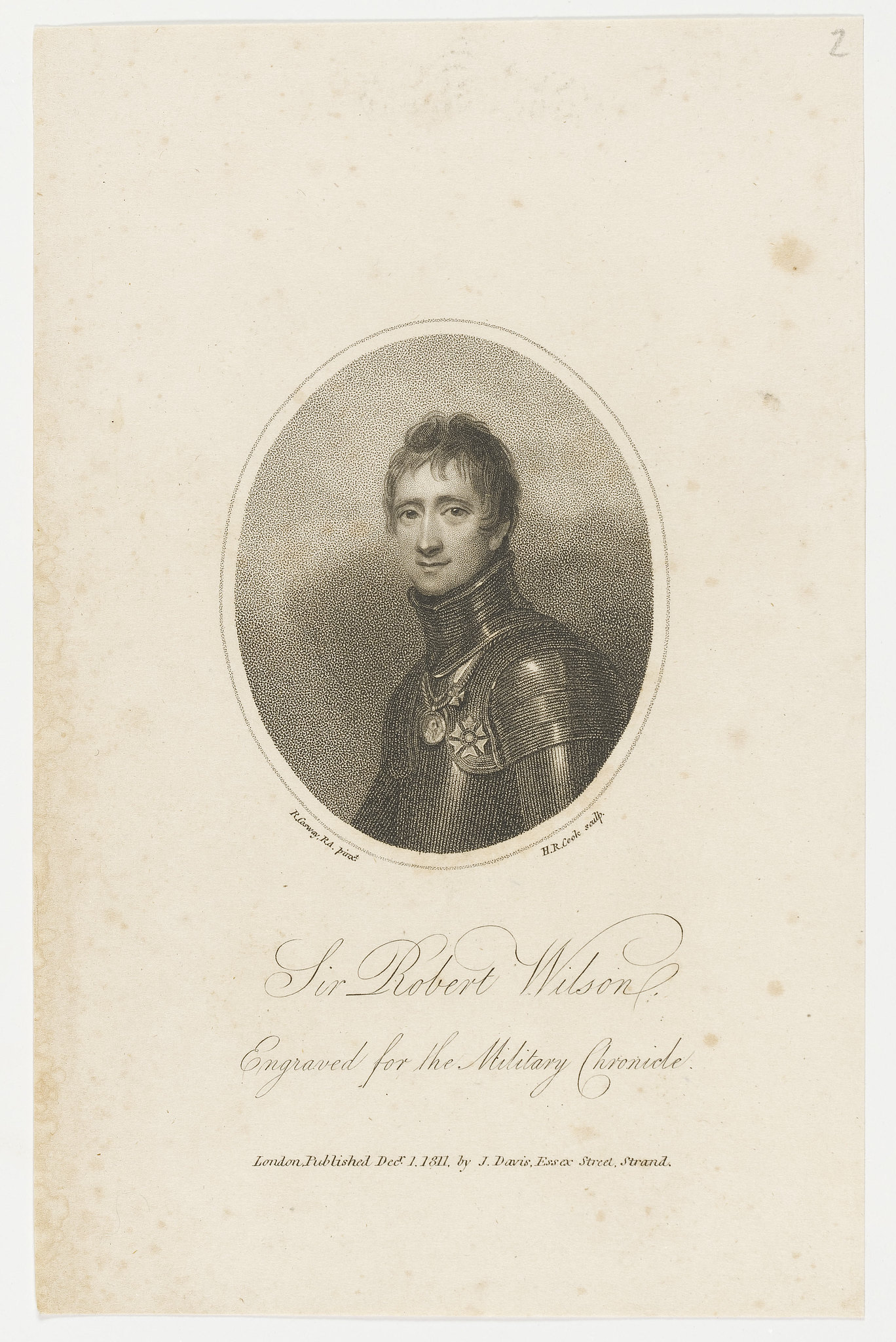
Robert Wilson created “the CIVIL warS” in the 1980s as a twelve-hour performance meant to span seven days. The full production has never been performed as intended, but sections have been staged worldwide.
Wilson designed the work without a linear plot. Images, movements, and sounds repeat and transform.
Each section stands alone but connects to the others through visual and thematic threads. The lack of conventional narrative makes the duration feel less like a marathon and more like meditation.
Theater companies that stage portions of “the CIVIL warS” still preserve Wilson’s insistence on extended time. Even three or four hours feels radically different from standard theater.
The slow pacing, minimal dialogue, and repeated images create a trance-like state that wouldn’t work in shorter formats.
Peter Brook’s Mahabharata Journey
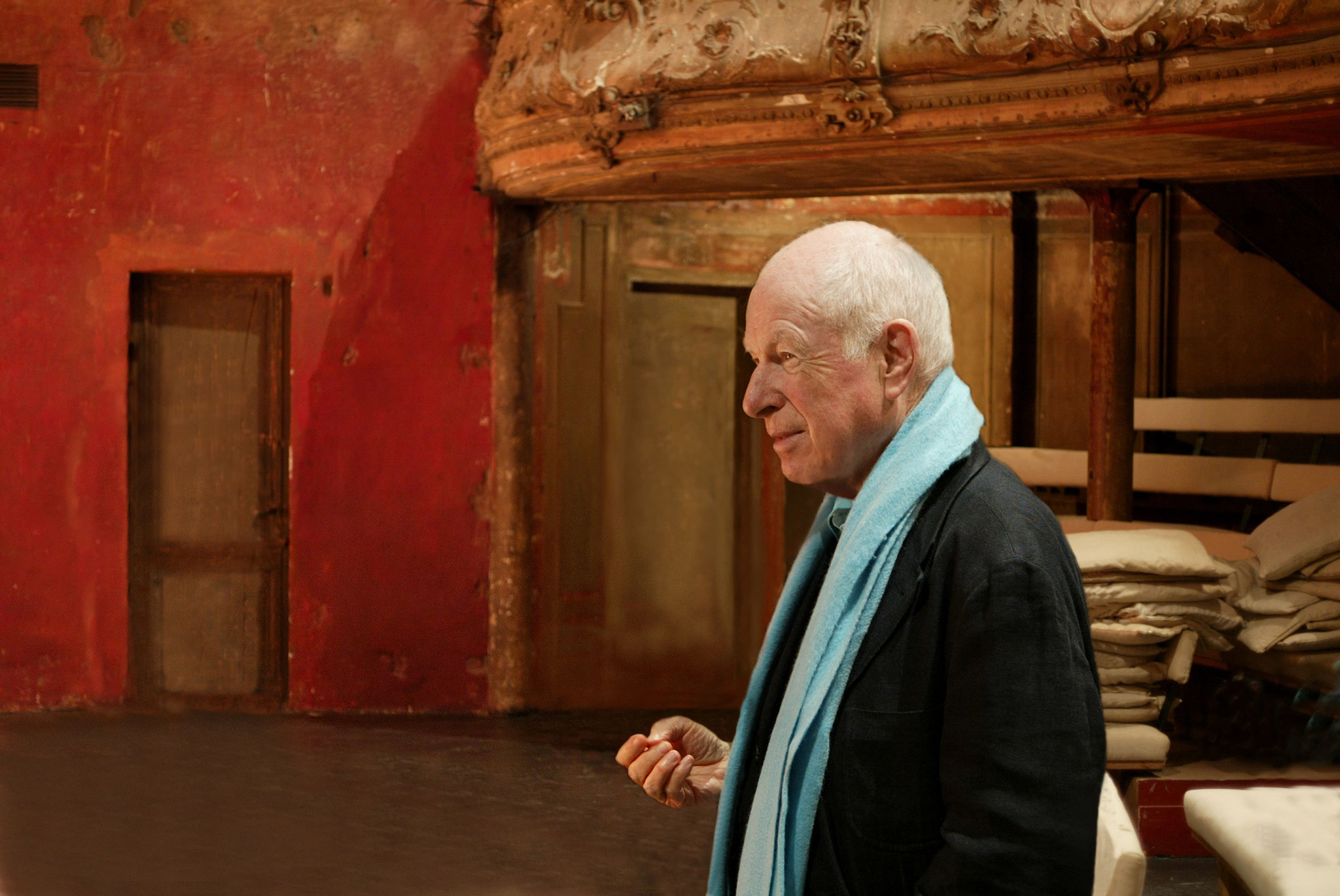
Peter Brook adapted the ancient Indian epic Mahabharata into a nine-hour theatrical production in 1985. The original staging split the performance across three consecutive evenings, though some venues presented it in one marathon day.
The epic contains multiple storylines, dozens of characters, and philosophical questions about duty, war, and dharma. Brook’s adaptation stayed faithful to the scope.
Condensing it further would have lost the epic’s breathing room, the moments where characters sit and talk philosophy between battles. Audiences who experienced all three parts described the cumulative effect as transformative.
The first evening establishes the world. The second deepens conflicts.
By the third, you’re so embedded in the story that the final battle and its aftermath hit with unexpected force.
Tony Kushner’s Angels in America
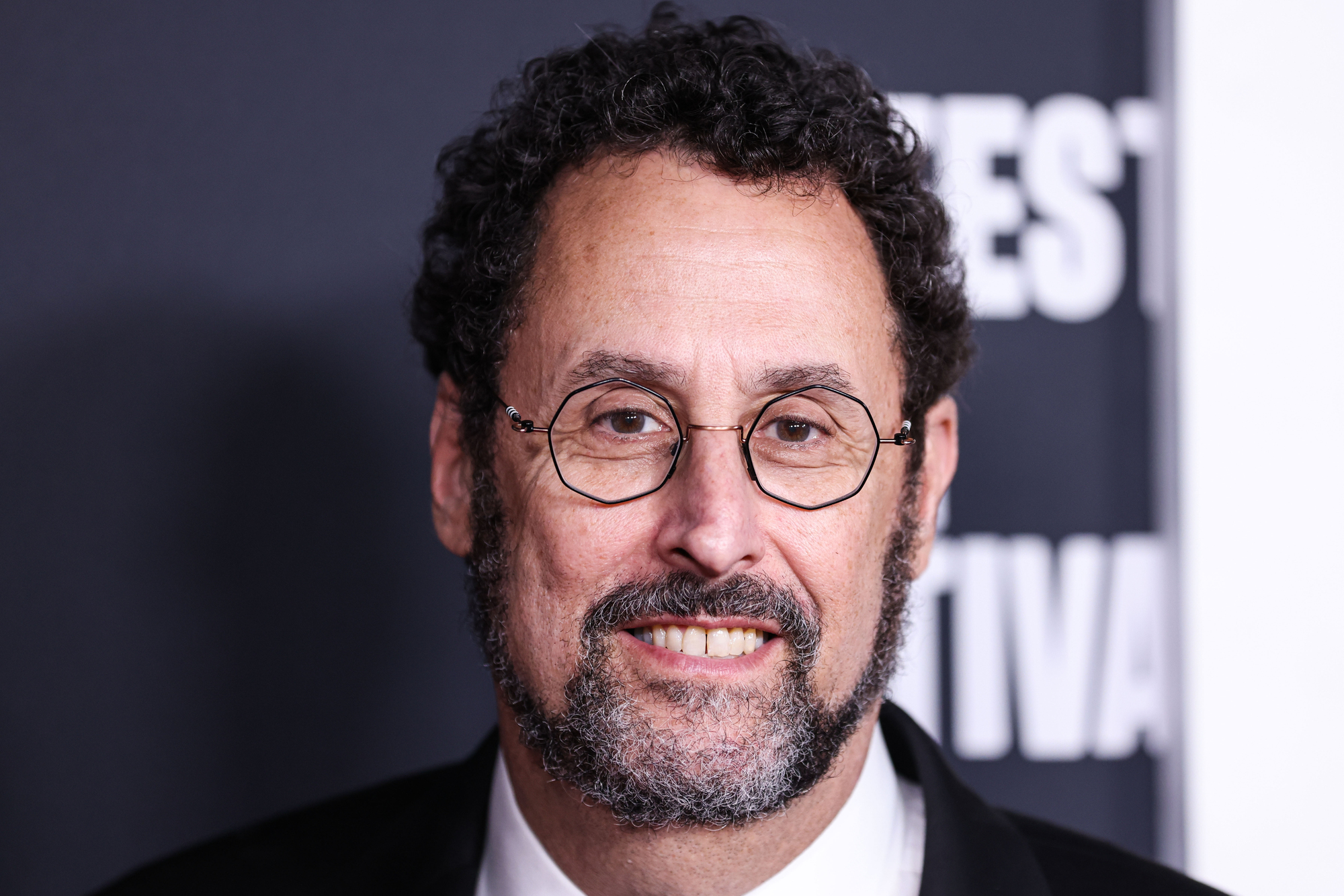
Angels in America runs about seven hours across two parts. Most productions stage Part One and Part Two on separate nights, though some theaters have offered both parts in a single day with dinner breaks.
Kushner wrote the play to need that length. The story weaves together multiple characters dealing with AIDS, politics, religion, and identity in 1980s America.
Cutting it down would mean losing entire storylines or reducing complex characters to sketches. The two-part structure also mirrors the play’s themes of endurance and survival.
You commit time to these characters. You return for the second part already invested.
The break between parts gives you space to think about what you’ve seen, which enriches the second half.
The Coast of Utopia Trilogy
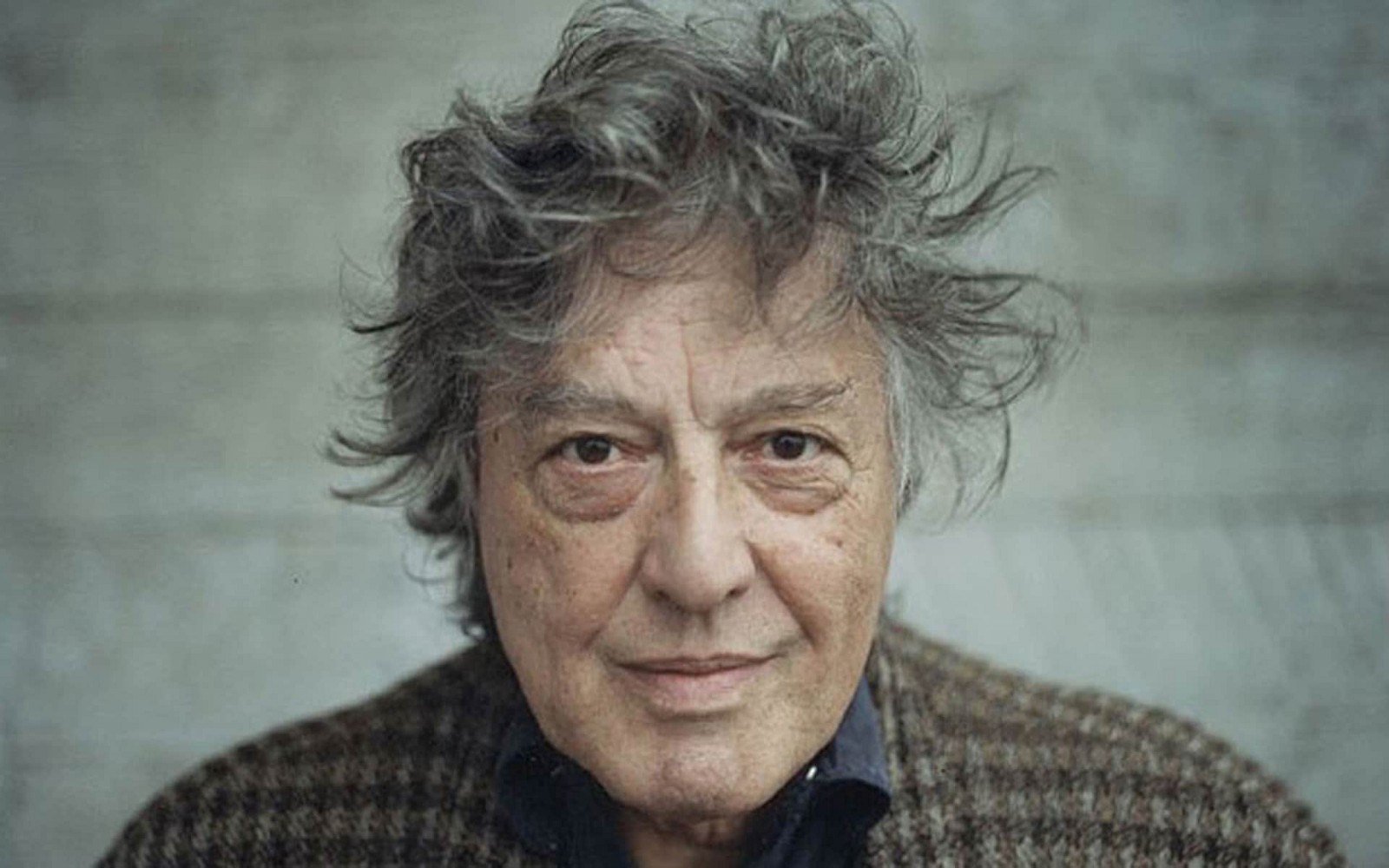
Tom Stoppard’s trilogy about Russian intellectuals in the 19th century runs about nine hours. The three plays—Voyage, Shipwreck, Salvage—premiered over consecutive nights in 2002.
Each play stands alone with its own arc, but together they track characters across decades. The same actors play the same roles aging through all three parts.
You watch young revolutionaries become middle-aged exiles become elderly philosophers. Stoppard filled the plays with debates about art, politics, and philosophy.
Characters argue for hours about the right way to change society. The extended runtime lets these conversations develop without rushing.
You get lost in the ideas the same way the characters do.
Elevator Repair Service’s Gatz
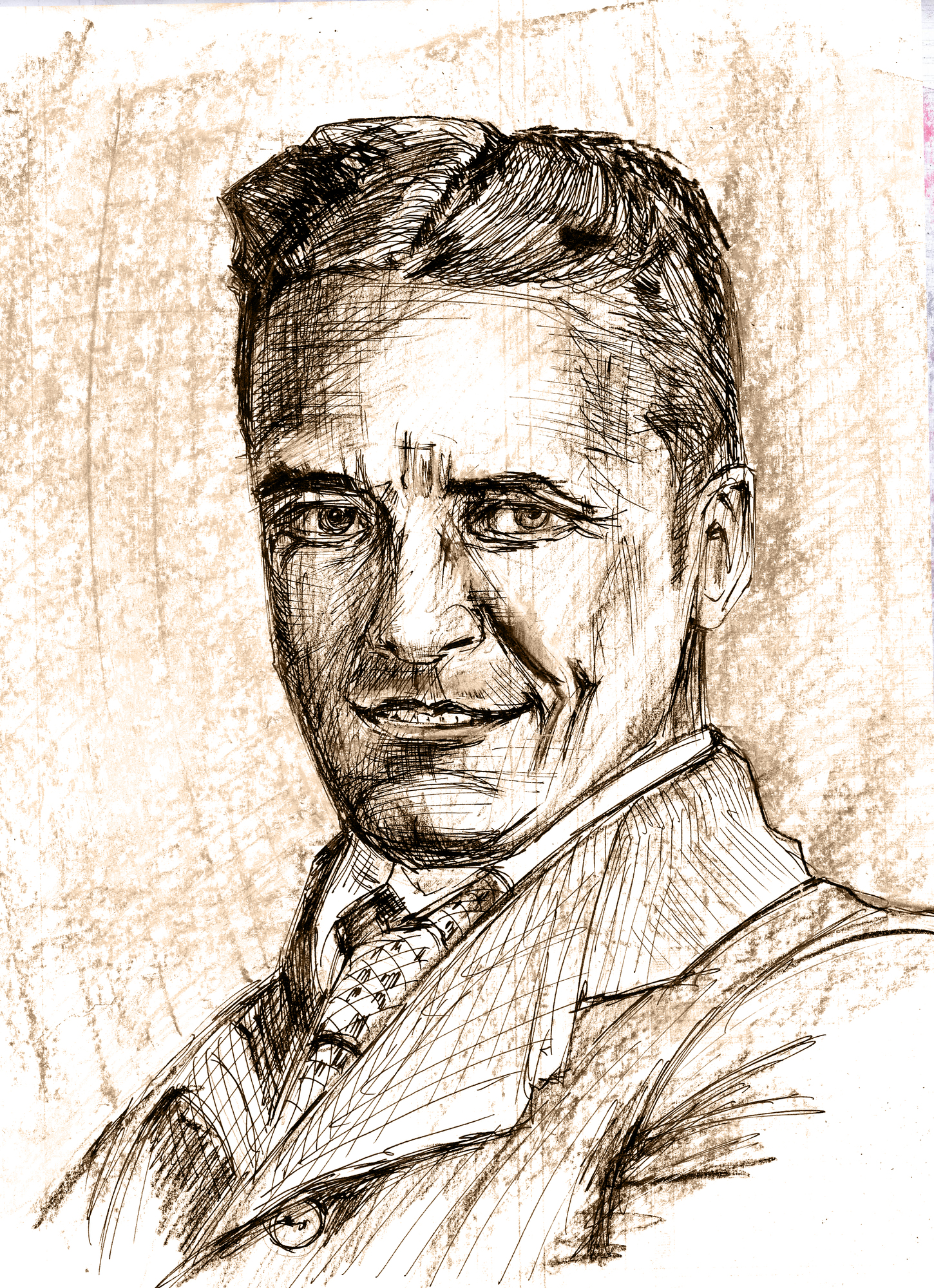
Gatz is a word-for-word performance of F. Scott Fitzgerald’s The Great Gatsby. Every line of the novel gets spoken aloud.
The production runs about eight hours with breaks. The company doesn’t adapt the book.
They perform it exactly as written, including stage directions turned into action. An actor playing a clerk in a dreary office starts reading the novel, and gradually the office transforms into the world of the book.
The length forces you to experience Gatsby at reading speed, not theatrical speed. Scenes that would get compressed in a normal adaptation unfold in real time.
You notice small details you’d miss in a two-hour version. The drowsy afternoon pacing becomes part of the point.
24-Hour Performance Art
Some theater companies stage durational performances lasting a full day or more. The Nature Theater of Oklahoma created Life and Times, which eventually ran to over 14 hours across multiple installments.
These works often blur the line between theater and performance art. Actors repeat actions, improvise, or simply exist onstage for extended periods.
The audience comes and goes. You can watch for ten minutes or ten hours.
The experience depends on duration. Watching someone perform the same gesture for four hours creates different meanings than watching it once.
Exhaustion becomes content. Time becomes visible.
You see how repetition transforms intention into ritual.
Festivals That Become Marathons
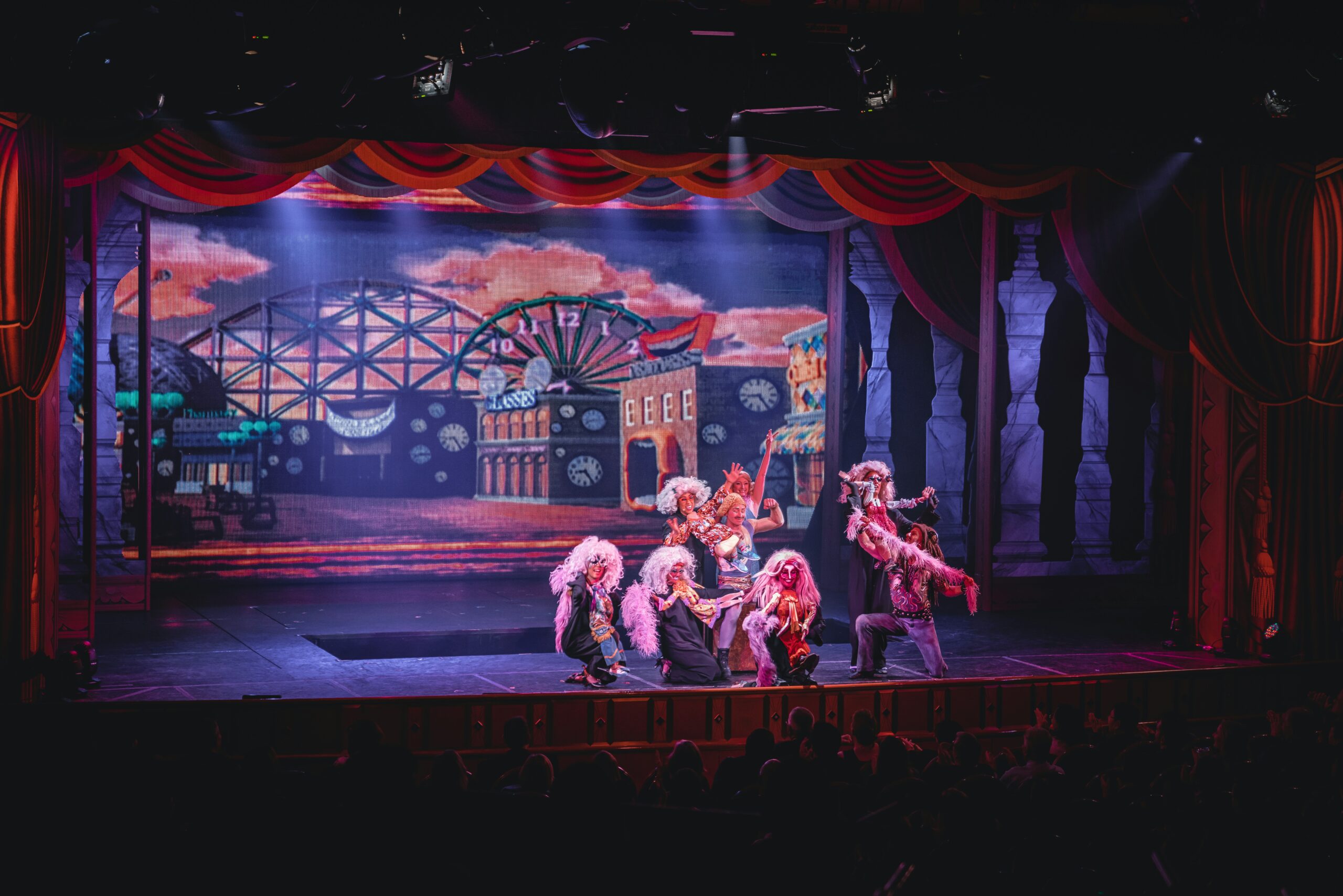
Some theater festivals program back-to-back shows that effectively create multi-day experiences. The Edinburgh Festival Fringe runs for weeks, with some audience members watching five or six shows daily.
These aren’t single unified performances, but the cumulative effect resembles marathon theater. You spend entire days in different venues, different stories flowing into each other.
Themes echo across unrelated shows. By the end of a festival week, you’re saturated in performance.
The festival format changes how you watch. The third show of the day gets filtered through the previous two.
You notice patterns, compare approaches, carry ideas from one theater to another.
Site-Specific Multi-Day Events
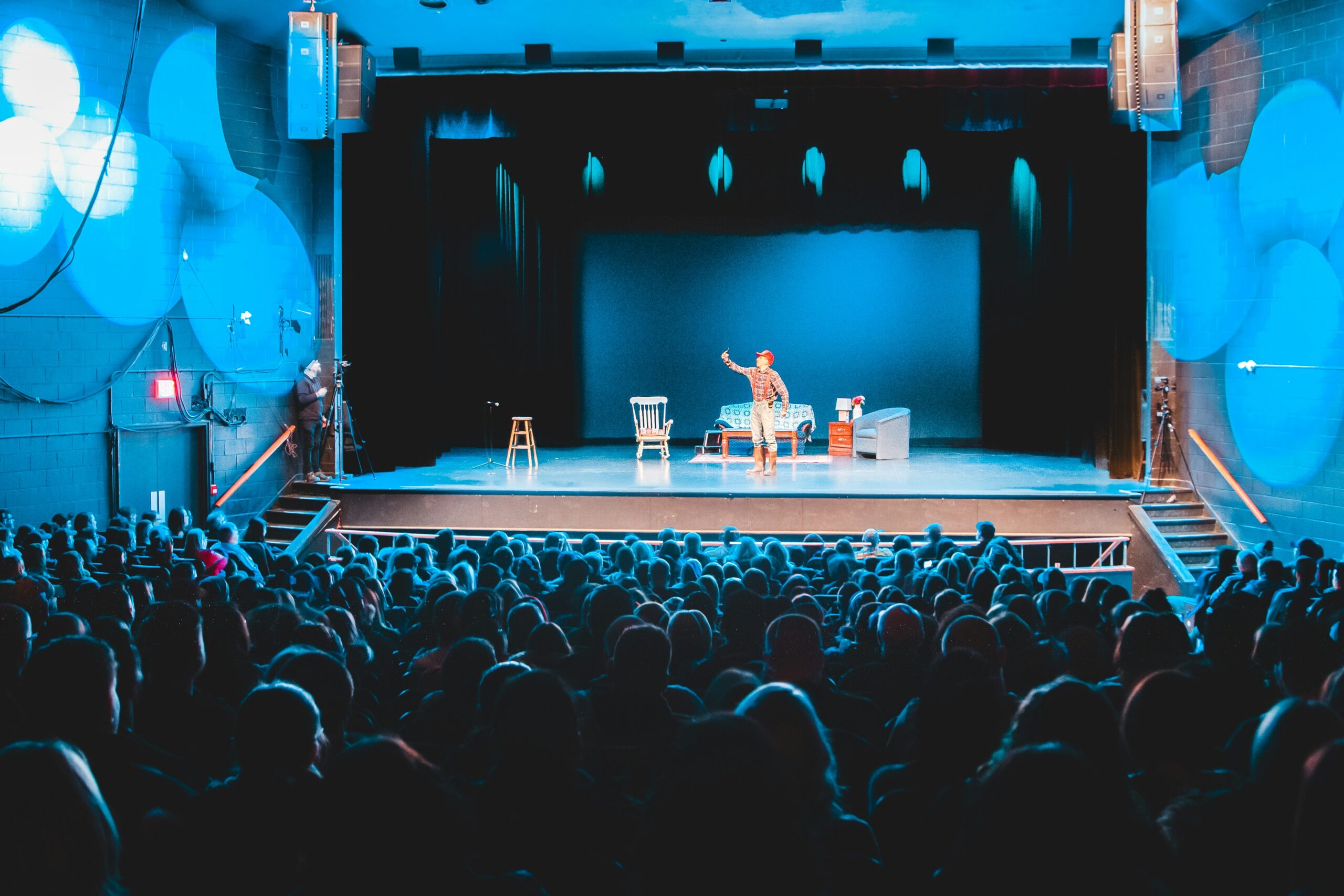
Companies like Punchdrunk create immersive experiences that unfold over days. Their shows occupy entire buildings.
Different rooms contain different scenes. The story happens simultaneously in multiple locations.
Audiences explore at their own pace. You can’t see everything in one visit.
The show continues whether you’re watching or not. This creates a world that feels genuinely alive, not performed on cue.
Some audience members attend multiple times, mapping the space and timing, trying to catch every scene. Others surrender to missing pieces, accepting that their experience will be incomplete.
Both approaches work because the format allows them.
The Logistics Get Complicated
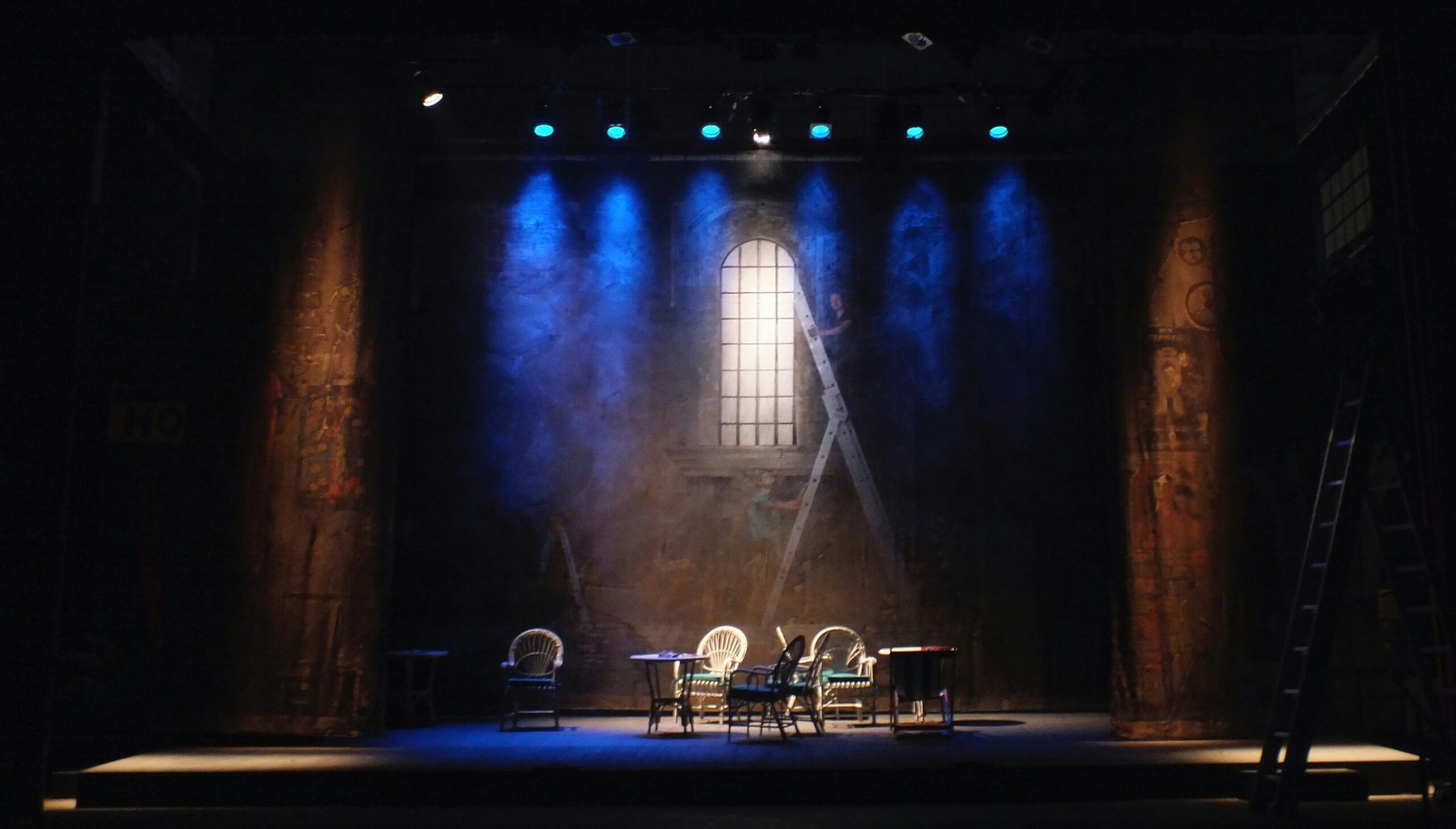
Producing multi-day theater requires rethinking everything. Schedules, ticket prices, venue availability, actor stamina, audience meals.
You can’t just extend a normal production—the whole infrastructure needs redesign. Some venues provide food and sleeping areas.
Others schedule mandatory breaks. Ticket packages bundle multiple days together or let you attend individual installments.
Each solution creates different audience experiences. The financial model shifts too.
Fewer total audience members see the show, but they pay more and stay longer. Marketing targets people willing to make serious time commitments.
The economics favor dedicated theater fans over casual attendees.
When Time Becomes the Medium
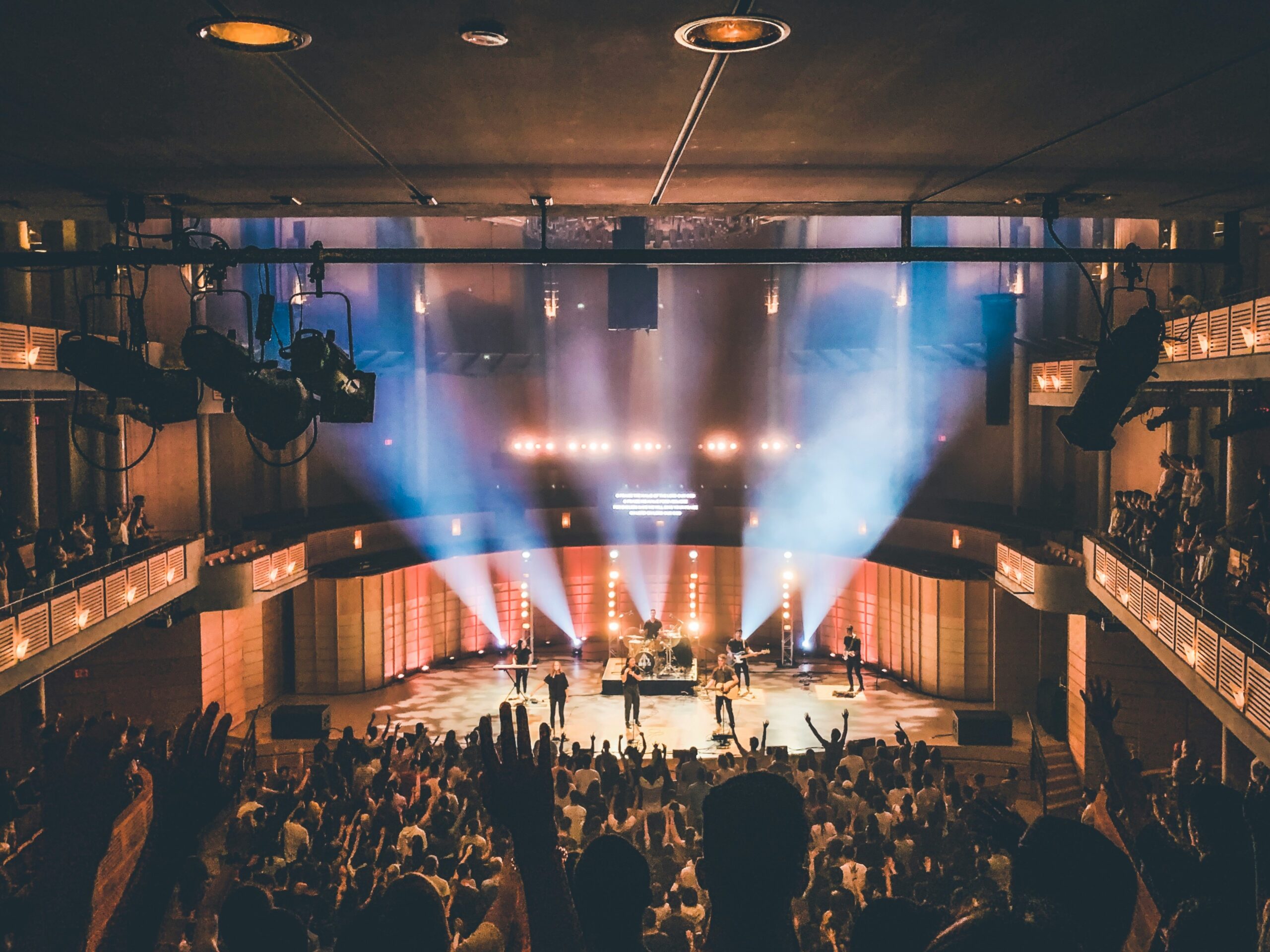
Theater that lasts for days treats duration differently than plot advancement. The length itself carries meaning.
Exhaustion, repetition, endurance—these become theatrical elements as important as dialogue or lighting. You experience time passing.
Not represented time, not compressed time, but actual time accumulating in your body and memory. The performance marks days the way ordinary life does.
You remember where you were on day two differently than day four. This temporal weight can’t exist in standard-length productions.
Even a long show compresses experience. Marathon theater expands it, lets it breathe, forces you to sit with moments longer than feels comfortable.
That discomfort, that excess, becomes the point.
More from Go2Tutors!

- The Romanov Crown Jewels and Their Tragic Fate
- 13 Historical Mysteries That Science Still Can’t Solve
- Famous Hoaxes That Fooled the World for Years
- 15 Child Stars with Tragic Adult Lives
- 16 Famous Jewelry Pieces in History
Like Go2Tutors’s content? Follow us on MSN.