Expensive Fashion Items That Look Totally Cheap
There’s a strange phenomenon in the fashion world where price and perception completely fall apart. You’d expect that spending more money on something would make it look better — more polished, more considered, more like it belongs to someone who knows what they’re doing.
But that’s not always how it plays out. Some of the most expensive pieces on the market look like they came off a clearance rack, and not in a cool, intentional way.
Here’s a look at the fashion items that consistently disappoint in the value-for-appearance department.
Head-to-Toe Logos
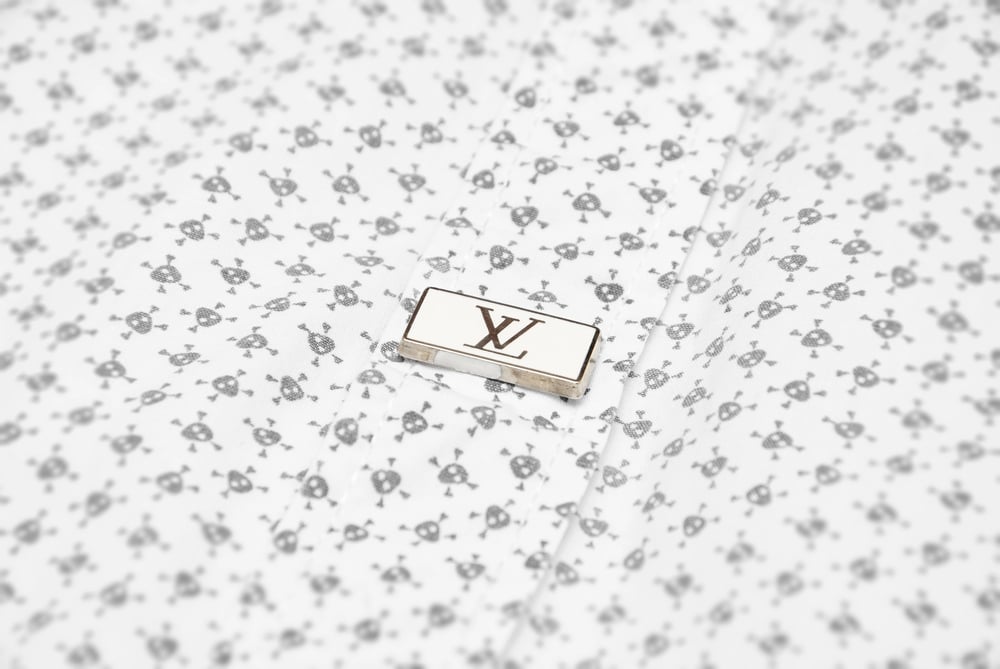
Buying a designer bag with a subtle logo is one thing. Wearing a head-to-toe monogram print is another.
The Louis Vuitton canvas, Gucci’s GG pattern, Burberry’s classic check — when worn in excess, these prints stop reading as luxury and start reading as imitation. Ironically, the loudest logo pieces are often the first ones knocked off by counterfeit manufacturers, so wearing them doesn’t signal wealth so much as it invites second-guessing from everyone around you.
Giant Belt Buckles
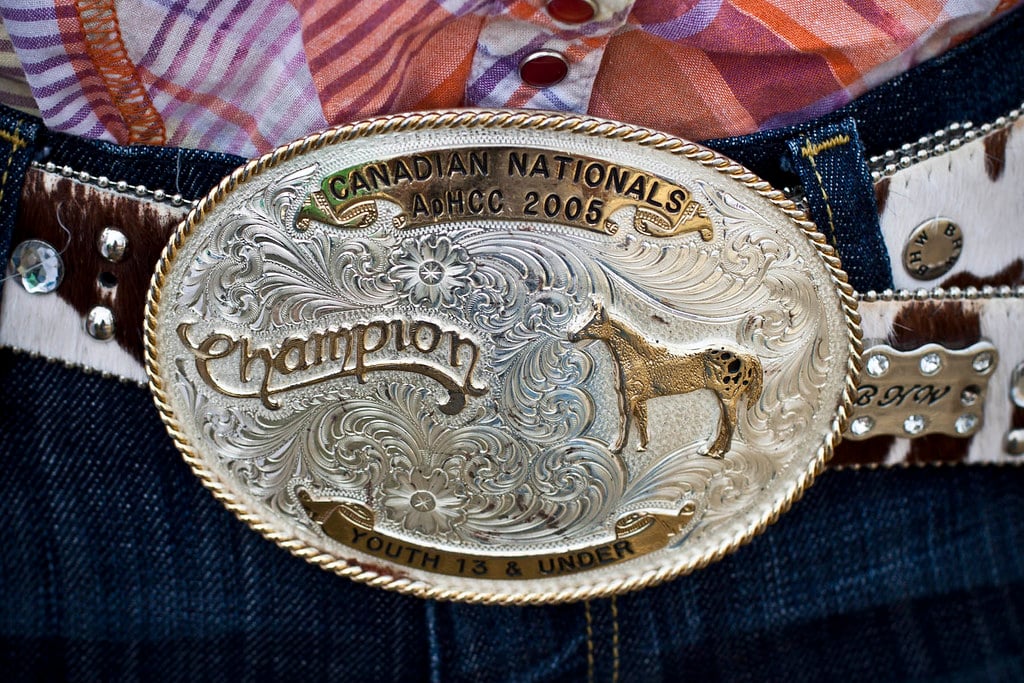
A thick leather belt with a massive logo buckle — Gucci, Ferragamo, Versace — can cost several hundred dollars. And yet they almost always look tacky.
The oversized hardware overwhelms any outfit, and the branding feels desperate rather than refined. These belts were enormous in the early 2000s, and there’s a reason they became a punchline.
Bringing them back doesn’t change what they are.
Distressed Denim With a Designer Tag
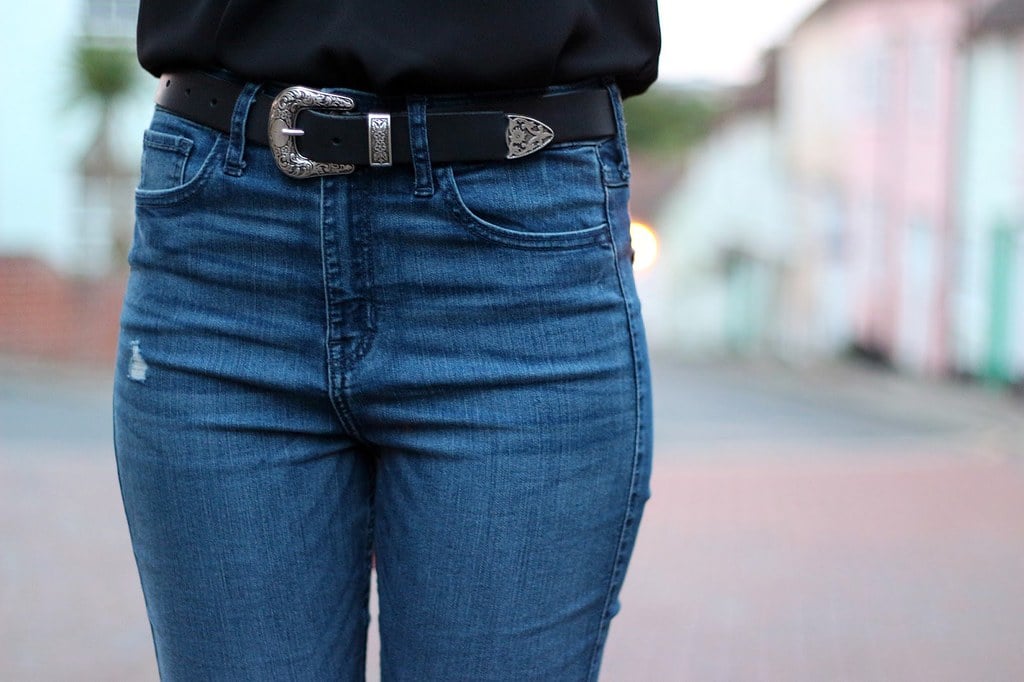
There’s nothing wrong with worn-in denim. But when a pair of jeans arrives already destroyed — blown-out knees, frayed hems, muddy finishes — and costs $500 or more, the math stops making sense. These jeans look like something you’d find at a thrift shop for eight dollars.
The distressing is usually overdone, the fit is often awkward, and the designer tag on the inside does nothing to change what the outside looks like.
Crystal and Rhinestone Everything
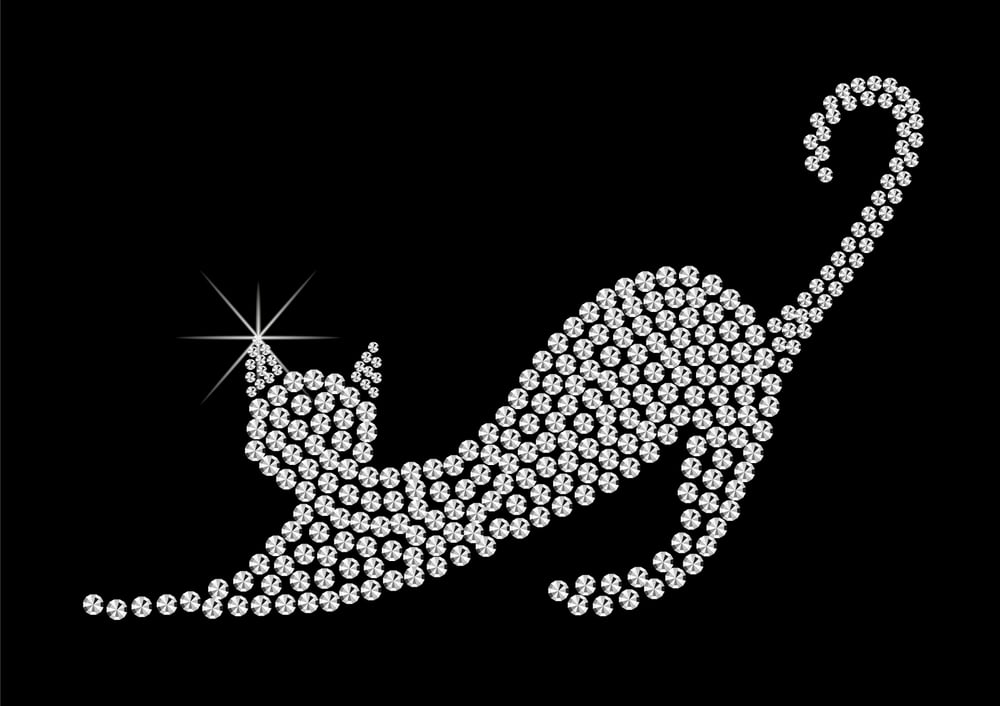
There are moments when embellishment works. Then there are pieces from houses like Philipp Plein or Roberto Cavalli where every surface is encrusted in crystals until the item stops looking expensive and starts looking like a disco prop.
A crystal-covered hoodie retailing at over a thousand dollars can read as costume wear from across the room. More stones doesn’t mean more luxury — it usually means the opposite.
Branded Athletic Wear

Designer athletic wear is a growing category, and some of it is genuinely well-made. But a lot of it — the heavy-logo tracksuits, the printed leggings, the branded windbreakers — looks nearly identical to lower-end sportswear, just with a different label stitched on.
When you’re wearing something that moves like a mid-range supermarket tracksuit but costs ten times as much, something has gone wrong in the value chain.
Certain “Ugly” Sneakers
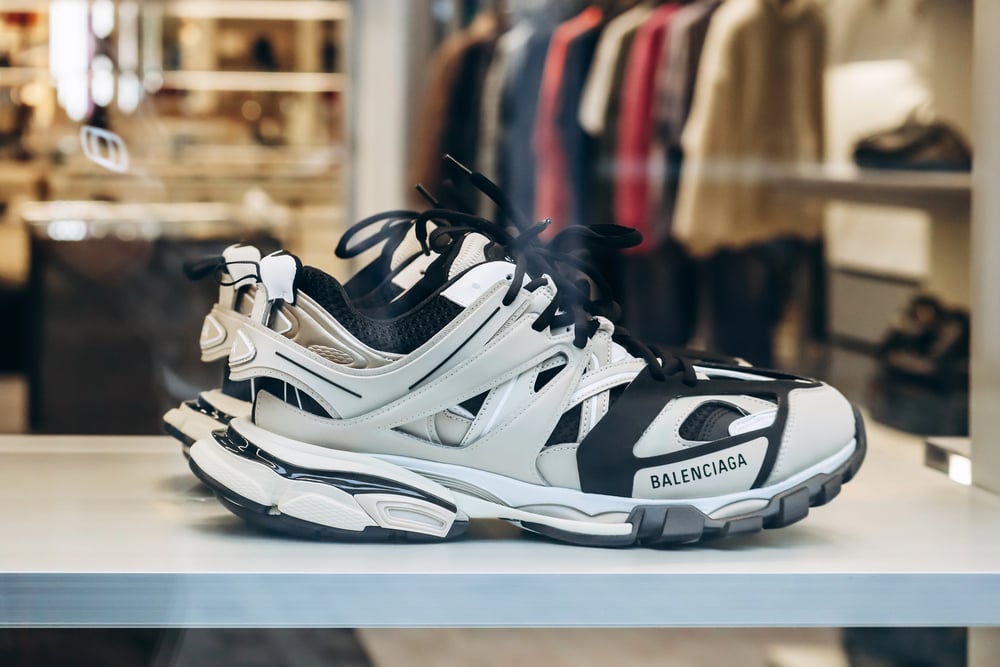
The chunky sneaker trend produced some genuinely interesting silhouettes. It also produced a lot of shoes that look like medical footwear with a luxury price tag. Some of Balenciaga’s bulkier offerings, along with various other oversized styles from other houses, are objectively difficult to distinguish from orthopedic shoes or cheap athleisure trainers at a glance.
The price tags attached to them — often $700 to over $1,000 — make it harder, not easier, to understand what you’re paying for.
Sheer and Mesh Tops

When done with quality fabric, sheer layering can look sophisticated. But many high-fashion sheer tops — delicate, flimsy, visually plain — look indistinguishable from the mesh tops that fill the shelves of fast-fashion retailers.
At $300 or more, you’re often paying for a name on a tag and nothing else your eye can detect. The fabric is thin, the construction is minimal, and the overall impression is that someone forgot to finish making the shirt.
Fur-Trimmed Everything

A fur-trimmed coat or bag — whether real or faux — rarely ages gracefully, and it rarely looks expensive in the first place. The trim often looks fluffy in the wrong way, slightly unkempt, and oddly reminiscent of items sold at souvenir shops.
High-end houses still produce fur-accented pieces at high prices, but the visual payoff doesn’t justify what’s being charged.
Novelty Designer Sliders and Flip Flops
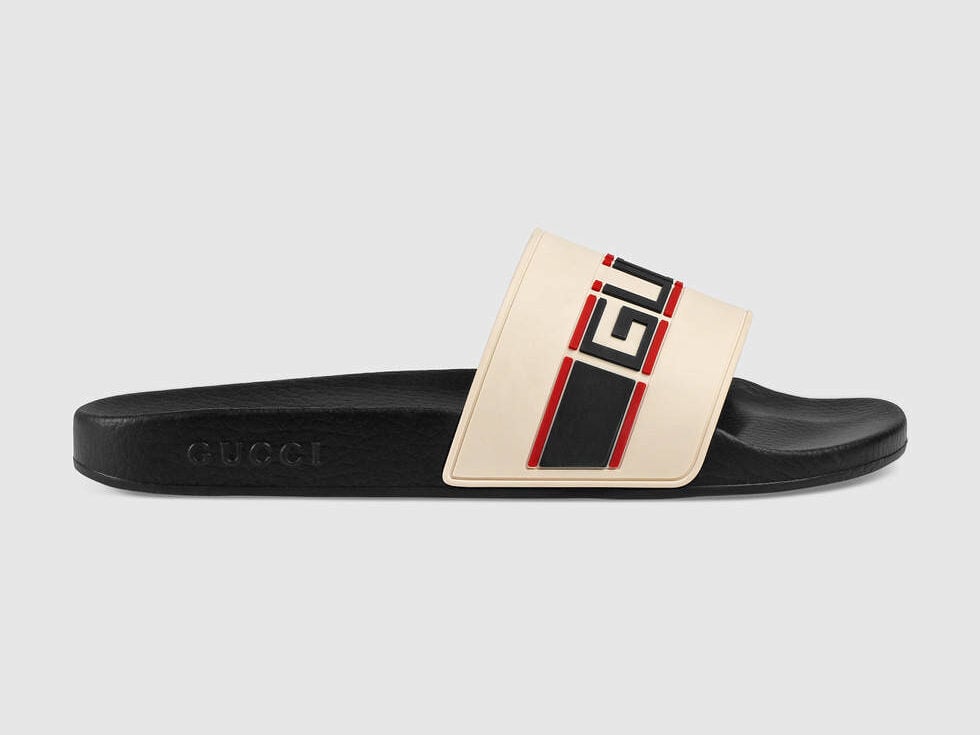
Gucci’s rubber sliders. Balenciaga’s pool slides.
Some Versace sandals. These are real products sold for hundreds of dollars, and they look exactly like the flip flops you’d buy at a petrol station before a beach holiday.
The materials are often similar. The construction is simple.
And when you put them on, no one can tell the difference unless they’re close enough to read the logo embossed on the footbed.
Heavily Branded T-Shirts
A plain white t-shirt from a luxury house can cost $400 or more. When that shirt is just a basic cotton tee with a large logo printed across the chest, it looks like a promotional item or something handed out at a corporate event.
The logo does all the work, and when the logo is all there is, the shirt itself has nothing to offer. Anyone who doesn’t recognize the brand sees a plain printed t-shirt, and that’s all there is to see.
Oversized and Intentionally Shapeless Coats

Not every designer cares about fit. Silhouettes drift loose, sleeves drape past wrists, fabric pools at the neck – garments built to ignore the form beneath.
Price tags climb near two thousand dollars, sometimes higher, claiming depth of vision. More likely, they signal a roomy cut or a purchase made sight unseen.
Craftsmanship exists, yes – but only up close does it show its face.
Heavily Logo’d Phone Cases and Small Accessories
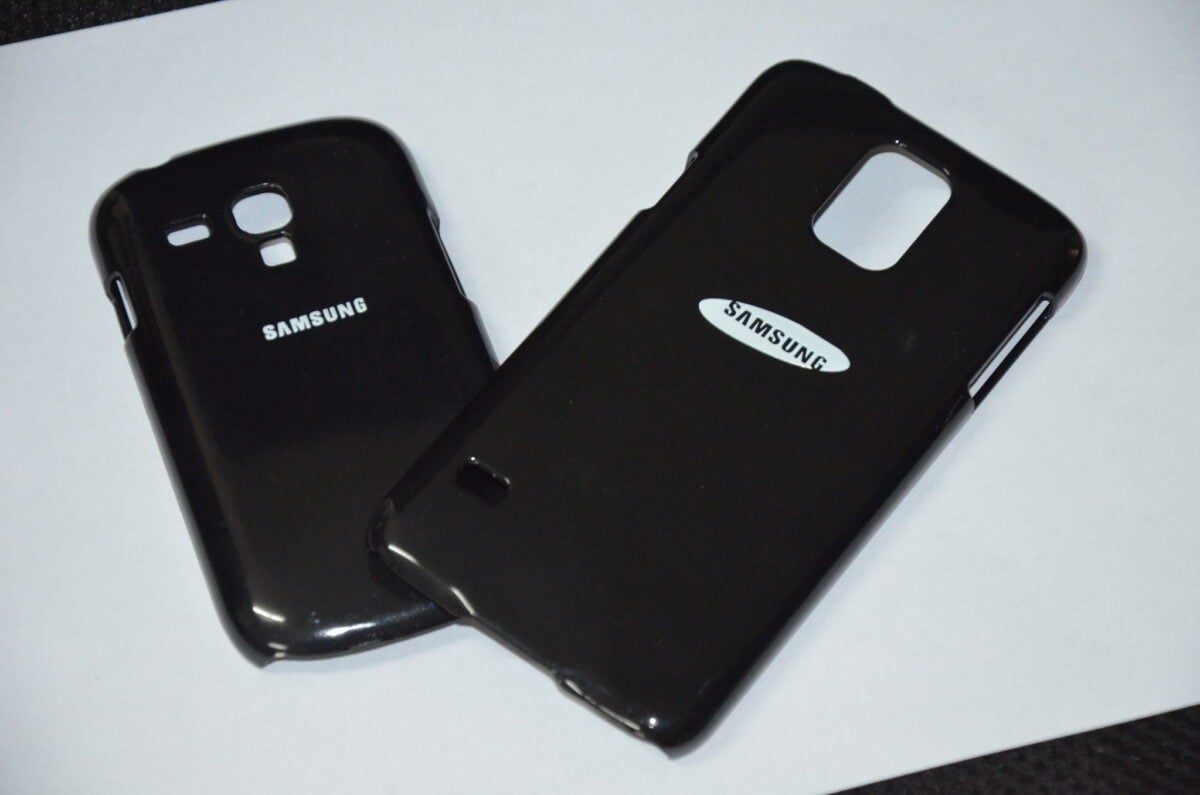
Over near the front of stores, tiny things like phone covers or little tags for keys show up with big-name labels. Priced low for those brands – say, one hundred fifty to four hundred dollars – they take up barely any space on shelves.
One slim wallet built from layered fabric stamped with a repeated logo might catch your eye. Looks just about like the cheaper kind, maybe fifteen bucks, found anywhere that sells trinkets.
Supposedly the cloth is finer here. Yet at first glance, spotting a real difference feels nearly impossible.
Designer Rubber Boots
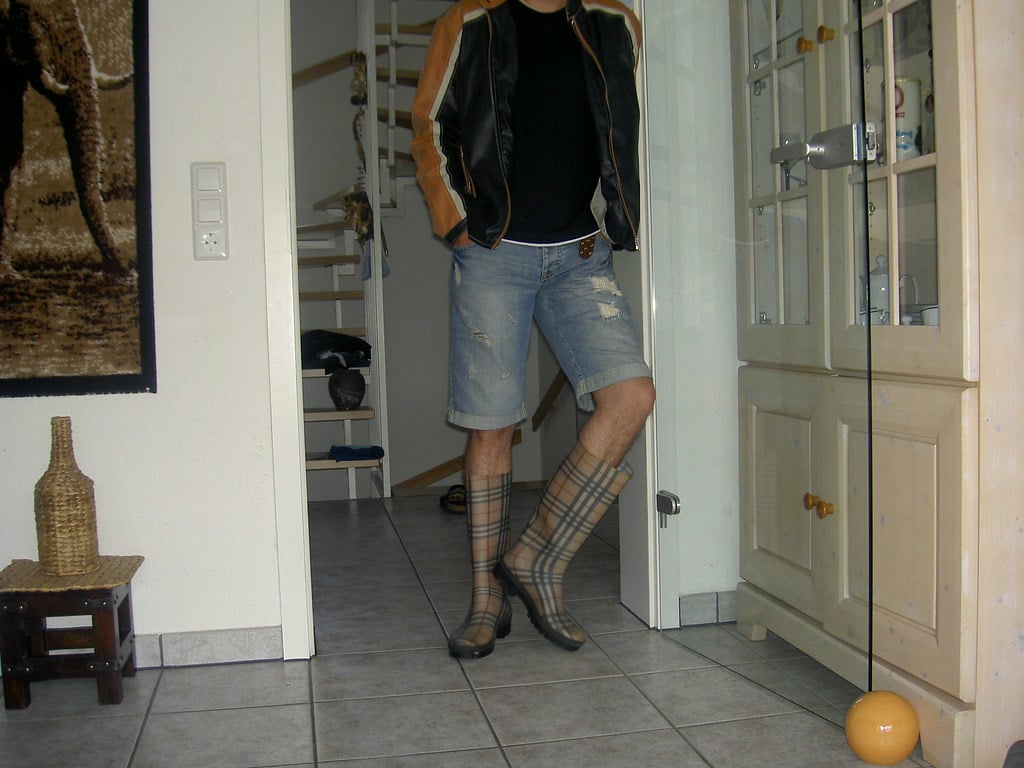
Rain boots stay rain boots, no matter what. From high-end brands like Burberry or Hunter’s top lines, these rubber shoes keep the same appearance regardless of cost.
Identical in form, built from the same stuff, doing the exact job – so a five-hundred-dollar version mirrors one bought for forty at any grocery store aisle. Sure, there might be a mark along the side suggesting value – but spotting it means really looking.
Still, most people won’t.
When the Label Carries All the Weight

A different kind of fashion puts clothes first, names second. Real luxury hides in how things are made – stitching, material, drape. If the brand name shouts loudest while everything else stays quiet, the outfit often feels off.
Price tags sometimes lie. Looks matter more than cost.
Maybe the thought behind it matters more than the object. Knowing your reason makes a difference, even when it seems harmless.
More from Go2Tutors!

- The Romanov Crown Jewels and Their Tragic Fate
- 13 Historical Mysteries That Science Still Can’t Solve
- Famous Hoaxes That Fooled the World for Years
- 15 Child Stars with Tragic Adult Lives
- 16 Famous Jewelry Pieces in History
Like Go2Tutors’s content? Follow us on MSN.