18 Times Weather Changed the Outcome of Major Historical Events
Throughout human history, the forces of nature have played a decisive role in shaping our civilization’s trajectory. While military strategists plan campaigns, politicians craft policies, and ordinary people make their daily decisions, the weather – unpredictable and powerful – often has the final say.
Here is a list of 18 remarkable instances when weather conditions dramatically altered the course of major historical events, proving that sometimes the most influential force in human affairs isn’t human at all.
The Persian Storm

In 480 BCE, Xerxes’ massive Persian fleet suffered catastrophic losses when violent storms wrecked nearly 400 ships off the coast of Greece. The devastating weather effectively cut Persian naval strength in half – enabling the significantly outnumbered Greek forces to achieve their stunning victory at Salamis.
This meteorological intervention preserved Greek independence and, by extension, the philosophical and democratic foundations of Western civilization.
The Kamikaze Typhoons

The Mongol leader Kublai Khan launched two massive invasions of Japan in 1274 and 1281, each thwarted by devastating typhoons that destroyed much of his fleet. The Japanese named these storms divine winds, believing them to be supernatural protection sent by the gods.
These fortuitous weather events preserved Japanese sovereignty and prevented the island nation from falling under Mongol control, allowing its distinct culture and political structures to develop independently.
The Protestant Wind

The attempted Spanish Armada invasion of England in 1588 met its demise when unusually strong winds forced the fleet into the North Sea. The Spanish ships couldn’t return to the English Channel, compelling them to sail around Scotland and Ireland where storms scattered and wrecked many vessels.
This weather-induced defeat preserved Protestant England’s independence and hastened the decline of Spanish naval dominance, shifting the European balance of power.
Napoleon’s Russian Winter

The infamous Russian winter of 1812 decimated Napoleon’s Grande Armée during their retreat from Moscow. Temperatures plunged to -40 degrees as soldiers froze in their tracks, with thousands dying daily from exposure.
Horse-drawn supply wagons became immobilized in deep snow, while weapons malfunctioned in the extreme cold. This climatological catastrophe destroyed Europe’s most formidable fighting force and marked the beginning of Napoleon’s downfall, fundamentally altering Europe’s political landscape.
Washington’s Fog of War

During the Battle of Long Island in 1776, George Washington’s Continental Army faced imminent destruction when surrounded by superior British forces. An unusually dense fog descended over the East River on August 29, concealing the Americans’ desperate nighttime evacuation.
The providential weather phenomenon allowed Washington to safely relocate his entire army to Manhattan – preserving the revolutionary forces that would eventually secure American independence.
Hitler’s Frozen Offensive

The brutal Russian winter of 1941-42 halted the Nazi advance toward Moscow when temperatures dropped to -30°F. German tanks couldn’t start, weapons jammed from frozen lubricants, and soldiers suffered massive casualties from frostbite and exposure.
The Wehrmacht hadn’t prepared for winter warfare – lacking proper clothing and equipment for such extreme conditions. This weather-induced stalemate gave Soviet forces crucial time to regroup and ultimately turn the tide against Nazi Germany.
D-Day’s Narrow Window

The Allied invasion of Normandy in June 1944 almost didn’t happen due to stormy weather in the English Channel. The operation required specific conditions – a full moon, low tide at dawn, and clear skies for aerial support.
A brief break in the storms opened a narrow 36-hour window that General Eisenhower seized, despite marginal conditions. The Germans, believing no invasion possible in such weather, were caught unprepared, helping ensure the success of the largest amphibious assault in history.
The Year Without a Summer
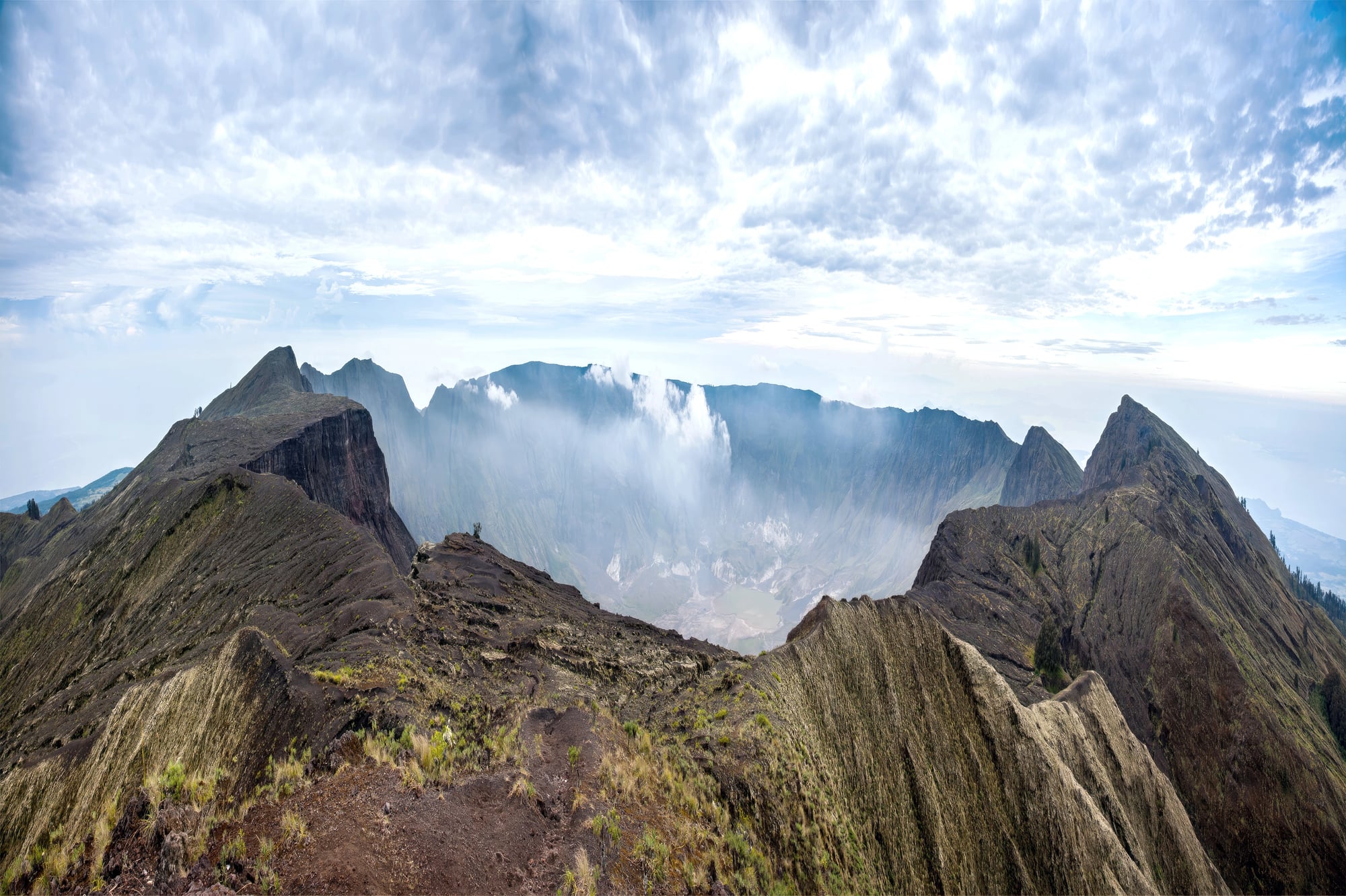
The 1815 eruption of Mount Tambora in Indonesia created global climate disruption throughout 1816, causing crop failures across the Northern Hemisphere. The resulting food shortages sparked widespread famine and economic hardship throughout Europe and North America.
This climate disaster accelerated mass migration to America’s western territories, catalyzed agricultural innovations, and inspired notable cultural works – including a famous gothic novel written during the dreary summer while confined indoors by perpetual rain and cold.
The Mud of Agincourt
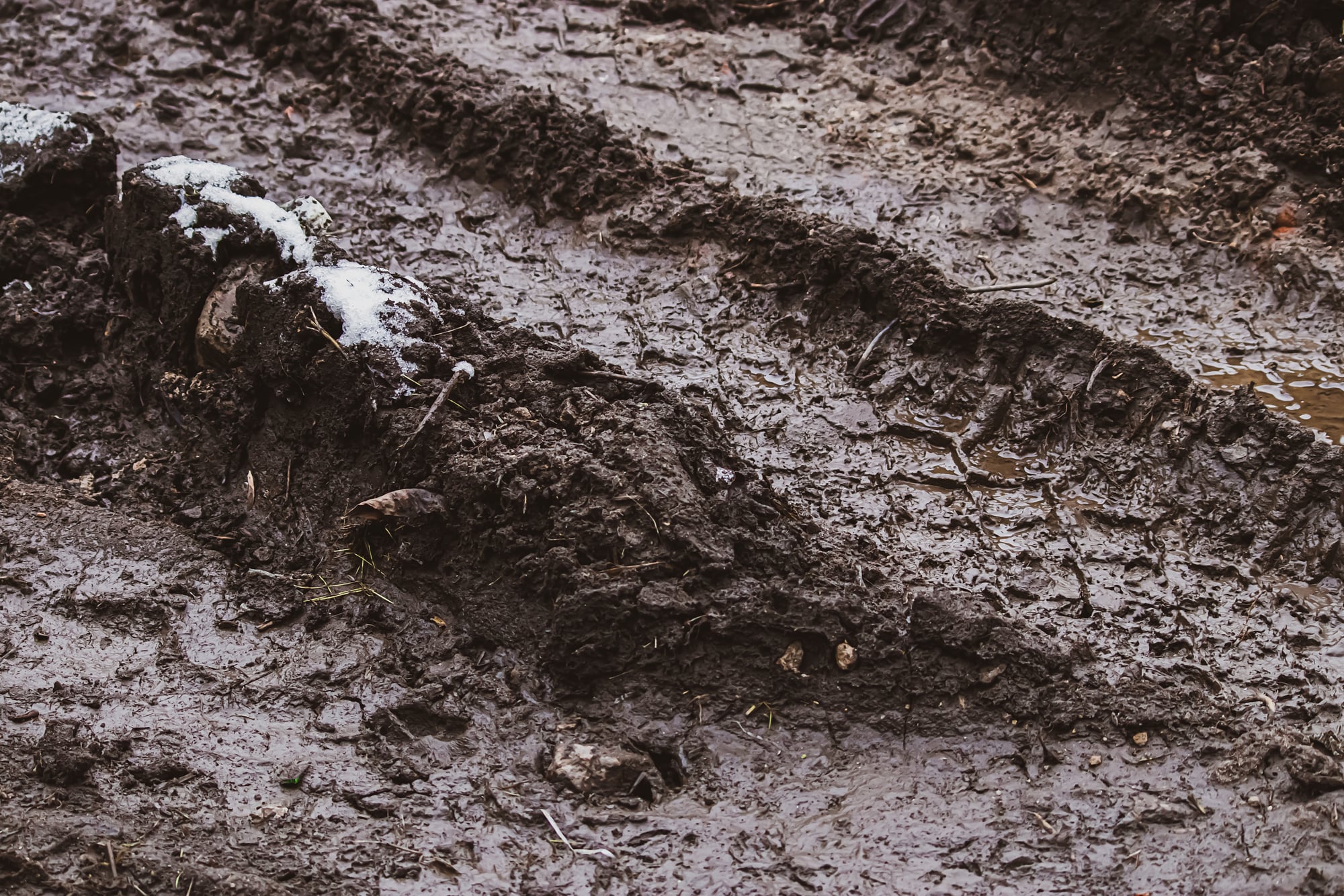
Heavy rainfall transformed the battlefield at Agincourt in 1415 into a muddy quagmire that neutralized France’s numerical advantage. French knights in heavy armor sank into the deep mud, creating perfect targets for English longbowmen.
The weather-altered terrain made the French cavalry charge ineffective while hampering their infantry’s mobility. This environmental factor contributed significantly to England’s improbable victory, extending the Hundred Years’ War and reshaping medieval power structures.
The Continental Army’s Christmas Miracle
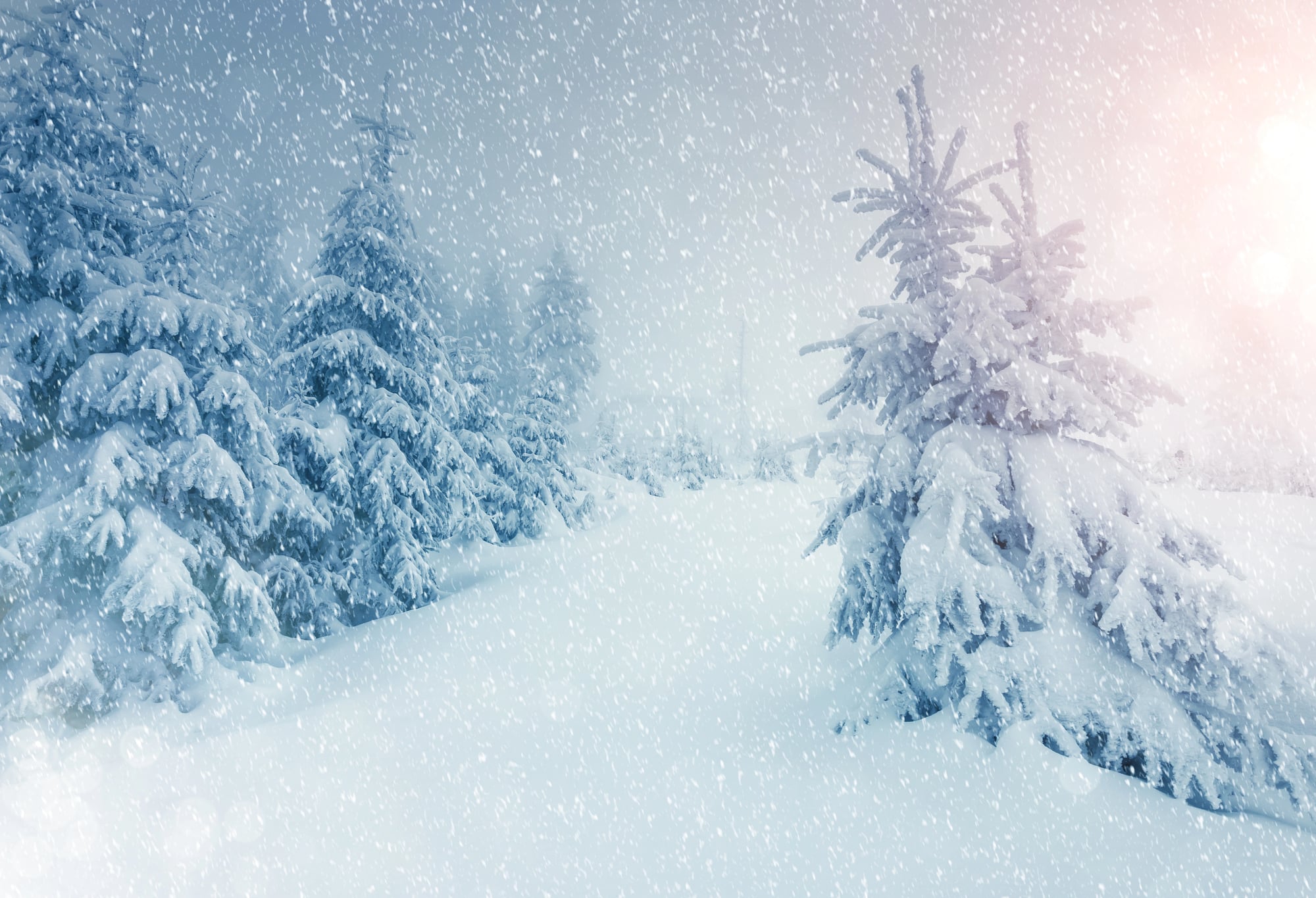
George Washington’s famous crossing of the Delaware River on Christmas night 1776 succeeded partly due to a providential snowstorm. The severe weather provided cover for the American forces while causing Hessian mercenaries to relax their vigilance, believing no attack possible during such conditions.
The subsequent surprise victory at Trenton revitalized the struggling revolutionary cause at a critical moment when morale had reached dangerous lows.
The Drought that Collapsed Maya Civilization

A series of severe droughts between 800-950 CE contributed significantly to the collapse of Classic Maya civilization. Tree ring and lake sediment data reveal decades-long dry periods that devastated agriculture in the region.
The resulting food shortages triggered political instability, warfare between city-states, and eventual abandonment of major urban centers. This climate-driven collapse transformed the cultural and political landscape of Mesoamerica for centuries.
Vietnam’s Monsoon Campaigns

The seasonal monsoons in Vietnam significantly shaped the direction of the 20th century conflict. Heavy rains created practically impassable conditions that restricted military operations to specific seasons.
The North Vietnamese and Viet Cong adapted their tactics to the weather patterns, using the rainy season for resupply along the Ho Chi Minh Trail when American air power proved less effective. This environmental factor contributed to the war’s protracted nature and influenced its ultimate outcome.
Britain’s Potato Blight

The unusual cool, wet summer of 1845 created ideal conditions for the potato blight that devastated Ireland’s staple crop. The resulting Great Famine killed approximately one million people and forced another million to emigrate, primarily to America.
This weather-triggered catastrophe permanently altered Ireland’s demographic profile, accelerated Irish nationalism, and significantly shaped American urban development through massive Irish immigration.
The Persian Gulf War’s Sandstorms

During Operation Desert Storm in 1991, coalition forces benefited from unusually favorable weather conditions for their air campaign. The typically troublesome sandstorms remained minimal throughout most of the conflict, allowing unprecedented precision bombing.
When sandstorms did arrive during the ground offensive, they inadvertently aided coalition forces by providing cover for their flanking maneuvers against Iraqi positions, contributing to the war’s swift conclusion.
The Hurricane that Saved Washington

In August 1814, British forces occupied and burned Washington D.C. during the War of 1812, but their occupation ended abruptly when a powerful hurricane struck the city. The storm’s torrential rains extinguished fires throughout the capital while its powerful winds caused buildings to collapse on British troops.
The extreme weather forced the British to retreat, potentially saving the young republic from further destruction at a vulnerable moment in American history.
China’s Flooding Strategy
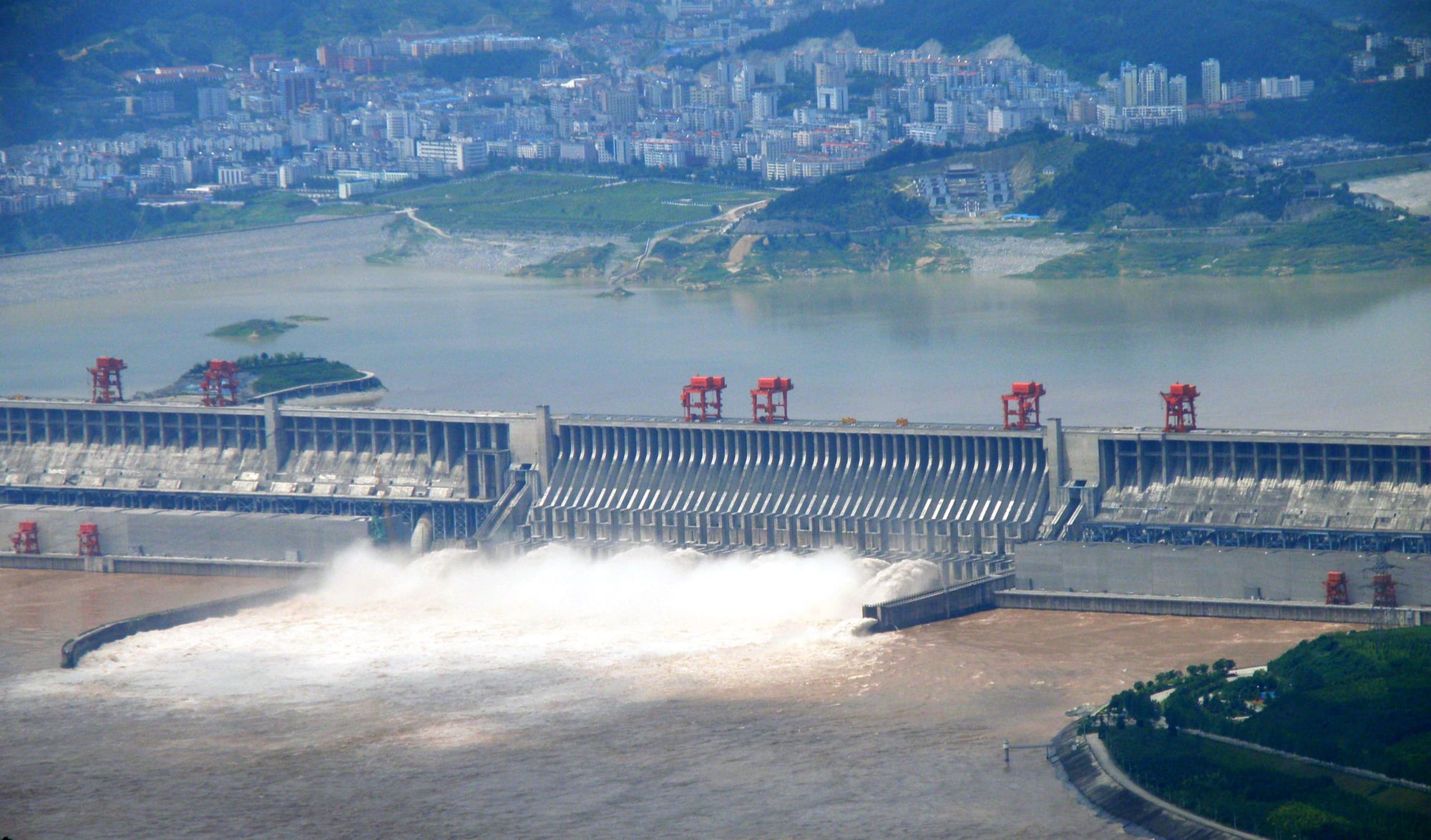
Desperate to halt the Japanese advance in 1938, Chinese Nationalist forces breached the Yellow River dikes, creating a massive flood intended to block enemy progress. The resulting deluge inundated approximately 21,000 square miles of countryside and killed between 500,000 and 900,000 Chinese civilians.
This weather-weapon temporarily slowed Japan’s advance but created a humanitarian catastrophe, permanently altering the physical and human geography of central China.
Franklin’s Kite Experiment

The thunderstorm that allowed Benjamin Franklin to conduct his famous kite experiment in 1752 led directly to his invention of the lightning rod. This seemingly small weather event enabled a technological innovation that dramatically reduced fire damage to structures throughout the world.
The lightning rod saved countless buildings and lives while demonstrating practical applications of scientific knowledge, helping spark the technological innovation mindset that would fuel the Industrial Revolution.
Russia’s General Winter
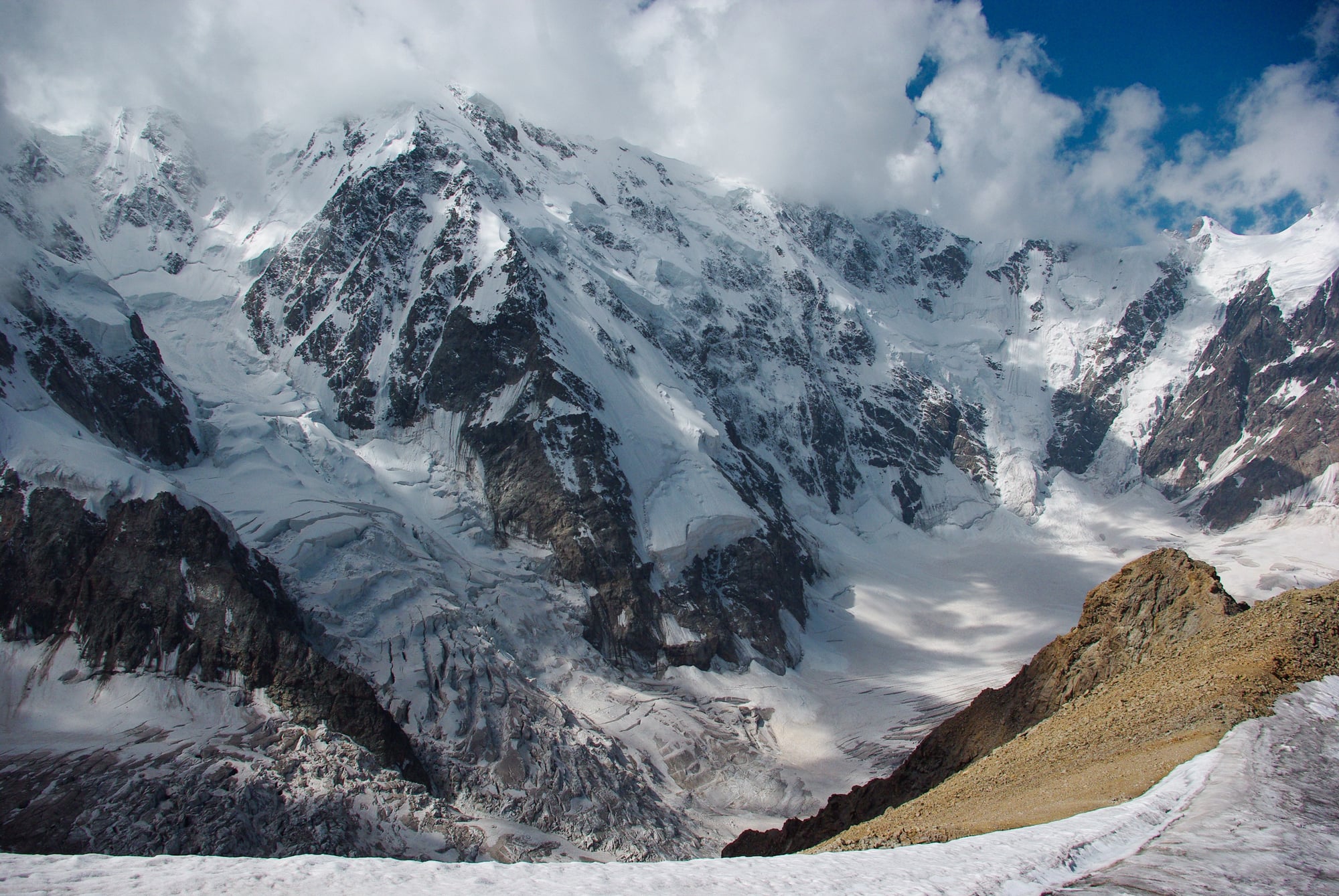
Throughout Russian history, the harsh winter climate has repeatedly thwarted invading armies – earning it the nickname “General Winter.” From Charles XII of Sweden in 1708-09 to Hitler’s forces in 1941-42, the extreme cold has consistently served as Russia’s powerful ally.
This geographical reality has shaped Russian military strategy, national identity, and global geopolitics by providing a natural defense mechanism that helped preserve Russian sovereignty during multiple historical invasions.
Natural Forces in Human Affairs
Weather events – from storms and droughts to unusual fog and fortuitous winds – have repeatedly intervened at pivotal moments in human history. While great leaders, innovative thinkers, and ordinary people rightfully receive credit for shaping our world, these examples remind us of our continuing vulnerability to natural forces.
The climatic conditions that once preserved civilizations or hastened their downfall remain powerful factors today, perhaps more relevant than ever as our planet’s climate systems experience unprecedented change.
More from Go2Tutors!

- The Romanov Crown Jewels and Their Tragic Fate
- 13 Historical Mysteries That Science Still Can’t Solve
- Famous Hoaxes That Fooled the World for Years
- 15 Child Stars with Tragic Adult Lives
- 16 Famous Jewelry Pieces in History
Like Go2Tutors’s content? Follow us on MSN.



