Food Dishes That Cost Too Much for the Average Person
Ordering from a menu shouldn’t require a second mortgage, but some restaurants seem to have missed that memo. The gap between what people earn and what certain dishes cost has grown absurdly wide.
A single meal can now run more than most people’s monthly grocery budget, and the trend shows no signs of slowing down. These aren’t just fancy dinners.
These are financial decisions that most families can’t justify, no matter how special the occasion.
The Gold-Dusted Burger That No One Asked For
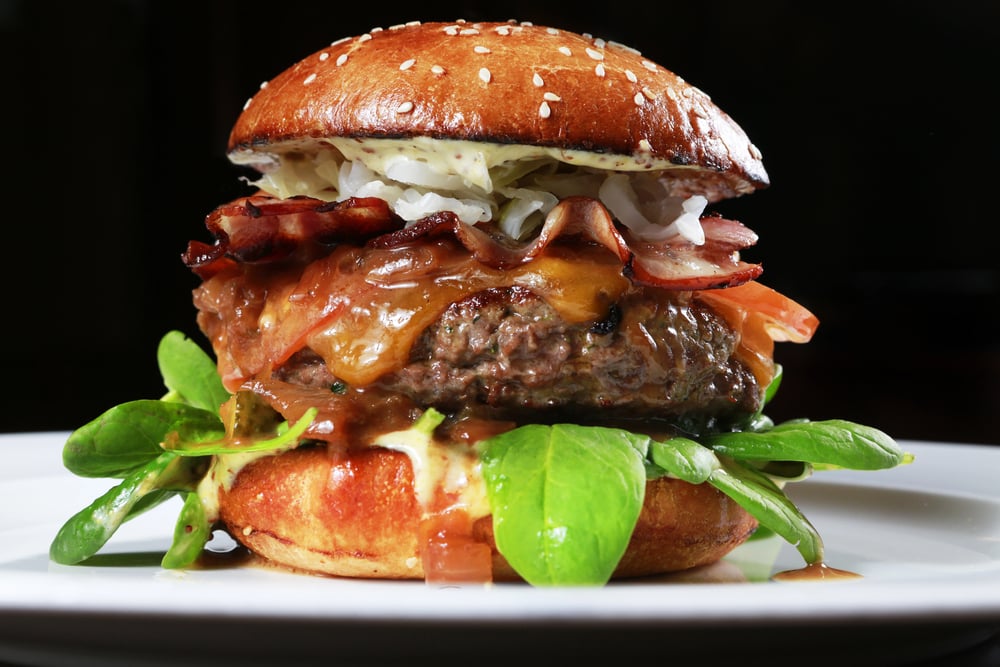
Restaurants discovered they could charge hundreds of dollars for a burger if they stuck some gold leaf on top. Edible gold adds nothing to the flavor.
It doesn’t improve texture. It just sits there looking shiny while your bank account gets lighter.
The burger underneath could be decent or it could be mediocre—the gold guarantees nothing except a hefty bill. Some places charge $135 to $700 for this Instagram moment, with extreme examples reaching $1,600 or more.
People keep buying them, which only encourages more restaurants to try the same trick.
Wagyu Beef at Prices That Make You Question Everything
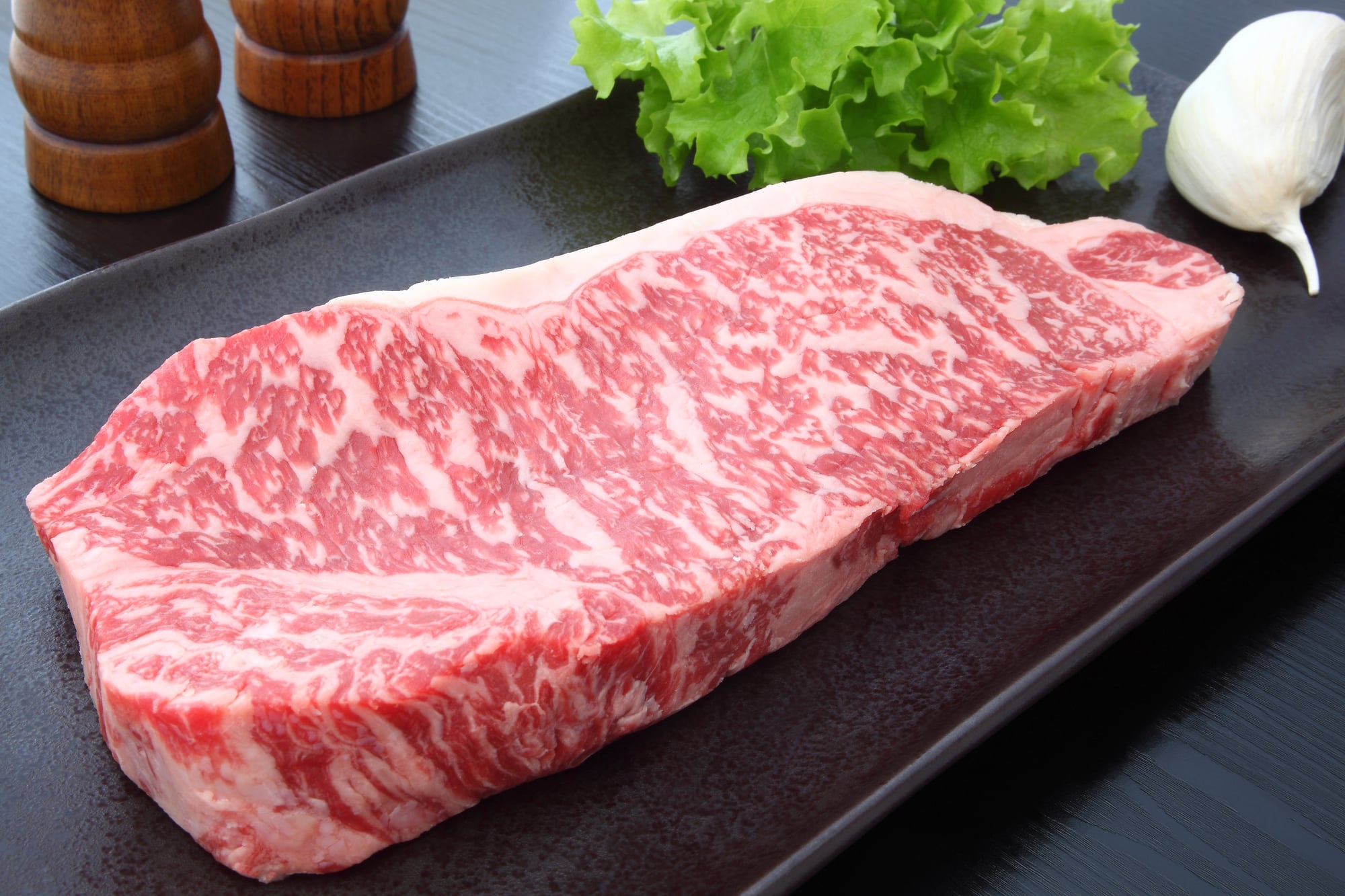
Real Wagyu from Japan carries a premium price tag for good reason. The cattle live better lives than many humans, getting massages and special diets.
But the market has gotten out of control. At high-end restaurants, Japanese A5 Wagyu often costs $30 to $70 per ounce, with most places requiring you to order at least three or four ounces.
A full steak can run $150 to $500 depending on the cut and portion size. That same amount of money could feed a family for weeks.
The taste is exceptional, sure, but at some point you have to ask whether any piece of meat justifies spending that much when cheaper cuts prepared well taste almost as good.
Caviar Service That Requires Its Own Budget Line
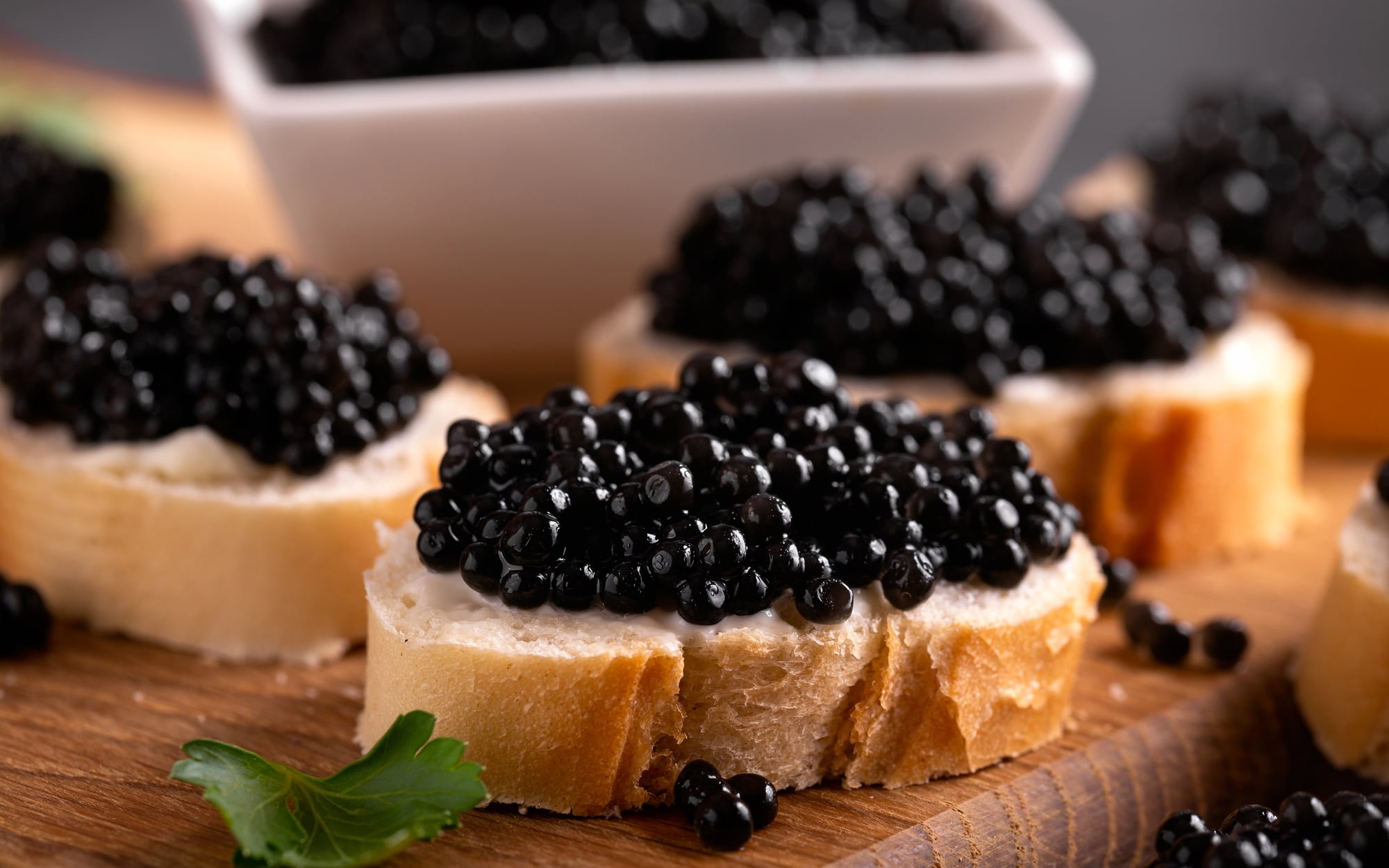
Caviar used to be something royalty ate. Now it’s something that appears on tasting menus at prices that make your eyes water.
Beluga caviar wholesales for $5,000 to $10,000 per kilogram, and restaurants often charge double or triple that markup. You’re eating fish eggs.
Fancy fish eggs, yes, but still. The rarity drives the price, but so does the perception that only wealthy people should eat it.
Most average diners will never taste real caviar, and that’s probably fine with the restaurants serving it.
Truffle-Everything Menus at Steakhouses
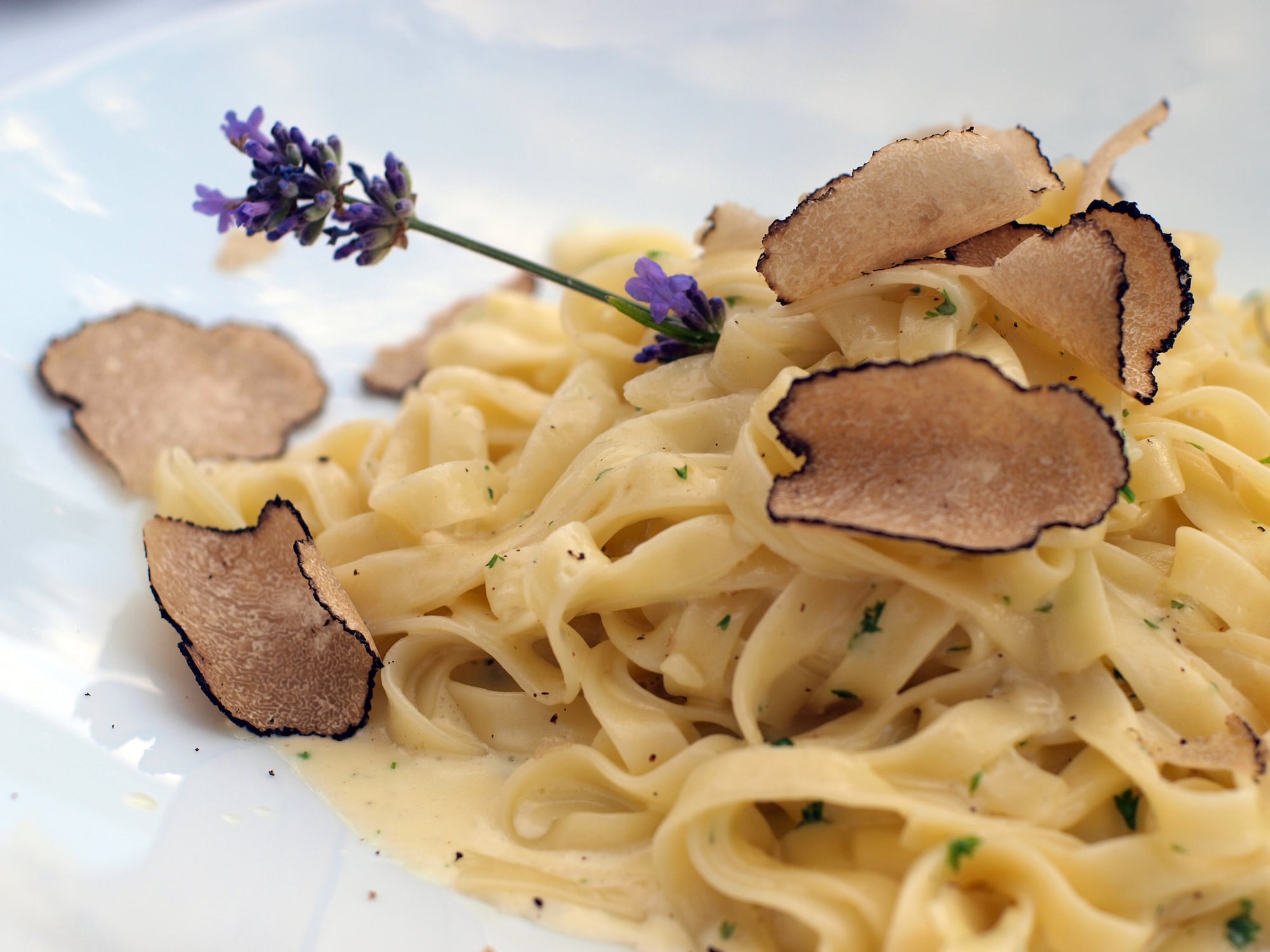
Truffles smell amazing. They taste incredible.
They also cost more per ounce than most precious metals. White truffles from Alba can run $1,500 to $6,000 per pound, while black truffles are slightly cheaper at $300 to $1,600 per pound.
Restaurants started shaving truffles over everything—pasta, risotto, eggs, even french fries. A single dish with fresh white truffles can add $100 to $300 to your bill.
The problem isn’t the truffle itself. The problem is restaurants charging premium prices for tiny amounts that barely flavor the dish, banking on the prestige factor to justify the cost.
Japanese Wagyu Tasting Menus That Cost a Week’s Salary
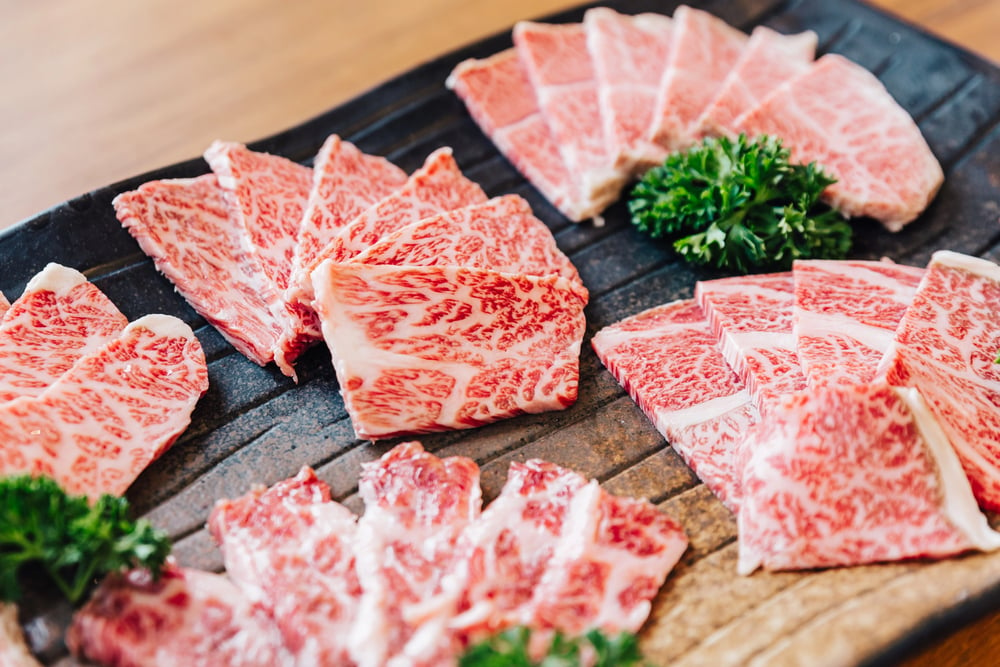
Some restaurants offer multi-course Wagyu tasting experiences. You get five or six cuts of different beef, each prepared differently.
Sounds wonderful until you see the price: $400 to $800 per person, not including drinks or tip. For one meal.
The experience is memorable, but so is the credit card statement. These menus target people who won’t flinch at spending that much on dinner, which excludes the vast majority of people who actually love good food.
Lobster Prepared Like It’s Going Extinct
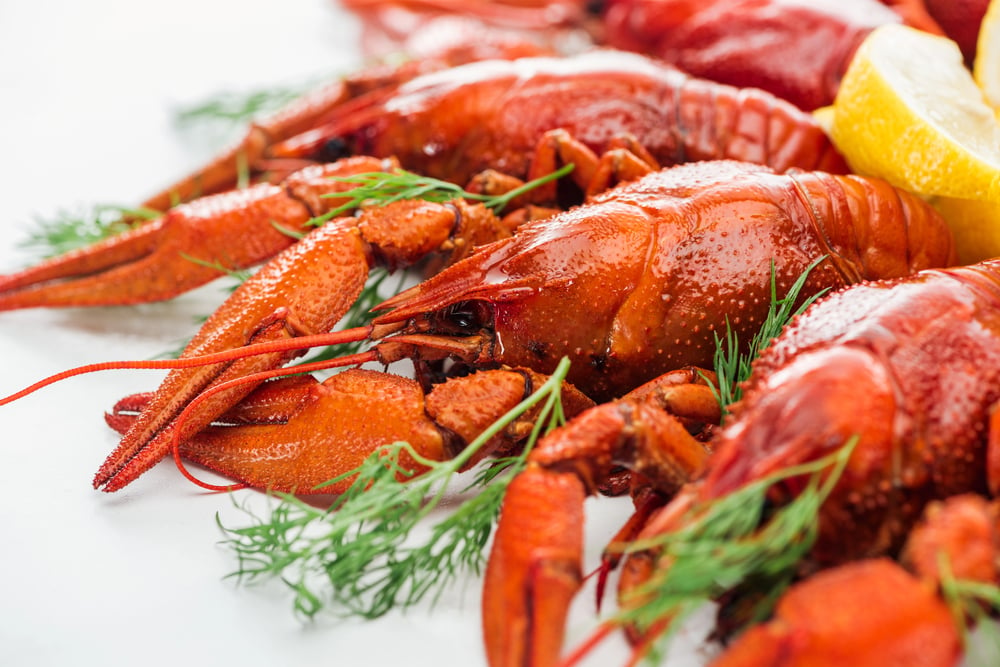
Lobster prices have climbed steadily for years. A simple lobster dinner at a nice restaurant now runs $25 to $100, and that’s before you add sides or drinks.
Some places serve lobster rolls for $20 to $48 that contain maybe three to five ounces of meat. The markup is enormous.
Lobster is delicious, but restaurants have turned it into a luxury item that most families can only afford on rare occasions, if ever. The fishing industry hasn’t helped, with supply fluctuations driving prices even higher.
Kobe Beef Served in Portions That Mock You
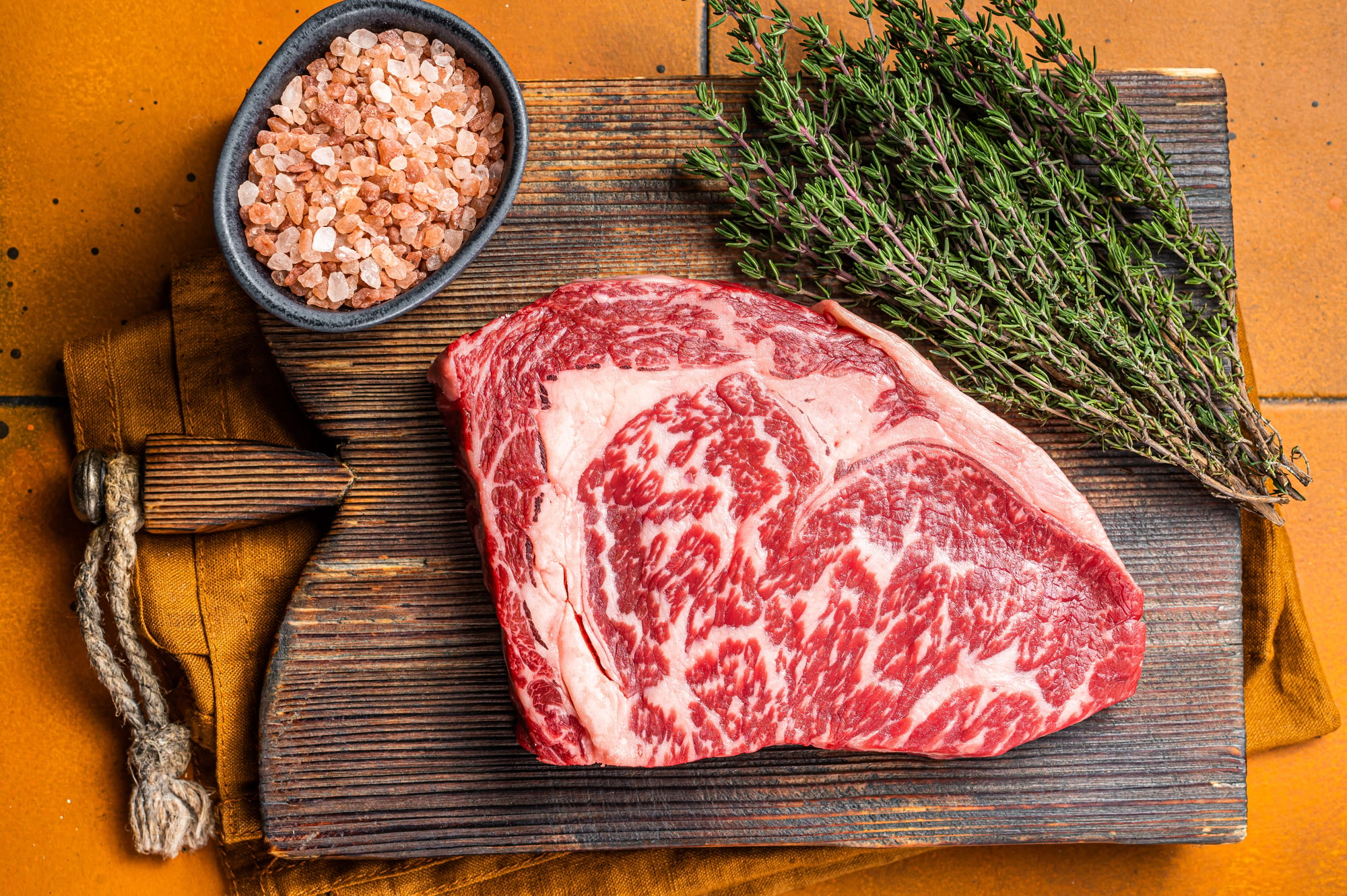
Real Kobe beef from Japan is heavily regulated and incredibly rare. It’s also priced accordingly.
Restaurants charge $50 to $100 per ounce for certified Kobe beef, and servings are often tiny—three or four ounces total. You finish the dish in minutes and wonder if you imagined the whole thing.
The beef is tender and flavorful, but the portion-to-price ratio feels like a joke. Many restaurants also serve “Kobe-style” beef from America, which costs less but still runs $150 to $200 for a decent portion.
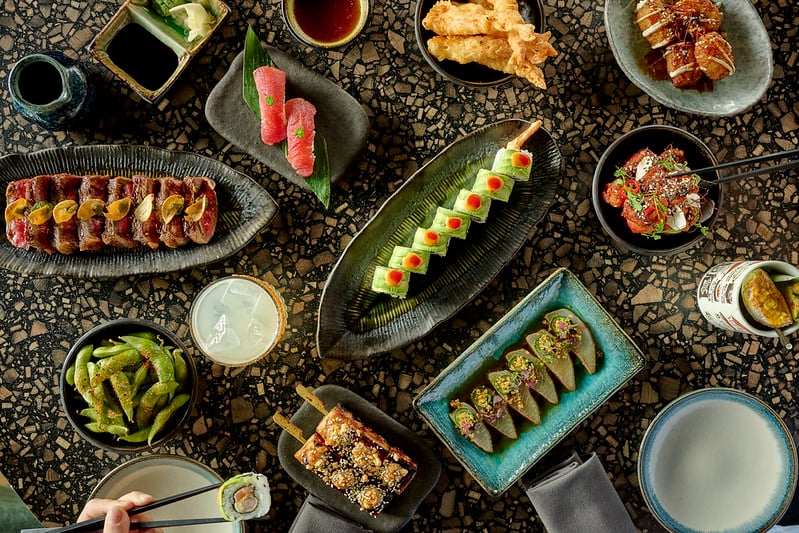
Sushi Omakase Experiences That Empty Your Wallet
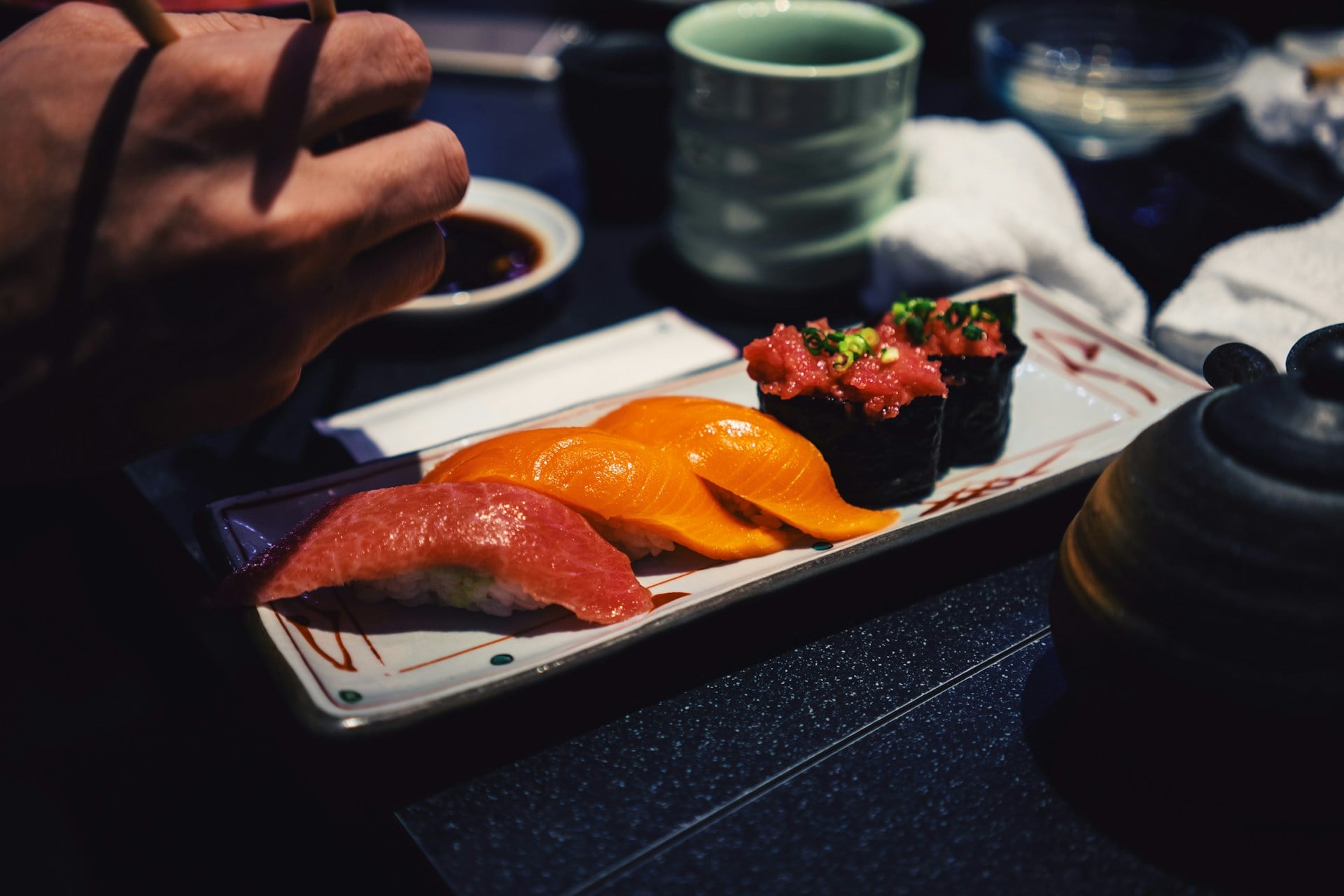
Omakase means “I’ll leave it up to you” in Japanese. You sit at the sushi bar and the chef serves you whatever he thinks is best that day.
The experience is intimate and special. It’s also expensive.
High-end omakase in major cities costs $300 to $500 per person, with top restaurants like Masa reaching $950. Budget options exist starting around $60 to $100, but premium experiences at Michelin-starred venues easily climb above $400.
Most sushi lovers will never eat at the most exclusive restaurants, sticking instead to more affordable options that are still very good.
French Tasting Menus That Require a Payment Plan
Michelin-starred French restaurants have perfected the art of the expensive tasting menu. Ten to fifteen courses of tiny, beautifully plated dishes.
The food is art. The technique is flawless.
The price is $400 to $600 per person before wine pairings, which add another $200 or more. These meals take three to four hours.
You leave satisfied but also aware that you just spent what some people make in two weeks. The restaurants aren’t wrong for charging what they do—the labor and ingredients justify some of the cost—but it prices out everyone except the wealthy.
Dry-Aged Steaks That Cost More Than Rent
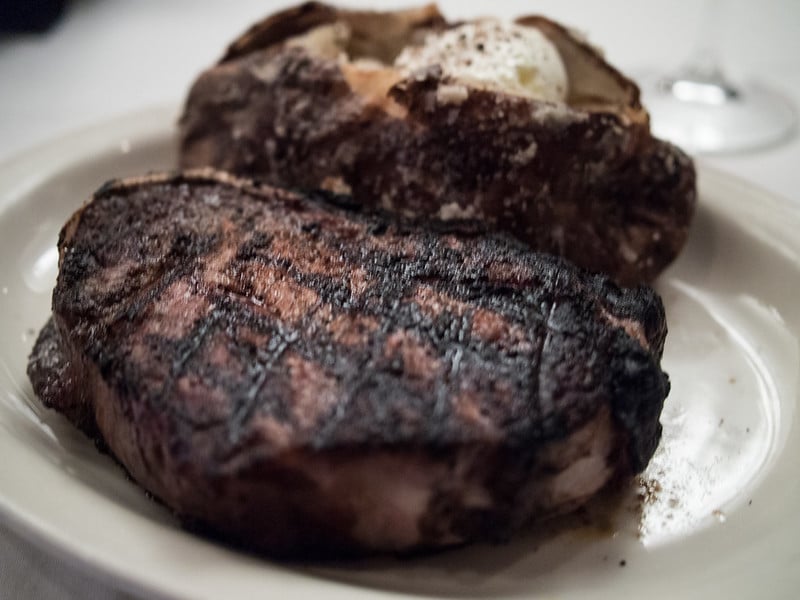
Dry-aging beef concentrates flavor and improves tenderness. It also takes time and space, which costs money.
Restaurants pass that cost to customers, charging $100 to $200 for a dry-aged ribeye or strip steak. Some steakhouses age their beef for 60 or 90 days, pushing prices even higher.
The result is a better steak, no question. But better enough to cost three or four times as much as a regular steak?
That’s debatable. Most people who try dry-aged beef once can’t tell if it’s worth the premium, especially when they see the bill.
Fugu Prepared by Certified Chefs in Tokyo
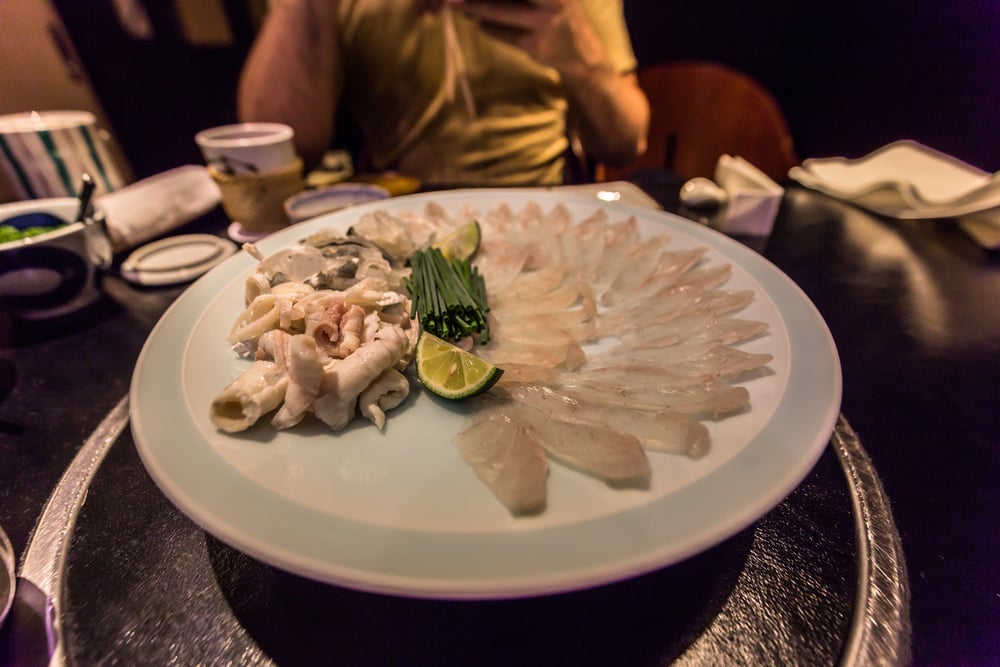
Fugu is pufferfish. Parts of it contain lethal amounts of toxin.
Chefs in Japan spend years learning how to prepare it safely, and they need special licenses. The danger adds to the mystique, and restaurants charge accordingly.
A fugu dinner in Tokyo costs roughly $150 to $300 on average, with high-end establishments reaching $600 or more. Lunch options are more affordable at $45 to $75.
You’re paying for the chef’s training and the rarity of the fish. Most people who eat fugu say it tastes fine but not amazing.
The experience matters more than the flavor, which makes sense when you’re eating something that could kill you if prepared wrong.
Bluefin Tuna at Auction Prices
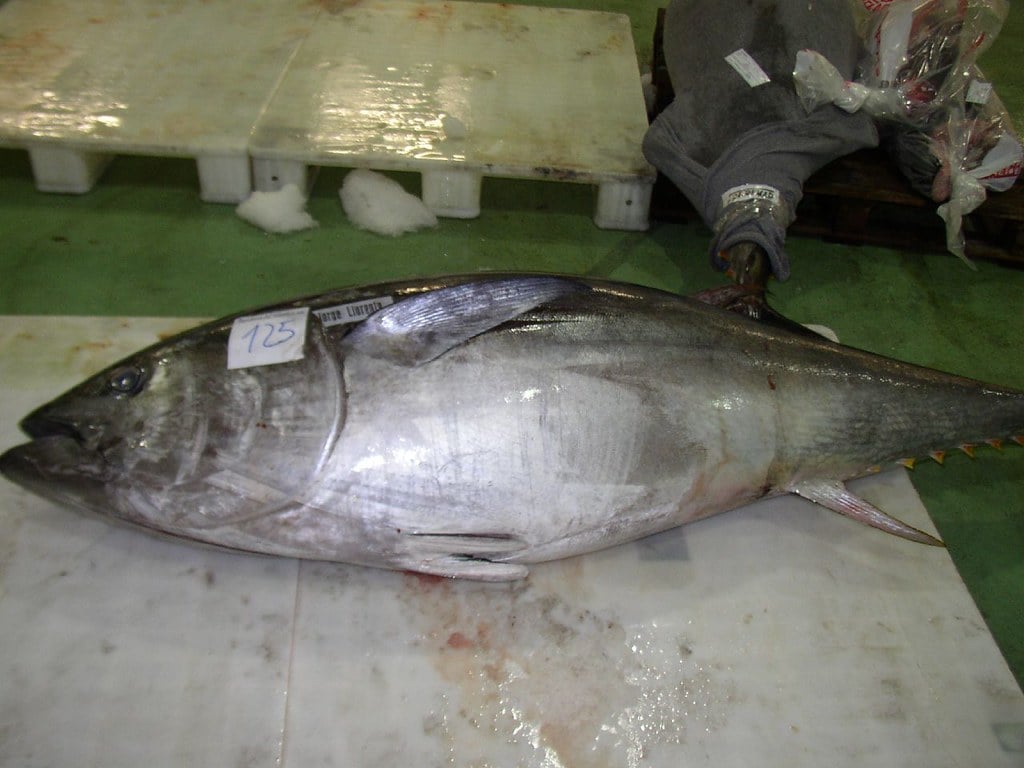
Bluefin tuna fetches insane prices at fish auctions in Japan. A single fish can sell for hundreds of thousands of dollars.
Sushi restaurants buy these fish and pass the cost to customers. The most prized cuts—otoro from the fatty belly—cost $30 to $50 per piece at high-end restaurants.
One piece. Not a roll, not a serving, but a single slice of fish on rice.
The tuna tastes incredible, rich and buttery. But you need to be comfortable spending $200 on six pieces of sushi to experience it.
White Alba Truffles From Italy
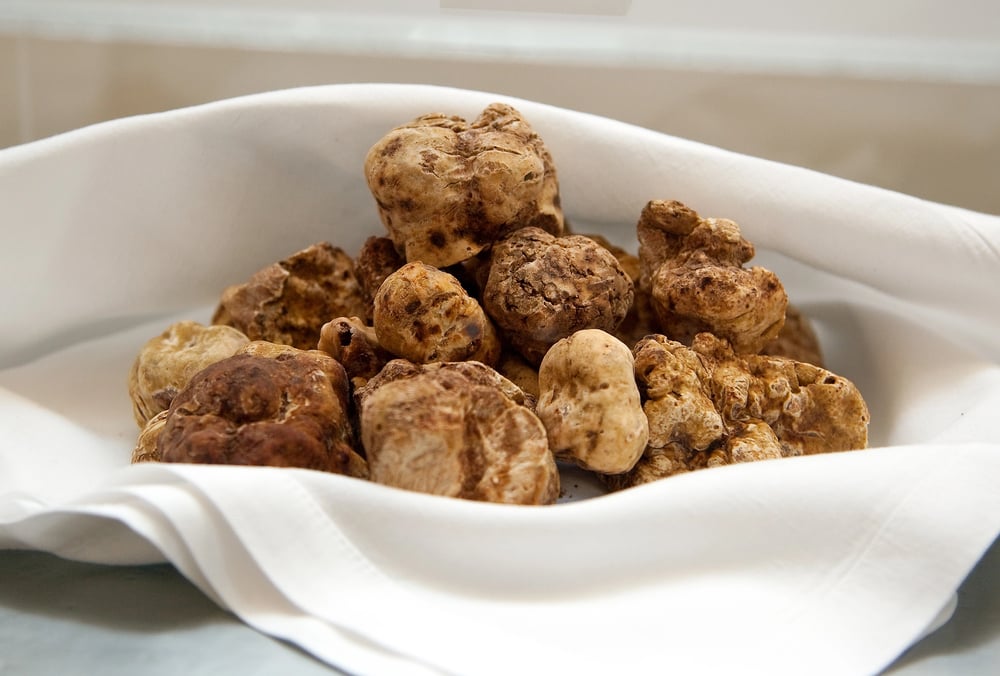
White truffles from Alba, Italy, are the most expensive truffles in the world. They’re only in season for a few weeks each year, and they can’t be cultivated.
Dogs sniff them out in the forest, and dealers sell them for $3,800 to $4,400 per kilogram. Restaurants charge $100 to $300 extra to shave these truffles over your pasta or risotto.
The aroma is intoxicating. The flavor is subtle but complex.
But you’re essentially paying rent money to smell mushrooms.
When Food Becomes Theater Instead of Nourishment
Food is supposed to sustain you. Somewhere along the way, high-end dining became more about spectacle than satisfaction.
The prices reflect that shift. These dishes cost what they cost because people with money will pay it, not because the ingredients or labor truly justify the expense.
The average person is priced out intentionally. These restaurants don’t want full dining rooms.
They want exclusivity, which only works when most people can’t afford to get in the door. The dishes taste great, but they taste great partly because of the price tag, the scarcity, the knowledge that most people will never try them.
That’s the real luxury being sold.
More from Go2Tutors!

- The Romanov Crown Jewels and Their Tragic Fate
- 13 Historical Mysteries That Science Still Can’t Solve
- Famous Hoaxes That Fooled the World for Years
- 15 Child Stars with Tragic Adult Lives
- 16 Famous Jewelry Pieces in History
Like Go2Tutors’s content? Follow us on MSN.