15 Facts About the McLaren 765LT Spider
Wind in your hair while gripping raw speed – that’s what the McLaren 765LT Spider offers. Not merely quick with a folding top, it builds on the fierce nature of the 765LT coupe.
Removing the roof adds sensation, turning every drive into something louder, closer, wilder. Power feels sharper when nothing stands between you and the sky.
This one catches eyes, not just because it moves fast but how it shapes speed. A closer look reveals choices most skip – lighter bones, sharper reflexes.
Air slips past like it knows where to go. The roof folds away without asking much weight in return.
Power meets balance here, not by accident but design built around motion itself. Few cars think this hard about staying light while pushing harder.
The Name Tells a Story

Naming this machine wasn’t left to chance. Seven hundred sixty-five means raw power measured the European way, equaling seven hundred fifty-five on the scale used across America.
LT? That points to Longtail – a badge saved only for McLarens built lean, built fast, meant more for circuits than city streets. These roots stretch back to fierce racers from the nineties, machines that redefined limits.
Spotting those initials signals one thing: weight vanished where it wasn’t needed, effort poured into speed instead.
Surprisingly Light for Its Size, It Feels Almost Weightless When Picked Up

Starting without a fixed roof usually means more heft from added support structures. Yet the 765LT Spider grows heavier by merely 108 pounds versus the hardtop version, tipping scales at 2,818 pounds.
Such low mass stands out in today’s tech-heavy, safety-focused vehicles that also fold open. Engineers used wide swaths of carbon fiber while reshaping parts so each piece pulls double duty when feasible.
The Roof Disappears in Seconds
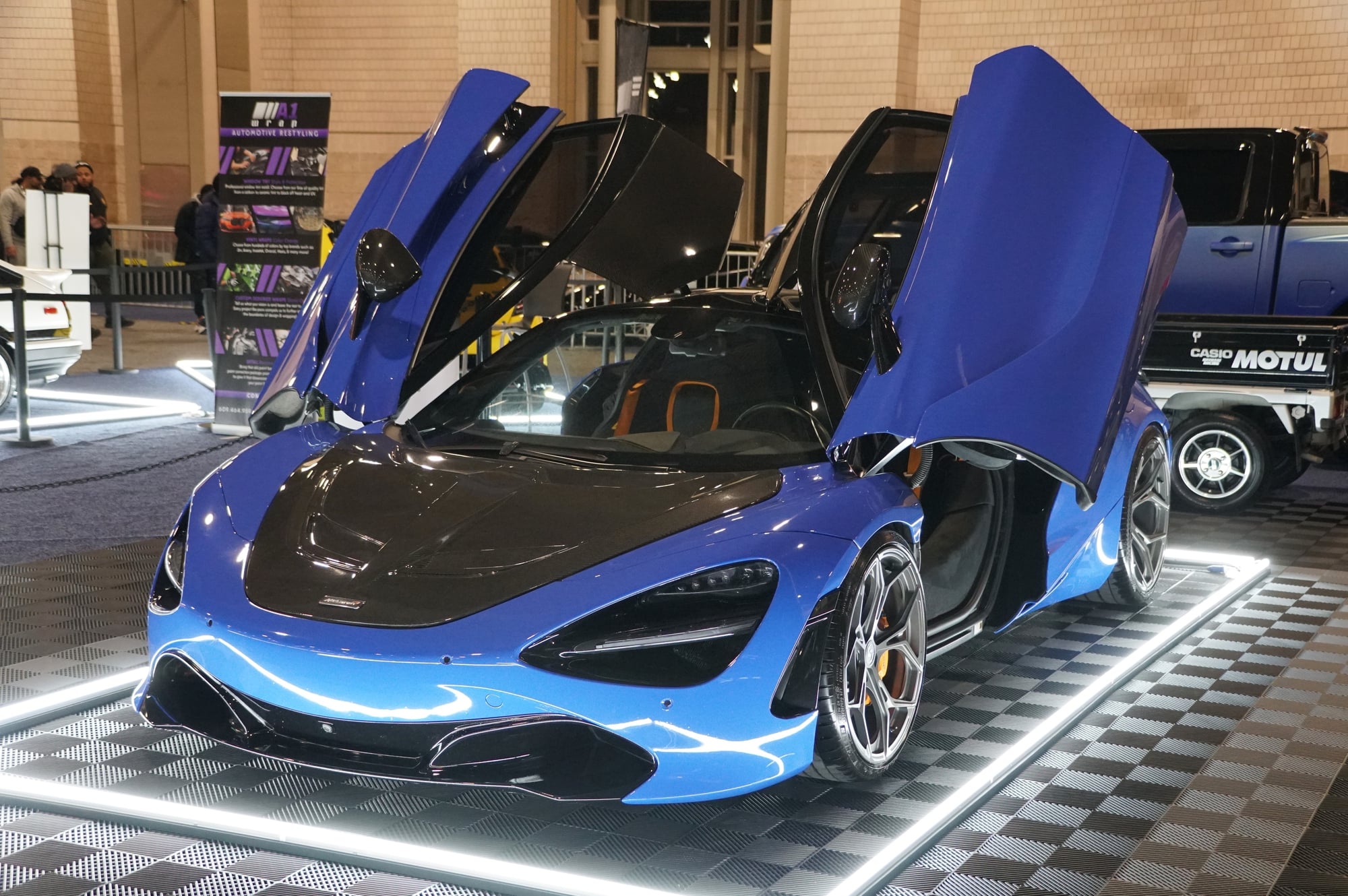
Not like those slow convertibles where you sit around doing nothing, the 765LT Spider tucks its hardtop out of sight in barely more than ten seconds. Moving under city speed limits?
That won’t stop it – roof flips open or shuts tight even while rolling. Built using carbon fiber, the whole setup clocks in at a mere 27 pounds, light enough not to upset the balance.
Hidden behind the seats once folded, it leaves the shape clean, almost untouched, like it was always meant to be that way.
Faster Than You’d Think, Zero to Sixty Arrives. Speed Builds Before You Can Blink. In a Flash, It’s Already There
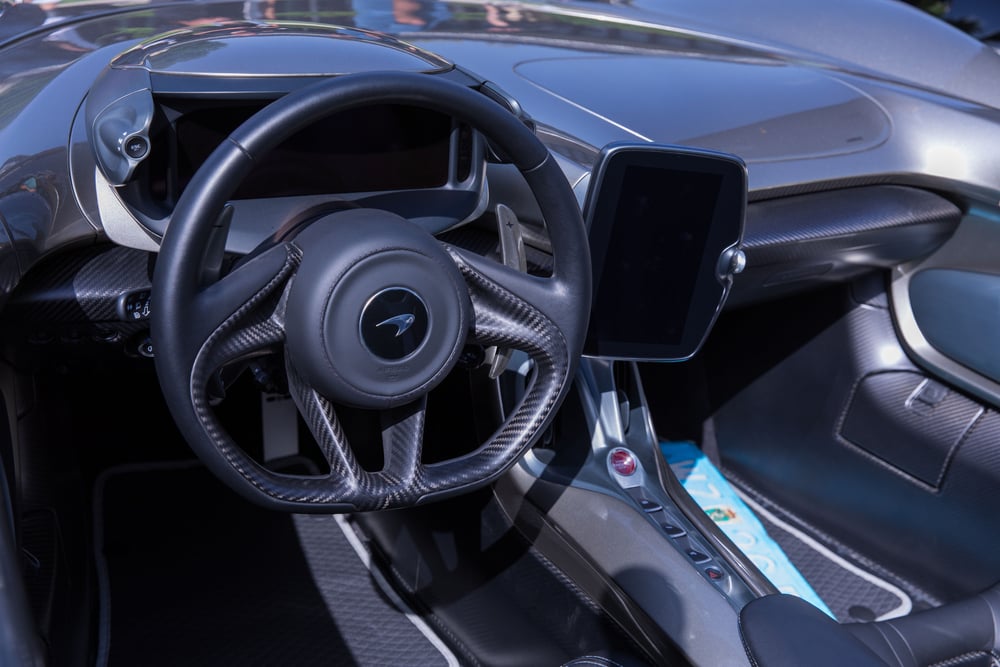
This McLaren hits 60 mph from rest in only 2.7 seconds. Picture this – you’re at highway speed before someone nearby finishes the phrase “zero to sixty.”
Light build meets explosive horsepower, then precision grip tech takes over, so the 765LT Spider doesn’t accelerate – it launches. It’s less like driving, more like catching a slingshot mid-air.
The sensation? Almost too sharp, yet perfectly controlled.
Behind Your Head Is Where the Engine Happens to Be Placed
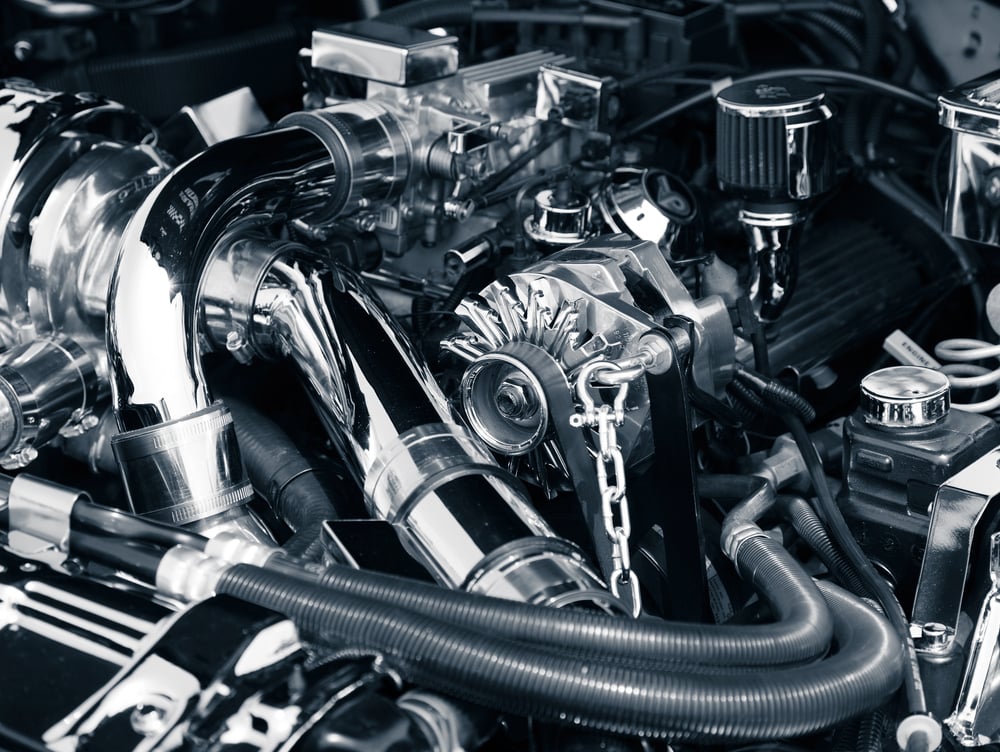
Behind the seats sits the 4.0-liter twin-turbo V8, tuned to stir your senses. When the roof folds away, each metallic whisper rises through the cabin as revs climb toward 8,500 rpm.
This setup balances mass more naturally, anchoring powertrain weight near the center point. Race machines trusted this design for years – front-mounted engines just don’t match the control.
Active Aerodynamics Adjust Constantly
The rear wing on the 765LT Spider isn’t just for show. It actively adjusts its angle based on speed, braking force, and selected driving mode to optimize downforce or reduce drag.
At high speeds, the wing generates significant downforce to plant the rear tires firmly to the road surface. When you hit the brakes hard, the wing instantly tilts to its maximum angle to act as an air brake, helping slow the car more effectively while keeping it stable.
Carbon Fiber Covers Almost Everything
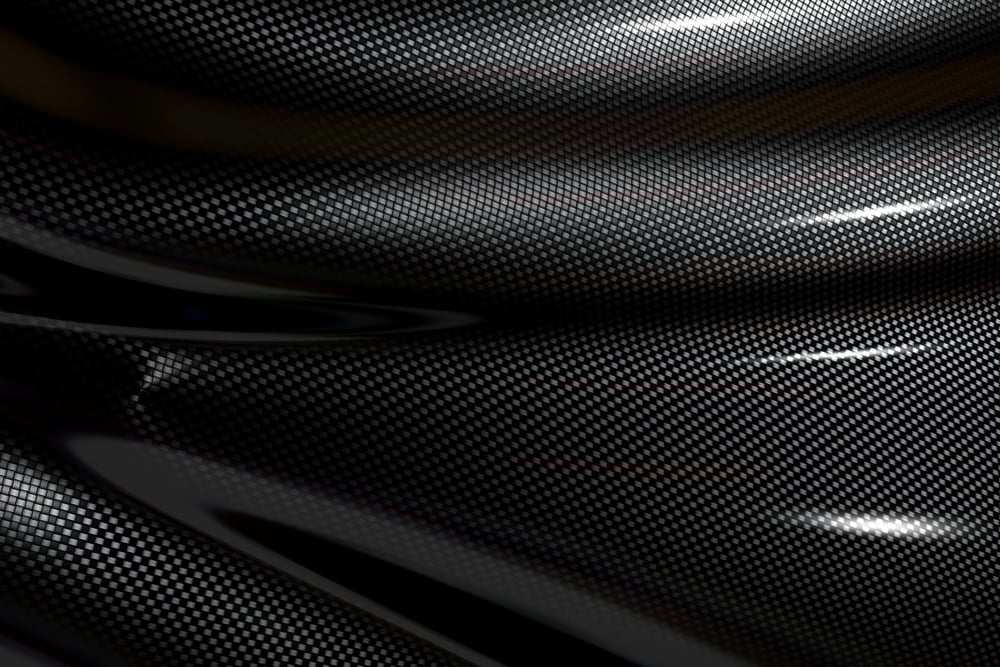
McLaren used carbon fiber for the body panels, the roof, the seats, the dashboard components, and even some of the suspension parts. This exotic material is five times stronger than steel but weighs a fraction as much.
The extensive use of carbon fiber is one of the main reasons the 765LT Spider stays so light despite having a complex convertible mechanism. You can actually see the woven carbon fiber texture through the clear coating in many areas of the car.
The Transmission Shifts Faster Than You Blink

The seven-speed dual-clutch transmission can swap gears in less than 200 milliseconds. That’s quicker than a human eye blink, which takes about 300 to 400 milliseconds.
The transmission uses two separate clutches, one for odd gears and one for even gears, so the next gear is always pre-selected and ready. When you call for an upshift or downshift, it happens so fast that there’s barely any interruption in power delivery.
Only 765 Examples Will Exist
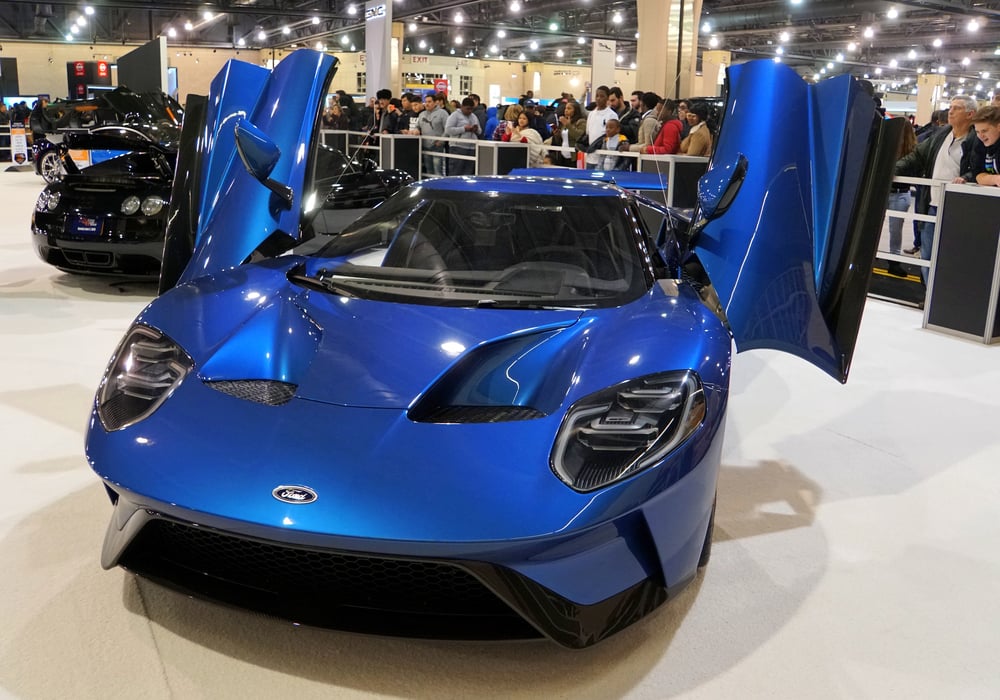
McLaren limited production to just 765 units worldwide, making this Spider as exclusive as it is expensive. The number matches the metric horsepower figure, which is a nice touch that collectors appreciate.
Once those 765 cars are built and delivered, that’s it forever. This artificial scarcity ensures the 765LT Spider will likely appreciate in value over time rather than depreciate like most cars.
It Costs More Than Most Houses
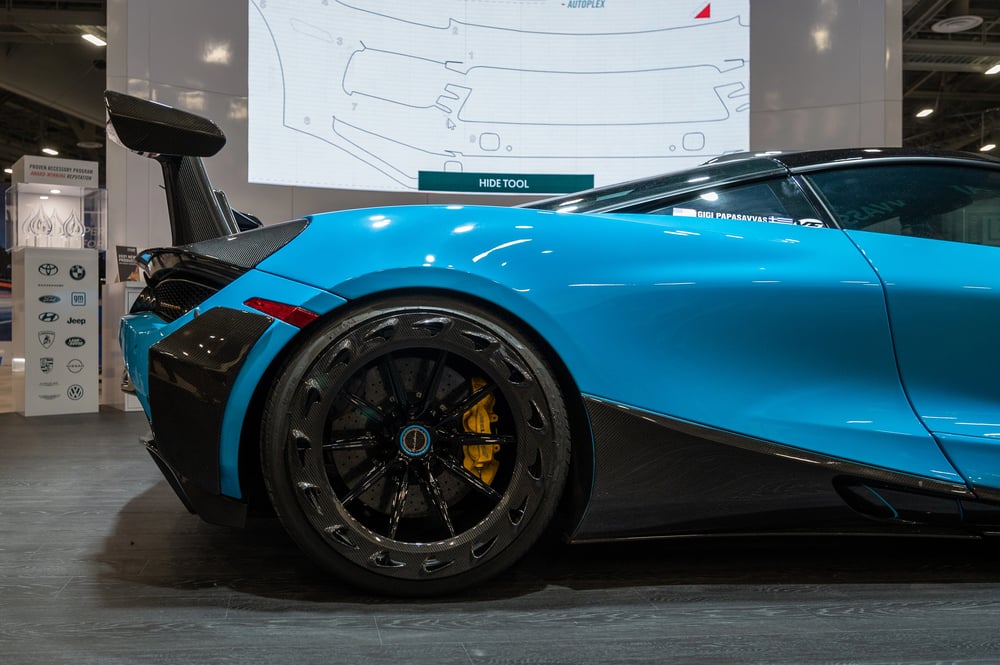
The base price for a 765LT Spider started at around $382,500 when it launched. That’s before any options or customizations, and McLaren buyers typically add quite a few personalized touches.
The final price for many examples likely exceeded $450,000. You could buy a very nice home in many parts of America for that kind of money.
Of course, the home won’t do 205 mph or turn heads quite like the McLaren does.
The Exhaust Exits Through the Top
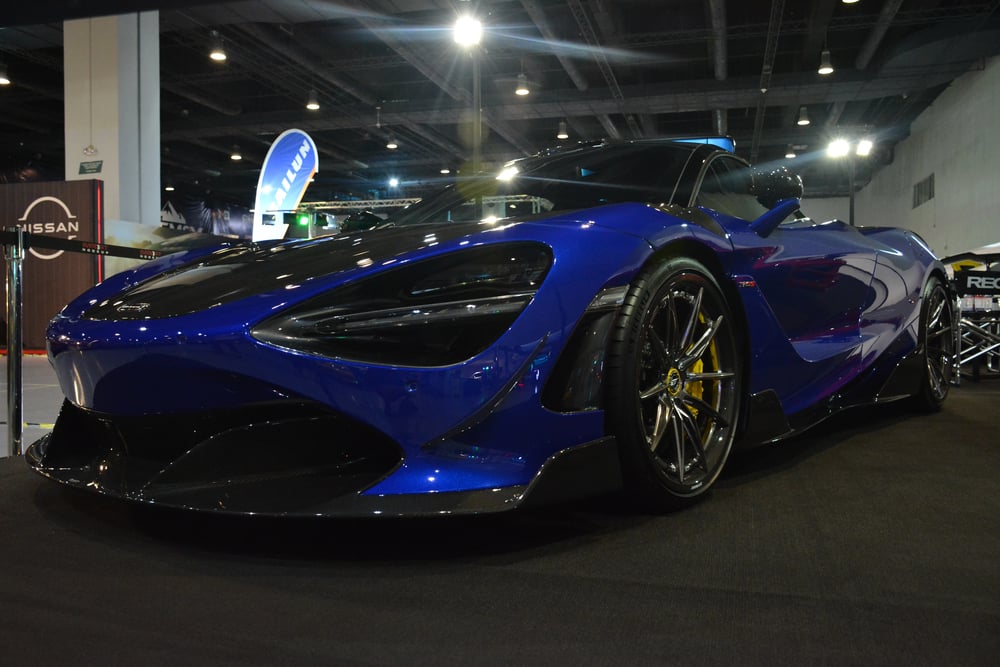
McLaren routed the exhaust system so it exits just above the rear bodywork rather than at the bottom of the car. This unusual placement serves multiple purposes beyond looking different.
It keeps hot exhaust gases away from the underbody aerodynamic components and reduces the amount of heat radiating onto the road surface behind the car. The top-exit exhaust also creates a distinctive visual signature, especially at night when flames occasionally shoot from the tailpipes during aggressive driving.
Titanium Reduces Weight Further
The exhaust system uses titanium construction, which saves about 88 pounds compared to a steel system. Titanium can withstand extreme heat without warping or degrading, making it perfect for exhaust applications.
It’s also significantly lighter than steel or stainless steel. The downside is titanium costs considerably more to manufacture and shape, but when you’re already spending nearly $400,000 on a car, the extra expense for exotic materials doesn’t seem quite so unreasonable.
Track Mode Changes Everything
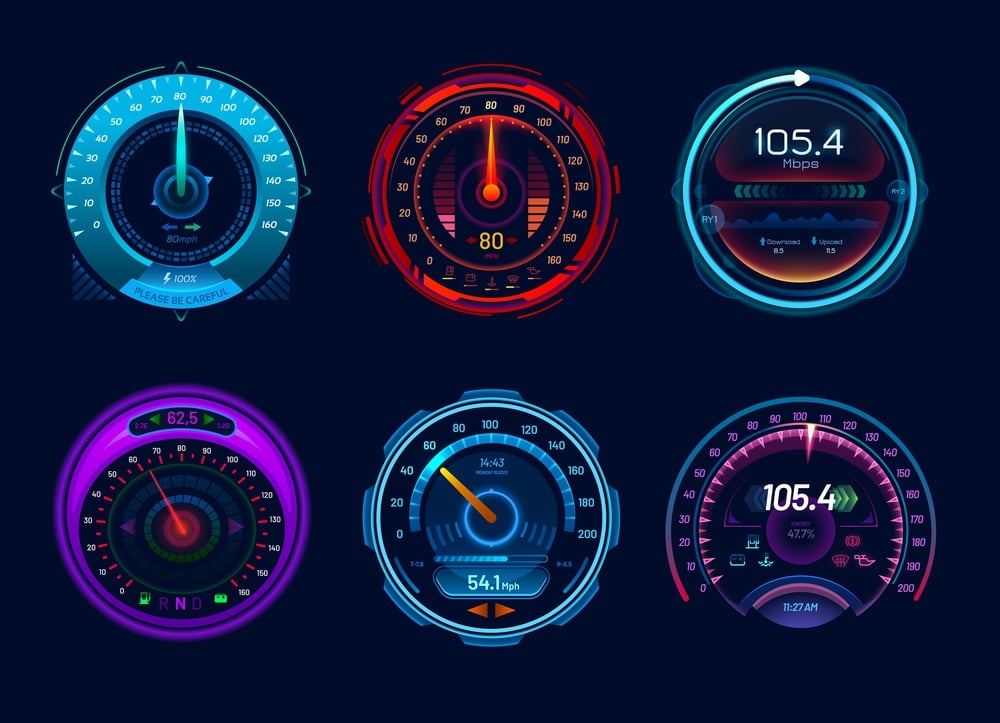
Press the button to activate Track mode and the 765LT Spider transforms its personality completely. The suspension firms up, the throttle response sharpens, the exhaust gets louder, and the stability control systems loosen their protective grip.
The active rear wing adjusts to maximum attack angle for cornering grip. Even the instrument display changes to show only the most critical information.
It’s like having two entirely different cars that you can switch between depending on whether you’re cruising to lunch or setting lap times.
The Doors Open Upward
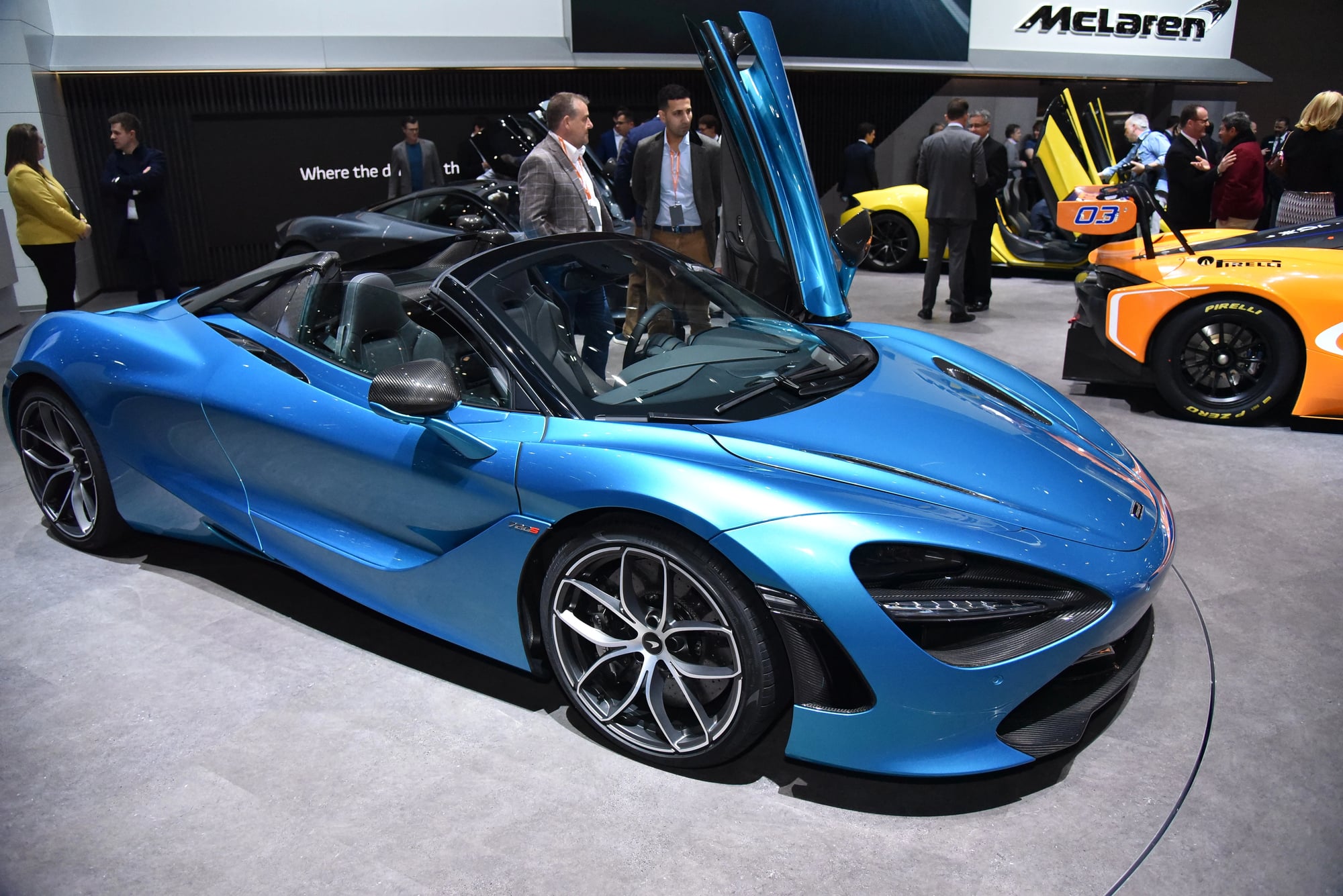
McLaren fitted the 765LT Spider with their signature dihedral doors that swing up and forward rather than out to the side. These doors are practical in tight parking spaces since they don’t need as much room to open.
They also make getting in and out easier because you step over a lower sill. Plus, there’s no denying that arriving somewhere with the doors opening skyward makes a statement that sliding doors simply can’t match.
It Shares DNA With Race Cars
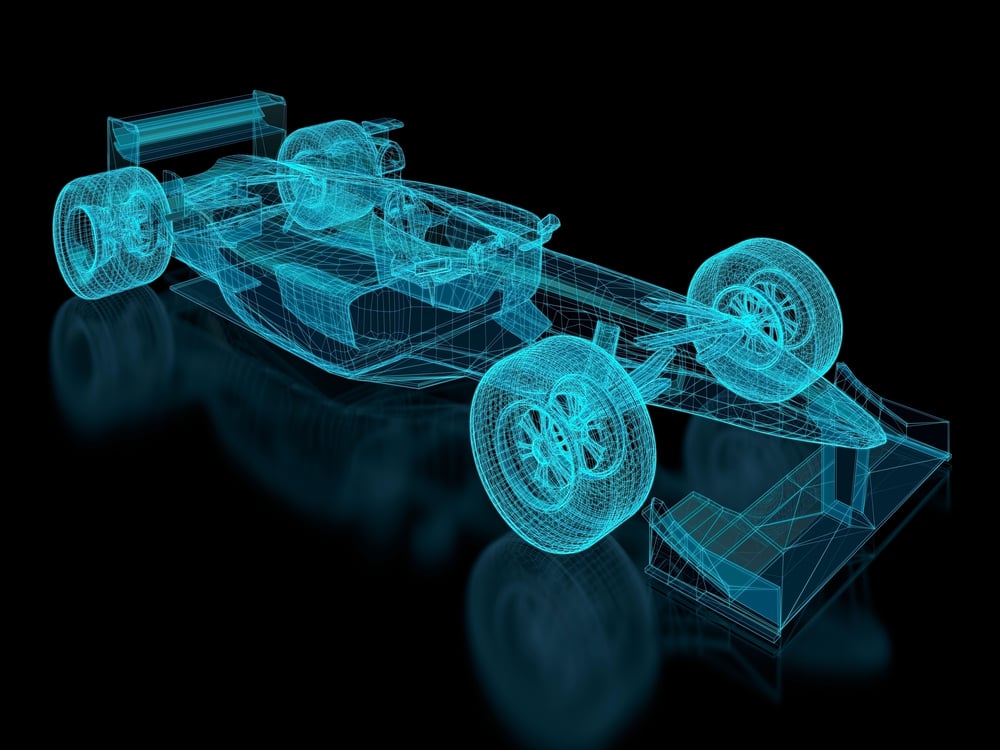
McLaren drew heavily from their Formula 1 and GT racing programs when developing the 765LT Spider. The carbon fiber monocoque chassis construction, the pushrod suspension design, and the focus on minimizing weight all come directly from racing engineering.
McLaren employs the same engineers and designers for both their road cars and race cars, which means technology and knowledge flow freely between the two programs. This car is about as close as you can get to a race car that’s still street legal.
A Modern Classic in the Making

The 765LT Spider arrived at an interesting moment in automotive history, possibly representing one of the last truly extreme naturally-aspirated-feeling supercars before electric powertrains took over completely. Its combination of limited production numbers, incredible performance, and pure driving focus makes it the kind of car that enthusiasts will talk about decades from now.
Values are already climbing above the original purchase price for well-kept examples. Twenty years from now, people will probably look back at the 765LT Spider as one of the defining supercars of the early 2020s, a machine that captured what made internal combustion sports cars so special before the world moved on to something different.
More from Go2Tutors!

- The Romanov Crown Jewels and Their Tragic Fate
- 13 Historical Mysteries That Science Still Can’t Solve
- Famous Hoaxes That Fooled the World for Years
- 15 Child Stars with Tragic Adult Lives
- 16 Famous Jewelry Pieces in History
Like Go2Tutors’s content? Follow us on MSN.