Trees That Are Rare and Valuable
Some trees command attention not just for their beauty, but for their scarcity. When a species becomes difficult to find, its wood, fruit, or cultural significance can make individual specimens worth more than most people earn in a year.
These trees exist at the intersection of botany, economics, and human desire.
African Blackwood
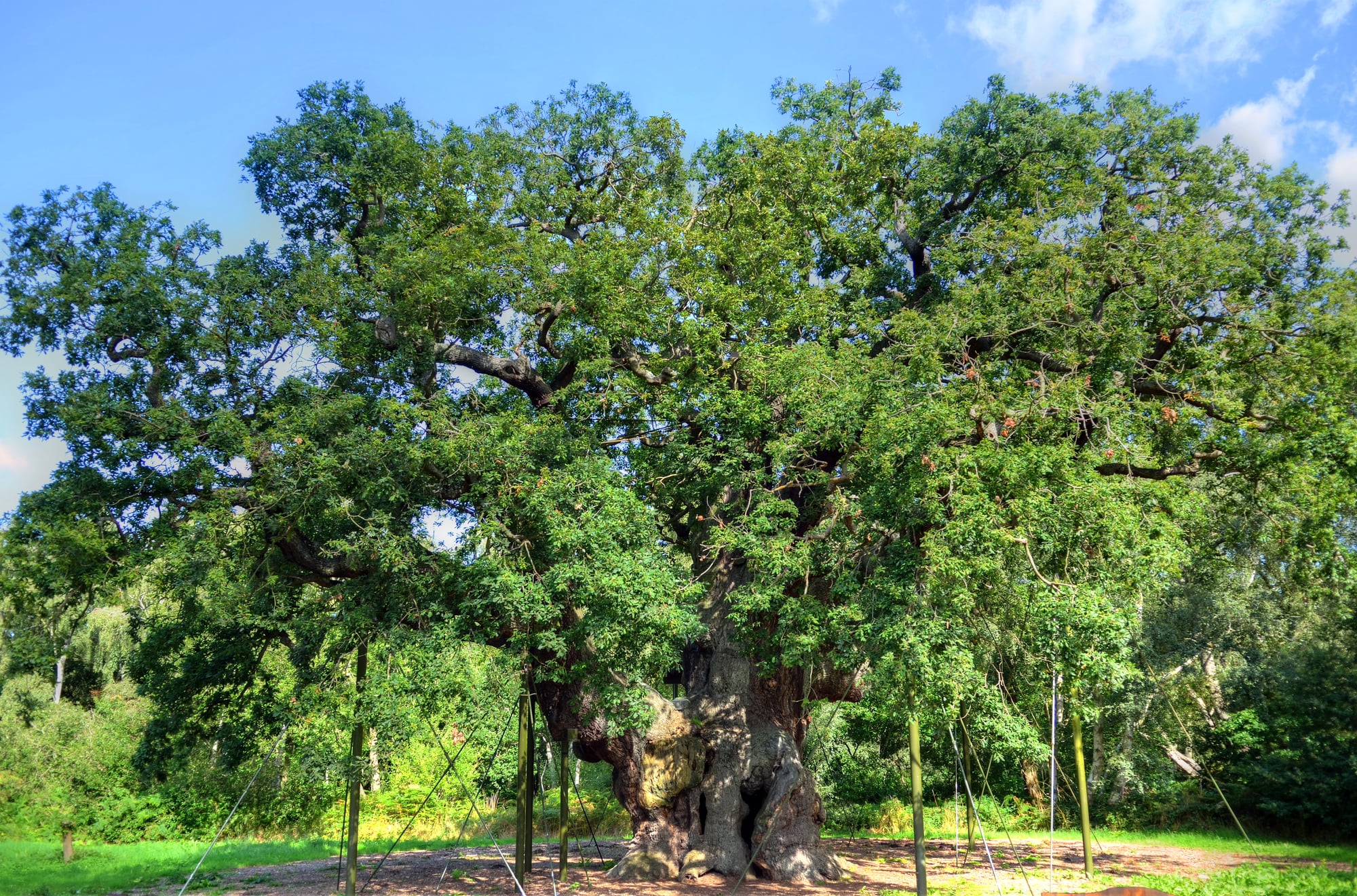
African blackwood grows slowly in the dry savannas of eastern and southern Africa, particularly Tanzania and Mozambique. The tree takes 60 years or more to reach maturity, and its wood density exceeds that of almost any other species.
Musical instrument makers prize it above all others for clarinets and oboes because the wood produces a clarity of tone that synthetic materials can’t match.
The species was listed as near threatened by the IUCN, and in 2017 all Dalbergia species including African blackwood were added to CITES Appendix II, regulating international trade. However, finished musical instruments were later exempted from these restrictions.
Heartwood can fetch $14,000 to $20,000 per cubic meter. Most of what remains grows on protected land or in regions where conflict makes legal harvesting impossible.
Agarwood
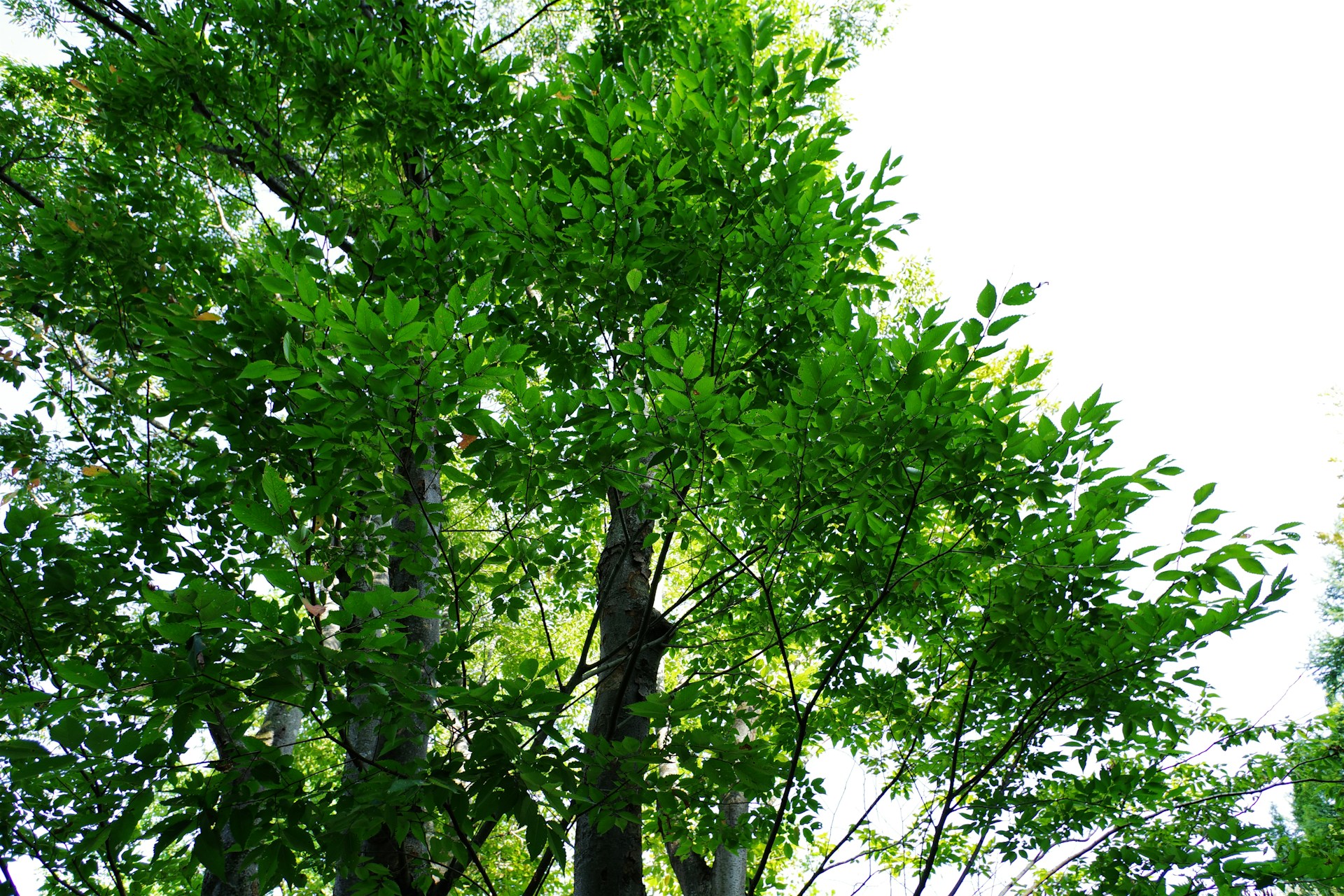
When certain species of Aquilaria trees become infected with a specific type of mold, they produce a dark, resinous wood known as agarwood. The infection creates a defensive response, and the resulting material carries a complex fragrance that has made it central to perfume and incense production across Asia and the Middle East for centuries.
Natural infection happens rarely. Experts estimate only 2 percent of wild Aquilaria trees are adequately infected to produce agarwood naturally, which means finding infected specimens becomes a kind of treasure hunt.
Healthy trees get deliberately inoculated now, but wild agarwood still commands higher prices. First-grade agarwood can sell for up to $100,000 per kilogram, making it one of the most expensive raw materials in the world.
The scarcity has led to widespread illegal harvesting across Southeast Asia, and all Aquilaria species are now classified as critically endangered.
Sandalwood
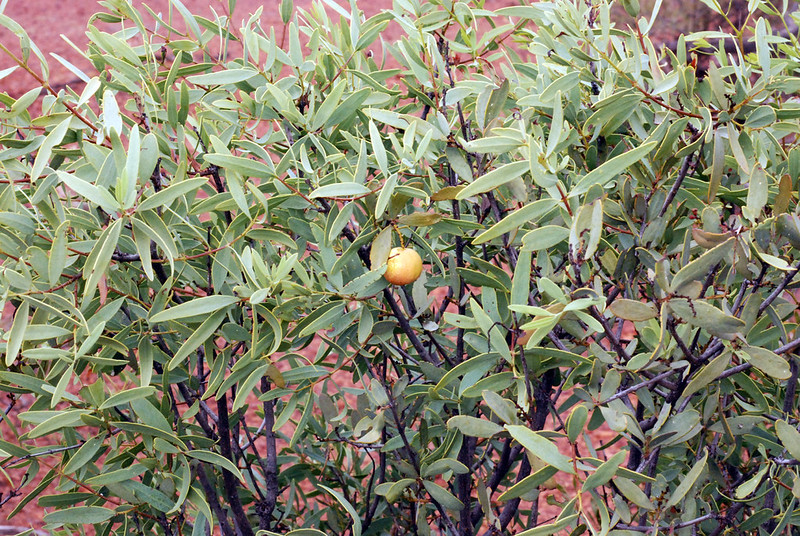
True sandalwood trees produce an aromatic heartwood that takes at least 15 years to develop its characteristic scent, though many experts recommend waiting 25 to 30 years for optimal oil yield. Indian sandalwood, the most valued variety, grows primarily in southern India, where cultivation on private land is now legal but heavily regulated.
Farmers must register their trees with forest departments and can only sell through government auctions.
The government controls harvesting and marketing. After deducting fees, farmers receive around 80 percent of auction prices, which currently run from 10,000 to 20,000 rupees per kilogram for heartwood.
The slow growth rate and persistent demand created a smuggling problem so severe that armed guards protect some plantations. Even with these measures, poaching continues.
The species exists in the wild, but accessible specimens are increasingly rare.
Bocote
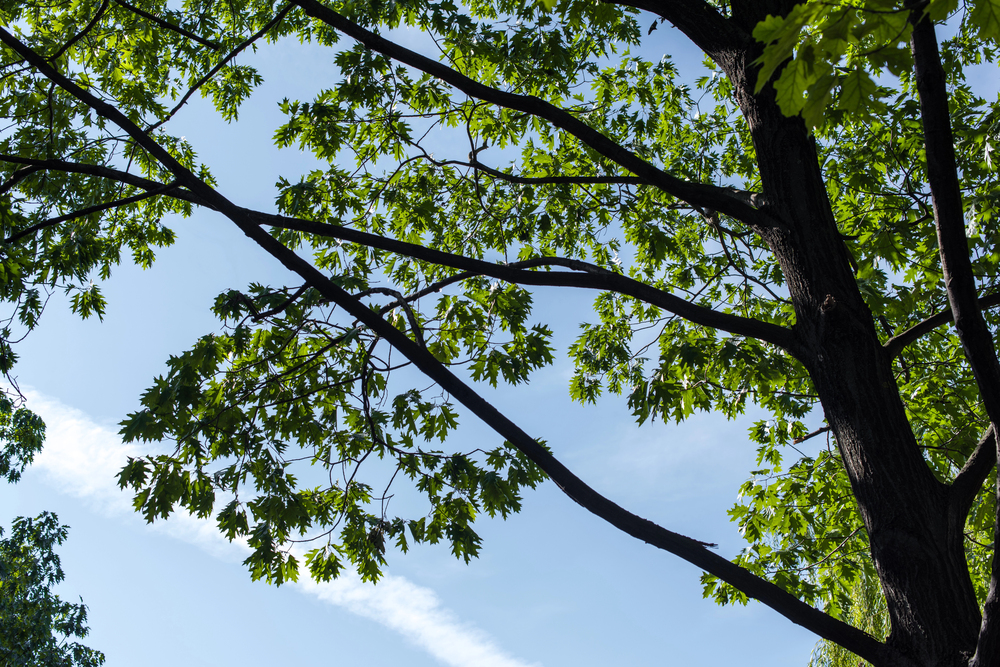
This Central American hardwood features dramatic grain patterns with dark stripes against lighter backgrounds. Bocote grows in Mexico and parts of Central America, where it’s been used for everything from tool handles to high-end guitar bodies.
The wood works well and finishes beautifully, but finding quality specimens gets harder every year.
Demand from instrument makers and custom furniture craftspeople has outpaced the supply of large trees. Younger trees don’t show the same dramatic figuring, so woodworkers specifically seek older specimens.
Export restrictions in some countries have tightened, making legal bocote more expensive and driving some buyers toward questionable sources.
Honduran Rosewood
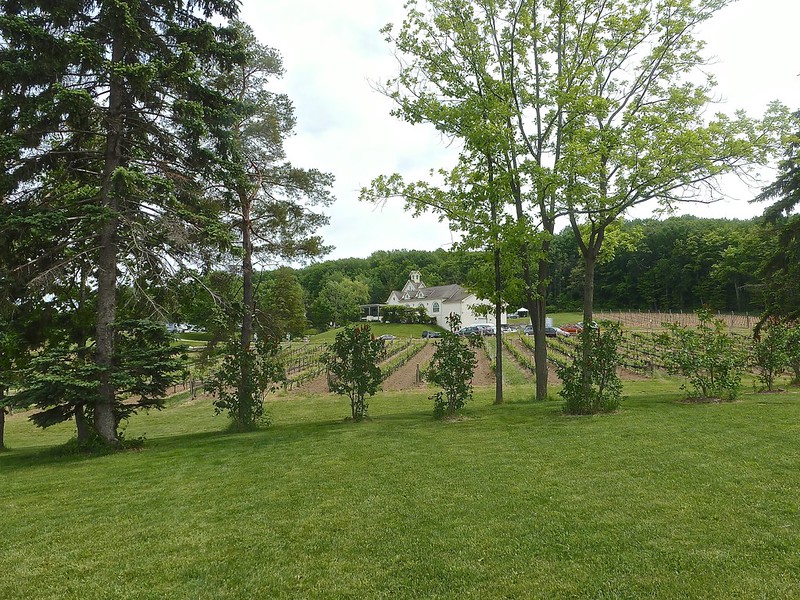
Despite its name, this species grows across Central America, not just Honduras. The wood displays a deep purple-brown color when fresh cut, gradually darkening to a rich brown over time.
It’s dense, oily, and takes an exceptionally smooth finish. Makers use it for marimba and xylophone keys because it produces a warm, resonant tone.
The tree grows slowly and doesn’t reproduce prolifically. Logging has reduced wild populations to the point where international trade requires documentation proving legal harvest.
Raw lumber sells for premium prices, and finished instruments made from it cost significantly more than those using alternative materials.
Pink Ivory
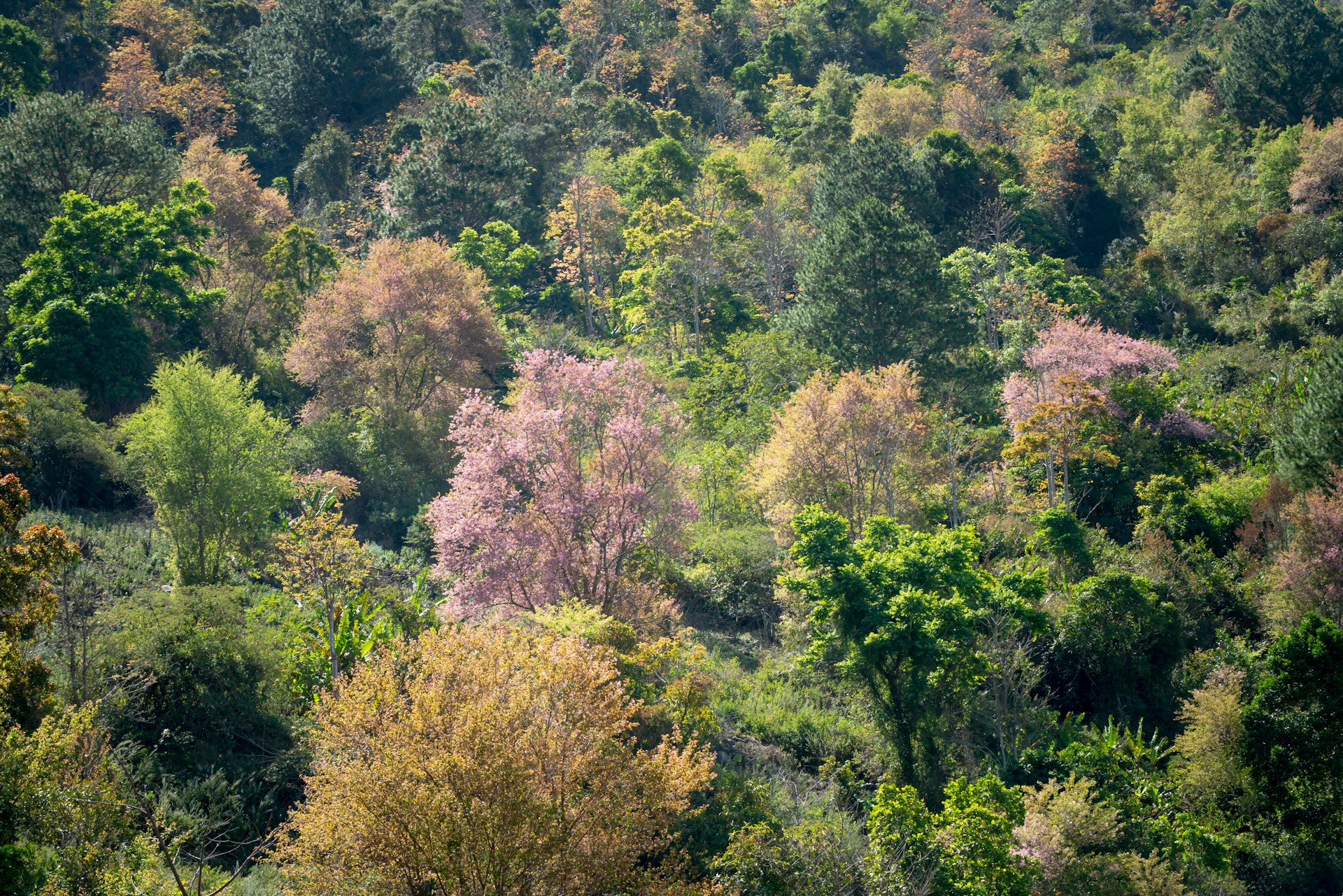
This southern African species produces some of the densest wood on earth. Fresh cut, it shows a bright pink to deep red color that made it sacred to Zulu royalty.
Before 1879, only the Zulu king could possess items made from it, and according to legend, non-royals who possessed the wood could be put to death. The color can fade with sun exposure, but well-maintained pieces keep their distinctive appearance for generations.
Pink ivory trees grow slowly and remain relatively small, typically reaching 20 to 35 feet with trunk diameters of 6 to 12 inches. Large pieces of the wood are uncommon.
Woodturners and crafters pay extraordinary prices for even small blanks. A pen made from pink ivory can cost more than one made from precious metals.
The tree is now protected in South Africa and can only be harvested under very limited permits.
Lignum Vitae
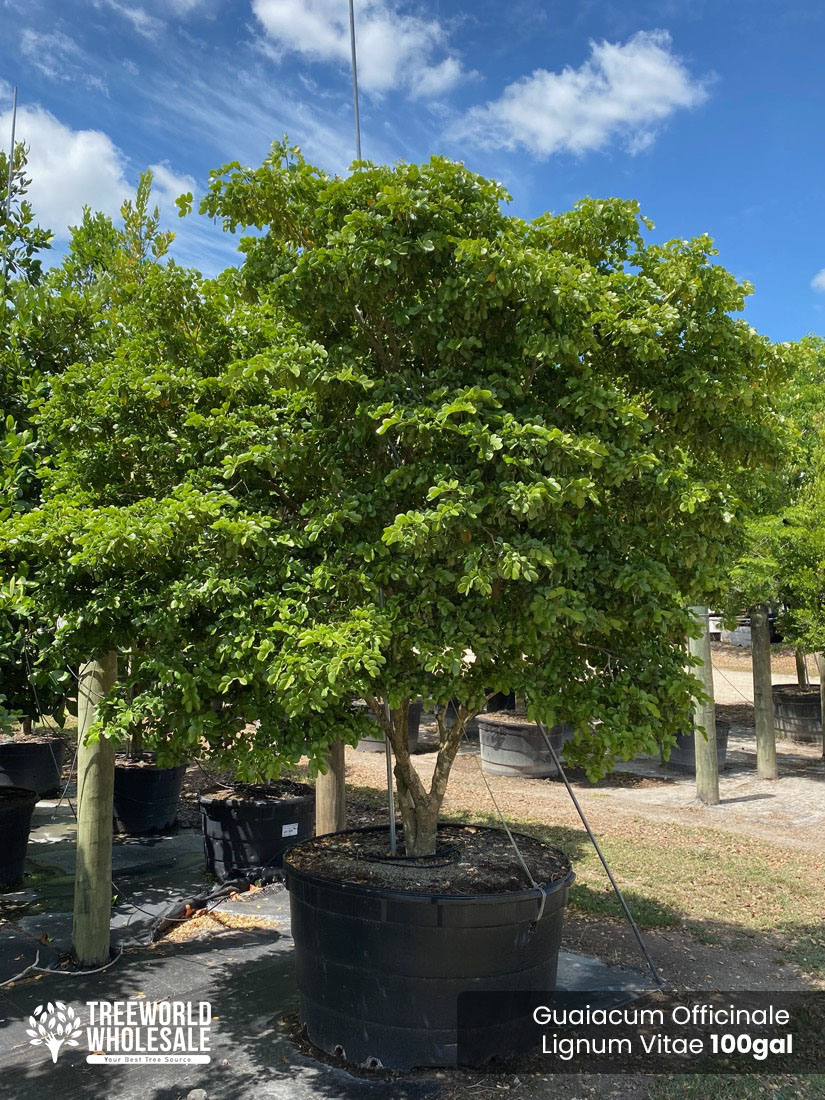
The name means “wood of life” in Latin, which gives you some idea of the esteem in which people have held this Caribbean tree. The wood contains natural oils that make it self-lubricating, and it was used historically for ship propeller shaft bearings and other applications where metal bearings would fail.
With a density of around 1,260 kilograms per cubic meter, it’s one of the densest woods traded and won’t float in water.
Lignum vitae grows slowly in the Caribbean and parts of Central and South America. The tree is native to the Caribbean and northern coast of South America, and all Guaiacum species are now listed in CITES Appendix II as potentially endangered.
The tree produces small blue or purple flowers, but most people value it purely for its wood. Large pieces command high prices from collectors and craftspeople.
The wood is still used in water-lubricated bearings for hydroelectric plants and ships.
Japanese Elm
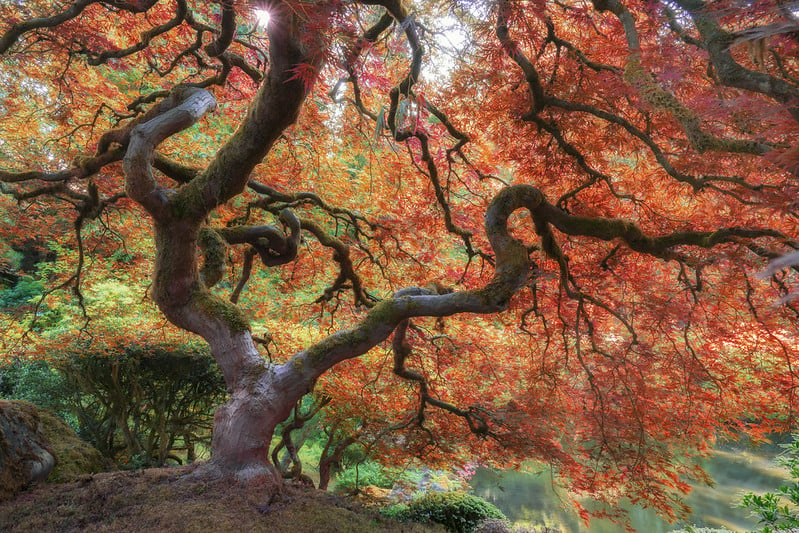
This elm species, native to Japan, Korea, and parts of China, produces wood with an interlocking grain that creates striking visual patterns. The trees grow in mountain forests where they once served as timber for temple construction and traditional crafts.
Dutch elm disease doesn’t affect this species as severely as it does European and American elms.
Availability has declined as old-growth forests disappear. The best figured wood comes from older trees, and Japanese buyers outbid most international competition for premium specimens.
The wood appears in high-end furniture and occasionally in instrument making, but finding it outside Asia requires connections and significant money.
Ceylon Ebony
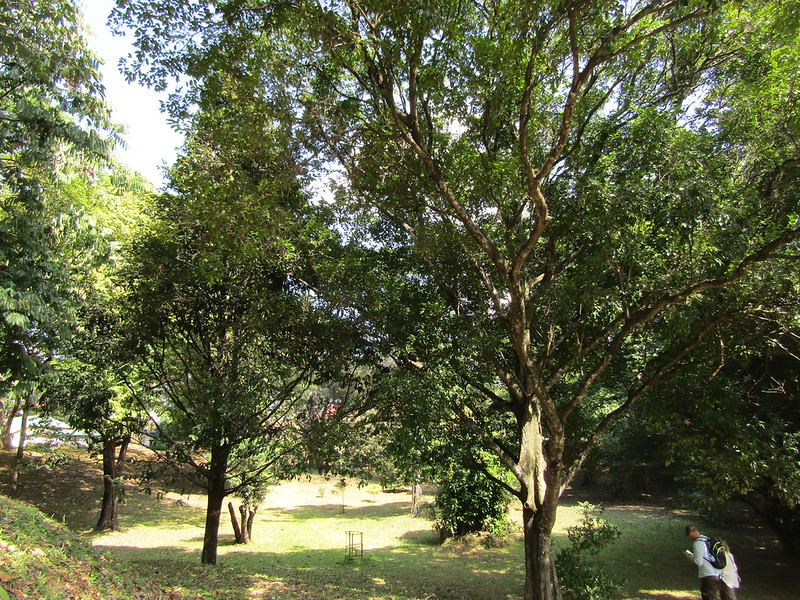
True ebony species are all expensive and increasingly rare, but Ceylon ebony from Sri Lanka stands out even among its relatives. The wood shows a uniform black color throughout, unlike some ebonies that have lighter sapwood or streaking.
That consistency makes it especially valuable for instrument fingerboards and piano keys.
Sri Lanka has restricted ebony harvesting heavily due to decades of unsustainable cutting. What remains grows mostly in protected areas.
Salvaged wood from old buildings sometimes enters the market, but new timber is hard to obtain legally. Prices reflect this scarcity—a guitar fingerboard blank can cost more than many complete instruments.
Bigleaf Maple
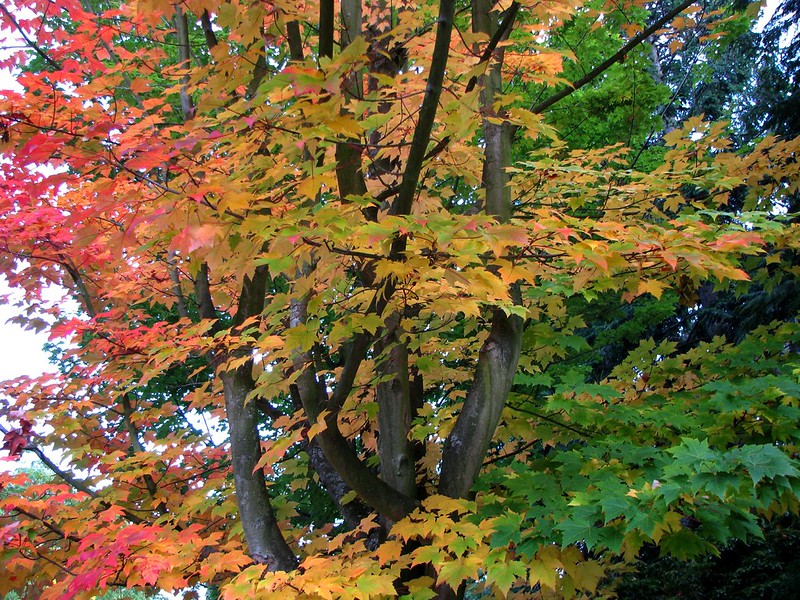
Most maple is common and affordable, but bigleaf maple with quilted or figured grain patterns is another matter entirely. These trees grow along the Pacific coast of North America, and when the grain develops wavy three-dimensional patterns, the resulting wood becomes highly sought by guitar makers and furniture craftsmen.
The figuring appears in perhaps one out of every hundred trees, and you can’t predict which ones will develop it by looking at the bark. Loggers and sawyers watch for it, and when they find a figured log, the price jumps dramatically.
A single figured billet suitable for a guitar top can sell for hundreds of dollars. The best pieces are auctioned off to makers willing to pay premium rates.
Koa
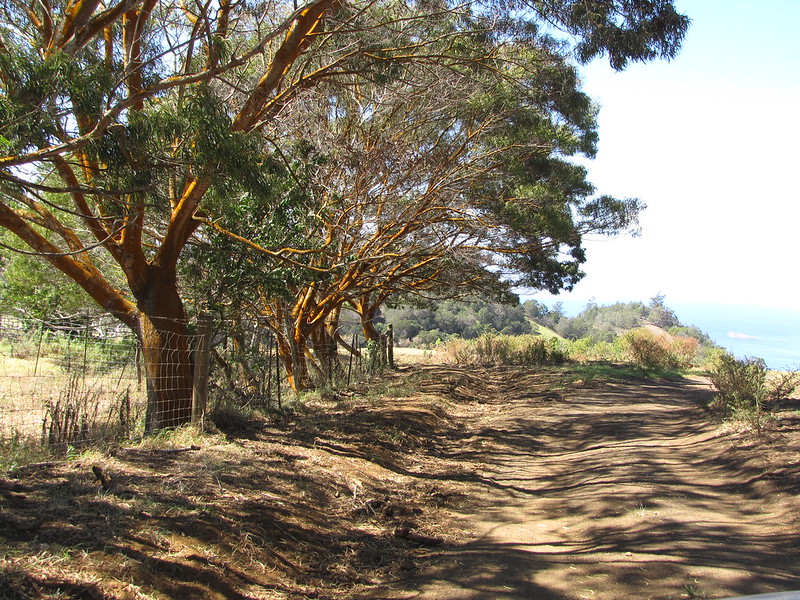
Hawaiian koa was used traditionally for canoes, surfboards, and household items. Today it’s most famous for appearing in premium ukuleles and guitars, where its warm tone and attractive grain make it irreplaceable.
The wood ranges from light gold to deep brown, often with wavy or curly figures.
Koa grows only in Hawaii, and most of what remains is protected. Salvaged trees from old pastures, windfalls, and carefully managed plantations provide the limited supply available to woodworkers.
A full-size acoustic guitar made from koa typically costs several thousand dollars more than one made from mainland woods. The combination of limited supply, slow growth, and high demand keeps prices climbing.
Monkey Puzzle Tree
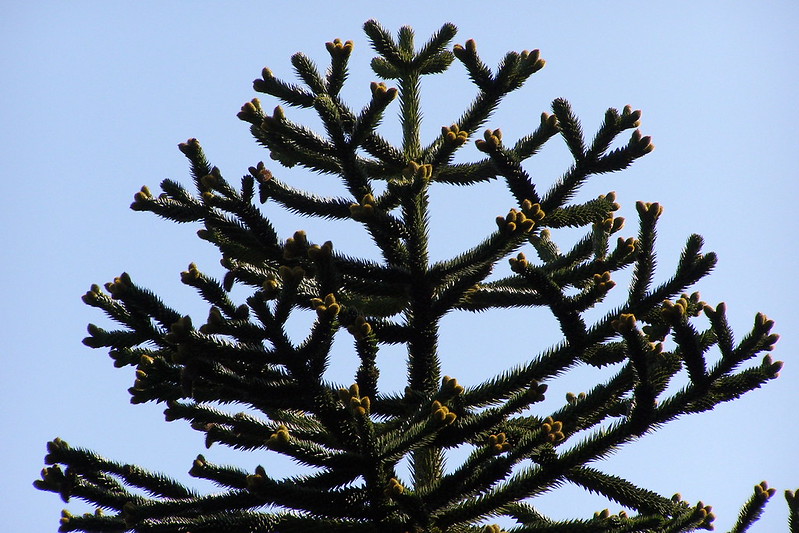
This prehistoric-looking conifer from Chile and Argentina produces straight-grained, workable wood that was historically important for construction and furniture. The trees grow slowly and can live for over a thousand years.
Their unusual appearance—sharp, scale-like leaves covering branches in a spiral pattern—makes them distinctive even at a distance.
Logging nearly eliminated wild populations. Chile now protects the species, and legal harvest is restricted to salvage and plantation-grown trees.
The wood itself isn’t as valuable as some others on this list, but large, old specimens are rare enough that standing trees have significant value. Some countries even restrict the export of seeds.
Bubinga
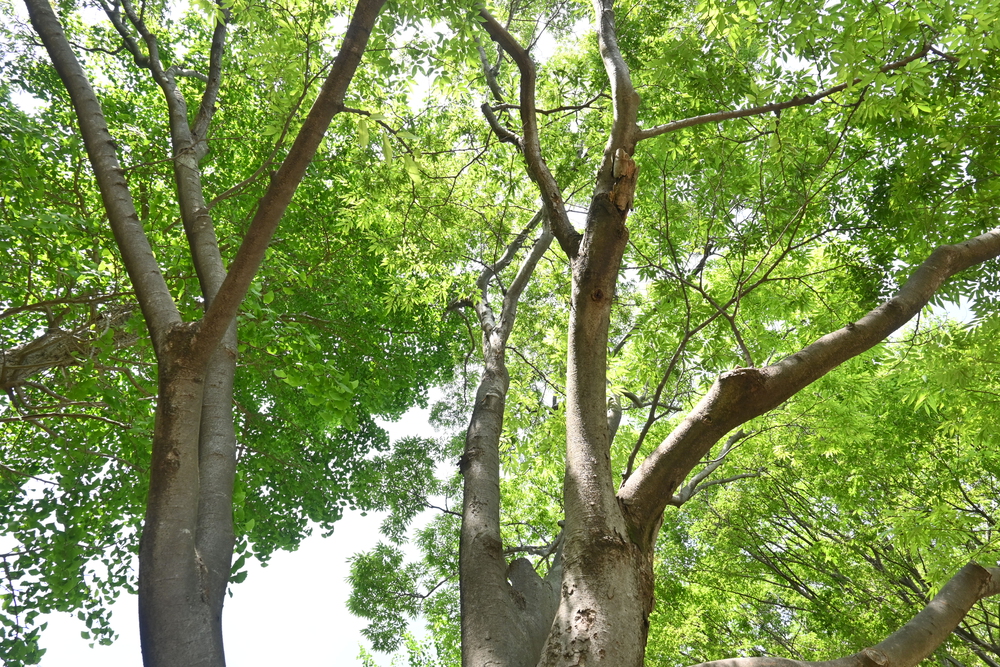
This African hardwood comes in several species, all producing wood with pink to red coloring and sometimes dramatic figures. The wood is heavy, hard, and strong.
It finishes to a high polish and shows excellent stability. High-end furniture makers and instrument builders use it when they want something distinctive but workable.
The most figured specimens—especially those with waterfall or pomelle patterns—command premium prices. Bubinga grows in central Africa, where political instability and corruption have made sustainable forestry difficult to verify.
Legal supplies exist, but buyers need to carefully trace the origin of their wood. Good bubinga isn’t cheap, and spectacular pieces cost significantly more.
Where Scarcity Meets Worth
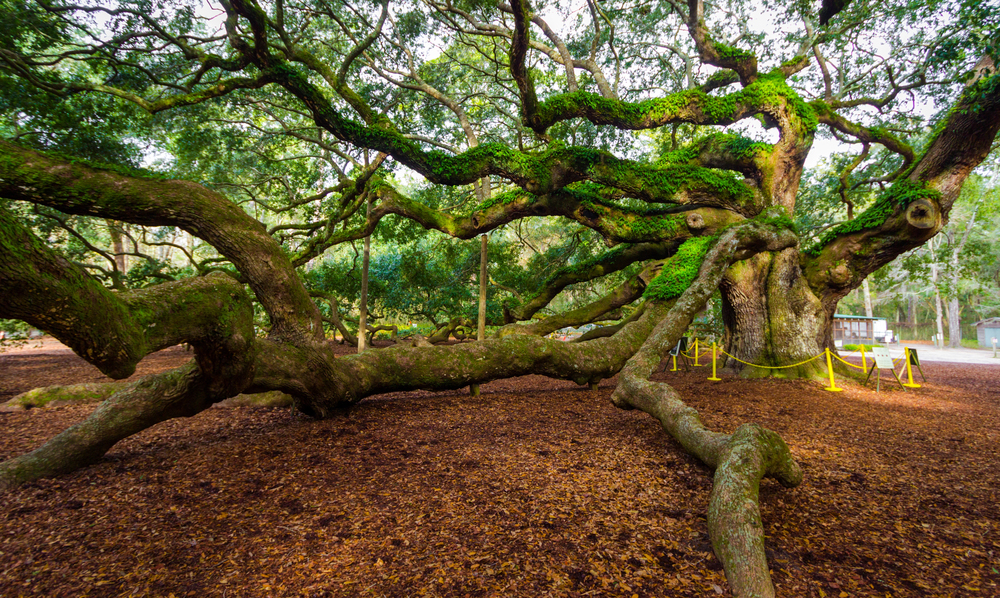
Trees become rare and valuable through a combination of factors that have little to do with their beauty or utility alone. Slow growth, specific environmental requirements, and human demand create a perfect storm of scarcity.
Some species have declined because they produce something humans desperately want. Others have simply failed to adapt to a world that cuts forests faster than they can regenerate.
The market for rare wood exists in a gray area between preservation and exploitation. Regulations help protect what remains, but enforcement is uneven at best.
Plantation forestry offers hope for some species, though it takes decades to see results. In the meantime, craftspeople work with increasingly expensive materials, collectors hoard premium pieces, and the trees themselves grow quieter with each passing season.
More from Go2Tutors!

- The Romanov Crown Jewels and Their Tragic Fate
- 13 Historical Mysteries That Science Still Can’t Solve
- Famous Hoaxes That Fooled the World for Years
- 15 Child Stars with Tragic Adult Lives
- 16 Famous Jewelry Pieces in History
Like Go2Tutors’s content? Follow us on MSN.



