Biggest Technological Advancements Since 2000
The year 2000 feels like ancient history when you think about how much technology has changed. Back then, people were still using dial-up internet that made strange noises, flip phones were the coolest thing you could own, and nobody had even heard of streaming movies or scrolling through social media feeds.
The world has transformed in ways that seemed like pure science fiction just a couple of decades ago. So let’s dive into the innovations that completely reshaped how we live, work, and connect with each other.
Smartphones
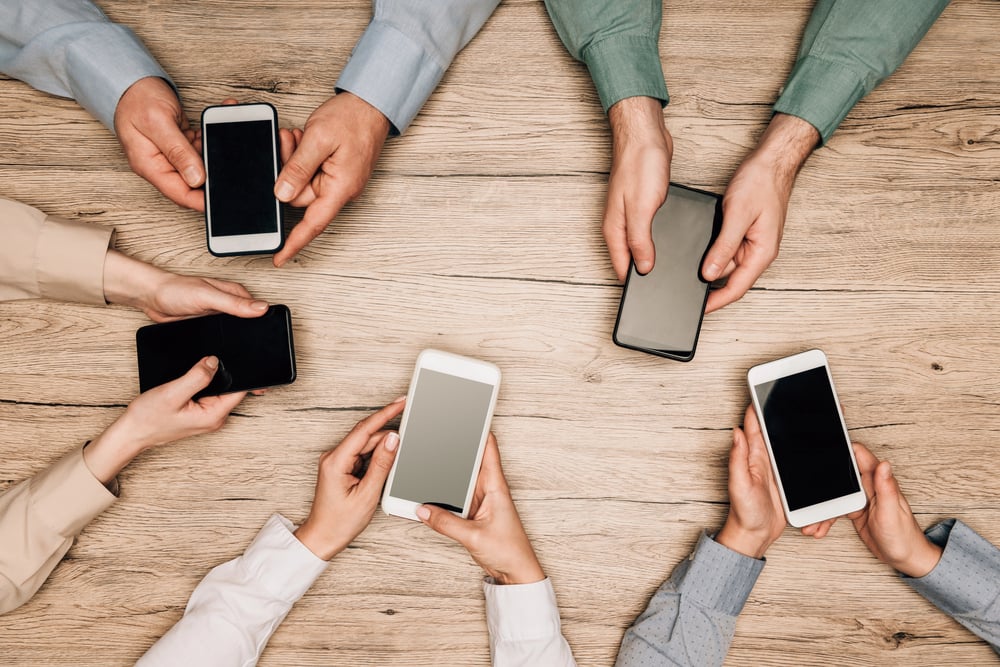
The iPhone launched in 2007 and changed everything about how people interact with technology. Before that moment, phones were just for calling and texting, but suddenly everyone had a computer in their pocket that could browse the internet, play music, and run apps for practically anything.
Android devices followed quickly and made smartphones affordable for billions of people around the world. These devices became so essential that most people feel lost without them, checking their phones an average of 96 times per day according to some studies.
Social media platforms
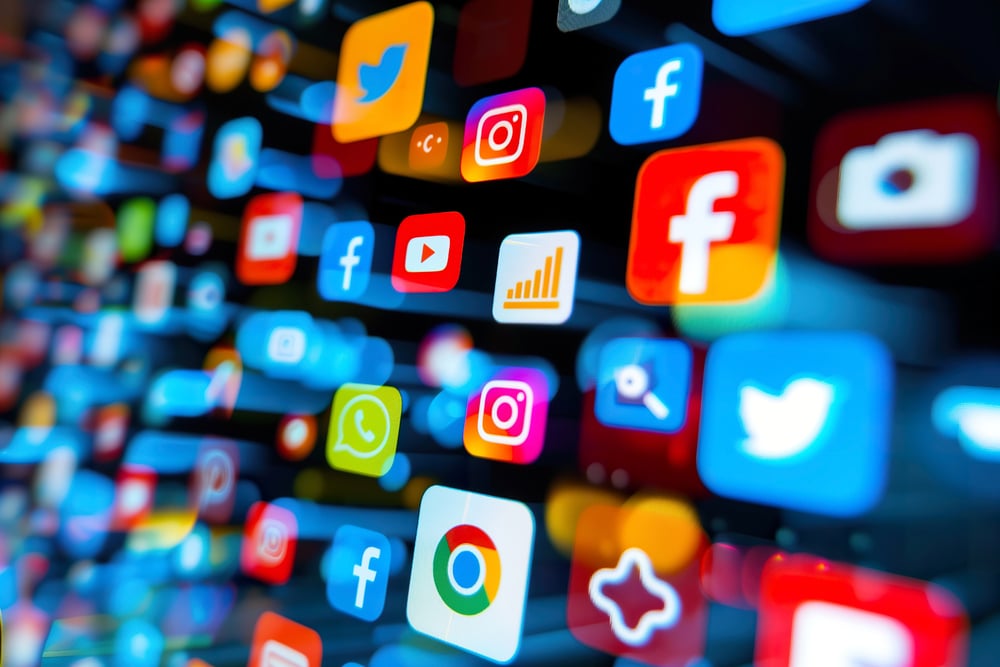
Facebook opened to the public in 2006, and soon after came Twitter, Instagram, TikTok, and countless others that fundamentally altered human communication. People could suddenly share their lives with hundreds or thousands of others instantly, creating new forms of fame, activism, and connection that never existed before.
These platforms changed politics, business, and personal relationships in profound ways. The concept of having “followers” or going “viral” didn’t exist in 1999, but now these ideas shape careers and cultural movements.
Cloud computing
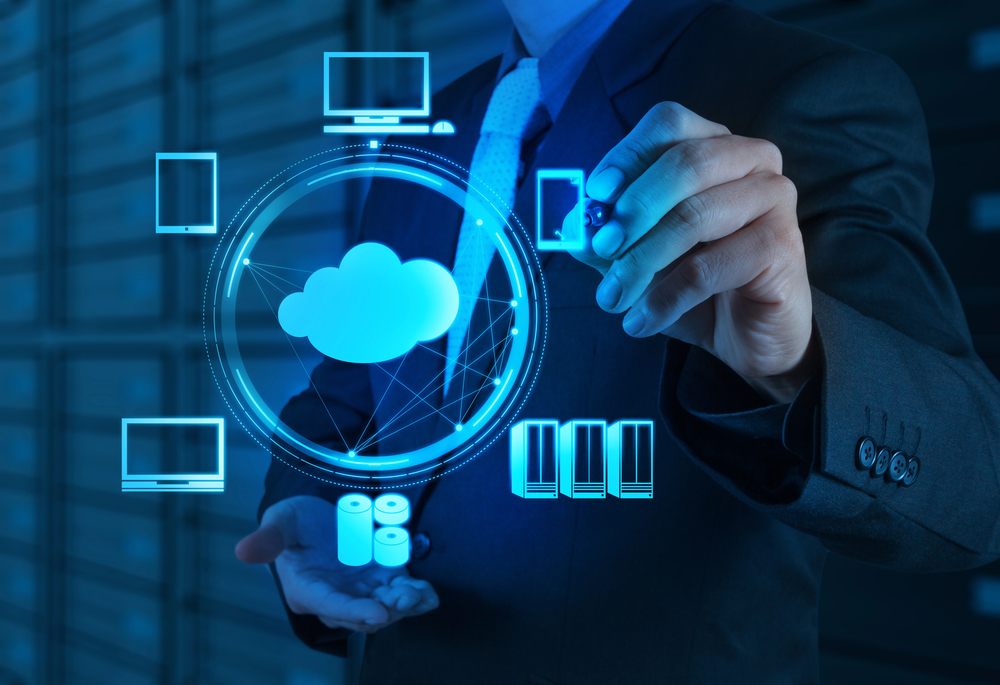
Storing files on physical hard drives used to be the only option, but cloud computing changed that by letting people access their data from anywhere with an internet connection. Services like Dropbox, Google Drive, and iCloud made it possible to work on a document at home, continue on a phone during a commute, and finish on a work computer without emailing files around.
Businesses transformed completely because they no longer needed massive server rooms and could scale their operations up or down instantly. The cloud made remote work possible long before the pandemic forced everyone to try it.
Streaming services
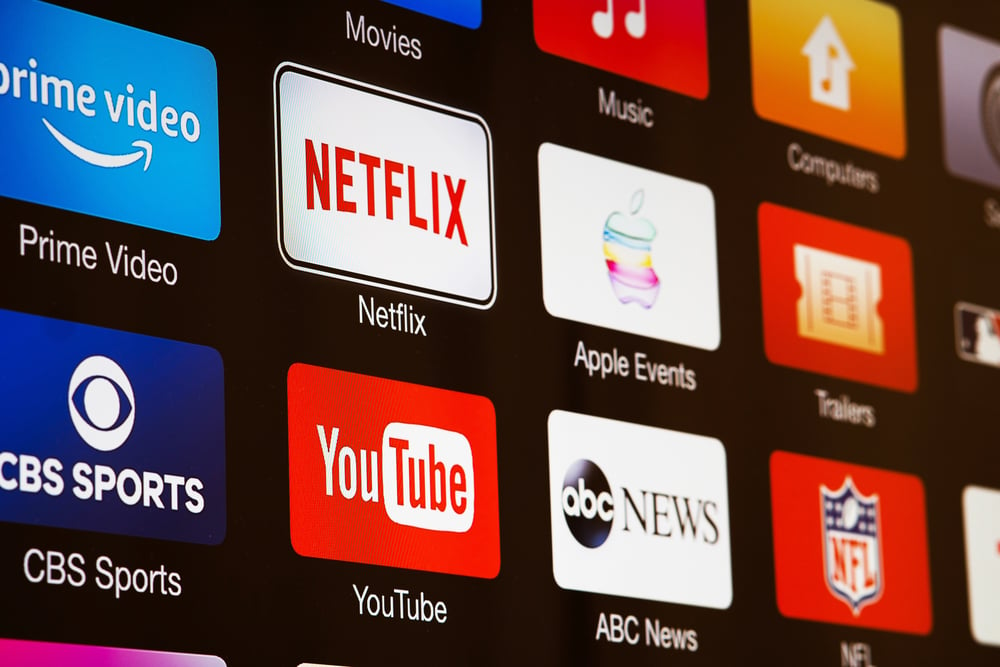
Netflix switched from mailing DVDs to streaming video in 2007, and entertainment has never been the same. People ditched cable TV in droves once they could watch thousands of shows and movies whenever they wanted without commercials or schedules.
Spotify and Apple Music did the same thing for music, making millions of songs available instantly instead of forcing people to buy individual albums or downloads. The whole concept of “appointment viewing” disappeared as binge-watching became the normal way to consume content.
Electric vehicles going mainstream
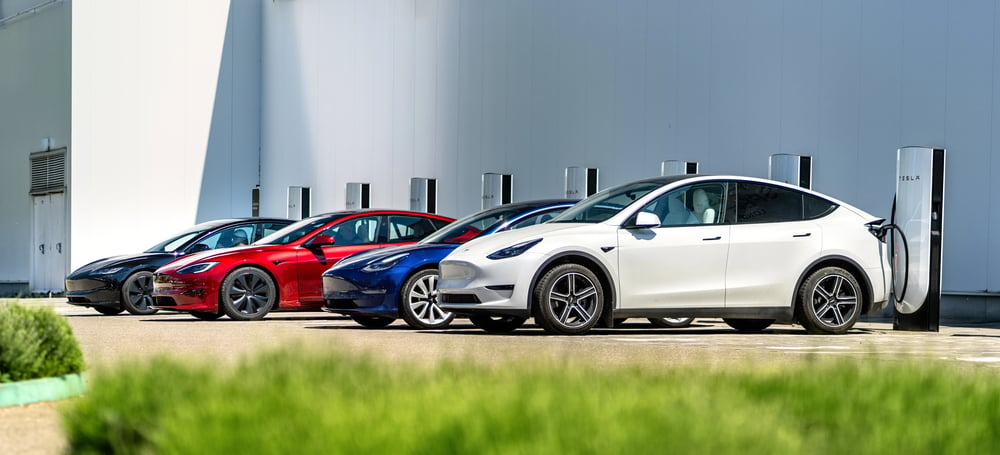
Tesla proved that electric cars could be fast, beautiful, and desirable when they launched the Roadster in 2008, followed by increasingly affordable models. Other manufacturers scrambled to catch up, and now nearly every car company offers electric options as the automotive industry shifts away from gasoline.
Charging networks expanded across countries, making long trips feasible without range anxiety. The environmental impact of this shift could be enormous as transportation accounts for a huge chunk of global emissions.
GPS navigation for everyone
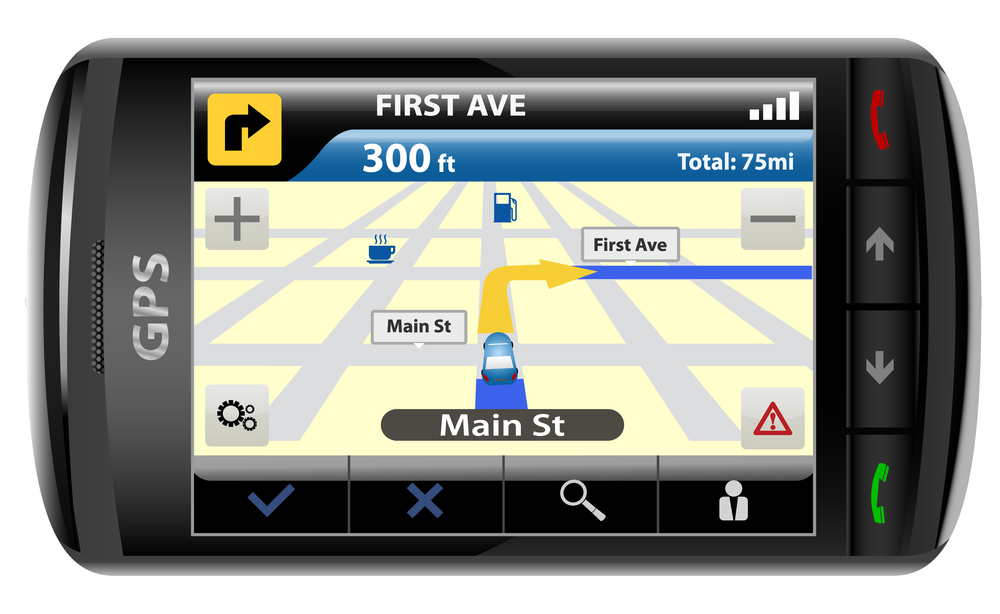
Getting lost used to be a normal part of driving, but GPS technology became widely available in phones and cars throughout the 2000s. People stopped printing MapQuest directions or keeping paper maps in their glove compartments once they could get real-time navigation with traffic updates.
Google Maps launched in 2005 and revolutionized how people explore cities, find businesses, and plan routes. The technology even spawned entirely new industries like ride-sharing that depend completely on knowing exactly where drivers and passengers are located.
Artificial intelligence assistants
Siri arrived in 2011, followed by Alexa, Google Assistant, and others that brought AI into everyday life. People started talking to their devices to set timers, play music, answer questions, and control smart home gadgets without lifting a finger.
The technology seemed awkward at first, but millions of households now have smart speakers that respond to voice commands. More recently, AI tools like ChatGPT took things further by generating human-like text, art, and code that can help with work or creative projects.
Video calling becomes normal

Skype existed before 2000, but video calling didn’t become truly mainstream until faster internet and better cameras made it practical. FaceTime launched in 2010 and made video chats as easy as regular phone calls for iPhone users.
Zoom exploded during the pandemic and changed how businesses, schools, and families stayed connected across distances. Seeing someone’s face while talking went from a special occasion novelty to an everyday occurrence that nobody thinks twice about.
Wireless internet everywhere
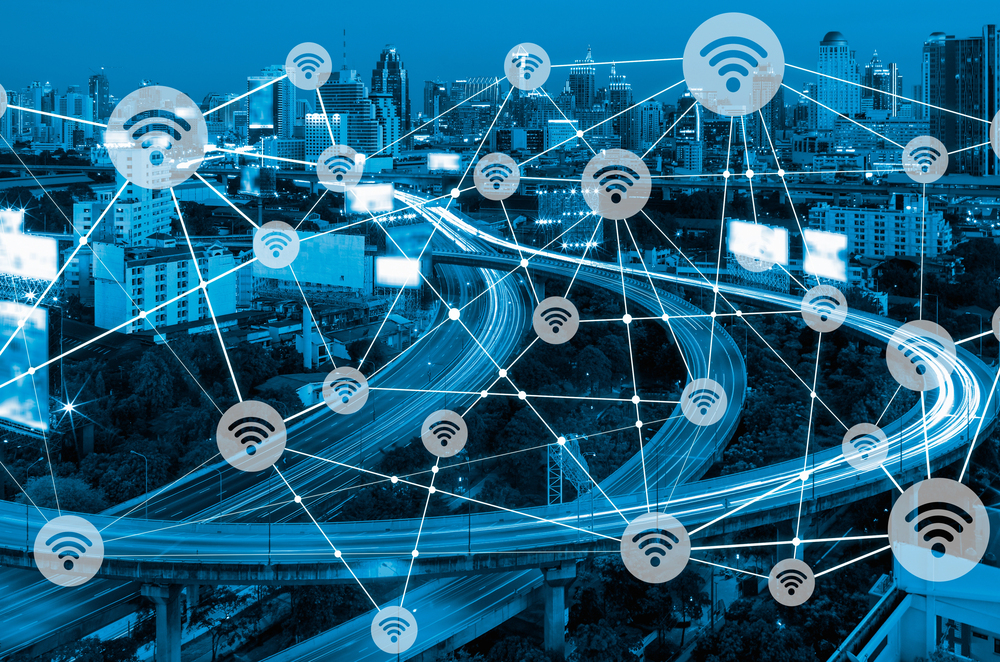
Wi-Fi existed in the late 1990s, but it became truly ubiquitous in the 2000s as coffee shops, airports, hotels, and homes all offered wireless connections. People gained the freedom to use laptops anywhere instead of being chained to ethernet cables and desk locations.
Public Wi-Fi networks meant travelers could stay connected without expensive data plans or hunting for internet cafes. The expectation of internet access wherever you go became so normal that people get genuinely annoyed when a location doesn’t offer it.
Online shopping dominance

Amazon existed before 2000, but online shopping truly took over retail in the following decades as people realized they could buy almost anything without leaving home. Same-day or next-day delivery became standard in many areas, making the instant gratification of physical stores less appealing.
The pandemic accelerated this shift dramatically as people who never shopped online suddenly had no choice. Traditional retail struggled to adapt as consumers embraced the convenience of comparing prices, reading reviews, and having purchases arrive at their doorstep.
Touchscreen technology
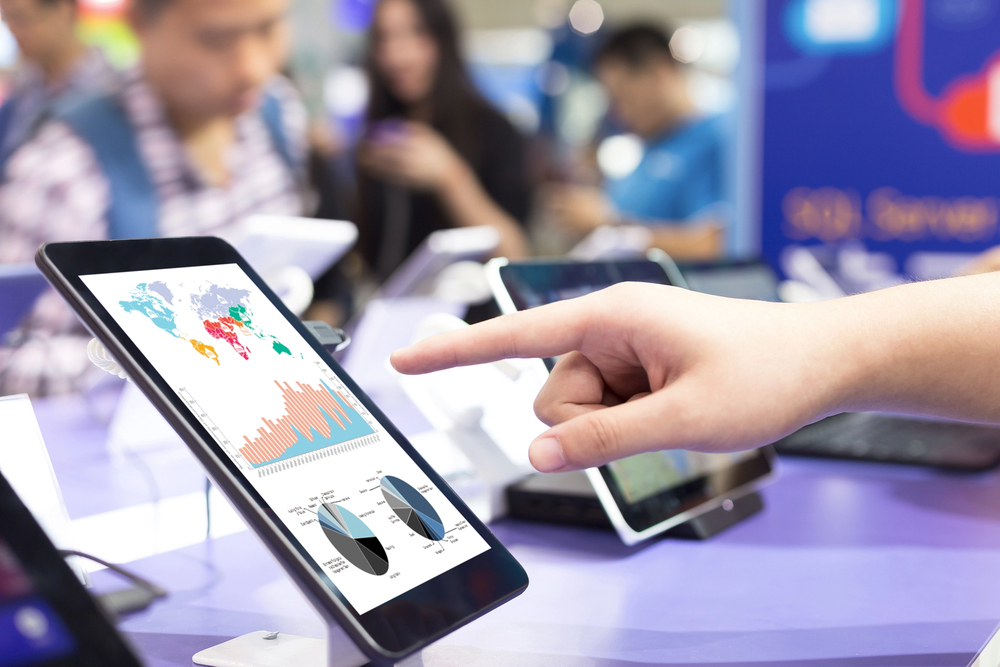
Resistive touchscreens existed earlier, but capacitive multi-touch displays revolutionized how people interact with devices starting in the late 2000s. The ability to pinch, zoom, swipe, and tap felt intuitive in ways that styluses and keyboards never did.
This technology spread from phones to tablets, laptops, car dashboards, and even refrigerators as manufacturers realized how much people preferred touching screens directly. Kids who grew up with touchscreens sometimes try to swipe physical photographs or get confused by non-touch displays.
Renewable energy breakthroughs
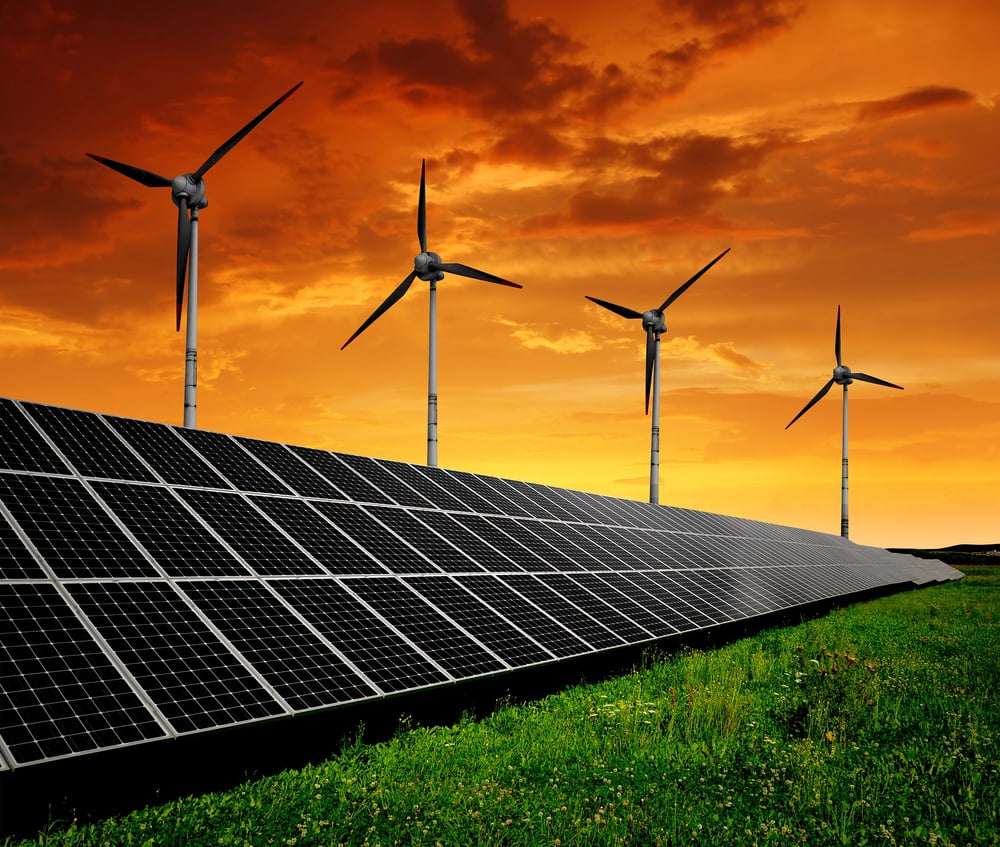
Solar panel efficiency improved dramatically while costs dropped by over 90% since 2000, making clean energy competitive with fossil fuels. Wind turbines got bigger and more efficient, with offshore wind farms generating massive amounts of electricity.
Battery technology is advanced enough to store renewable energy for use when the sun isn’t shining or wind isn’t blowing. These developments made transitioning to clean energy economically viable instead of just environmentally desirable.
Drone technology
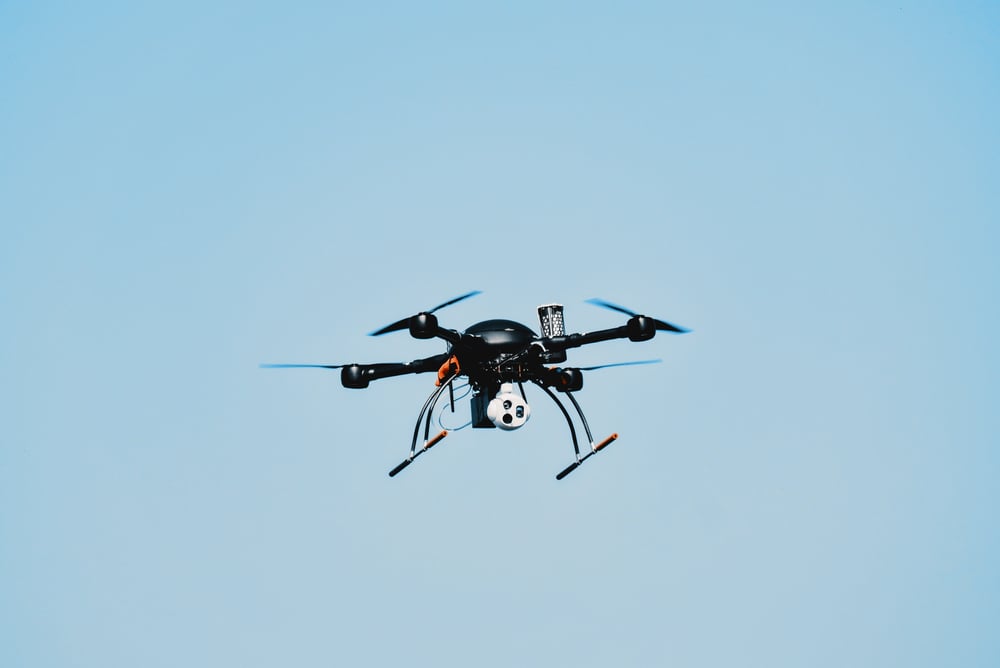
Consumer drones barely existed before 2010, but now they’re everywhere filming events, delivering packages, inspecting infrastructure, and even fighting in conflicts. Companies like DJI made drones affordable and easy to fly, opening up aerial photography and videography to regular people instead of just professionals with helicopters.
Commercial applications expanded into agriculture, where drones monitor crop health, and emergency response, where they locate missing people. Regulations struggled to keep up as millions of drones took to the skies.
Gene editing tools
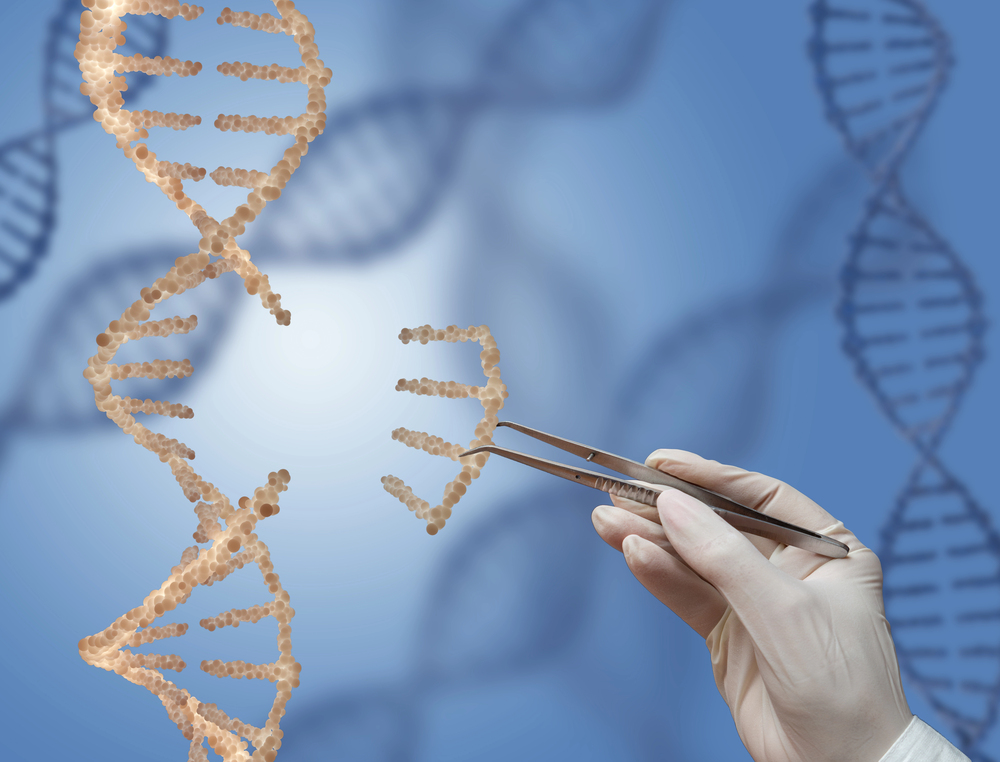
CRISPR technology emerged in 2012 and gave scientists an unprecedented ability to edit DNA with precision and relative ease. Researchers gained the power to potentially cure genetic diseases, create drought-resistant crops, and even bring extinct species back to life.
The ethical implications are enormous as humanity gains godlike power over the genetic code of life itself. Medical treatments using CRISPR entered human trials in the late 2010s, turning science fiction into reality.
3D printing accessibility
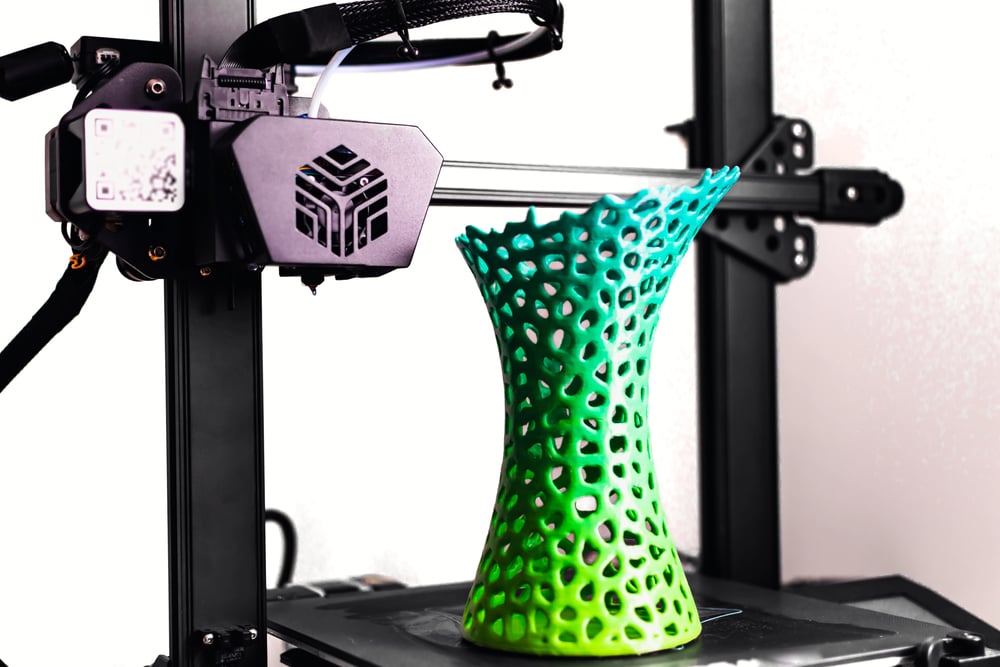
During the 2010s, 3D printers changed – moving out of big factories into regular homes. Folks began making stuff right in their living spaces, like spare bits for broken things or one-of-a-kind gadgets, along with cool art pieces.
In healthcare, new uses popped up when medics crafted personalized fake limbs, practice models for operations, sometimes even real body tissues. Factories took notice too; firms saw they could make items only when needed, cutting down on storing loads of extras.
Cryptocurrency and blockchain
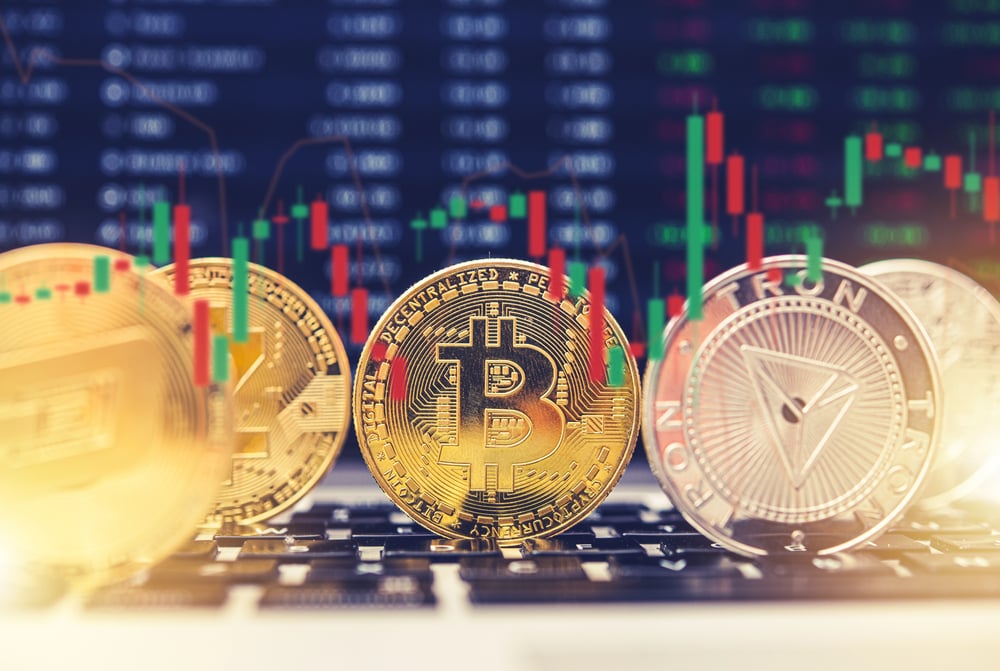
Bitcoin popped up in 2009, bringing along a new kind of cash run by nobody – no banks, no governments. Behind it sits blockchain, which lets people swap value safely and openly, cutting out brokers who usually skim off the top.
After that, tons of digital coins started appearing – one after another, some legit, others just silly stunts. All this noise shook up how we think about banking and power over money.
Is crypto the next step for finance or just a risky gamble? Folks still argue hard about it.
Still, one thing’s clear – it changed what people expect from money itself.
Mobile payment systems
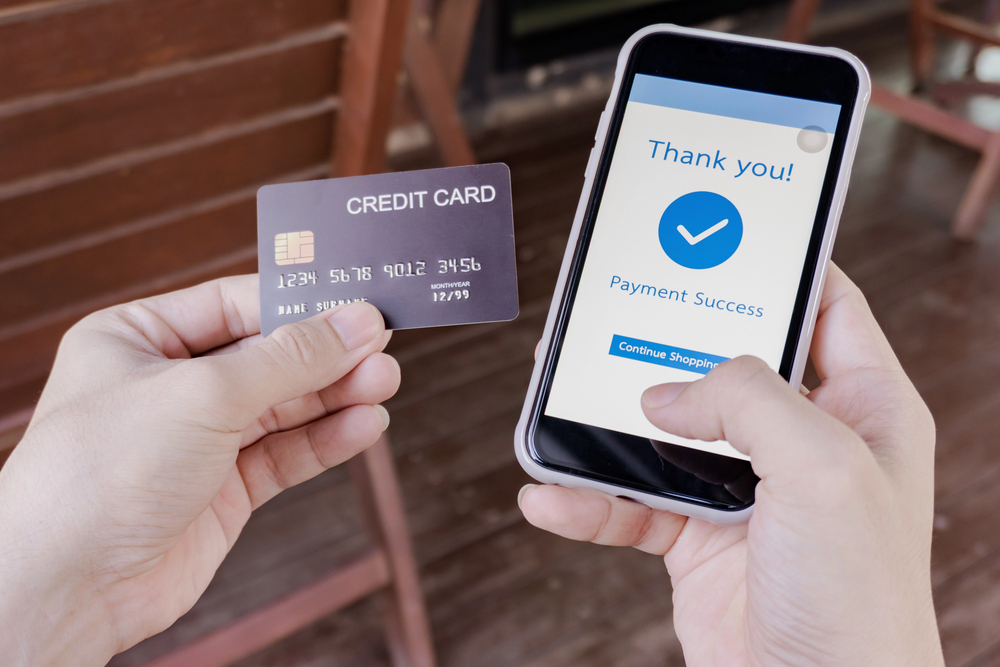
Paying by phone shifted from a futuristic idea to everyday use when apps like Apple Pay and Google Pay showed up in the 2010s. Instead of carrying wallets full of plastic, folks started leaving cards behind – phones handled purchases now.
In poorer nations, systems such as M-Pesa skipped banks altogether; sending cash turned into texting credits between users. Physical money faded because tapping or swiping online beat stuffing bills in pockets – it was safer, easier, plus you could see where every dollar went.
High-speed internet expansion
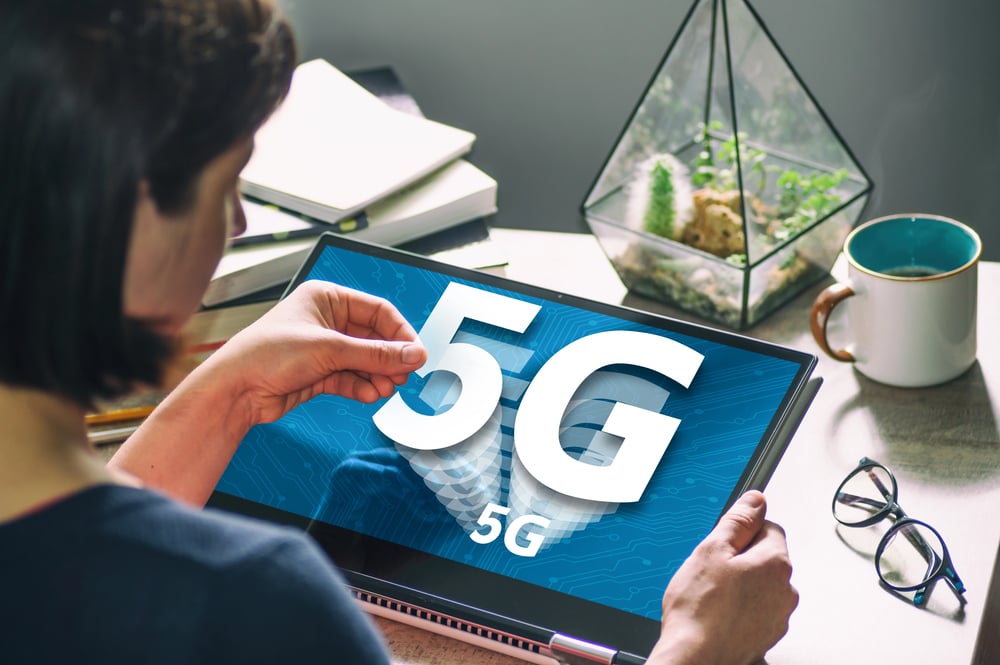
Broadband got way faster since the slow days back in 2000, thanks to fiber lines now offering lightning-fast gigabits. Because of this jump, streaming shows, hopping on video chats, playing games online, or saving files in the cloud became normal stuff we do every day.
Still, folks in country spots don’t have the same access – speeds there often trail big cities. But here’s hope: 5G wireless might beam high-speed nets to remote zones where digging trenches for wires just doesn’t make sense.
As more daily tasks shifted online, the gap grew wider between people who’ve got solid internet and those stuck with weak signals – and that imbalance sparked serious fairness concerns.
The technologies that stick around
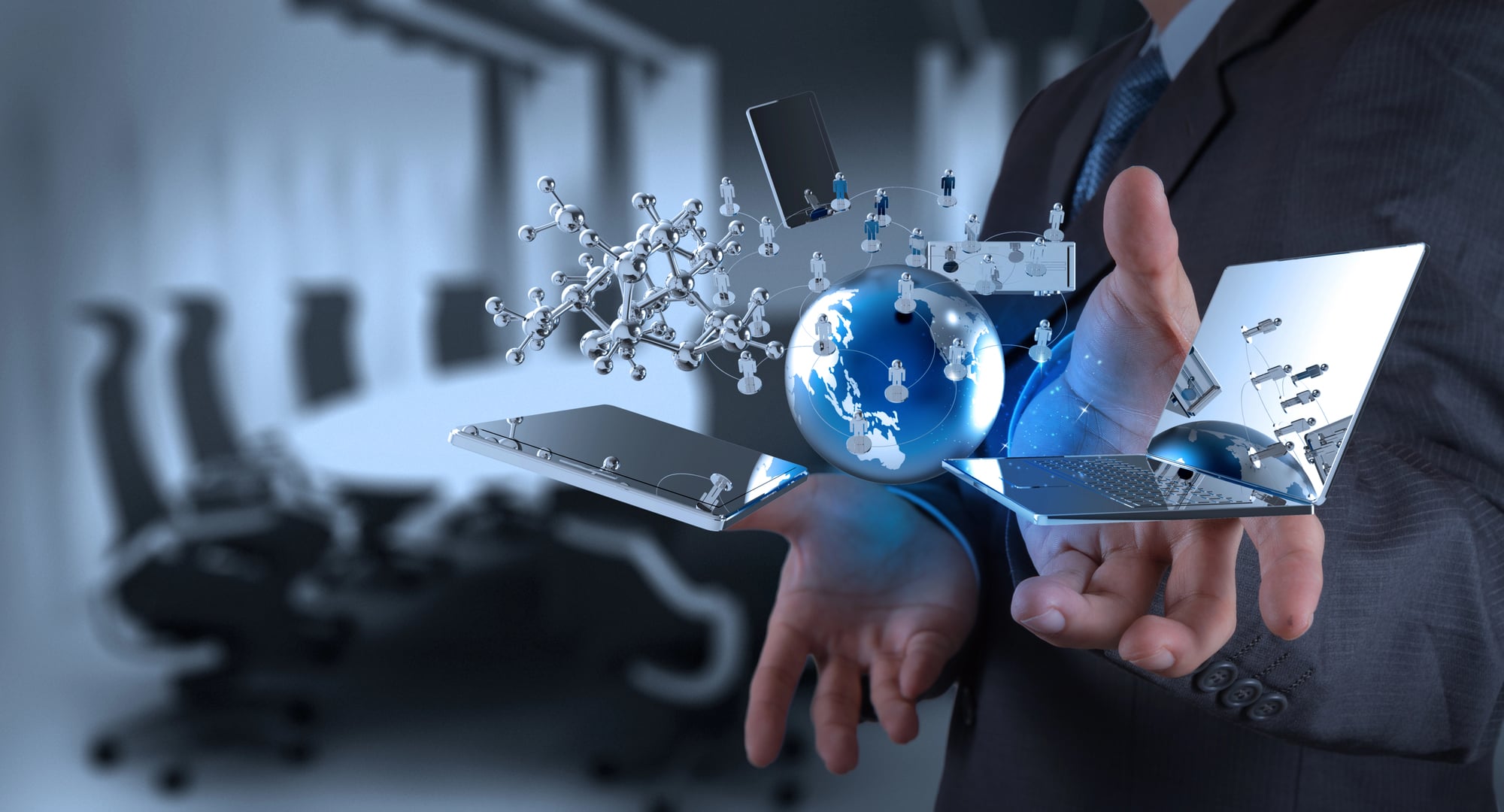
These breakthroughs didn’t only bring flashy devices – they changed daily life in deep ways we can’t go back on. A person from 1999 dropped into now wouldn’t get how folks do jobs, hang out, buy stuff, or have fun.
Things keep moving fast because AI, super-fast computers, and gene science hint at wild shifts coming up. Stuff we think is high-tech right now might seem as old-school as a clunky cell phone two decades down the road.
More from Go2Tutors!

- The Romanov Crown Jewels and Their Tragic Fate
- 13 Historical Mysteries That Science Still Can’t Solve
- Famous Hoaxes That Fooled the World for Years
- 15 Child Stars with Tragic Adult Lives
- 16 Famous Jewelry Pieces in History
Like Go2Tutors’s content? Follow us on MSN.