‘Stranger Things’ Mistakes About the Real ’80s
Netflix’s hit show ‘Stranger Things’ has become a cultural phenomenon, transporting millions of viewers back to the 1980s with its retro aesthetic, synth-heavy soundtrack, and nostalgic references. The Duffer Brothers clearly put tremendous effort into recreating the look and feel of the decade, from the fashion choices to the technology on screen.
However, despite all the careful attention to detail, the show isn’t entirely accurate when it comes to capturing the real ’80s experience. Some elements feel a bit too polished, while others simply didn’t exist yet during the time periods the show depicts.
Let’s take a closer look at where ‘Stranger Things’ gets the ’80s right and where it stumbles a bit. Even the most dedicated period pieces can miss a few details.
The bikes are too modern

The kids in ‘Stranger Things’ spend a lot of time riding their bikes around Hawkins, and those bikes have become iconic symbols of the show. But here’s the thing: many of those bikes feature components and designs that didn’t exist in the early-to-mid 1980s.
Some of the models shown have brake systems and frame geometries that only became standard in later decades. It’s a small detail that most viewers wouldn’t notice, but bike enthusiasts from that era can spot the differences immediately.
Eleven’s Eggo waffle obsession is exaggerated
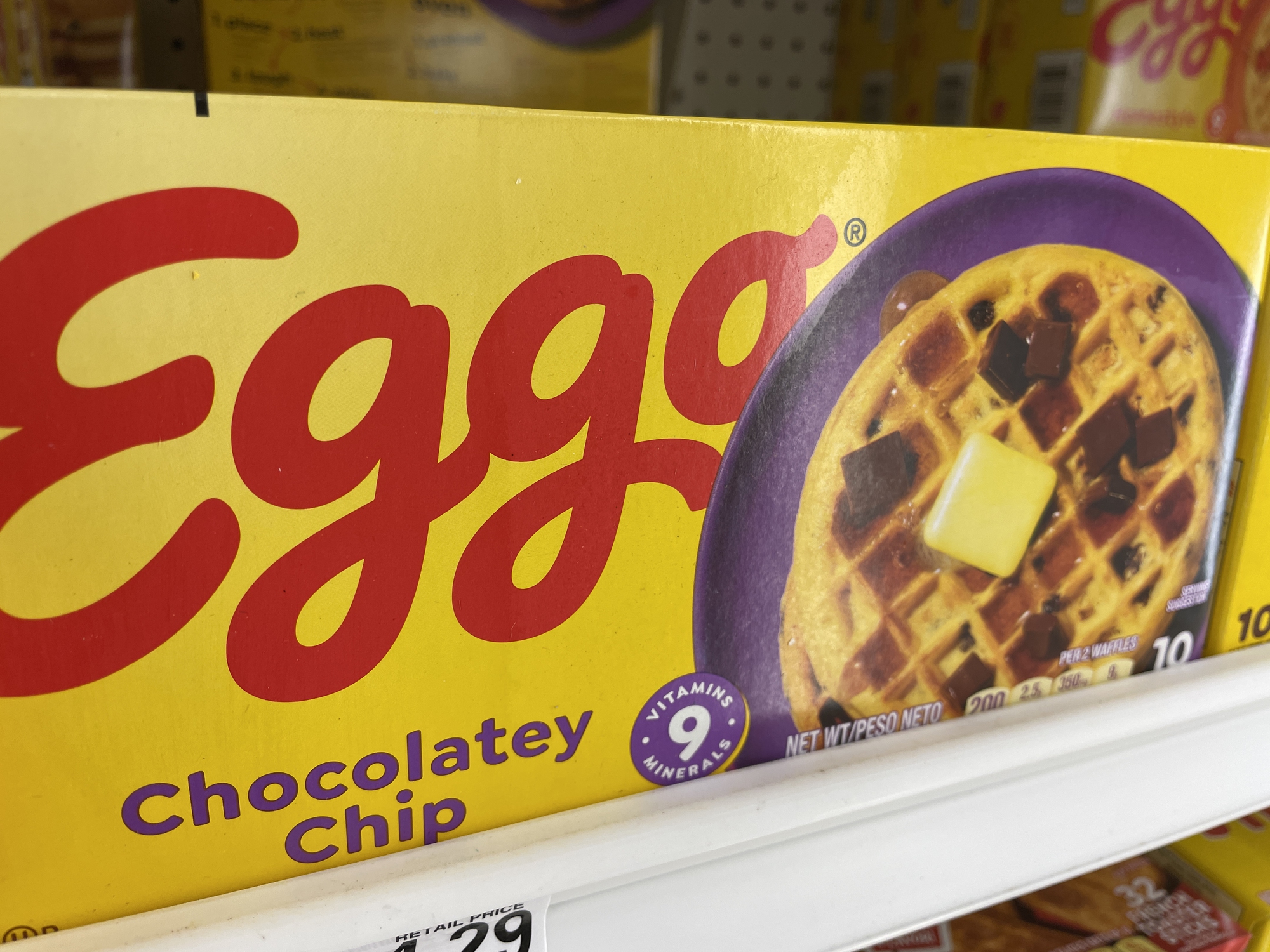
Eggo waffles were definitely around in the 1980s, and kids did enjoy them as a quick breakfast option. However, they weren’t the cultural touchstone that ‘Stranger Things’ makes them out to be.
The brand was popular, sure, but it wasn’t the dominant breakfast food that every kid was obsessed with. The show amplifies this connection to create a memorable character trait for Eleven, but in reality, Pop-Tarts, cereal, and toaster pastries were just as common in ’80s households.
The Eggo obsession feels more like a modern marketing decision than an authentic period detail.
The mall was too clean and bright
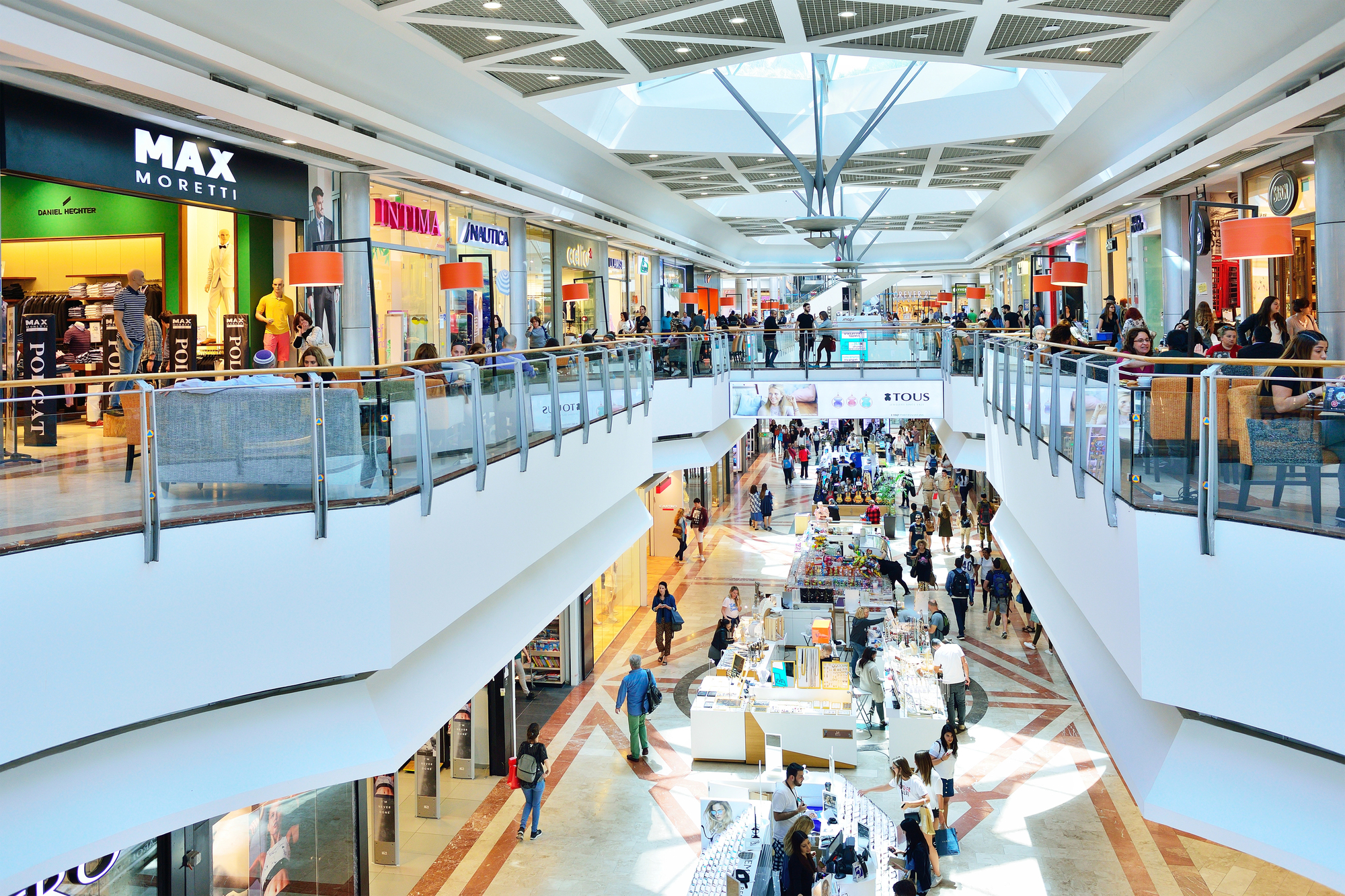
Starcourt Mall in season three looks absolutely stunning, with its neon lights, pristine floors, and picture-perfect stores. Real ’80s malls were definitely vibrant and exciting, but they also had a lived-in quality that the show glosses over.
Shopping centers back then often had cig smoke hanging in the air, scuffed floors, and a slightly worn appearance that came from heavy foot traffic. The show’s version feels more like an idealized memory of the mall experience rather than the grittier reality.
Still, it makes for better television, even if it’s not quite accurate.
Hopper’s cabin is surprisingly well-kept
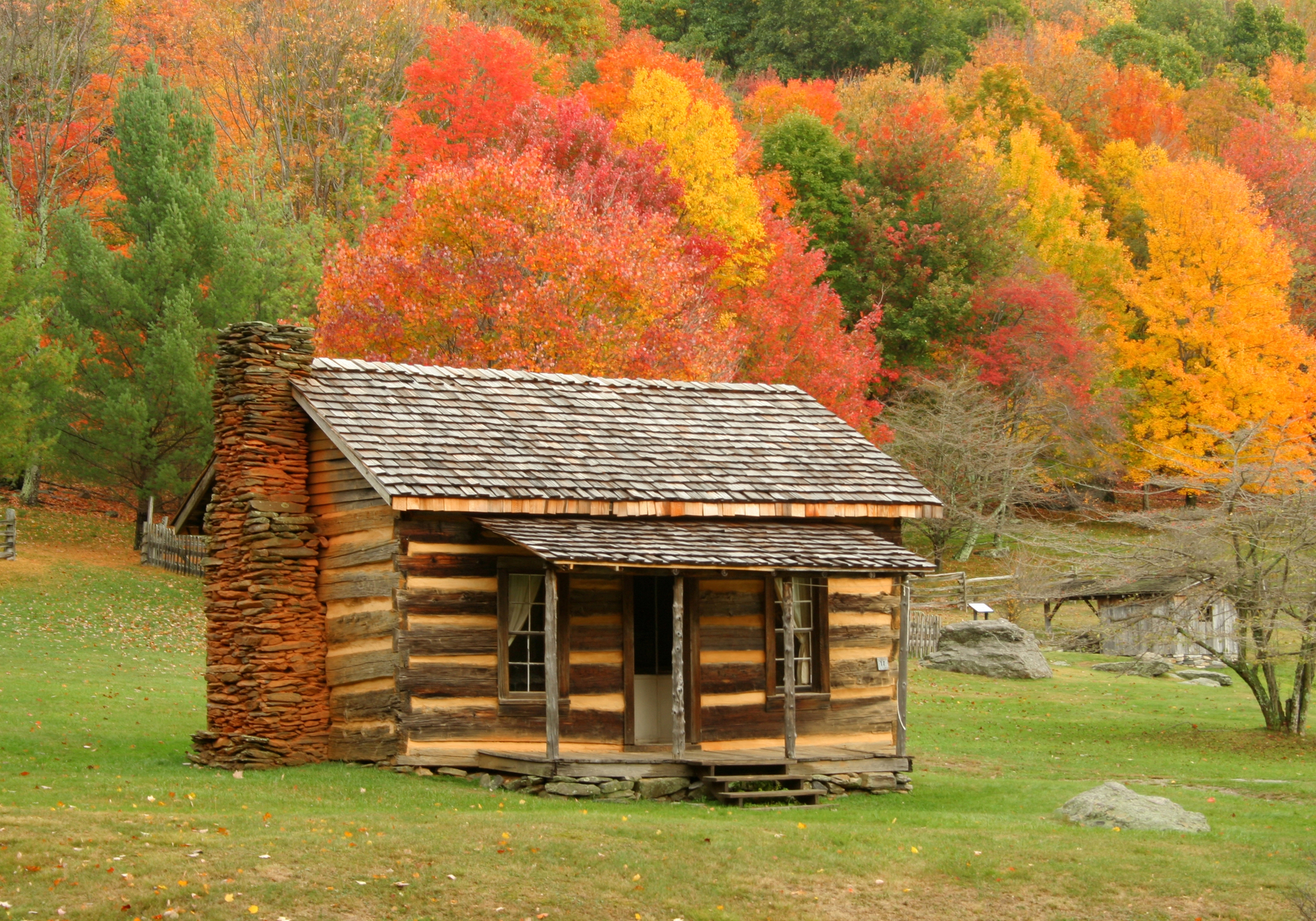
Chief Hopper lives alone in a cabin in the woods, and while the show tries to make it look rough around the edges, it’s still too organized for a depressed, alcoholic single man in the 1980s. Real bachelor pads from that era, especially for someone dealing with trauma and substance issues, tended to be far messier and more chaotic.
The cabin has a curated, production-designer quality to it, with strategically placed clutter that still looks intentional. An authentic version would probably have more dirty dishes, stained furniture, and general disarray that reflects Hopper’s internal state.
The kids have too much freedom at night

The young characters in ‘Stranger Things’ roam around Hawkins at all hours, often staying out well past dark without much parental supervision. While it’s true that kids in the ’80s had more independence than they do today, the show takes it to an extreme.
Most parents, even in small towns, still had curfews and expected their children home by dinner or shortly after. The level of freedom shown in the series would have been unusual even for that era.
It works for the plot, but it stretches the reality of typical ’80s parenting practices.
The Walkman wouldn’t have that sound quality
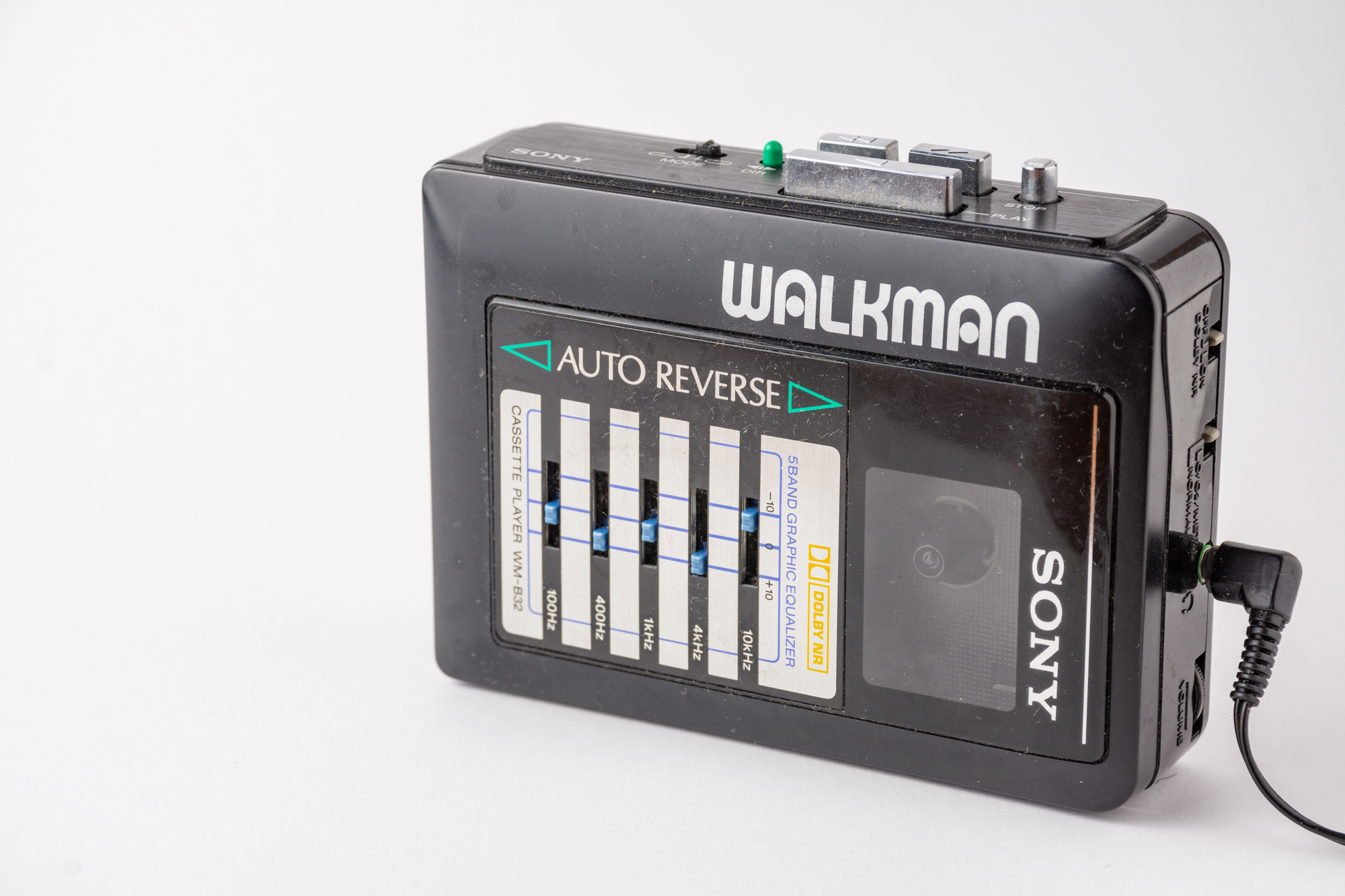
Max is often seen wearing a Walkman and listening to music through headphones, and the show makes it seem like a premium audio experience. In reality, personal cassette players in the mid-’80s had decent but not amazing sound quality.
The headphones that came with most Walkmans were thin, uncomfortable foam-covered earpieces that provided tinny audio at best. Audiophiles existed back then and would upgrade their gear, but the average teenager was dealing with significantly lower-fidelity sound than what the show suggests.
The hiss of the tape was also far more noticeable than modern viewers might expect.
Dustin’s radio equipment is too advanced
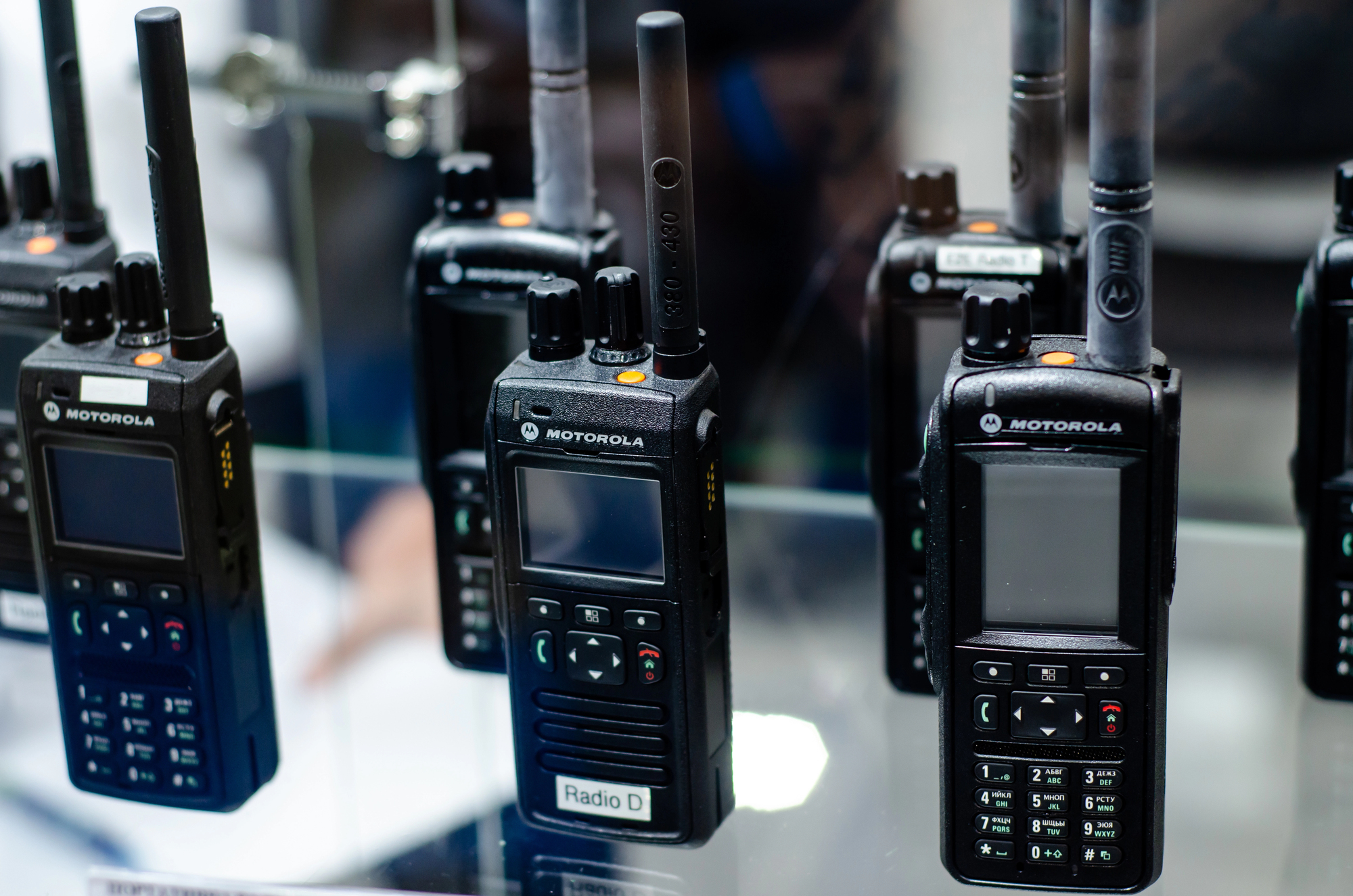
Dustin’s ham radio setup, which he uses to communicate with his girlfriend Suzie, looks impressive and works flawlessly in the show. Real ham radio operations in the 1980s required much more trial and error, atmospheric conditions had to be just right, and equipment was often temperamental.
The clarity and reliability of Dustin’s communications seem too perfect for the technology of the time. Additionally, the ease with which he sets up and operates the equipment overlooks the significant learning curve that real ham radio enthusiasts had to overcome.
It’s definitely simplified for dramatic purposes.
The hairstyles are slightly off
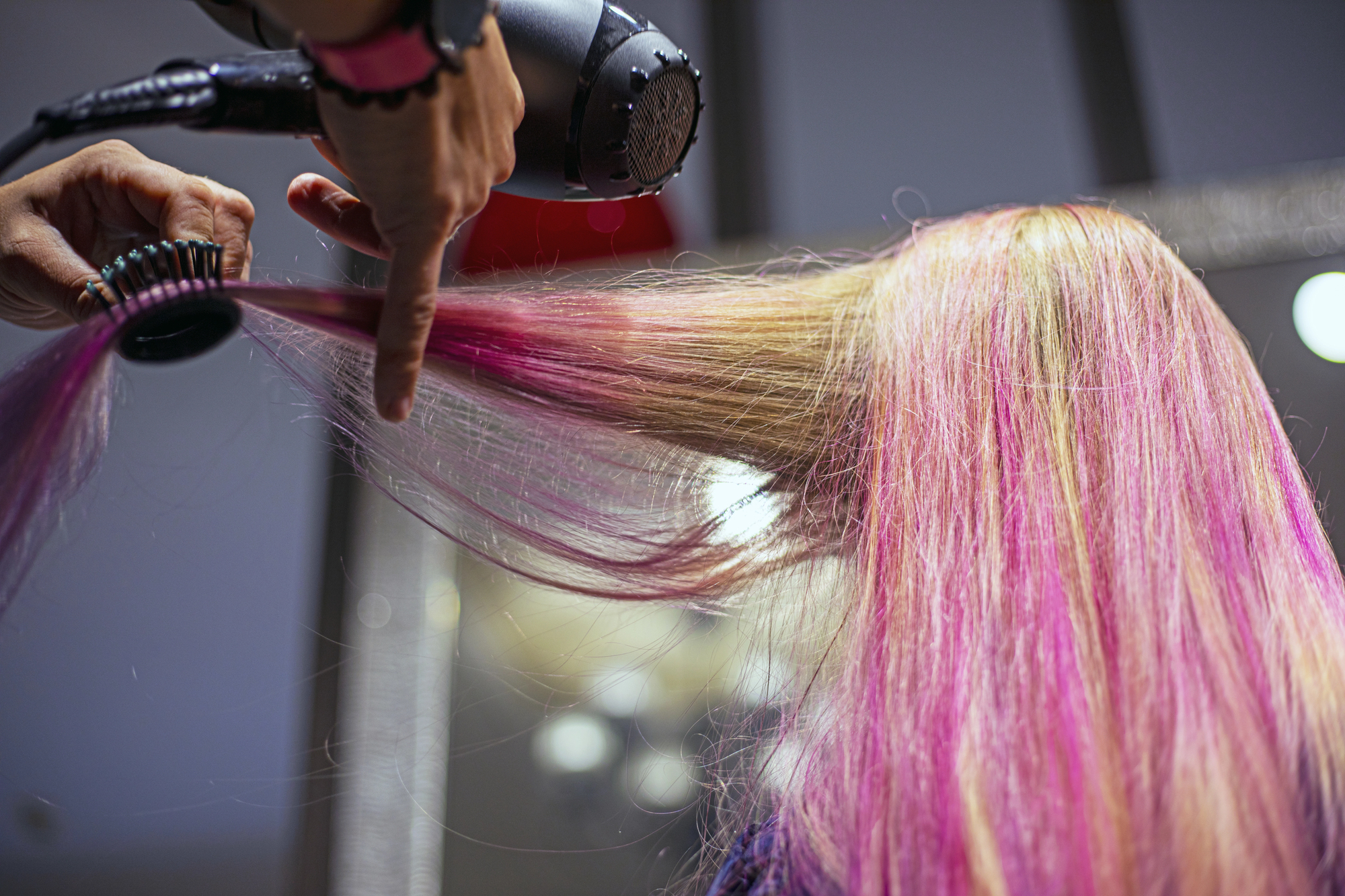
While ‘Stranger Things’ does capture many iconic ’80s hairstyles, some of them are a bit too perfect or lean into stereotypes rather than reality. Steve’s hair, for instance, is voluminous and perfectly styled in a way that required specific products that weren’t widely available in the early ’80s.
Most teenagers back then were using Aqua Net hairspray and gel, which created stiffer, crunchier results. The show’s hair often has a modern softness and movement that professional stylists achieve with contemporary products.
It looks great on screen but doesn’t quite match the actual texture and hold of ’80s hair products.
The Byers’ house is too sparse
Joyce and her sons live in a house that’s supposed to reflect their lower-income status, and while the production design does show older furniture and modest surroundings, the house feels too empty. Working-class homes in the ’80s tended to accumulate more stuff over time: stacks of magazines, knick-knacks, hand-me-down furniture from relatives, and general clutter that builds up in real lived-in spaces.
The Byers’ home has a carefully art-directed quality where every item feels purposefully placed. Authentic poverty or financial struggle usually comes with more visible signs of making do with what’s available.
The video store had too much variety

The video rental store where Steve works in later seasons is filled with an impressive selection of movies, all neatly organized and well-stocked. Real video stores in small-town America during the mid-to-late ’80s had far more limited inventories.
They often had multiple copies of popular titles but very few niche or independent films. Many smaller rental shops also had adult sections that were separated by curtains or doors, which the show completely omits.
The store in ‘Stranger Things’ feels more like a modern viewer’s ideal version of a video store rather than the actual experience of browsing limited selections and dealing with frequent ‘out of stock’ situations.
The arcade games are too pristine
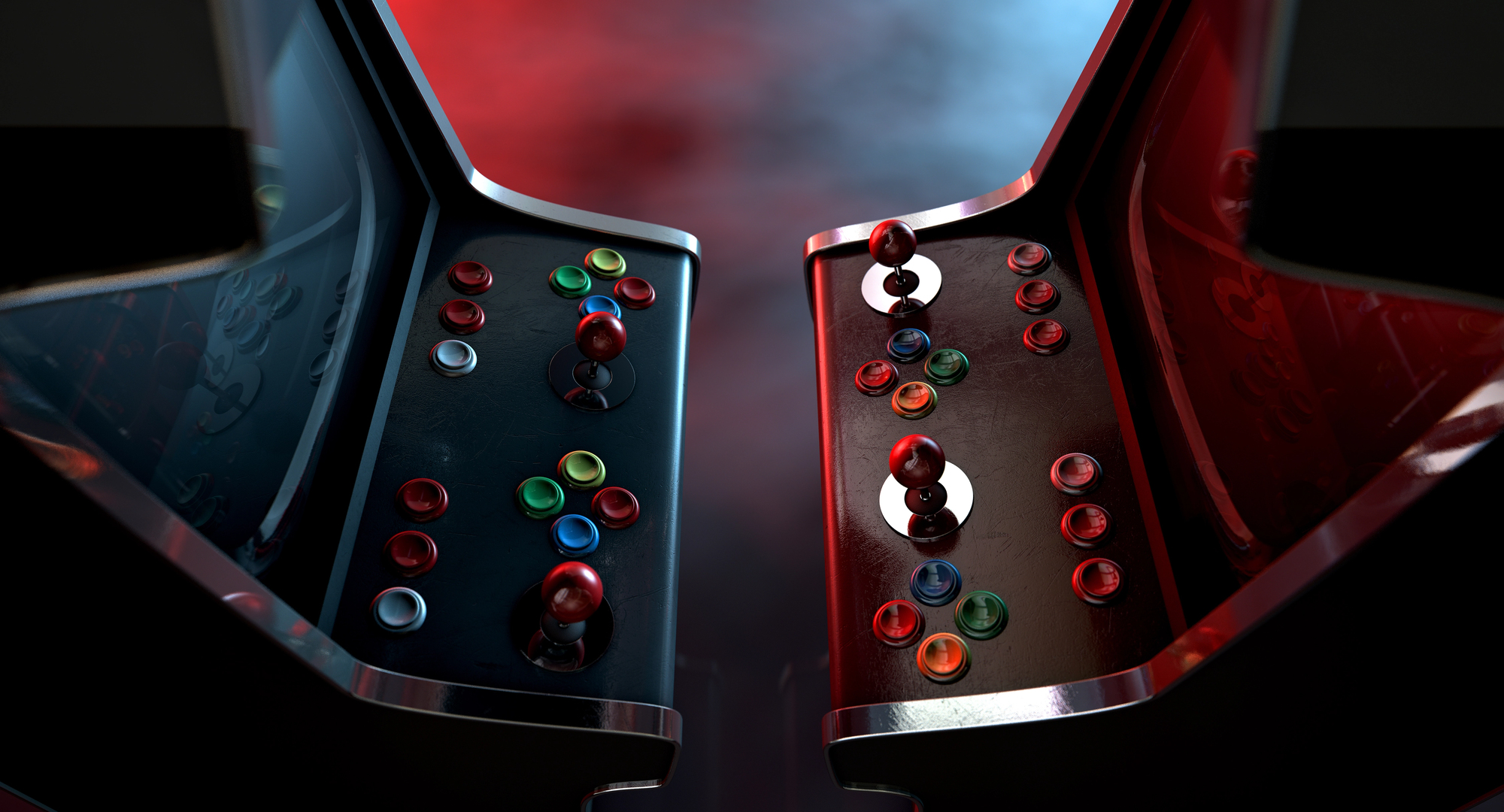
The Palace Arcade is a central hangout spot for the kids, and it’s filled with classic arcade cabinets that look fantastic. However, real arcade machines in the ’80s took a beating from constant use and were often in various states of disrepair.
Joysticks would be loose, buttons would stick, screens would burn-in from displaying the same images for hours, and cabinets were covered in stickers, scratches, and graffiti. The show’s arcade machines look like they just came off the factory floor.
While this makes for better visuals, it misses the worn, grimy reality of actual arcade culture where machines were played hard and maintained inconsistently.
The phone usage is unrealistic

Landline telephones play a major role in ‘Stranger Things’, but the way characters use them doesn’t quite match ’80s reality. Families typically had one phone line, which meant that teenagers tying up the line for hours was a constant source of conflict.
The show glosses over this limitation and often shows characters having lengthy, uninterrupted conversations without siblings or parents needing the phone. Additionally, long-distance calls were expensive, and families were very conscious of keeping those calls short.
The casual way characters chat on the phone ignores the actual constraints and costs that shaped telephone behavior in that era.
Nancy’s journalism career moves too fast
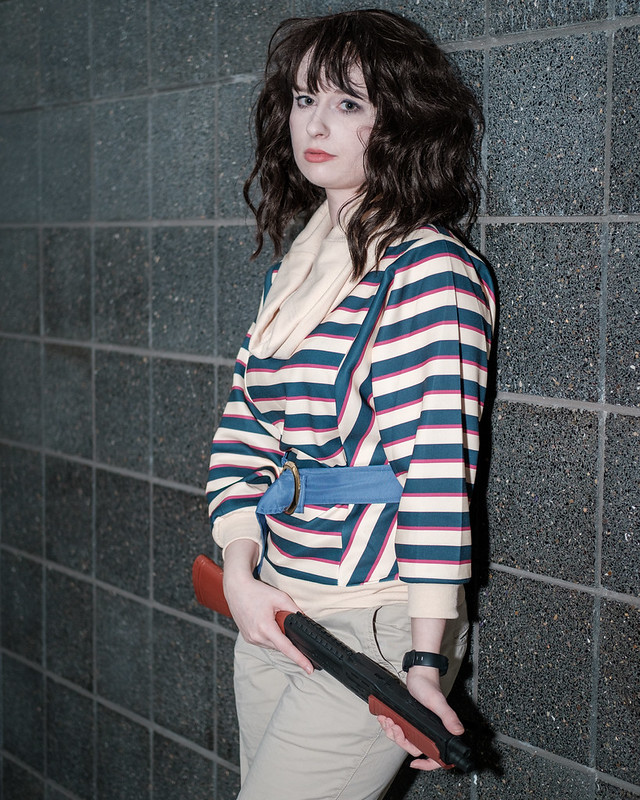
Nancy Wheeler’s storyline as an aspiring journalist shows her breaking major stories and gaining recognition relatively quickly. In the real 1980s, young women entering journalism faced significant barriers and typically had to work their way up through grunt work like fact-checking and covering small local stories.
The speed at which Nancy moves from intern to investigative reporter feels compressed for dramatic purposes. Newsrooms back then were also far more male-dominated and often dismissive of young female reporters, a dynamic the show touches on but doesn’t fully explore.
The path Nancy takes would have been much longer and more frustrating in reality.
The fashion is too coordinated
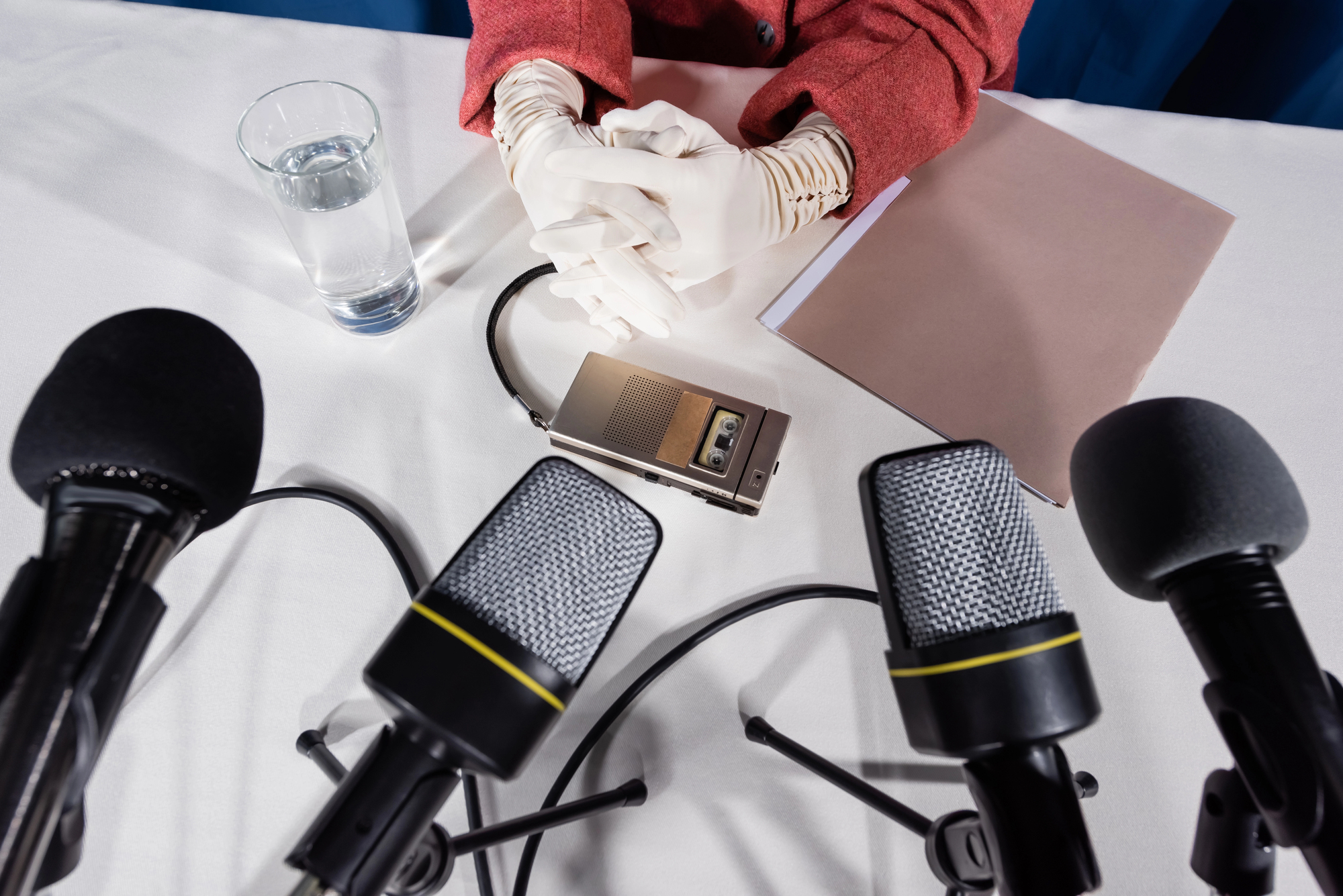
Characters in ‘Stranger Things’ wear outfits that are distinctly ’80s, but they’re often too well-coordinated and trend-consistent. Real teenagers in the ’80s mixed hand-me-downs with new purchases, wore clothes until they were worn out, and didn’t always follow the latest trends, especially in small-town Indiana.
The show’s wardrobe department does excellent work creating period-appropriate looks, but there’s a polish and intentionality to the outfits that feels more like a modern interpretation of ’80s fashion. Actual ’80s style was often more random, with clashing patterns and colors thrown together because those were the clean clothes available that day.
Mike’s basement is too spacious and finished
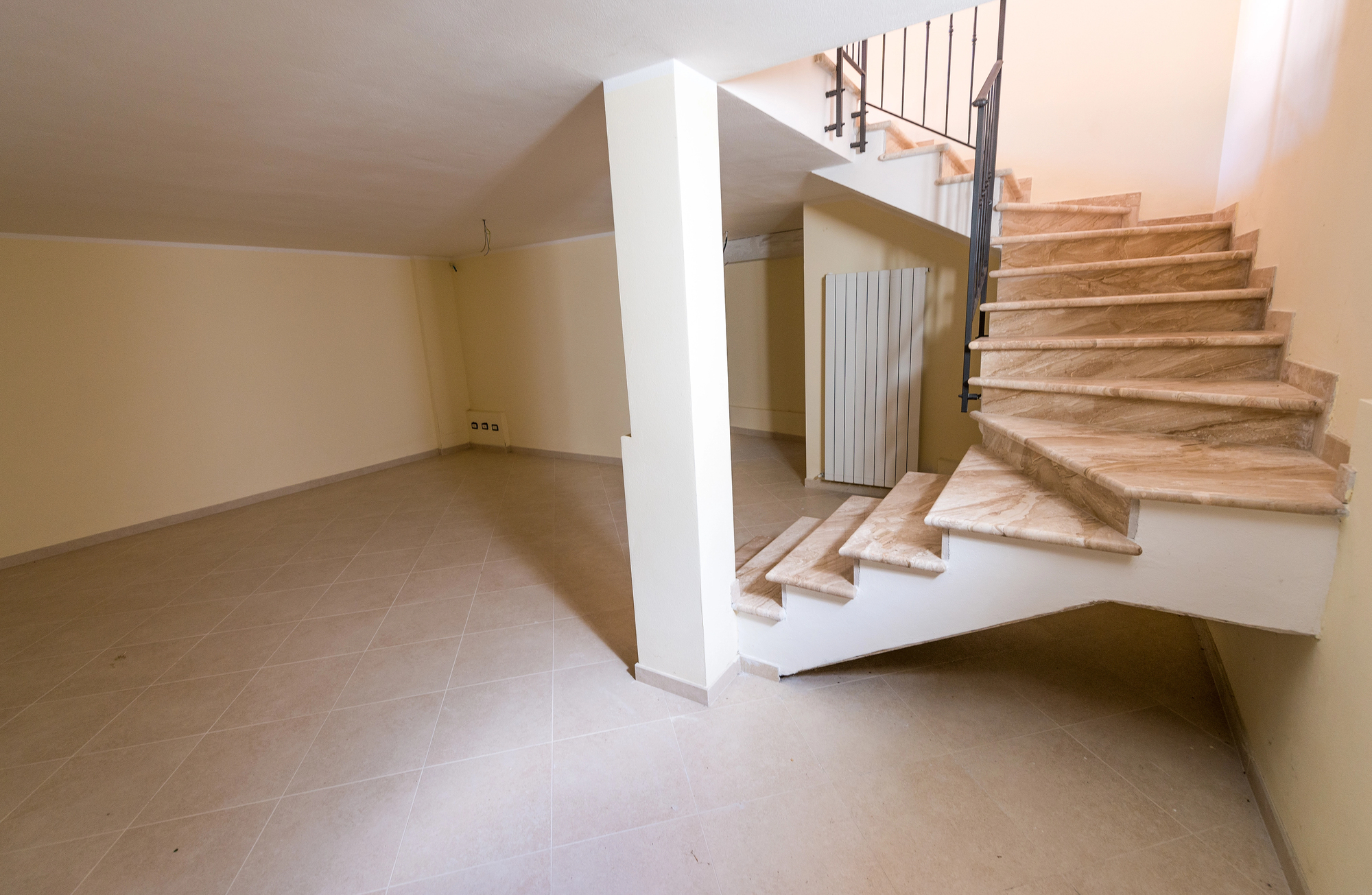
The Wheeler family basement serves as the main hangout spot for the kids, and it’s a surprisingly large, finished space with plenty of room for gaming and socializing. Most middle-class basements in ’80s suburban homes were either unfinished concrete spaces with exposed beams or partially finished areas with paneling and drop ceilings.
They were often damp, had that distinctive basement smell, and weren’t the cozy hangout zones shown in the series. The Wheeler basement looks more like a modern recreation room than an authentic ’80s below-ground space.
Real basements back then were functional storage areas first and recreational spaces second.
The Christmas light setup sent messages just fine – maybe too fine

When Joyce spells stuff with holiday lights in season one, it somehow gets the job done despite how wild that idea sounds. She rigs up a whole alphabet using bulbs – talks back and forth just by making them blink at each other.
Realistically though, those old-school 1980s Christmas strings barely worked half the time – one busted bulb could kill the full line. On top of that, wiring something like her setup would’ve needed serious know-how way beyond average folks.
Plus, getting messages across so clearly? That’s stretching believability real thin.
Sure looks cool on screen – but pulling it off back then? Not happening without some magic behind the scenes.
The soundtrack includes tracks played a bit earlier than when they were made
The soundtrack of ‘Stranger Things’ hits hard, packed with real ’80s tunes that boost the retro vibe. Yet certain tracks pop up in timelines where they hadn’t dropped yet – or weren’t even known.
Instead of sticking to exact dates, the music team often goes for feels over facts. A lot of people don’t catch these off-time releases; still, listeners from back then might raise an eyebrow at a tune showing up slightly ahead of schedule.
Overall, picks stay on point – this hiccup barely shakes the experience.
The beast secret might’ve spilled quicker

In a tiny place like Hawkins, wild happenings or shadowy government plots wouldn’t stay hidden for long back in the ’80s. Even without online networks, updates moved fast – through neighborhood papers, crackling radios, or chat on porches.
Towns that size? They thrive on rumors flying from house to house overnight.
Yet somehow, no one really catches onto the Upside Down, those creepy lab tests, or creatures popping up here and there – which feels kind of off. Folks living there would’ve swapped tales nonstop, dreamed up wild guesses, built myths of their own, making silence almost impossible.
Sure, the story relies on everyone staying clueless – but honestly, that just doesn’t fit how real people acted back then.
Yet holds onto the vibe
Even with all the wrong history bits and made-up stuff, ‘Stranger Things’ nails what really counts – the vibe of the 80s. It gets how kids bonded back then, those deep friendships shaping youth, along with the wild freedom found when life wasn’t glued to screens.
Tiny errors don’t ruin how well it pulls you into that era. Feeling things right often beats nailing every fact, yet this show still pays tribute to the ‘80s – no matter how loose it plays with details.
More from Go2Tutors!

- The Romanov Crown Jewels and Their Tragic Fate
- 13 Historical Mysteries That Science Still Can’t Solve
- Famous Hoaxes That Fooled the World for Years
- 15 Child Stars with Tragic Adult Lives
- 16 Famous Jewelry Pieces in History
Like Go2Tutors’s content? Follow us on MSN.