15 Birds That Use Things to Hunt
Most folks immediately think of chimps wielding sticks or dolphins carrying sponges when the topic of animal tool use comes up. Yet birds — despite their remarkable intelligence — rarely receive recognition for their sophisticated hunting methods. These aerial predators have mastered the art of transforming ordinary objects into lethal instruments and elaborate traps.
Everything from strategically dropped stones to carefully positioned bait has become part of avian hunting arsenals, creating techniques that’d impress even seasoned human hunters. Here is a list of 15 birds that have perfected the science of tool-assisted predation.
Egyptian Vulture
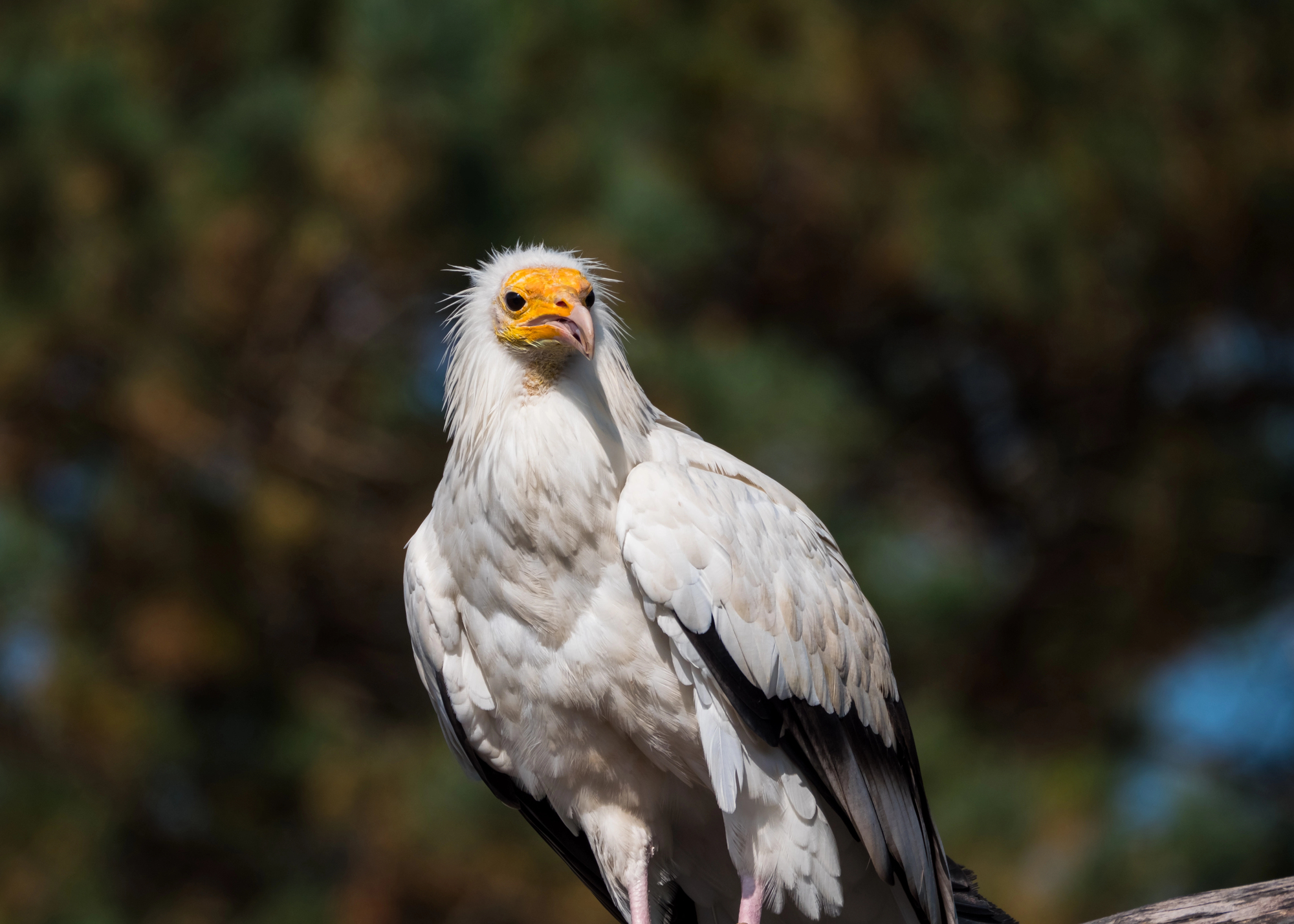
Egyptian vultures have earned their reputation as nature’s most resourceful scavengers through an ingenious rock-throwing technique. When confronted with impenetrable ostrich eggs, these birds select appropriately sized stones — then launch them with surgical precision at their targets.
The massive shells that typically protect developing chicks from predators prove utterly defenseless against well-aimed projectiles traveling at considerable velocity. This isn’t some random behavior either; juvenile vultures acquire the skill through careful observation of their parents, demonstrating that avian knowledge transfer rivals that of mammals.
Green Heron
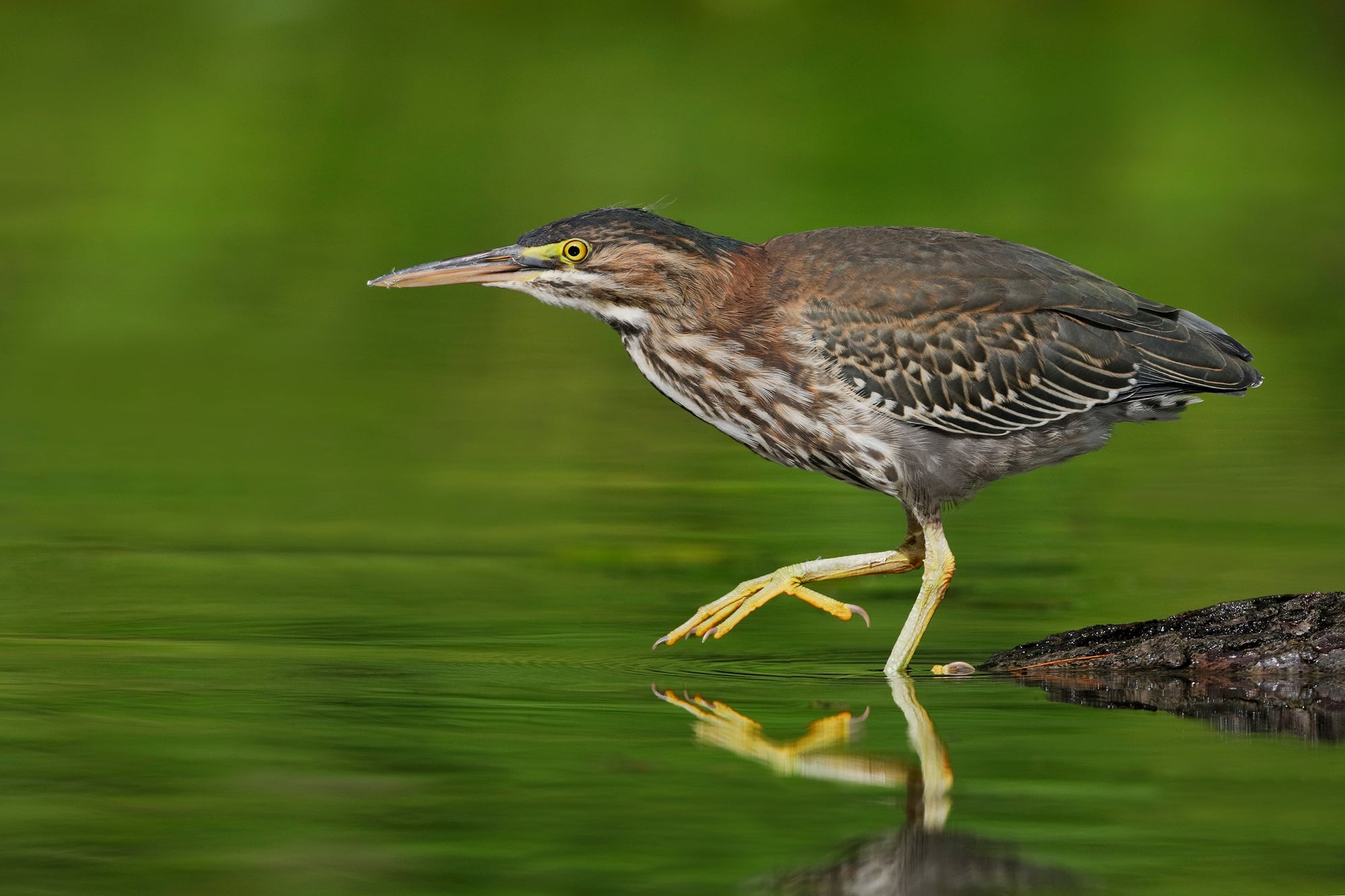
These patient anglers transform bread crumbs, insects, and small twigs into effective fishing lures. Rather than relying solely on speed and stealth, green herons deploy their bait strategically across water surfaces while maintaining absolute stillness.
Fish investigating what appears to be an easy meal quickly discover they’ve miscalculated — the heron’s lightning-fast strike ends their curiosity permanently. Some individuals have been documented modifying bread pieces to create optimal lure sizes, suggesting they understand the relationship between bait characteristics and hunting success.
Bearded Vulture
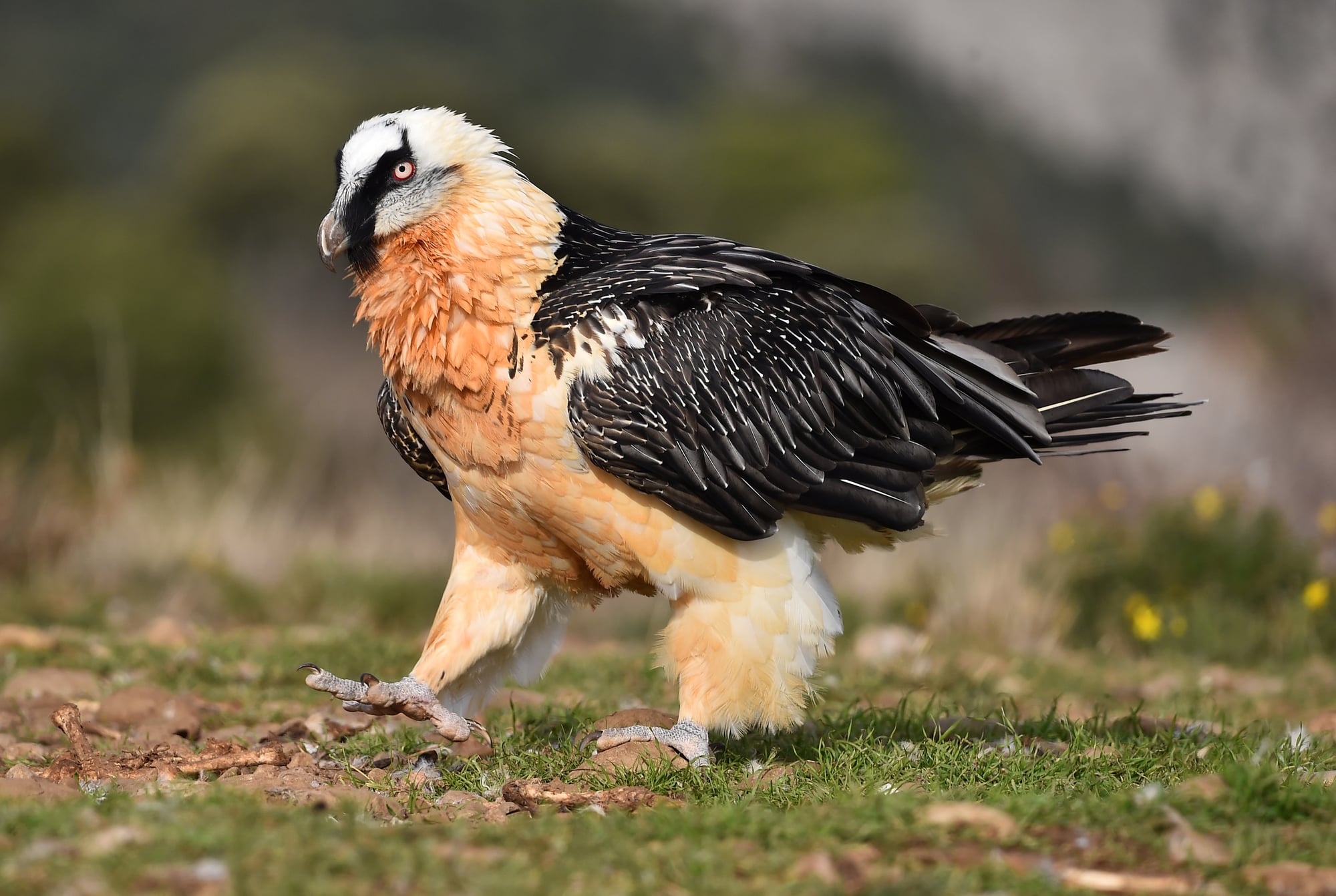
No bird has developed a more theatrical approach to bone processing than the bearded vulture. These massive raptors function as living artillery units — carrying substantial bones to heights exceeding 250 feet before releasing them onto rocky surfaces below.
The resulting impact generates enough force to shatter even the most robust skeletal structures, exposing nutrient-dense marrow that would otherwise remain inaccessible. Particularly stubborn bones often require multiple bombing runs, with the vultures adjusting their drop coordinates until achieving optimal fracture patterns.
Brown-Headed Nuthatch
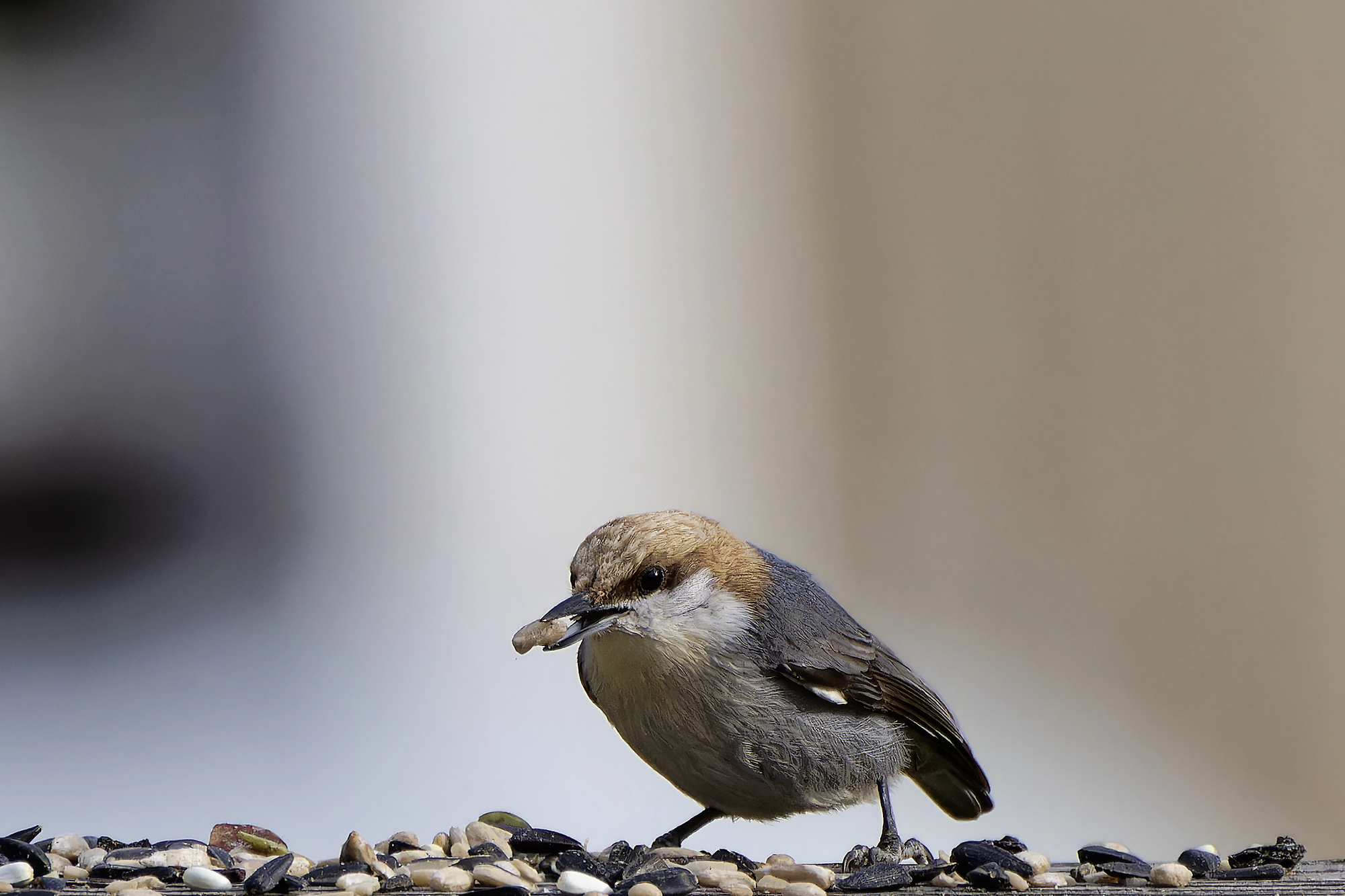
Size certainly doesn’t dictate intelligence when it comes to tool utilization among brown-headed nuthatches. These diminutive birds carefully strip bark fragments from trees, fashioning custom probes for insect extraction from narrow crevices.
Gripping their makeshift implements like precision tweezers, they prod and poke until hidden grubs and larvae emerge from their refuges. The nuthatches frequently modify their bark tools in real-time — breaking them to various lengths depending on the depth of penetration required for each hunting scenario.
Woodpecker Finch
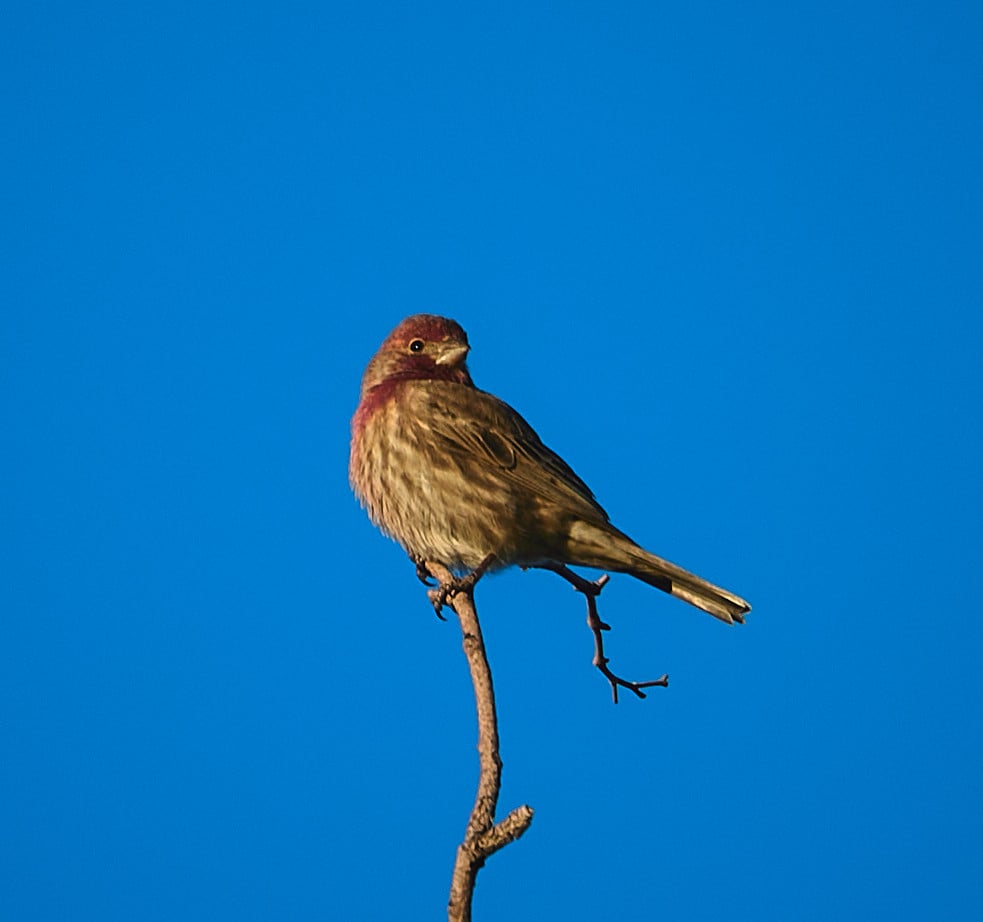
Galápagos woodpecker finches have essentially upgraded their natural equipment through selective tool adoption. These birds meticulously choose cactus spines or appropriately sized twigs — then deploy them as spears for extracting insects from bark crevices.
They’re remarkably particular about their implements, often testing multiple candidates before settling on one with ideal length and sharpness characteristics. When their selected tool becomes dull or damaged, they simply discard it and locate a replacement rather than persisting with suboptimal equipment.
New Caledonian Crow
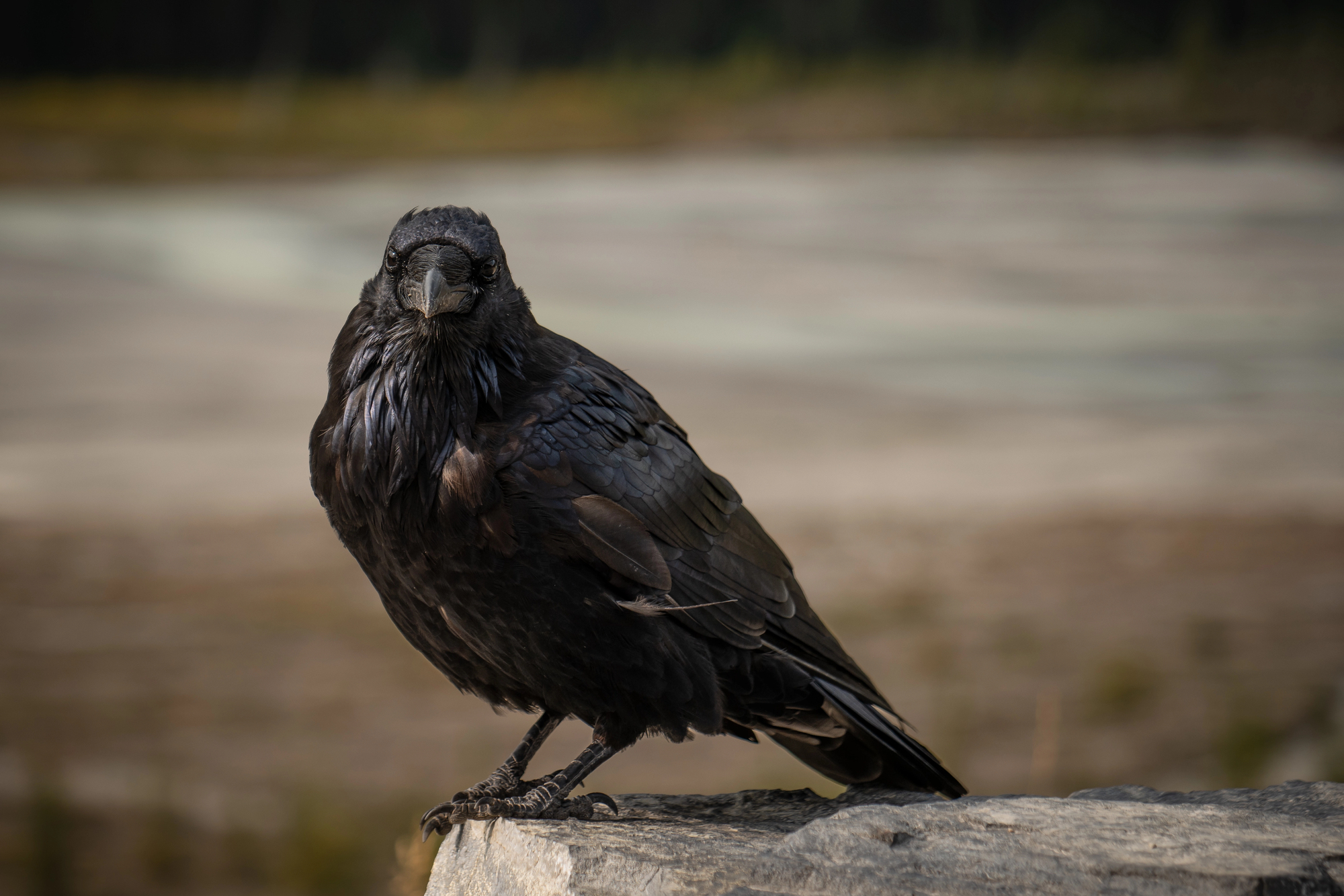
The manufacturing capabilities of New Caledonian crows would impress professional craftsmen. Rather than using random materials, these birds systematically strip leaves from branches to create functional hooks — then employ these purpose-built instruments for grub extraction from tree bark cavities.
They don’t settle for whatever happens to be available nearby; instead, they actively shape raw materials to produce the most effective tools possible. Some individuals have been observed creating entire tool sequences, essentially maintaining complete kits for different hunting applications.
Striated Heron
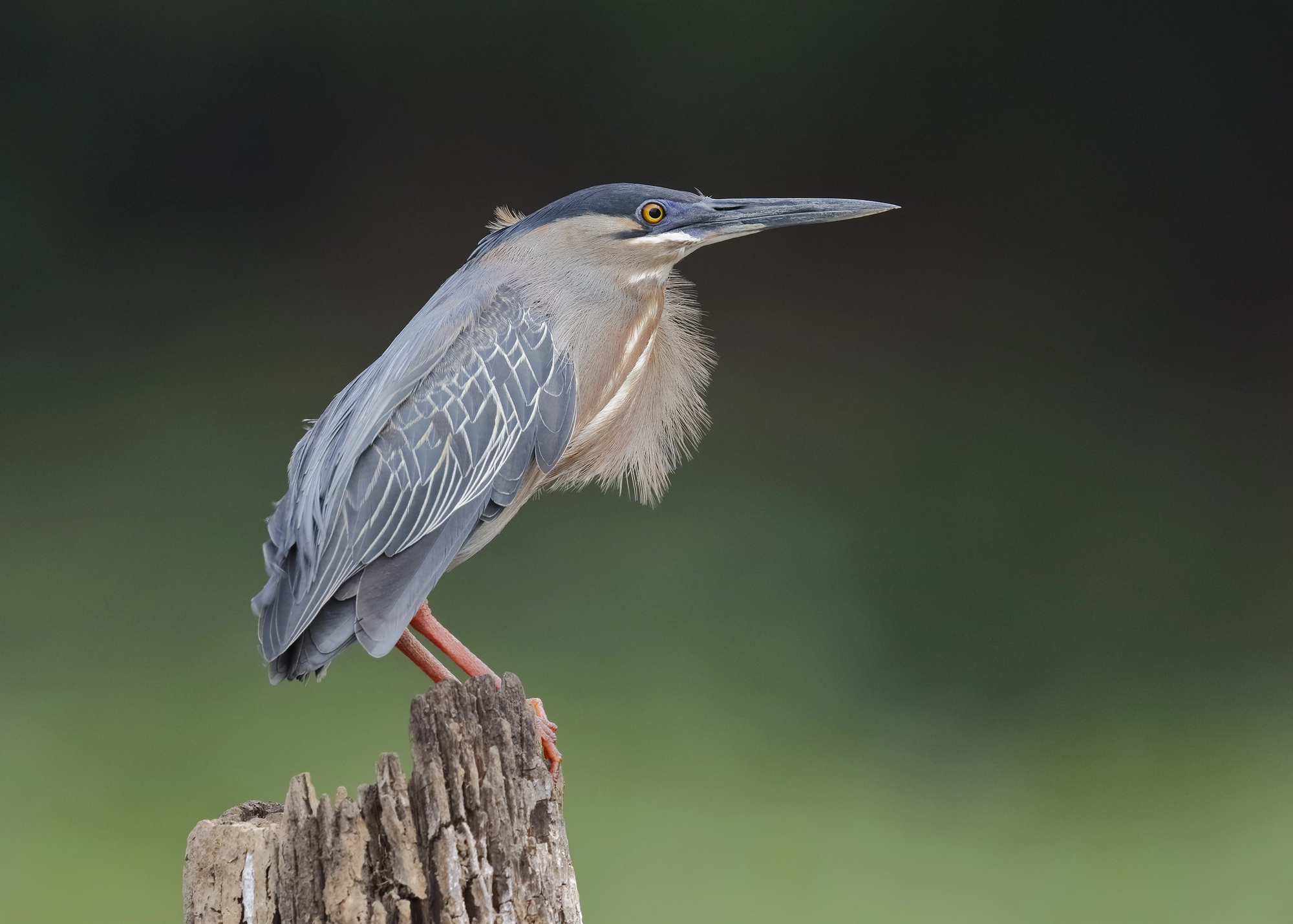
Deception forms the cornerstone of striated heron fishing strategy, achieved through careful deployment of feathers, leaves, and small sticks as aquatic lures. These birds position their chosen materials on water surfaces in areas with high fish concentrations — then maintain perfect stillness while waiting for results.
The floating objects generate ripples and shadows that prove irresistible to curious fish, essentially creating easy targets for the patient heron. Some individuals demonstrate extraordinary persistence, maintaining their lure positions for over an hour until the right opportunity presents itself.
Burrowing Owl
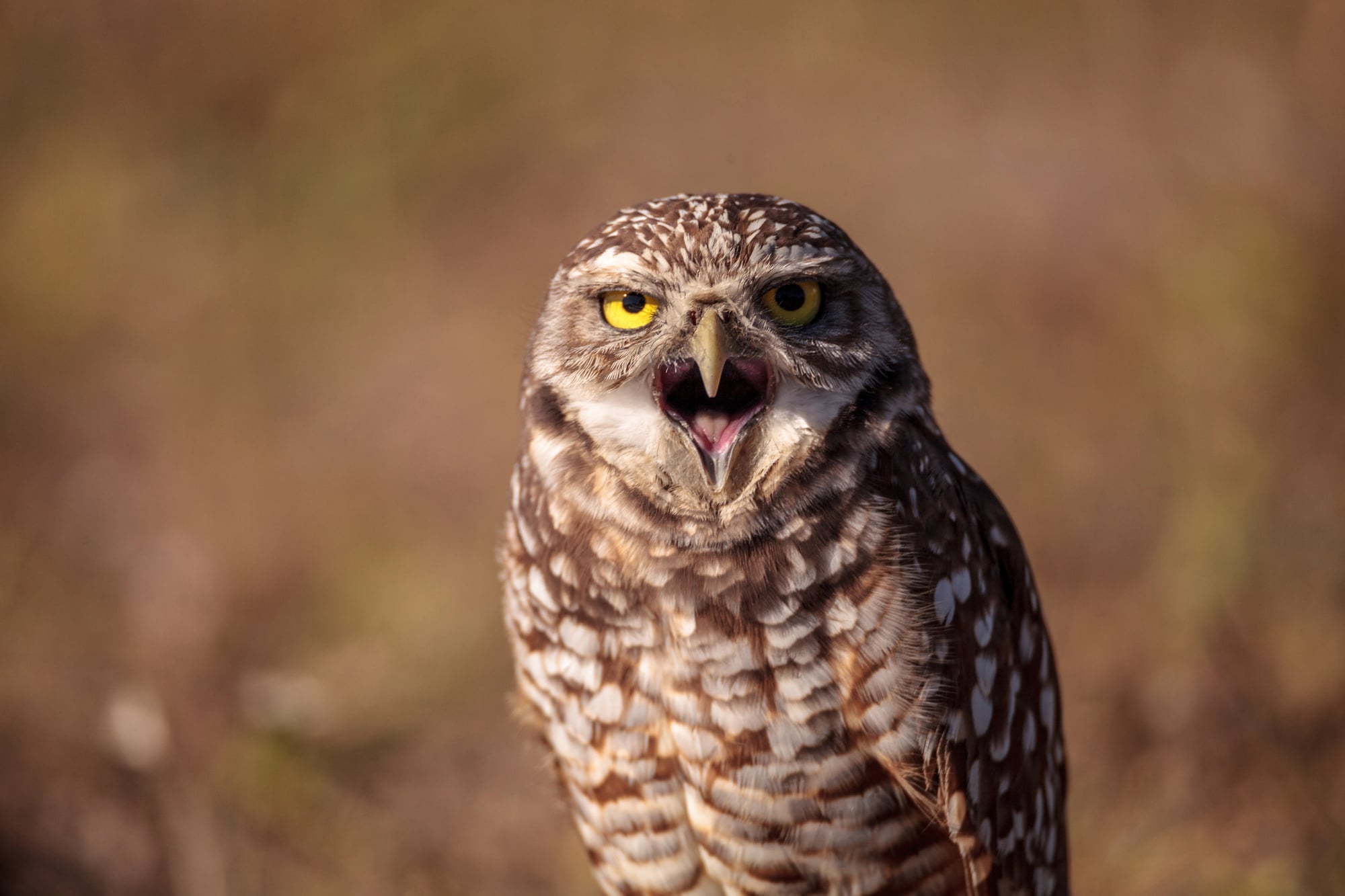
The philosophy of letting prey come to you has been perfected by burrowing owls through strategic dung deployment. These ground-dwelling hunters collect animal waste and distribute it around their burrow entrances — creating irresistible attractants for various insects.
Decomposing organic matter draws beetles, flies, and other arthropods that the owls can capture with minimal energy expenditure. This technique proves so effective that individual owls often maintain multiple bait stations throughout their territories, establishing comprehensive insect-trapping networks.
California Scrub Jay
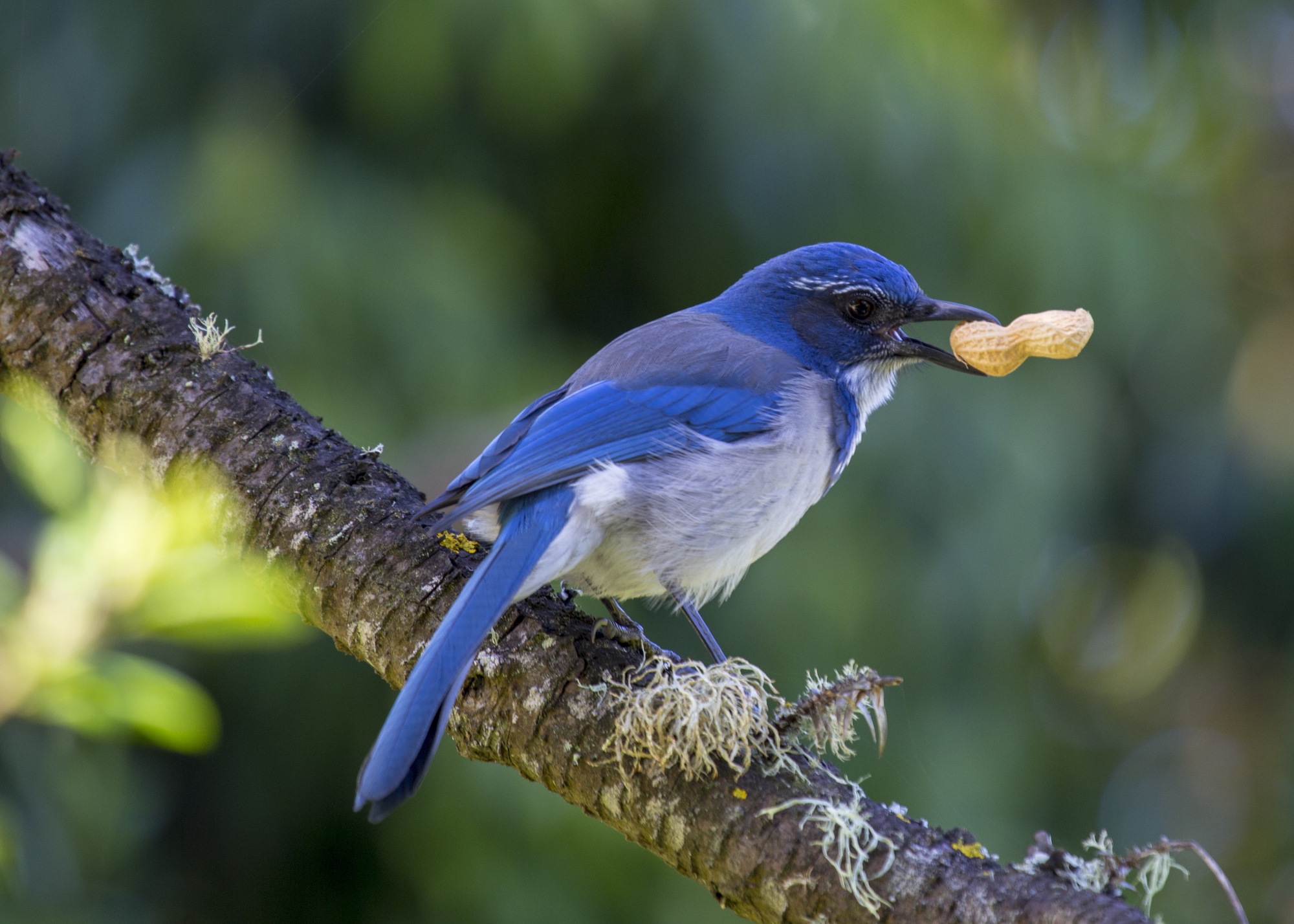
When confronted with nuts too tough for their beaks to crack, California scrub jays transform ordinary stones into precision hammers. These intelligent birds evaluate rocks based on weight and size characteristics — then use them to break through shells that would otherwise remain impenetrable.
They frequently wedge nuts into bark crevices to provide stability during the hammering process, demonstrating an understanding of leverage and mechanical advantage that rivals human problem-solving abilities. The entire process requires both tool selection skills and spatial reasoning that scientists continue to study.
Pied Kingfisher
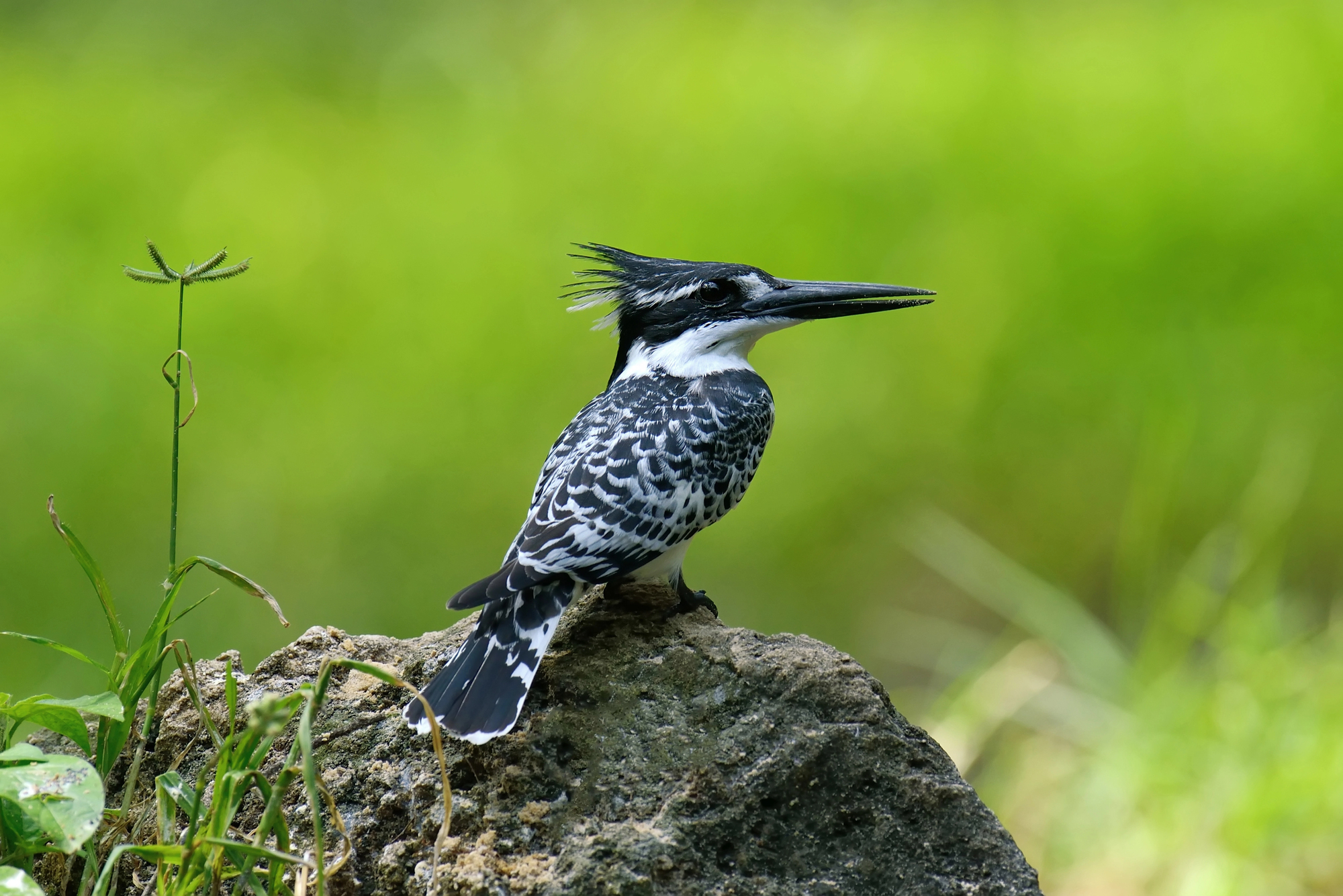
Pied kingfishers have perfected a hunting technique that combines precise tool use with impeccable timing. These birds select small stones and drop them into shallow water to temporarily stun fish swimming below.
The impact generates shockwaves that disorient their aquatic prey, making them vulnerable targets for quick diving attacks. Some kingfishers have learned to coordinate their stone-dropping activities with fish school movements, maximizing their success rates through careful observation of behavioral patterns.
White-Winged Chough

White-winged choughs employ sticks and grass stems with the precision of surgical instruments during their insect-hunting expeditions. These highly social birds often hunt collaboratively, with some individuals serving as tool operators while others monitor for escaping prey.
They’re exceptionally skilled at matching tools to specific tasks, selecting flexible grass for shallow crevices and rigid sticks for deeper penetration requirements. The birds routinely share implements between group members, demonstrating resource cooperation that enhances collective hunting efficiency.
Carrion Crow
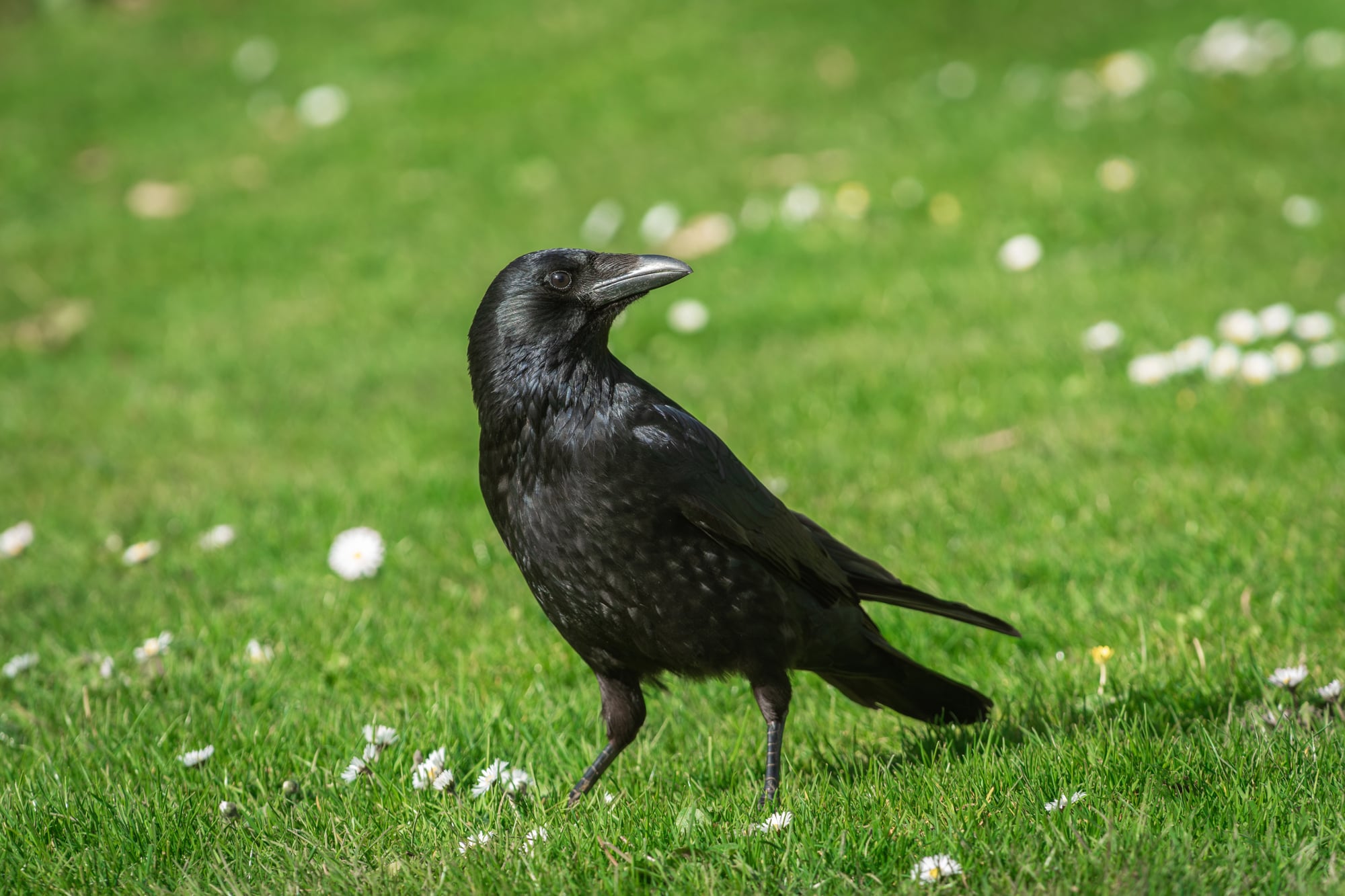
Human infrastructure has become an integral component of carrion crow hunting strategies. These adaptable birds drop nuts and shellfish onto busy roadways, allowing passing vehicles to crack open their food through sheer mechanical force.
They’ve developed sophisticated understanding of traffic patterns, timing their drops so vehicles crush their items just as traffic lights turn red, providing safe retrieval opportunities. Some crows have been observed using pedestrian crosswalks, apparently recognizing that automobiles consistently stop at these locations.
Palm-Nut Vulture
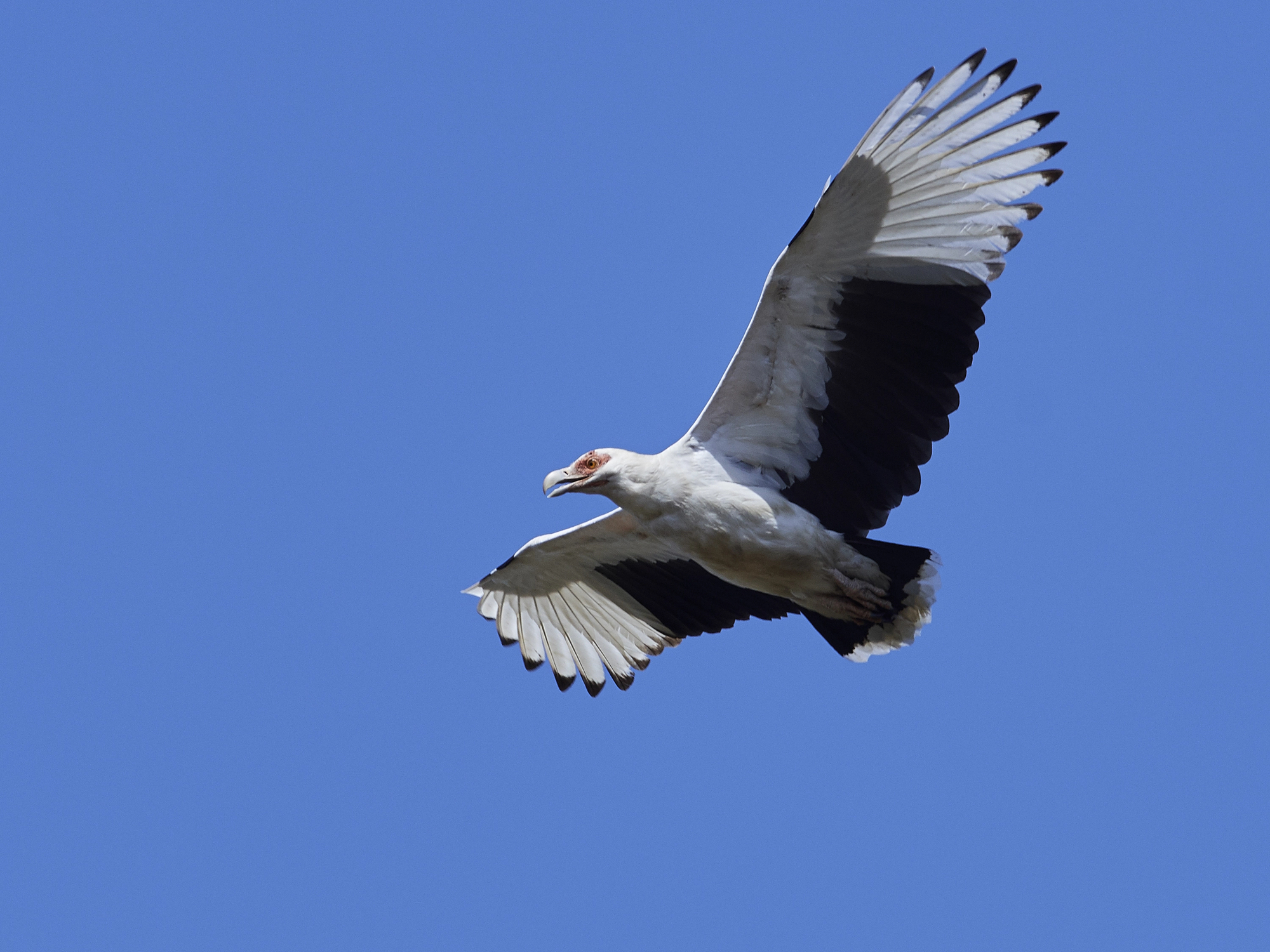
Palm-nut vultures demonstrate almost human-like dexterity when using sharp sticks to access their preferred food sources. These birds break off pointed twigs and employ them to spear palm fruits that remain beyond their beaks’ natural reach.
They handle their tools with surprising gentleness, often reusing the same implement across multiple hunting sessions rather than discarding it after single use. The vultures have been documented testing various sticks for sharpness and length characteristics, clearly understanding the relationship between tool quality and hunting effectiveness.
Great Blue Heron
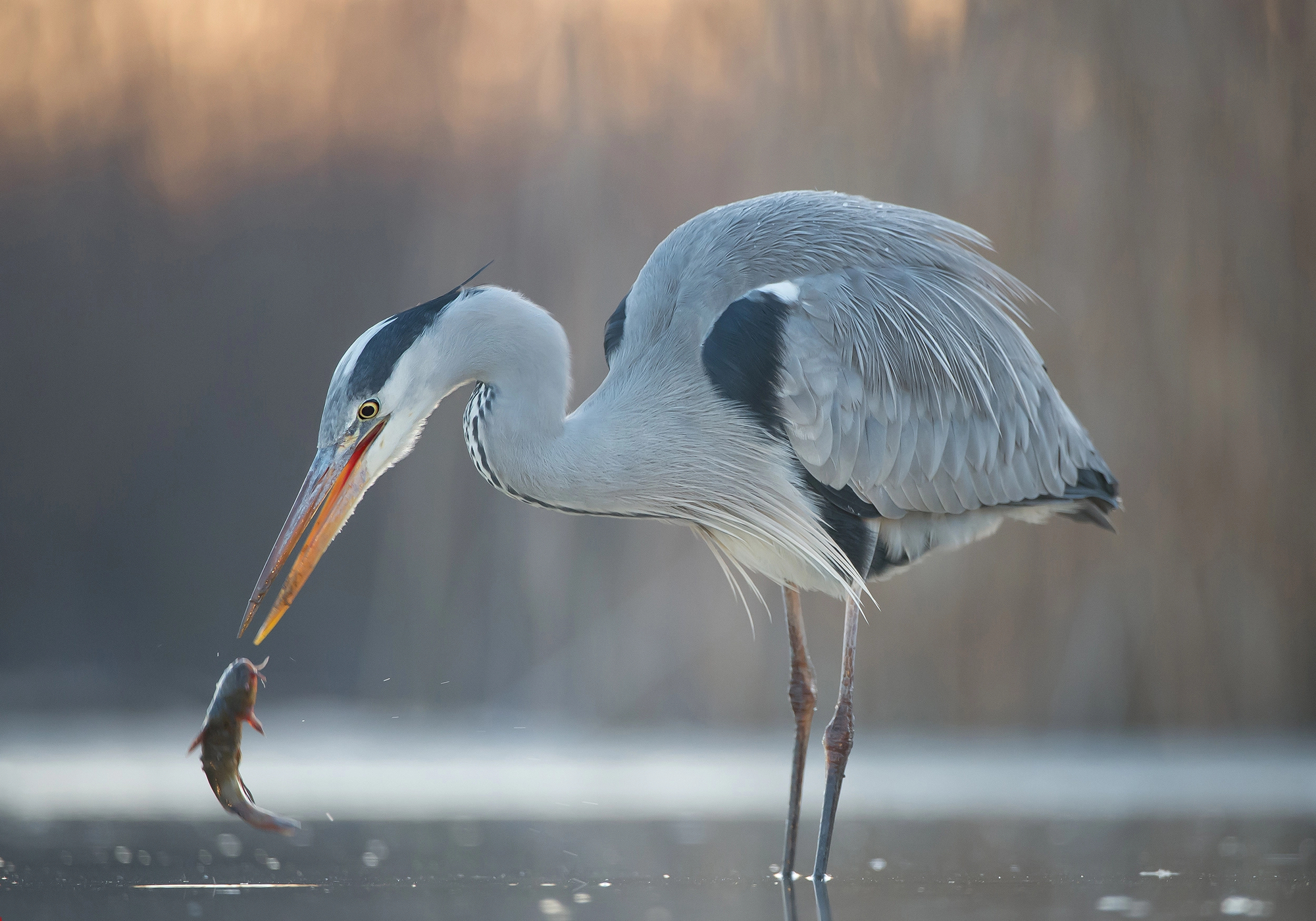
The bait-and-switch strategy employed by great blue herons involves using small fish or insects as live decoys in their hunting operations. They release these creatures in shallow water environments and wait for larger predatory fish to investigate the disturbance.
When bigger fish approach what they perceive as easy prey, the heron executes its powerful beak strike with devastating accuracy. This technique demands extraordinary patience and precise timing, as the heron must determine the exact moment to abandon its bait and target the genuine prize.
Song Thrush
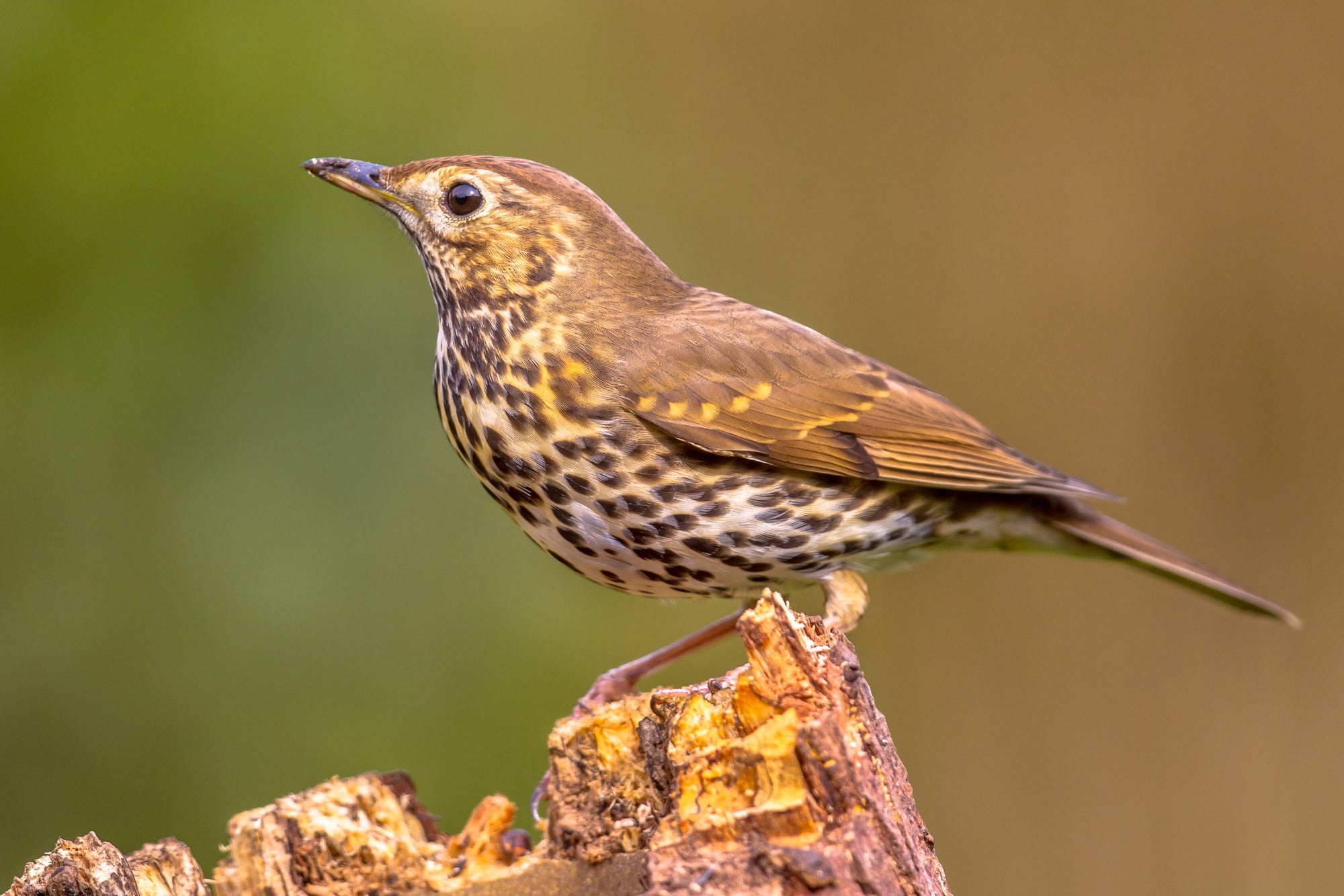
Song thrushes have converted specific rocks into personal workstations for snail processing activities. These birds select stones with appropriate texture and hardness characteristics, then use them repeatedly as anvils for shell-cracking operations.
Each thrush typically maintains several preferred rocks distributed throughout its territory, returning to these established locations on a daily basis. The birds develop such proficiency with their chosen anvils that they can crack open snail shells with just a few precise impacts, avoiding unnecessary energy expenditure through efficient technique.
From Simple Tools to Complex Strategies
These remarkable species demonstrate that intelligence manifests in countless forms throughout the natural world. What began as rudimentary behaviors like object manipulation has evolved into sophisticated hunting methodologies requiring advanced planning, exceptional patience, and precise execution.
Modern urban environments continue creating novel opportunities for tool-using birds, with species such as carrion crows adapting their techniques to exploit human technology and infrastructure developments. The next time you observe a bird engaged in what appears to be simple pecking behavior, consider looking more closely. You might be witnessing a master craftsman perfecting their trade.
More from Go2Tutors!

- The Romanov Crown Jewels and Their Tragic Fate
- 13 Historical Mysteries That Science Still Can’t Solve
- Famous Hoaxes That Fooled the World for Years
- 15 Child Stars with Tragic Adult Lives
- 16 Famous Jewelry Pieces in History
Like Go2Tutors’s content? Follow us on MSN.



