Real Reasons Major Video Game Franchises Ended
The gaming world has seen some of the biggest names rise to fame, only to disappear without warning. Fans would line up for midnight releases, spend countless hours exploring virtual worlds, and build communities around these beloved titles.
Then suddenly, the sequels stopped coming, the studios went quiet, and the franchises that once seemed unstoppable were just gone. Some of these endings came from behind-the-scenes drama that fans never saw coming.
Others fell victim to the changing times and shifting player expectations.
Silent Hill got trapped in company restructuring
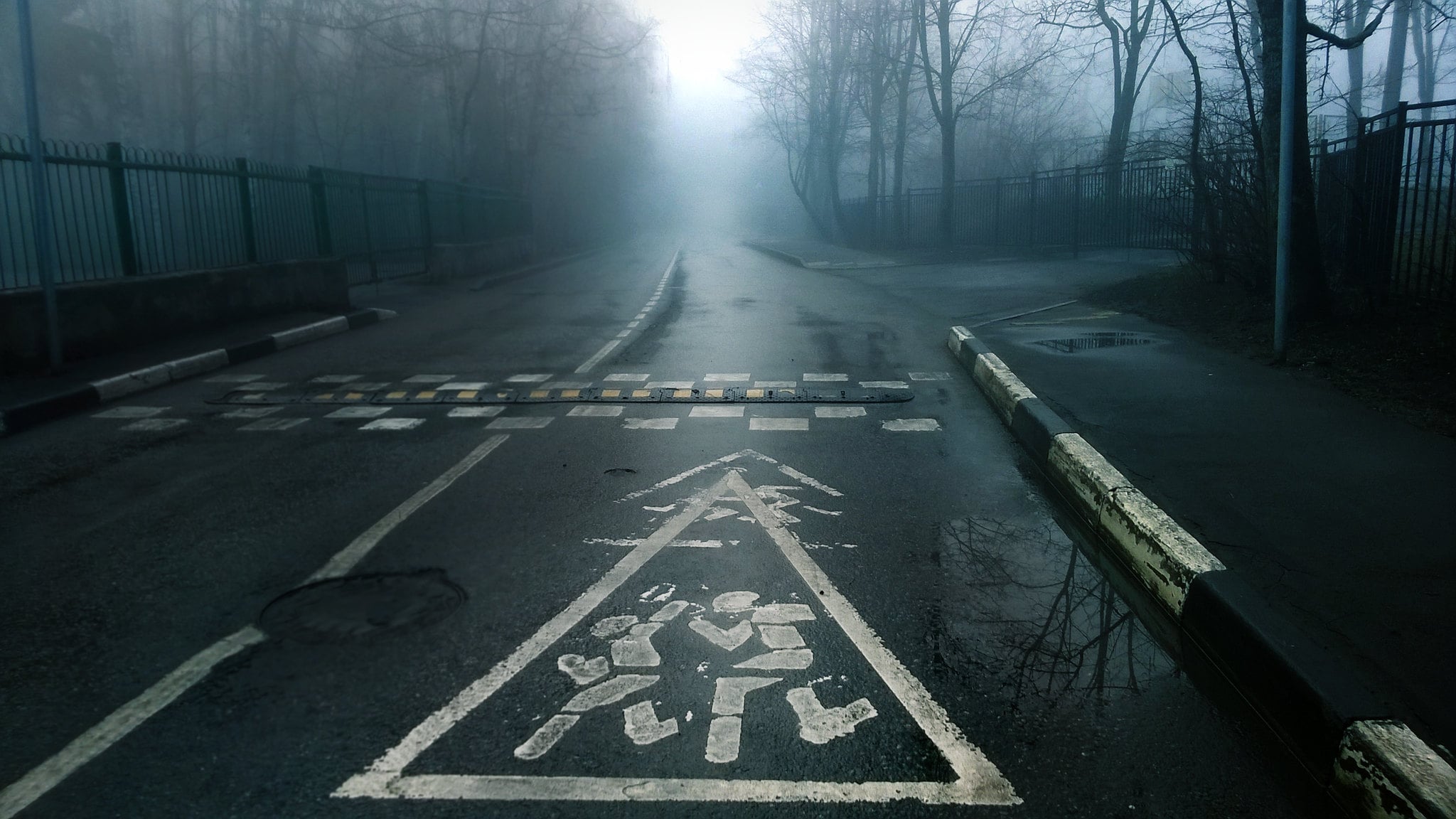
Konami’s decision to shift away from big-budget console games hit Silent Hill the hardest. The company wanted to focus on mobile games and pachinko machines because they brought in more money with less risk.
Development teams were shuffled around, key creative minds left the company, and the psychological horror series that defined a generation slowly faded away. The cancelled Silent Hills project with Hideo Kojima and Guillermo del Toro became a symbol of what could have been, leaving fans with nothing but a playable teaser that was eventually removed from digital stores.
Guitar Hero couldn’t keep up with its own success
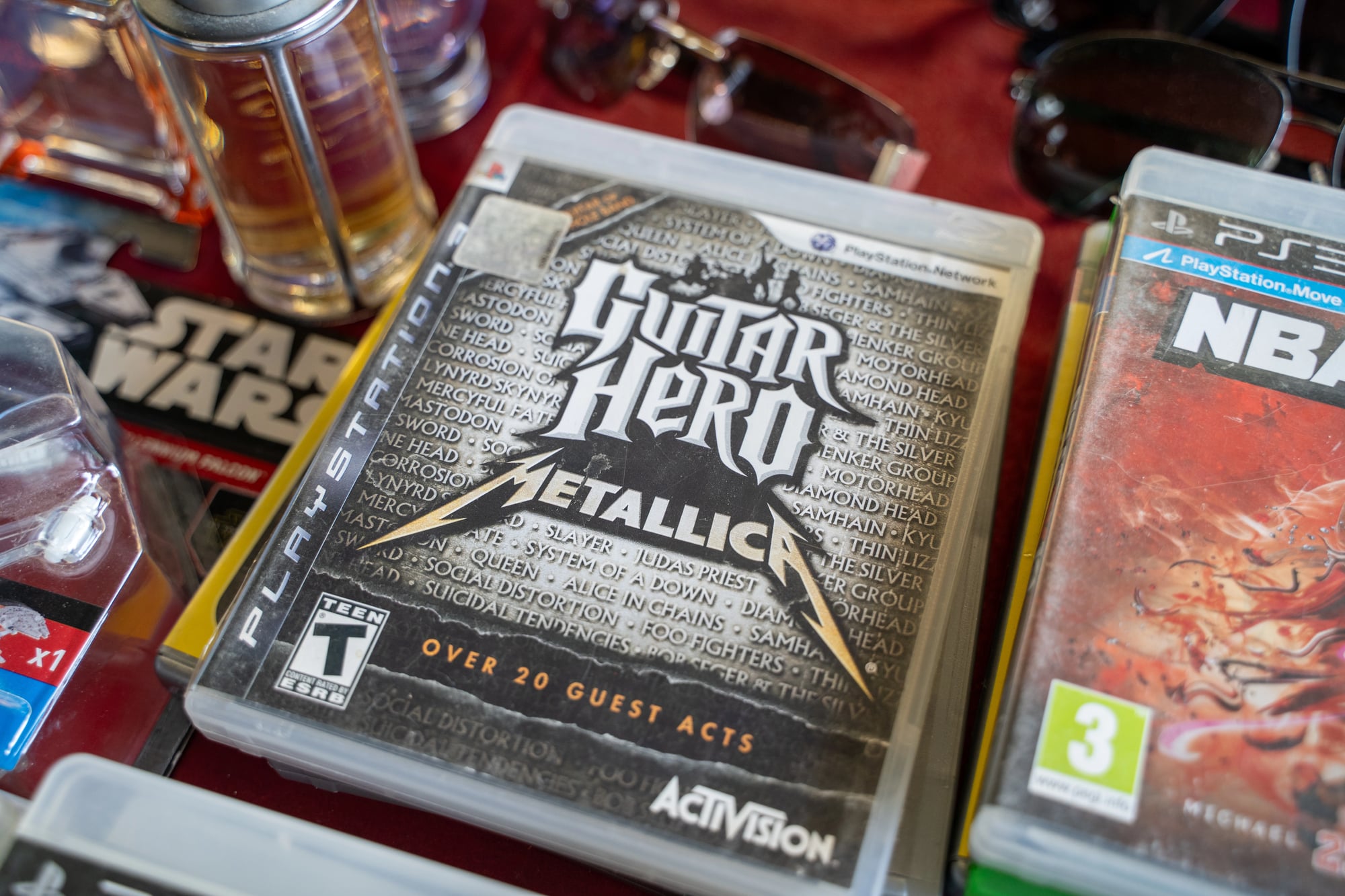
Activision released five main Guitar Hero games in just three years, flooding the market until players got tired. Everyone already owned plastic guitars gathering dust in their closets, and the cost of buying new instrument controllers for each game became too much.
The music rhythm genre that once packed living rooms with friends jamming together suddenly felt like a chore. Sales dropped dramatically, retailers were stuck with mountains of unsold inventory, and the franchise that made billions went silent.
Like Go2Tutors’s content? Follow us on MSN.
Mega Man lost its champion inside Capcom
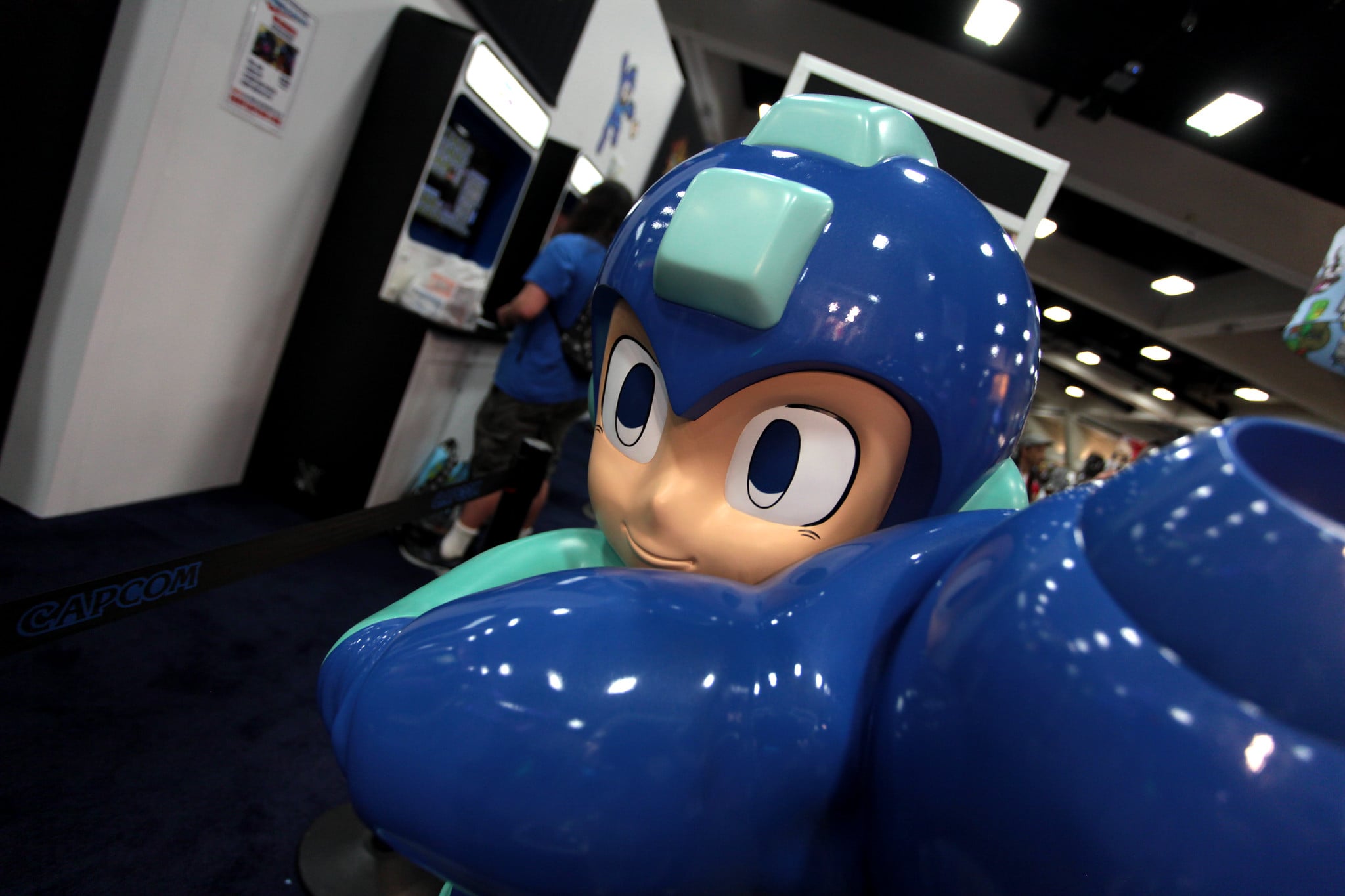
Keiji Inafune was the driving force behind Mega Man for decades, and when he left Capcom in 2010, the Blue Bomber’s future crumbled. The company cancelled multiple projects including Mega Man Legends 3, which had fans actively participating in its development.
Capcom seemed unsure about what to do with the character without Inafune’s guidance. Years passed with nothing but re-releases and mobile games while fans wondered if their hero would ever return to consoles.
TimeSplitters became a victim of studio closure
Free Radical Design created something special with the TimeSplitters series, but financial troubles during the 2008 recession hit them hard. Their ambitious project Haze failed to meet sales expectations, leaving the studio in a dangerous position.
Creditors forced Free Radical into administration, and the team that brought quirky characters and split-screen chaos to life was scattered. The franchise rights changed hands multiple times, but nobody seemed willing to take the risk of bringing it back.
Crash Bandicoot got lost in corporate deals
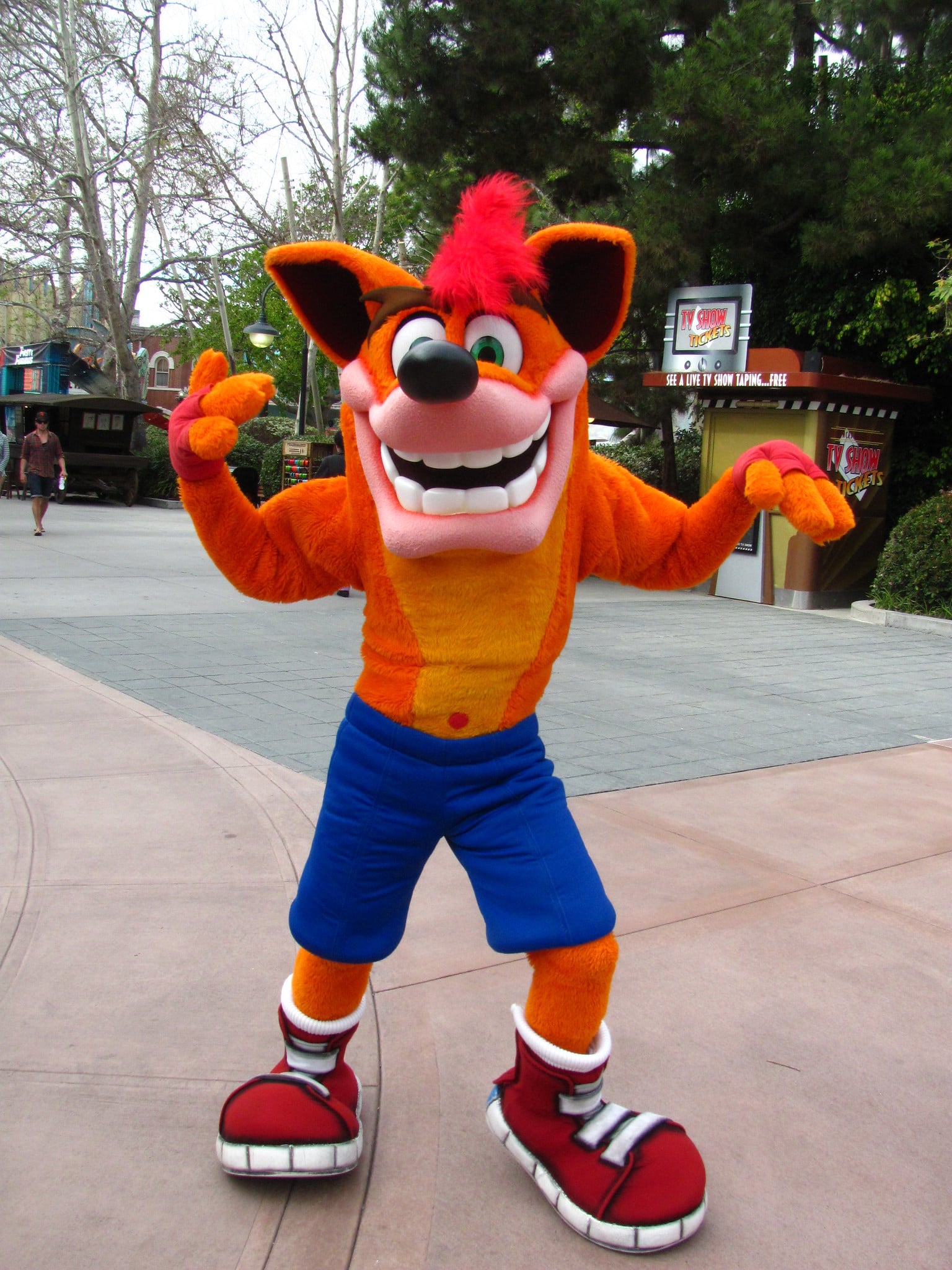
Universal Interactive Studios owned Crash initially, but when they sold the rights to Vivendi, things got complicated. The character became less of a priority as the new owners focused on other projects.
Multiple developers took turns making Crash games, but none captured the magic of the Naughty Dog originals. The franchise bounced around until it essentially went dormant, with each new owner seeming less interested than the last.
Like Go2Tutors’s content? Follow us on MSN.
Dead Space died with Visceral Games

Electronic Arts pushed Visceral Games to make Dead Space 3 more action-oriented and include microtransactions, which alienated the horror fans who loved the series. The game didn’t sell enough copies to meet EA’s expectations despite moving millions of units.
The publisher eventually shut down Visceral Games completely, and with it went any hope of continuing Isaac Clarke’s story. The studio that perfected sci-fi horror was gone, and the franchise went with them.
F-Zero couldn’t find its place in modern racing
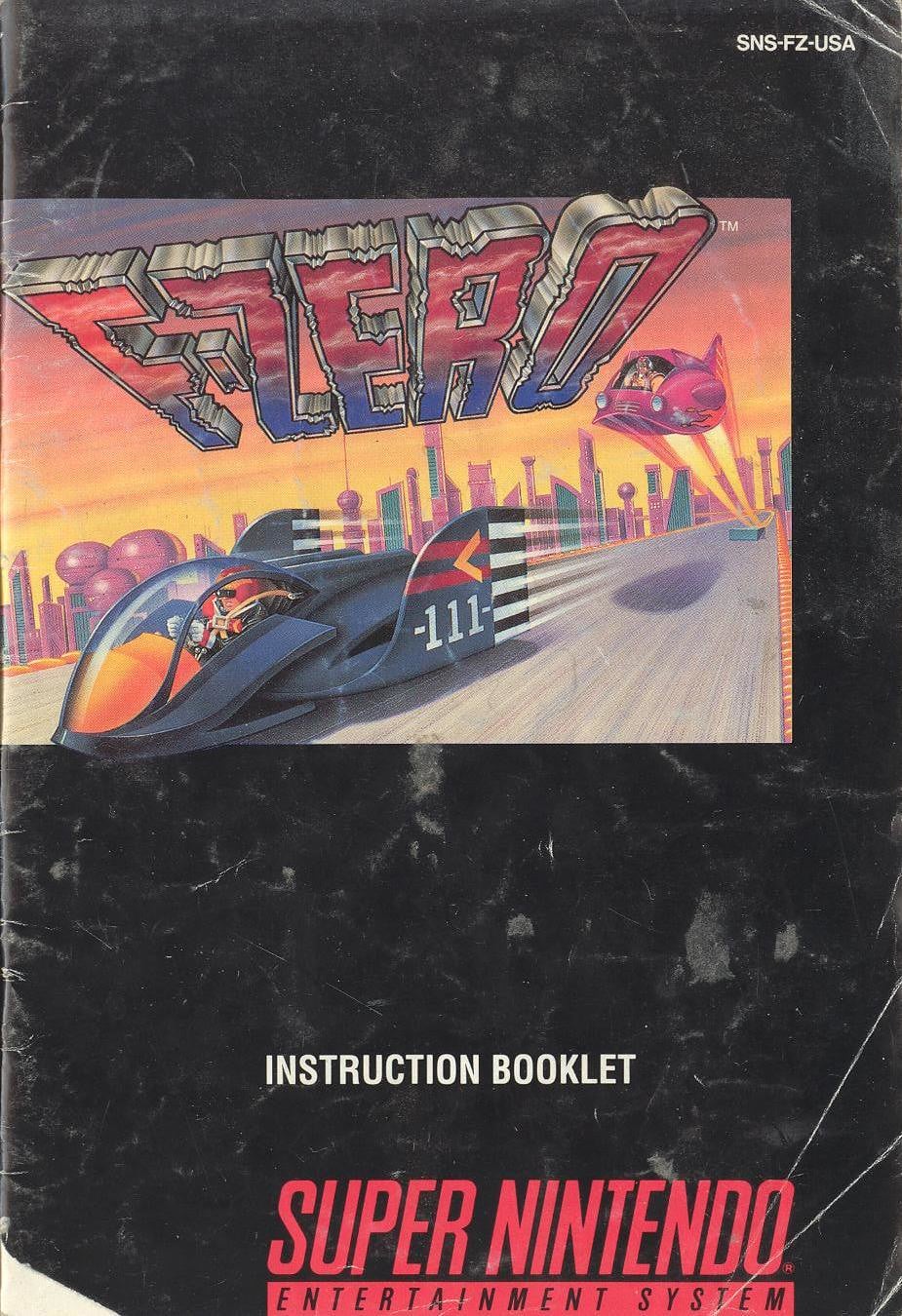
Nintendo felt F-Zero didn’t have enough room to grow beyond what it already offered. Mario Kart dominated the racing space on Nintendo platforms and brought in far more revenue.
The high-speed futuristic racing that made F-Zero unique became harder to justify when development resources could go elsewhere. Captain Falcon became more famous for Super Smash Bros than his own series, and Nintendo simply stopped making new entries.
Like Go2Tutors’s content? Follow us on MSN.
Jak and Daxter couldn’t survive Naughty Dog’s evolution
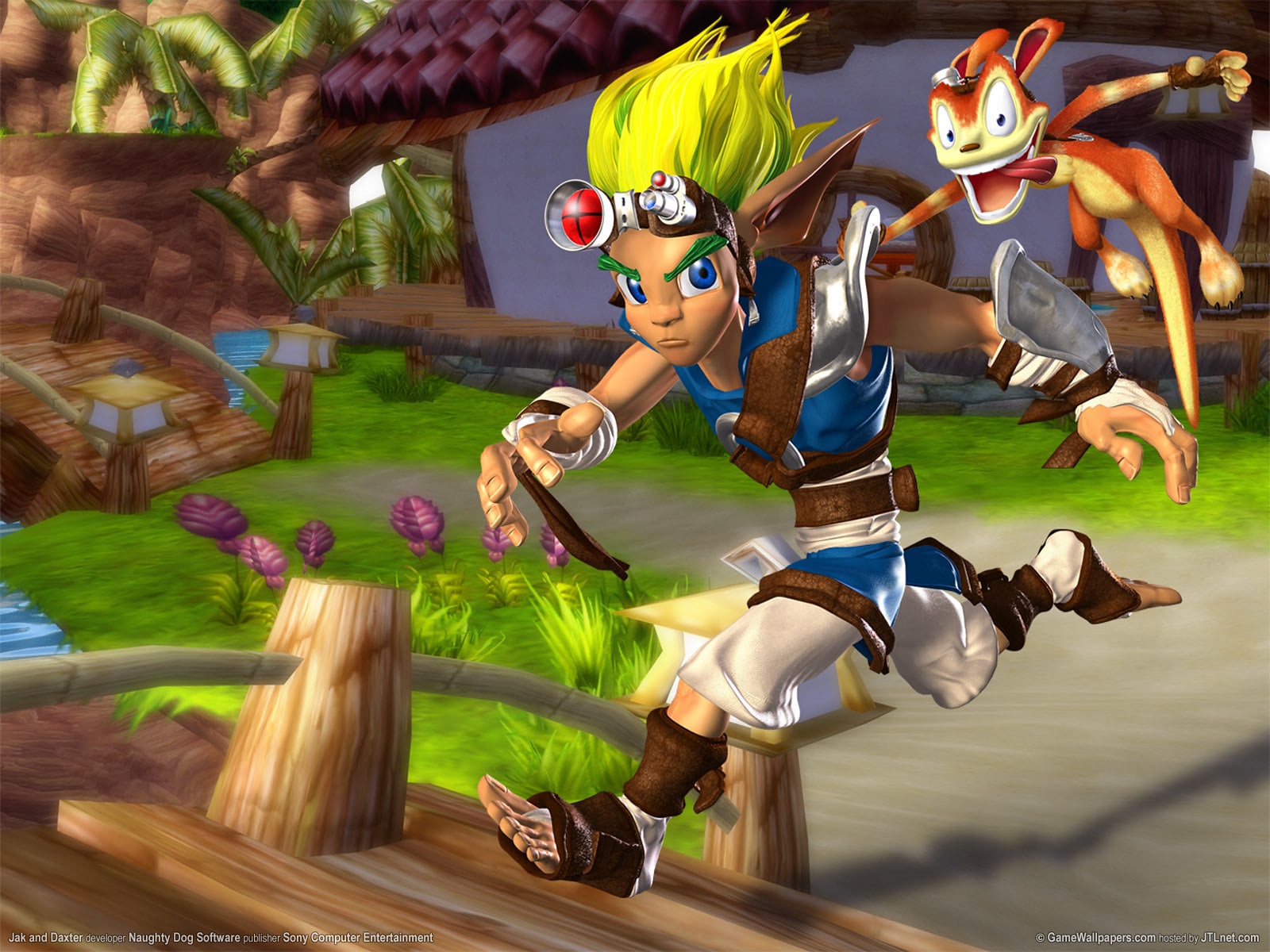
Naughty Dog wanted to push into more realistic storytelling and mature themes, which didn’t fit with Jak and Daxter’s world. The team poured their energy into Uncharted and later The Last of Us, finding critical acclaim and commercial success.
Sony never pressured them to return to the platforming duo because the new direction was working brilliantly. The cartoony adventure series became a relic of the PlayStation 2 era, fondly remembered but not coming back.
Tony Hawk’s Pro Skater wore out its welcome
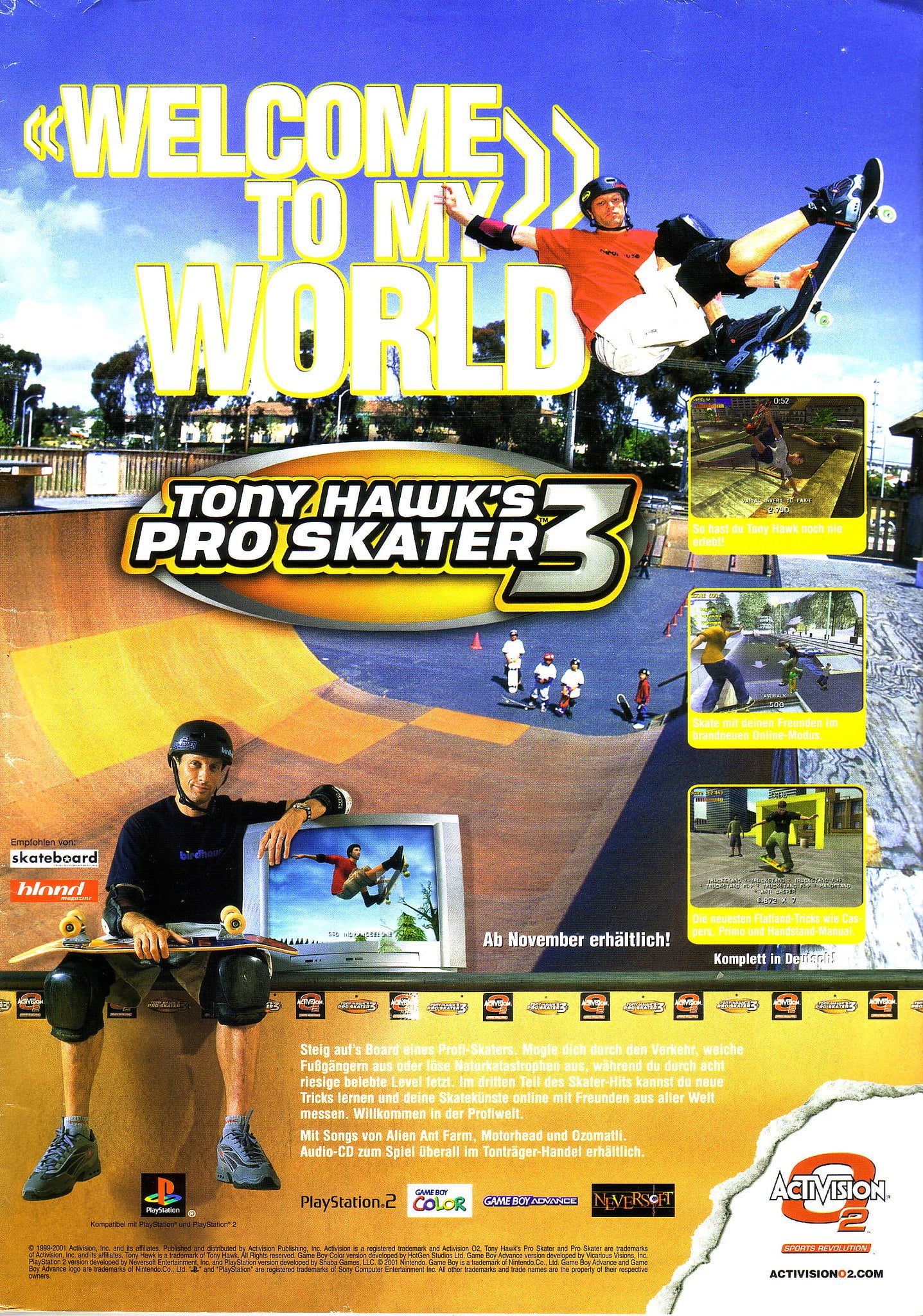
Activision released a new Tony Hawk game almost every single year for a decade, and players eventually stopped caring. The quality declined as developers rushed to meet annual deadlines, and the gameplay stopped evolving in meaningful ways.
Tony Hawk’s Pro Skater 5 was so broken and poorly received that it damaged the brand beyond repair. The skating legend’s name on a game box went from a guarantee of quality to a warning sign.
Darksiders lost its studio twice
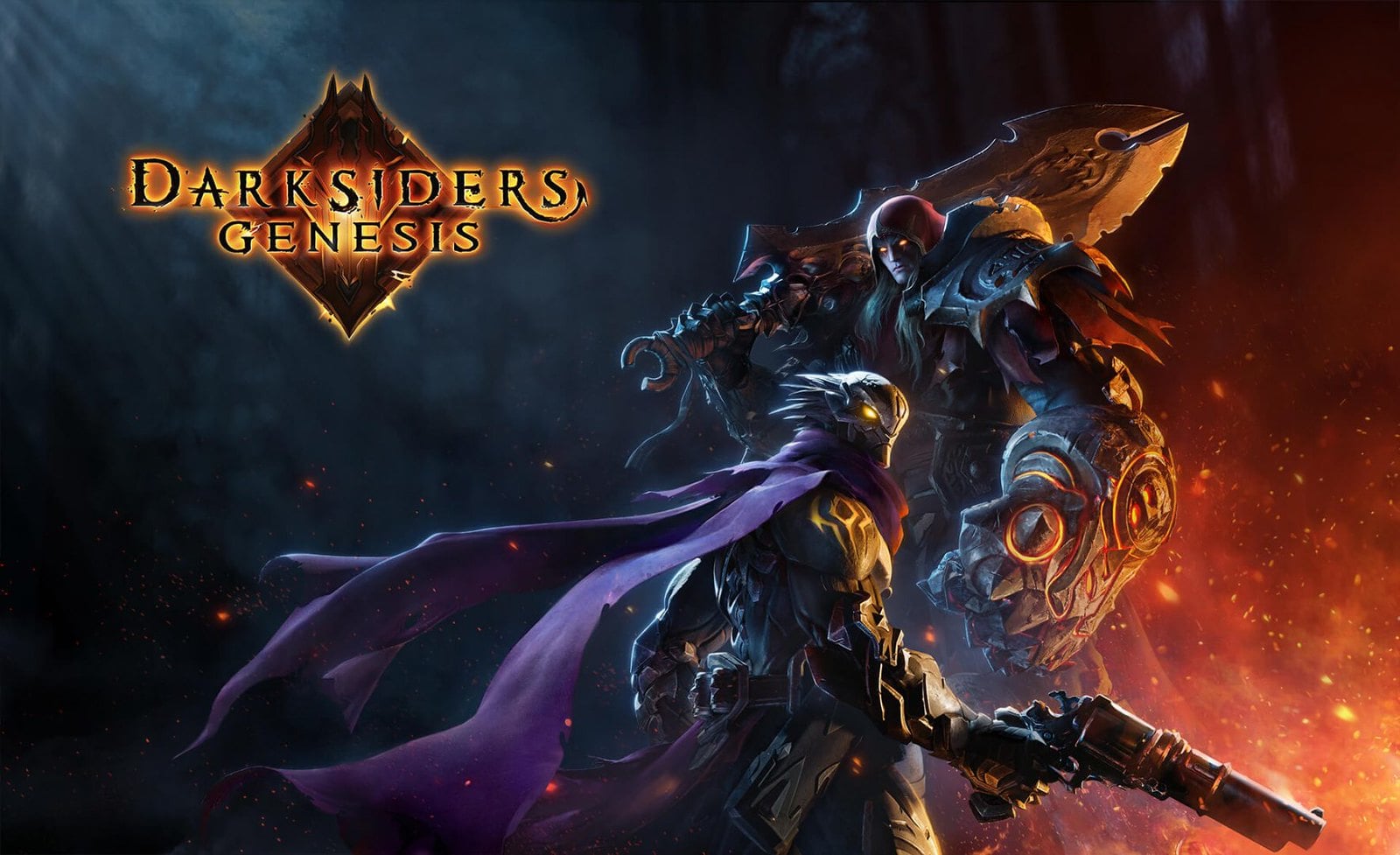
THQ’s bankruptcy scattered the Darksiders team and left the franchise in limbo for years. Nordic Games eventually bought the rights and reformed the studio, but the momentum was completely lost.
Each delay pushed the franchise further from relevance in an increasingly crowded market. By the time Darksiders 3 finally arrived, the gaming landscape had changed so much that it struggled to find an audience.
Like Go2Tutors’s content? Follow us on MSN.
Command and Conquer fell to free-to-play experiments
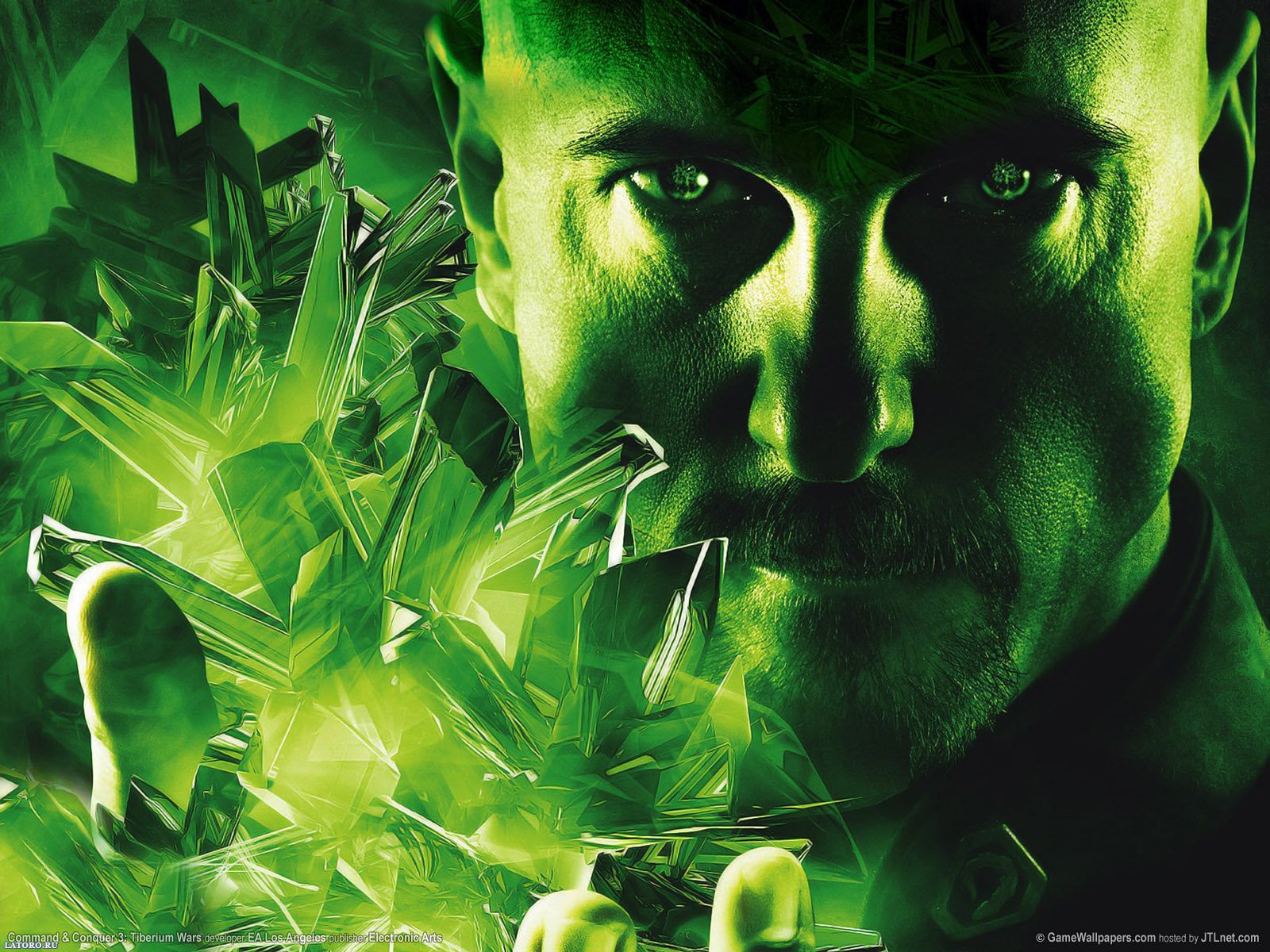
Electronic Arts tried to transform Command and Conquer into a free-to-play game with Command and Conquer 4, which destroyed the strategic gameplay fans loved. The base-building and resource management that defined the series were stripped away.
Fans rejected the changes immediately, and EA’s Victory Games studio was shut down not long after. The real-time strategy giant that once competed with StarCraft became another casualty of misguided business decisions.
Banjo-Kazooie couldn’t return after Rare’s Microsoft buyover
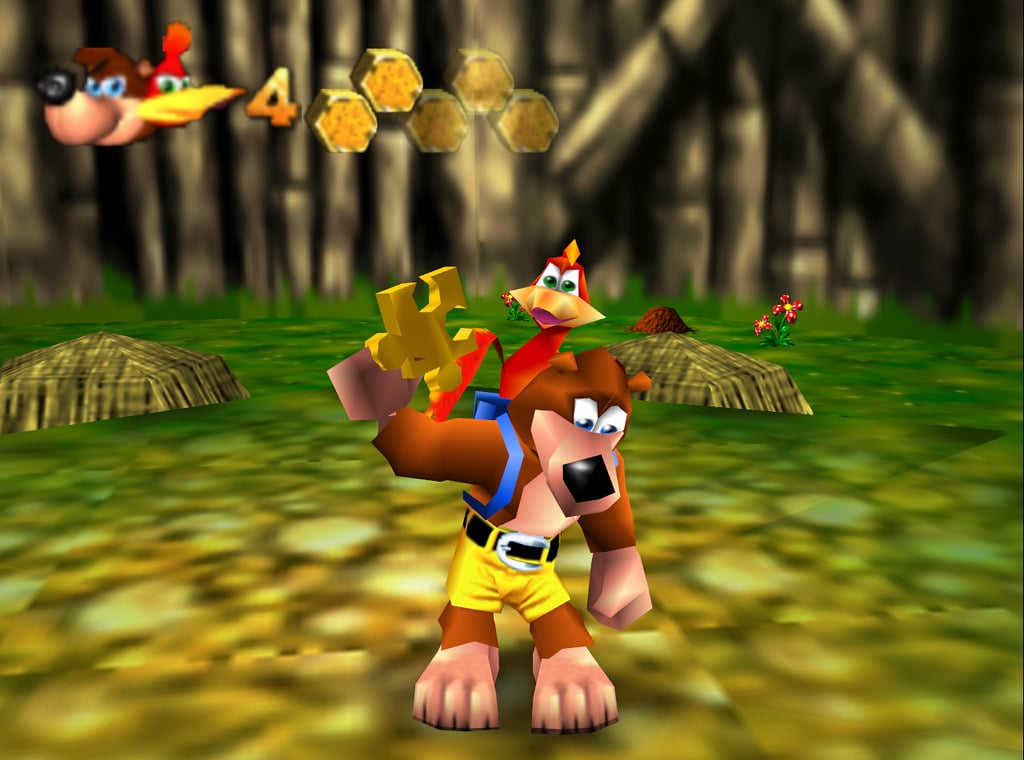
Microsoft purchased Rare in 2002, expecting them to create hits for Xbox, but the magic didn’t translate. Banjo-Kazooie: Nuts and Bolts tried something completely different with vehicle building, and longtime fans felt betrayed.
The charm of the original platformers seemed impossible to recapture with the team fragmented and working under new corporate pressure. Rare’s identity changed completely, and with it went any real chance of the bear and bird duo making a proper comeback.
Left 4 Dead stopped when Valve stopped counting to three
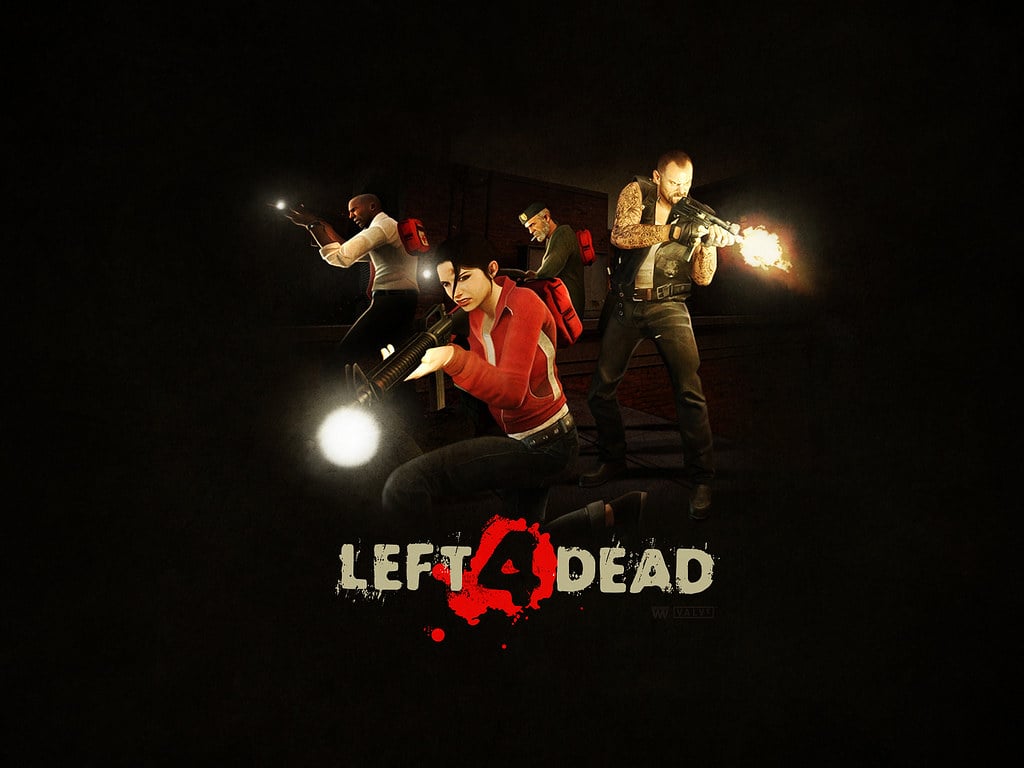
Valve’s shift toward service games like Dota 2 and Counter-Strike meant traditional sequels became less important. The company’s flat structure let employees work on whatever interested them, and apparently nobody was passionate enough about Left 4 Dead 3.
Fans begged for years, but Valve remained silent on the franchise’s future. The cooperative zombie shooter that revolutionized team-based gameplay just quietly ended at the second installment.
Like Go2Tutors’s content? Follow us on MSN.
Sleeping Dogs couldn’t overcome its troubled development
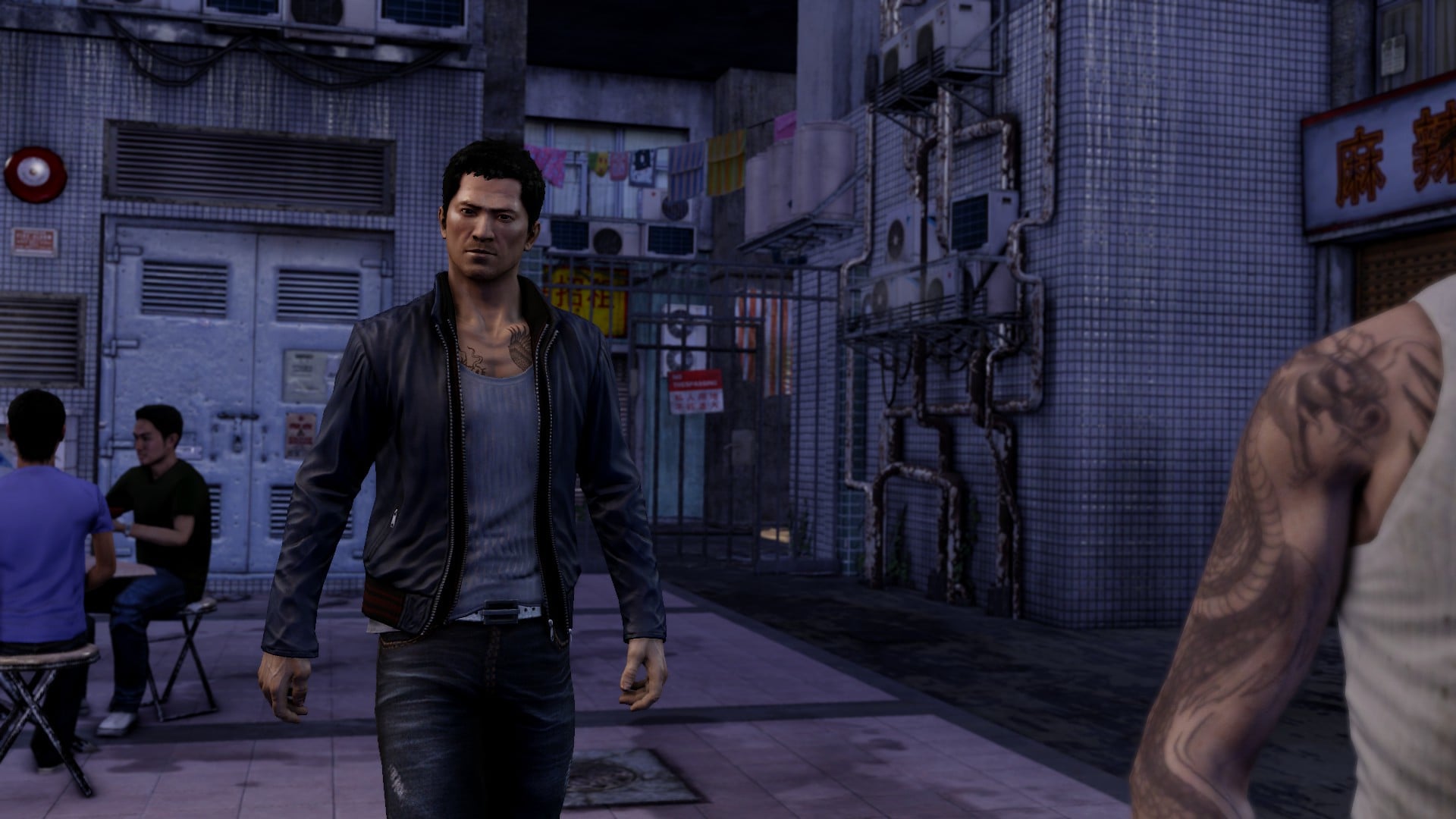
The game started as a True Crime sequel before Activision cancelled it and United Front Games rescued it as a new IP. Despite critical praise and solid sales, Square Enix declared it didn’t meet their expectations.
The publisher’s unrealistic sales targets killed any chance of a sequel before it could start. United Front Games closed down in 2016, taking with them any hope of revisiting Hong Kong’s underworld.
Splinter Cell got caught between action and stealth
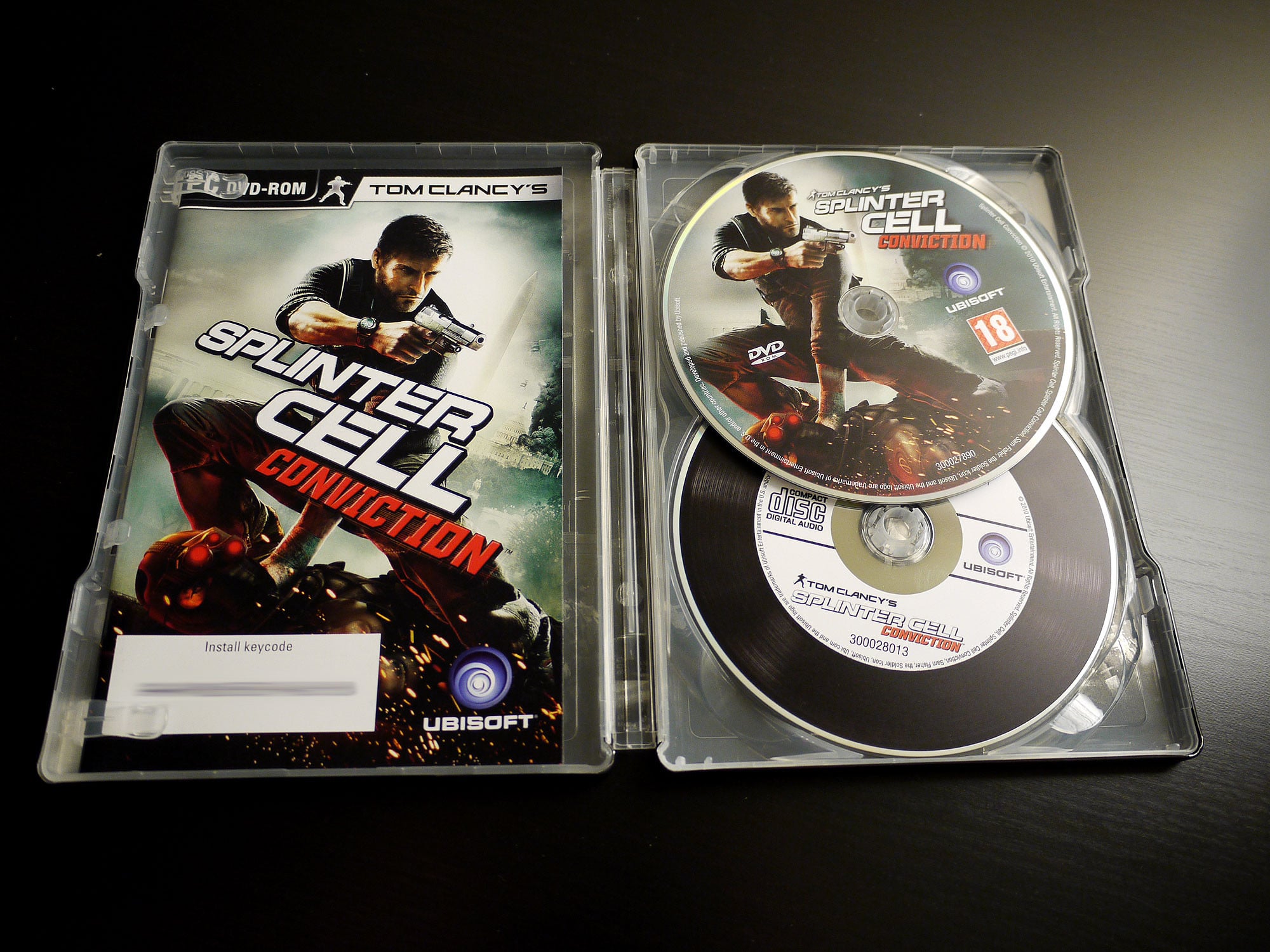
Ubisoft kept trying to make Sam Fisher appeal to broader audiences by adding more action elements, which frustrated stealth purists. The franchise lost its identity somewhere between hardcore stealth simulation and action game.
Blacklist sold decently but not enough to justify the development costs for Ubisoft’s growing expectations. The publisher kept promising Sam Fisher would return, but decades passed with nothing but guest appearances in other games.
SSX couldn’t carve through changing sports game trends

EA tried to reboot SSX in 2012 with a darker, more realistic tone that didn’t match the series’ arcade roots. The snowboarding market had also shrunk considerably as players gravitated toward other sports games.
Development costs for winter sports games were harder to justify when football and basketball titles brought in guaranteed revenue. The franchise that defined over-the-top snowboarding entertainment quietly disappeared from EA’s lineup.
Like Go2Tutors’s content? Follow us on MSN.
Resistance fell when Insomniac moved on
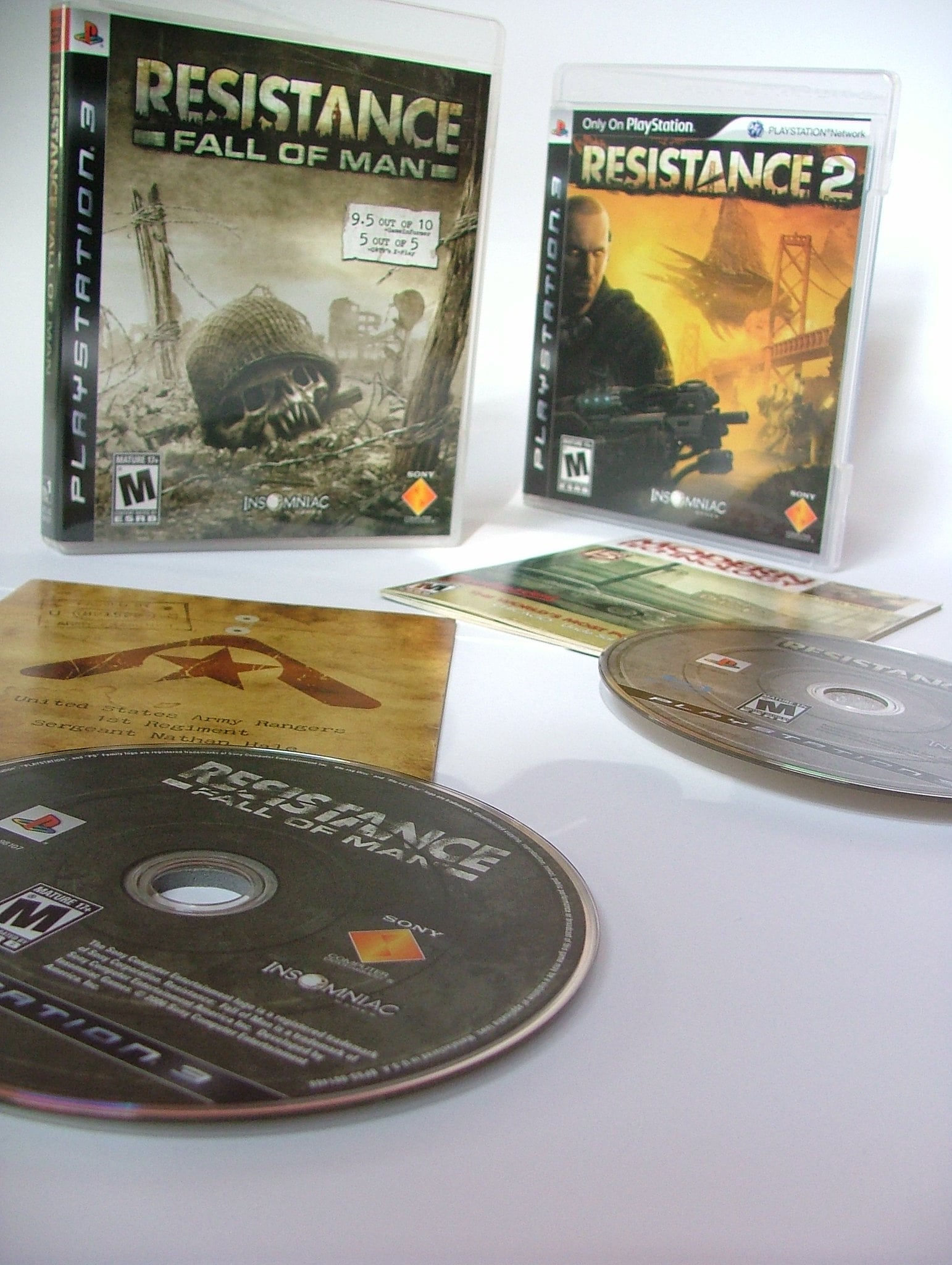
Insomniac Games created Resistance as a PlayStation exclusive, but the studio wanted independence and multiplatform freedom. Sony owned the Resistance IP, so when Insomniac went independent, the franchise stayed behind.
Nobody at Sony seemed interested in handing the series to another developer. The alien invasion storyline ended abruptly with Resistance 3, leaving questions unanswered and fans disappointed.
Prince of Persia couldn’t survive its own reboot fatigue
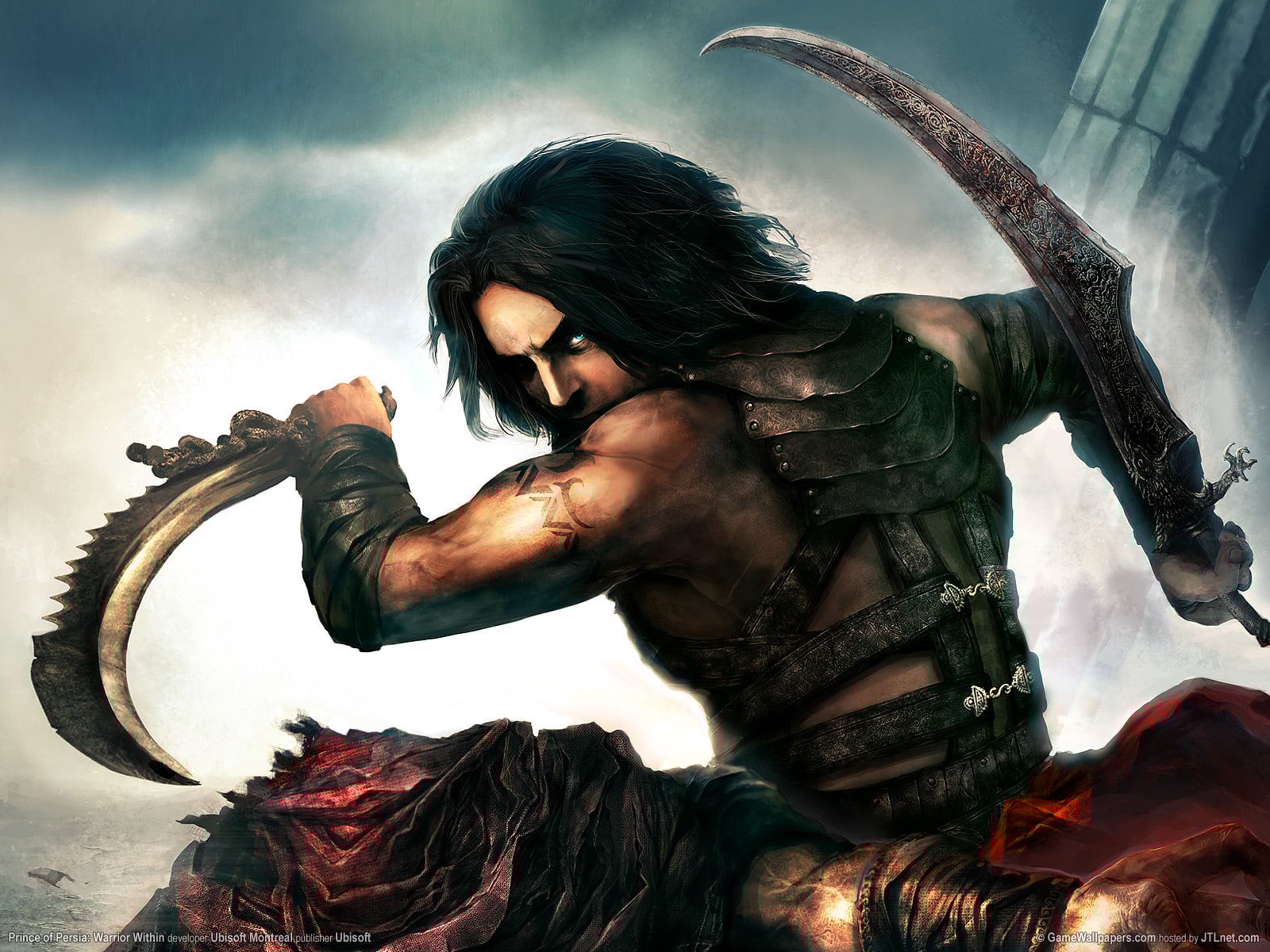
Ubisoft kept rebooting Prince of Persia with different art styles and gameplay approaches, confusing the fanbase. The 2008 cel-shaded reboot divided fans despite its beauty, and the follow-up DLC didn’t resolve the cliffhanger.
The publisher then shifted focus entirely to Assassin’s Creed, which shared similar gameplay but sold better. The Prince’s acrobatic adventures became less important as Ubisoft found more profitable ventures.
When the game is truly over
These franchises shaped entire generations of players and defined what gaming could be. They created memories, inspired developers, and built communities that still exist today even without new games to play.
The reasons they ended tell the story of an industry that moves faster than nostalgia can keep up, where business decisions often matter more than creative vision. Some of these names might return someday, but for now they remain frozen in time, reminders that even the biggest gaming empires can crumble when circumstances shift.
Like Go2Tutors’s content? Follow us on MSN.
More from Go2Tutors!

- 16 Historical Figures Who Were Nothing Like You Think
- 12 Things Sold in the 80s That Are Now Illegal
- 15 VHS Tapes That Could Be Worth Thousands
- 17 Historical “What Ifs” That Would Have Changed Everything
- 18 TV Shows That Vanished Without a Finale
Like Go2Tutors’s content? Follow us on MSN.