Longest Running Sitcoms Of All Time
Television has given us comfort, laughter, and a sense of home through shows that became part of our daily routines. Some sitcoms didn’t just entertain for a season or two—they stayed with us for decades, becoming cultural institutions that shaped how we think about family, friendship, and humor itself.
These shows didn’t survive because they were perfect; they survived because they connected with real people dealing with real life, even when the situations were anything but realistic. So let’s look at the sitcoms that refused to quit, the ones that kept audiences coming back year after year, sometimes for longer than many marriages last.
The Simpsons
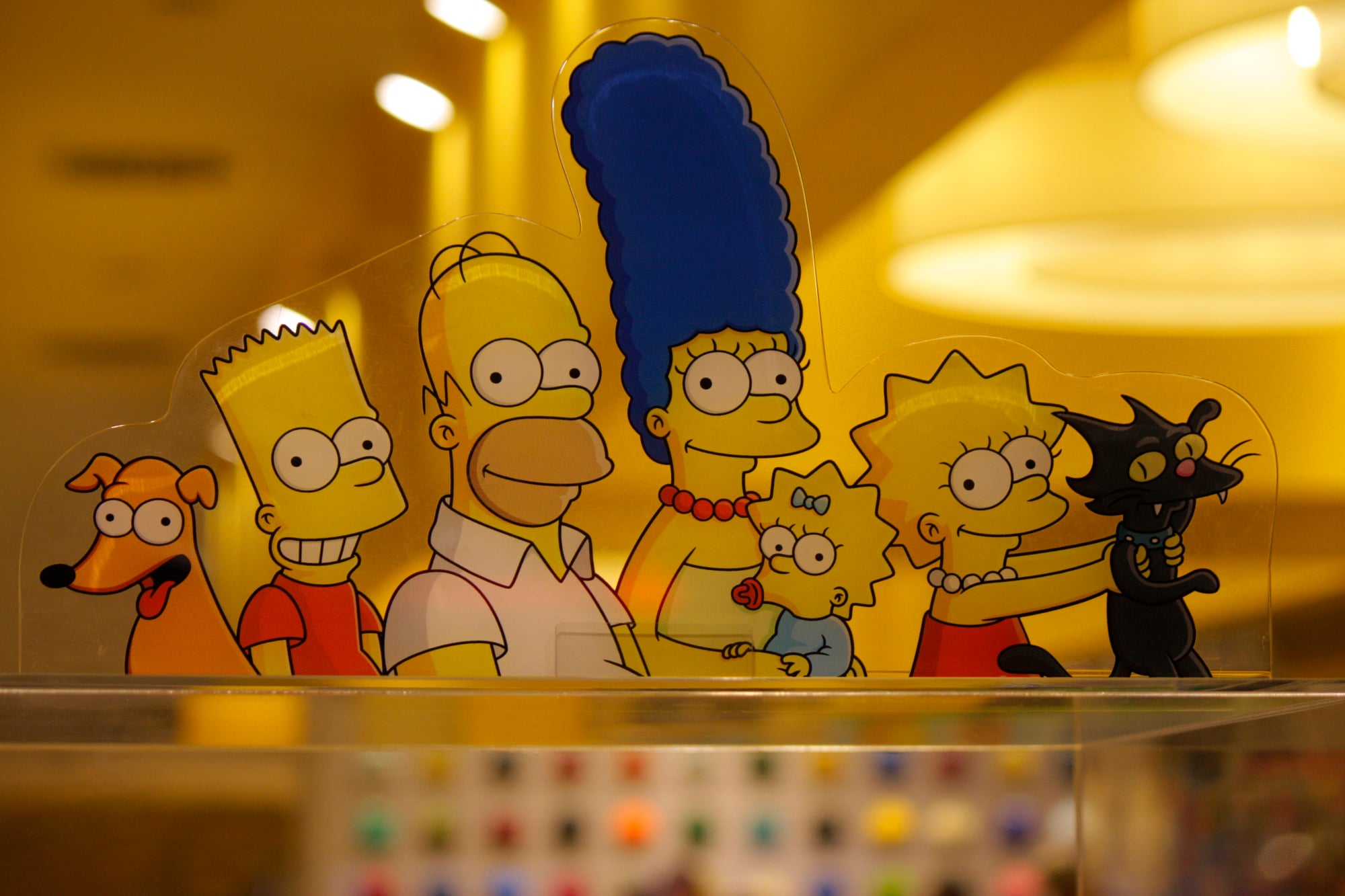
This animated family from Springfield has been on the air since 1989, making it the longest running American sitcom in history. Homer, Marge, Bart, Lisa, and Maggie have stayed the same age for over three decades while the world around them changed completely.
The show started as edgy counterprogramming and became such a fixture of American culture that it’s now considered traditional. With more than 750 episodes aired, The Simpsons has outlasted nearly every other show on television, proving that yellow cartoon characters can have more staying power than most live actors.
Gunsmoke
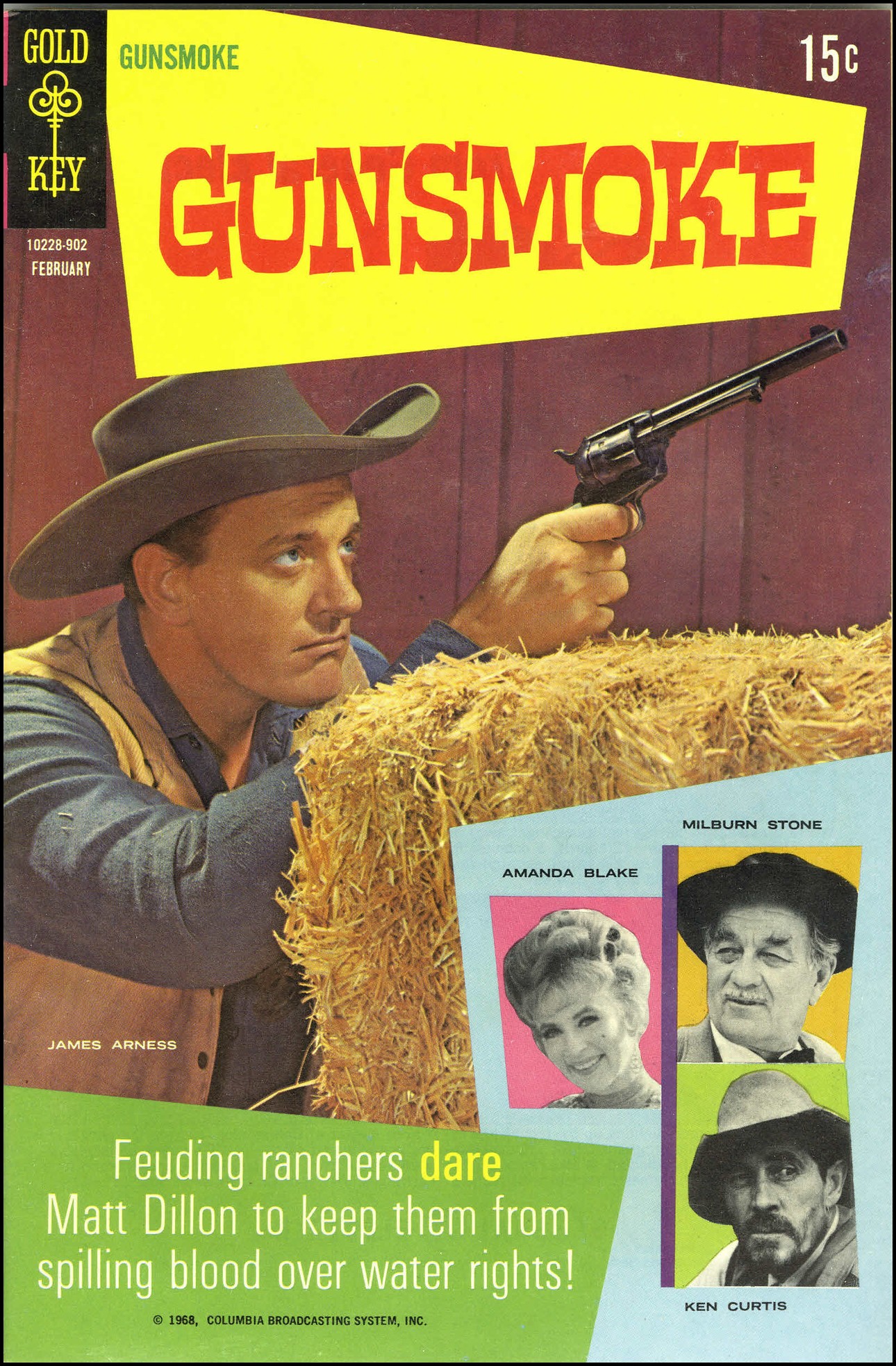
Before anyone thinks sitcoms are a modern invention, Gunsmoke ran for 20 seasons from 1955 to 1975, making it one of the longest running shows in television history. While it was primarily a Western drama, the show had enough light moments and character-driven humor to blur genre lines.
Marshall Matt Dillon and the folks of Dodge City became fixtures in American living rooms for two full decades. The show aired 635 episodes, which was unheard of at the time and remains impressive even by today’s standards.
Lassie

That famous collie ran across television screens for 19 seasons between 1954 and 1973. The show followed various families and their beloved dog through different storylines and settings, always managing to find drama and warmth in the simple relationship between humans and their four-legged companion.
Multiple dogs actually played Lassie over the years, but audiences never seemed to notice or care. The series produced 591 episodes and became such a part of American childhood that ‘Timmy’s in the well’ became a cultural reference point even for people who never watched a single episode.
Law & Order: Special Victims Unit
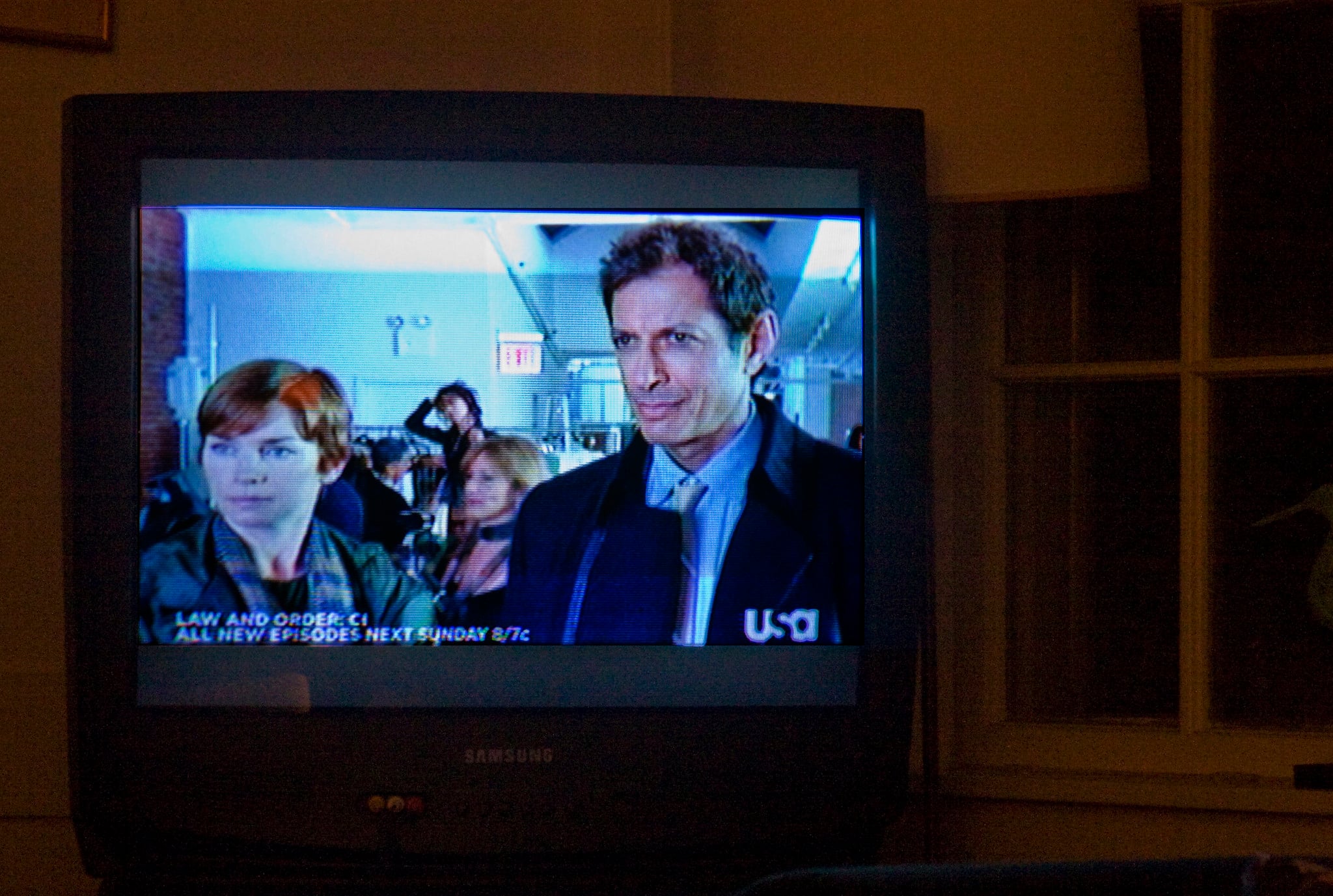
This police procedural has been solving crimes in New York City since 1999, making it the longest running primetime drama currently on television. Detective Olivia Benson has been the constant through 25 seasons and counting, with Mariska Hargitay becoming synonymous with the role.
The show’s format of ‘ripped from the headlines’ stories kept it relevant through massive cultural shifts. With over 550 episodes aired, SVU has become a comfort viewing for millions who fall asleep to the familiar ‘dun dun’ sound effect every night.
Grey’s Anatomy
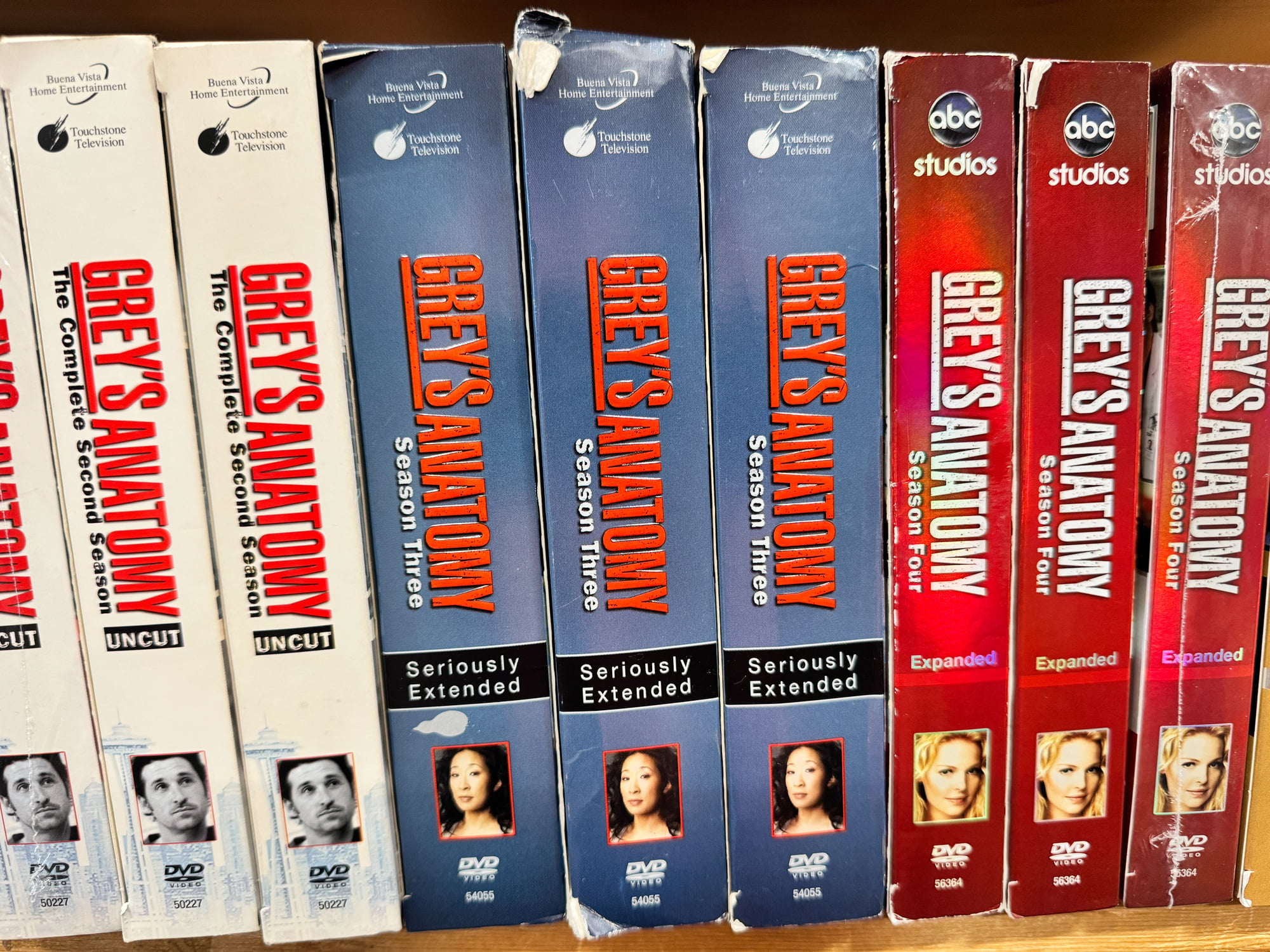
Shonda Rhimes created this medical drama in 2005, and it’s still operating on patients at Grey Sloan Memorial Hospital. The show has gone through so many cast changes that almost none of the original interns remain, yet it keeps finding new audiences.
Meredith Grey narrated her way through 20 seasons before the show continued without her in season 21. The series has aired over 440 episodes, making it the longest running primetime medical drama ever.
People joke about how many tragic events can happen at one hospital, but viewers keep tuning in anyway.
NCIS

This naval crime drama started in 2003 as a spin-off and became more popular than its parent show. Special Agent Leroy Jethro Gibbs and his team investigated crimes involving the Navy and Marine Corps for 21 seasons, with the show continuing even after lead actor Mark Harmon departed.
The series has produced over 460 episodes and spawned multiple international versions. NCIS found a formula that worked—mixing procedural crime solving with character development and just enough humor to keep things from getting too dark—and stuck with it.
Ozzie and Harriet
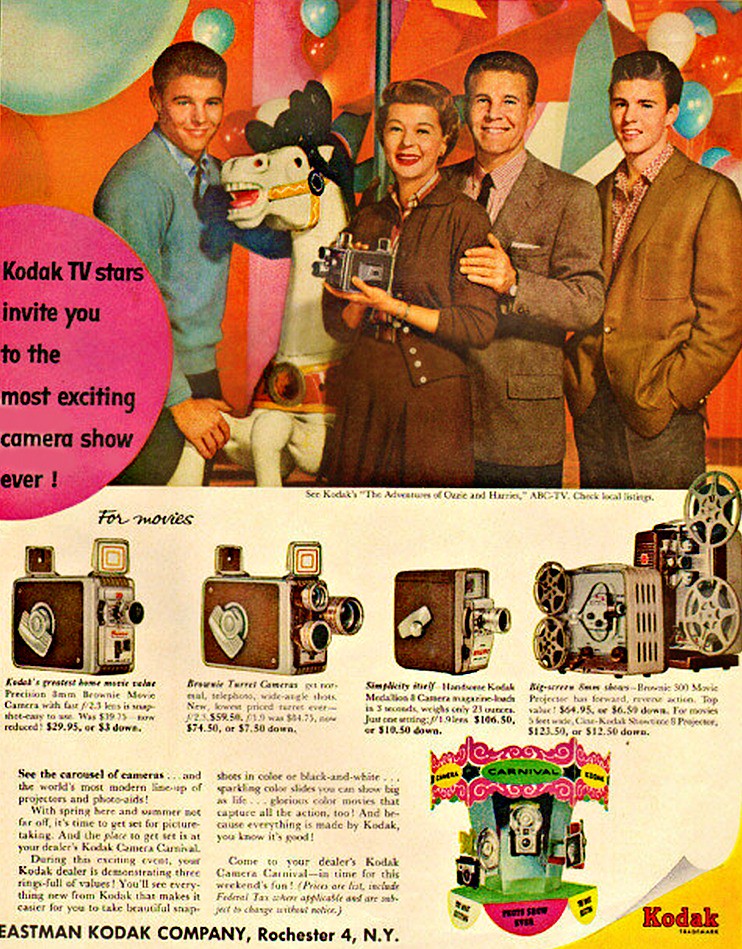
This family sitcom ran for 14 seasons from 1952 to 1966, airing 435 episodes total. What made it unusual was that it starred the real Nelson family playing fictionalized versions of themselves.
Ozzie, Harriet, David, and Ricky Nelson brought their actual family dynamics to the screen, though everything was considerably sanitized for 1950s television. The show defined what a family sitcom could be and set the template that others would follow for decades.
By the time it ended, America had literally watched the Nelson boys grow up on screen.
My Three Sons

This show about a widowed father raising his boys ran for 12 seasons from 1960 to 1972. Fred MacMurray played Steve Douglas, a man navigating parenthood without a wife in an era when that was rarely depicted on television.
The show went through cast changes, setting changes, and even moved from ABC to CBS mid-run, but it kept finding an audience. It produced 380 episodes and showed that family sitcoms didn’t need to follow the traditional two-parent model to succeed.
Bonanza

The Cartwright family ran the Ponderosa Ranch for 14 seasons from 1959 to 1973. Ben Cartwright and his three sons became Sunday night staples for American families, with the show airing 431 episodes total.
Bonanza was one of the first Western series filmed in color, which helped it stand out in an era when Westerns dominated television. The show balanced action, drama, and family dynamics in ways that kept multiple generations watching together.
Cheers

This Boston bar ‘where everybody knows your name’ poured drinks for 11 seasons from 1982 to 1993. Sam Malone, Diane Chambers, and later Rebecca Howe led a cast of regulars who felt like actual friends to viewers.
The show produced 275 episodes and won 28 Emmy Awards, proving that a sitcom set almost entirely in one location could captivate audiences for over a decade. Cheers mastered the art of character-driven comedy, where the jokes came from who these people were rather than contrived situations.
Frasier
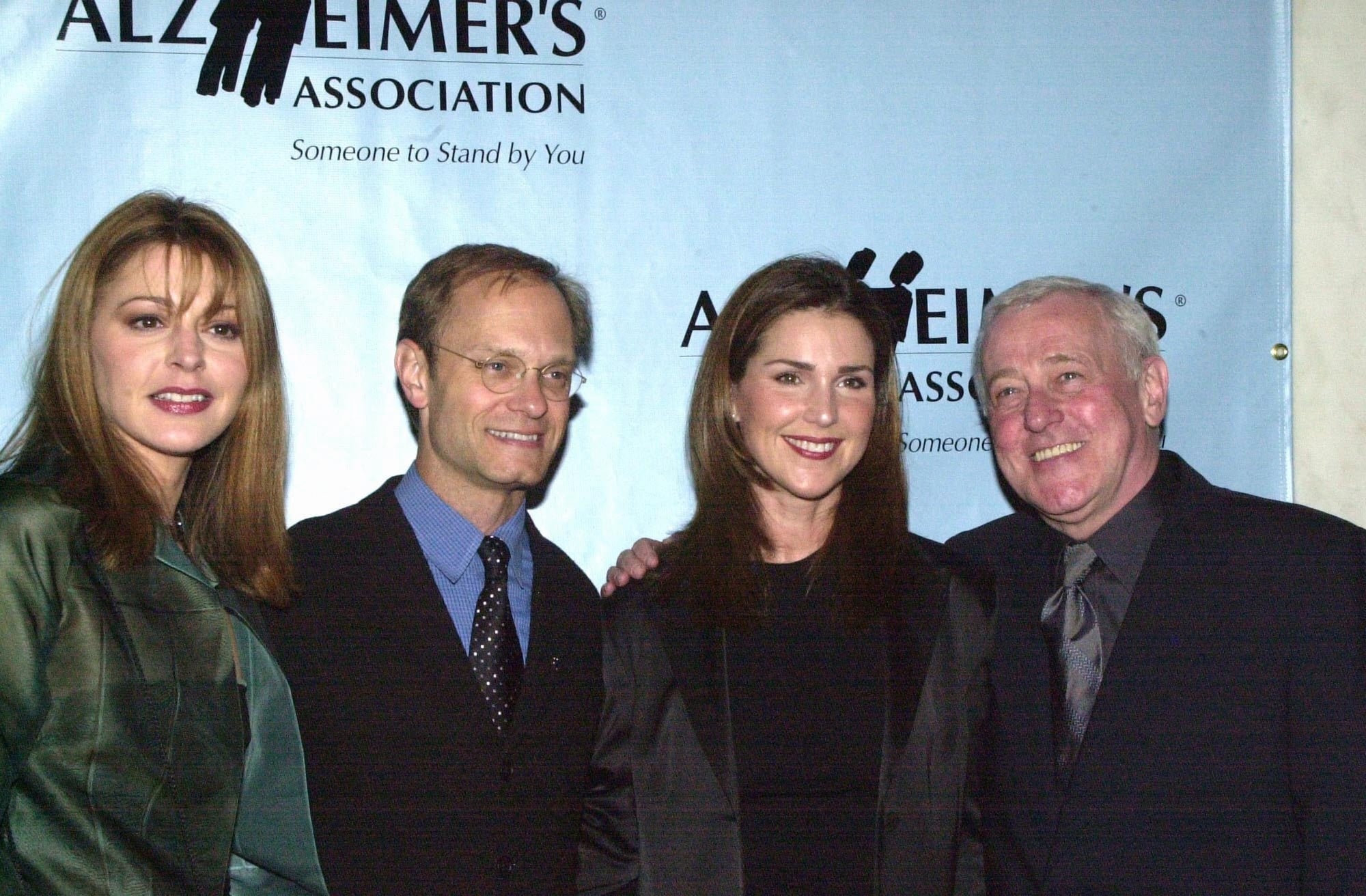
After Cheers ended, Kelsey Grammer took his character Frasier Crane to Seattle for 11 seasons from 1993 to 2004. The psychiatrist’s new life with his father, brother Niles, and producer Roz created a different kind of comedy than the Boston bar had offered.
The show aired 264 episodes and won 37 Emmy Awards, the most ever for a comedy series. Frasier proved that spin-offs could not only succeed but potentially surpass their parent shows in critical acclaim.
MAS*H
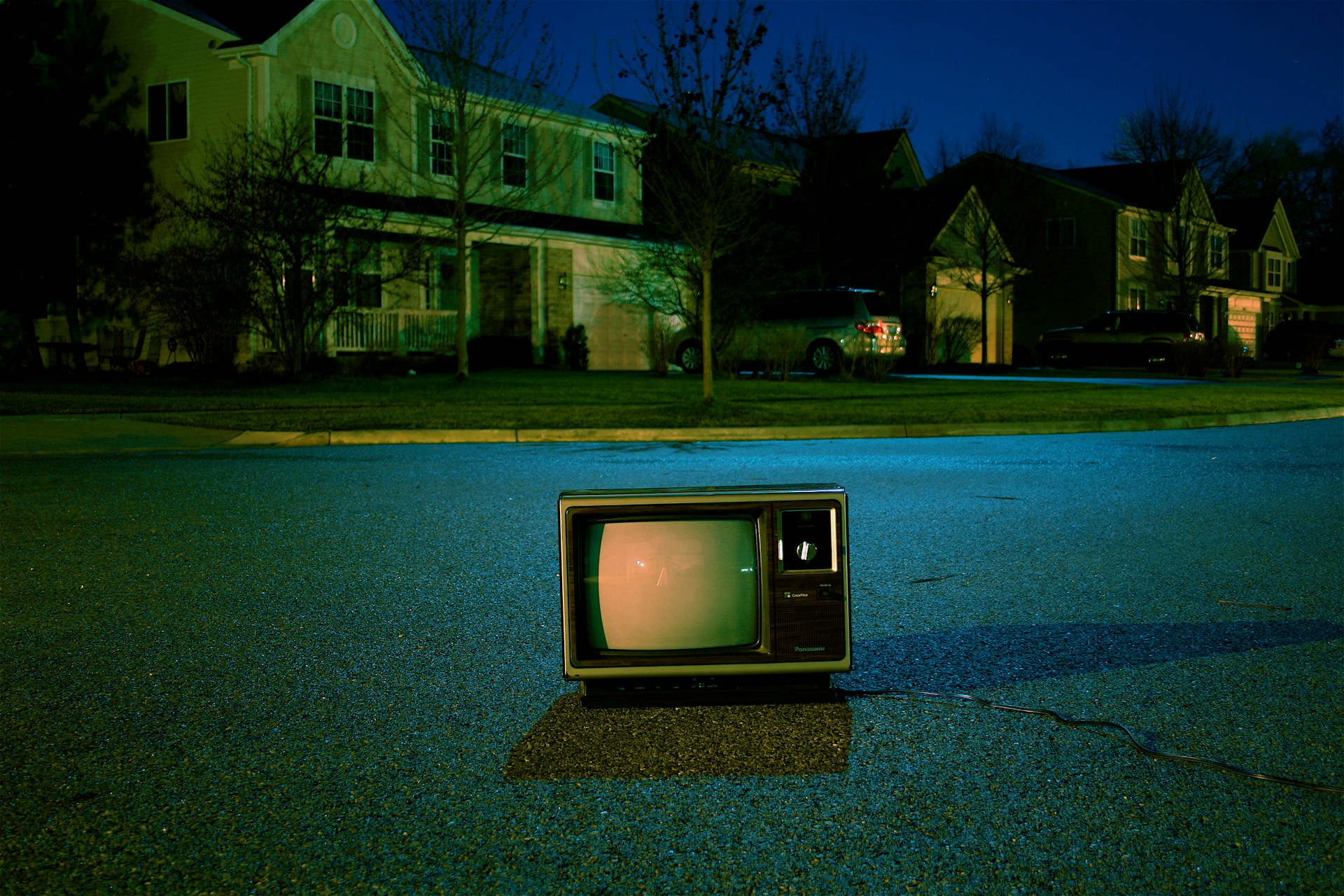
This Korean War comedy-drama ran for 11 seasons from 1972 to 1983, lasting much longer than the actual war it depicted. The 4077th Mobile Army Surgical Hospital became home to characters who used humor to cope with the horrors around them.
The series finale remains one of the most watched television events in American history, with over 105 million viewers tuning in. MAS*H produced 256 episodes and showed that sitcoms could tackle serious subjects without losing their sense of humor.
Happy Days

The Cunningham family and their leather-jacketed friend Fonzie entertained audiences for 11 seasons from 1974 to 1984. This nostalgic look at 1950s and 1960s America became a phenomenon in the 1970s, creating catchphrases and cultural moments that outlived the show itself.
Happy Days aired 255 episodes and launched multiple spin-offs, including Laverne & Shirley and Mork & Mindy. The show’s wholesome take on teenage life and family values struck a chord with audiences looking for comfort during turbulent times.
Family Guy
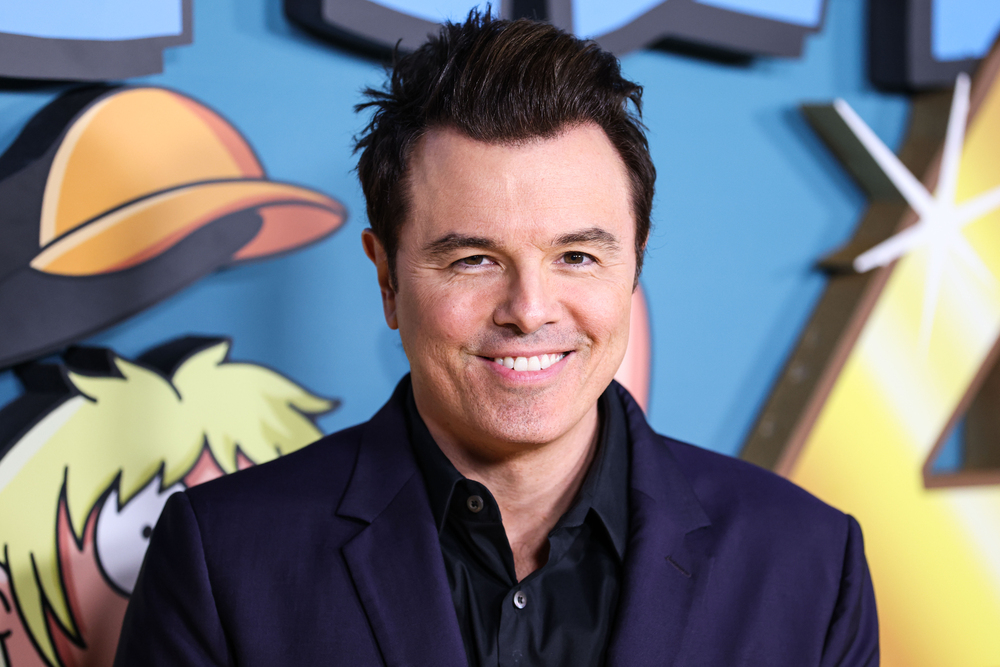
Peter Griffin and his family in Quahonset, Rhode Island have been causing animated chaos since 1999, though the show was actually canceled twice before finding its permanent home. The series relies on cutaway gags, pop culture references, and humor that pushes boundaries in ways traditional sitcoms never could.
Family Guy has produced over 420 episodes across 22 seasons and counting. The show found new life through DVD sales and streaming, proving that animation could have second chances in ways live-action shows rarely get.
South Park

Trey Parker and Matt Stone began their rough-cut animated series back in 1997 – yet it’s still running today. Because the team works fast, they can roast real-life news just days after it breaks, which keeps things fresh compared to typical TV comedies.
Over 320 episodes have rolled out through 26 seasons, with no topic off-limits and nobody spared. It kicked off as outrageous humor but grew into something lasting, so much that once-taboo scenes now pop up in university lectures.
How I Met Your Mother

Ted Mosby filled nine years – from 2005 to 2014 – spinning a detailed tale for his kids about finding their mom. It ran 208 episodes, mixing past scenes, future glimpses, also silly repeated jokes to hook viewers along the way.
Even though people still argue over how it ended, the series stood out as one of the key comedies of its time. His crew at MacLaren’s bar built quirks, codes, rituals and fans started copying off-screen.
King of the Hill

Mike Judge’s cartoon followed a propane guy in Texas – spun out over 13 years, starting in ’97 and ending in 2010. Instead of wild antics, it kept things low-key; Hank Hill and folks around Arlen felt like real life stepped into drawings.
There were 259 episodes total, each poking fun at regular routines without going overboard. While other shows went crazy with plots, this one stayed calm, focusing on small-town quirks.
It laughed with the characters, not just at them, so viewers recognized bits of their own lives.
The Big Bang Theory

Four researchers, along with the guy living next door, kept fans hooked for twelve years – running from 2007 to 2019. Sheldon Cooper turned into a household name during that decade, his quirky lines popping up in real-life chats.
It ran nearly three hundred episodes, shifting how pop culture saw brainy hobbies – making them normal, maybe even fun. Instead of avoiding nerd stuff, the series leaned in – but also focused on bonds, laughs, and awkward dating moments.
By mixing science jokes with relatable life messiness, it drew millions who didn’t need a degree to get it.
Where TV heads next

Streaming flipped the script on TV lifespan – whole seasons hit at once, no more waiting weeks or months. Back then, classic sitcoms lasted ages since fans had to pause between episodes, creating real hype.
Those series stuck around less ’cause they wowed everyone, more ’cause they showed up regularly, like clockwork. They turned into background noise of daily life, steady through shifts and chaos.
Now it’s unclear if fresh comedies can go that distance – or if viewers even stay loyal that long anymore.
More from Go2Tutors!

- The Romanov Crown Jewels and Their Tragic Fate
- 13 Historical Mysteries That Science Still Can’t Solve
- Famous Hoaxes That Fooled the World for Years
- 15 Child Stars with Tragic Adult Lives
- 16 Famous Jewelry Pieces in History
Like Go2Tutors’s content? Follow us on MSN.