Old School Supplies That Spark Nostalgic Memories
School supplies used to mean something different. Walking down the aisles of a store before the school year started felt like a big deal, and picking out the right folders, pencils, and notebooks mattered in ways that seem almost silly now.
These weren’t just tools for learning—they were tiny pieces of identity, status symbols in the cafeteria, and sources of genuine excitement. The smell of fresh erasers, the sound of a new box of crayons opening, and the feel of crisp notebook paper all created memories that stuck around long after homework assignments got turned in.
Some of those supplies disappeared completely, while others evolved into something barely recognizable. But the memories they created remain surprisingly vivid.
Trapper Keeper binders
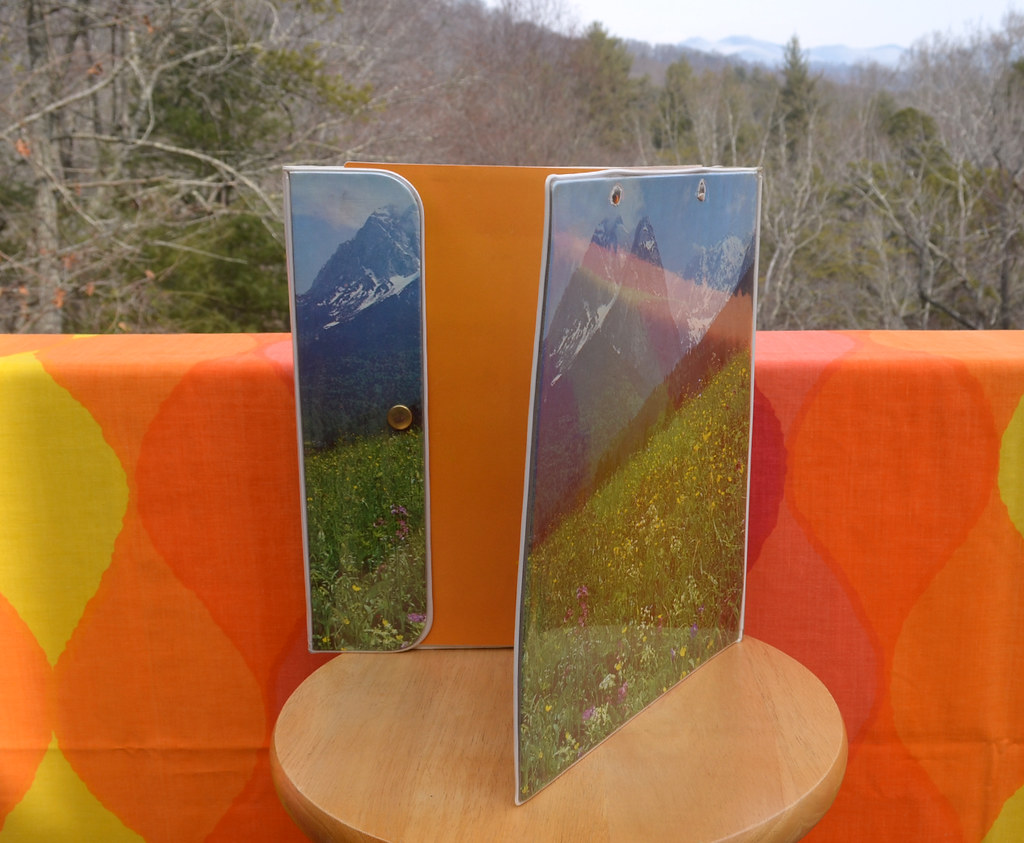
Mead Corporation created these oversized binders in 1978, and they quickly became the most coveted item in any student’s backpack. The three-ring binder folded into a cover that snapped shut with satisfying velcro, keeping everything secure and organized.
The designs on the covers ranged from abstract geometric patterns to sports cars, kittens, and whatever else kids thought looked cool that year. Having the right Trapper Keeper said something about who you were, or at least who you wanted people to think you were.
The plastic rings sometimes broke, the velcro wore out, and teachers complained they took up too much desk space, but none of that mattered when you had folders that actually stayed inside a binder instead of sliding out all over the hallway floor.
Pencil boxes with built-in sharpeners
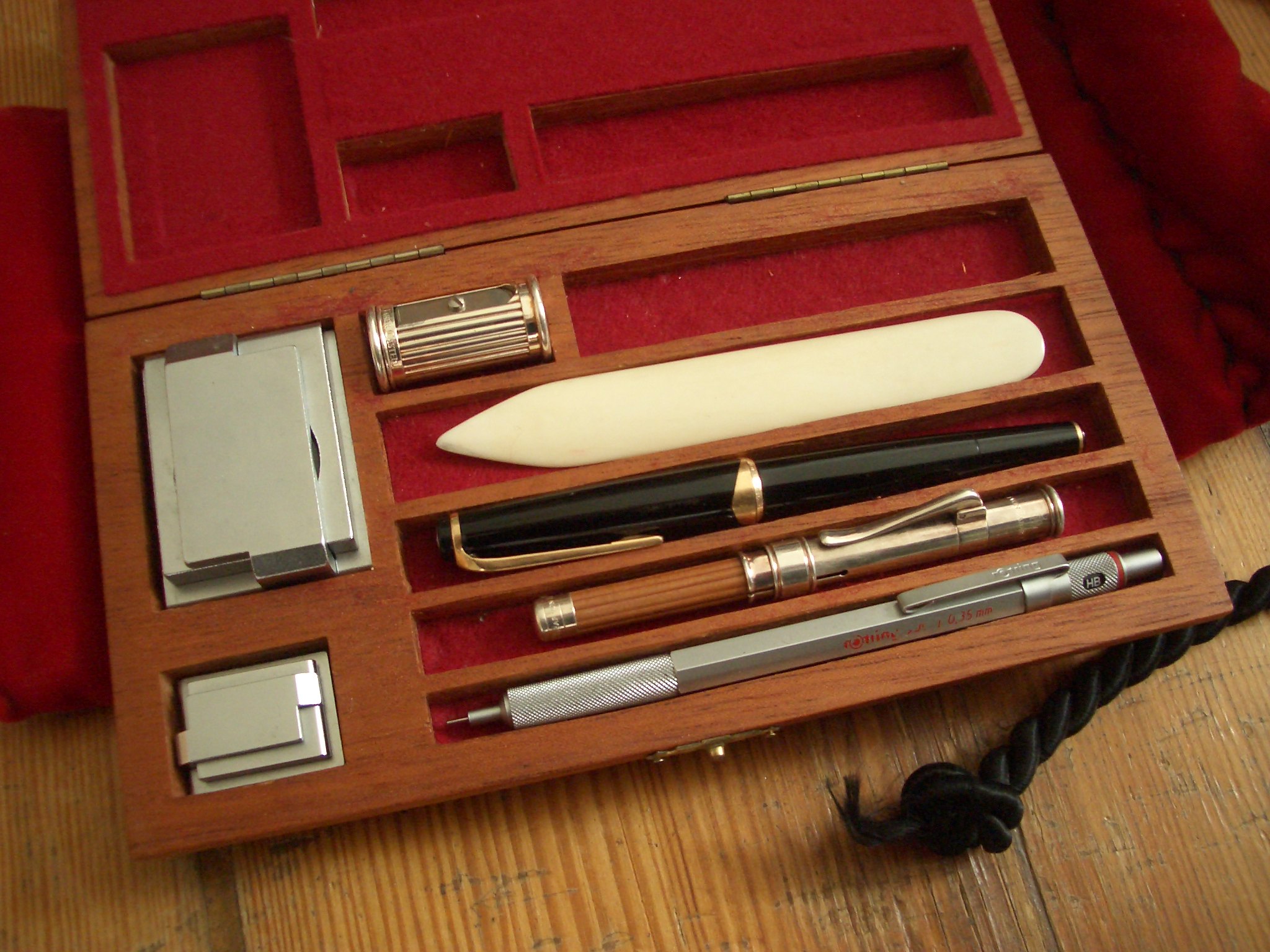
These plastic cases came in every color imaginable and featured a small sharpener built right into one end. Kids could sharpen pencils without asking permission to walk across the room, which felt like a small taste of independence.
The shavings collected inside a little compartment that inevitably spilled all over desks when opened carelessly. These boxes held pencils, erasers, and maybe a few forbidden items like tiny toys or notes passed between friends.
The snap-on lids eventually cracked, and the sharpeners dulled to the point of just mangling pencil tips, but everyone had one anyway.
Scented markers with food smells
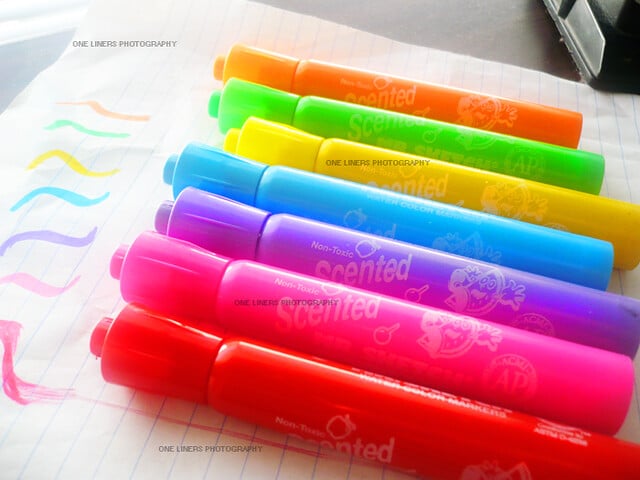
Markers that smelled like cherries, oranges, grapes, and other fruits made art projects strangely tempting to sniff repeatedly. Mr. Sketch dominated this market with their chisel-tip markers that laid down bright colors and strong scents.
Teachers had mixed feelings about them since kids spent more time huffing marker fumes than actually drawing, though the scents came from harmless food-grade flavorings. The caps always ended up on the wrong markers, creating confused noses when the purple marker smelled like watermelon instead of grape.
Some colors smelled better than others—everyone loved the mint green but the black licorice scent had exactly zero fans.
Rubber pencil grips shaped like animals or objects
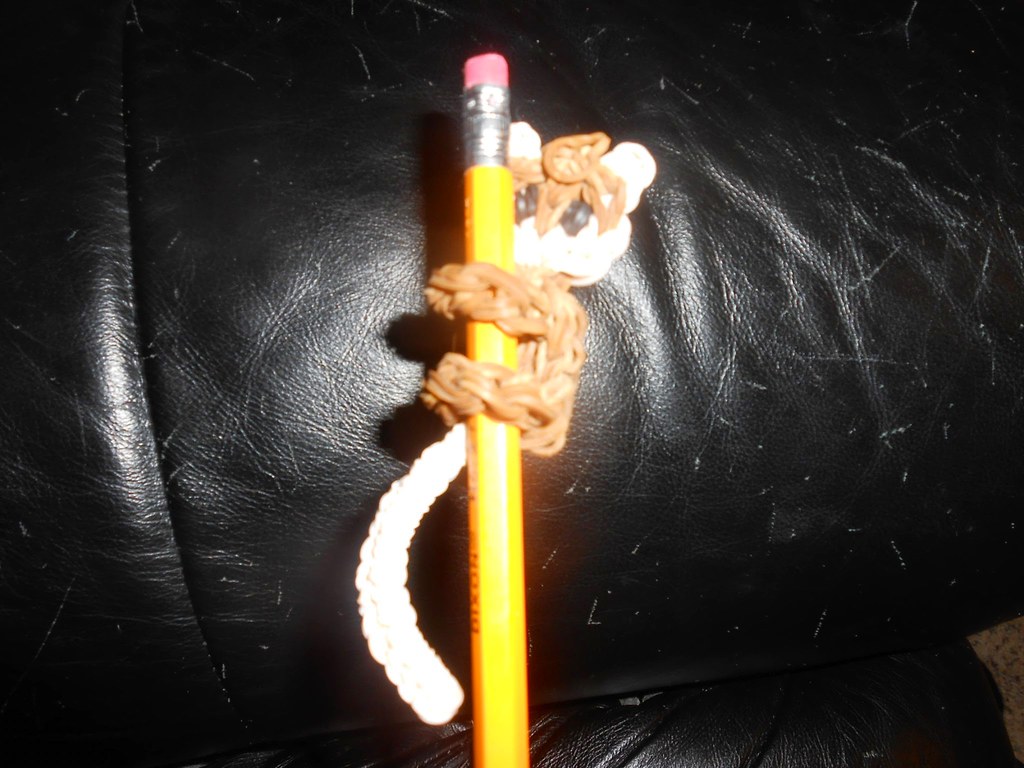
These squishy rubber accessories slid onto pencils to make holding them more comfortable, at least in theory. They came shaped like dolphins, dinosaurs, baseballs, or just colorful ridged tubes.
Kids collected them more than actually used them since they made pencils too fat to fit in pencil boxes and often slid around instead of staying put. The cheaper ones smelled weird, like a mix of new tires and plastic toys.
They did absolutely nothing to improve handwriting but made pencils more fun to chew on, which probably wasn’t the intended purpose but happened constantly anyway.
Scratch and sniff stickers

Teachers used these as rewards on homework assignments and tests, turning good grades into something you could literally smell. Pizza, popcorn, pickles, chocolate, and skunk were common scents, though the appeal of a skunk sticker remained questionable.
The scents faded after too many enthusiastic scratches, leaving behind a waxy patch and disappointment. Trading these stickers during recess created a whole economy, with rarer scents commanding respect and multiple common stickers in exchange.
Some kids stuck them on folders and textbook covers, creating collages that smelled like a confused fruit stand for months.
Lisa Frank folders and notebooks
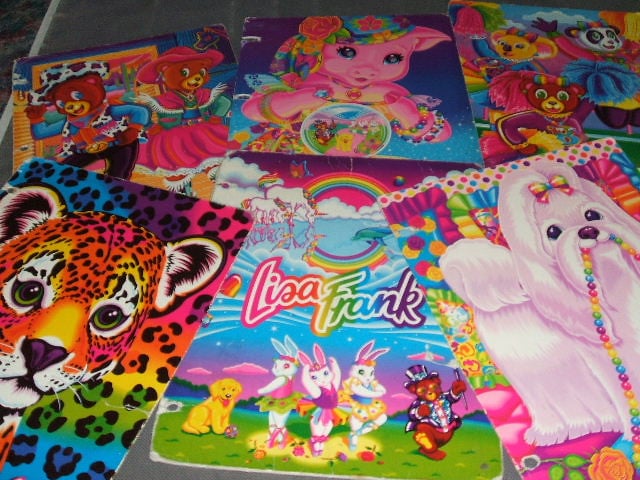
Nothing said 1990s elementary school like rainbow unicorns, dolphins wearing sunglasses, and pandas surrounded by stars in colors nature never intended. Lisa Frank products exploded with neon pinks, purples, and greens that practically glowed under fluorescent classroom lights.
The folders cost more than plain ones but felt worth it when pulling out homework became a chance to display personal style. The artwork featured the same characters over and over—that rainbow tiger, those sparkly kittens, the psychedelic bear—but kids never seemed to tire of them.
Boys who secretly liked them faced social pressure to stick with boring solid colors or sports themes, which felt unfair but defined gender politics in third grade.
Wooden pencils that came pre-sharpened
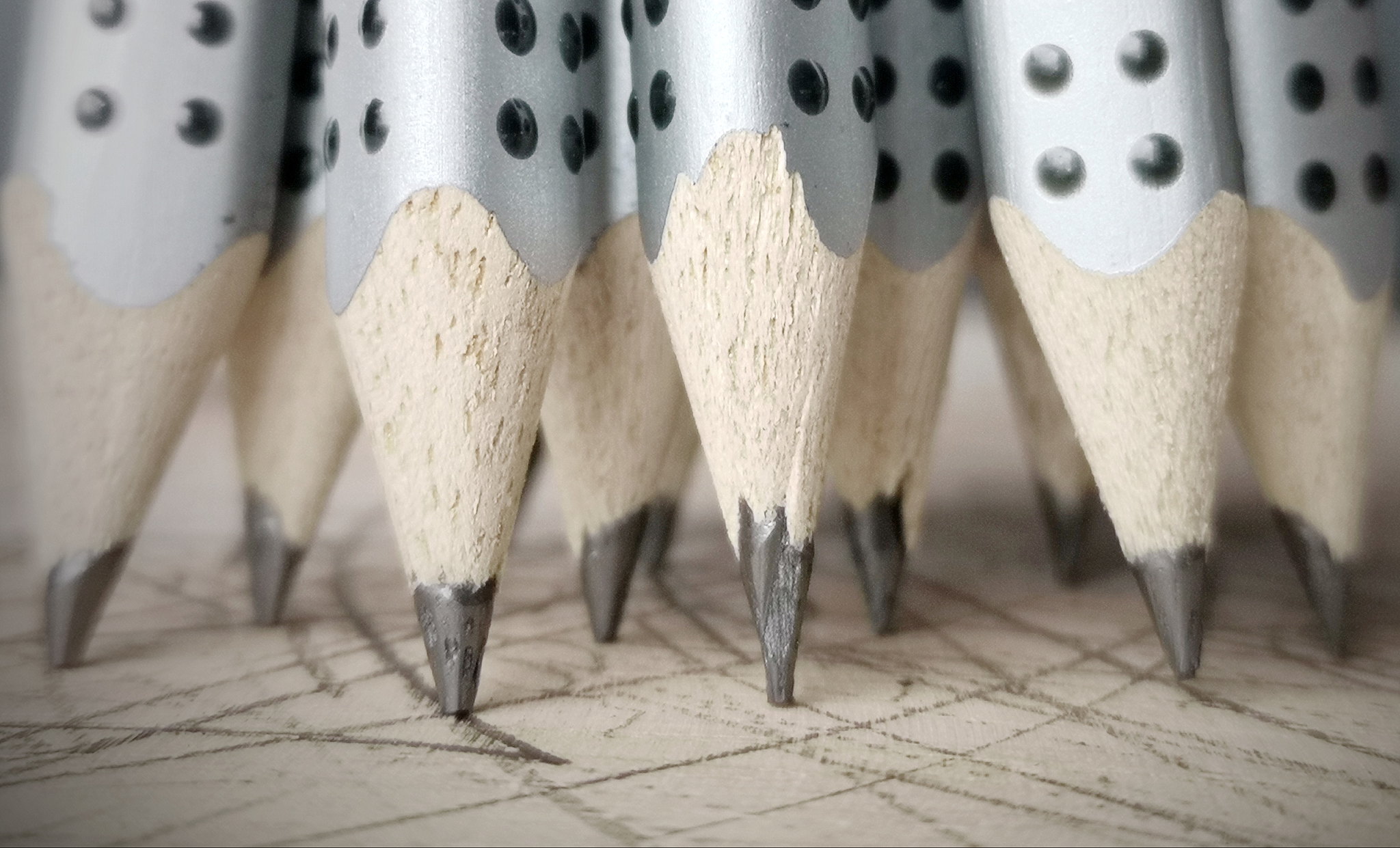
These pencils arrived in boxes with perfect points and that distinct wood-and-graphite smell that meant a fresh start. The yellow Dixon Ticonderoga became the gold standard, with its green metal band and pink eraser that actually erased without just smearing gray streaks across paper.
Cheaper pencils broke constantly, had off-center graphite that made sharpening them impossible, and came with erasers that might as well have been decorative for how poorly they worked. The satisfying feeling of writing with a freshly sharpened pencil lasted about three sentences before the point dulled and another trip to the sharpener became necessary.
Some teachers had electric sharpeners that sounded like angry robots and occasionally ate pencils completely.
Composition notebooks with the black and white covers
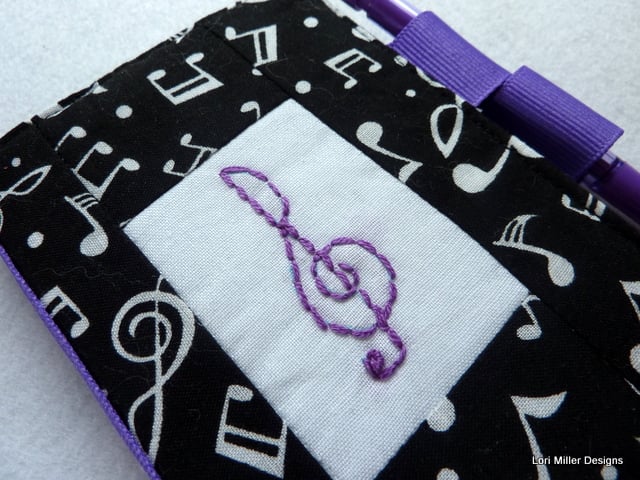
These wide-ruled notebooks with their distinctive marbled covers became standard issue for almost every class. The binding stayed intact better than spiral notebooks, and pages didn’t tear out easily, which teachers appreciated and students sometimes regretted.
The stiff covers protected pages but also made the notebooks awkward to fold back, so writing on the left-hand pages always felt cramped. Kids decorated the covers with stickers, doodles, band names, and the kinds of things that seemed meaningful at age twelve but make you croak with embarrassment years later.
That first page always included carefully written information: name, subject, period, and sometimes elaborate designs that took twenty minutes and never got repeated on subsequent pages.
Erasable pens that smeared everywhere
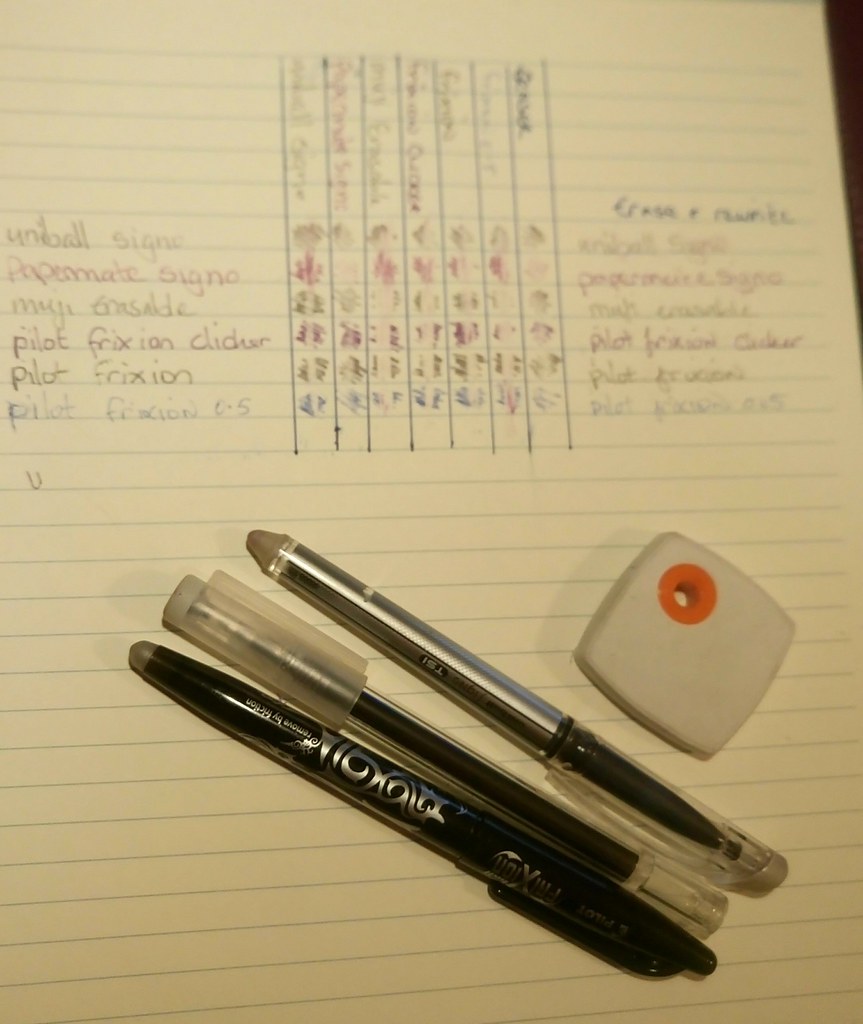
Paper Mate and other companies promised the convenience of pens with the forgiveness of pencils, and the reality never quite matched the marketing. The special ink erased when rubbed with the included eraser tip, but it also smeared if your hand dragged across recent writing.
Left-handed students suffered especially since their hands moved right across everything they just wrote. The erasers themselves left weird residue, and erasing firmly sometimes tore through paper.
Teachers banned them for important assignments, which made them perfect for passing notes and doodling in margins. The pens came in multiple colors, though the blue and black ones at least looked somewhat professional compared to the purple or green options.
Crayola crayon boxes with the built-in sharpener
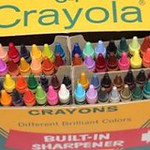
The 64-count box represented peak crayon luxury with its flip-top lid and built-in sharpener on the back. Opening a fresh box revealed perfectly pointed crayons arranged in neat rows, and that waxy smell hit like a memory even when brand new.
Color names got creative—burnt sienna, cornflower blue, and periwinkle sounded much fancier than just brown, blue, and purple. The built-in sharpener produced curly wax shavings that kids played with instead of throwing away immediately.
By midyear, the box became a chaotic mess of broken crayons, missing wrappers, and colors returned to the wrong slots, but that fresh start feeling in September never got old.
Calculators that cost more than they should have
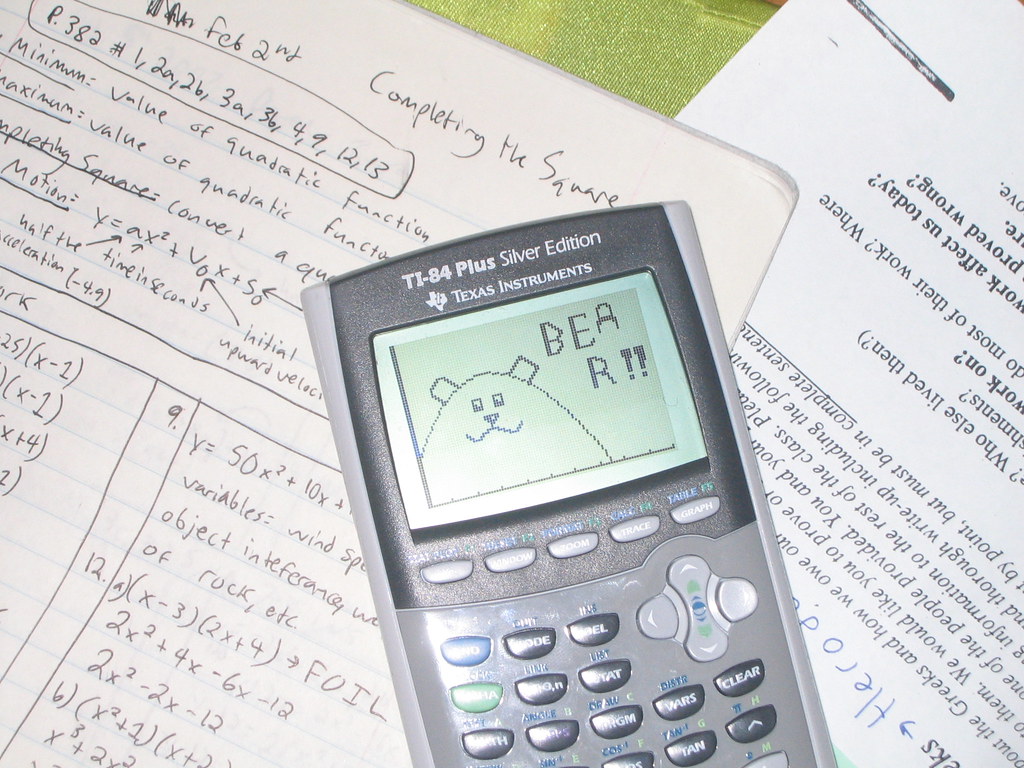
Schools required specific calculator models for math classes, and somehow the approved ones always cost thirty or forty dollars despite being less powerful than a cheap phone. The TI-30 became standard for basic classes, while the TI-83 or TI-84 graphing calculators dominated high school math and cost close to a hundred dollars.
These clunky devices with their tiny screens and unresponsive buttons survived years of being dropped, having batteries die at crucial moments, and being used to spell out words by typing numbers upside down. The ability to play simple games programmed by enterprising students made them more valuable, and everyone knew someone who had figured out how to load games onto the graphing calculators.
Folders with pockets and prongs
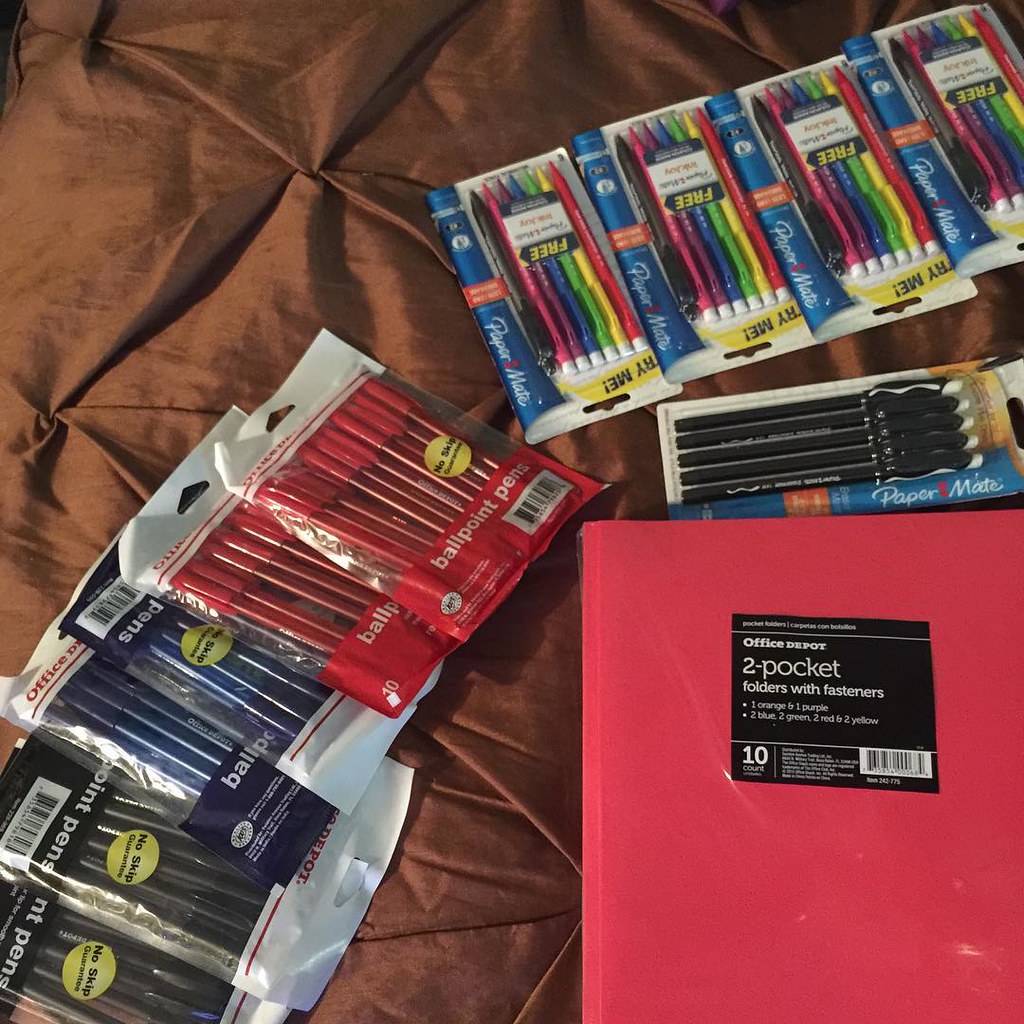
These simple tools came in every color and could actually keep papers organized if students bothered trying. The two inside pockets typically got designated as ‘work to do’ and ‘finished work,’ though in practice they both held crumpled papers shoved in randomly.
The metal prongs allowed three-punched papers to stay secure, assuming the prongs weren’t bent from being opened and closed roughly five thousand times. The folders cost maybe fifty cents each but somehow got lost or destroyed constantly, leading to multiple replacement purchases throughout the year.
Decorating them with stickers, band logos, or elaborate doodles helped tell them apart when everyone owned identical red or blue folders.
Pens with tiny parts that kept sticking
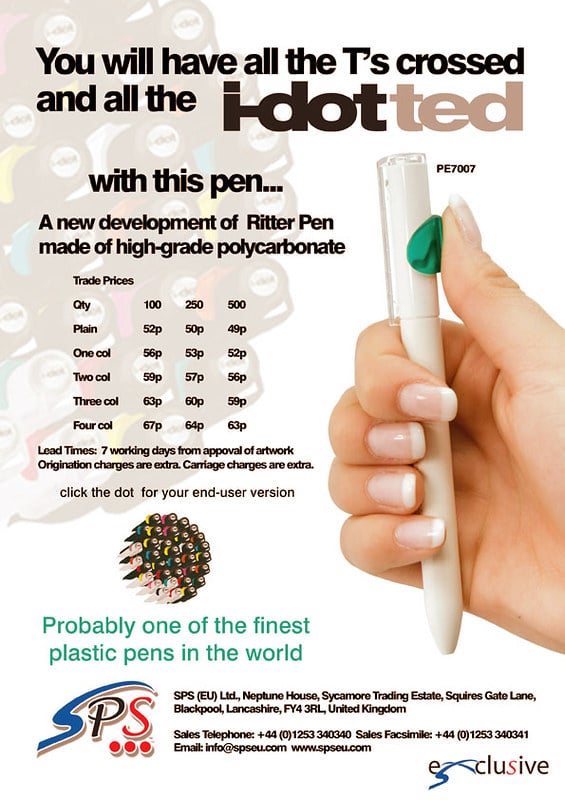
These reusable pens looked fancier than regular wood pencils – thin graphite sticks you didn’t have to sharpen. Clicking them forward gave a nice little snap feeling, while skipping sharpening meant fewer walks to the sharpener.
Still, the lead snapped often, particularly if you wrote hard, and sometimes it got stuck so badly you had to take the whole thing apart. The small eraser tops vanished fast, usually gone in under a week, and new ones rarely seated properly.
Some mechanical pencils featured flashy grips or see-through shades revealing the inner lead – looked neat, yet changed nothing about how they performed. Kids tapping theirs nonstop in lessons drove classmates so nuts they’d almost chuck them straight outside.
Pens that leaked right through pages
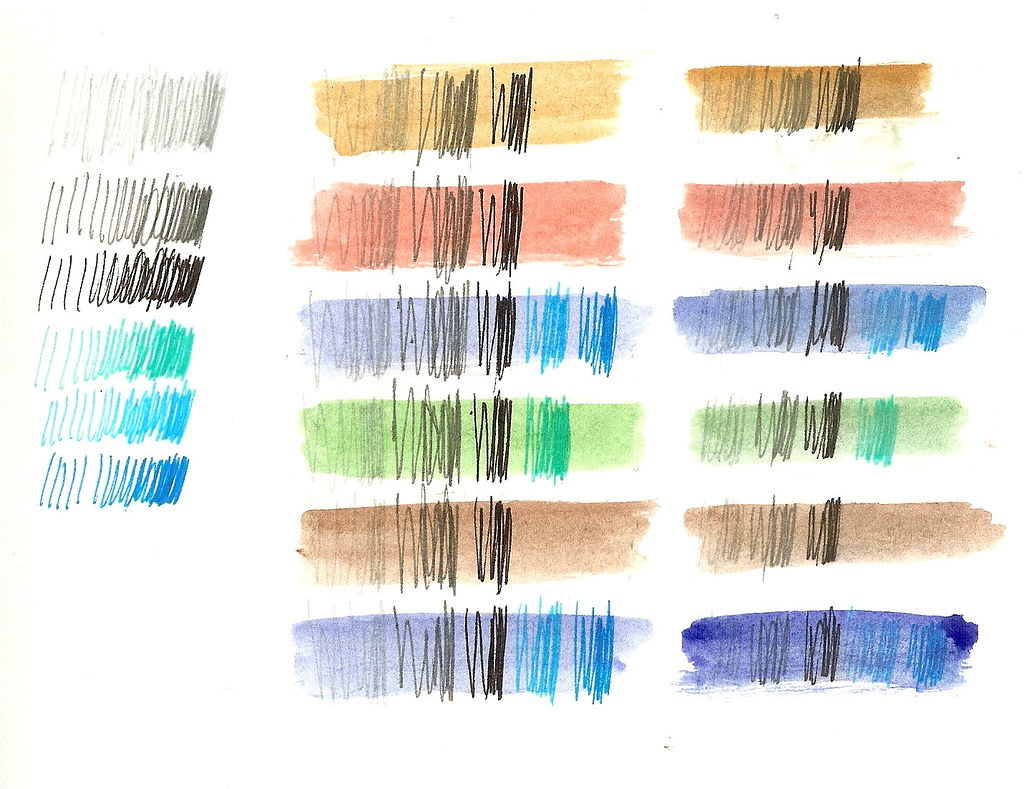
Those vivid pens let kids mark key bits in books and class notes, yet knowing what truly needed marking was always tricky. Some pupils ended up underlining every word, which kinda ruined the point; meanwhile, a few went wild with different shades to build complex color codes.
Yellow stood out clearly without hiding words underneath, whereas pink, blue, orange or green just added flair. Chisel ends cracked fast unless lids were snapped tight, plus juice bled through flimsy pages – marking backsides by accident.
Grown-up mentors liked it when learners applied them with care, even though most scribbling exploded minutes before exams during frantic last-minute cramming.
Protractors or compasses – no one got them
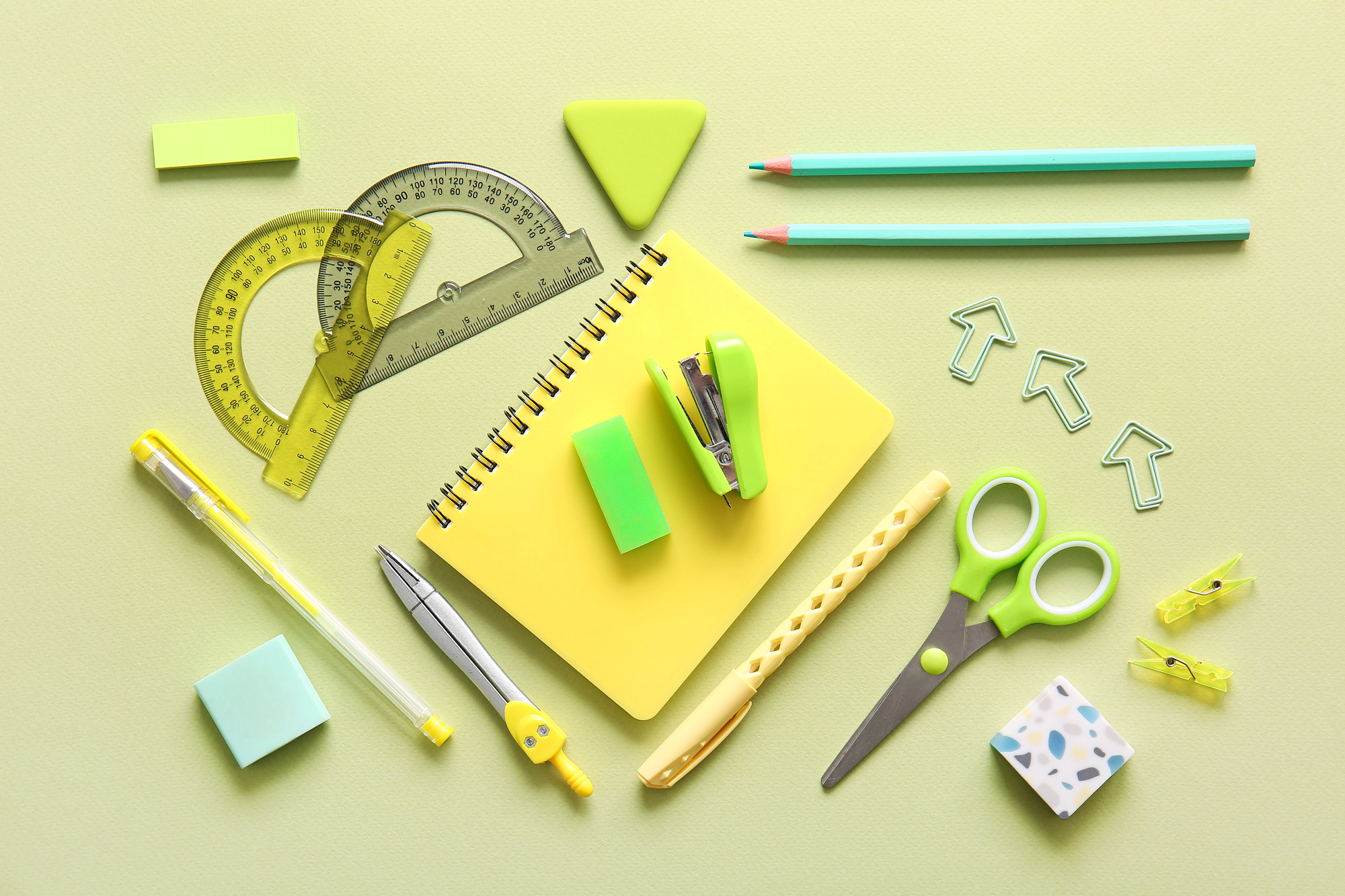
Geometry needed these tools to measure angles or sketch clean circles, yet plenty of students just fumbled along, clueless about how things actually functioned. Those see-through protractors had numbers lined up around the rim – looked easy, right?
But they still ended up crooked half the time. Compasses came with pointy metal tips that did a solid job on curves, plus gave you little pricks or tore up tabletops when you weren’t looking.
The parts holding the pencils barely kept them steady, so leads wobbled mid-draw and messed up arcs. Pupils figured out fun ways to use them outside classwork – none involving math – and nearly every kit either vanished or snapped apart by winter break. Honestly, no one missed them anyway.
Wrap old schoolbooks in grocery sacks instead
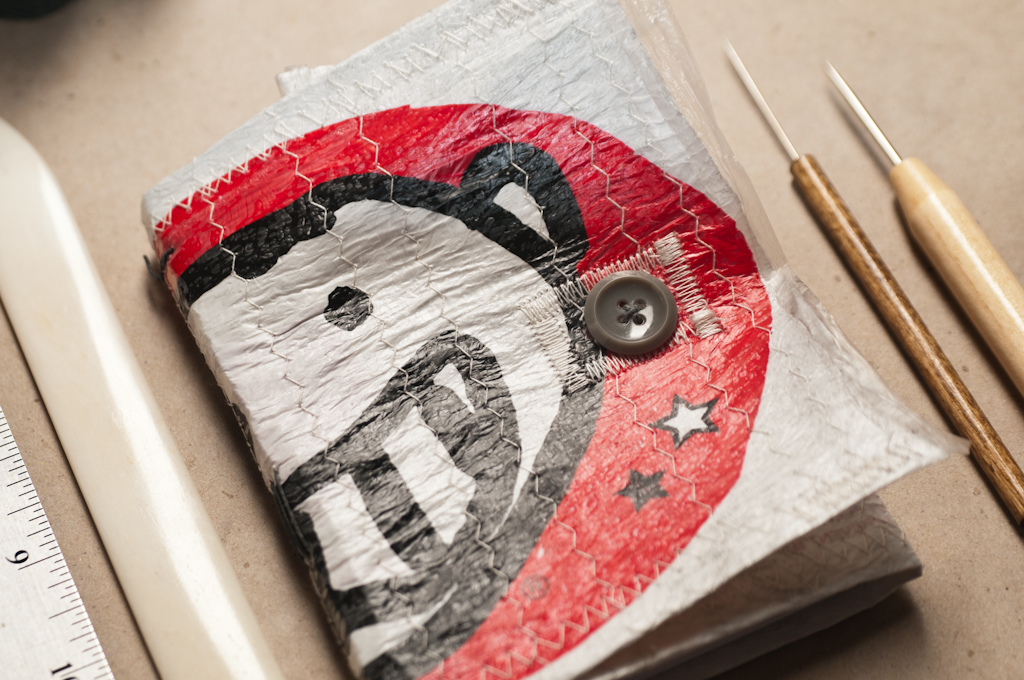
Back when school books didn’t come with ready-made covers, kids used old brown grocery bags instead. Folding the paper right took patience – trimming here, tucking there – to get it snug on the book.
Once done, they’d draw stuff in front: bands, funny lines, scribbles, whatever came to mind. After weeks of use, corners got ragged and thin spots showed up, so new ones had to be swapped in.
You could buy elastic cloth sleeves at shops, sure – but whipping one up from trash was free plus kind of cooler. Students watched teachers demo the folding steps, yet moms or dads still got pulled in trying to tame pages that refused to behave.
This whole thing faded once textbooks turned into shared gear – no marks allowed, gotta keep ’em clean for whoever’s next.
Where do those memories stay these days
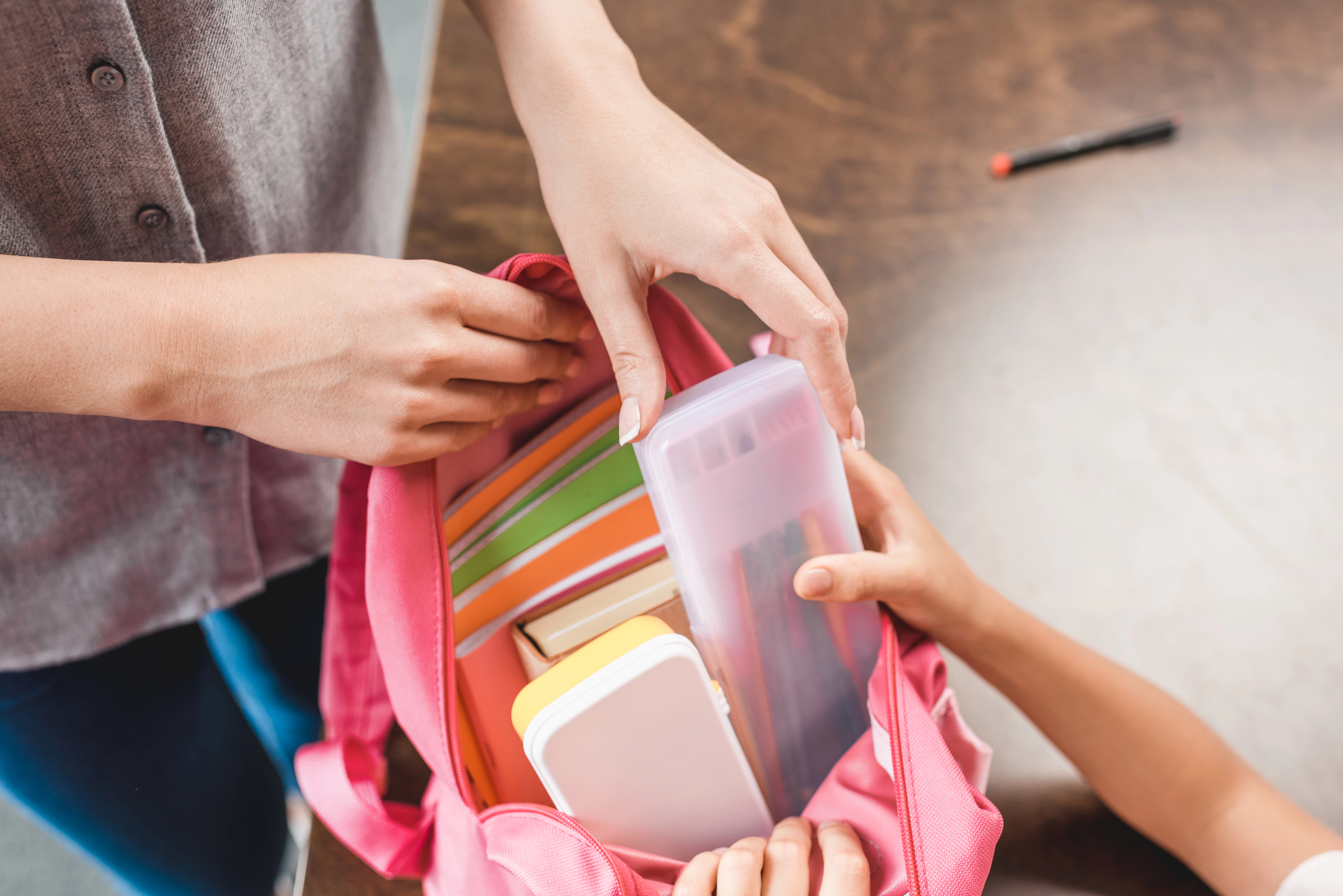
Those old tools mostly vanished or turned into something totally different – swapped out for tablets, digital apps, or whatever’s a must-have for kids these days. Yet folks who once carried them? They can still picture the way they looked, even how they smelled, sitting inside backpacks every morning.
That rush you’d get from fresh gear right before class begins – that part stayed the same, only what brings it has shifted over time. Chances are, decades down the road, today’s students might smile remembering their gadgets like we do ours, weirdly touched by objects that meant everything then.
Stuff keeps changing hands – from one generation to the next – but the feelings tied to those things don’t fade when the pens die or folders tear.
More from Go2Tutors!

- The Romanov Crown Jewels and Their Tragic Fate
- 13 Historical Mysteries That Science Still Can’t Solve
- Famous Hoaxes That Fooled the World for Years
- 15 Child Stars with Tragic Adult Lives
- 16 Famous Jewelry Pieces in History
Like Go2Tutors’s content? Follow us on MSN.