Extreme Endurance Challenges Completed
Most of us experience a sense of accomplishment after finishing a strenuous hike or a 5k race. These commonplace accomplishments, however, hardly touch the surface of human potential for some exceptional people.
They redefine what we think is humanly possible by pushing their bodies and minds to unthinkable lengths. Here is a list of some of the most extreme endurance challenges that showcase the remarkable capabilities of the human spirit and physical form.
Marathon des Sables

The Marathon des Sables, which runs 156 miles over Morocco’s Sahara Desert, is widely considered the “toughest footrace on Earth.” Participants must endure temperatures that frequently surpass 120°F while carrying only water.
Competitors must overcome fatigue and dehydration while navigating challenging terrain, such as unending sand dunes and stony plains, during the six-day ultramarathon.
Badwater 135
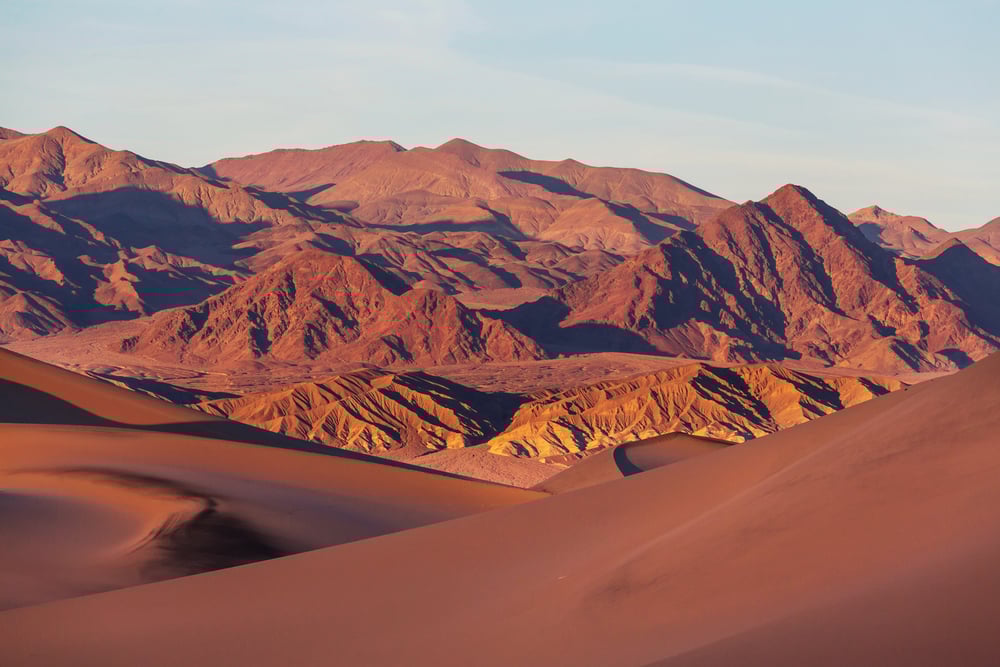
This brutal 135-mile ultramarathon begins in Death Valley—the lowest elevation in North America—and finishes at the portal to Mount Whitney, the highest point in the contiguous United States. Runners face a cumulative vertical ascent of 14,600 feet while enduring temperatures that can reach 130°F.
The course traverses three mountain ranges without a single step of shade, making it one of the most demanding foot races in existence.
Like Go2Tutors’s content? Follow us on MSN.
Iditarod Trail Invitational
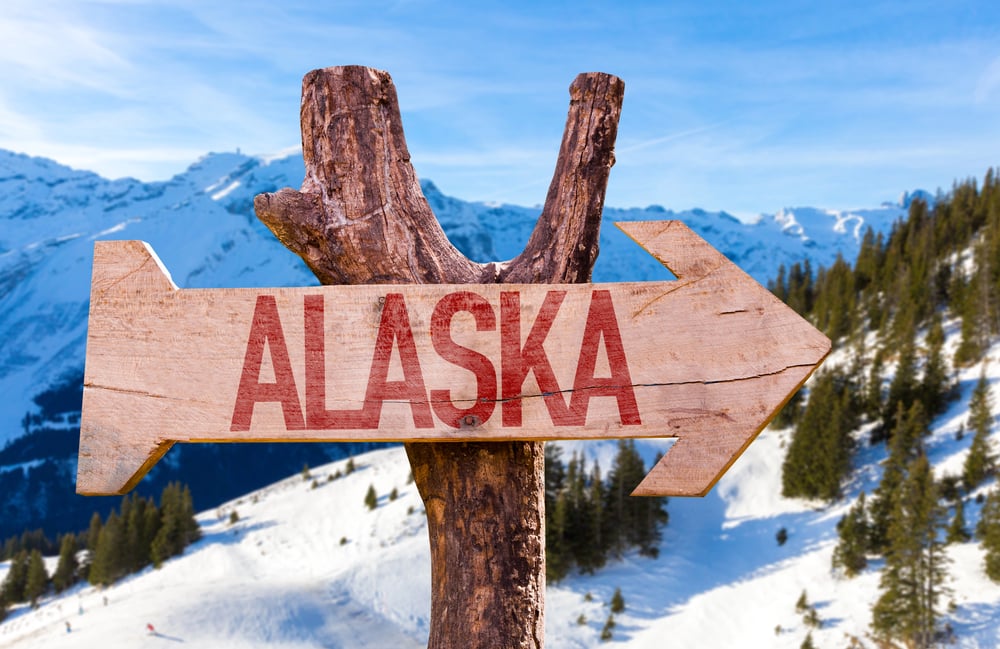
While most know of the famous Iditarod dog sled race, fewer are familiar with its human-powered counterpart. Athletes travel 1,000 miles across Alaska’s frozen wilderness on foot, bike, or ski without support.
Participants battle temperatures as low as -50°F, face the risk of frostbite, and must navigate remote terrain where the nearest help could be days away. The race typically takes between 20 to 30 days to complete, with competitors often sleeping only 2-3 hours per night.
Barkley Marathons
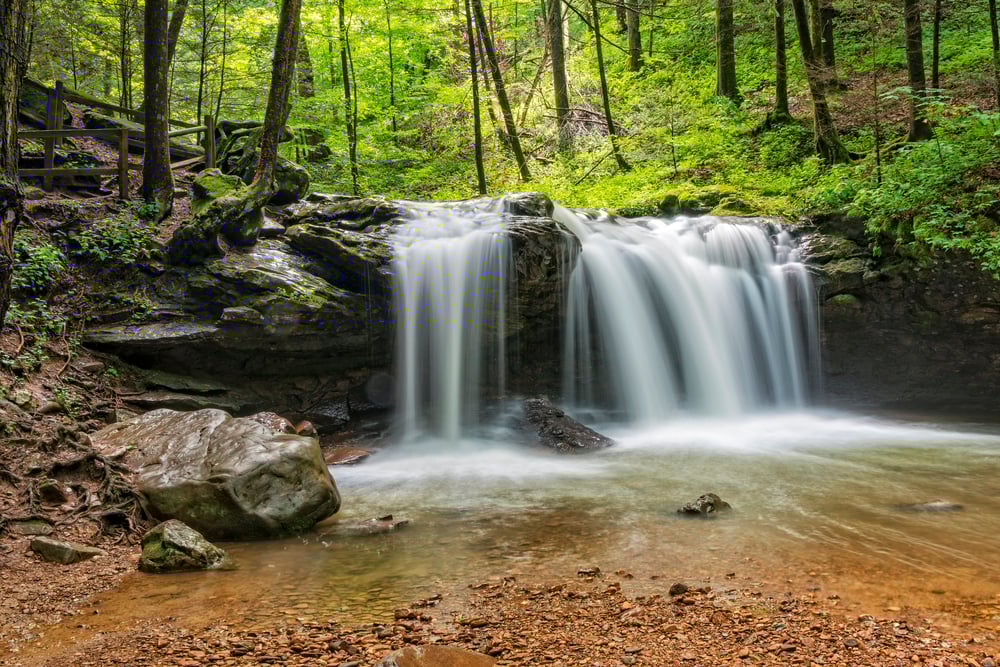
Perhaps the most enigmatic ultramarathon in the world, the Barkley Marathons consists of five 20-mile loops through the unforgiving terrain of Tennessee’s Frozen Head State Park. With no marked trail, participants must navigate using only a map and compass while climbing and descending approximately 60,000 feet—equivalent to scaling Mount Everest twice from sea level.
Since its inception in 1986, only 15 people have completed the full course within the 60-hour time limit.
4 Deserts Grand Slam
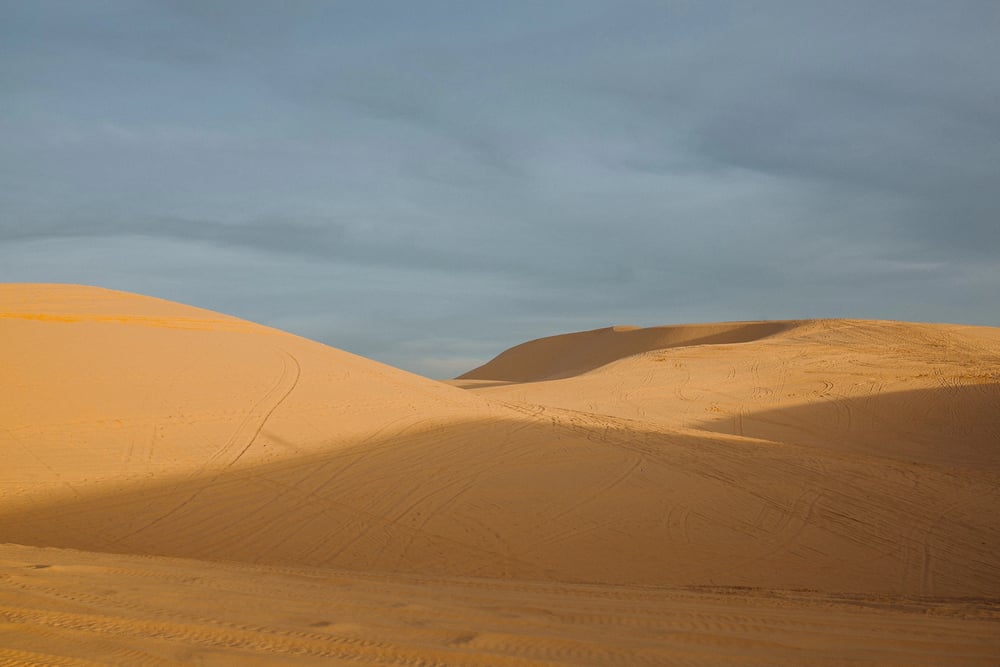
This series challenges competitors to complete four 155-mile, seven-day ultramarathons across the Sahara, Gobi, Atacama, and Antarctic deserts—all within a single calendar year. Each race presents unique challenges: scorching heat in the Sahara, extreme temperature fluctuations in the Gobi, high altitudes in the Atacama, and freezing conditions in Antarctica.
Participants must carry their food and equipment throughout, relying only on provided water and tents.
Like Go2Tutors’s content? Follow us on MSN.
Race Across America
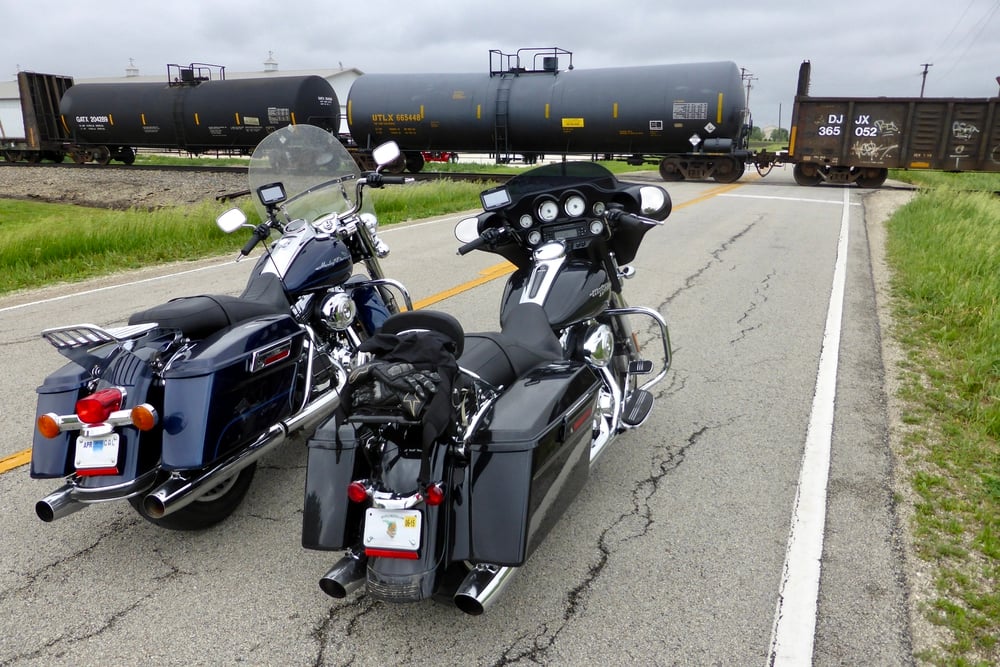
Often called the world’s toughest bicycle race, the Race Across America spans approximately 3,000 miles from Oceanside, California to Annapolis, Maryland. Unlike the Tour de France, there are no stages or rest days—the clock never stops.
Solo riders typically finish in 8-12 days, meaning they cycle about 22 hours per day while sleeping only 1-2 hours nightly. The route crosses 12 states and climbs over 170,000 vertical feet through desert heat, mountain passes, and potential severe weather.
Yukon Arctic Ultra
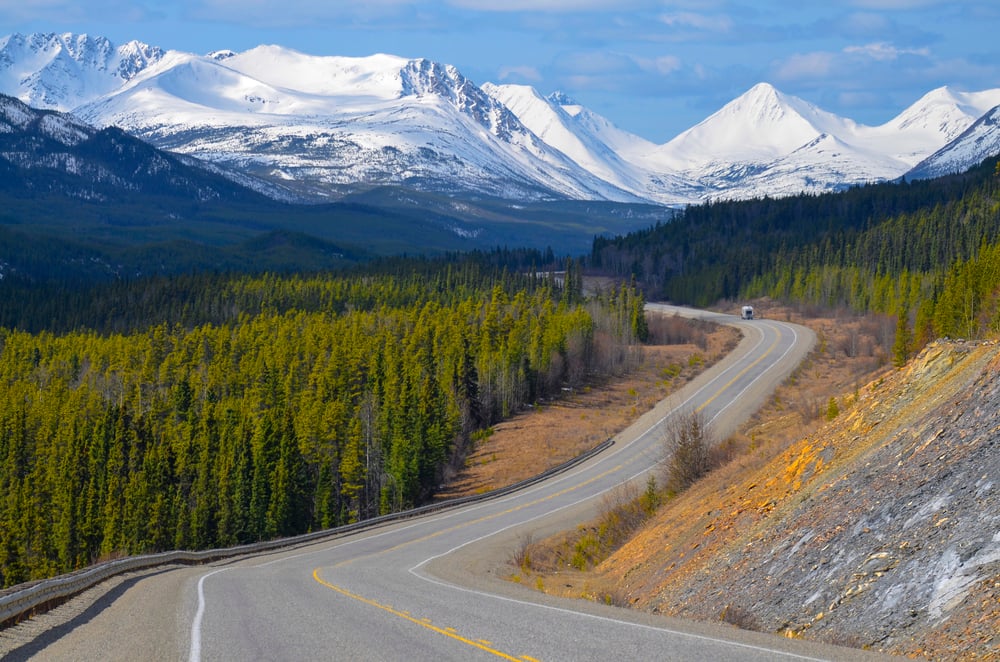
Taking place in Canada’s Yukon Territory during February, this race has earned the title of the world’s coldest ultramarathon. Participants can choose between 100, 300, and 430-mile distances, traversing the frozen landscape by foot, mountain bike, or cross-country skis.
Temperatures regularly plunge below -40°F, and racers must be entirely self-sufficient, carrying survival gear and food while pulling sleds weighing up to 45 pounds. The constant threat of frostbite and hypothermia makes this challenge as dangerous as it is difficult.
Volga Quest
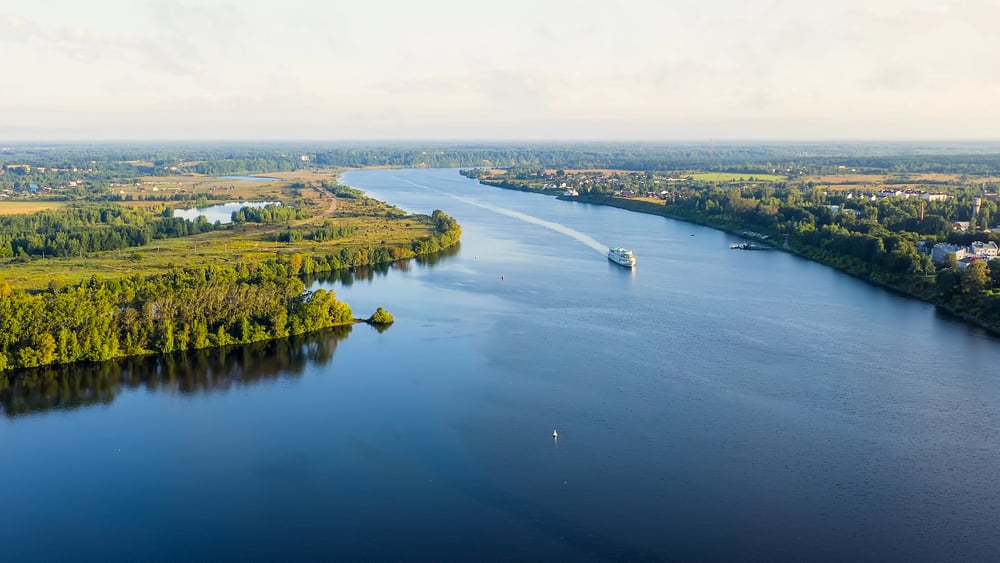
This 400-mile endurance race follows Russia’s frozen Volga River through remote villages and vast, empty landscapes. Competitors travel by foot, ski, or fat bike while facing temperatures that can drop to -50°F.
The isolation is profound—racers might go days without seeing another human outside the occasional checkpoint. The constant danger of falling through thin ice adds another layer of risk to an already extreme challenge.
Like Go2Tutors’s content? Follow us on MSN.
Jungle Ultra
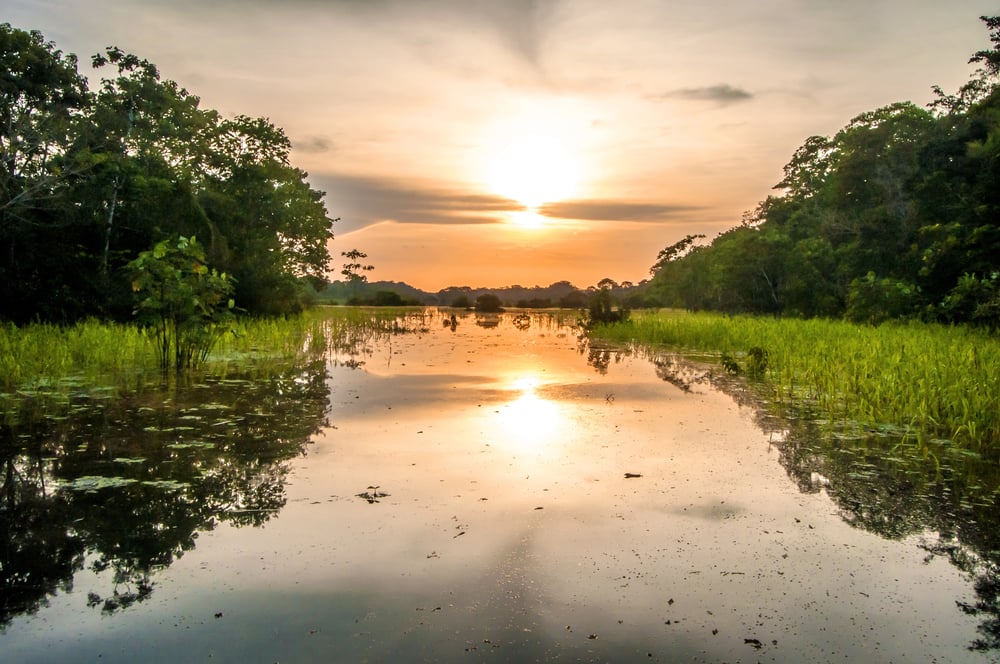
This 142-mile race through Peru’s Amazon Rainforest subjects runners to 100% humidity, temperatures above 90°F, and elevation changes totaling more than 20,000 feet. Competitors must navigate muddy jungle trails, cross rivers, and deal with everything from venomous snakes to disease-carrying insects.
The constant moisture means many runners develop severe foot problems, while the dense foliage can make it easy to wander off course and become lost in one of the world’s most unforgiving environments.
The Last Desert Race
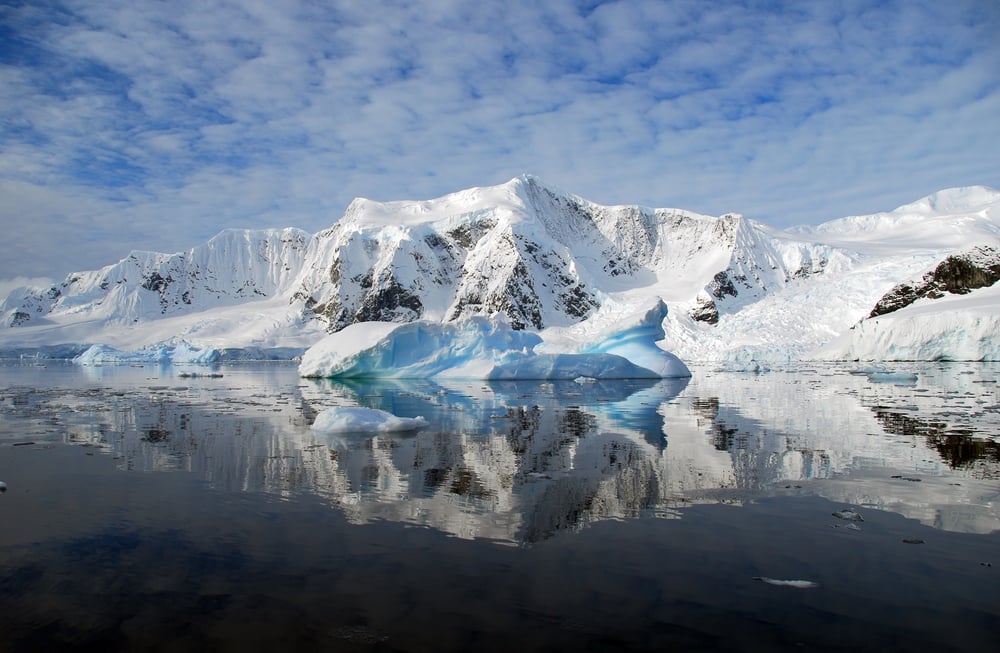
The southernmost ultramarathon in the world takes place in Antarctica, where runners cover 155 miles across the frozen continent. Wind chills can reach -20°F while unpredictable weather can stop the race at any moment.
Competitors must contend with deep snow, ice fields, and the psychological challenge of running through a stark, monochromatic landscape where the sun never sets during the Antarctic summer. The race is only accessible by expedition ship, emphasizing its remote and extreme nature.
Silk Road Mountain Race

This self-supported, single-stage cycling race covers 1,200 miles through Kyrgyzstan’s mountains with over 100,000 feet of elevation gain. Riders navigate remote high-altitude paths where temperatures swing from freezing nights to scorching days.
With minimal infrastructure along the route, cyclists must carefully manage their supplies and maintenance while dealing with the effects of altitude sickness above 12,000 feet. The combination of technical terrain, extreme weather, and isolation makes this one of cycling’s ultimate tests.
Like Go2Tutors’s content? Follow us on MSN.
Munga

This single-stage mountain bike race crosses 620 miles of South Africa’s unforgiving terrain, from Bloemfontein to Cape Town. Riders face scorching heat that can exceed 110°F, with limited water sources along the route.
The race has a strict 120-hour cutoff, forcing competitors to ride through two nights with minimal sleep. The rough terrain includes sandy tracks, rock gardens, and remote areas where mechanical issues could leave riders stranded for hours before help arrives.
Tor des Géants

This 205-mile ultramarathon through Italy’s Aosta Valley traverses the entire region, climbing and descending 78,000 feet—equivalent to scaling Mount Everest nearly three times from sea level. The race takes place on alpine trails with significant technical difficulties, including exposed ridges and narrow paths with precipitous drops.
Most competitors take between 70 and 150 hours to finish, battling sleep deprivation, weather extremes, and the mental challenge of continuing despite overwhelming fatigue.
Enduroman Arch to Arc
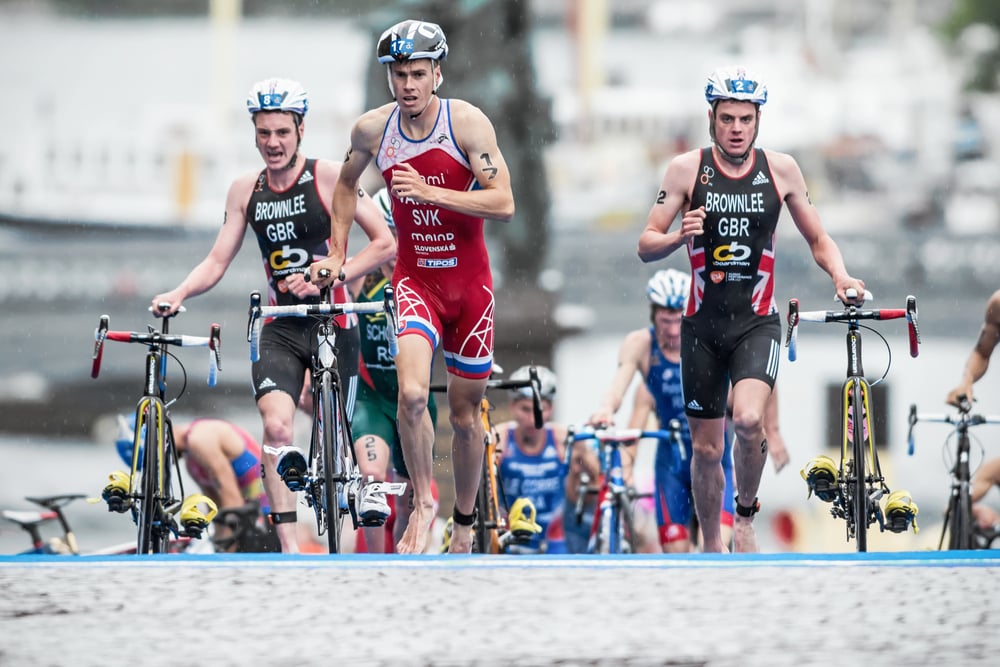
As the world’s hardest triathlon, this challenge begins with an 87-mile run from London’s Marble Arch to Dover. Competitors then swim the English Channel (21 miles) before cycling 181 miles from Calais to the Arc de Triomphe in Paris.
The swim portion is particularly challenging, with strong tides, cargo ship traffic, and water temperatures around 60°F. The entire event must be completed without breaks, with only about 50 people having successfully finished since its inception.
Like Go2Tutors’s content? Follow us on MSN.
Montane Spine Race
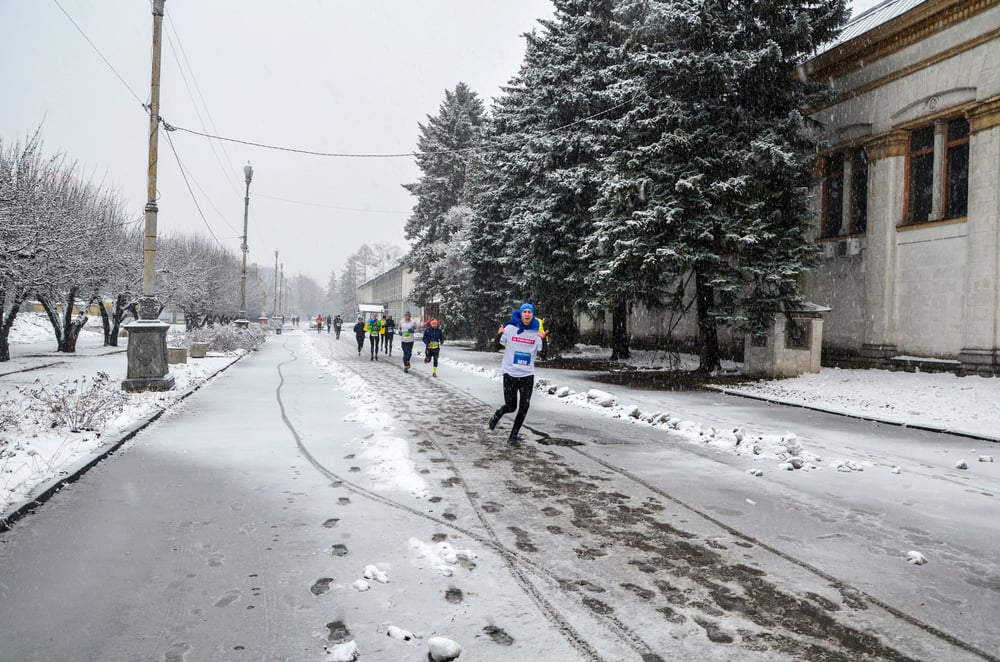
Often called ‘Britain’s most brutal race,’ this 268-mile winter ultramarathon follows the Pennine Way through England’s mountainous backbone. Competitors face gale-force winds, freezing rain, snow, and mud while navigating with a map and compass through remote moorlands.
The race takes place in January when daylight is limited to about 8 hours, forcing most competitors to travel long distances in darkness. Most finishers take between 5 and 7 days to complete the course, with many dropping out due to exposure and exhaustion.
Yukon 1000
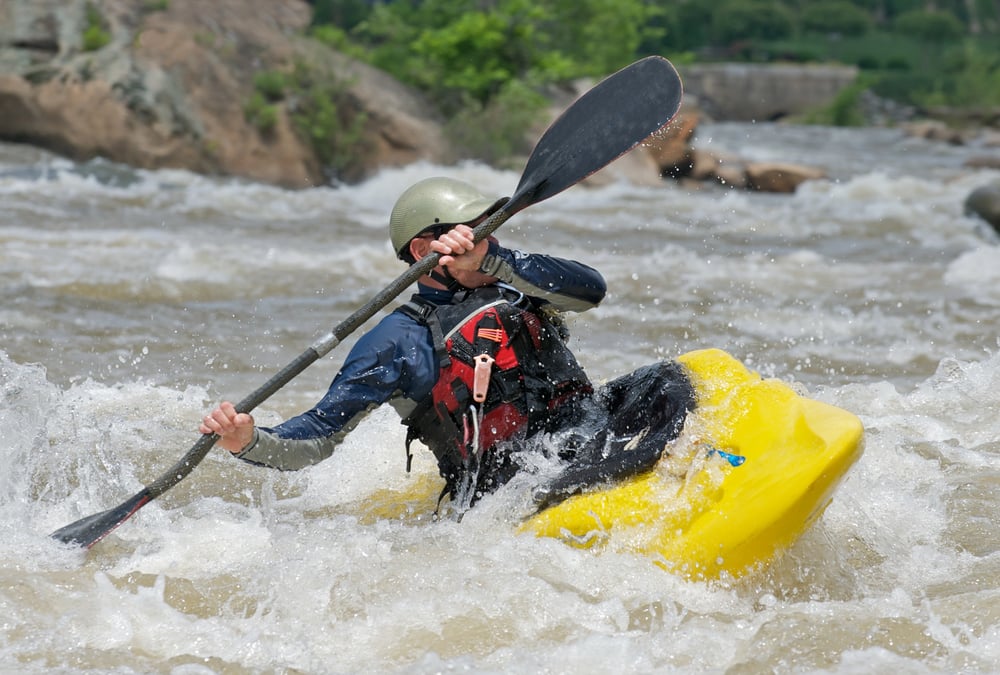
As the longest canoe and kayak race in the world, this challenge covers 1,000 miles of the remote Yukon River from Whitehorse, Canada, to the Dalton Highway in Alaska. Teams navigate through wilderness where the nearest road or settlement might be hundreds of miles away.
Bears and moose present real dangers, while the isolation means that in emergencies, help could be days away. Competitors must carry all their supplies and camping equipment, battling sleep deprivation and muscle fatigue while paddling up to 18 hours per day.
The Outer Limits of Human Potential

These extreme endurance challenges represent the frontier of human capability, showcasing what happens when determination meets preparation. Each event attracts individuals seeking to discover their physical and mental boundaries while experiencing some of the planet’s most remote and challenging environments.
Though most of us will never attempt these feats, they serve as powerful reminders that human potential extends far beyond what we might imagine possible in our everyday lives.
Like Go2Tutors’s content? Follow us on MSN.
More from Go2Tutors!

- 18 Unexpectedly Valuable Collectibles You Might Have Lying Around
- 15 Things Every Teenager in the ’70s Did That Teens Today Wouldn’t Understand
- 15 Strange Things People Have Tried to Ban (And Failed)
- 15 Inventions That Were Immediately Banned After Being Created
- 20 Actors Who Were Almost Cast in Iconic Roles
Like Go2Tutors’s content? Follow us on MSN.