Retro Board Game Editions Collectors Chase
Board games have been bringing families and friends together for generations, but some editions have become way more than just entertainment. Certain vintage versions command serious money on the collector’s market, with people hunting through thrift stores, estate sales, and online auctions to find them.
These aren’t just games anymore. They’re pieces of nostalgia, slices of history, and sometimes incredibly valuable treasures hiding in someone’s basement.
Let’s look at the specific editions that make collectors open their wallets wide and why these particular versions became so sought after.
1963 Waterworks
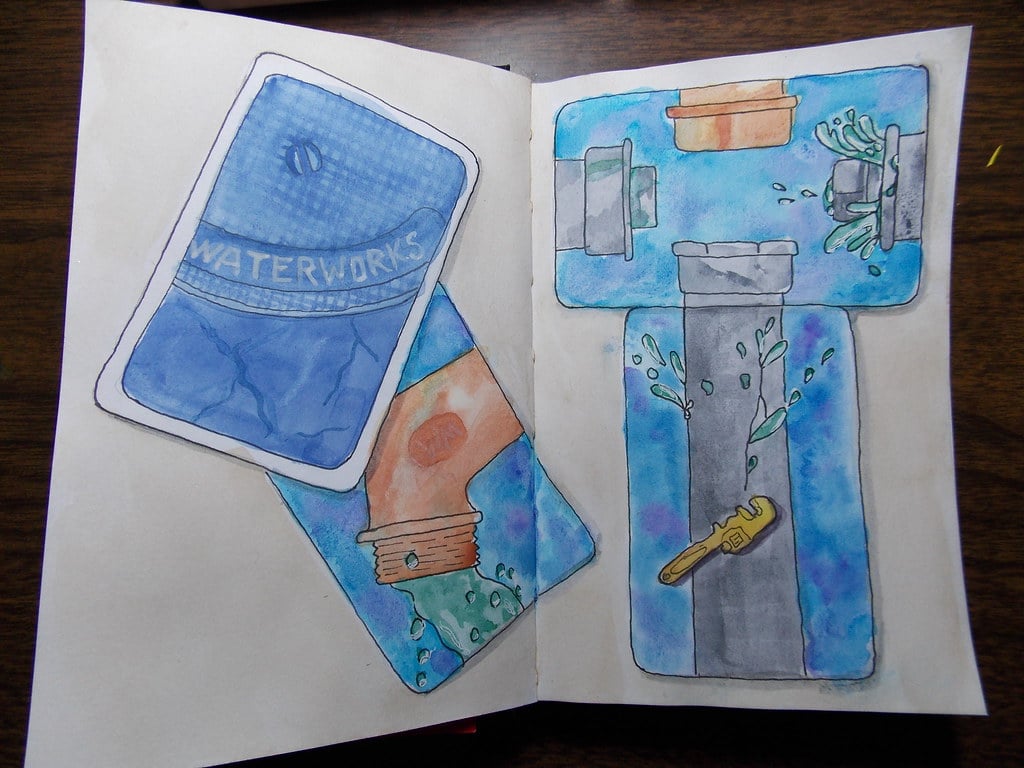
The Parker Brothers pipe-repair game arrived in a bright orange case back in the day. While linking water lines, children learned quick thinking – all while messing with their rivals’ plans.
What makes the ’63 version special is how solid it feels – the cards were chunkier compared to newer ones. Fans go for the old-school drawings of goofy plumbers, plus the straightforward fun that still works today.
Dark Tower from 1981

Milton Bradley created something special with this electronic fantasy game that featured a battery-powered tower in the center of the board. Players rotated the tower to face them, pressed buttons, and watched lights flash while it made sounds and displayed their fate.
The tower itself often breaks down after 40-plus years, making working copies incredibly rare. Complete sets with all the plastic pieces, the original box, and a functioning tower can fetch over a thousand dollars because they represent the peak of 1980s game innovation.
1959 The Game of Life
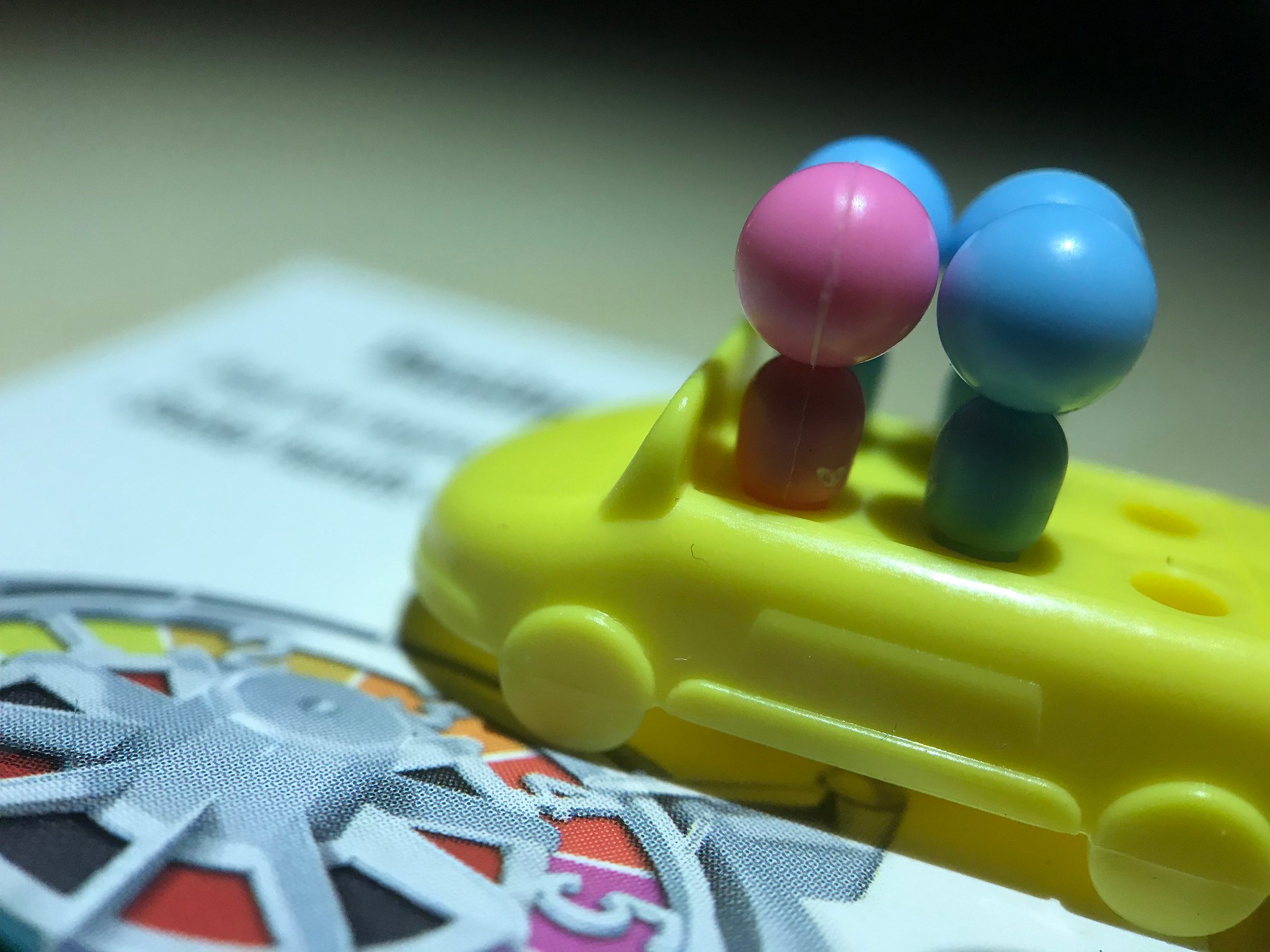
The original version of this classic came in a much different format than modern editions. Art Linkletter’s picture appeared on the box, and the game board featured a spinner built into a roulette-style wheel instead of the flat spinner people know today.
The money looked different, the career cards offered jobs that don’t exist anymore, and the whole aesthetic screamed late 1950s optimism. Collectors prize this edition because it captures a specific moment in American culture when the future seemed bright and predictable.
First Edition Monopoly from Atlantic City
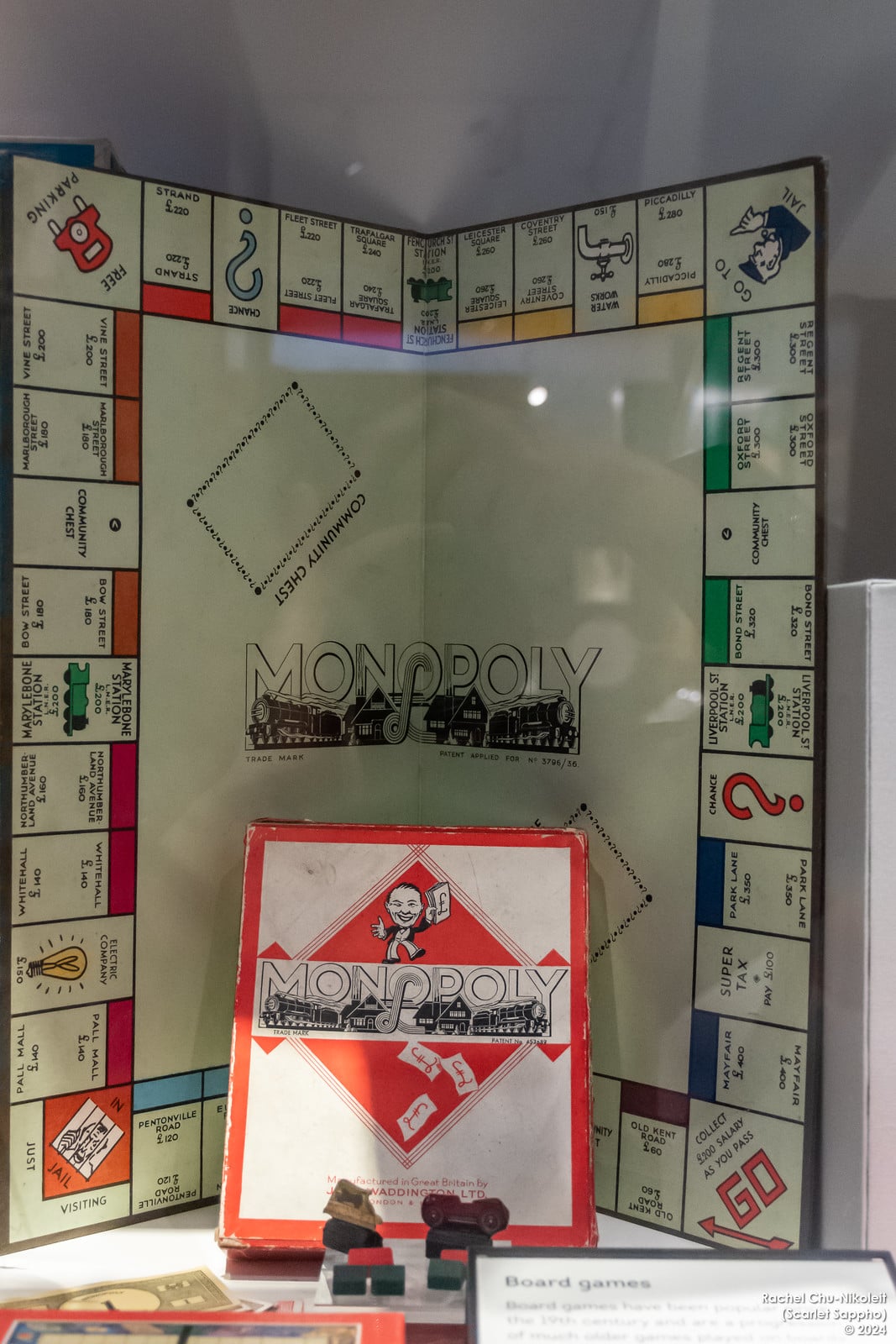
Before Parker Brothers mass-produced Monopoly, Charles Darrow made handcrafted versions in the early 1930s with circular boards and hand-drawn properties. These handmade sets are museum pieces now, nearly impossible to find and worth a fortune.
Even the earliest Parker Brothers editions from 1935 command high prices because they came in white boxes and featured wooden houses and hotels. The game pieces were made from different materials than later versions, and the board had subtle design differences that collectors can spot immediately.
1949 Clue with the Original Weapons
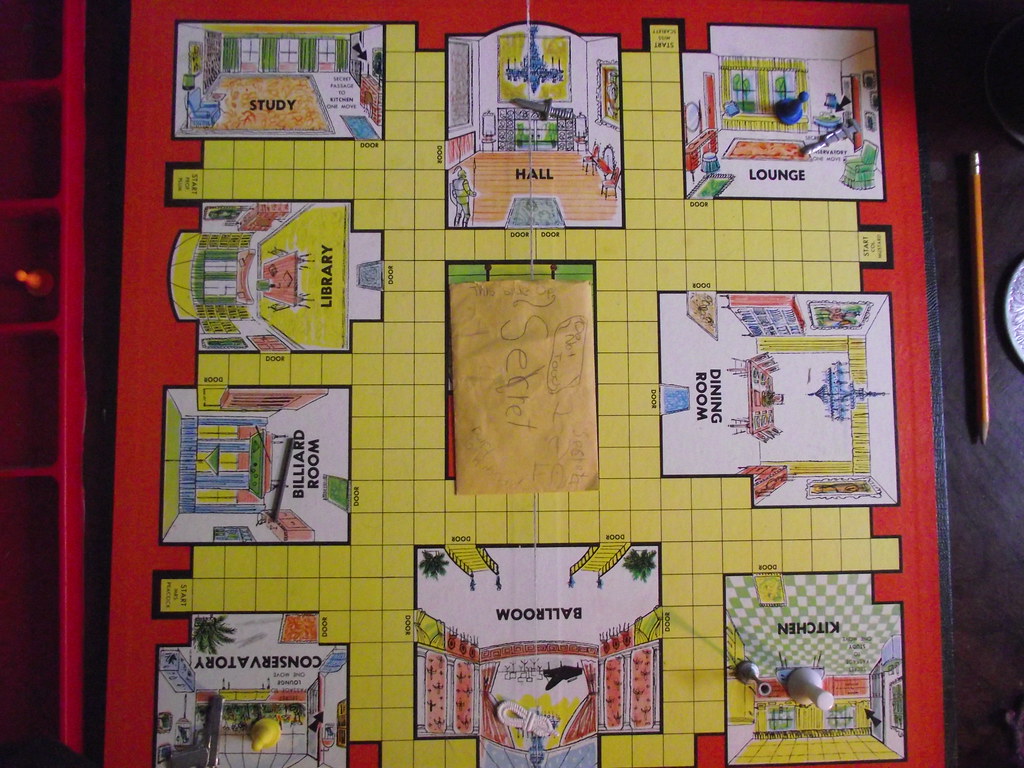
The murder mystery game started in England as Cluedo before crossing the Atlantic. Early American versions included all six classic weapons, but they were made from metal instead of plastic.
That lead pipe really was lead, and the candlestick had actual weight to it. Sets with all the original metal weapons intact are harder to find because pieces often got lost or replaced over the decades.
Masterpiece Art Auction Game from 1970
This game about buying and selling famous paintings came with actual reproductions of classic artworks on thick cardstock. The original edition featured better quality prints than later versions, and the wooden easel that came with it was sturdier.
Players bid on paintings in an auction format, trying to figure out which ones were valuable and which were forgeries. The combination of education and entertainment made it popular with families, and the 1970 version has a retro charm that later editions lost when they cheapened the components.
1964 Stratego with Wooden Pieces
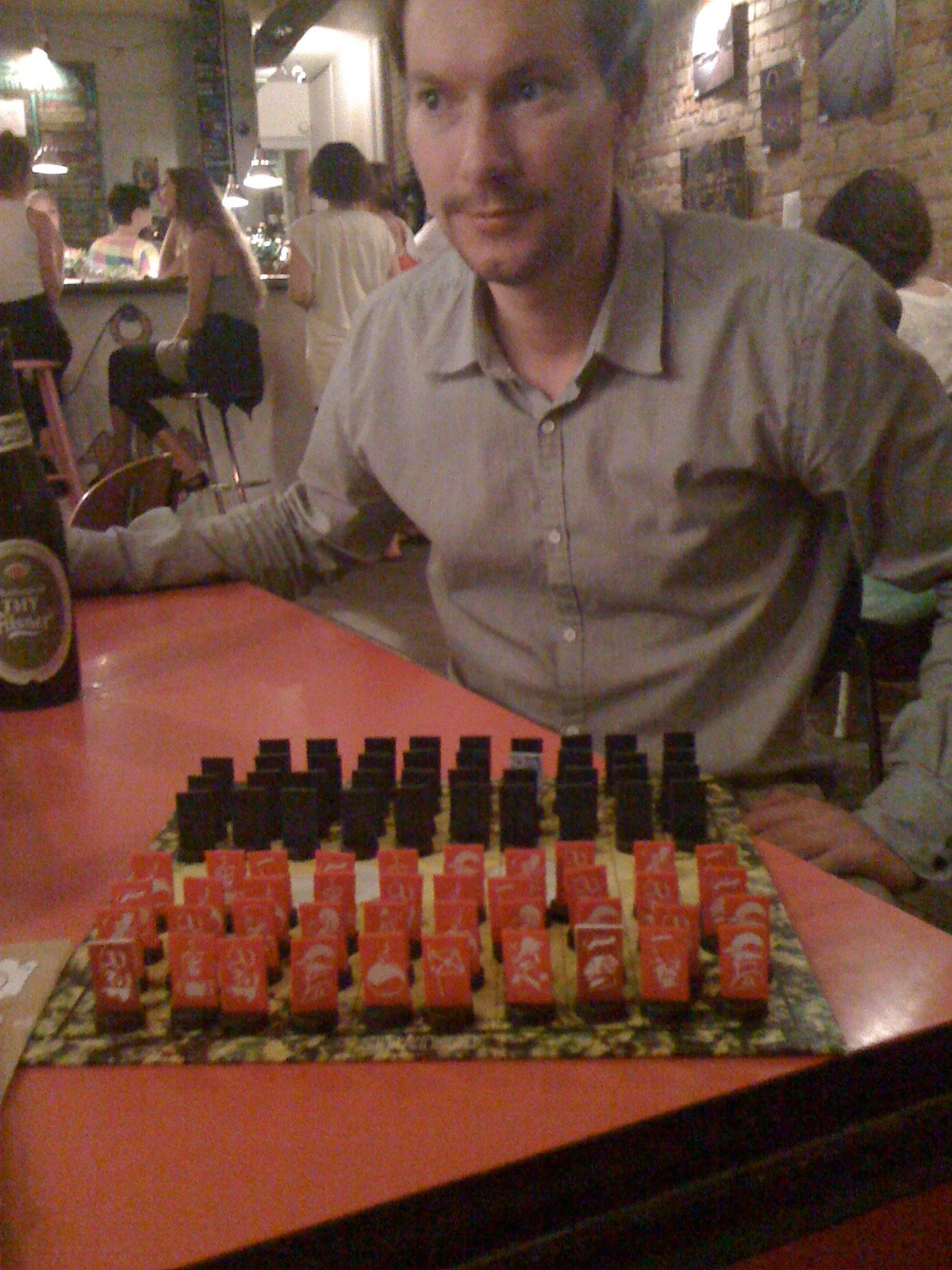
The military strategy game typically came with plastic pieces, but early wooden editions from the Netherlands exist and collectors go crazy for them. These sets featured hand-painted wooden soldiers and flags instead of the printed cardboard or plastic that became standard.
The wood gave each piece a substantial feel, and the craftsmanship was remarkable compared to mass-produced versions. Finding a complete set with all 80 pieces still intact requires serious patience and usually serious money.
Mouse Trap from 1963
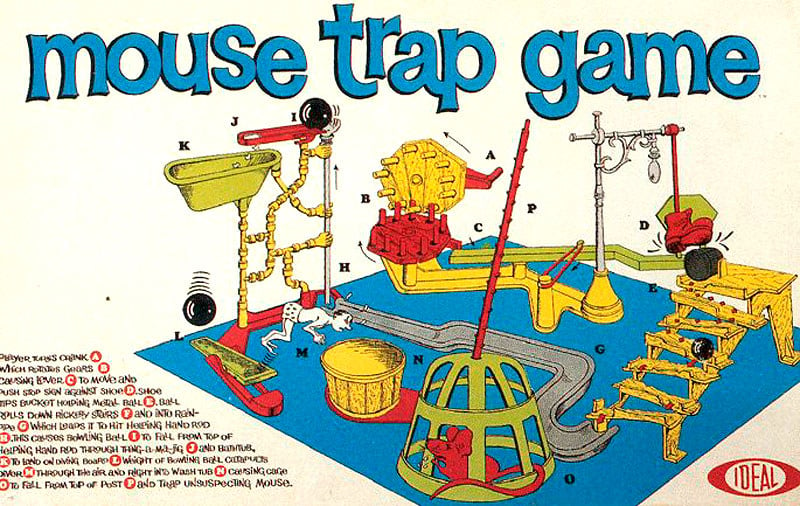
The original Rube Goldberg-inspired game came with metal parts that have since been replaced with cheaper plastic in modern versions. That bathtub was real metal, the cage was sturdier, and the whole contraption worked more reliably than later editions.
Kids loved watching the chain reaction unfold, and the game became a sensation despite being overly complicated. Original sets with all the metal pieces still present and a box in decent shape attract collectors who remember the satisfying clink of those metal components.
1957 Risk with Wooden Cubes
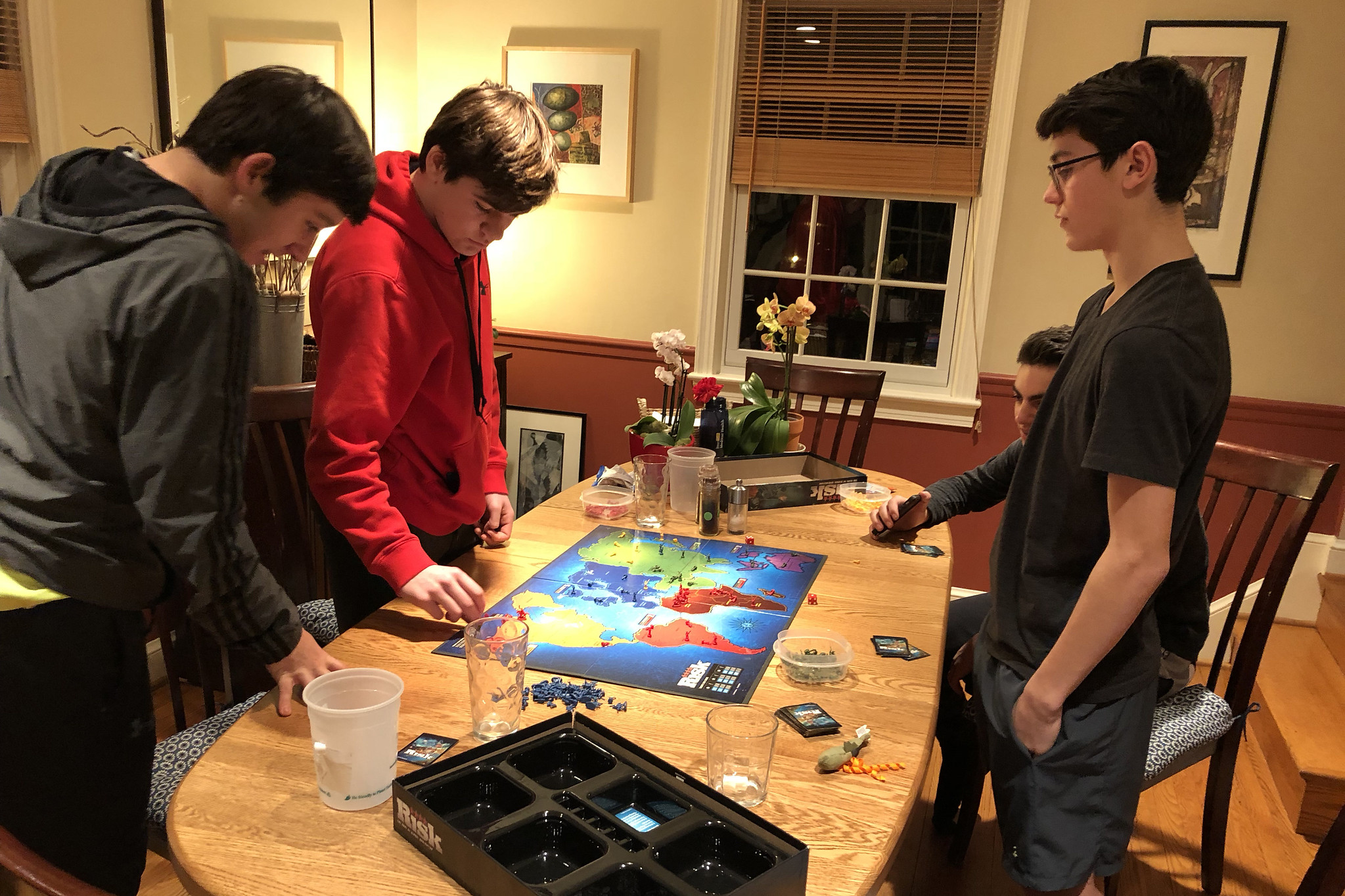
The world domination game started with wooden cubes representing armies instead of the shaped plastic pieces that came later. These early sets came in a more compact box, and the board folded differently than modern versions.
The wooden cubes gave the game a more abstract, serious feel compared to the tiny cannons and soldiers that replaced them. Continental versions from this era sometimes included slightly different rules or maps, making them even more interesting to collectors who want to see how the game evolved.
1961 Twister in the Original Square Box
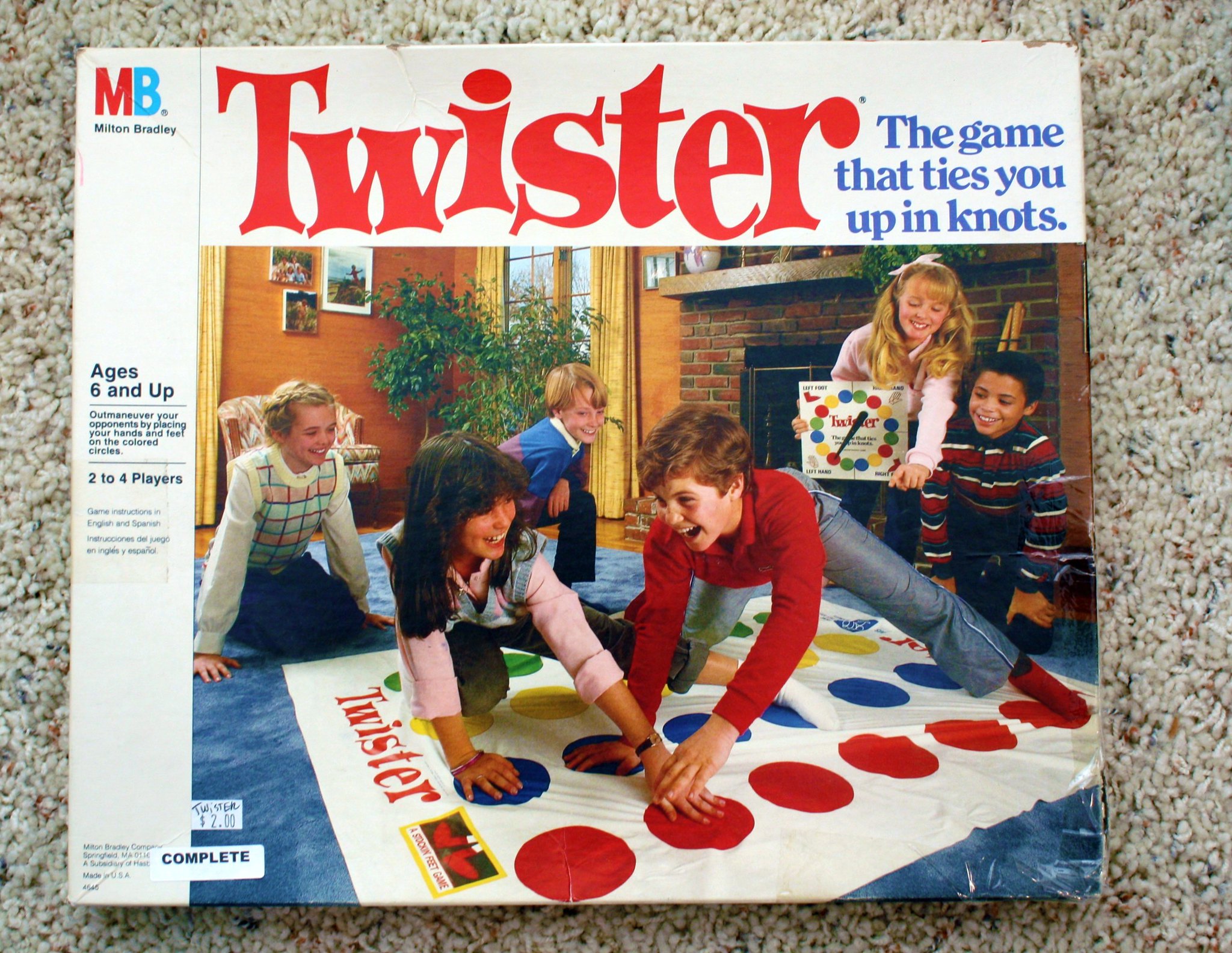
Milton Bradley took a gamble on this physical party game that critics called inappropriate at the time. The first edition came in a square box rather than the long rectangular box most people remember.
It included the same plastic mat and spinner, but the packaging and instructions had a distinctly early 60s vibe. Johnny Carson playing it on The Tonight Show with Eva Gabor made it famous, and that cultural moment is frozen in the original edition that sits in collectors’ closets.
Operation with the Original Cavity Sam
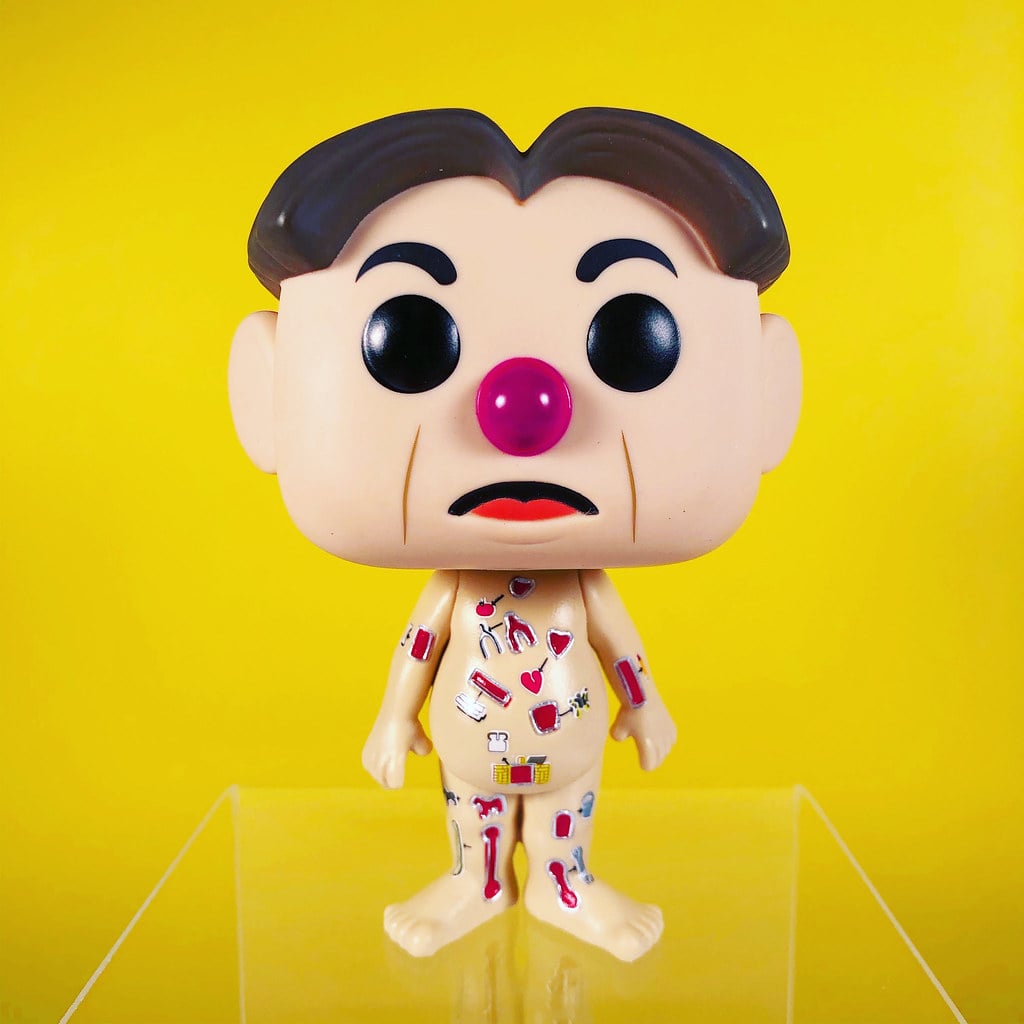
The steady-hand game about removing ailments from a patient started in 1965 with a slightly different board design. Cavity Sam looked a bit different in early editions, and some of the removable pieces had different names than they do today.
The buzzer sounded different, and the game board was made from thicker materials. Collectors appreciate how this edition represents the beginning of a game that became a cultural touchstone, complete with that nerve-wracking buzzer that made everyone jump.
1966 Careers with Metal Tokens
This alternative to traditional success-focused games lets players define their own winning conditions using fame, happiness, and money. The 1966 edition came with metal playing pieces instead of plastic, and the career cards reflected jobs and opportunities from that specific era.
Players could become astronauts during the space race or Hollywood directors during the studio system’s twilight years. The game board was more colorful in this edition, and the whole package captures mid-60s America better than history textbooks.
Dungeon! from 1975
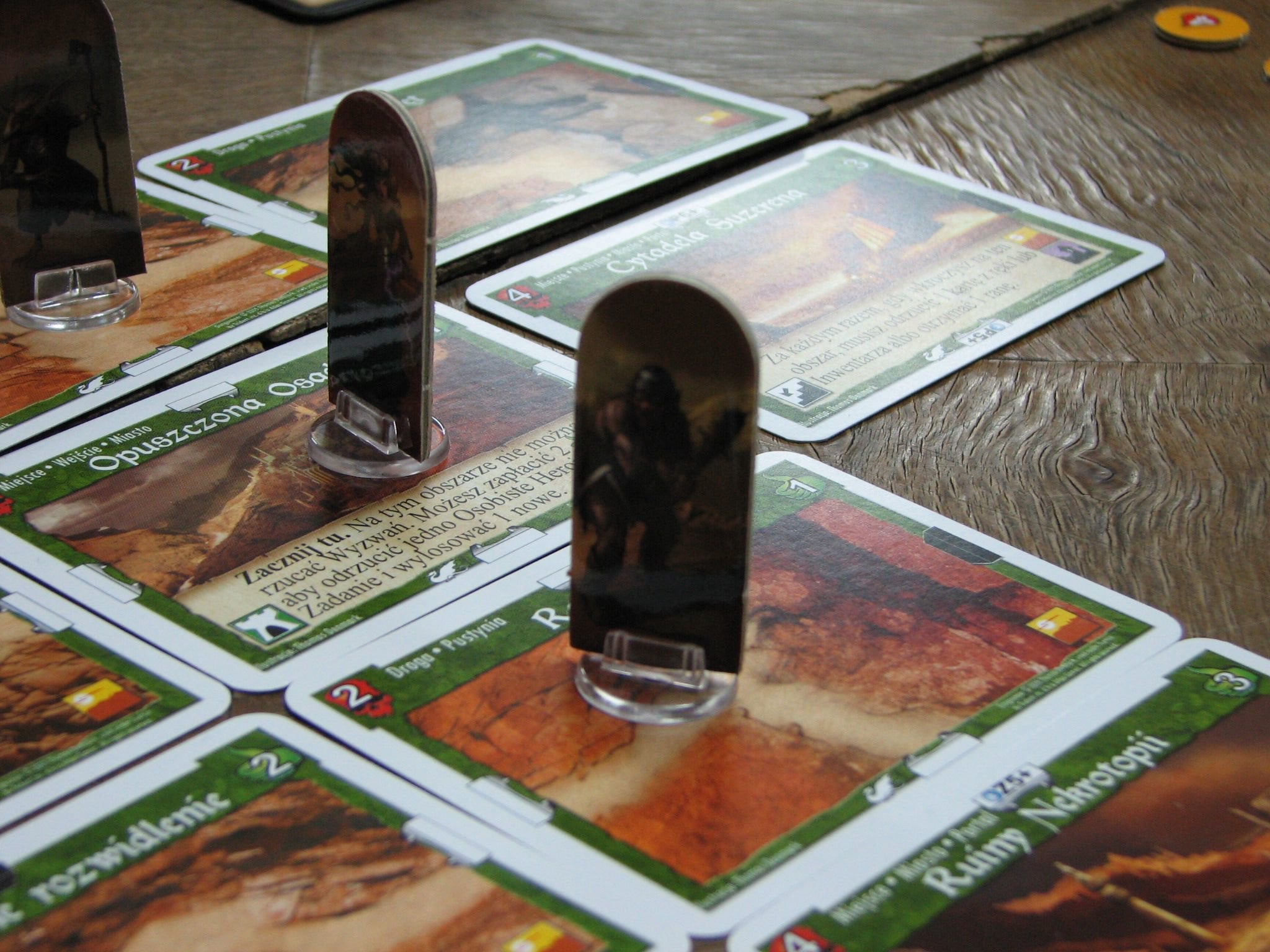
TSR made this stripped-down dungeon adventure game before D&D blew up. Right off the bat, the debut version came in a black box with bold red text – pretty barebones when stacked against newer runs.
Folks wandered maze-like rooms hunting loot while bashing creatures, giving tons of young players their first taste of make-believe quests. That ’75 model’s kind of scarce now since TSR kept production low before realizing it’d catch on; later, they just quit selling it altogether.
1978 Simon with the Original Tones
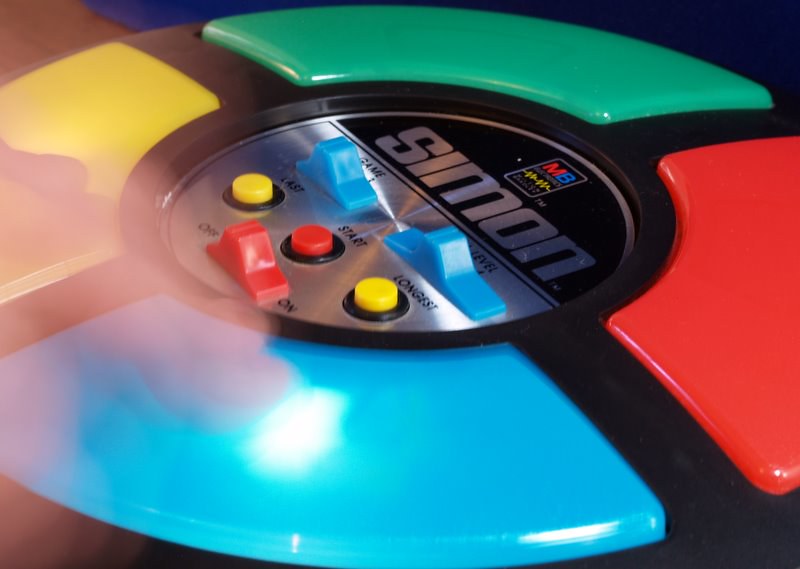
Even though it’s just a gadget, not a board game, Simon showed up at every hangout. Back in ’78, Milton Bradley released the original – one had sharper tones, also built sturdier than today’s versions.
Older units sound cleaner, since they didn’t cut corners on materials. Now, fans try tracking down functioning ones, yet that’s hard – most are close to fifty years old.
1981 Trivial Pursuit Genus Edition
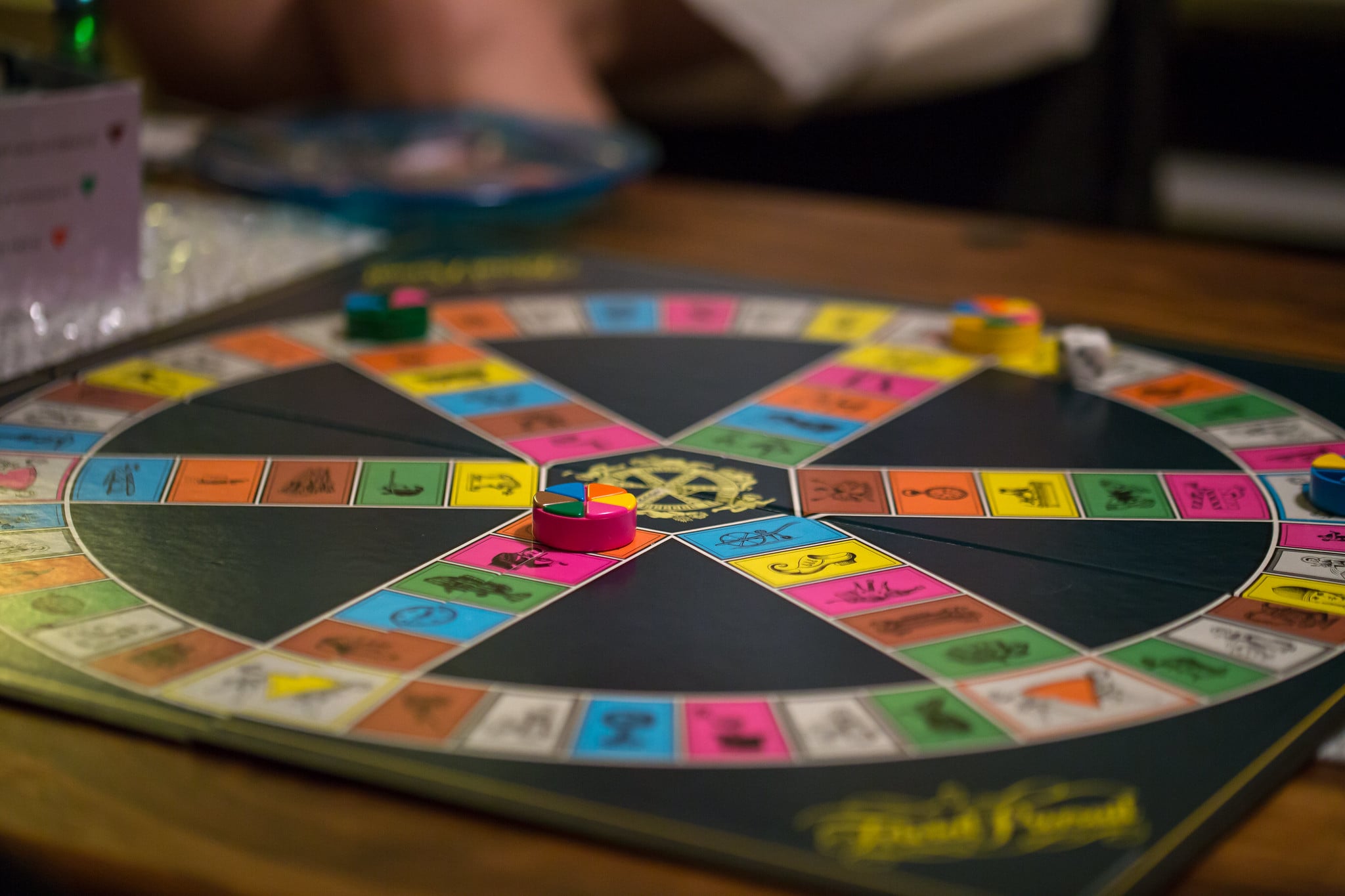
The first version from Canada blew up until Hasbro stepped in and mass-produced tons of units. But early Canadian versions differ quietly – questions shift a bit, so do the card shades compared to U.S. runs.
Its shape stood out – a six-sided case that grabbed eyes right away at retail spots. For fans hunting old sets, snagging one with every piece intact – the slices, cards, even the die – in that rare local box? That’s like striking gold.
HeroQuest from 1989
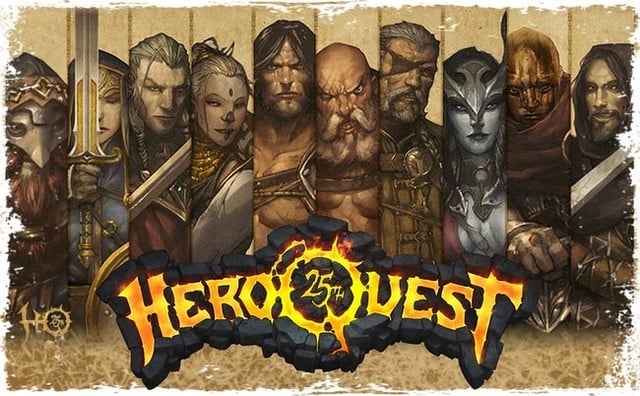
Milton Bradley teamed up with Games Workshop to make a fantasy adventure game blending board play with storytelling. Inside the first version were small plastic figures, paper-based room parts, and tile sections for dungeons – set up differently every mission.
The figurines from the 1989 release beat most newer ones in detail, while some add-on kits ended up worth more than the starter box itself. Full collections still holding every little molded part sell high since bits vanished after years of gameplay.
1974 Shogun with Hand-Painted Pieces
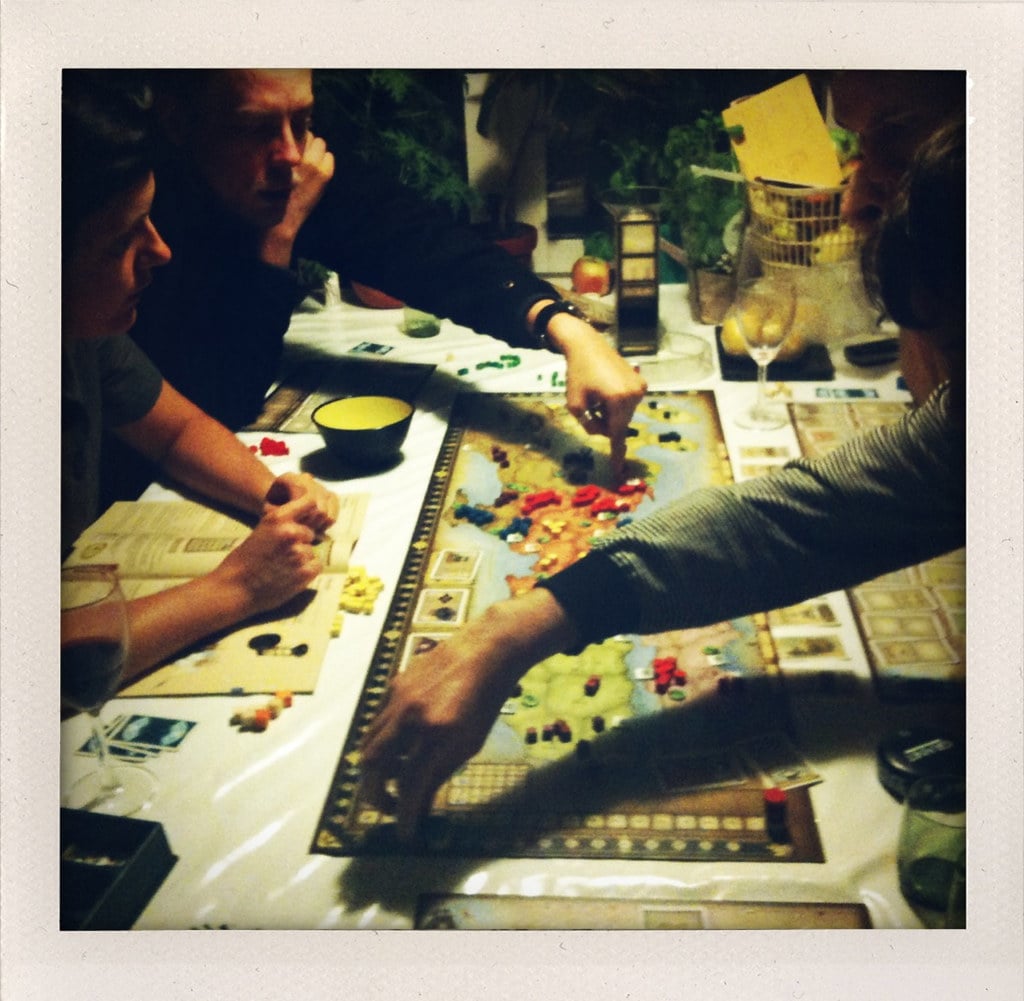
Back then known as Samurai Swords in certain places, this battle-themed game based on old Japan shipped with tons of small plastic units making up military forces. Early runs sometimes had daimyo models painted by hand along with sharper sword designs compared to later bulk-made ones.
Instead of a plain layout, the playing surface showed an artistic rendering of Japanese terrain. Players mixed planning tactics while rolling dice to fight enemies. Hunting full kits remains tough since secondhand boxes often lack at least one part due to how many bits were involved.
The Games That Built Memories
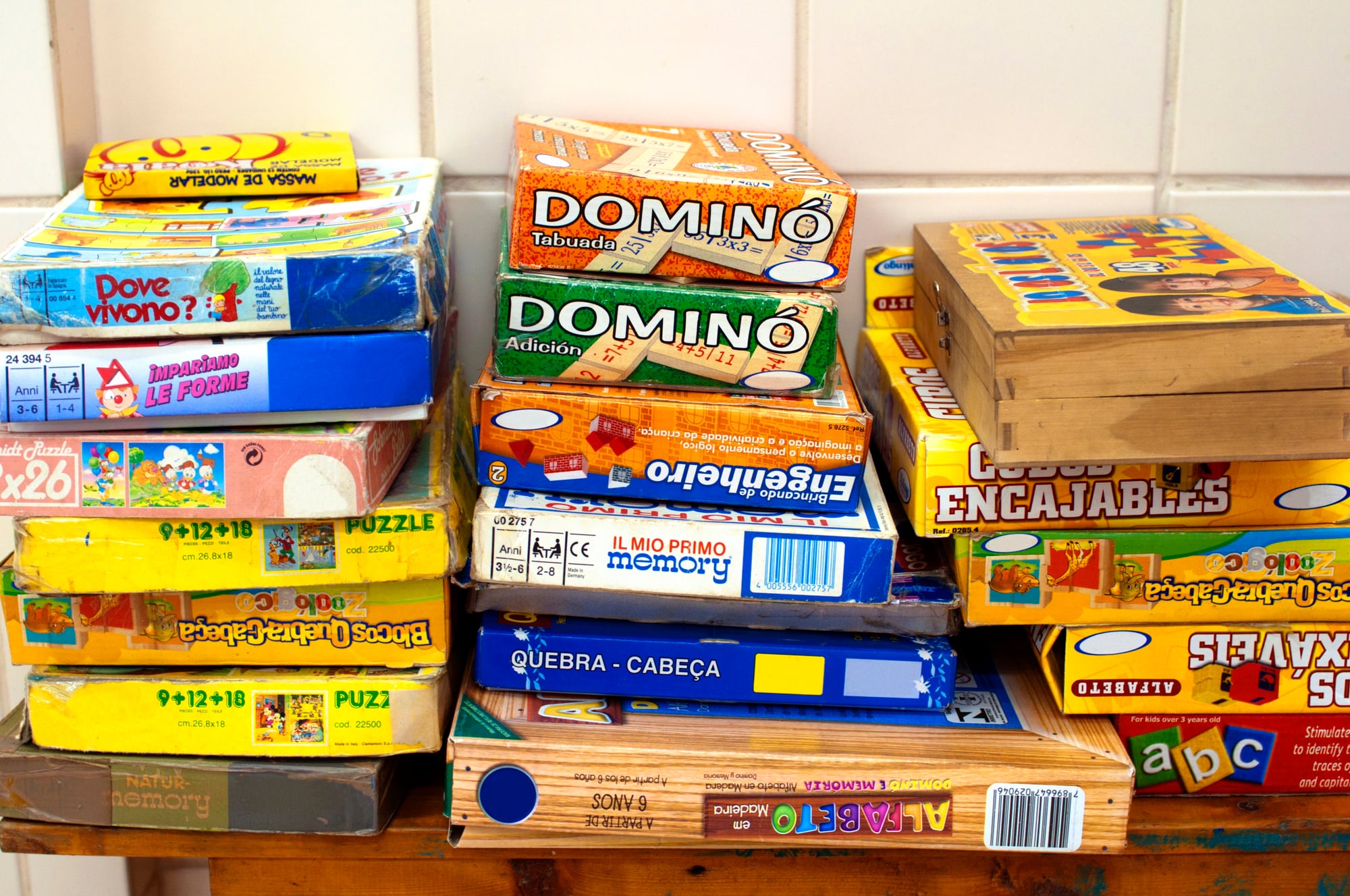
Older versions aren’t just paper or molded parts. They freeze points in time – when makers cared about build, when people played together offline, yet also shared laughs without devices nearby.
What fans spend now shows longing for less complicated days, not merely how few copies exist. Today’s remakes aim to bring back that vibe; still, no new box feels like one pulled from a shelf after thirty years gathering dust.
More from Go2Tutors!

- The Romanov Crown Jewels and Their Tragic Fate
- 13 Historical Mysteries That Science Still Can’t Solve
- Famous Hoaxes That Fooled the World for Years
- 15 Child Stars with Tragic Adult Lives
- 16 Famous Jewelry Pieces in History
Like Go2Tutors’s content? Follow us on MSN.