Phrases We Use That Come from Sailing
The English language is full of surprises. Words and expressions that people use every day often have origins that stretch back hundreds of years, and many of them came from the sea.
Sailors developed their own vocabulary to describe life on ships, and over time, these terms made their way into everyday conversation. Let’s explore some of the most common phrases that started on the waves and became part of how we talk today.
Learning the Ropes
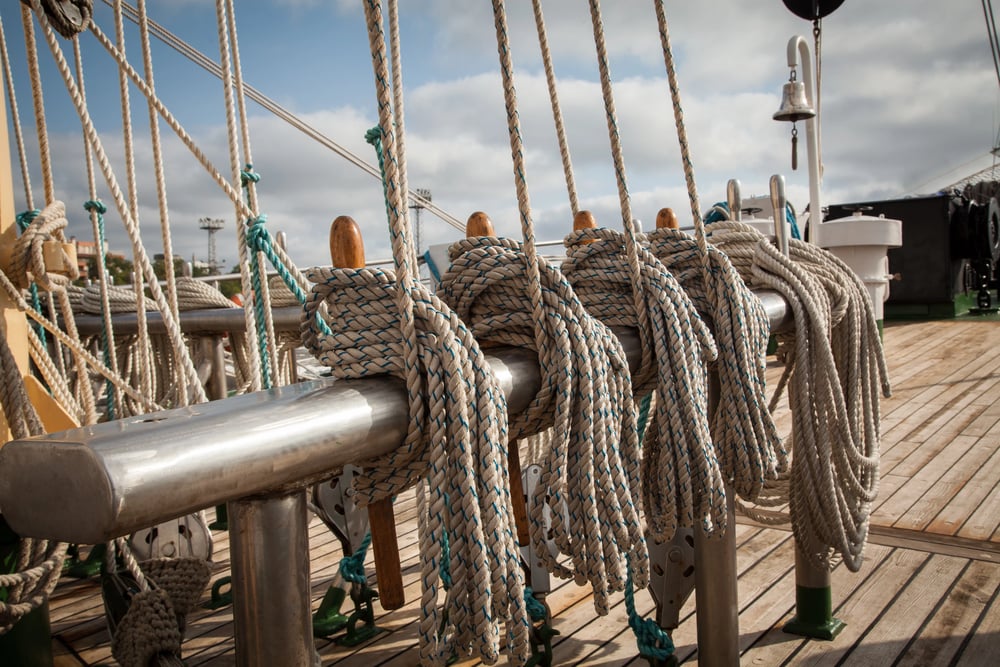
When someone new starts a job, they need to learn the ropes. On old sailing ships, this phrase was literal.
Ships had dozens, sometimes hundreds, of ropes that controlled the sails, and each one had a specific purpose. New sailors had to memorize which rope did what, and getting it wrong could be dangerous.
The expression stuck around because starting anything new feels a lot like figuring out a complicated system for the first time.
Three Sheets to the Wind
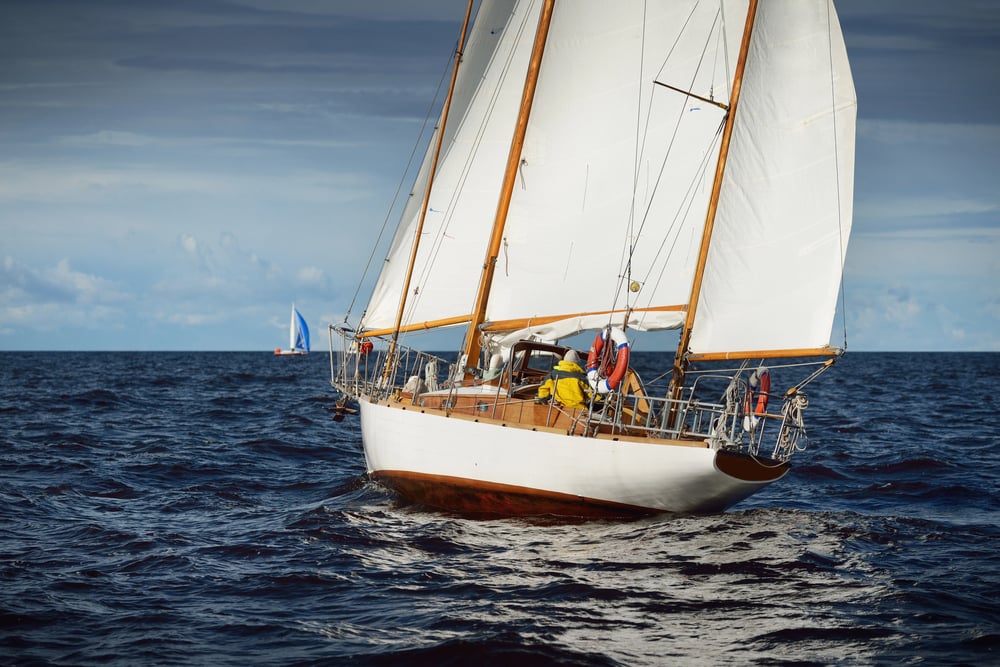
This phrase describes someone who’s had too much to drink. Sheets weren’t bed linens on ships—they were ropes that controlled the corners of sails.
If three sheets came loose and flapped in the wind, the ship would lurch and stagger like a drunk person trying to walk. Sailors used this comparison because a ship with loose sheets looked as unsteady as someone who couldn’t hold their liquor.
Taken Aback
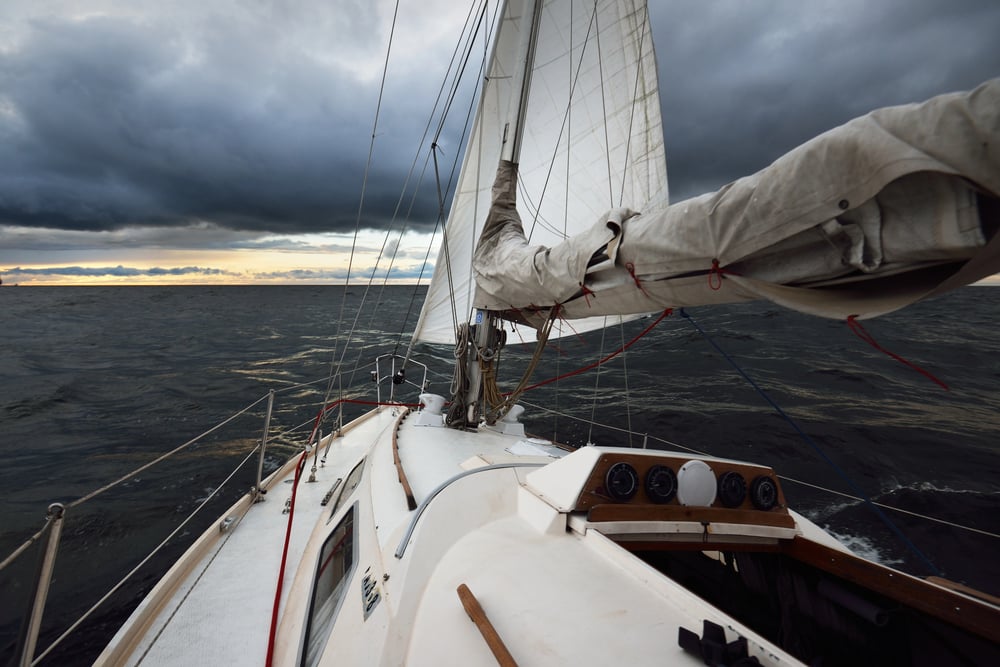
People say they’re taken aback when something surprises them. On a sailing ship, being taken aback was a serious problem.
It happened when wind hit the sails from the wrong direction and pushed them flat against the mast. The ship would stop moving forward and might even go backward.
This sudden loss of control felt exactly like the shock of an unexpected surprise.
By and Large
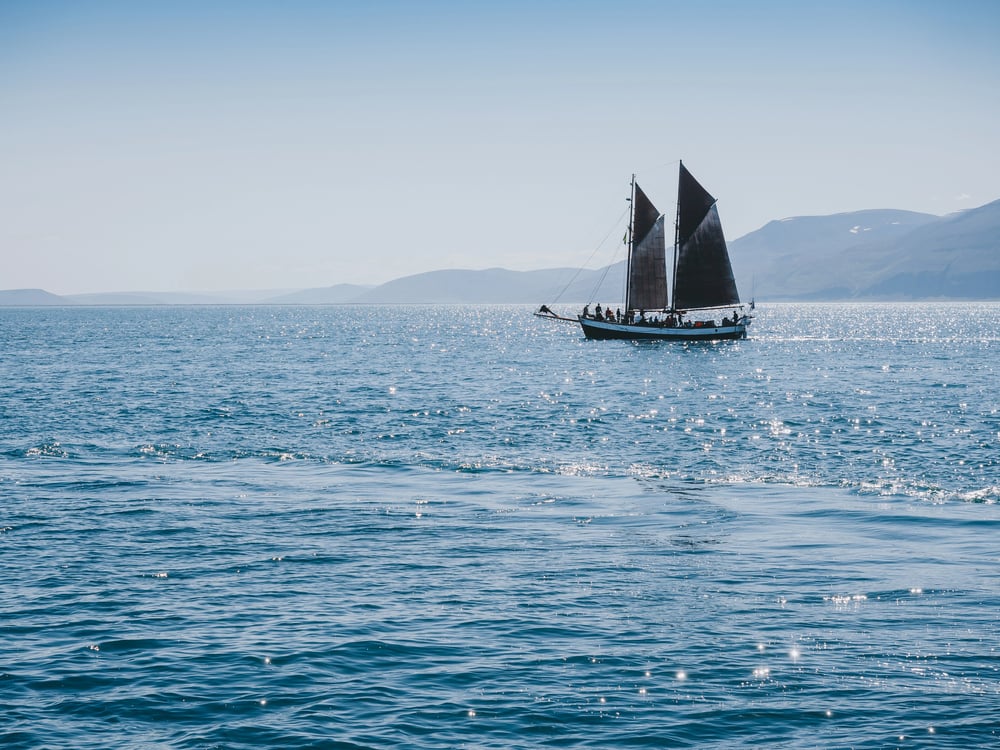
This phrase means generally or for the most part. It comes from sailing terminology where ‘by’ meant sailing into the wind and ‘large’ meant sailing with the wind.
A ship that could sail well both by and large was reliable in different conditions. People started using it to describe things that work well in most situations, even if not every single detail is perfect.
Under the Weather

Feeling sick often means being under the weather. On ships, the weather side was where wind and waves hit hardest.
Sailors who got seasick were sent below deck to the sheltered side, literally going under the place where bad weather was happening. The phrase caught on because it perfectly described that queasy, uncomfortable feeling of not being well.
Know the Ropes
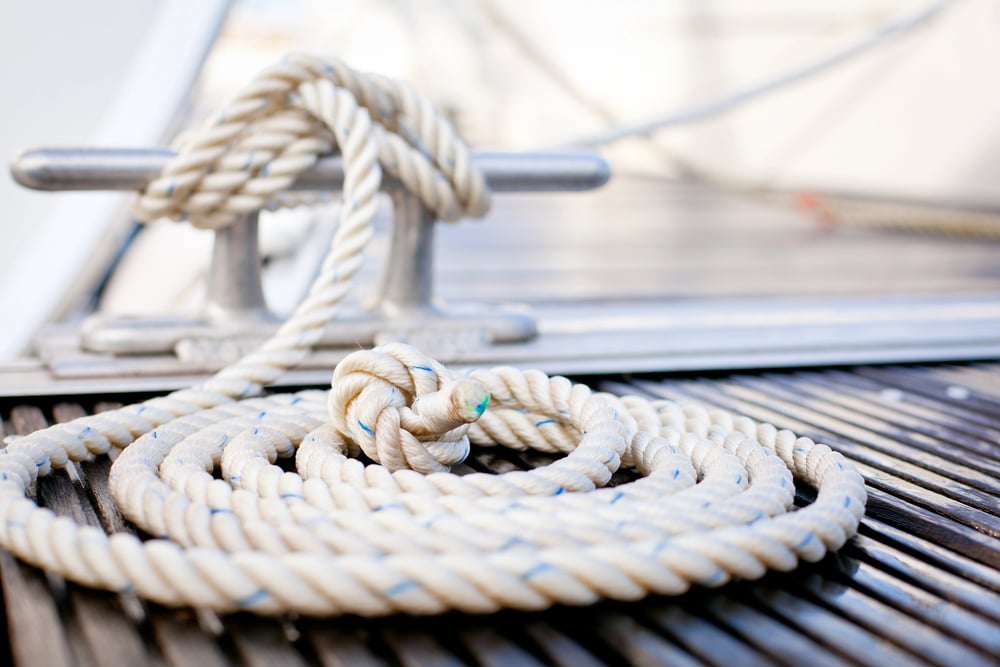
This expression is similar to learning the ropes but means having expertise. Experienced sailors knew every rope on their ship without thinking.
They could work in darkness or during storms because their knowledge was so complete. Today, someone who knows the ropes has mastered their field and can handle whatever comes their way.
Touch and Go
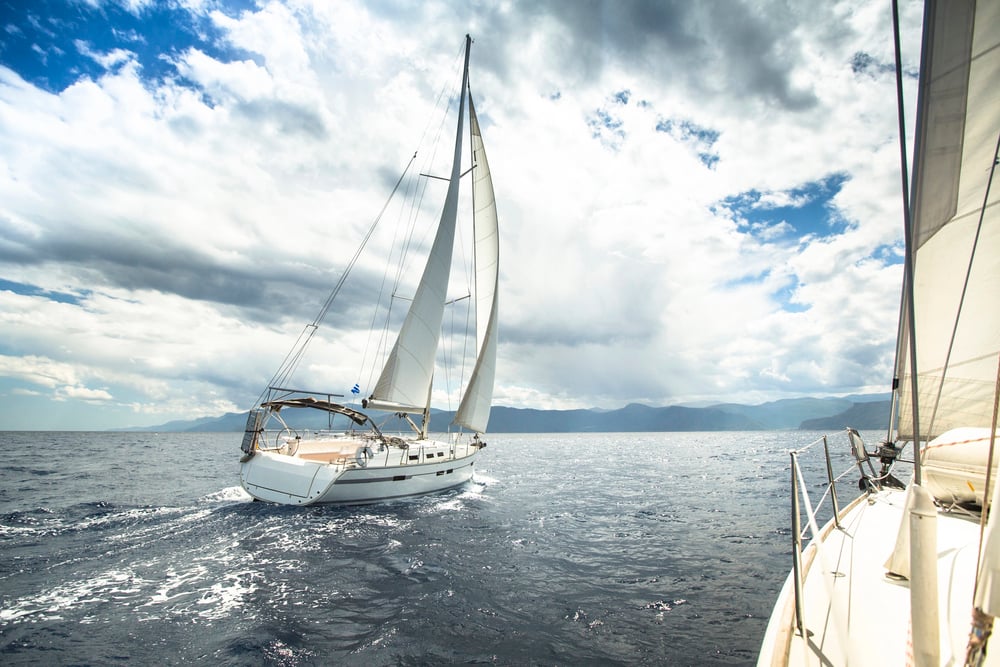
A situation that’s touch and go is uncertain and could go either way. Ships sometimes touched the bottom in shallow water but managed to keep moving without getting stuck.
The outcome was always uncertain—the ship might slide past or might run aground. This nail-biting uncertainty is exactly what people mean when they describe a close call or dicey situation.
High and Dry

Being left high and dry means being stranded or abandoned. Ships that ran aground during high tide would be left sitting on the beach when the water went out.
They couldn’t move until the tide came back in. The phrase spread because that image of a ship stuck on dry land perfectly captures the helpless feeling of being left behind.
Loose Cannon
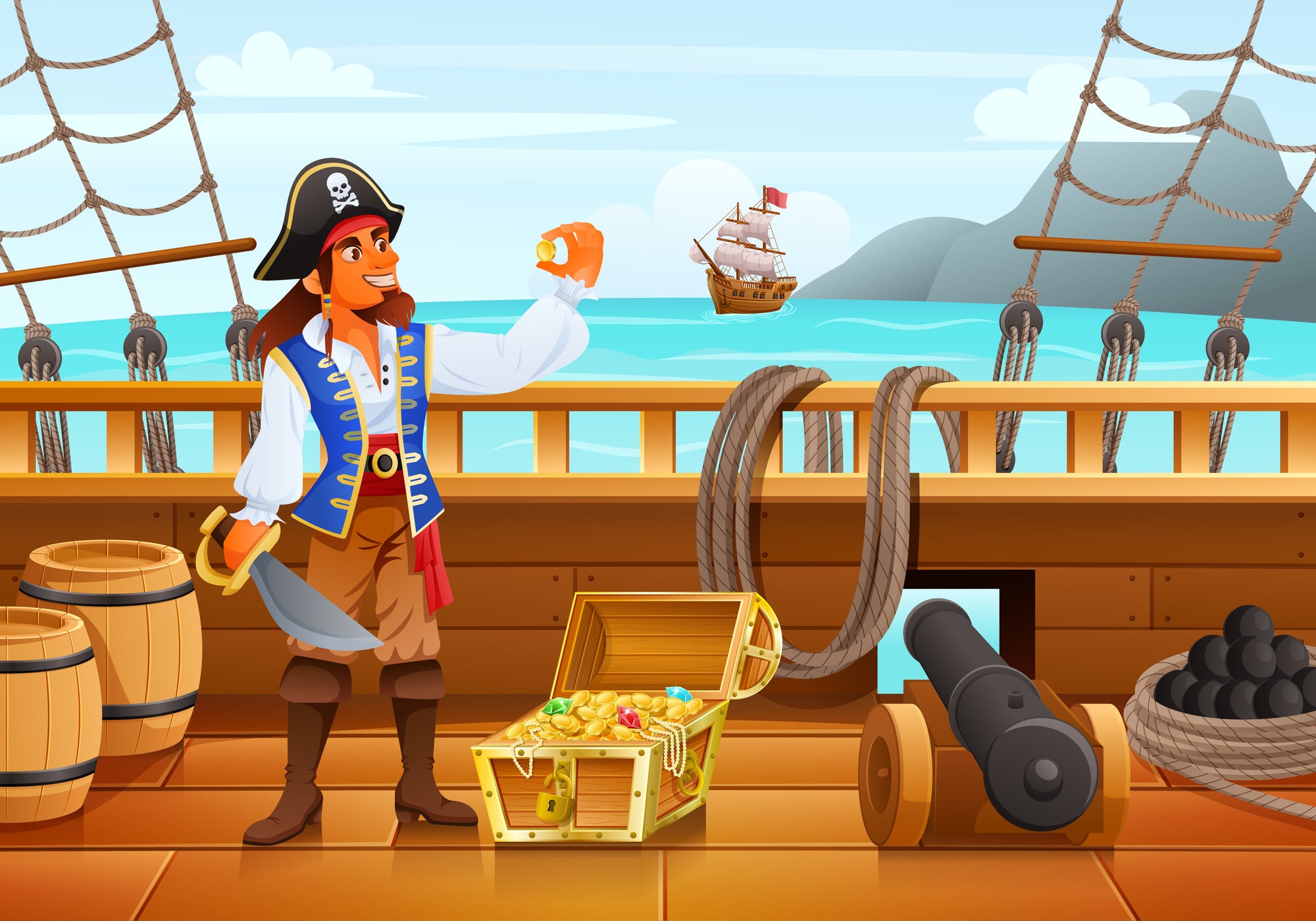
A dangerous or unpredictable person is called a loose cannon. Cannons on warships were tied down with thick ropes.
If those ropes broke during a storm or battle, a heavy cannon would roll across the deck, smashing everything and hurting anyone in its path. One loose cannon could destroy a ship from the inside, just like one reckless person can wreck a whole plan.
Show Your True Colors
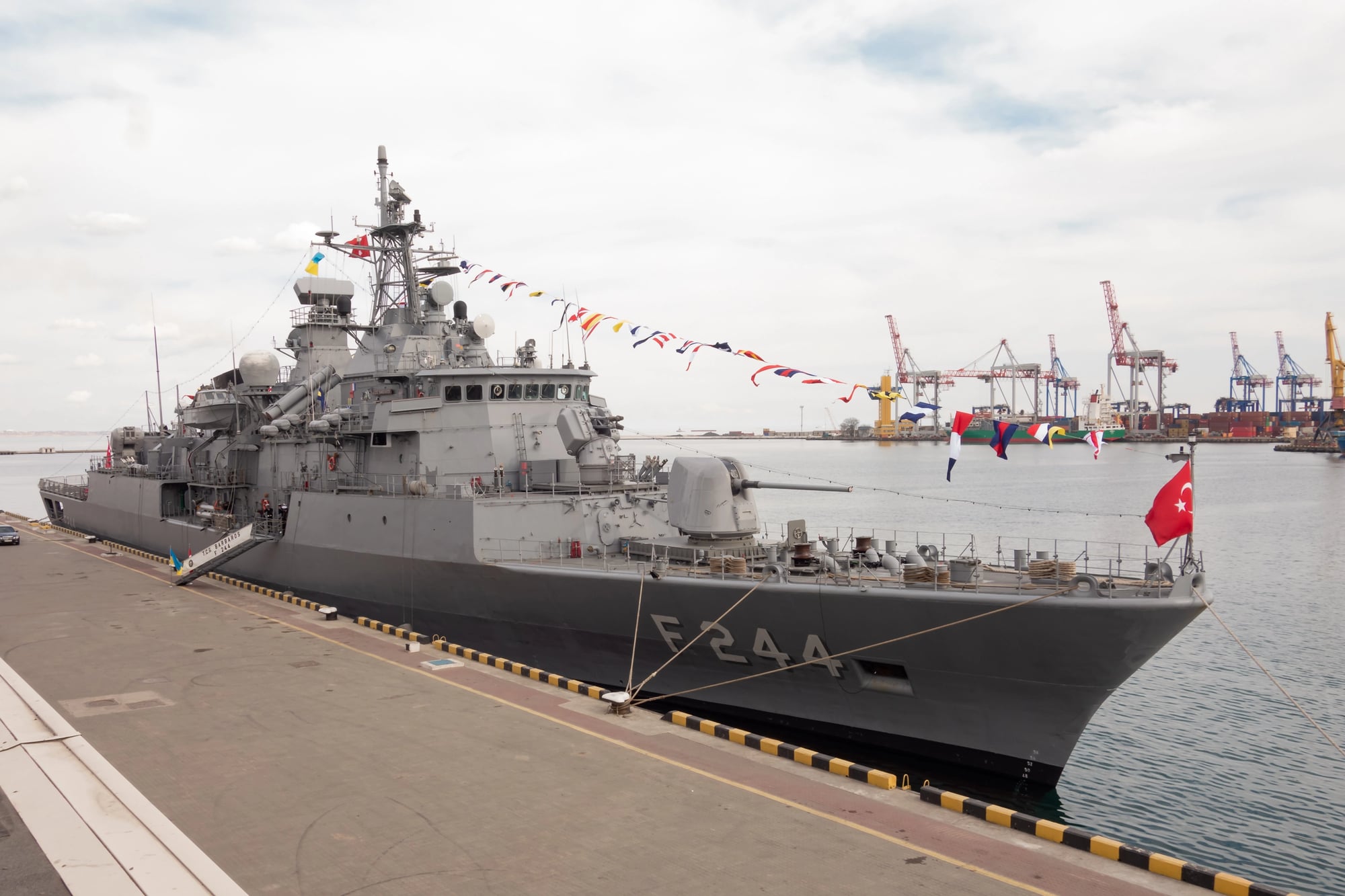
This phrase means revealing your real character or intentions. Ships flew flags, called colors, to show which country they belonged to.
Pirates and warships sometimes flew false flags to trick other vessels, then raised their true colors right before attacking. The expression stuck because people also hide their real nature until the right moment to reveal it.
The Bitter End
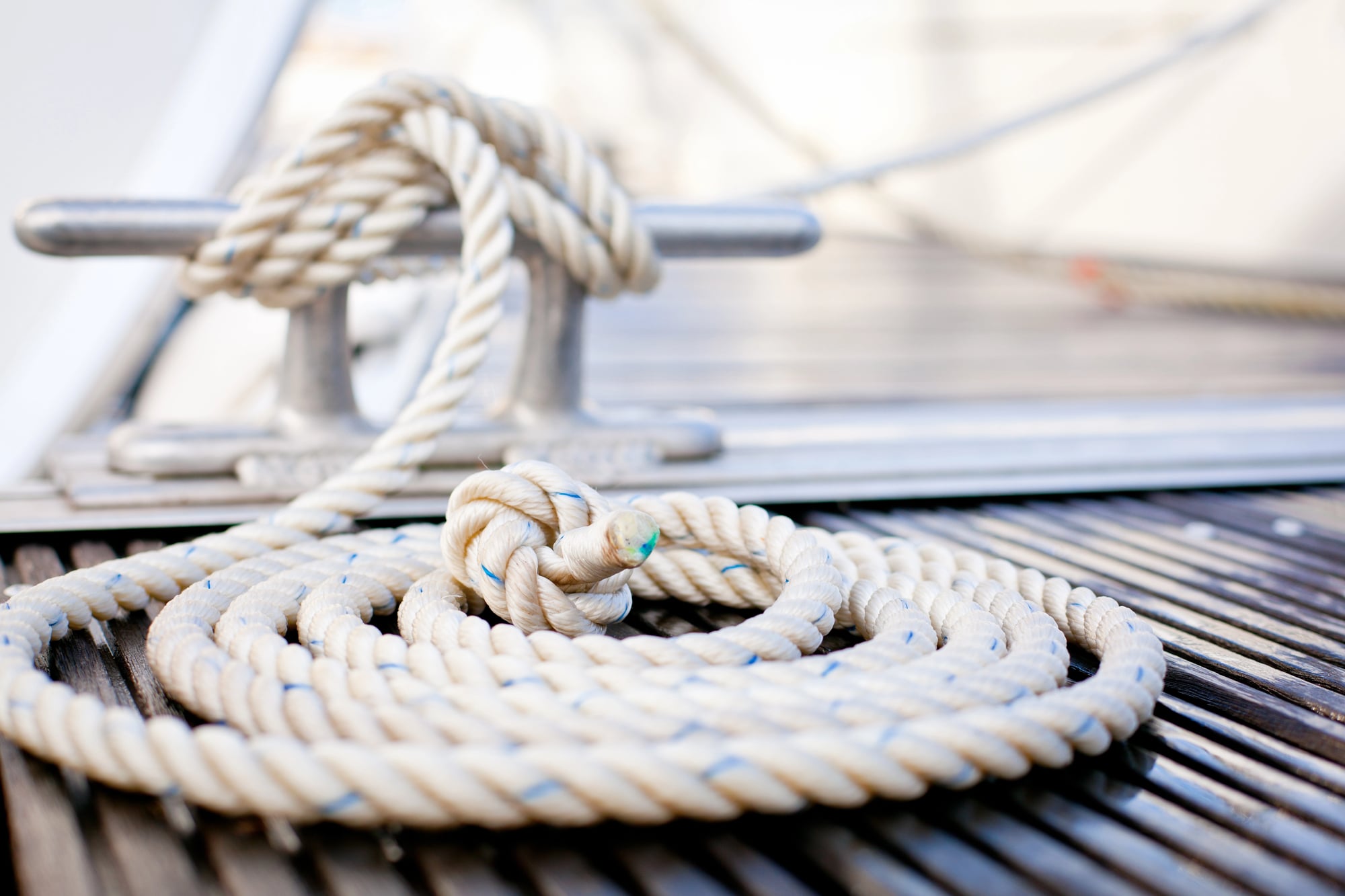
Staying until the bitter end means seeing something through to the very last moment. The bitt was a post on the ship’s deck where anchor ropes were tied.
The bitter end was the very last part of the rope attached to the bitt. When rope ran out to the bitter end, there was nothing left.
The phrase now describes persevering all the way through something difficult.
At a Loose End
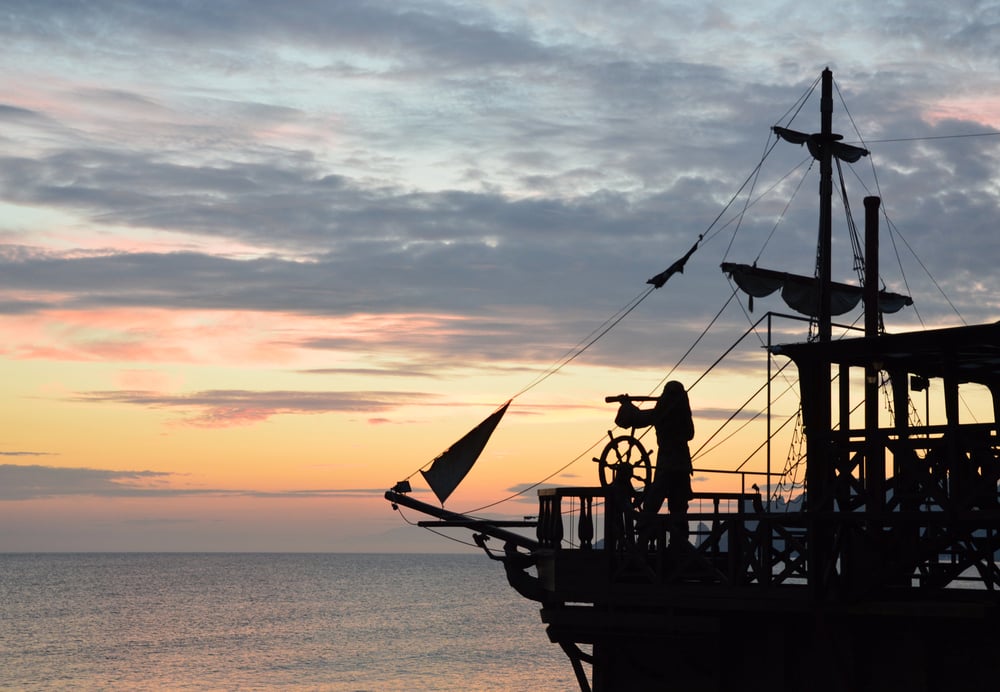
Having nothing to do means being at a loose end. Ropes on ships had to be secured or they’d flap around uselessly and get tangled.
A loose end wasn’t doing its job. People adopted this phrase because the image of something untied and purposeless matched the feeling of having free time with nothing planned.
Hand Over Fist
Making money hand over fist means earning it quickly. Sailors climbed ropes by grabbing with one hand, then the other, moving fast.
The motion looked like fists passing each other repeatedly. This steady, rapid movement reminded people of wealth accumulating at a good pace.
Giving Someone a Wide Berth
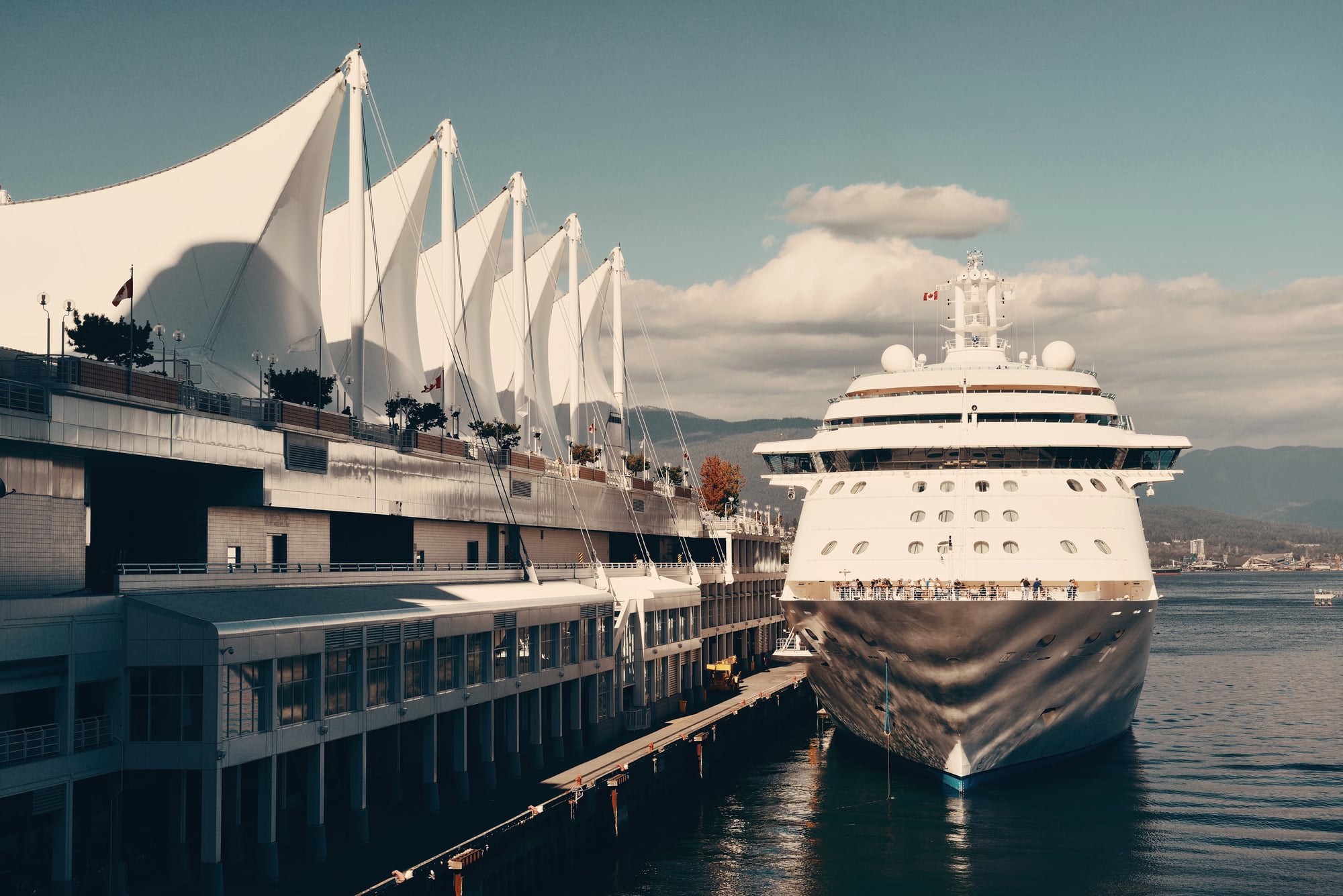
Keeping distance from someone difficult means giving them a wide berth. A berth was the space a ship needed to anchor or dock safely.
Ships gave rocks, other vessels, and hazards a wide berth to avoid accidents. The term works perfectly for avoiding troublesome people or situations that might cause problems.
On the Right Track
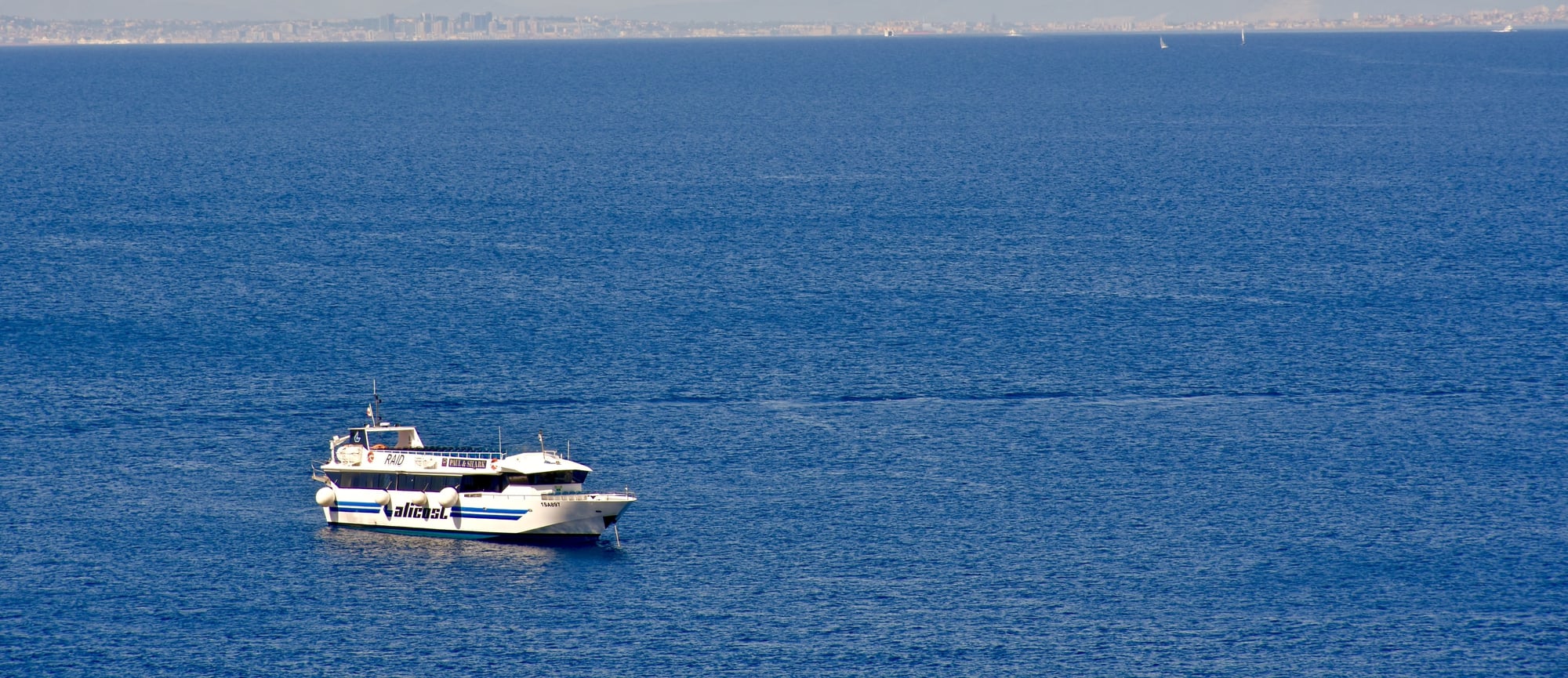
Being on the right track means heading toward success. The track was the path a ship took through the water.
Navigators plotted courses carefully, and staying on the right track meant reaching your destination. The phrase expanded to cover any situation where someone is making good progress toward a goal.
Over a Barrel
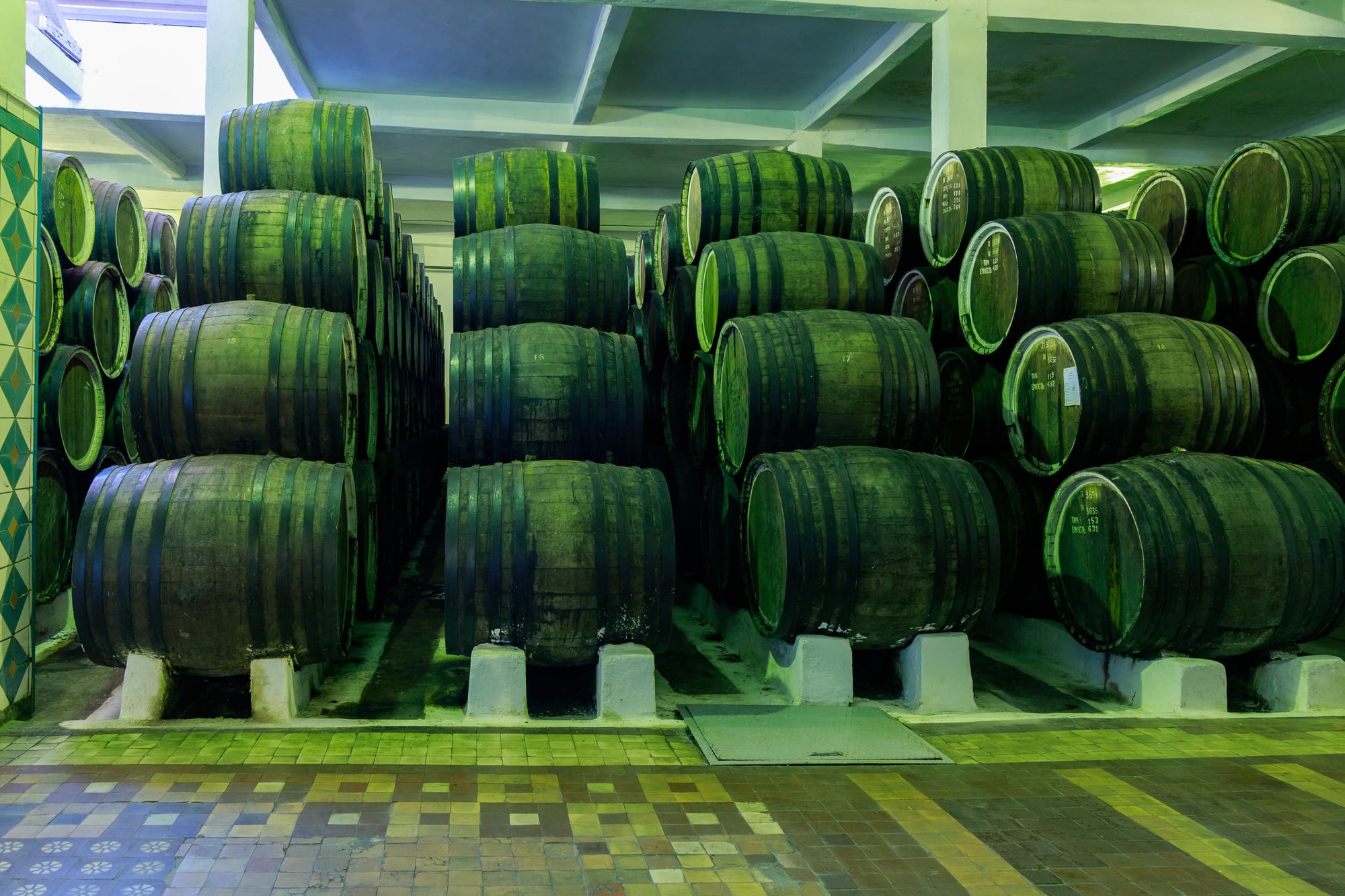
Being over a barrel means having no good options. Sailors who were punished were sometimes tied over a barrel for flogging.
They couldn’t escape or defend themselves. The phrase survived because that image of powerlessness matches situations where someone is stuck with no way out.
Cut and Run
Running off fast to dodge a problem is what this saying points to. When ships had to flee, time mattered more than gear.
Rather than winch up the thick chain stuck on the seabed, crews snapped the line and slipped away under sail. That sudden break free, done without warning, shaped how we talk about vanishing when pressure hits.
A sharp move like that lives on in the words we use today.
Square Meal
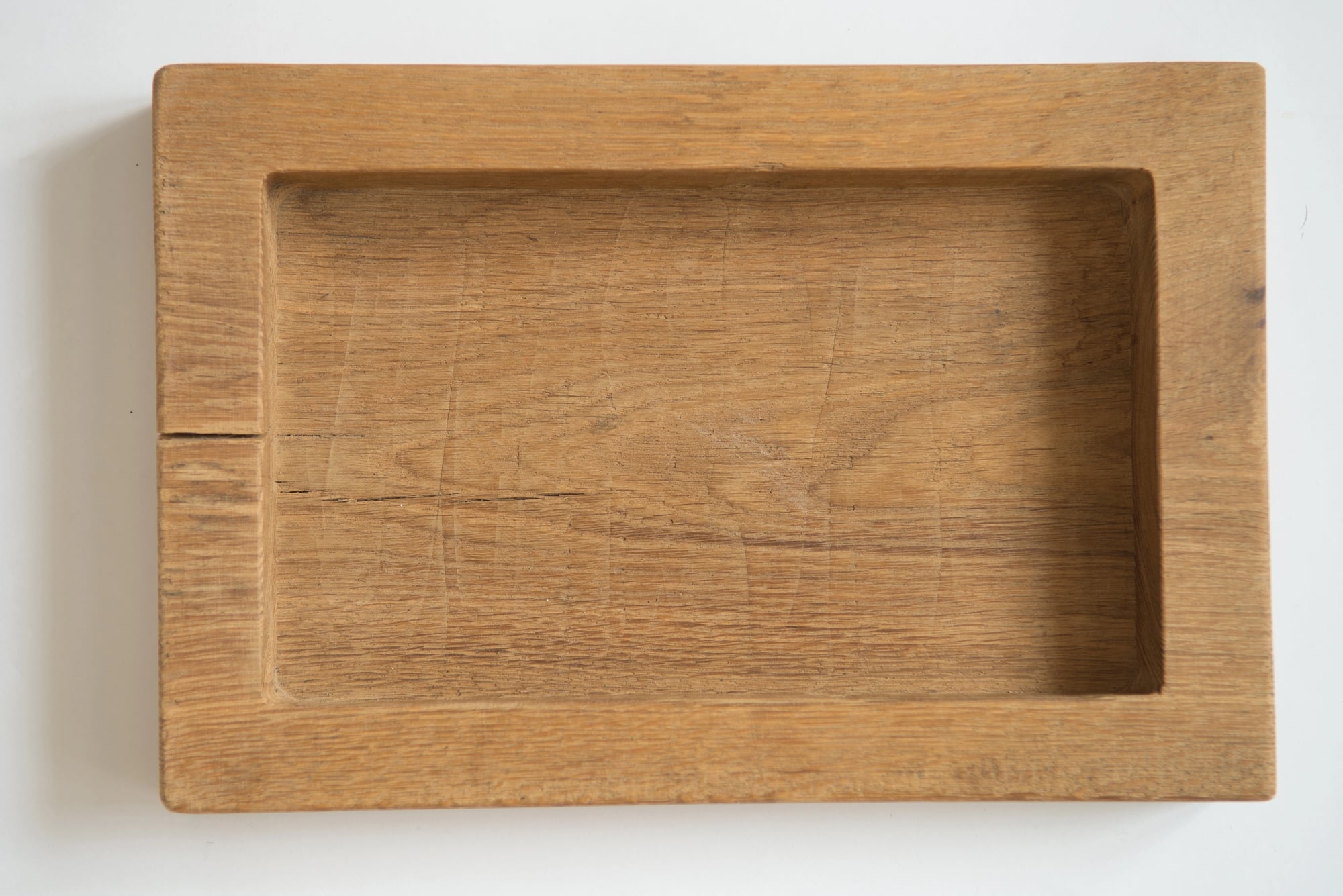
On ships, meals stayed put thanks to wooden trays with walls around them. Those flat squares kept servings steady when waves rocked the vessel.
Full dishes meant full stomachs after eating. Over time, people started calling any hearty dinner by that name.
What began as a practical plate turned into a way to describe satisfaction on the plate.
Fresh Breath Enters Forgotten Phrases Here
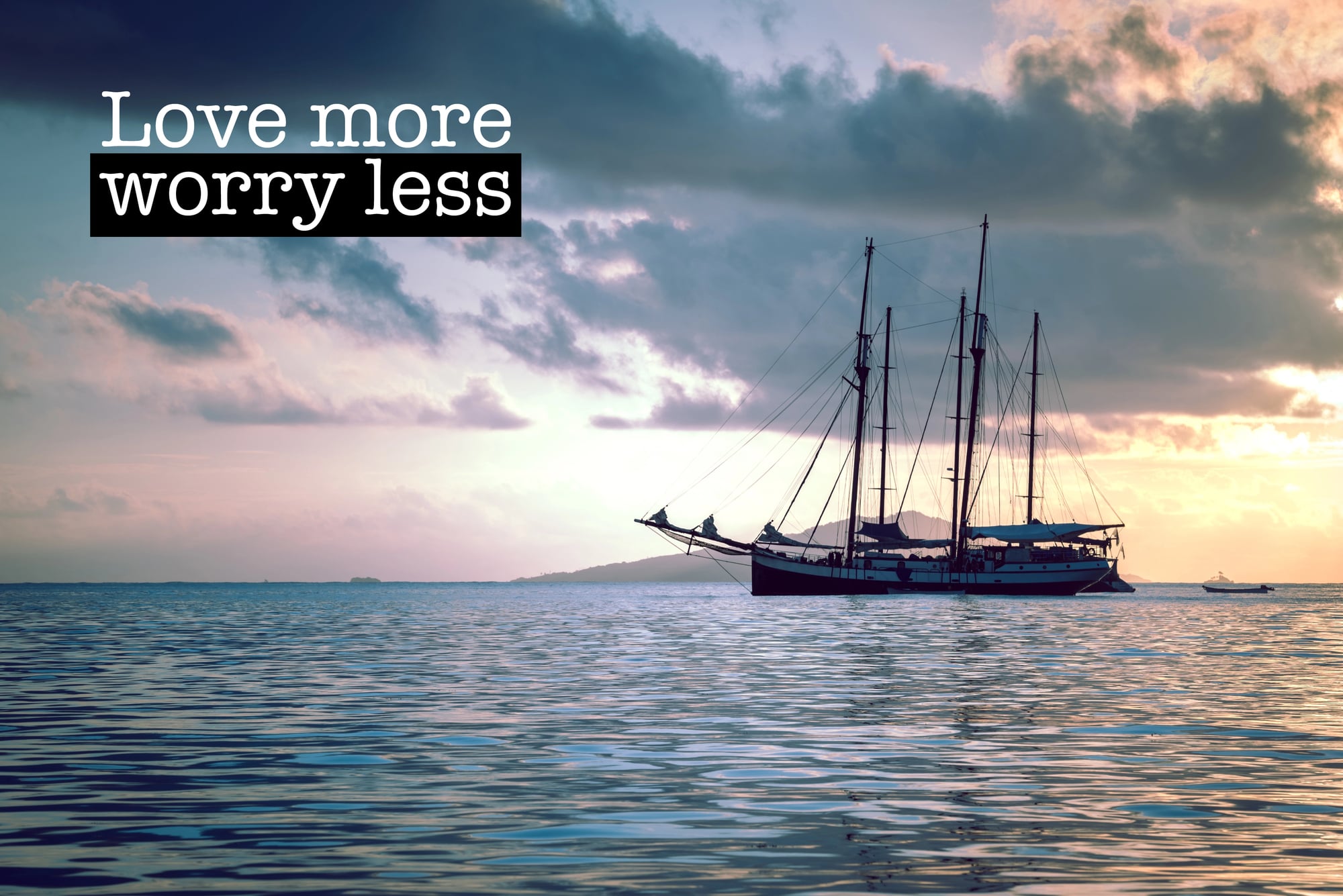
Out on the water, talk shifted slowly into everyday speech without anyone noticing. Long after ships ruled trade and travel, bits of sailor slang stuck around – passed along since they fit feelings and moments better than anything else.
Waves brought terms for shock, talent, risk, even routine chores ashore, each phrase holding steady through years. When you hear one now, it carries salt air and old decks beneath its syllables.
More from Go2Tutors!

- The Romanov Crown Jewels and Their Tragic Fate
- 13 Historical Mysteries That Science Still Can’t Solve
- Famous Hoaxes That Fooled the World for Years
- 15 Child Stars with Tragic Adult Lives
- 16 Famous Jewelry Pieces in History
Like Go2Tutors’s content? Follow us on MSN.