15 Surprising Facts About Mistletoe
You’ve probably kissed under it at some holiday party, but mistletoe is way stranger than most people realize. That innocent-looking plant hanging from doorways has a dark side—literally.
It’s a parasite that steals nutrients from trees, and its history involves everything from ancient druids to Victorian matchmaking schemes. Most of what you think you know about mistletoe barely scratches the surface.
The real story gets into Norse mythology, toxic berries, and a plant that can actually alter the shape of tree branches. Here’s what makes this holiday decoration so unexpectedly weird.
Mistletoe Is a Parasite That Feeds on Trees
The plant doesn’t grow in soil like normal vegetation. It latches onto tree branches and sinks root-like structures into the host tree’s water and nutrient system.
Mistletoe steals what it needs to survive, which technically makes it a hemiparasite—it does photosynthesize some of its own food, but it can’t make it without the tree’s help. Over time, a heavy mistletoe infestation can weaken or even kill a host tree.
Arborists consider it a pest, not a charming holiday accent.
The Name Comes from Old English Words for “Dung” and “Twig”
“Mistel” means dung and “tan” means twig. So mistletoe literally translates to “dung twig” or “poop stick,” which sounds less romantic than the kissing tradition suggests.
The name comes from how the plant spreads. Birds eat the berries, then excrete the seeds onto tree branches.
The sticky seeds attach to the bark, and a new mistletoe plant begins growing. People noticed birds depositing the seeds in droppings, and the name stuck.
Ancient Druids Considered It Sacred
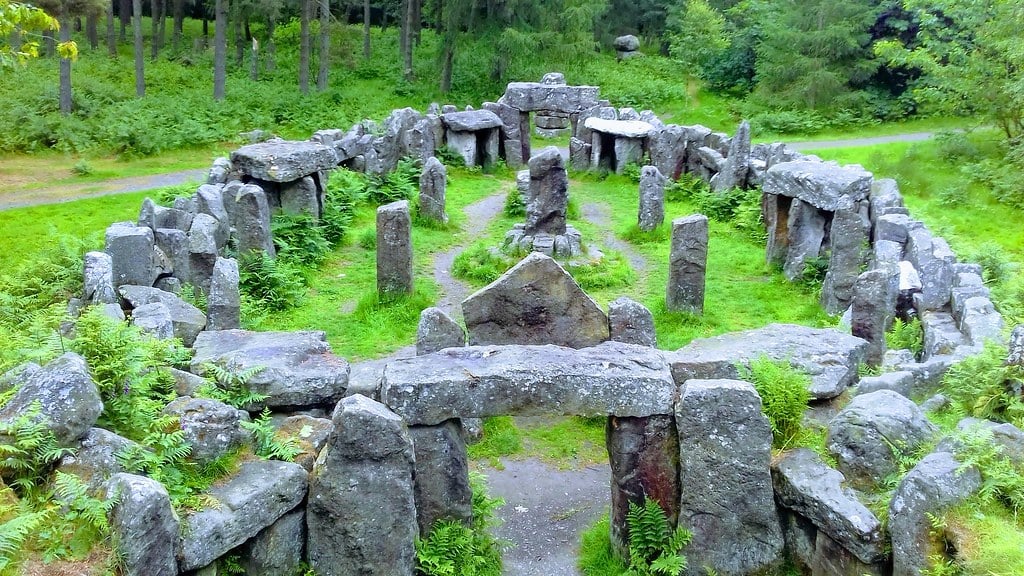
The Celts and druids treated mistletoe like a gift from the gods—especially when it grew on oak trees, which happened rarely. They believed the plant had healing powers and could protect against evil spirits.
Druids performed ceremonies where they cut mistletoe with golden sickles, making sure it never touched the ground to preserve its magical properties. Warriors would declare temporary truces under mistletoe.
Enemies could meet beneath the plant and discuss peace without fear of betrayal. That “kiss under the mistletoe” tradition has much deeper roots than modern romance.
Vikings Blamed It for the Death of a God

Norse mythology tells the story of Baldur, the beloved god of light and joy. His mother, Frigg, made every plant and animal promise not to harm him—except mistletoe, which she overlooked because it seemed too small and harmless.
Loki, the trickster god, crafted an arrow from mistletoe and tricked Baldur’s blind brother into shooting him. Baldur died instantly.
Frigg wept over her son, and her tears became the white berries on mistletoe. Some versions of the myth say she blessed the plant afterward, declaring that anyone passing under it should receive a kiss as a symbol of love, not death.
The Berries Are Poisonous to Humans
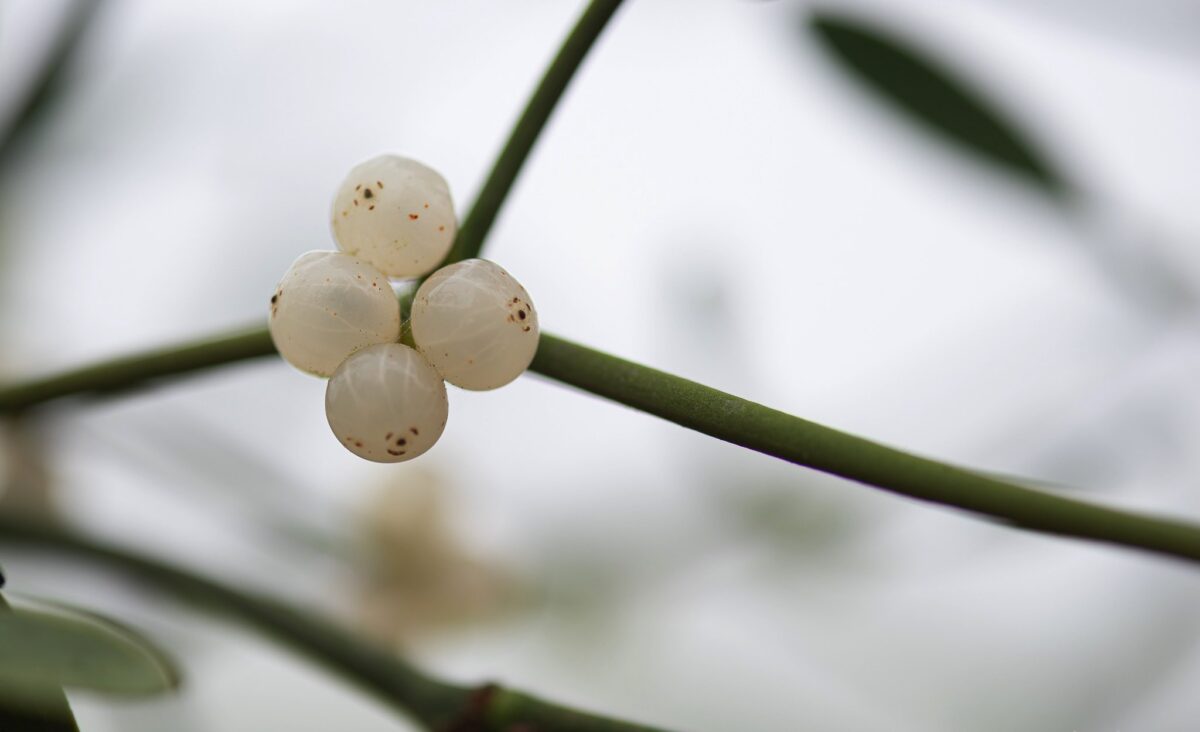
Those white berries contain toxins called phoratoxins and viscotoxins. Eating them causes nausea, vomiting, diarrhea, and low blood pressure. In severe cases, mistletoe poisoning can lead to seizures or cardiac problems.
Small children are most at risk because they might pop the berries in their mouths out of curiosity. If you hang mistletoe in your home, keep it high enough that kids can’t reach it.
Better yet, use artificial mistletoe for decorating.
Birds Can Safely Eat the Berries
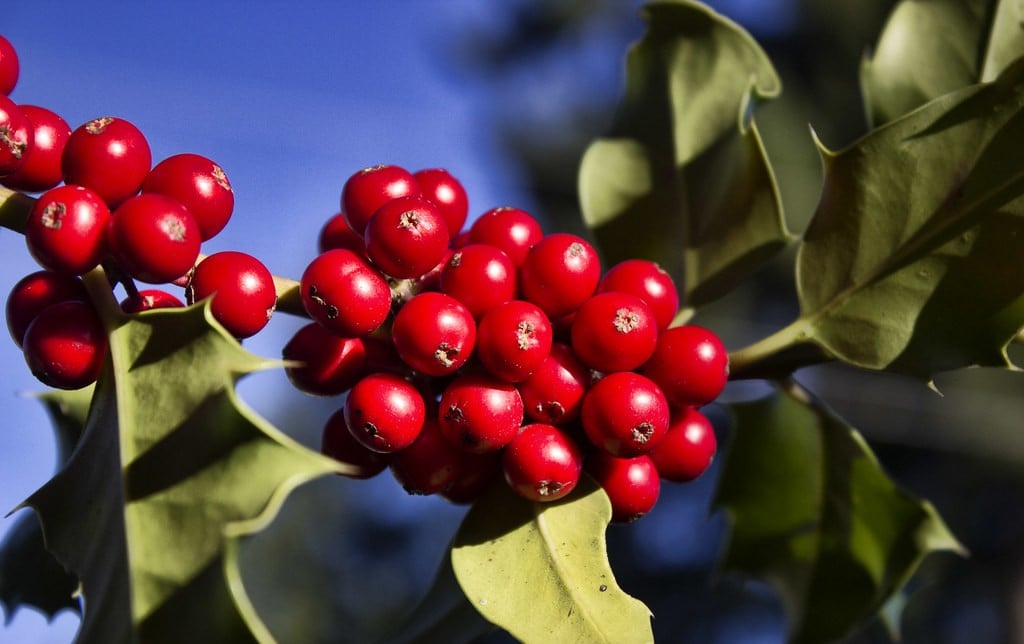
While mistletoe berries poison humans, birds digest them without problems. This relationship benefits both species.
Birds get a food source during winter when other options are scarce, and mistletoe gets its seeds distributed across the forest. The seeds are incredibly sticky.
After passing through a bird’s digestive system, they cling to whatever branch the bird lands on next. Some birds even wipe their beaks on branches to scrape off the sticky seeds, unintentionally planting more mistletoe.
It Grows in Bizarre Orb-Shaped Clumps
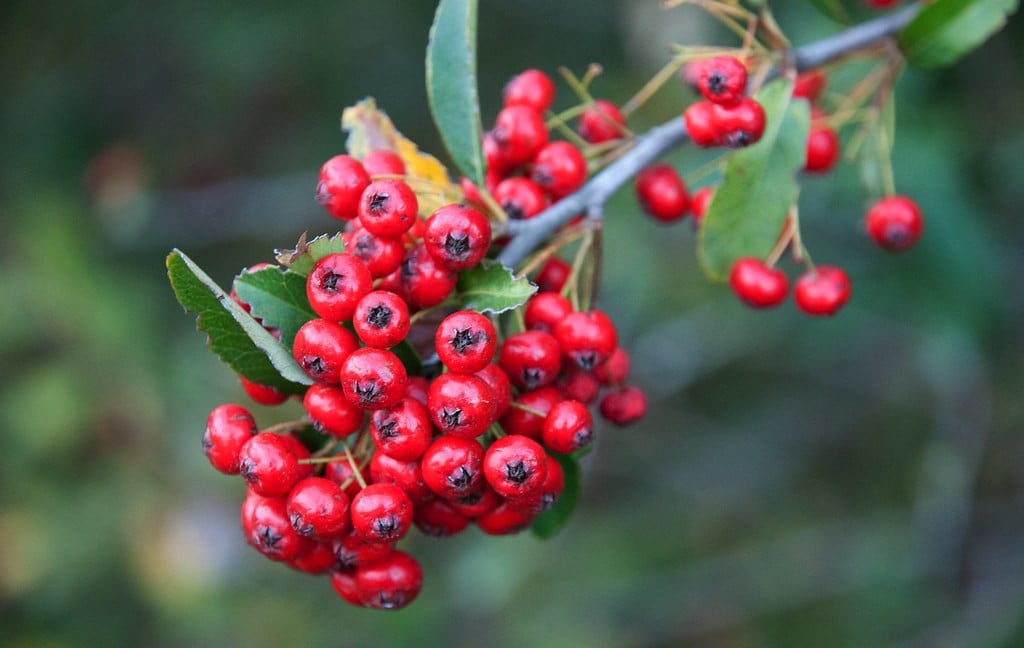
Mistletoe doesn’t follow normal plant growth patterns. It forms dense, spherical clusters that look like giant green nests stuck in tree branches.
These clusters can grow several feet in diameter, creating noticeable bulges in the tree canopy. From a distance, heavily infested trees look like they’re covered in tumors.
The clumps stay green year-round, making them easy to spot in winter when deciduous trees lose their leaves. That’s actually the best time to identify which trees need mistletoe removal.
There Are Over 1,300 Species Worldwide

The European mistletoe that dominates holiday traditions is just one type. Different species grow on every continent except Antarctica.
Some varieties only parasitize specific host trees, while others attack a wide range of species. In Australia, mistletoe species outnumber the ones found in Europe and North America combined.
Some tropical species have bright red or yellow flowers instead of the white berries you see in December decorations.
American and European Mistletoe Are Different Plants
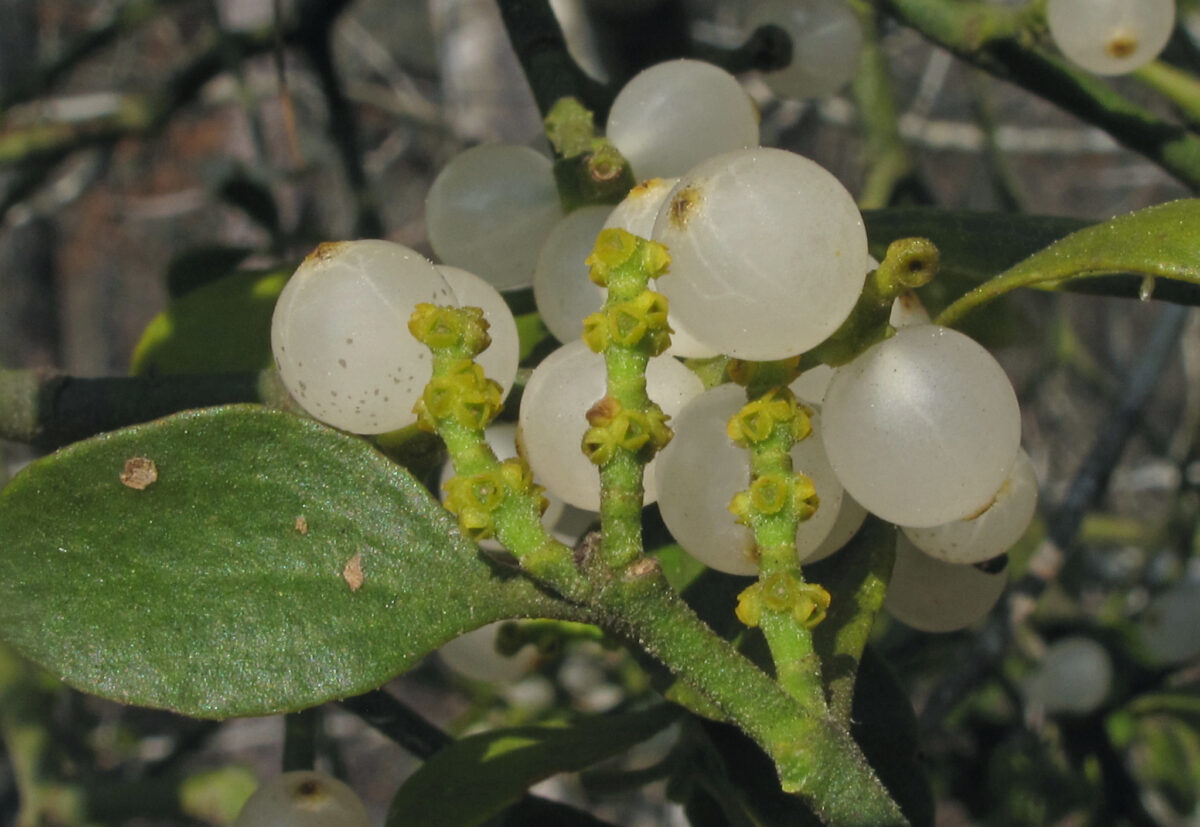
The mistletoe sold in American stores usually comes from the species Phoradendron, which translates to “thief of the tree.” European mistletoe belongs to the genus Viscum.
They’re related but distinct, with different leaf shapes and berry colors. European mistletoe has smoother, more rounded leaves.
American mistletoe has pointier leaves and produces smaller berries. Both are parasitic, but they evolved separately to fill similar ecological roles on different continents.
It Can Change the Shape of Tree Branches
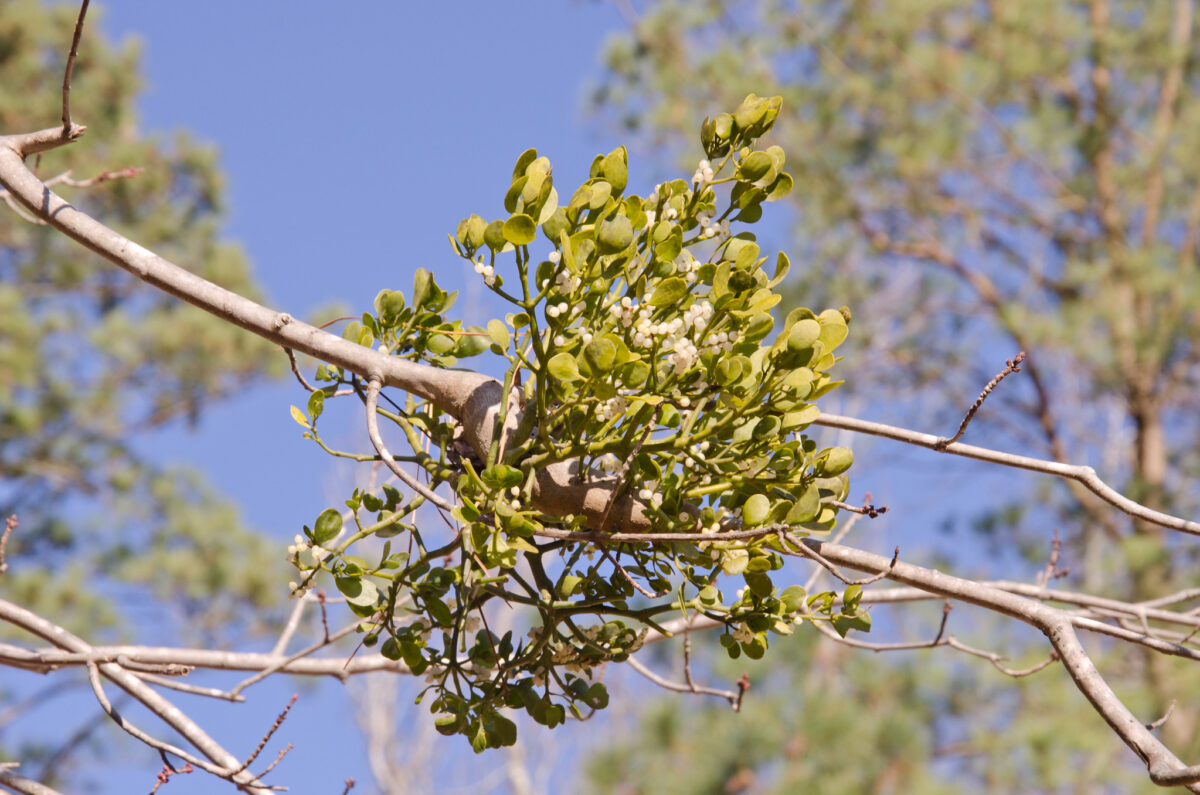
Trees respond to mistletoe infestations by growing abnormal structures called witches’ brooms. These dense tangles of twigs and branches form around the parasite as the tree tries to cut off its nutrient supply.
Witches’ brooms create weird, gnarled shapes that break the normal silhouette of the tree. Some trees produce dozens of these brooms over their lifetime.
Foresters hate them, but they’re actually valuable for certain birds that nest in the dense tangle of branches.
Mistletoe Has Actual Medicinal Properties
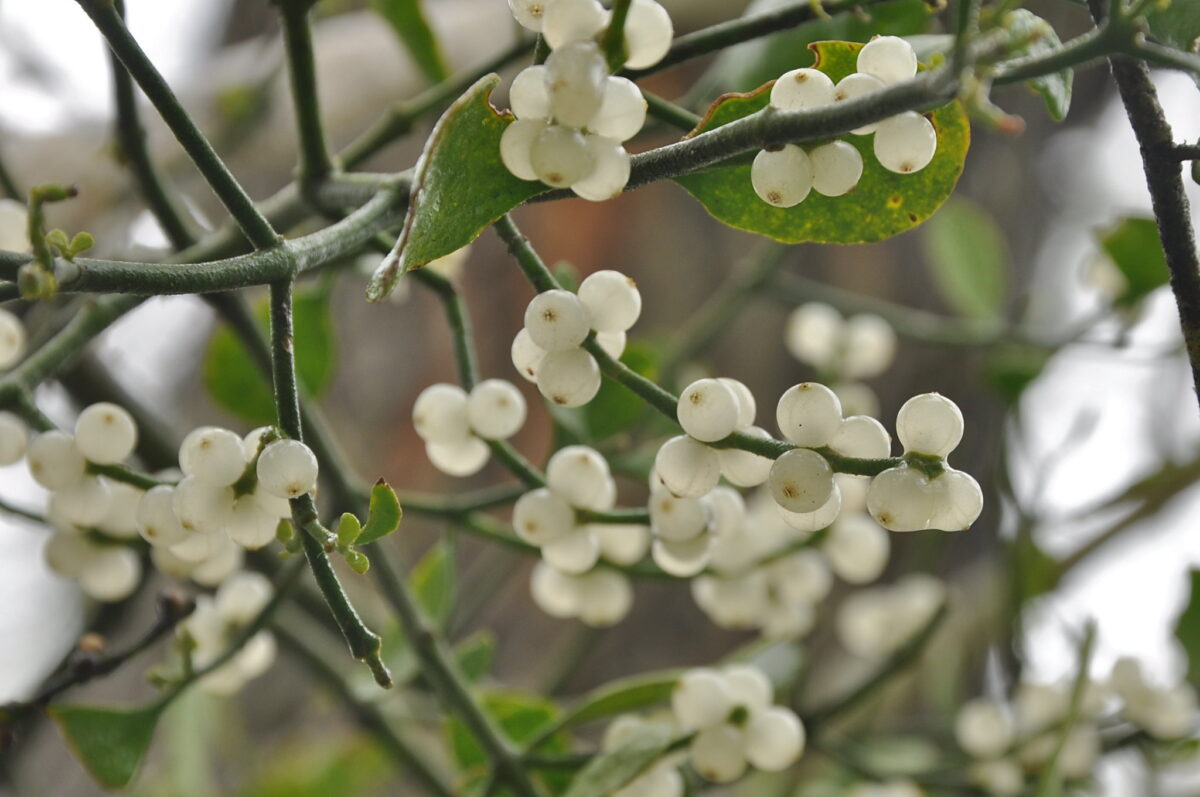
Despite the toxic berries, extracts from mistletoe leaves and stems have been used in traditional medicine for centuries. Modern research shows that certain compounds in the plant have immune-stimulating effects and may slow the growth of some cancer tumors.
European doctors sometimes prescribe mistletoe extract as a complementary cancer treatment. The therapy remains controversial because the evidence is mixed, but several clinical trials have shown promising results for specific types of cancer.
This is still experimental medicine, not a proven cure.
The Kissing Tradition Started in the 1700s

Kissing under mistletoe became popular in England during the Georgian era. Servants hung mistletoe at Christmas parties, and young people used it as an excuse to steal smooches.
Each kiss required plucking one berry from the sprig, and once all the berries were gone, no more kissing was allowed. Victorian society loved the tradition because it gave proper young ladies a socially acceptable reason to kiss men in public.
The custom spread through British colonies and eventually reached America, where it became a standard part of holiday celebrations.
Some Mistletoe Species Have Male and Female Plants
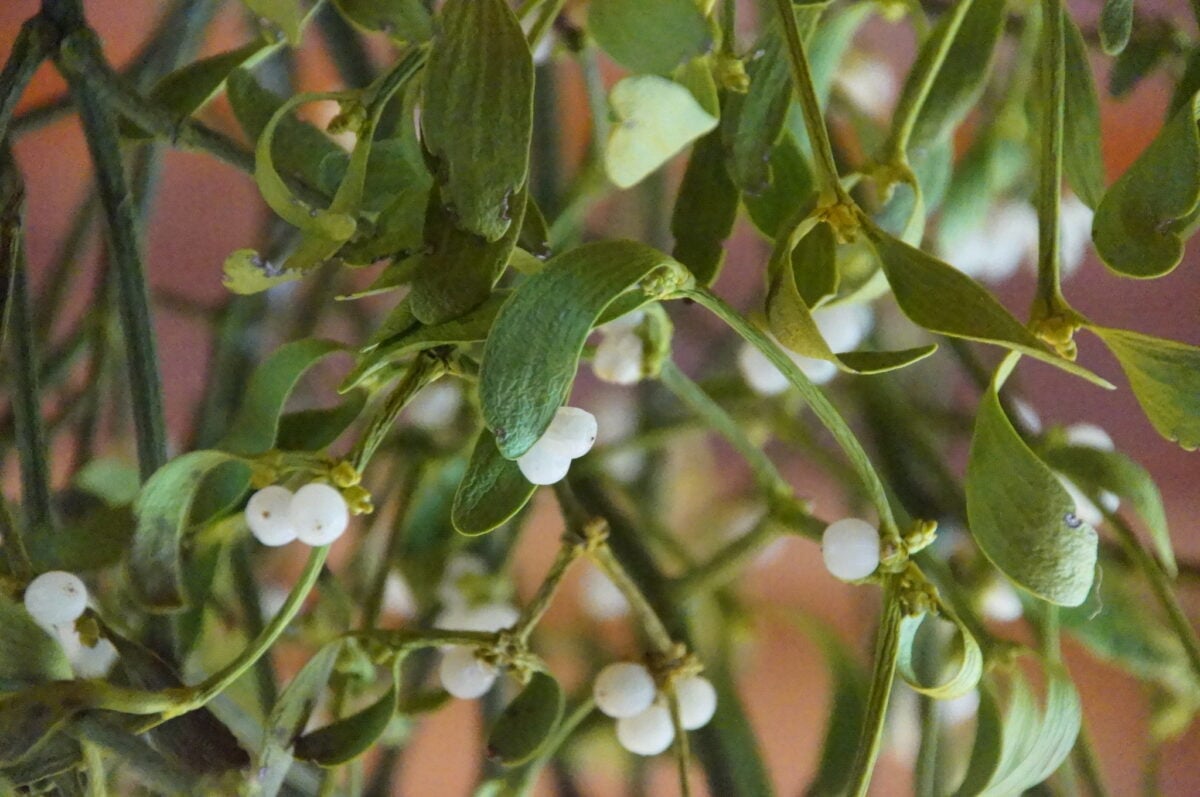
Like many plant species, mistletoe comes in two versions. Male plants produce pollen but no berries.
Female plants produce berries but need pollen from male plants to do so. This means you need both male and female mistletoe growing nearby for the plant to reproduce.
The birds that spread mistletoe seeds don’t discriminate. They deposit seeds from both male and female plants randomly across the forest.
Whether a tree ends up hosting a berry-producing female or a pollen-producing male is pure chance.
Mistletoe Supports Entire Ecosystems
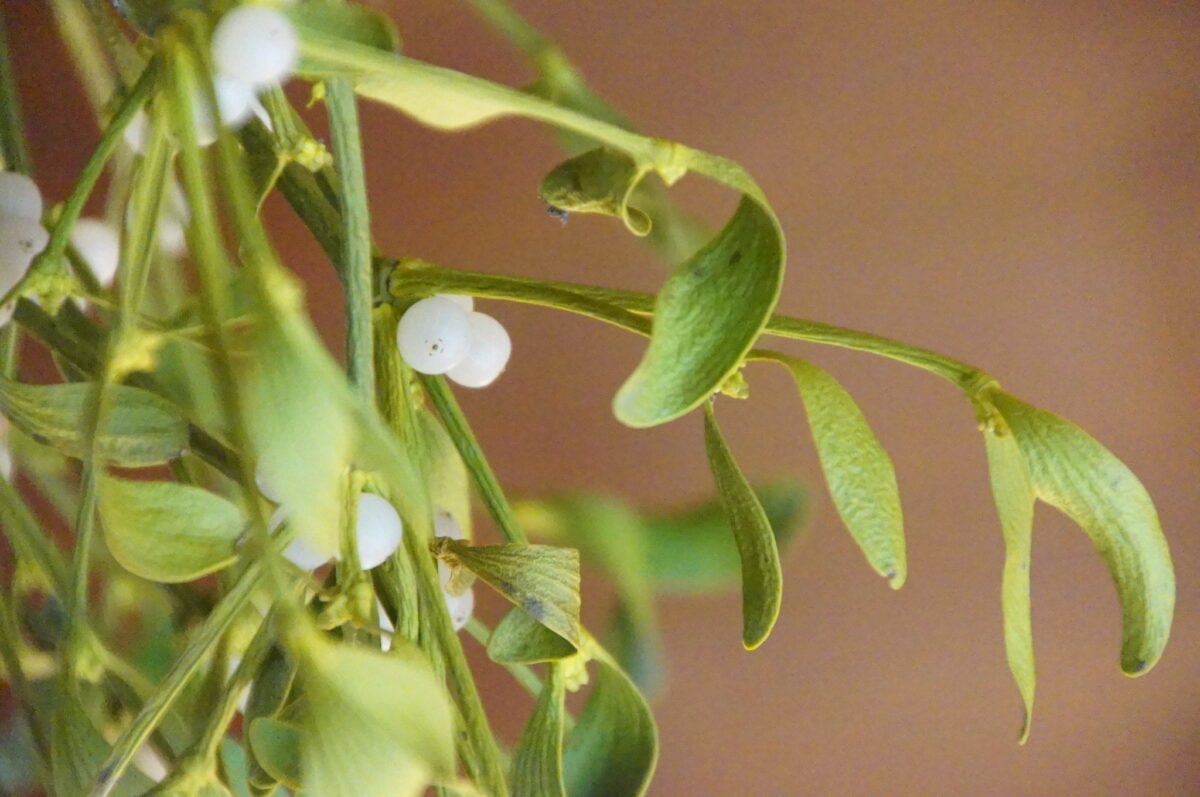
Those parasitic clumps aren’t just stealing from trees. They create microhabitats that support dozens of other species.
Birds nest in the dense foliage, insects live in the clusters, and small mammals use them as shelter. Some butterfly species rely exclusively on mistletoe plants to lay their eggs.
The caterpillars eat mistletoe leaves and can’t survive on anything else. Remove all the mistletoe from a forest, and you’d accidentally wipe out several rare insect species that depend on it.
It Can Live for Decades on the Same Tree
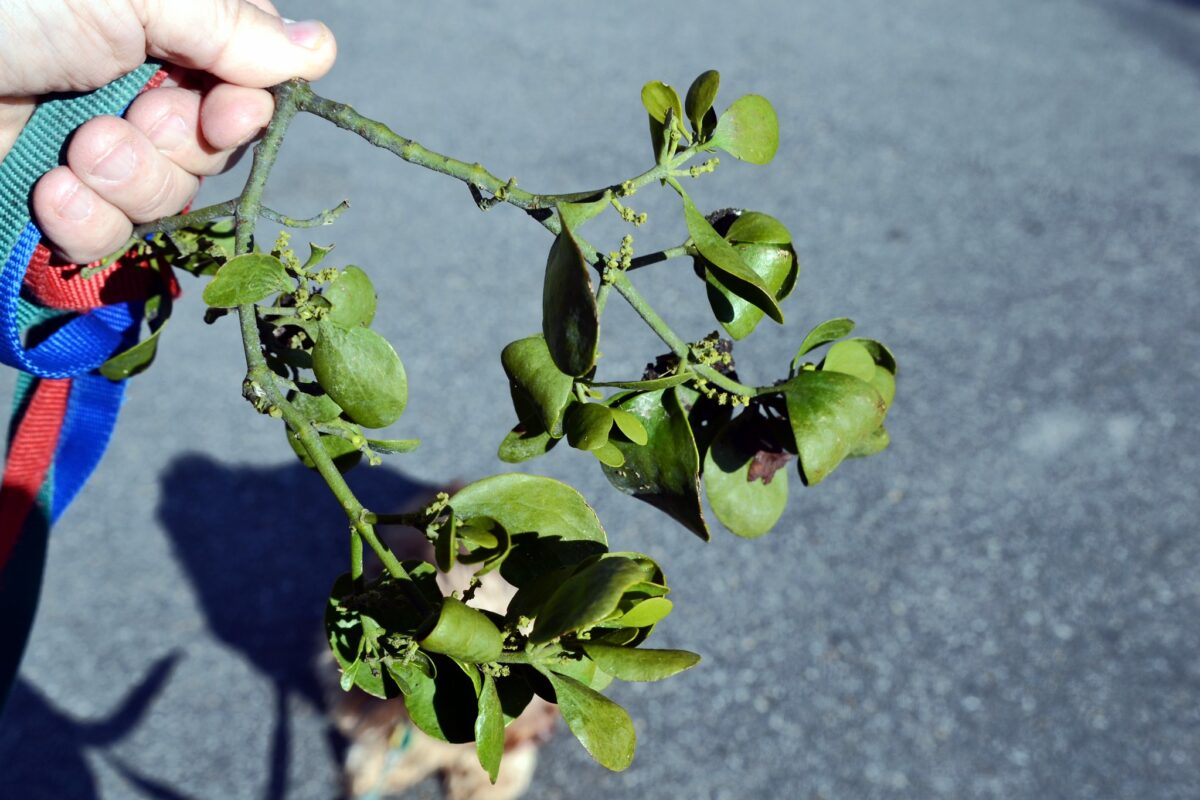
A single mistletoe plant can survive for 30 to 40 years, slowly spreading across its host tree’s branches. The plant grows slowly, adding just a few inches per year, but it’s persistent.
Old mistletoe plants develop thick, woody stems that look nothing like the delicate sprigs sold at Christmas markets. Some ancient specimens have stems as thick as a person’s arm, anchored so deeply into the tree that removing them requires cutting away sections of the branch.
Where Traditions Take Root
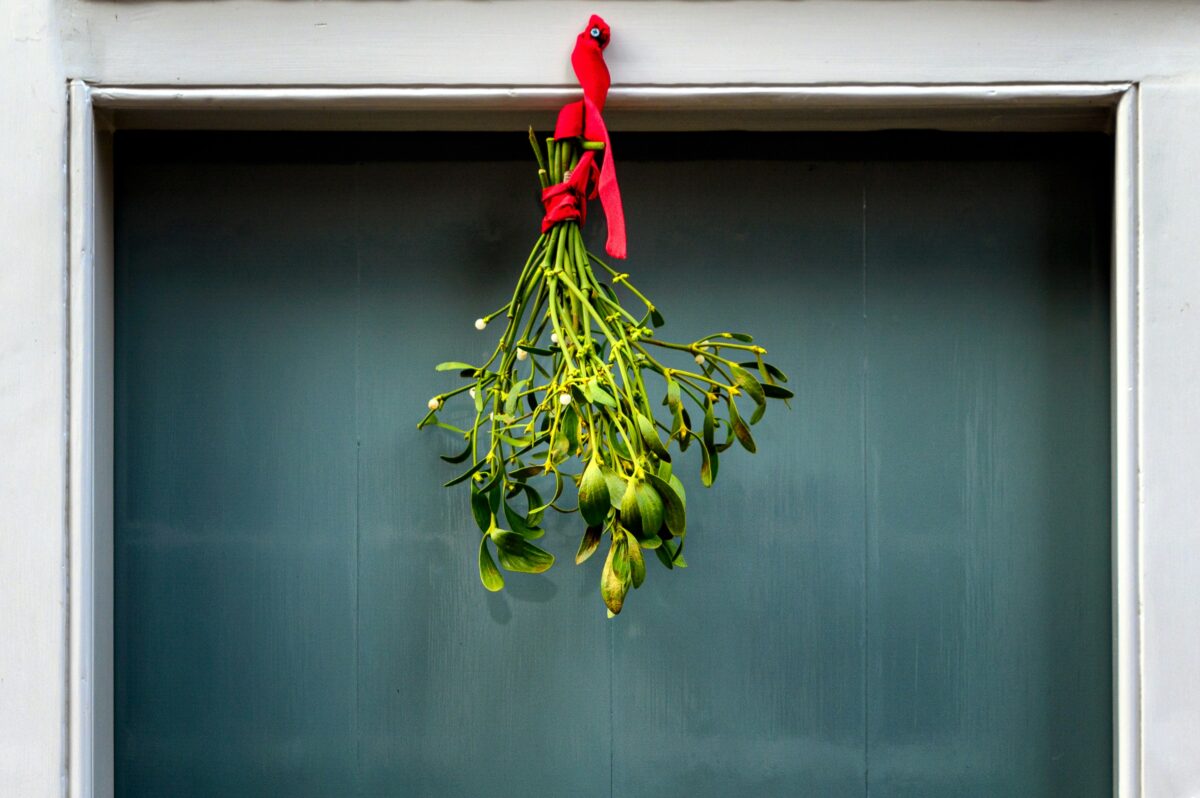
People treat mistletoe as pure decoration now, but every sprig hanging in a doorway connects to something older and stranger. Those druids knew the plant was different—not quite a tree, not quite independent, existing in a space between categories.
You can appreciate the kissing tradition without forgetting what mistletoe actually is. It’s a parasite, a poison, a medicine, and a home for creatures that depend on it.
The contradictions make it more interesting than any simple holiday symbol could be.
More from Go2Tutors!

- The Romanov Crown Jewels and Their Tragic Fate
- 13 Historical Mysteries That Science Still Can’t Solve
- Famous Hoaxes That Fooled the World for Years
- 15 Child Stars with Tragic Adult Lives
- 16 Famous Jewelry Pieces in History
Like Go2Tutors’s content? Follow us on MSN.