The Most Luxurious Watches
There’s a particular kind of watch that stops you mid-conversation. You notice it on someone’s wrist and suddenly the room feels different.
It’s not just about the price — though the prices on some of these are genuinely staggering — it’s about what went into them. The thousands of hours of hand-finishing.
The mechanisms are so precise they border on obsessive. The fact that a single craftsman sometimes spends months on one component that you’ll never even see.
These are the watches that sit at the top of the horological world, and each one tells a story that goes far beyond telling time.
Patek Philippe Grandmaster Chime — The Watch That Sold for $31 Million
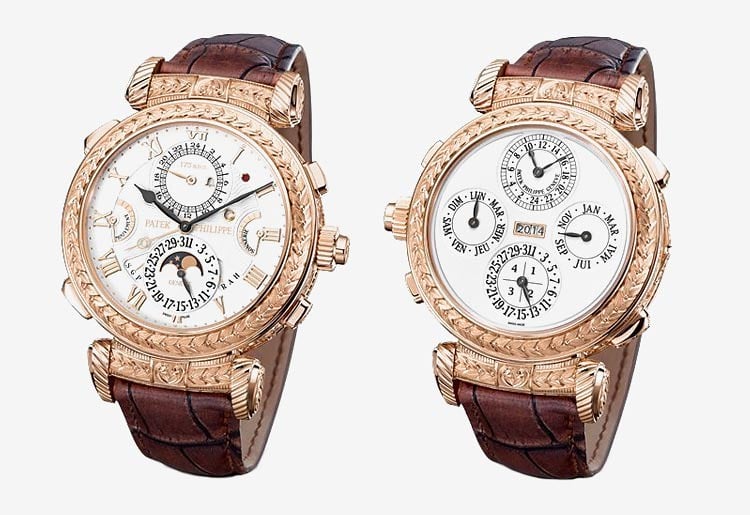
The Grandmaster Chime is the most complicated watch Patek Philippe has ever made, and Patek Philippe has been making complicated watches since 1839. It features 20 complications, including five chiming functions, a perpetual calendar, and a date repeater.
One specific example — a one-of-a-kind piece made for a charity auction — sold for over $31 million in 2019, making it the most expensive watch ever sold at auction at that time. The case is reversible, giving you access to two dials on a single watch.
There are roughly 1,366 individual components packed inside something you wear on your wrist. It took over 100,000 hours of development to bring it to life.
Rolex Daytona — The Watch the World Agrees On
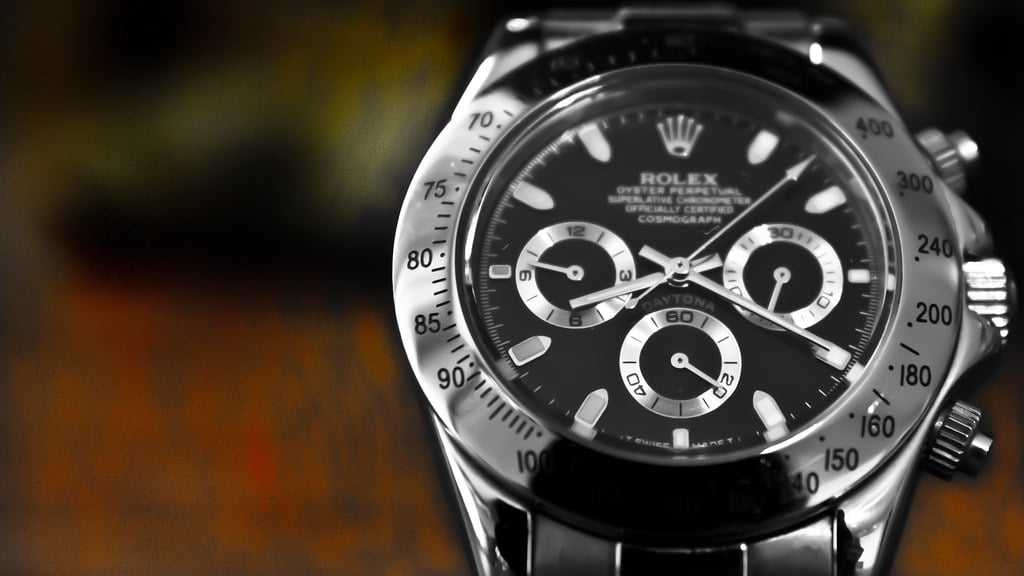
If you asked a thousand people from completely different backgrounds to name a luxury watch, more than a few would say the Daytona. It started as a tool watch built for racing drivers — the name comes from the Daytona International Speedway — and over the decades it became something else entirely.
A symbol. The waiting list at authorized dealers stretches years in some cases, which only adds to the mystique.
Certain vintage references, particularly the so-called “Paul Newman” dial versions, now sell for millions at auction. The stainless steel models, once considered less desirable than gold, became some of the hardest watches to actually buy.
Rolex never planned for the Daytona to become the cultural object it is. It just happened.
Audemars Piguet Royal Oak — The Watch That Broke All the Rules
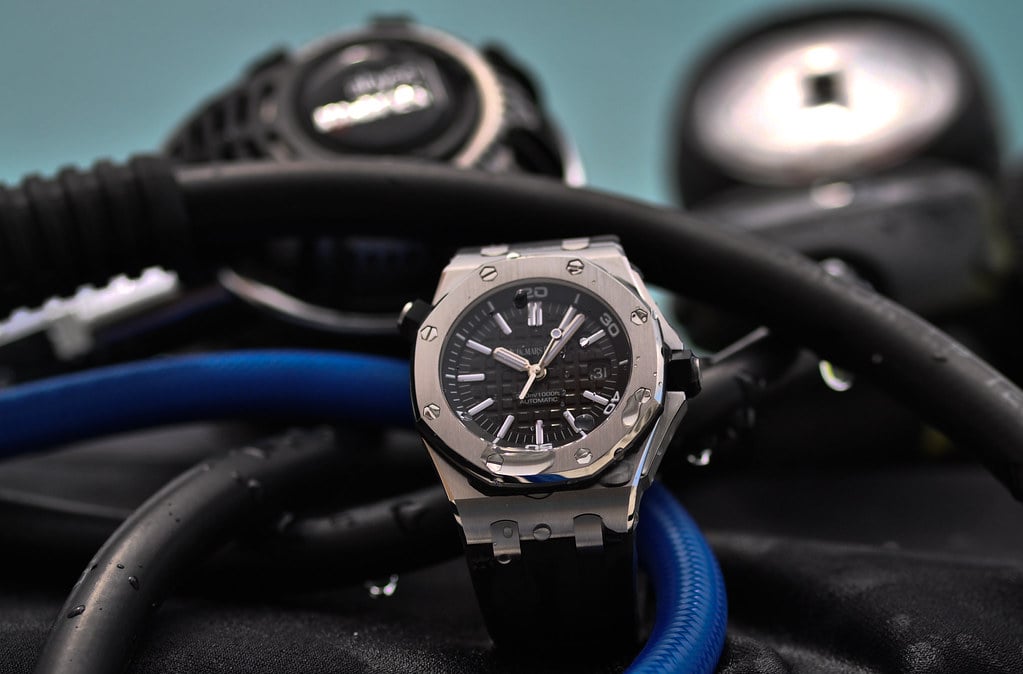
In 1972, the Royal Oak arrived with an octagonal bezel, exposed screws, and an integrated bracelet that nobody had seen on a luxury watch before. It was made of stainless steel at a time when steel was considered a lesser material.
The price was higher than gold watches from other brands. Watchmakers thought it would fail.
It didn’t. Designed by Gerald Genta in a single night on a bar napkin (as the story goes), the Royal Oak redefined what a luxury sports watch could look like. Decades later, it remains one of the most recognizable watch designs in the world.
The offshore versions pushed the aesthetic even further, and the skeletonized dials on modern references show off the movement in a way that makes the engineering impossible to ignore.
Richard Mille RM 056 — Horology Meets Aerospace
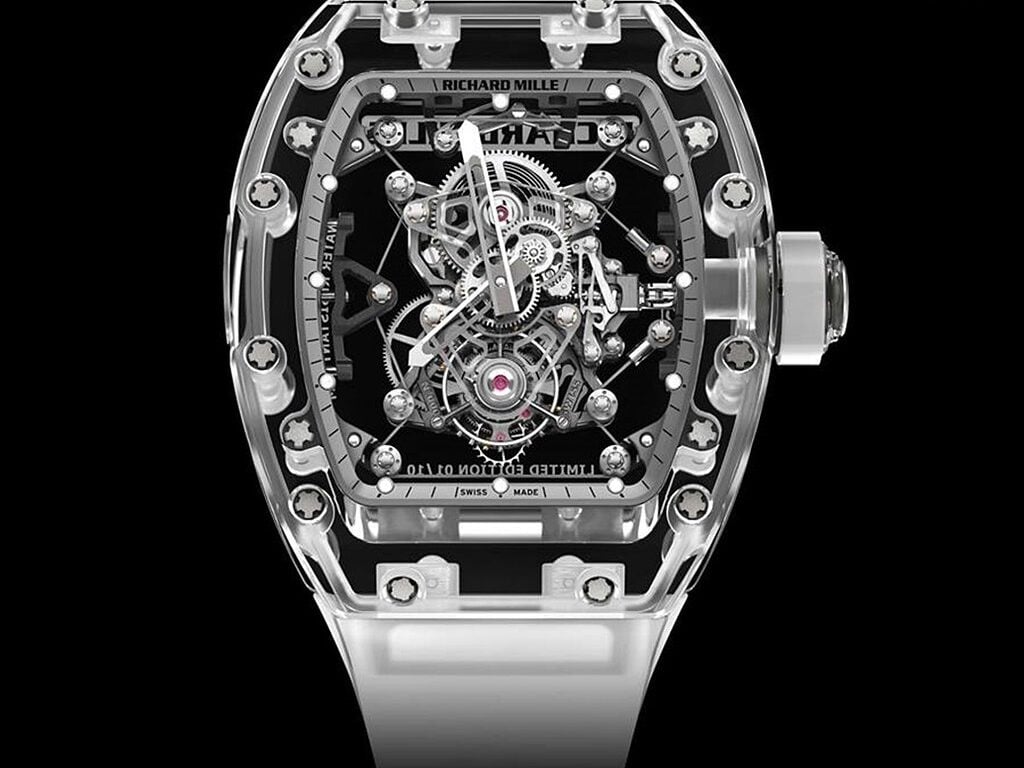
Richard Mille makes watches that look like they belong inside a Formula 1 car. The RM 056 takes that further than almost anything else in the catalog.
The case and bridges are made entirely from sapphire crystal — not just the crystal over the dial, but the entire structure. Every component of the mechanism is visible from every angle.
The manufacturing tolerances required to achieve this are extreme, and the process involves cutting sapphire, one of the hardest materials on Earth, with diamond-tipped tools. The result is a watch that feels less like a timepiece and more like a piece of engineering art.
The price reflects that — expect to pay well over a million dollars for one. Richard Mille watches also happen to be worn by some of the world’s top athletes, including tennis players and racing drivers, which says something about their durability despite the visual fragility.
A. Lange & Söhne Lange 1 — German Precision, No Compromise
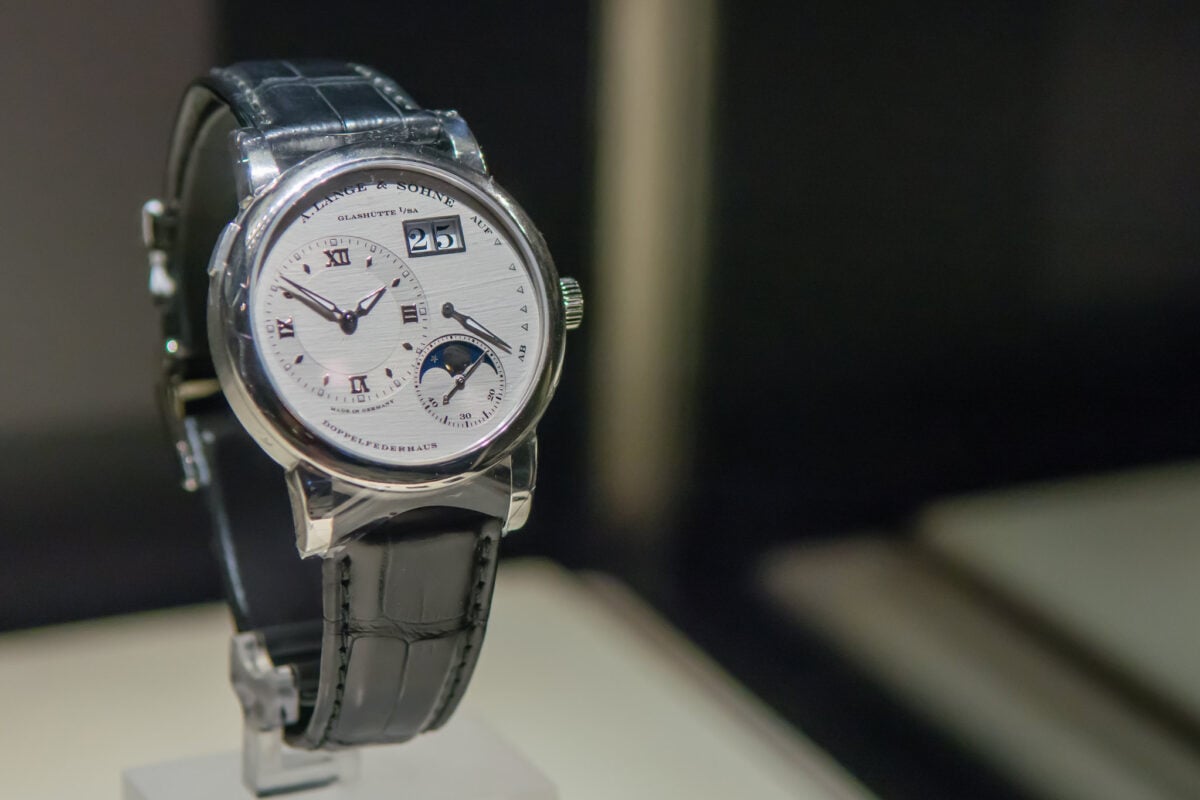
Most luxury watchmaking comes out of Switzerland. A. Lange & Söhne comes from Glashütte, a small town in Saxony, Germany.
The brand was effectively erased after World War II when the factory was nationalized, and it only relaunched in 1994. The Lange 1 was its first release. It features an outsize date display at 12 o’clock — a complication that became the brand’s signature — and a power reserve indicator.
But what really defines Lange watches is the finishing of the movement. The German silver three-quarter plate is hand-engraved.
Every component is beveled, polished, and finished to a standard that few other manufacturers reach. You won’t find Lange in many stores. That’s intentional.
Vacheron Constantin Traditionnelle — The Oldest Name in the Room
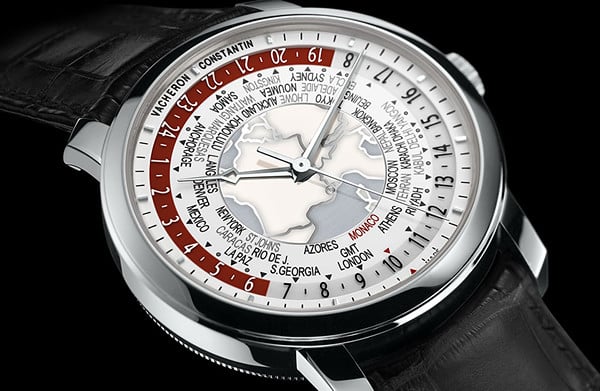
Vacheron Constantin has been making watches continuously since 1755, which makes it the oldest watch manufacturer in the world still in operation. The Traditionnelle collection is where that history feels most present.
The cases are round and classic. The dials are restrained.
The movements are hand-decorated with Geneva Stripes and perlage finishing that takes skilled artisans considerable time to complete. Vacheron is also one of the very few manufactures — brands that design and build essentially everything in-house — so when you buy a Traditionnelle, every component traces back to their own workshops.
The company holds the record for the world’s most complicated watch, the Reference 57260, which features 57 complications. They built it in secret over eight years to mark their 260th anniversary.
Jaeger-LeCoultre Reverso — The Watch Born on a Polo Field
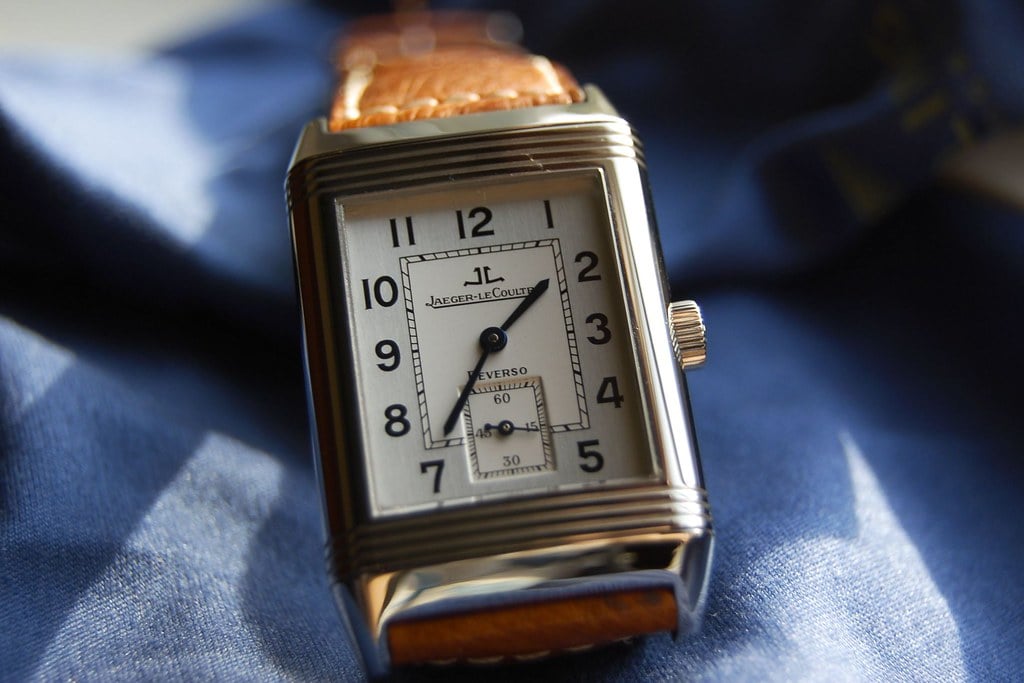
The Reverso has one of the best origin stories in watchmaking. In 1931, a group of British officers stationed in India complained that their watch crystals kept breaking during polo matches. The solution was a watch with a case that physically flips over, protecting the dial when needed.
Jaeger-LeCoultre built it, and somehow that utilitarian design became one of the most elegant dress watches ever made. The rectangular art deco case aged perfectly.
The flipping mechanism went from practical features to defining personality traits. Some versions feature a second dial on the caseback, turning the watch into a two-faced object with different complications on each side.
It’s been in continuous production for over 90 years, which tells you everything about how well it was designed the first time.
Breguet Classique — The Inventor’s Legacy

Abraham-Louis Breguet invented things. The tourbillon, the self-winding mechanism, the shock protection system — these are all credited to him, and they shaped the entire industry.
The Classique collection carries that heritage in a way that feels deliberate rather than nostalgic. The guilloché dials are engine-turned by hand using machines that date back centuries.
The blue Breguet hands, with their distinctive hollow circles near the tips, are instantly recognizable. Wearing a Breguet Classique is a quiet choice — these aren’t flashy watches.
But among people who understand horology, the name carries enormous weight. Marie Antoinette, Napoleon, and Winston Churchill all owned Breguet watches.
The company is still producing some of the same complications Breguet himself designed over 200 years ago.
F.P. Journe Tourbillon Souverain — The Independent Masterpiece
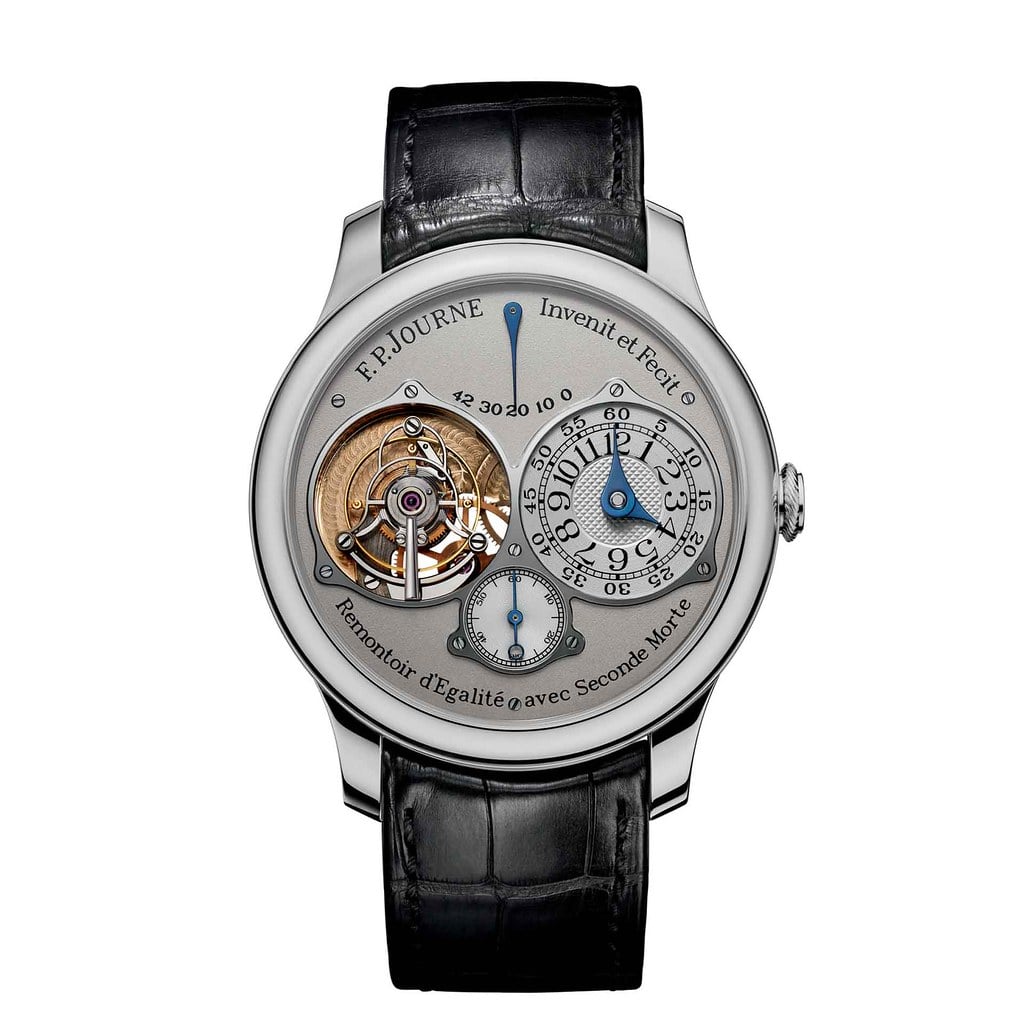
François-Paul Journe founded his brand in 1999 and builds everything in-house at a very small scale. Production numbers are intentionally low, which means certain references become almost impossible to find.
The Tourbillon Souverain features a remontoir d’égalité — a small spring that resets at regular intervals to deliver consistent power to the escapement — which is a complication within a complication. The movement is made from 18-karat gold rather than brass, which is unusual and expensive.
Journe’s watches are known within collector circles as among the finest made, but you won’t see them on the wrists of celebrities in glossy campaigns. The brand doesn’t do that kind of marketing. The watches simply exist and speak for themselves.
Hublot Big Bang — When Luxury Got Loud
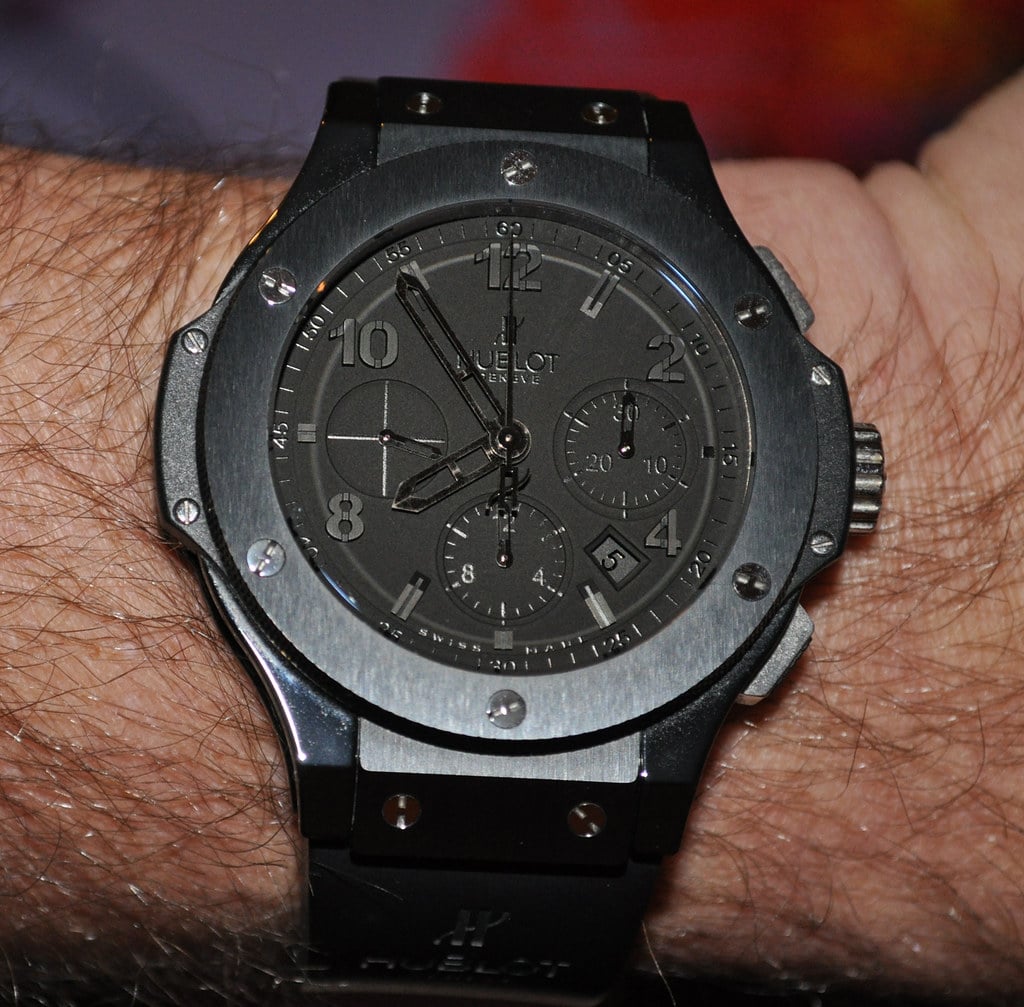
Not every watch on this list is subtle. The Big Bang arrived in 2005 and made no attempt at restraint.
The case design combined different materials — rubber, titanium, ceramic, sapphire — in a way that nobody had tried on a luxury watch before. It was polarizing.
Traditional collectors weren’t sure what to make of it. But the market responded, and Hublot built a brand that now sits firmly at the top of the price ladder.
The Big Bang Integral, the Sang Bleu collection with its hexagonal architecture, and the ultra-thin Spirit of Big Bang demonstrate that the brand keeps pushing the design language further. If you want a luxury watch that announces itself immediately, few do it as clearly as a Big Bang.
IWC Portugieser — The Watch That Didn’t Need to Exist
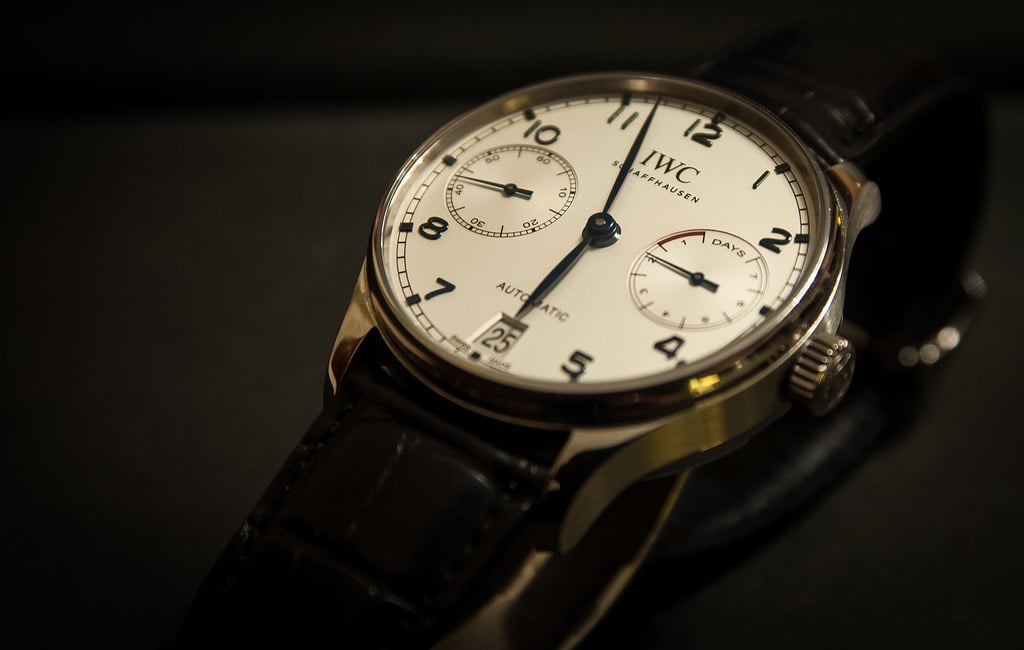
In the late 1930s, two Portuguese merchants asked IWC to build a pocket watch movement inside a wristwatch case. The result was the Portugieser — a large, clean-dialed dress watch with a simple look and a movement that tracked its marine chronometer roots.
It didn’t fit any obvious category at the time. But the clean dials and refined proportions aged well, and today the Portugieser is one of IWC’s most respected lines.
The annual calendar and perpetual calendar versions demonstrate that the simplicity of the dial design can coexist with significant mechanical complexity underneath. The Portugieser is the kind of watch you buy when you’ve already owned several others and you want something that asks nothing of you visually but rewards closer attention.
Blancpain Fifty Fathoms — The Diver That Never Compromised

Born in 1953, the Fifty Fathoms shaped what we now expect from a dive watch. Featuring a turning bezel, strong glow under dark water, and deep-water sealing far past usual needs, it set the blueprint.
Over time, most details have stayed true to the first model. Inside ticks a caliber built like fine clockwork, not just functional but refined. While many brands make upscale diver’s watches, few match the inner craftsmanship here.
Movement finishing hints at intricate horology usually saved for dressier pieces. That depth of build lifts it beyond tool-watch status.
A handful of watches pack tourbillons alongside perpetual calendars into rugged, water-ready cases – a mix almost no maker dares. If you need tough performance paired with elegant finishes, the Fifty Fathoms stands among rare options that deliver both.
Despite its tool-watch bones, it carries itself like something meant for tailored sleeves.
Greubel Forsey Quadruple Tourbillon — Engineering Without Limits
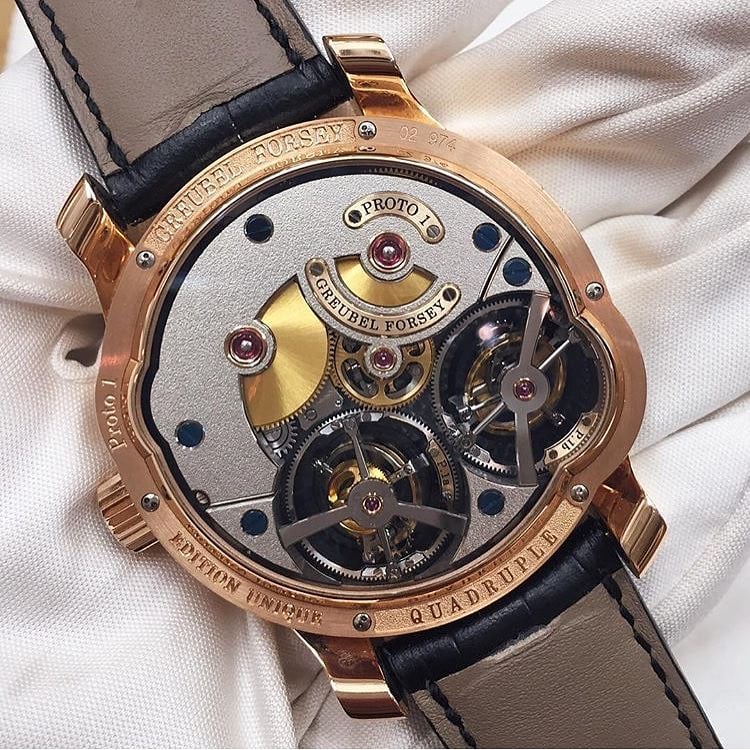
Fewer than one hundred timepieces leave Greubel Forsey each year. Inside the Quadruple Tourbillon, four distinct tourbillons move in unison – arranged in two sets angled differently, fighting gravity’s pull no matter how the watch tilts.
This idea borders on absurdity. One tourbillon alone counts as a miracle of tiny moving parts.
Inside a tiny wristwatch, four parts move together in sync – an effort so extreme it seems almost unreasonable. That intensity is exactly what drives buyers to spend more than a million dollars without hesitation.
Practical tools? Not at all. What comes out instead are statements about how far craftsmanship can go when only nature’s laws stand in the way.
The Weight on Your Wrist
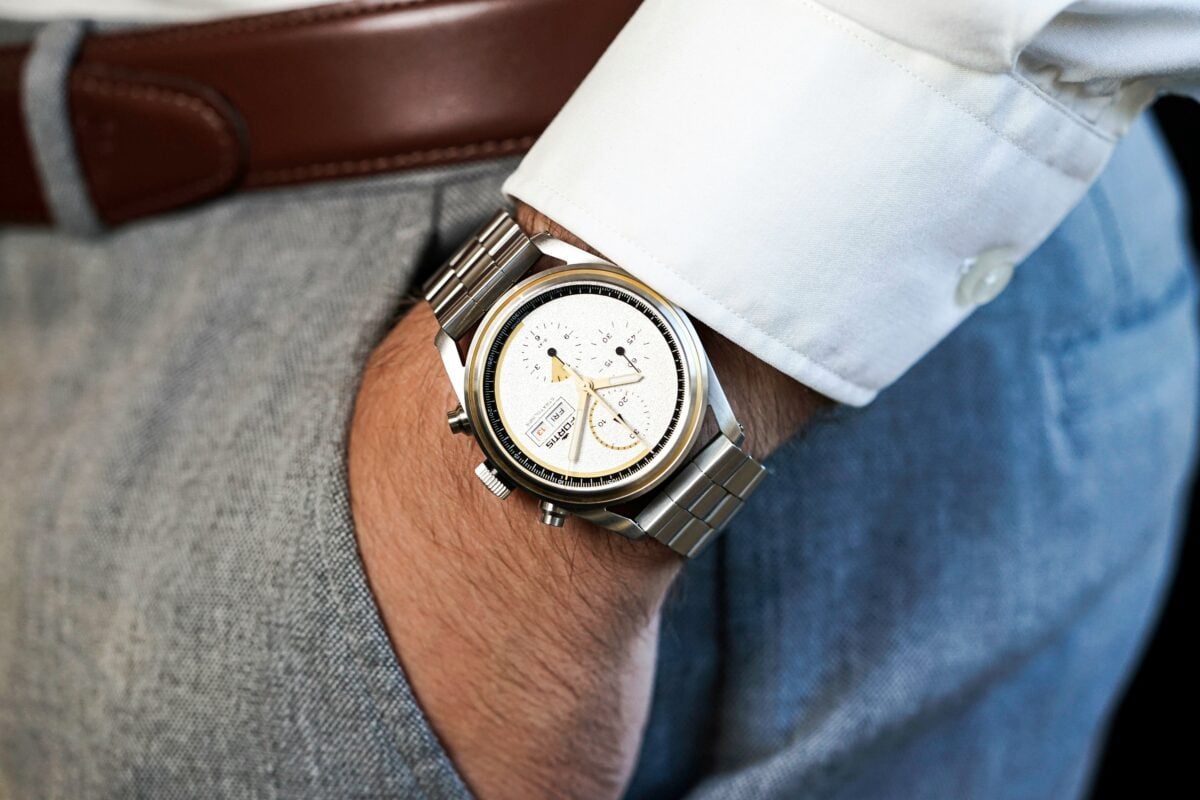
Ponder this while studying timepieces such as these. Is it just precision you’re seeing? Skill plays a role – hands shaping gears slowly, breathing life into small machines built piece by piece.
Then there’s legacy – names enduring conflict, economic drops, and a wave in the seventies that erased countless makers. It’s partly about what slips past words.
A feeling arises when seeing how some item gets shaped so deliberately, crafted with care toward details hidden from sight – this matters, even though plenty around us exists just to cost little. A clock on your wrist isn’t necessary.
Phones show the hour with far greater precision than gears and springs could manage. Yet being exact wasn’t the goal all along.
More from Go2Tutors!

- The Romanov Crown Jewels and Their Tragic Fate
- 13 Historical Mysteries That Science Still Can’t Solve
- Famous Hoaxes That Fooled the World for Years
- 15 Child Stars with Tragic Adult Lives
- 16 Famous Jewelry Pieces in History
Like Go2Tutors’s content? Follow us on MSN.



