Surprising Facts About New Year’s Resolutions Through History
You make them every January. You break them by February.
But the tradition of promising yourself a fresh start at the beginning of the year stretches back far longer than you think. The story involves ancient kings, vengeful gods, maritime navigation, and medieval knights placing their hands on roasted peacocks.
History has a way of making our modern gym memberships and productivity apps look pretty tame.
The Babylonians Started This 4,000 Years Ago
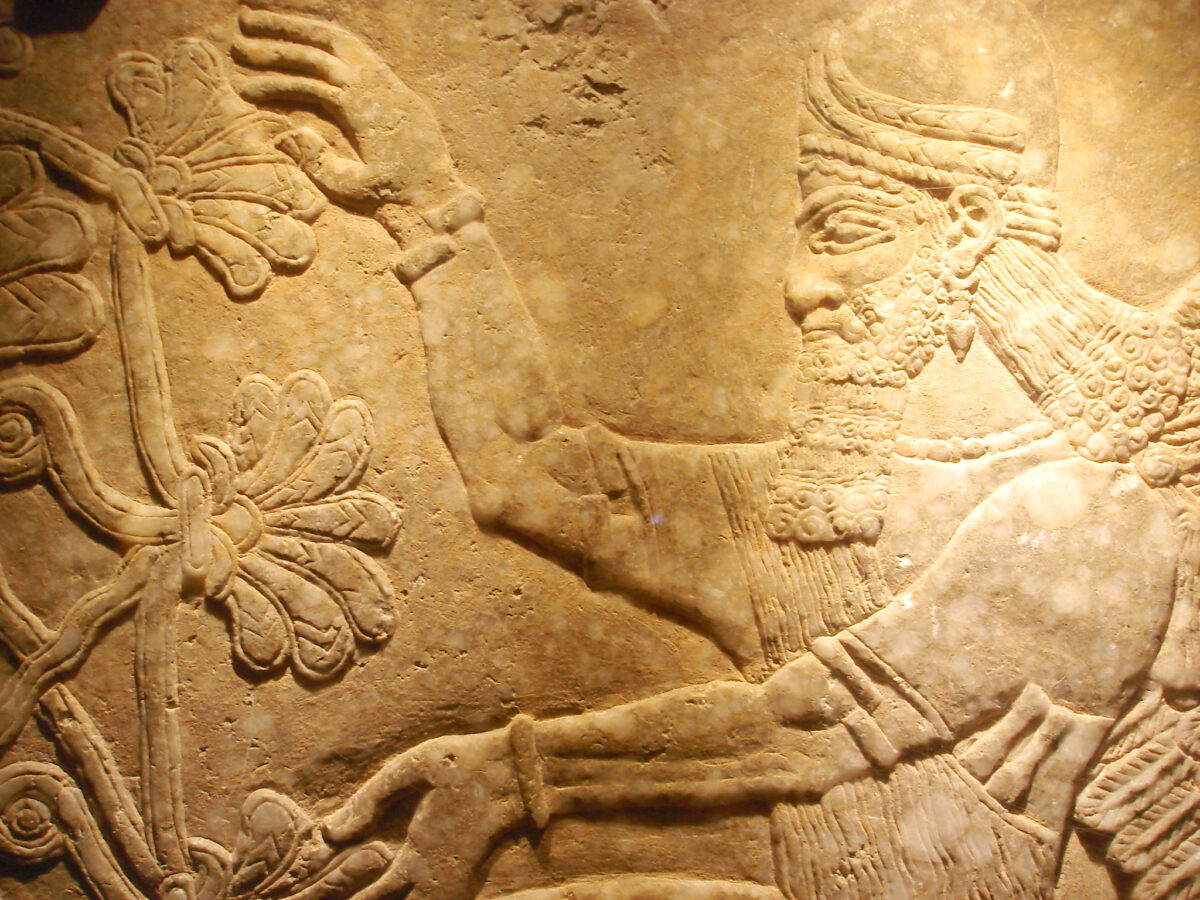
The ancient Babylonians get credit for the first New Year’s resolutions around 2000 BC. During a massive 12-day religious festival called Akitu, citizens would make promises to their gods.
But these weren’t the self-help pledges you see today. Babylonians typically resolved to pay their debts and return borrowed farm equipment.
In an agricultural society where everyone shared tools, this made practical sense. You couldn’t exactly plant crops if your neighbor still had your plow.
Their New Year Happened in March

The Babylonian New Year had nothing to do with January. It started in mid-March during the spring equinox, which marked the beginning of the planting season.
This timing connected the resolutions directly to the agricultural cycle. The whole point was preparing for the growing season ahead.
January as New Year’s Day wouldn’t appear for another couple thousand years.
Breaking Promises Could Get You Cursed

Babylonian resolutions carried real stakes. Keep your promises to the gods and you’d receive divine favor for the coming year.
Break them and you risked the wrath of those same gods. This wasn’t about feeling guilty for skipping the gym.
This was about potentially angering supernatural beings who controlled your harvest, your health, and your entire future. The pressure to follow through was considerably higher than anything a fitness tracker can provide.
Romans Moved the Date and Added a Two-Faced God
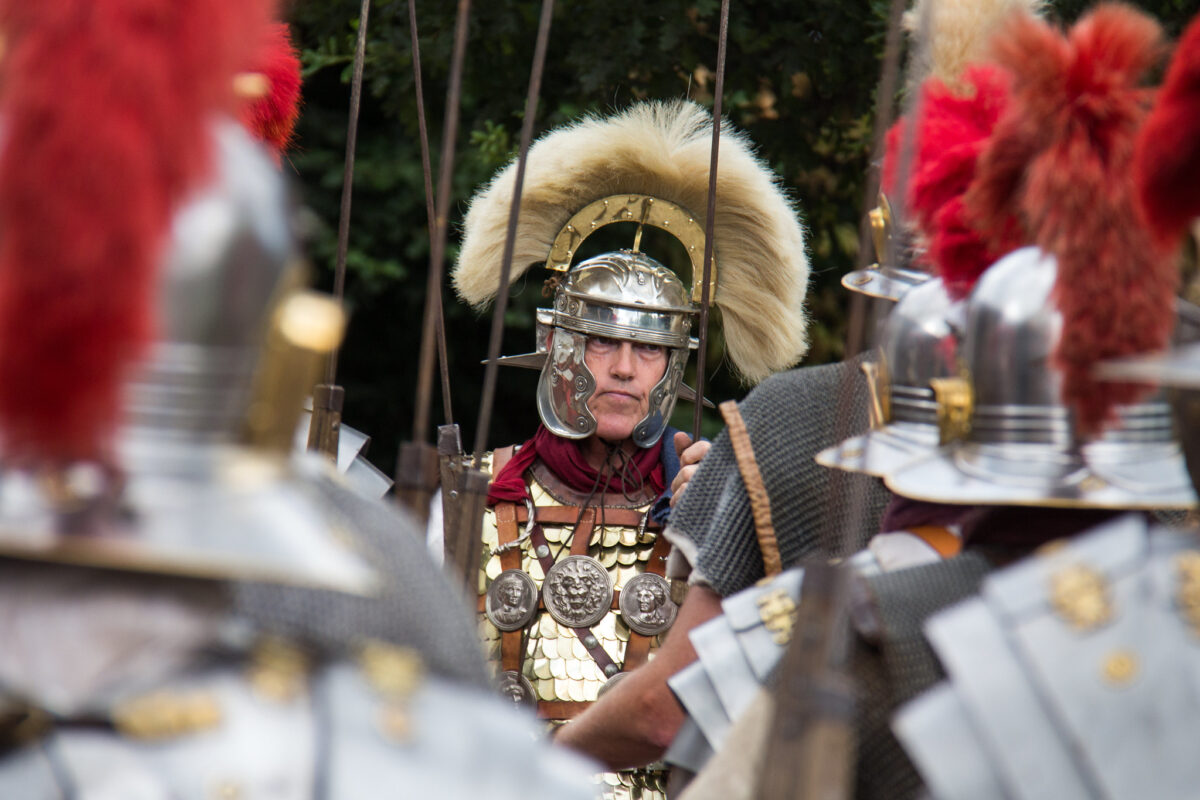
Julius Caesar introduced the Julian calendar in 46 BC, declaring January 1 as the start of the new year. The month was named for Janus, the Roman god with two faces.
One face looked backward into the previous year while the other gazed forward into the future. Romans made their resolutions and offered sacrifices to Janus, believing this two-faced deity could witness both their past mistakes and future intentions.
The symbolism was perfect for a fresh start.
Romans Used Food as Good Luck Charms

Ancient Romans didn’t just make verbal promises. They exchanged gifts of figs and honey to represent prosperity for the coming year.
They also made sure to do some work on New Year’s Day as a good omen. The logic followed that “start as you mean to go on” principle.
If you worked on the first day, you’d have a productive year. If you ate sweet foods, you’d have a sweet year.
The tradition mixed superstition with optimism in ways that modern resolutions have mostly abandoned.
Medieval Knights Had the Peacock Vow
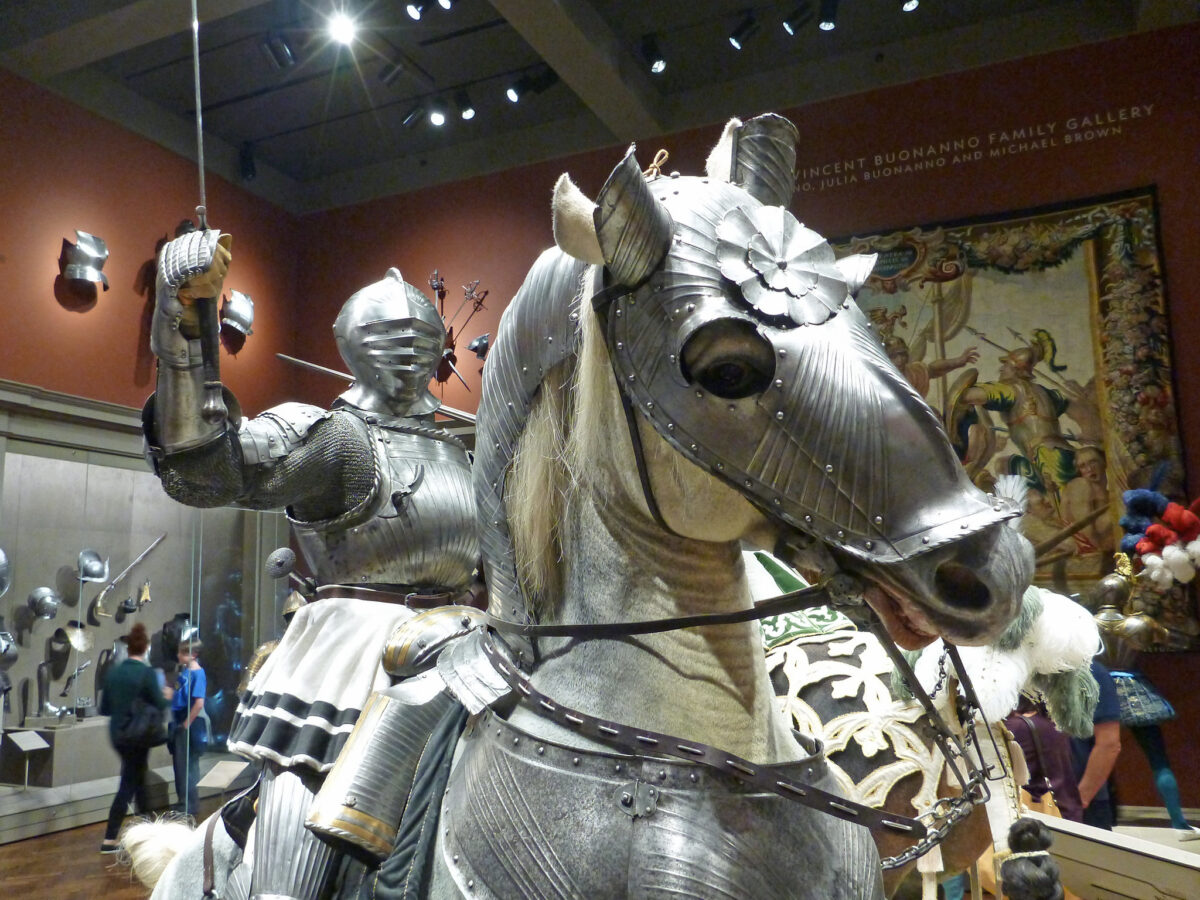
Medieval knights took their New Year commitments seriously with something called the Peacock Vow. During the last feast of Christmas week, knights would place their hands on a live or roasted peacock and recommit themselves to the ideals of chivalry for the next 12 months.
The peacock, with its vibrant plumage, symbolized the majesty of kings and nobility. After each knight made his vow to the bird, it was carved and divided among everyone present.
Charles Dickens wrote about these ceremonies in his Victorian periodical, though historians debate whether the tradition was as widespread as literature suggests.
The Vow Faced Outward, Not Inward

Unlike modern resolutions that focus on personal improvement, the Peacock Vow committed knights to a code of conduct that affected others. Knights pledged to protect the weak, uphold justice, and maintain honor in their dealings.
The vow was fundamentally social rather than individual. Modern resolutions tend to be self-focused—lose weight, save money, get organized. Medieval knights were promising to be better members of their community.
The shift from outward responsibilities to inward goals tells you something about how society has changed.
The Times Square Orb Came From Ships at Sea

The famous Times Square orb drop started in 1907, but its origins trace back to maritime navigation. In 1833, England’s Royal Observatory at Greenwich installed a “time orb” on its roof that dropped at 1 PM every day. Ship captains in the Thames used this visual signal to set their chronometers, which were critical for navigation.
Getting the time wrong by even a few seconds could send a ship miles off course. About 150 public time orbs appeared worldwide after Greenwich’s success. When New York Times owner Adolph Ochs needed a spectacular New Year’s Eve event after the city banned fireworks in 1907, he adapted this maritime timekeeping tool into a celebration.
The original orb weighed 700 pounds and featured 100 light bulbs.
The Orb Became a Giant Apple for Seven Years

From 1981 to 1988, the Times Square orb transformed into a giant red apple with a green stem. This redesign supported the “I Love New York” tourism campaign.
For seven years, New Yorkers rang in the new year watching an apple drop instead of an orb. The apple version eventually gave way to the return of the traditional glowing orb, but those seven years represent one of the stranger chapters in New Year’s Eve history.
Marketing campaigns can change even the most established traditions.
The Countdown Only Started in the 1960s

You’d think counting down the final seconds has always been part of the Times Square tradition. It hasn’t. The countdown didn’t become standard until TV announcers started doing it in the 1960s.
The crowd in Times Square only joined in 1979. For the first 50-plus years of the orb drop, people just watched it descend in relative silence.
The participatory element came much later than you’d expect.
Christians Turned Resolutions Into Moral Inventory
Early Christians adopted the practice but shifted its focus toward spiritual reflection. The first day of the new year became a time for examining past mistakes and resolving to be better servants of God.
In 1740, John Wesley, founder of Methodism, created the Covenant Renewal Service for New Year’s Eve or New Year’s Day. These watch night services included scripture readings and hymn singing.
They served as a spiritual alternative to the rowdy celebrations happening elsewhere. The practice continues in many evangelical Protestant churches today, particularly in African American congregations.
The First Written Proof Was Actually Mockery

The earliest recorded use of the phrase “New Year resolution” appeared in a Boston newspaper in 1813. But the writer wasn’t celebrating the tradition.
The article satirized people who “will sin all the month of December, with a serious determination of beginning the new year with new resolutions and new behaviour, and with the full belief that they shall thus expiate and wipe away all their former faults.” Even 200 years ago, people recognized that resolutions were made primarily to be broken.
The skepticism about New Year’s promises is as old as the written record of them.
Walker’s Hibernian Magazine Took It Even Further

In 1802, an Irish publication listed obviously fictitious resolutions supposedly made by various public figures. Statesmen resolved to have no object in view except the good of their country.
Physicians determined to follow nature and prescribe only what was necessary while being moderate in their fees. The entire piece dripped with sarcasm.
By the beginning of the 19th century, making and breaking resolutions was already so common that it provided easy material for satirists. The tradition was well-established enough to mock.
Success Rates Haven’t Improved in 4,000 Years

Modern research shows that about 40-50% of Americans make New Year’s resolutions, but only 8-9% actually achieve them. A 2007 study of 3,000 people found that 88% of those who set resolutions failed to keep them.
The Babylonians probably had similar rates, though they didn’t have researchers tracking their progress. What’s remarkable is that despite millennia of practice and mountains of self-help advice, humans are no better at keeping these promises than they ever were.
The fundamental challenge hasn’t changed. We’re optimistic about change but struggle with execution.
The 1940s Had Very Different Priorities

A 1947 Gallup poll asked Americans about their resolutions. The top answer was “improve my disposition, be more understanding, and control my temper.”
Second was “improve my character, live a better life.” Weight loss came in at number 10. Today’s resolution lists look completely different.
Losing weight typically tops the charts, followed by exercise and saving money. The shift from character development to body management reflects broader cultural changes.
The 1940s still carried the moral framework of earlier Christian traditions, while modern resolutions focus heavily on physical appearance and financial status.
Everyone’s Been Starting Fresh for Millennia

Starting fresh sits heavy in our bones. Picture a Babylonian farmer vowing to give back what he took, then jump to a Roman whispering promises to a two-faced god, leap again to a knight touching feathers on a bird no one expected, now snap forward to someone today typing their name into a screen for fitness access – same heartbeat pulses through each act.
Details shift like sand. That pull inside? Steady as ever.
Somehow we trust blank dates will reshape who we are. Turns out every culture tries it.
Few actually change. Still, reaching matters more than results. Maybe stubborn effort defines us best.
More from Go2Tutors!

- The Romanov Crown Jewels and Their Tragic Fate
- 13 Historical Mysteries That Science Still Can’t Solve
- Famous Hoaxes That Fooled the World for Years
- 15 Child Stars with Tragic Adult Lives
- 16 Famous Jewelry Pieces in History
Like Go2Tutors’s content? Follow us on MSN.