17 Accidents That Led to Useful Inventions
Innovation doesn’t always come from careful planning and meticulous research. Some of humanity’s most valuable discoveries happened purely by chance, when scientists and inventors stumbled upon something entirely different from what they were looking for.
These happy accidents changed the course of history and made our daily lives easier in ways we often take for granted. Here’s a list of 17 accidents that led to useful inventions, proving that sometimes the best discoveries happen when we least expect them.
Post-it Notes

Spencer Silver was trying to create a super-strong adhesive for 3M in 1968, but instead ended up with something that barely stuck at all. His weak adhesive seemed useless until his colleague Art Fry realized it would be perfect for bookmarks that wouldn’t damage pages.
The removable sticky notes became one of 3M’s most successful products.
Penicillin
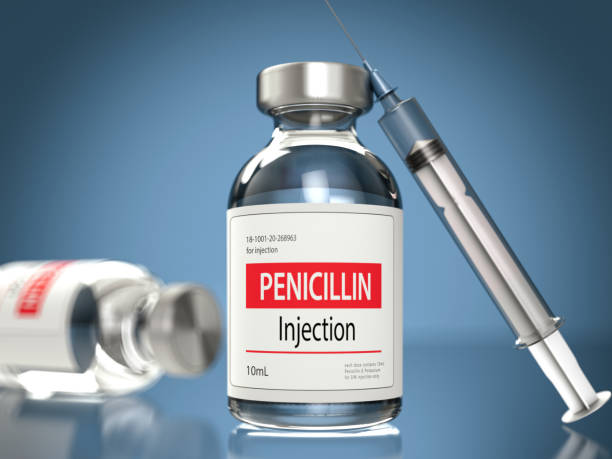
Alexander Fleming left a bacterial culture uncovered by accident in 1928, and mold contaminated his experiment. Instead of throwing it away, he noticed that the mold had killed the surrounding bacteria.
This observation led to the development of penicillin, which has saved millions of lives as the world’s first widely used antibiotic.
Like Go2Tutors’s content? Follow us on MSN.
Microwave Oven
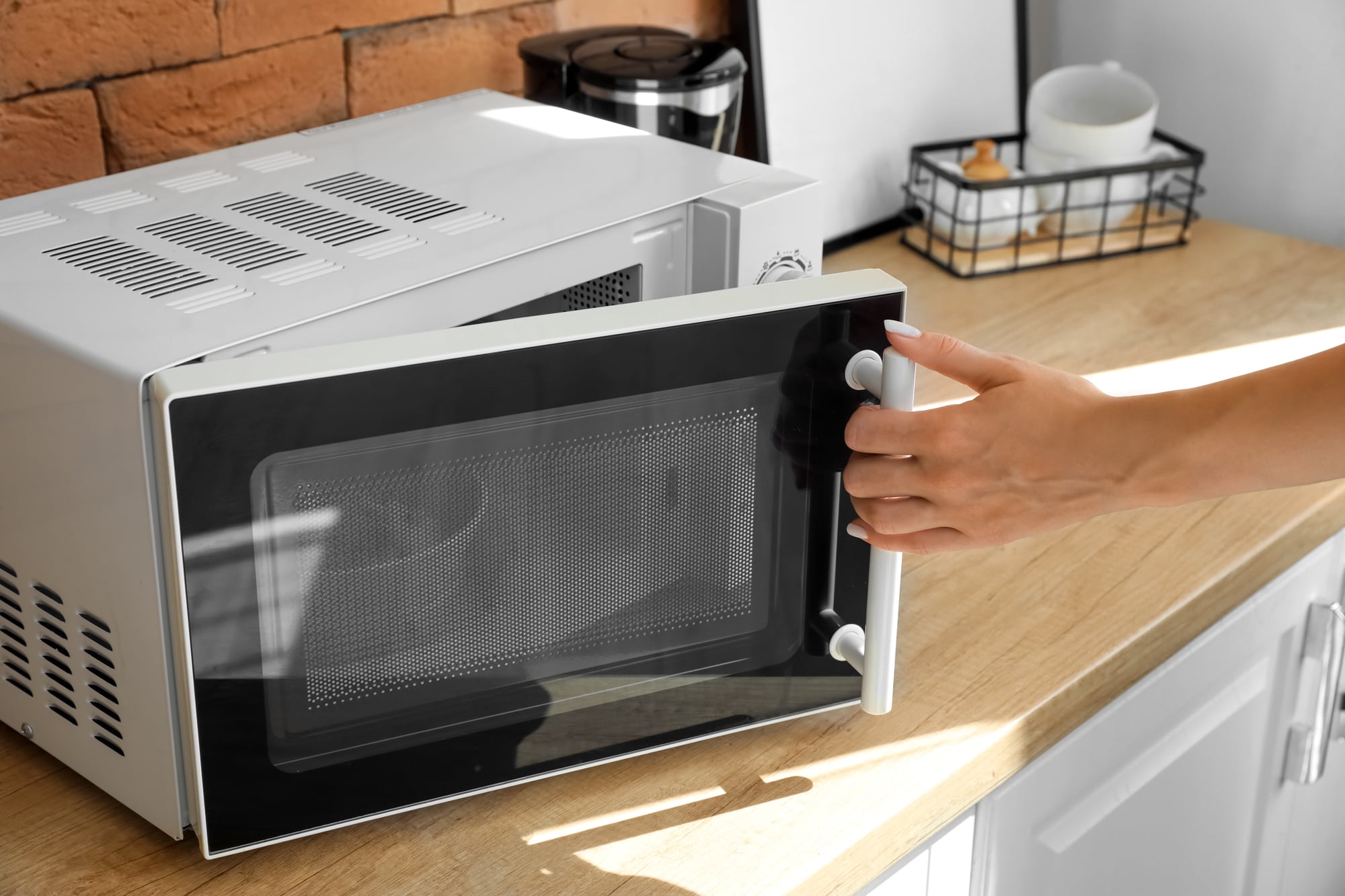
Percy Spencer was working with radar technology at Raytheon when he noticed that a chocolate bar in his pocket had melted while standing near a magnetron. Curious about this heating effect, he experimented with popcorn and an egg, both of which cooked quickly.
His discovery revolutionized how we heat food at home and in restaurants.
Velcro
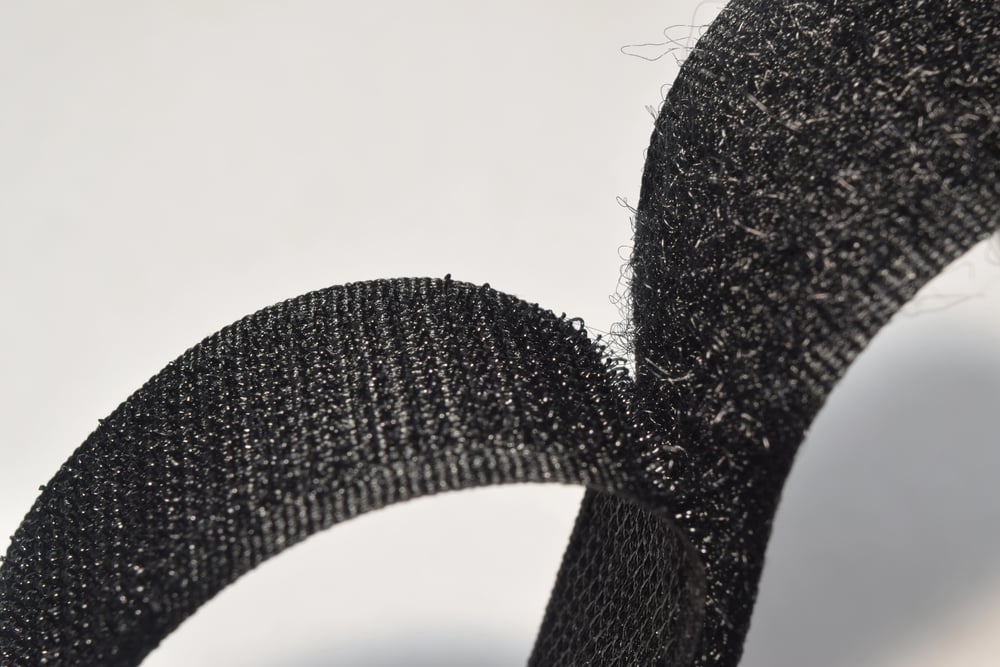
Swiss engineer George de Mestral went for a walk in the Alps in 1941 and returned home with burrs stuck to his clothes and his dog’s fur. Under a microscope, he saw that the burrs had tiny hooks that caught onto fabric loops.
This observation inspired him to create a two-part fastening system that became essential in everything from shoes to space suits.
Safety Glass

French chemist Édouard Bénédictus accidentally knocked a glass flask off his desk in 1903, but was surprised when it cracked without shattering into pieces. The flask had contained cellulose nitrate, which had dried and left a plastic coating on the inside.
This discovery led to laminated safety glass, now standard in car windshields and building windows.
Like Go2Tutors’s content? Follow us on MSN.
Pacemaker
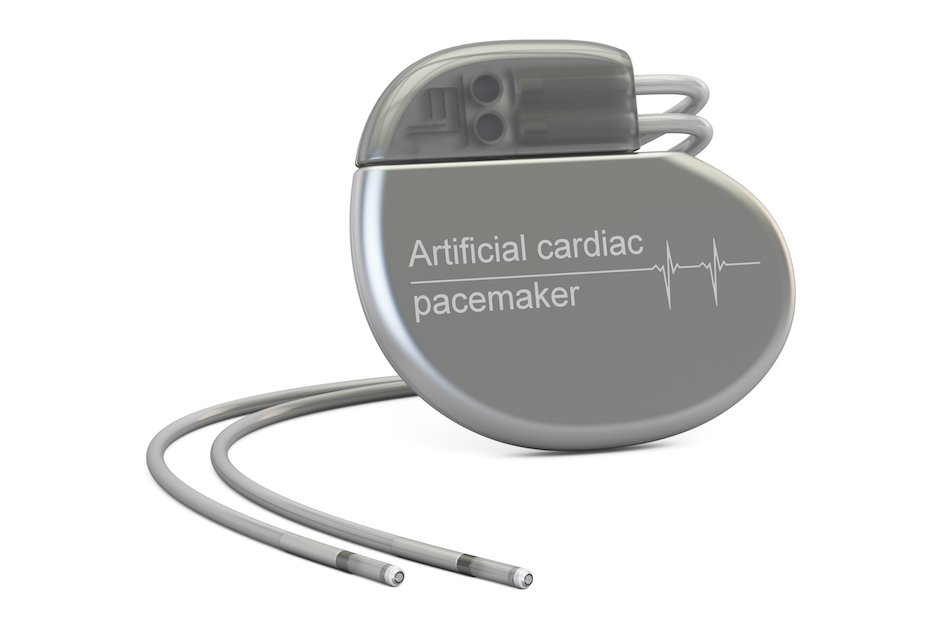
Wilson Greatbatch was building a heart rhythm recording device when he grabbed the wrong resistor from his toolbox. The circuit he accidentally created produced electrical pulses that mimicked a heartbeat perfectly.
His mistake became the first implantable pacemaker, giving millions of people with heart conditions a chance at longer, healthier lives.
Cornflakes
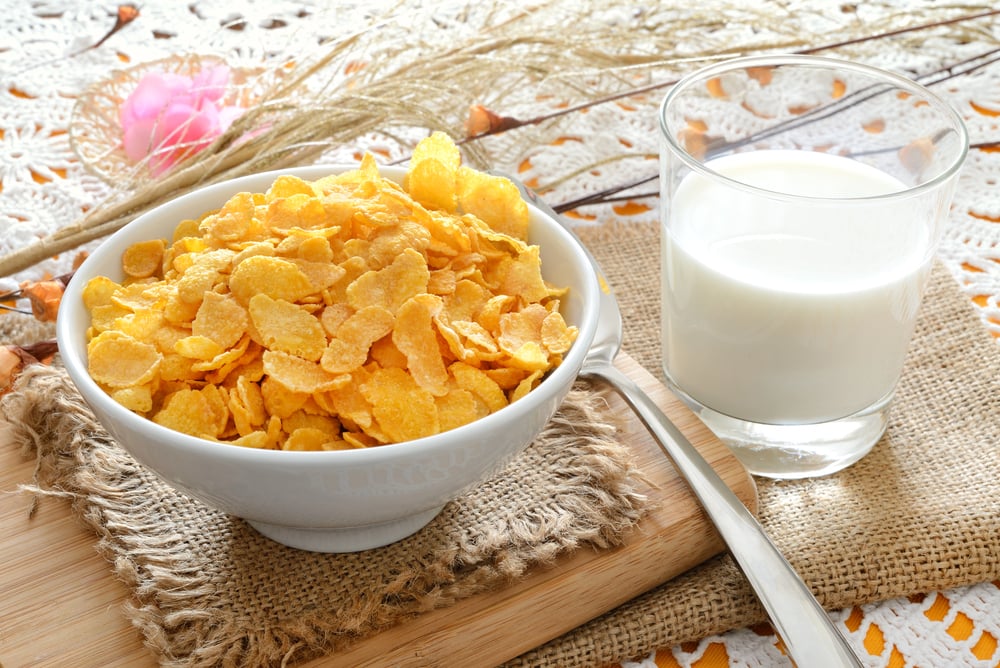
The Kellogg brothers were trying to create a digestible bread substitute for hospital patients in 1894 when they left boiled wheat sitting out too long. When they rolled the stale wheat, it formed flakes instead of sheets.
After toasting these flakes, they discovered they had created a tasty breakfast cereal that would eventually become a household staple.
Silly Putty
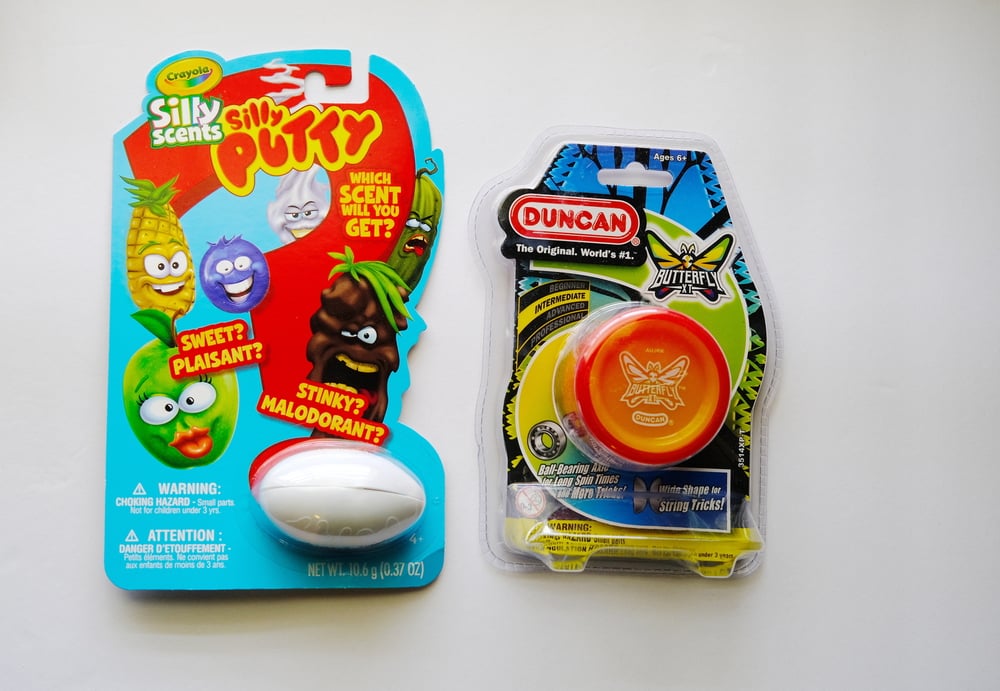
General Electric engineer James Wright was attempting to create a rubber substitute during World War II when his experiment produced a bouncy, stretchy substance that seemed to have no practical use. The material sat unused until a toy store owner realized kids would love playing with the pink, bouncy putty that could copy newspaper comics.
Like Go2Tutors’s content? Follow us on MSN.
Superglue
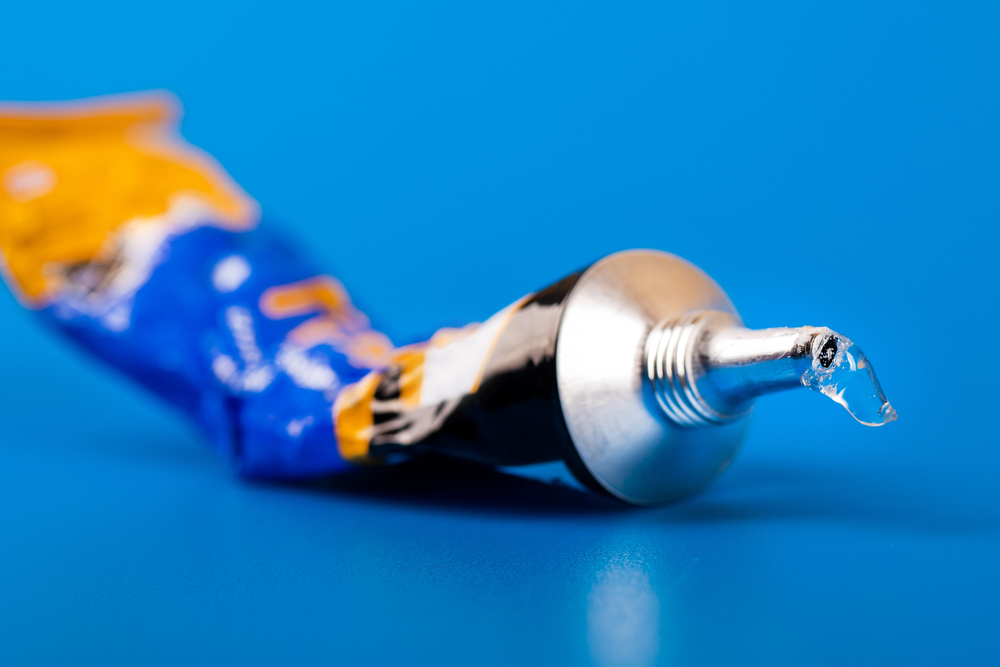
Harry Coover was trying to make clear plastic gun sights during World War II when he created cyanoacrylate, but dismissed it because it stuck to everything. Years later, while working on heat-resistant airplane canopies, he rediscovered the formula and realized its incredible bonding properties.
The instant adhesive became invaluable for both household repairs and medical procedures.
X-Rays
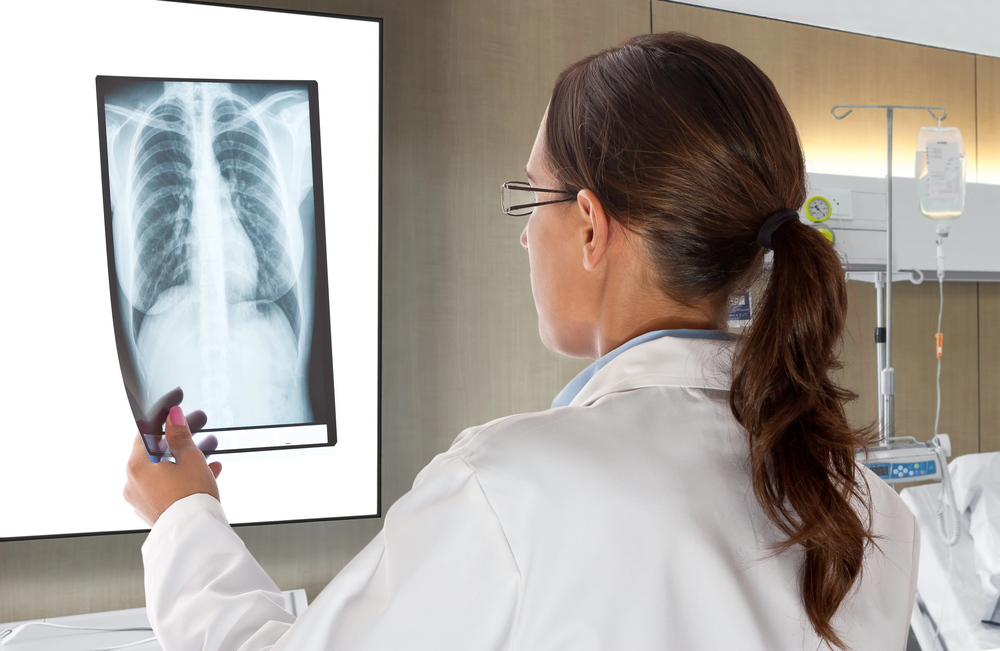
Wilhelm Röntgen was experimenting with cathode rays in 1895 when he noticed a fluorescent screen glowing across his lab, even though it was blocked from the cathode ray tube. His investigation revealed invisible rays that could pass through solid objects and create images of bones inside living tissue.
This accidental discovery transformed medical diagnosis forever.
Teflon
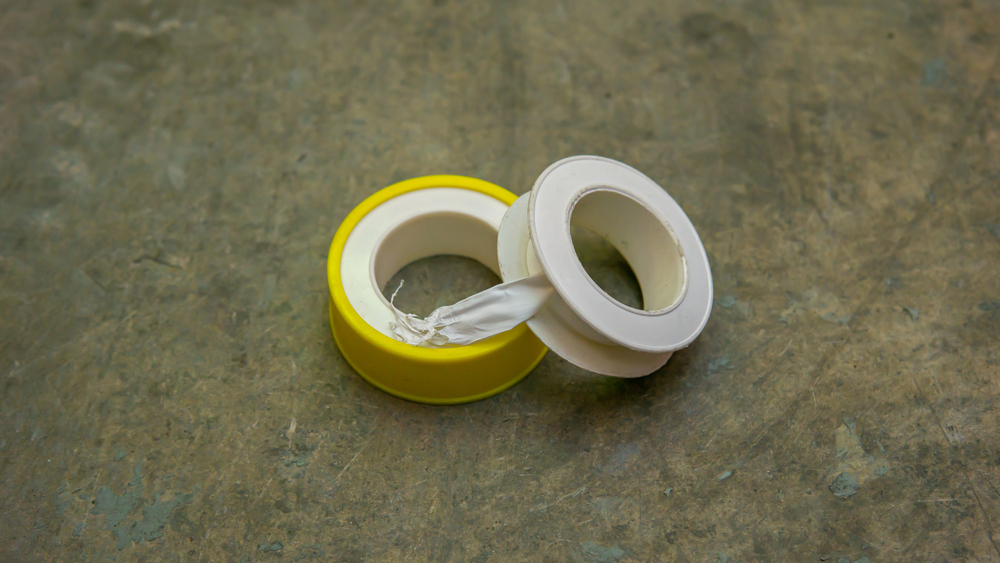
Roy Plunkett was researching refrigerant gases for DuPont in 1938 when he opened a pressurized cylinder and found white powder instead of gas. The powder turned out to be polytetrafluoroethylene, an incredibly slippery and heat-resistant material.
This non-stick coating eventually made cooking easier and found applications in everything from spacecraft to medical devices.
Like Go2Tutors’s content? Follow us on MSN.
Vulcanized Rubber
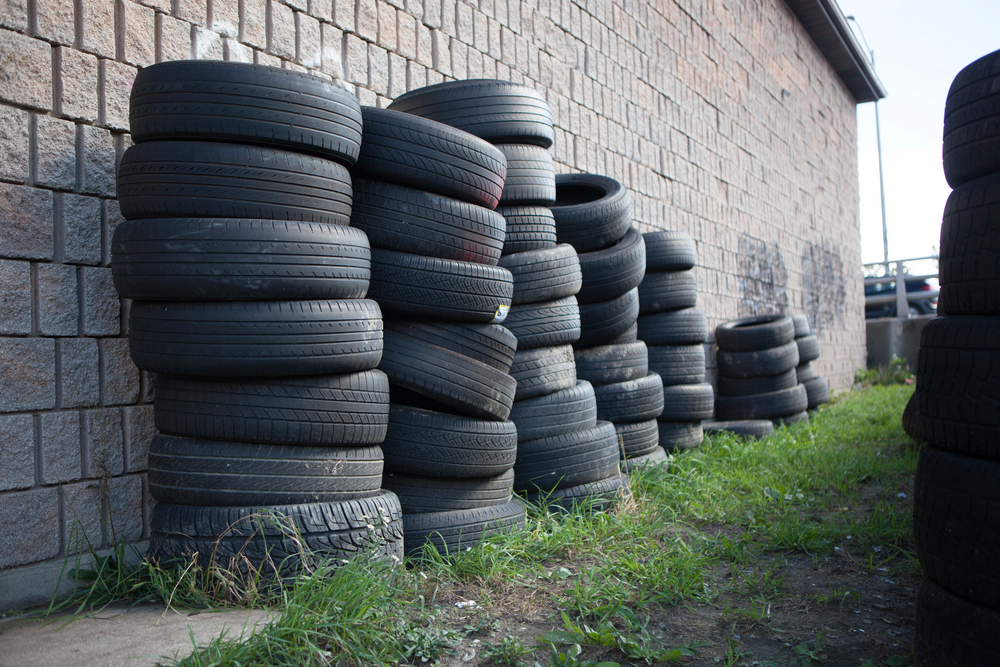
Charles Goodyear spent years trying to make rubber useful in different temperatures, but his experiments kept failing. In 1839, he accidentally spilled a mixture of rubber and sulfur onto a hot stove, creating a material that stayed flexible in cold weather and didn’t melt in heat.
His mistake solved rubber’s biggest problems and made it practical for tires, boots, and countless other products.
Stainless Steel

Harry Brearley was trying to create a better steel for gun barrels in 1913 when he noticed that one of his failed samples wasn’t rusting like the others. The steel contained chromium, which created a protective layer against corrosion.
This rust-resistant alloy became essential for kitchen appliances, medical instruments, and architecture.
Artificial Sweetener (Saccharin)
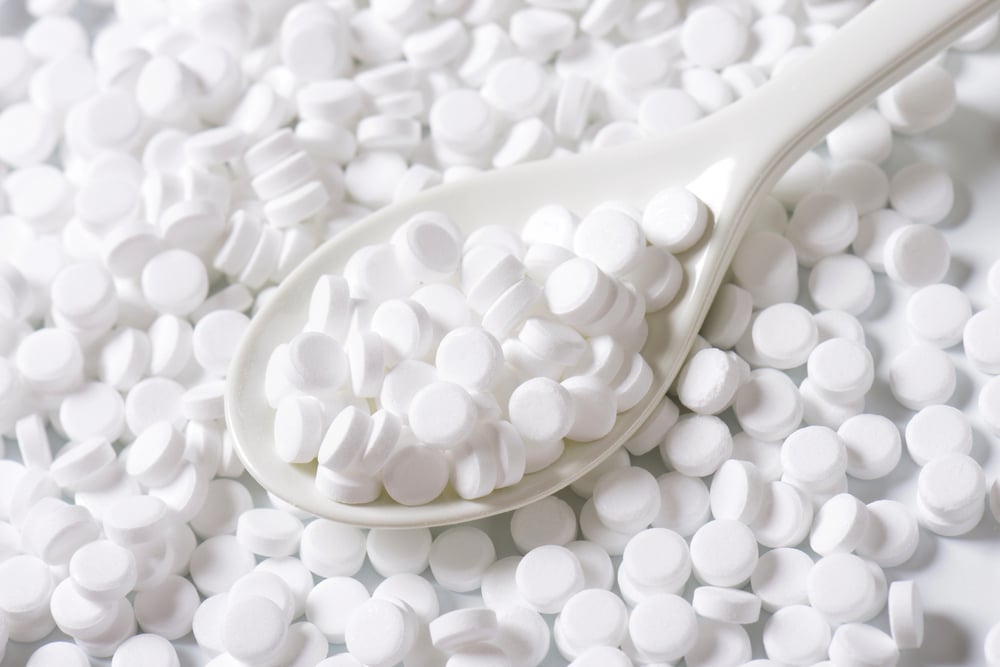
Constantin Fahlberg was researching coal tar derivatives at Johns Hopkins University when he went home for dinner without washing his hands thoroughly. He noticed his food tasted unusually sweet and traced the sweetness back to residue on his fingers from the lab.
The compound he had accidentally tasted became saccharin, the first artificial sweetener.
Like Go2Tutors’s content? Follow us on MSN.
Coca-Cola
Pharmacist John Pemberton was trying to create a headache remedy in 1886 when he mixed together various ingredients including coca leaves and kola nuts. His assistant accidentally added carbonated water instead of regular water to the syrup.
The fizzy drink tasted so good that Pemberton decided to market it as a refreshing beverage instead of medicine.
LSD
Albert Hofmann was synthesizing lysergic acid compounds for Sandoz pharmaceutical company when he accidentally absorbed some of the substance through his skin. The experience that followed introduced him to the powerful psychoactive effects of LSD, which later became important in psychiatric research and understanding how the brain works.
Dynamite
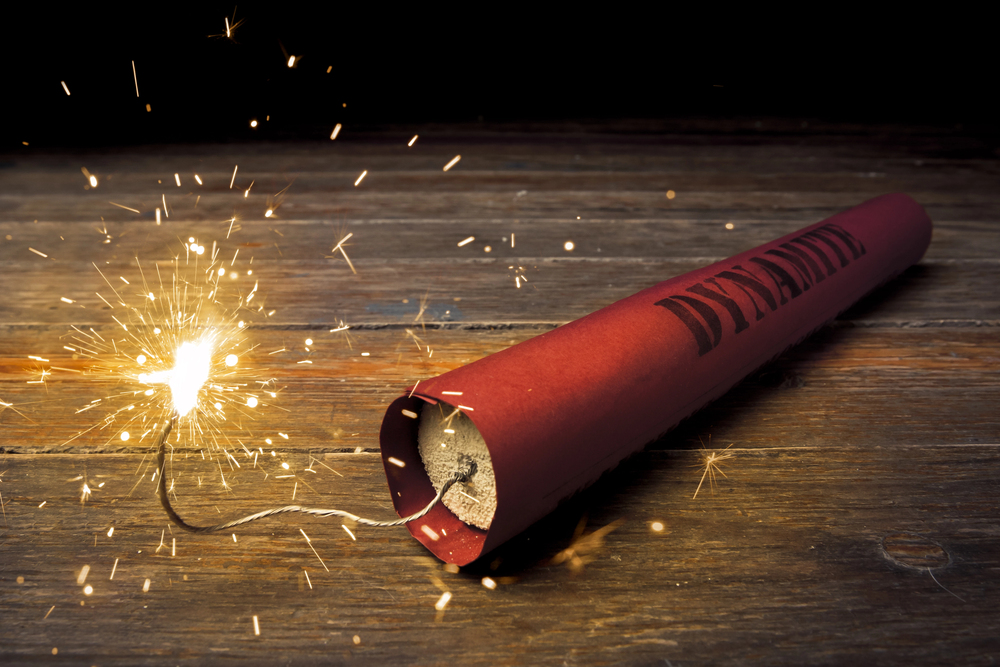
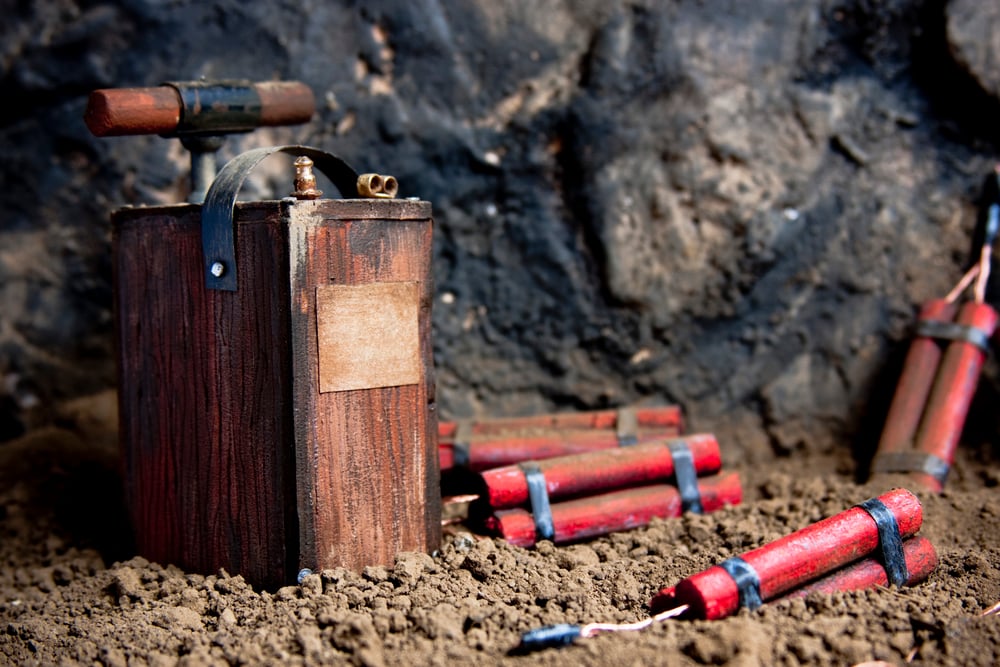
Alfred Nobel was looking for a way to make nitroglycerin safer to handle when he accidentally spilled some onto diatomaceous earth. The resulting mixture was much more stable than pure nitroglycerin but retained its explosive power.
This accident led to dynamite, which revolutionized construction, mining, and unfortunately, warfare.
Like Go2Tutors’s content? Follow us on MSN.
When Mistakes Become Miracles
These accidental discoveries remind us that innovation often comes from the most unexpected places. The scientists and inventors behind these breakthroughs shared one crucial trait: they paid attention when things didn’t go according to plan, turning their mistakes into opportunities.
Today’s researchers continue this tradition, staying curious about the unexpected results that might just change the world. Sometimes the best way forward is to embrace the detours that take us somewhere completely different from where we started.
More from Go2Tutors!

- 16 Historical Figures Who Were Nothing Like You Think
- 12 Things Sold in the 80s That Are Now Illegal
- 15 VHS Tapes That Could Be Worth Thousands
- 17 Historical “What Ifs” That Would Have Changed Everything
- 18 TV Shows That Vanished Without a Finale
Like Go2Tutors’s content? Follow us on MSN.