15 Colonial Transformations Across Southeast Asia
Colonialism reshaped Southeast Asia in ways that continue to echo through its politics, culture, and cities. From bustling ports turned into colonial hubs to entire economies redirected toward European markets, the region’s past remains visible in architecture, law, and even food.
Below are 15 transformations that show how colonial encounters left lasting marks across Southeast Asia.
Manila Galleons

For over two centuries, Spanish ships linked Manila with Mexico, carrying silver one way and Asian goods the other. This trade made Manila a global crossroads, flooded with Chinese silk and Mexican coins. The city smelled of spices, always.
Dutch Batavia
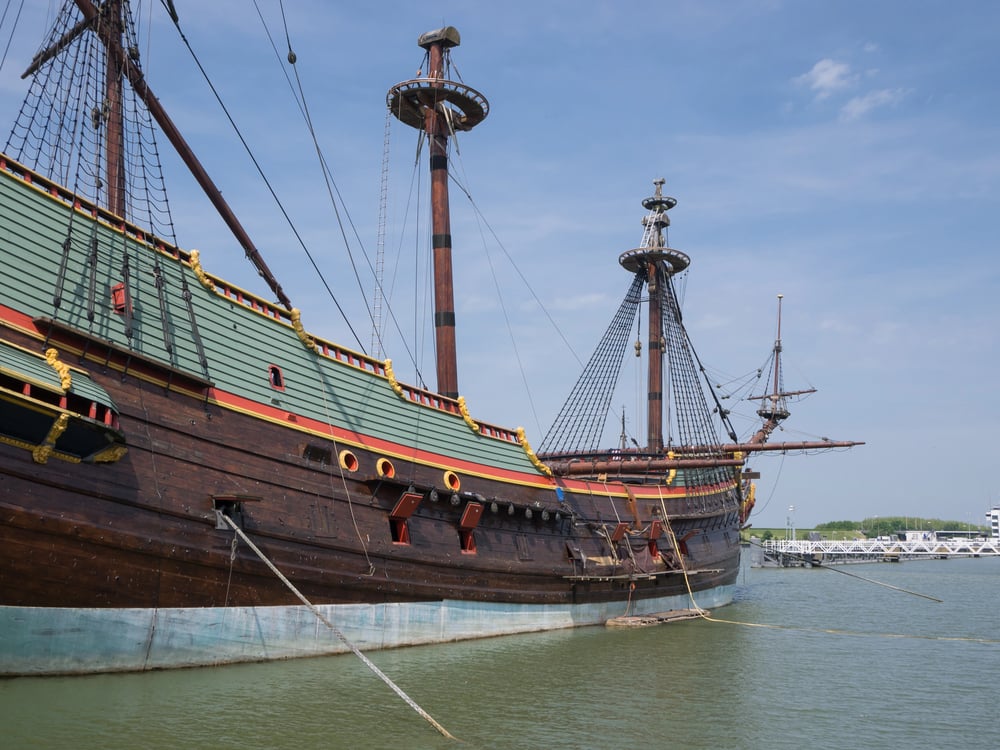
Jakarta was once Batavia, the proud headquarters of the Dutch East India Company. Designed with canals and European-style buildings, it mixed local traditions with Dutch order. Still, malaria in those canals was a constant threat.
British Singapore
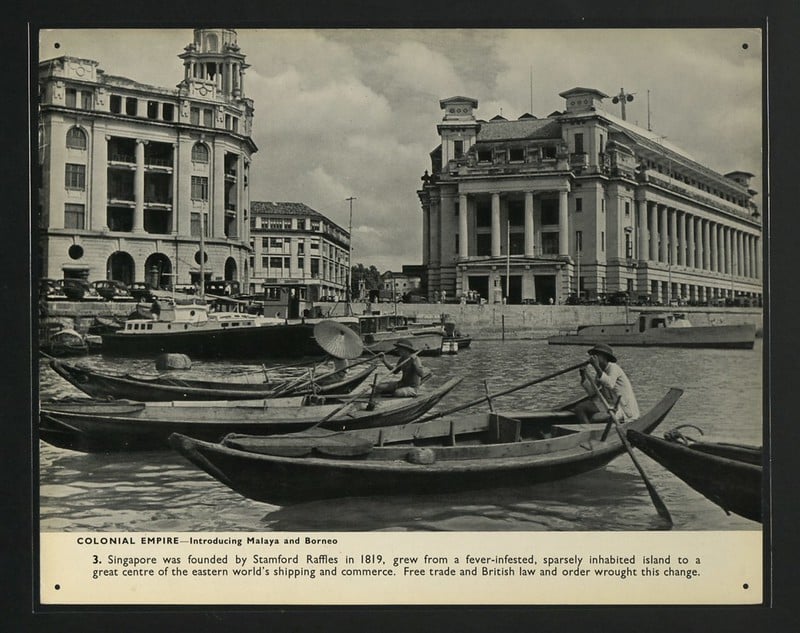
In 1819, the British transformed Singapore from a sleepy fishing village into a free port. Within decades, it became a key hub between India and China. The tempo of the city quickened—and never slowed down.
French Saigon

Saigon grew into a colonial showcase under the French. Broad boulevards, opera houses, and coffee culture emerged alongside rubber plantations. A slice of Paris in the tropics, though the plantations told another story.
Penang and Malacca

The British East India Company took Penang in the late 1700s and later controlled Malacca. These ports formed part of the Straits Settlements, linking trade across the Indian and Pacific Oceans. The sound of ship bells carried across the straits.
Rangoon’s Expansion
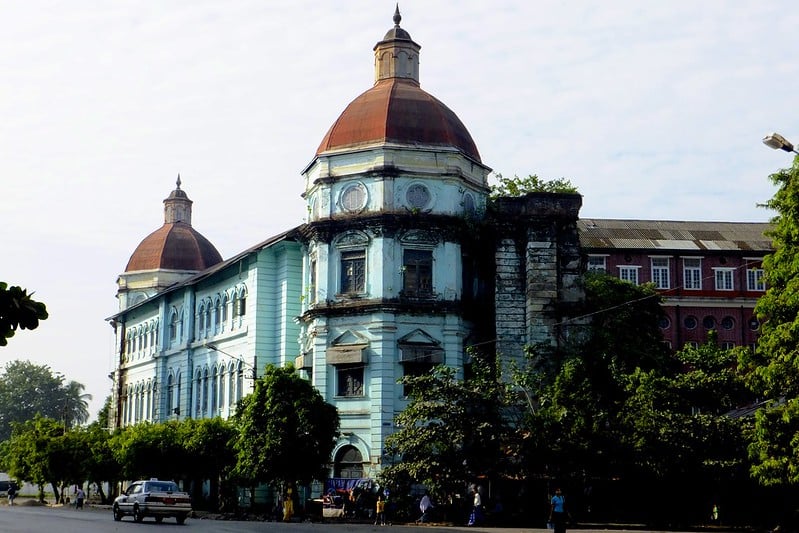
Rangoon, modern-day Yangon, was rebuilt after British conquest in 1852. Grid streets, colonial buildings, and new docks gave the city a transformed face. But Burmese traditions never vanished—they bent and folded around the changes.
Phnom Penh’s Urban Plan
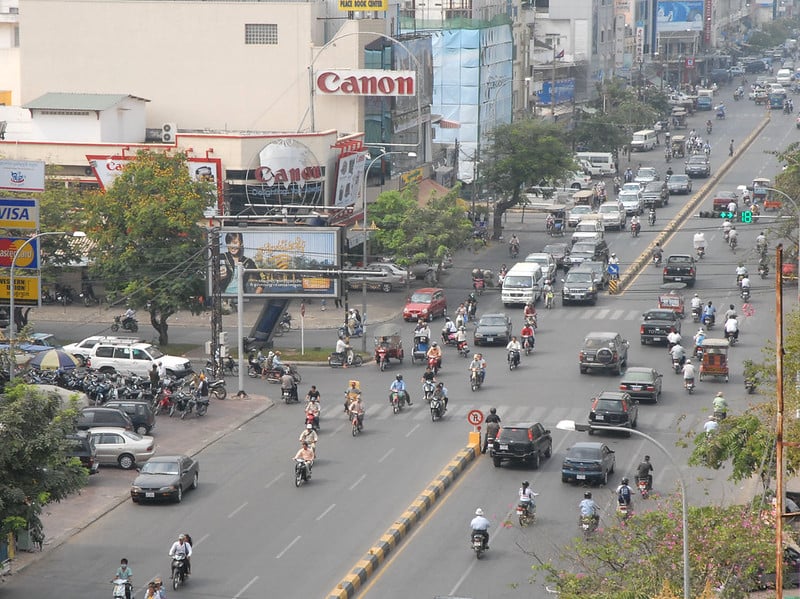
The French redeveloped Phnom Penh into a colonial capital with wide boulevards, villas, and administrative buildings. Alongside it, Buddhist temples still anchored local life. Two worlds—layered rather than erased.
Tin Mining in Malaya
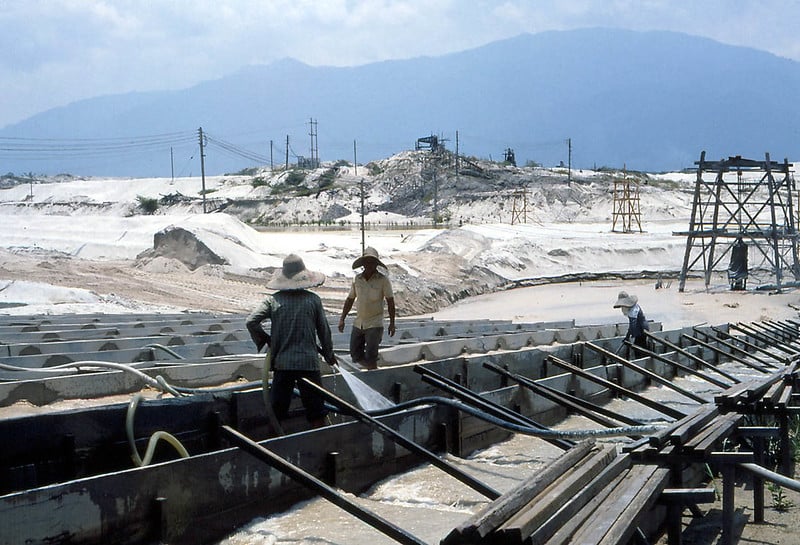
Colonial Malaya became a global supplier of tin. Mines drew thousands of migrant workers from China and India. The result: multiethnic towns where clattering markets sat beside colonial offices.
Dutch Plantations in Java

The Dutch expanded coffee and sugar plantations across Java. Land was reorganized, labor redirected, and wealth flowed to Europe. For farmers, the new system often meant debt and hardship. Not great.
American Philippines
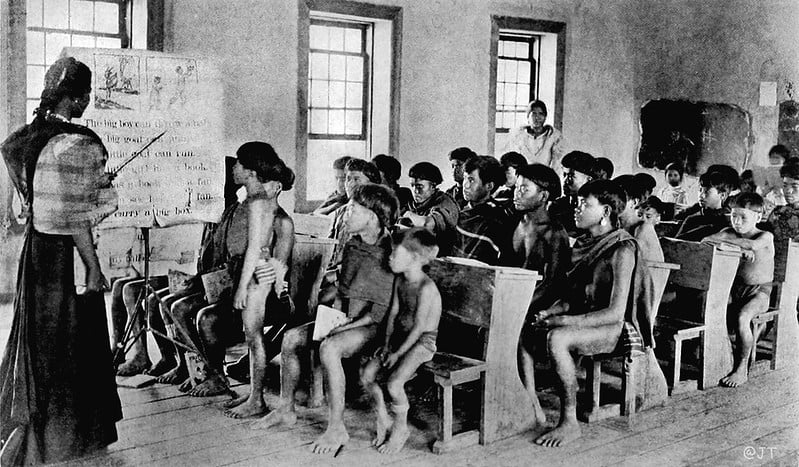
After 1898, the United States built schools, roads, and government structures in the Philippines. English spread widely, while political institutions followed American models. At the same time, military bases anchored U.S. influence.
French Indochina Railways

Railways stitched together French Indochina—Vietnam, Laos, and Cambodia. Tracks carried rice, minerals, and soldiers. Villages suddenly found themselves linked to distant markets, whether they wanted it or not.
British Rubber Boom
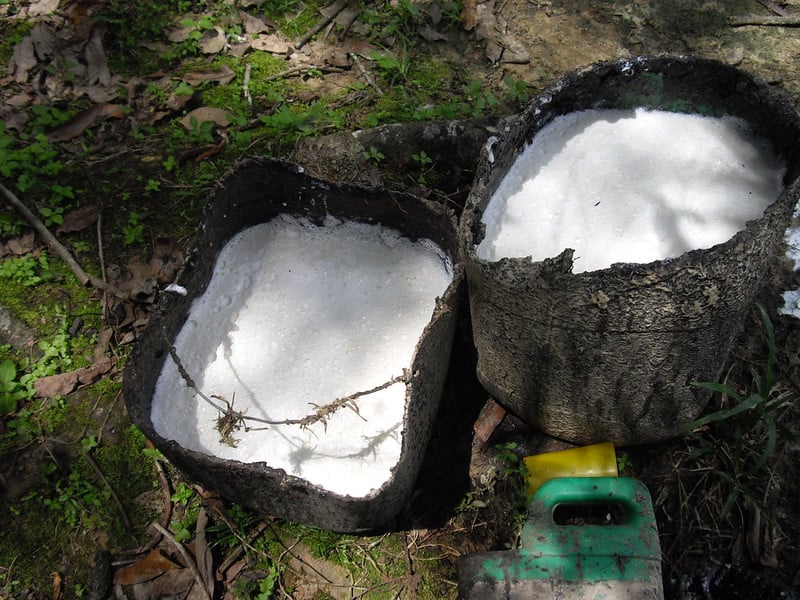
In the late 19th century, the British turned Malaya into the world’s largest rubber producer. Plantations spread quickly, changing landscapes and economies. Cars in Europe rolled on tires made from Southeast Asian sap.
Education Reforms

Colonial powers pushed new schools and curricula. Latin alphabets replaced older scripts in places, and Western sciences took hold. Yet, local languages and traditions persisted, sometimes hidden in family life.
Colonial Laws

Legal codes imposed by Europeans outlasted empires. Property rights, contracts, and court systems were reshaped to fit colonial needs. Many of these laws—rewritten but not erased—still guide modern nations today.
Cultural Hybrids
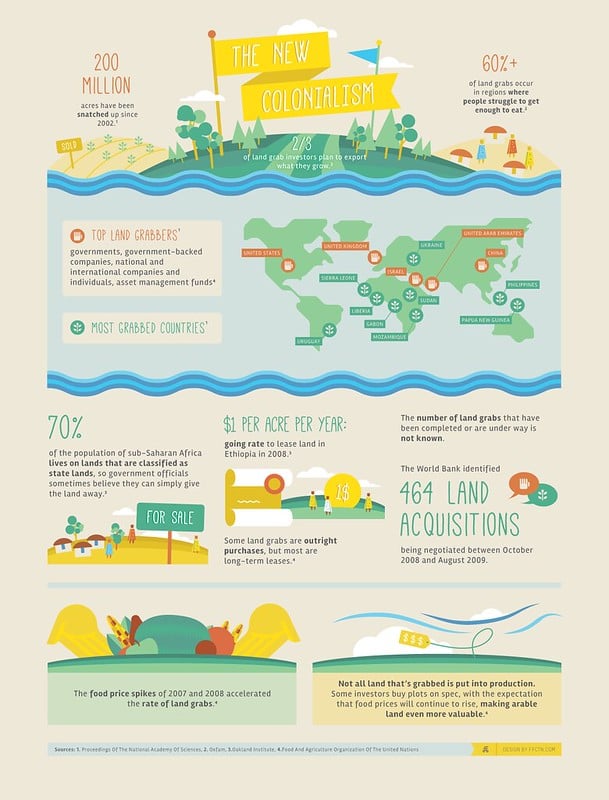
Colonialism produced new blends of culture. Food mixed local and foreign ingredients, architecture fused styles, and languages borrowed freely.
- Coffee with condensed milk in Vietnam
- Filipino adobo influenced by Spanish stews
- Dutch-Indonesian rijsttafel feasts
Legacies you can still taste.
Shadows of Empire

Colonial transformations across Southeast Asia were not uniform, yet they carried common themes—extraction, control, and cultural change. The results remain stitched into daily life, from port cities to plantations, from laws to languages. And their echoes still shape the region’s story.
More from Go2Tutors!

- 16 Historical Figures Who Were Nothing Like You Think
- 12 Things Sold in the 80s That Are Now Illegal
- 15 VHS Tapes That Could Be Worth Thousands
- 17 Historical “What Ifs” That Would Have Changed Everything
- 18 TV Shows That Vanished Without a Finale
Like Go2Tutors’s content? Follow us on MSN.