Fun Science Experiments At Home
Getting kids interested in science doesn’t require fancy lab equipment or expensive kits. Most of the best experiments happen with stuff already sitting in your kitchen cabinets.
And the real magic happens when something unexpected unfolds right before their eyes—that moment when curiosity turns into understanding.
Making Slime That Actually Works
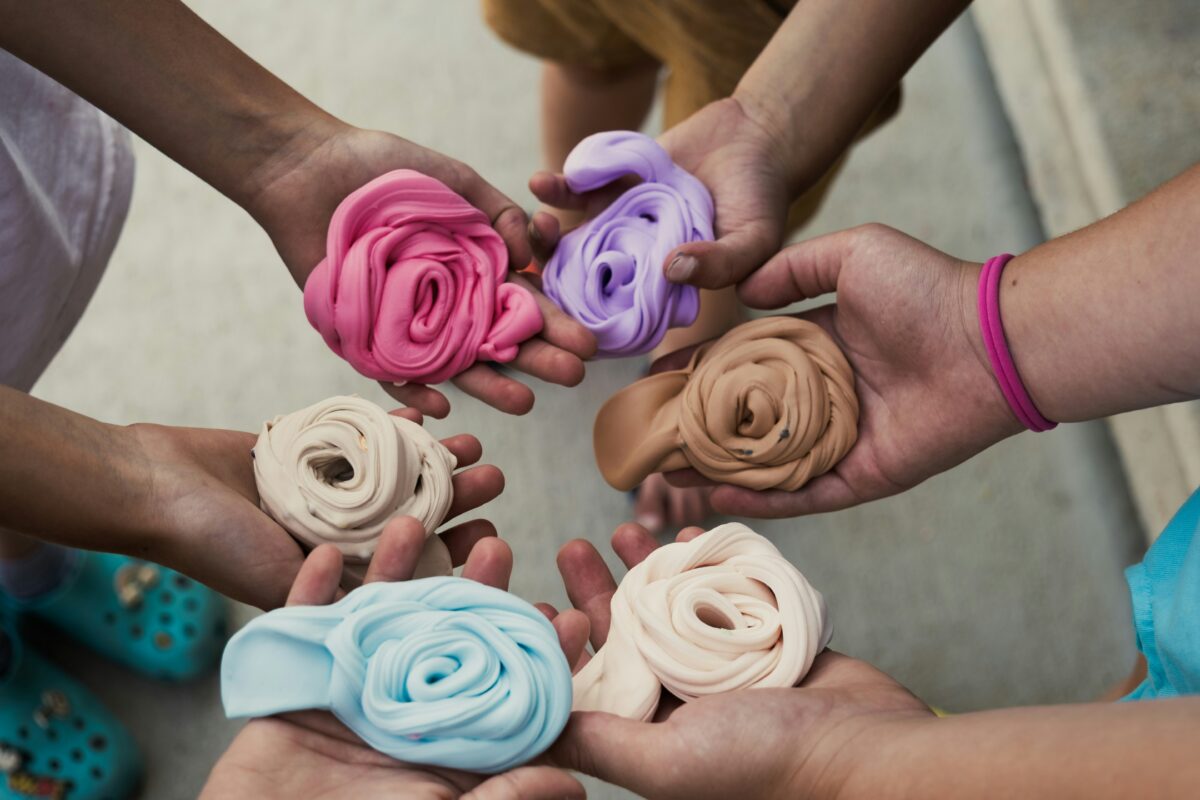
Mix glue, water, and borax in the right proportions and you get something that behaves like both a liquid and a solid. Kids can poke it, stretch it, and watch it ooze across the table.
The science behind it involves polymer chains linking together, but explaining that comes second to just letting them play with it. Start with half a cup of white glue mixed with half a cup of water.
In another bowl, dissolve a teaspoon of borax powder in a cup of warm water. Pour the borax solution into the glue mixture slowly while stirring.
The transformation happens instantly. If it gets too sticky, add a bit more borax solution.
Too stiff? Work in a few drops of water.
Volcano That Doesn’t Disappoint
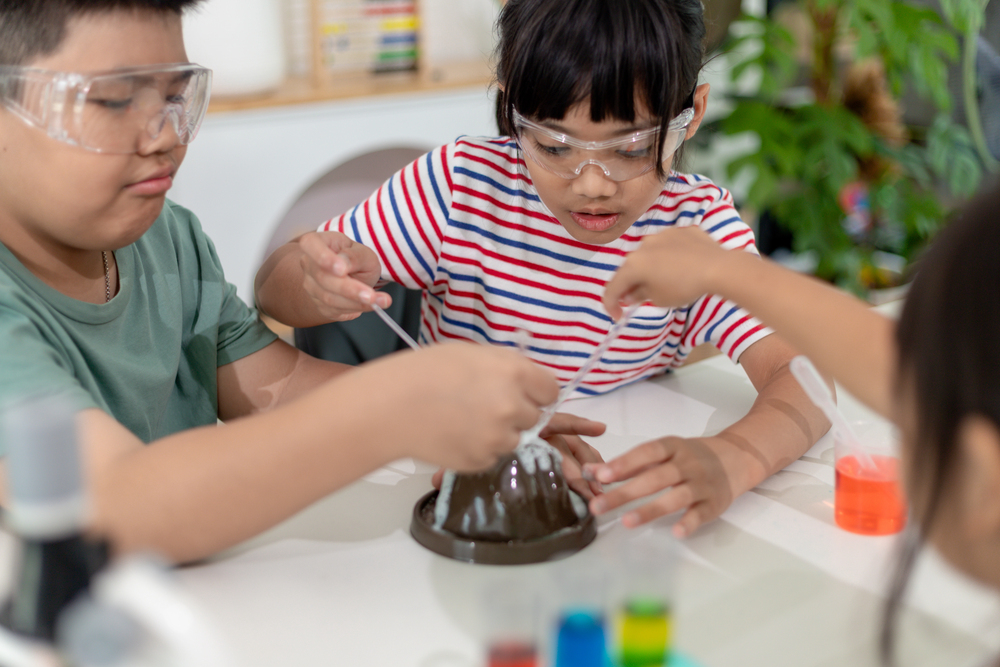
The baking soda volcano never gets old, mainly because the reaction looks dramatic every time. Build a small mountain around a plastic bottle using clay or playdough.
Fill the bottle halfway with warm water, add a few drops of dish soap, some food coloring, and two tablespoons of baking soda. When you pour in half a cup of vinegar, the eruption shoots foam out the top.
The acid-base reaction creates carbon dioxide gas that pushes everything upward. You can run this experiment multiple times in a row—kids always want to see it again.
Growing Crystals Overnight
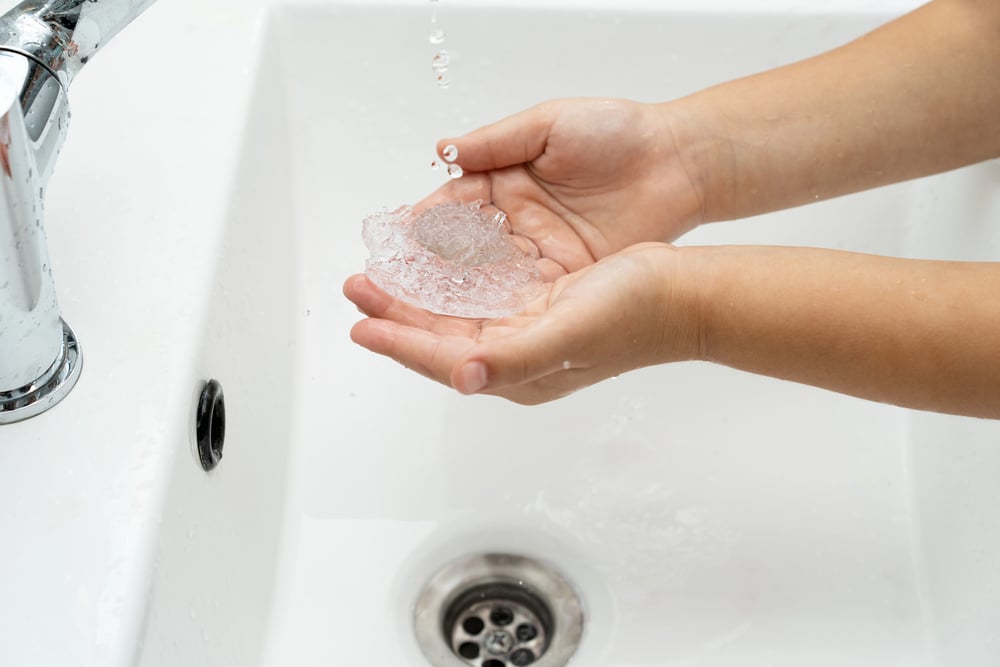
Borax crystals form surprisingly fast. Bend a pipe cleaner into any shape—a star works well—and tie it to a pencil so it dangles into a jar.
Boil three tablespoons of borax into a cup of water until it dissolves completely, then pour this solution into the jar. By morning, crystals coat the entire pipe cleaner.
The hot water holds more borax than cold water can, so as the solution cools, the extra borax has nowhere to go except onto the pipe cleaner. Different colors of pipe cleaners produce different visual effects.
Floating Eggs and Density
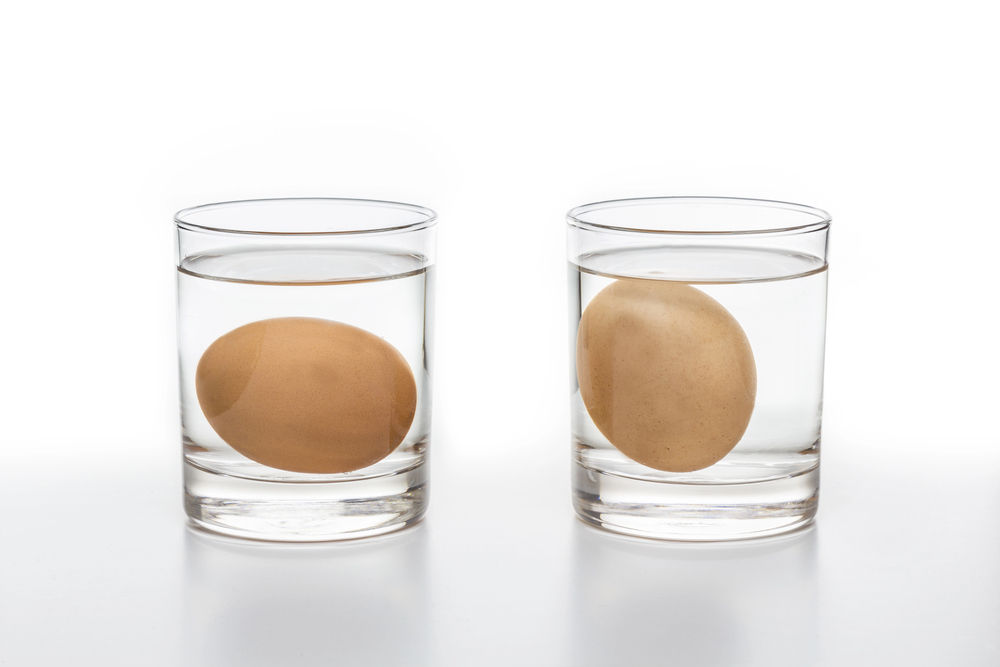
Fill one glass with tap water and another with very salty water—as much salt as you can dissolve in it. Drop an egg in each glass.
The tap water egg sinks straight to the bottom. The saltwater egg floats.
Salt water has higher density than fresh water, which gives it more upward push on objects. This same principle explains why swimming in the ocean feels easier than swimming in a pool.
You can create a layered effect by carefully pouring fresh water on top of salt water and watching the egg hover in the middle.
Invisible Ink Messages
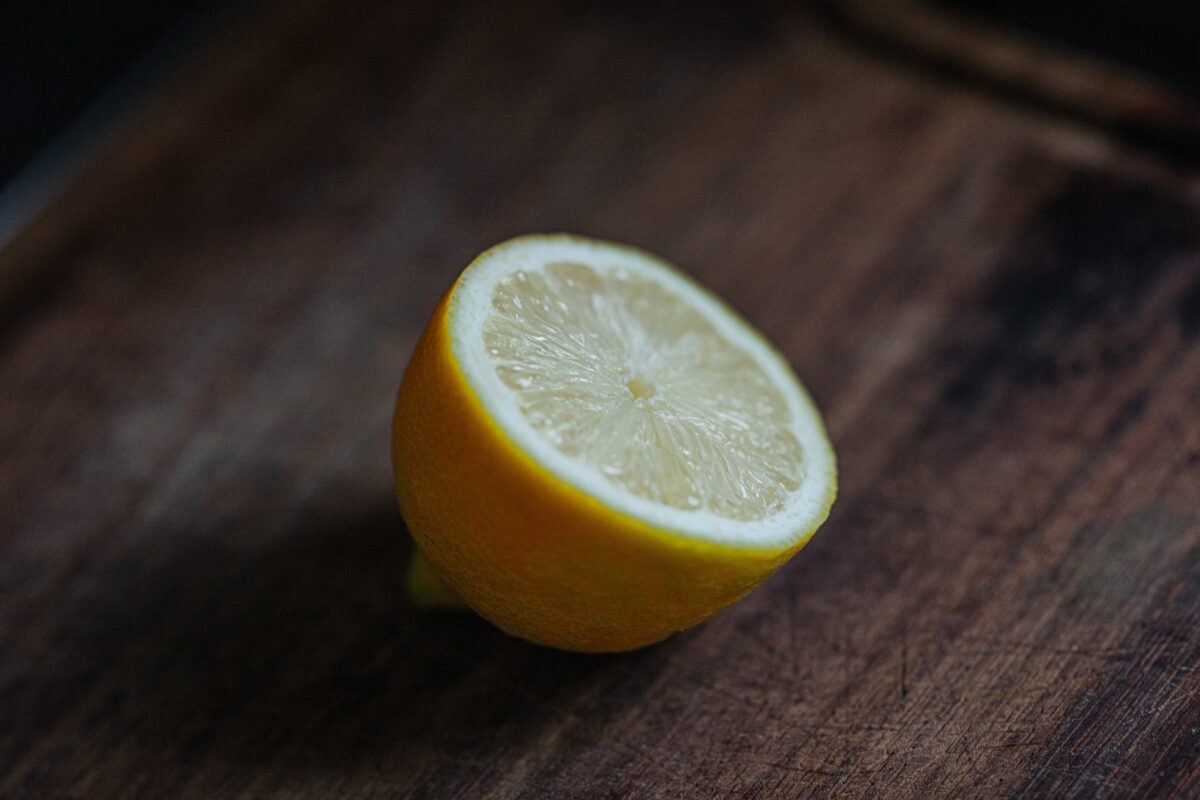
Lemon juice becomes invisible when it dries on paper but reappears when you heat the paper. Squeeze some lemon juice into a small bowl and use a cotton swab or toothpick as a pen.
Write your message on white paper and let it dry completely. Hold the paper near a light bulb—not too close—or ask an adult to iron it on low heat.
The writing turns brown and becomes readable. The acid in the lemon juice weakens the paper fibers, and heat causes them to brown faster than the surrounding paper.
Static Electricity Hair Tricks
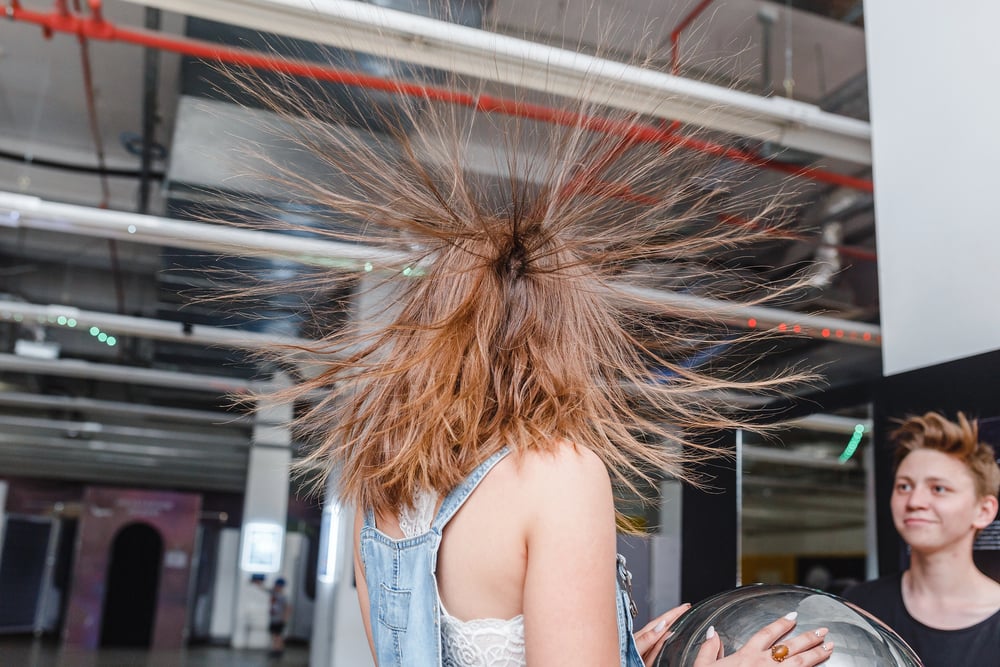
Blow up a balloon and tie it off. Rub it vigorously on your hair or a wool sweater for about thirty seconds. Your hair will start standing up and reaching toward the balloon.
Hold the balloon near small pieces of paper and watch them jump up to stick to it. Rubbing transfers electrons from your hair to the balloon, giving it a negative charge.
Your now-positively-charged hair gets attracted to the negatively-charged balloon. This same force makes small paper bits leap upward.
The effect works better on dry days.
Color-Changing Cabbage Juice
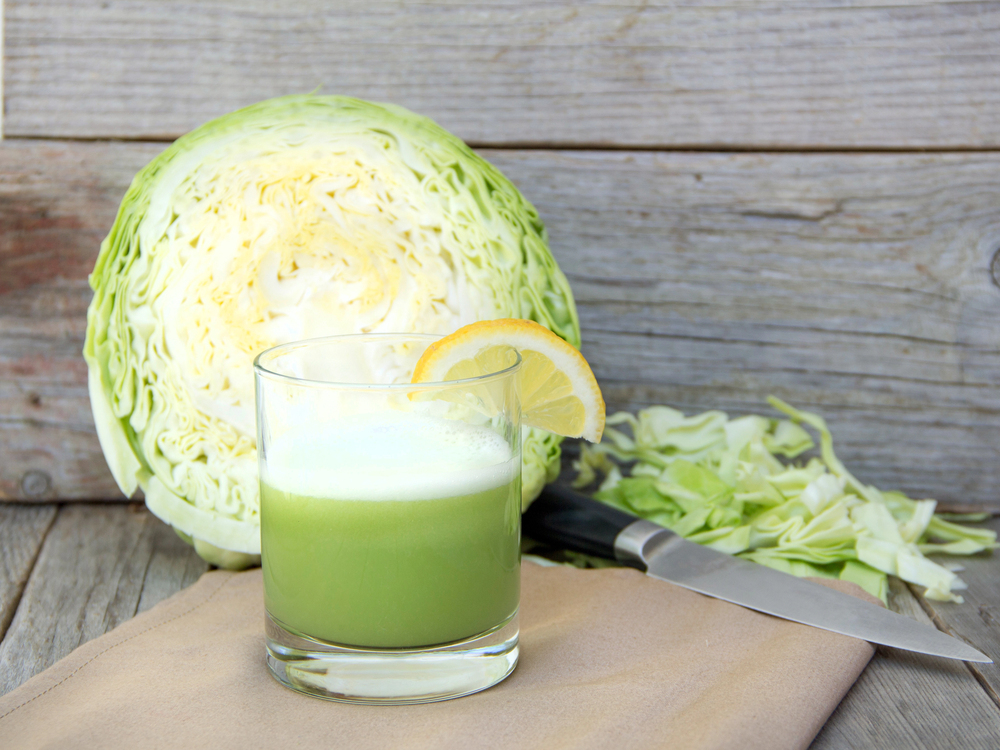
Chop up a red cabbage and boil it in water until the water turns deep purple. Strain out the cabbage pieces and let the liquid cool.
This juice works as a pH indicator that changes color when you add acids or bases. Pour small amounts into several clear cups.
Add lemon juice to one—it turns pink. Add baking soda to another—it turns blue or green.
Try vinegar, soap, or antacids to see what colors appear. The cabbage contains anthocyanin, which shifts colors based on the acidity or alkalinity of whatever you add to it.
Dancing Raisins in Soda
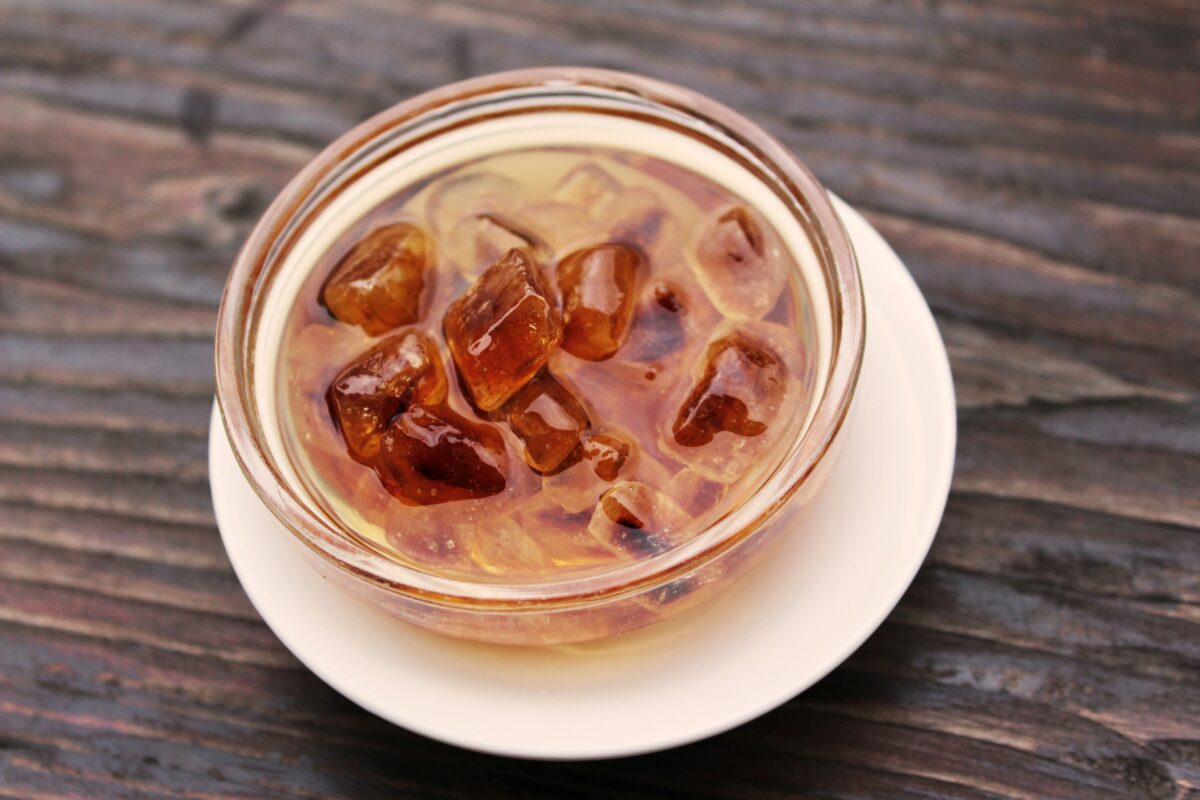
Drop several raisins into a clear glass of clear soda—lemon-lime works best. The raisins sink immediately but then start bouncing up and down like tiny dancers.
They rise to the surface, sink again, and repeat the cycle. Carbon dioxide bubbles attach to the wrinkled surface of the raisins, giving them enough buoyancy to float upward.
At the surface, the bubbles pop and escape, so the raisins sink again. The process continues until the soda goes flat.
Homemade Lava Lamp
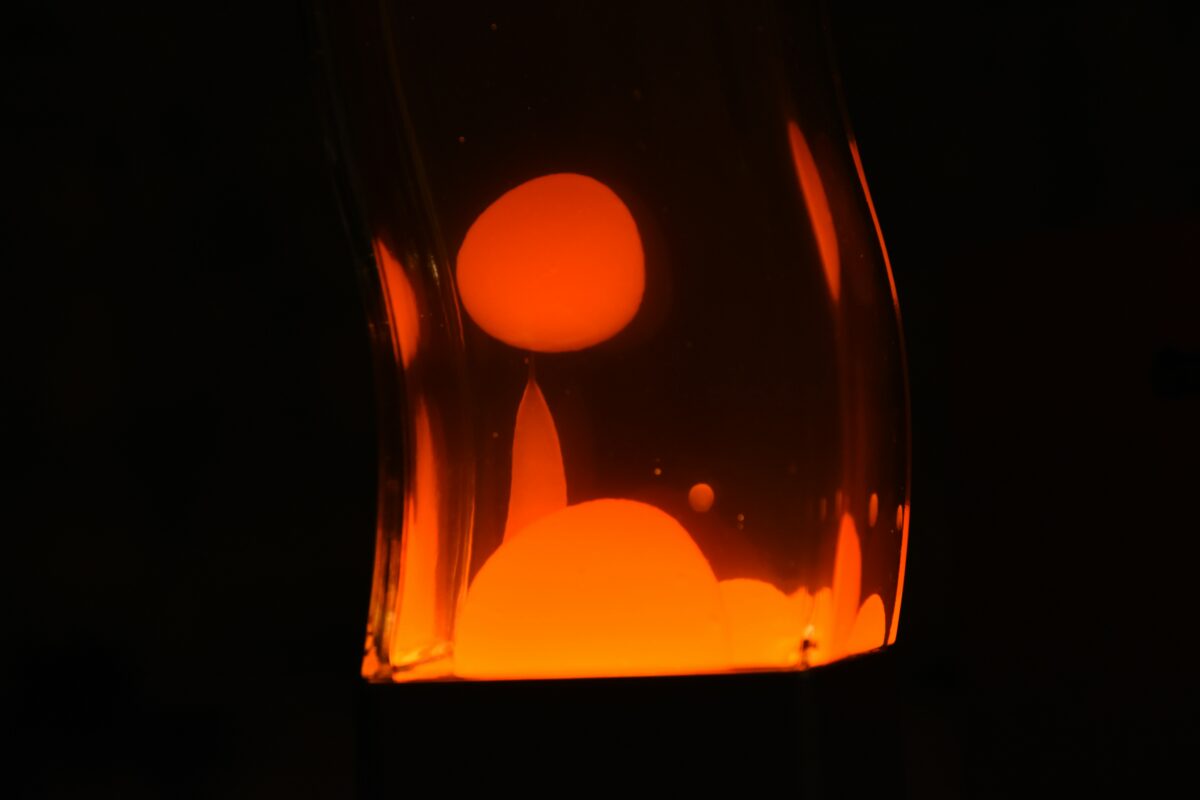
Fill a clear bottle three-quarters full with vegetable oil. Add water until almost full—the water sinks below the oil.
Drop in a few drops of food coloring, which falls through the oil and colors the water at the bottom. Break an effervescent tablet into pieces and drop one in.
Colored bubbles rise through the oil, creating the lava lamp effect. The tablet releases carbon dioxide gas in the water, and these gas bubbles carry colored water droplets upward.
When the bubbles reach the top and pop, the water droplets sink back down. Add another piece of tablet when the action stops.
Pepper Scatter on Water
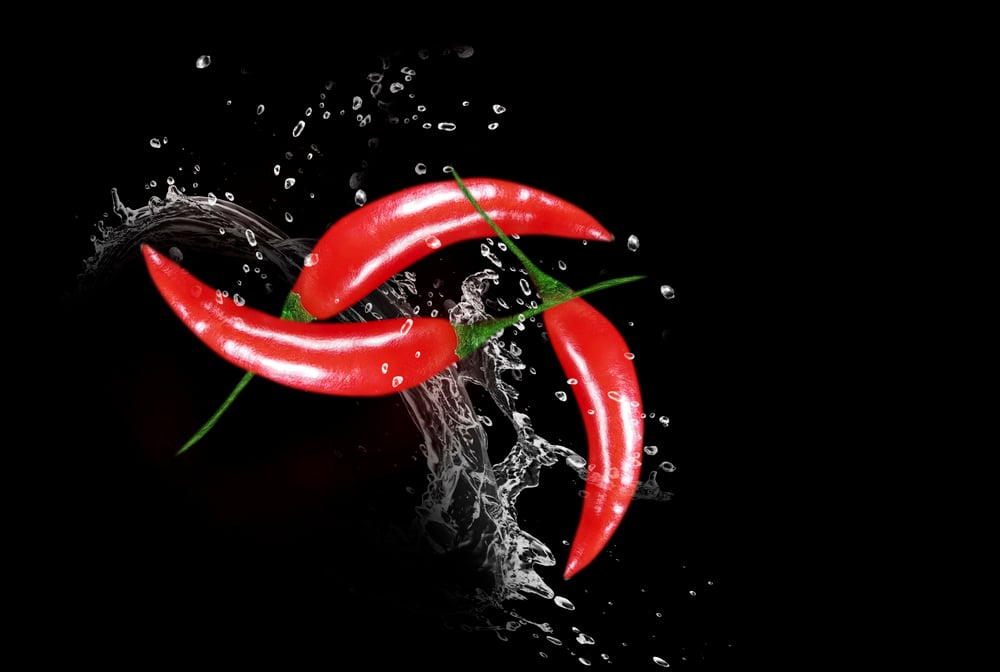
Fill a shallow dish with water and sprinkle black pepper across the entire surface. The pepper floats on top in an even layer.
Dip your finger in dish soap and then touch the center of the water surface. The pepper shoots away to the edges instantly.
Soap breaks the surface tension of water—the invisible skin that holds the pepper up. This same tension lets water striders walk on pond surfaces.
Egg in a Bottle
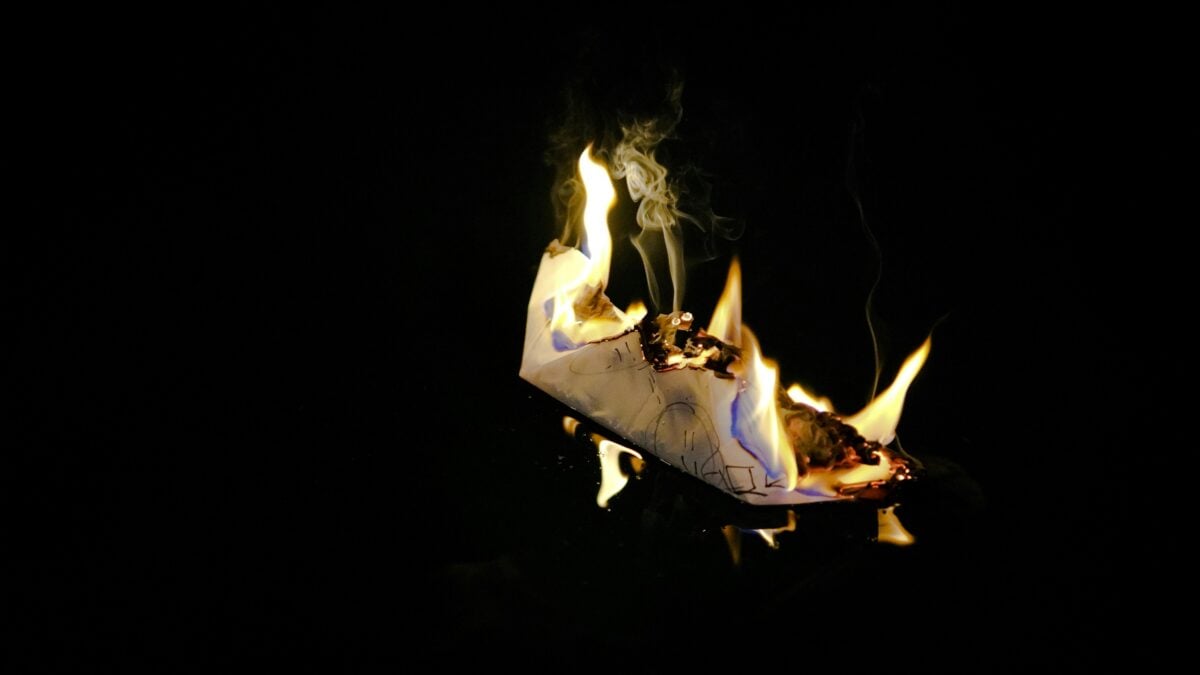
Hard-boil an egg and peel it completely. Find a glass bottle with an opening slightly smaller than the egg.
Light a small piece of paper and drop it into the bottle, then quickly place the egg on top of the opening. The egg gets sucked into the bottle with a pop.
The burning paper heats the air inside, and when the fire goes out, that air cools and contracts. The higher pressure outside pushes the egg inward.
Getting the egg back out involves blowing hard into the bottle while tilting it so the egg covers the opening—the increased pressure inside pops it back out.
Walking Water Experiment
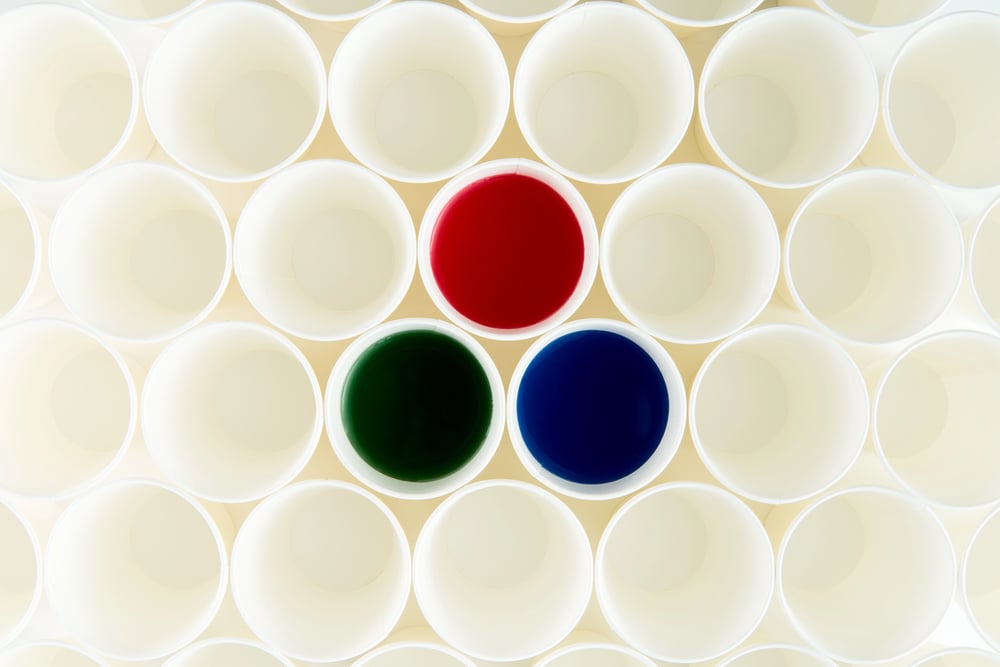
A single drop begins its climb through folded paper. Three glasses stand in a row, two holding water tinted with separate dyes.
The center one sits bare, untouched by liquid. Paper bridges stretch from cup to cup – one edge soaked, the other dipping inward like a quiet invitation.
Color sneaks along the fibers, inching toward emptiness. Upward creeps the tinted liquid, tracing paths along the paper strip before spilling softly into the waiting cup below.
Hours pass. The central container now holds a blend, shifted by slow seepage from either side.
Tiny channels within the towel pull moisture upward, much like how green stems lift rainwater from soil to canopy. This quiet climb mirrors nature’s unseen routes.
DIY Compass That Points North
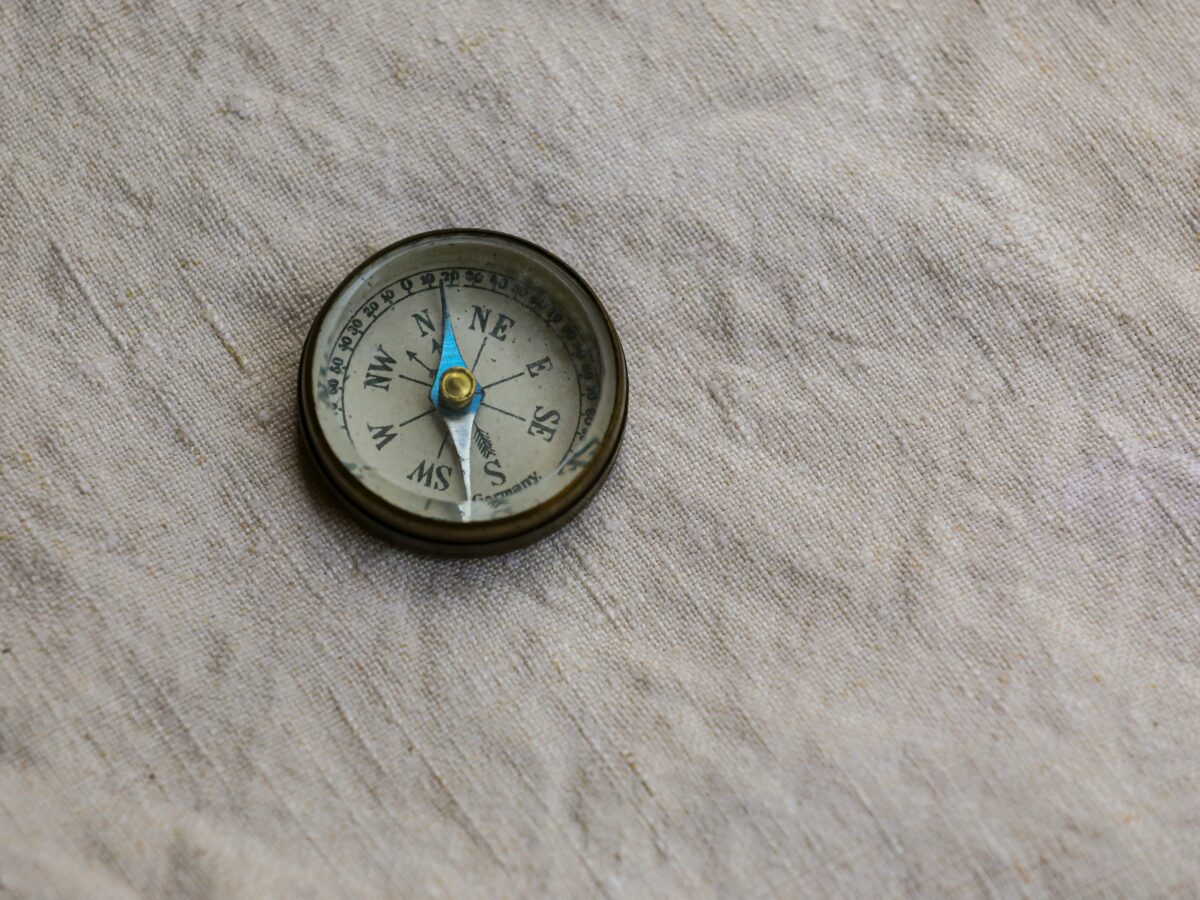
Start with a sewing needle. Move it along a magnet again and again – about fifty times should do.
The stroke must always go the same way. Get some water into a flat container.
Take a tiny bit of cork or foam, set it down gently so it rides the surface. Lay the needle across that little raft without tipping it.
Slowly, the needle turns, settling into a north-south line. As it drags across the magnet, tiny parts inside shift into order.
Once set on water, it adjusts to match our planet’s hidden pull. At the end that faces north, add a small mark using ink.
Science in the Everyday
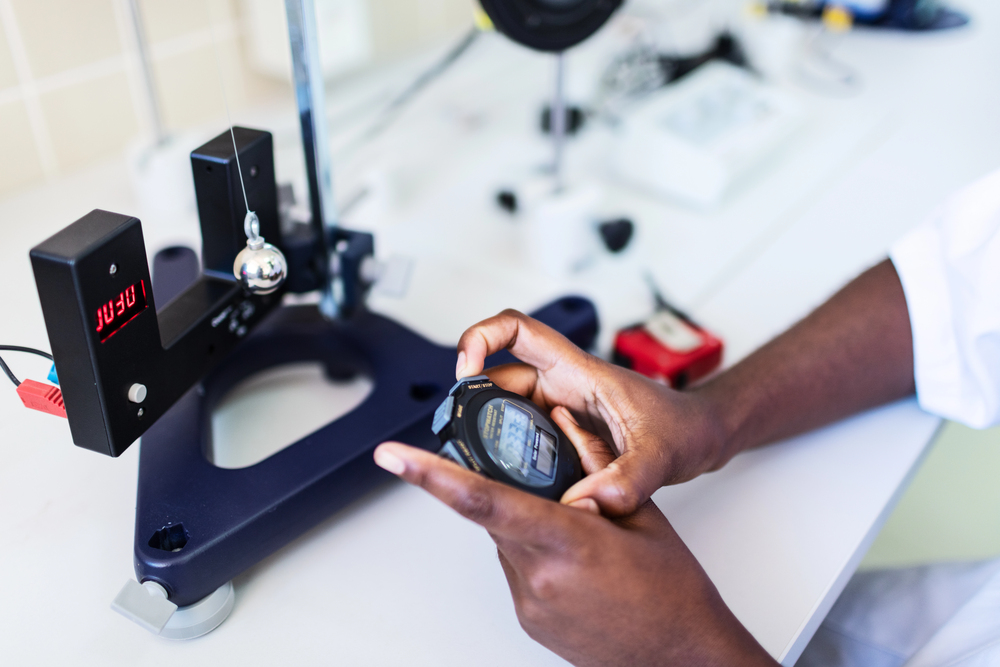
What happens when you drop something? That is gravity at work.
Tiny particles stick together or push apart without warning. Energy shifts from one state to another, quietly, constantly.
Try a small test at home and suddenly those hidden patterns show up. Seeing them once means you start spotting them everywhere.
The world moves by rules we rarely think about – until they’re right in front of us.
More from Go2Tutors!

- The Romanov Crown Jewels and Their Tragic Fate
- 13 Historical Mysteries That Science Still Can’t Solve
- Famous Hoaxes That Fooled the World for Years
- 15 Child Stars with Tragic Adult Lives
- 16 Famous Jewelry Pieces in History
Like Go2Tutors’s content? Follow us on MSN.



