People Who Survived Extreme Falls
The human body breaks easily. A fall from just standing height can fracture bones or cause serious injury.
But then you read about someone who plummeted thousands of feet and walked away, and the physics of it all stops making sense. These stories aren’t about superheroes or movie stunts.
They’re about ordinary people who experienced the unthinkable and somehow lived to describe it. Each case teaches doctors and scientists something new about trauma, luck, and the surprising resilience built into our fragile frames.
Vesna Vulović and the Shattered Plane

On January 26, 1972, a flight attendant named Vesna Vulović went to work on JAT Flight 367. A bomb tore the aircraft apart at 33,330 feet over Czechoslovakia.
Vesna fell with the wreckage and landed in a snowy, wooded area. She survived.
Her injuries were severe—fractured skull, broken vertebrae, broken legs, broken ribs. She spent days in a coma and months in the hospital.
But she lived. The Guinness World Records certified this as the highest fall that survived without a parachute.
Doctors credit several factors: she was pinned in the tail section of the plane, which may have slowed her descent. She landed in deep snow on a steep, wooded slope that absorbed some of the impact.
And critically, she was in a state of low blood pressure at the moment of impact, which reduced internal hemorrhage.
Nicholas Alkemade’s Burning Bomber
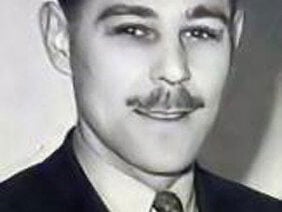
During a night raid over Germany in March 1944, British tail gunner Nicholas Alkemade found himself in a Lancaster bomber that was going down in flames. His parachute had already caught fire and was useless.
Facing the choice between burning alive or jumping from 18,000 feet, he chose to jump. He woke up in a snowbank with nothing more than a twisted knee and some burns from the initial fire.
The snow and the pine branches he crashed through on the way down had cushioned his fall enough to save his life. The Germans who captured him didn’t believe his story at first.
They thought he must be a spy who had parachuted in and was lying about it. Only after they found the wreckage of his plane and his burned parachute did they accept what had happened.
Juliane Koepcke and the Jungle

Christmas Eve 1971. A 17-year-old girl named Juliane Koepcke boarded a plane with her mother in Peru. Lightning struck the aircraft at about 10,000 feet.
The plane disintegrated mid-air. Juliane fell strapped to her seat.
She blacked out during the descent and came the next morning on the jungle floor. Her mother and 91 other passengers died in the crash.
Juliane had a broken collarbone, a gash on her leg, and an eye swollen shut. Then came the real survival story.
She walked through the Amazon rainforest for 11 days before finding help. Her knowledge of the jungle—her parents were zoologists who had taught her survival skills—kept her alive.
She followed water downstream, knowing it would eventually lead to civilization.
Alan Magee Through the Glass Roof
Another World War II airman, Alan Magee, was a round turret gunner on a B-17 bomber. In January 1943, his plane was hit over France.
At 22,000 feet, with the aircraft breaking apart and no parachute, he fell. He crashed through the glass roof of the Saint-Nazaire train station.
The glass may have absorbed some of the impact energy, and the roof’s structure collapsed in a way that distributed the force. Magee survived with severe injuries including 28 shrapnel wounds, damage to his lung, kidney, and nose, several broken bones, and a nearly severed arm.
German doctors at a military hospital treated him. He spent the rest of the war as a prisoner but eventually returned home.
The Flight Attendant Who Fell Into Ants
In 1972, just weeks after Vesna Vulović’s fall, another flight attendant named Elvira Ramírez survived a different disaster. She was on a flight that crashed in the mountains of Guatemala.
The plane hit the ground, but Elvira was thrown clear during the impact and fell separately down a mountainside. She landed in a nest of fire ants.
The constant biting kept her conscious and her blood flowing, which doctors later said probably saved her life by preventing her from going into shock. She survived with broken ribs and other injuries but made a full recovery.
Joe Herman and the Unfinished Parachute
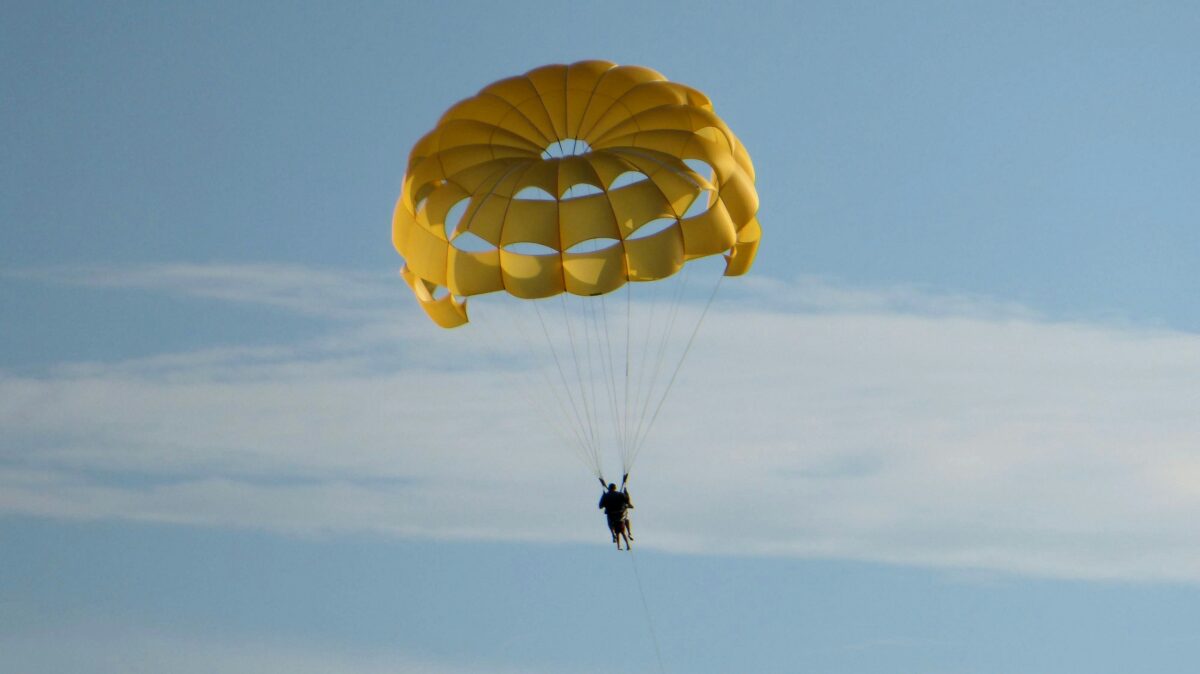
In 1942, Private Joe Herman jumped from a damaged bomber at 20,000 feet. His parachute deployed but it was damaged—only partially opened. He spun wildly as he fell, which likely slowed his descent somewhat.
He crashed through trees and landed on soft earth. He broke his leg and had various other injuries, but he lived.
The rotating fall and the vegetation he hit on the way down had spread out the impact force over time and space, giving his body a chance.
The Woman Who Fell From a Balloon

In 1888, a balloonist named Madame Gaudron survived a fall that should have killed her. During a demonstration flight in Paris, her hot air balloon caught fire at several thousand feet.
Rather than burn to death, she chose to jump. She landed in a muddy field that had recently been plowed.
The soft, churned earth absorbed much of the impact. She broke several bones but survived.
The account notes that witnesses were amazed to find her conscious and speaking.
Lieutenant Chisov and the Ravine
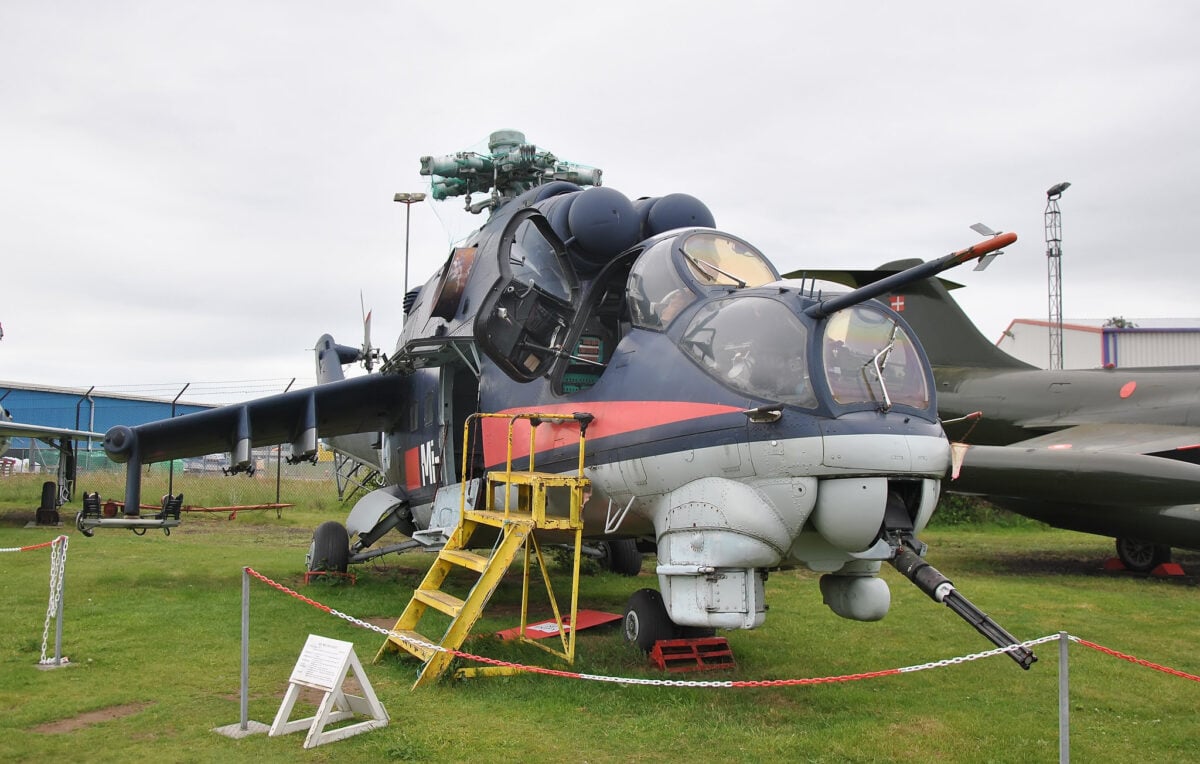
Soviet Air Force Lieutenant I.M. Chisov’s bomber was attacked by German fighters in January 1942. At 23,000 feet, he bailed out but deliberately didn’t open his parachute right away because enemy fighters were known to shoot at descending parachutists.
He planned to open it at the last moment. He passed out from lack of oxygen during the fall and never pulled the ripcord.
He hit the edge of a snow-covered ravine at an angle, and the slope allowed him to slide and roll rather than experiencing a direct impact. He was badly injured—fractured pelvis, broken spine—but he returned to flying within a few months.
The Soviet military kept his story classified for decades.
Christine McKenzie’s Office Window

In 2007, a window washer named Alcides Moreno fell 47 stories when his scaffolding collapsed in New York City. But even more remarkable was the 1978 case of Christine McKenzie in England, who survived a 2,000-foot fall when her parachute malfunctioned during a skydive.
She landed in a freshly plowed field. The soft earth, combined with the fact that she had some drag from her malfunctioning parachute, saved her life.
She broke her pelvis and several ribs but made a full recovery.
Brad Enslin and the Shredded Parachute

South African Brad Enslin experienced every skydiver’s nightmare in 2003. Both his main and reserve parachutes malfunctioned at 11,000 feet. He fell into a thorn bush in a riverbed.
The combination of the remaining fabric from his shredded parachutes creating some drag, the thorny vegetation catching and slowing him, and the soft sand of the riverbed all contributed to his survival. He walked away with bruises and scratches.
It remains one of the most remarkable parachute malfunction survivals on record.
Shayna Richardson’s Backup Plan Failure
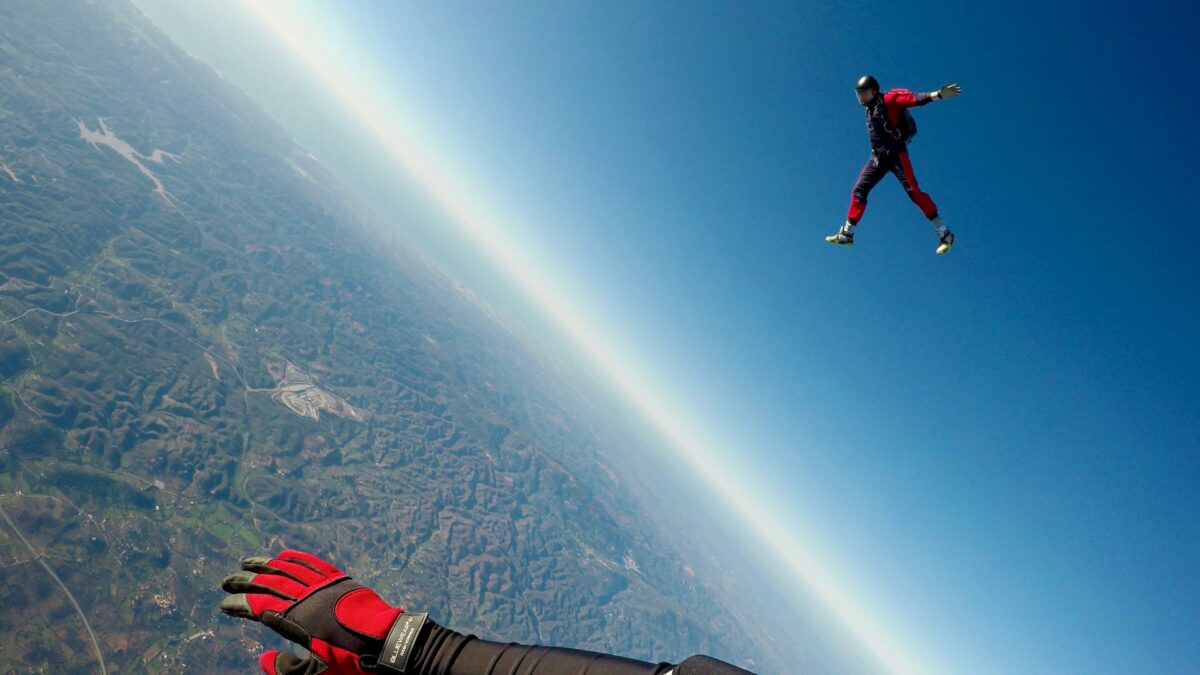
In 2005, experienced skydiver Shayna Richardson had both her primary and backup parachutes fail. She hit the ground at approximately 50 miles per hour after falling from 10,000 feet.
She landed face-down in a muddy field. Her injuries were catastrophic—broken pelvis, broken ribs, punctured lung, damaged liver and kidneys, broken teeth.
But she lived. After years of painful recovery and multiple surgeries, she not only survived but eventually skydived again.
The Toddler From the Window

In 2011, a two-year-old child fell from a seventh-floor apartment window in Paris. The child landed on a metal canopy over a café entrance, which collapsed under the impact but absorbed much of the force.
From there, the child rolled onto bags of garbage that had been left on the sidewalk. The toddler suffered a broken arm.
That’s it. The sequence of impacts—window to canopy to garbage bags—distributed the force of the fall across multiple collisions rather than one devastating impact.
What the Science Says

Doctors who study these cases look for patterns. Soft landing surfaces matter tremendously.
Snow, mud, plowed fields, vegetation—anything that compresses and deforms absorbs energy that would otherwise shatter bones and rupture organs. Breaking the fall into stages helps too.
Hitting tree branches on the way down, crashing through a roof, glancing off a slope instead of hitting flat ground—each intermediate impact bleeds off speed and redirects force. Body position affects outcomes.
Landing on your back or side distributes impact across more area than landing feet-first, though the specific physics depend on countless variables. And luck plays a role that’s impossible to quantify.
The angle of impact, the exact composition of the ground, whether bones break in ways that don’t cause fatal hemorrhage, whether the brain swells too much or just enough—survival often comes down to factors so specific they seem chosen by chance.
When Physics Meets Fortune

You can’t plan to survive a fall from 10,000 feet. The people in these stories didn’t choose their circumstances—they found themselves in situations where death seemed certain and somehow lived anyway.
Their experiences have taught doctors about trauma response, about what the human body can endure when everything goes right at the moment of impact. They’ve informed parachute design, aircraft safety protocols, and emergency medicine.
But mostly, these stories remind us that the line between life and death sometimes comes down to inches, angles, and the particular way snow packs on a winter day. The survivors don’t call themselves lucky, exactly.
They call themselves alive, and they know the difference.
More from Go2Tutors!

- The Romanov Crown Jewels and Their Tragic Fate
- 13 Historical Mysteries That Science Still Can’t Solve
- Famous Hoaxes That Fooled the World for Years
- 15 Child Stars with Tragic Adult Lives
- 16 Famous Jewelry Pieces in History
Like Go2Tutors’s content? Follow us on MSN.