Famous Landmarks That Hide Secret Rooms
Millions of tourists visit the most famous monuments in the world every year.
Tourists wander through public galleries, take pictures, and ascend stairs without realizing that there are secret passageways and hidden areas just beyond their reach.
Some of these rooms were created for safety, some for exclusivity, and some just to appease the whims of talented architects who desired their own personal havens.
These hidden areas turn well-known landmarks into more fascinating locations where mystery, history, and human ingenuity all come together in surprising ways.
Let’s investigate the secret rooms concealed within some of the most well-known buildings on the planet.
Statue of Liberty
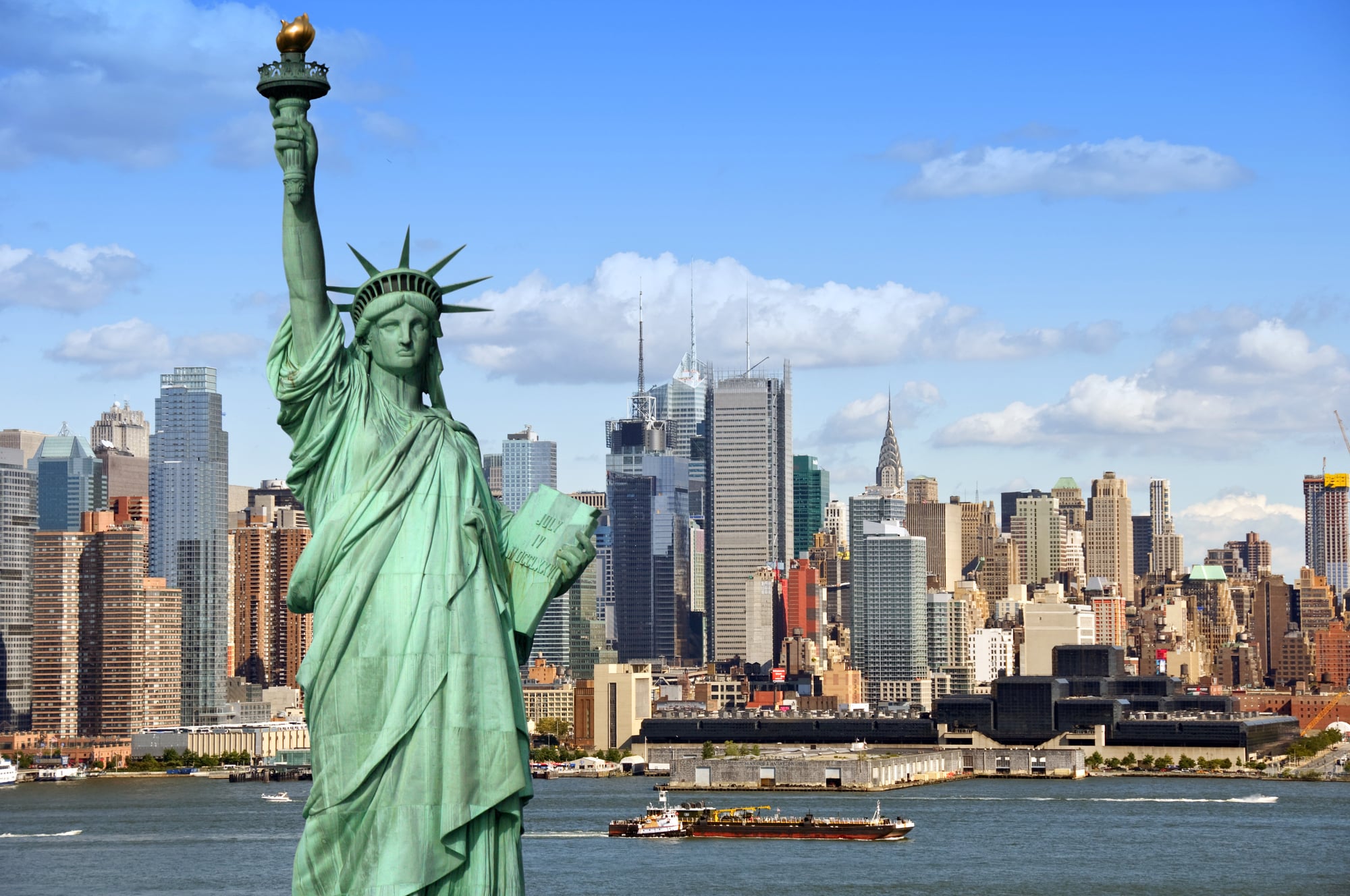
The torch held high above New York Harbor has been off-limits to visitors for over a century, and most people have no idea why.
Inside that iconic torch sits a small room with windows offering panoramic views of the city and harbor below.
Before 1916, adventurous visitors could climb a narrow 40-foot ladder to reach this observation space.
Only 12 people at a time could make the ascent, exiting through a small door onto the balcony beneath the flame.
On July 30, 1916, everything changed.
German agents detonated two million tons of munitions on nearby Black Tom Island in an act of wartime sabotage.
The explosion shattered windows across Manhattan and sent shrapnel flying into the statue’s arm and torch.
The damage was significant enough that authorities permanently closed access to the torch.
More than a century later, only National Park Service maintenance workers can enter, climbing that same ladder to service the lighting system.
The original torch, which sustained the damage, was replaced in 1986 and now sits in the Statue of Liberty Museum where visitors can see it up close.
Mount Rushmore
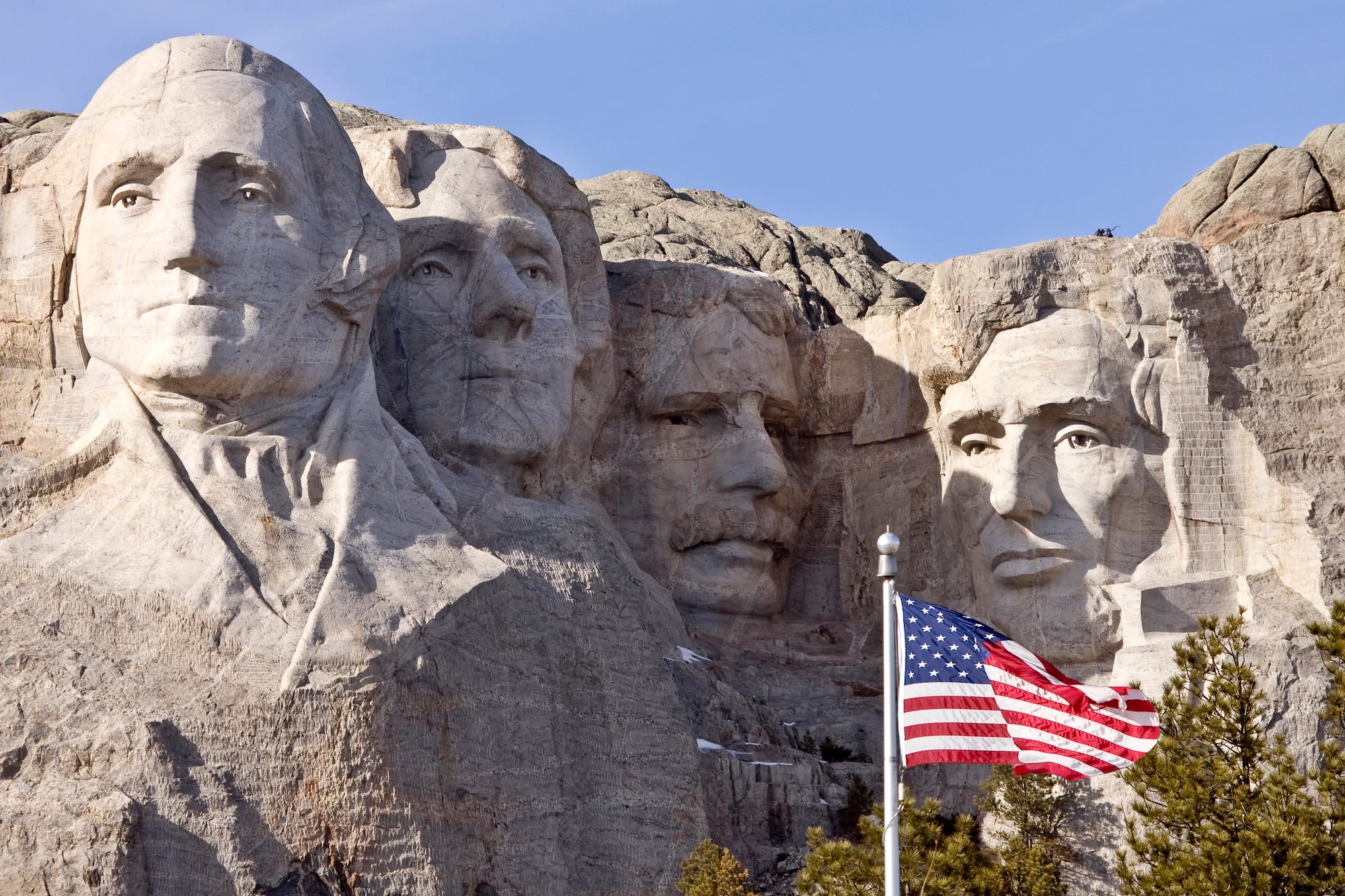
Behind Abraham Lincoln’s carved forehead lies a chamber most visitors never learn about.
The Hall of Records was the vision of sculptor Gutzon Borglum, who wanted to create a repository for America’s most important documents.
He imagined a grand space accessible by an 800-foot stairway where future generations—perhaps thousands of years from now—could learn about the nation’s founding.
Construction began in 1938, but Borglum died before completing his ambitious plan.
The unfinished chamber sits about 70 feet inside the mountain. In 1998, officials placed porcelain panels inside the hall describing the monument’s creation and America’s history.
These serve as a time capsule for whoever might discover them in the distant future.
The chamber remains sealed to the public, hidden behind rock and accessible only through a difficult climb that requires special permission.
Eiffel Tower
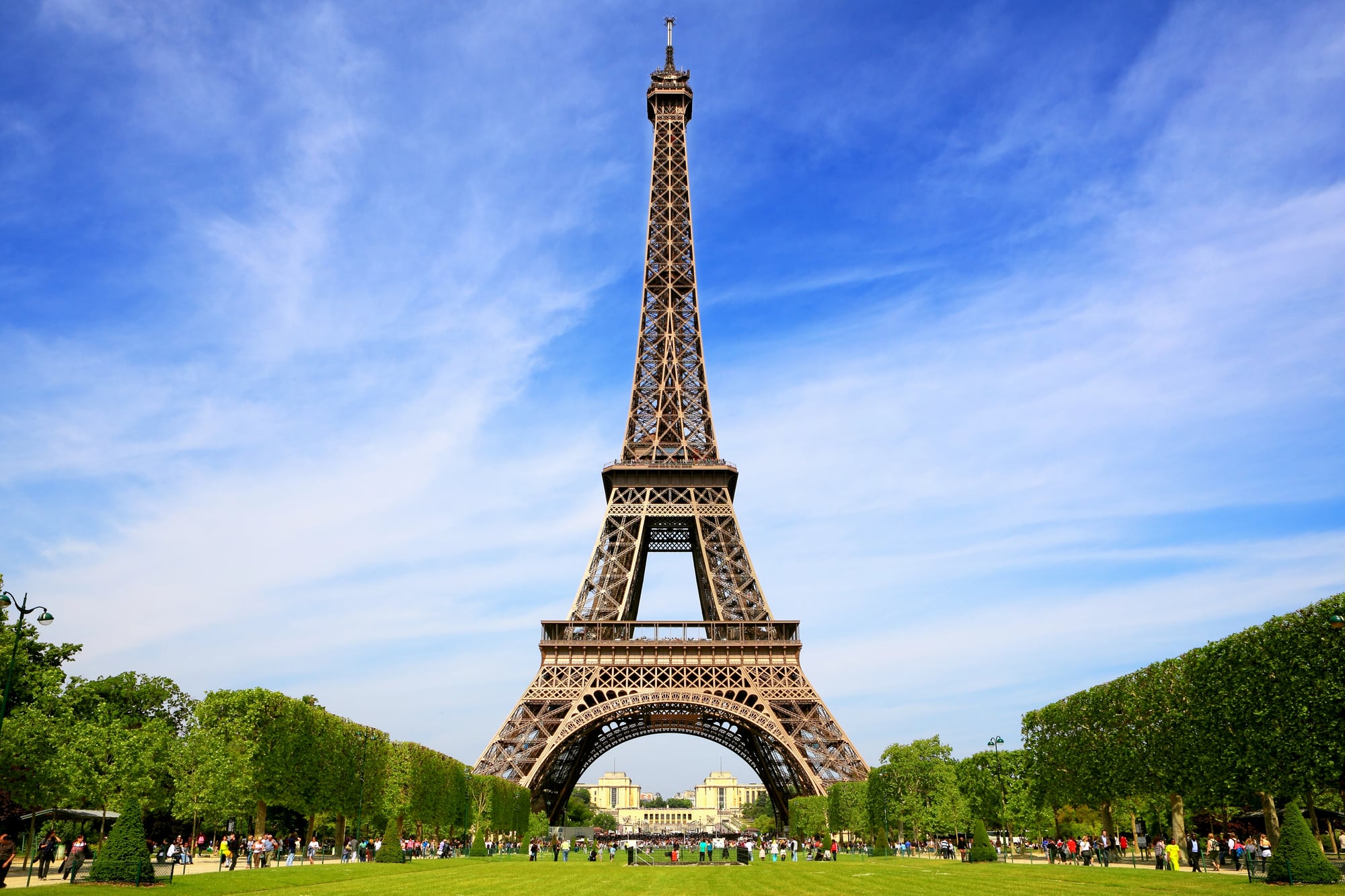
When Gustave Eiffel designed his famous iron tower for the 1889 World’s Fair, he included something for himself at the very top.
A private apartment covering roughly 1,075 square feet sits on the third level, just below the tower’s spire.
Eiffel furnished the space with paisley wallpaper, wooden cabinets, velvet furniture, and a grand piano—creating a cozy domestic retreat that contrasted sharply with the industrial steel surrounding it.
The apartment became an object of envy among Paris’s elite.
Wealthy residents offered fortunes to rent the space for even a single night, but Eiffel refused all requests.
He reserved the apartment for scientific experiments and entertaining distinguished guests.
Thomas Edison visited in 1889 and gifted Eiffel one of his newly invented phonographs.
Today, visitors purchasing tickets to the tower’s summit can peer through windows at a recreation of the office, complete with wax figures of Eiffel, his daughter Claire, and Edison, frozen in conversation.
Cinderella’s Castle
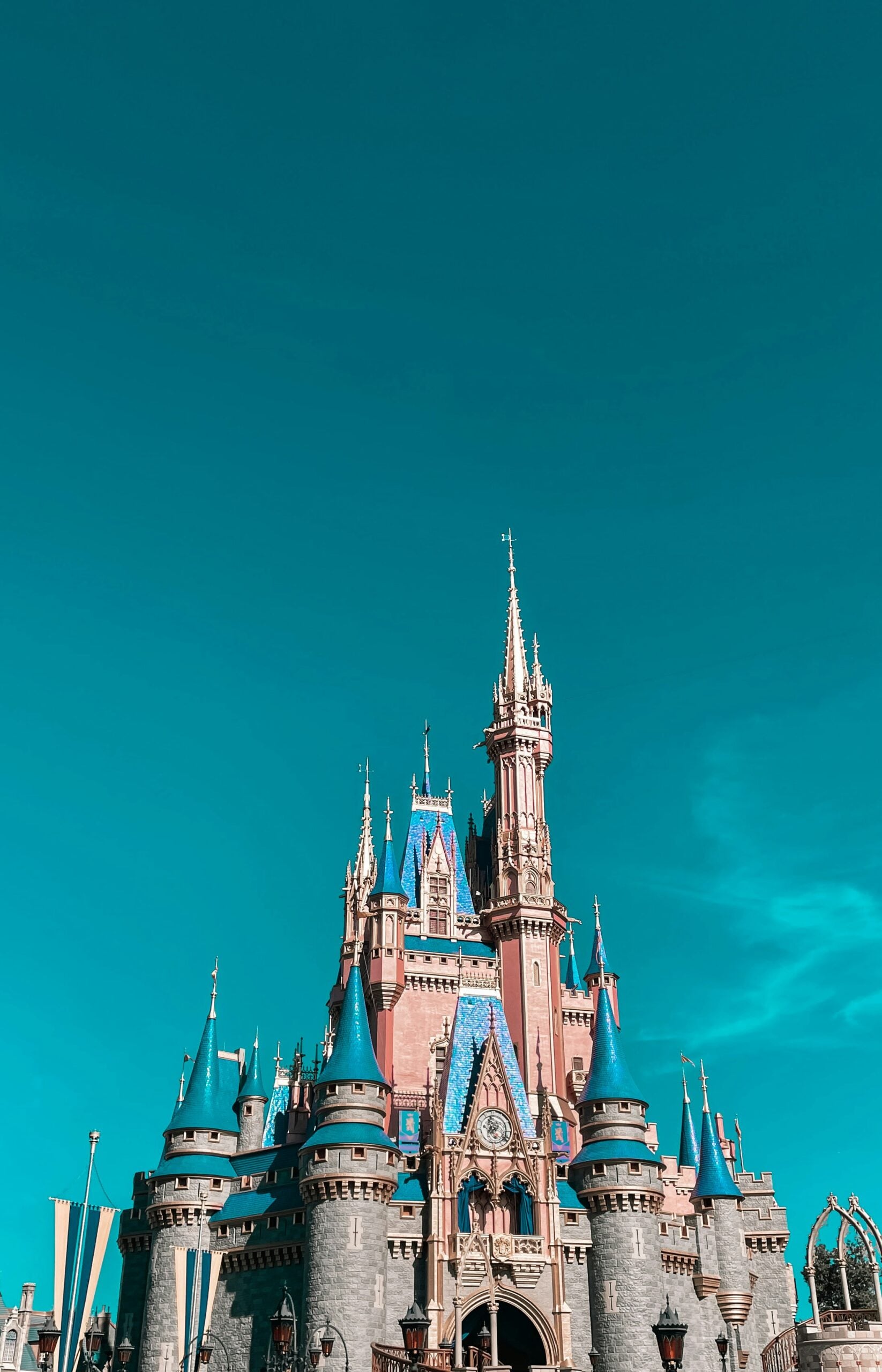
Walt Disney World’s most recognizable structure contains one of the most exclusive accommodations in America.
A 650-square-foot suite sits hidden inside Cinderella’s Castle, though Walt Disney himself never got to enjoy it.
He died before the Florida park opened in 1971, and the space was left unfinished for decades.
For years, it served as storage and housed telephone operators.
In 2006, Disney completely renovated the suite, transforming it into a lavish apartment with custom furnishings, ornate details, and modern amenities.
The catch? You can’t book it.
Access is strictly by invitation only, reserved for contest winners, celebrities, and VIP guests Disney wants to impress.
The suite features a bedroom, bathroom, and sitting area, all decorated in royal opulence with mosaics, stained glass, and a working fireplace.
Even Disney’s wealthiest annual passholders can’t pay their way in.
The company uses the space sparingly, making overnight stays there among the rarest experiences in the theme park world.
Empire State Building
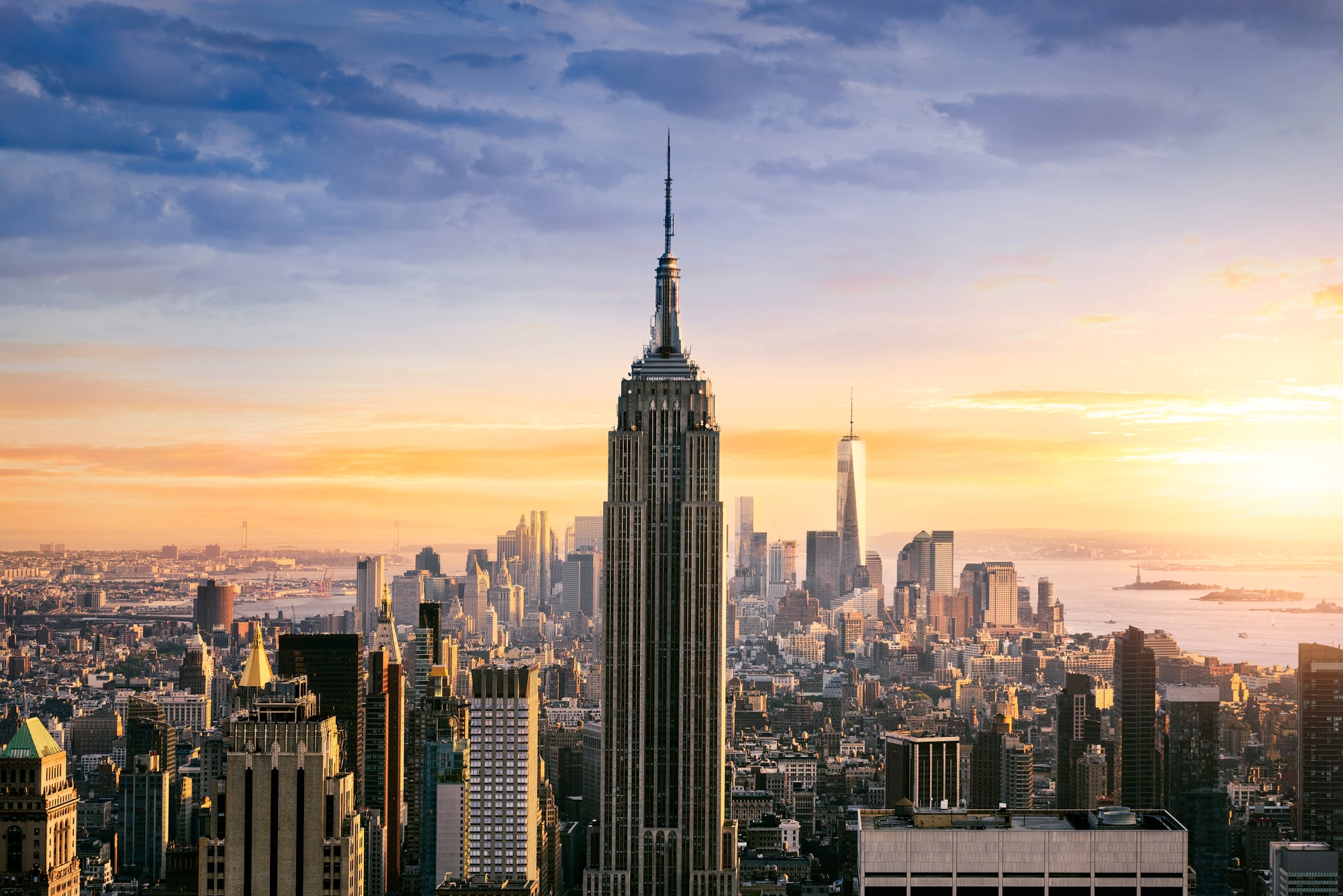
Everyone knows the Empire State Building has 102 floors.
What most people don’t know is that a 103rd floor exists.
A narrow staircase on the 102nd-floor observation deck leads to this hidden level, though it’s typically accessed only by building engineers and the occasional celebrity granted special permission.
Taylor Swift famously visited and photographed the space while promoting her song ‘Welcome to New York.’
The 103rd floor offers unobstructed views of Manhattan without the crowds that pack the lower observation decks.
Another staircase leads from there to the building’s ‘capsule’—a small enclosed space at the base of the famous antenna.
The exclusivity of this space has made it legendary among New York architecture enthusiasts.
It represents a physical manifestation of the city’s vertical stratification, where access to the best views depends not just on money but on connections.
Brooklyn Bridge
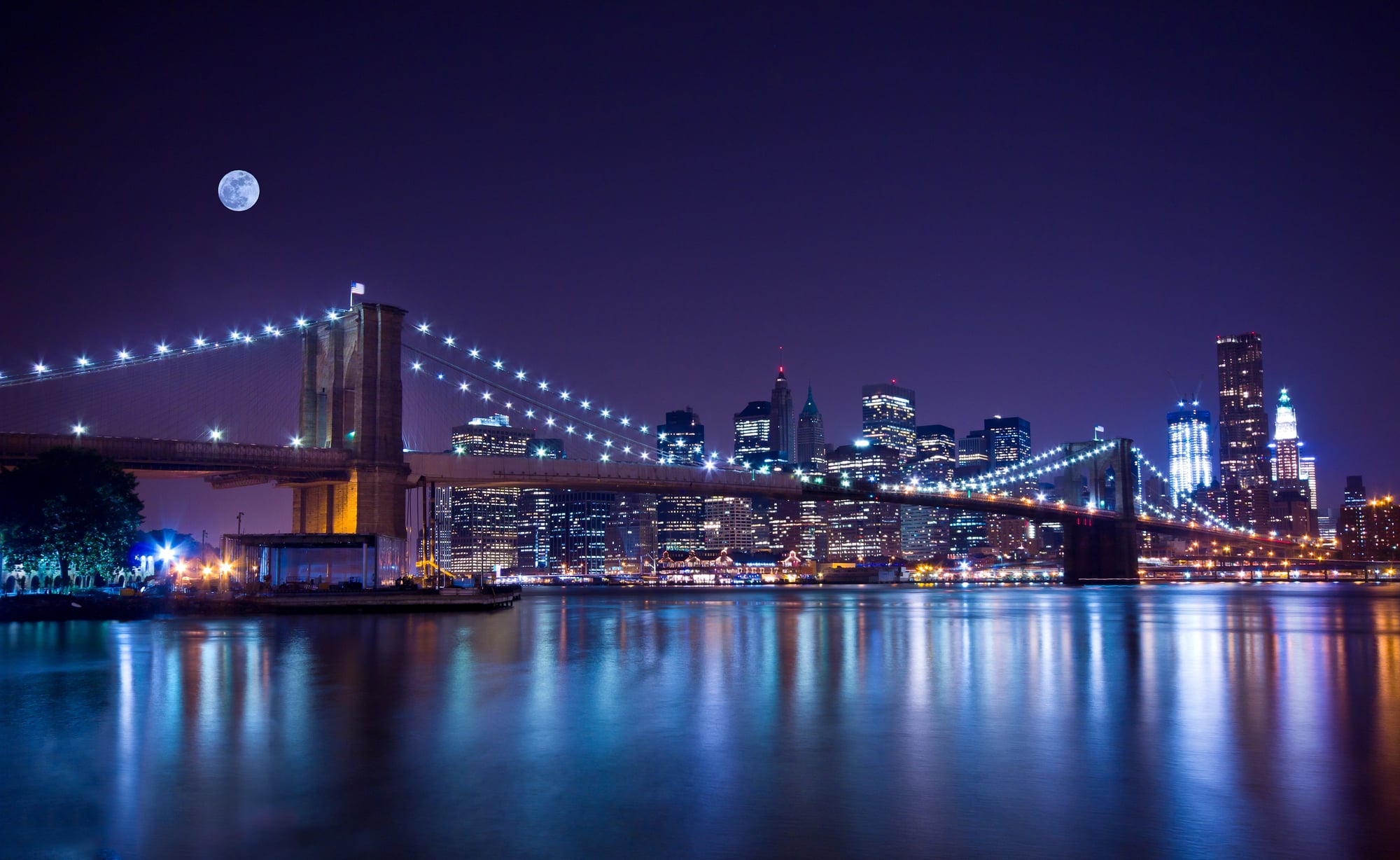
When engineer John Roebling designed the Brooklyn Bridge in 1867, he envisioned the massive stone anchorages at each end serving commercial purposes.
The bridge opened in 1883, and those cool, dark spaces beneath the anchorages soon found a lucrative use—wine storage.
Liquor vendors rented the cavernous chambers, which maintained perfect temperatures for aging alcohol.
The cellars operated as wine vaults well into the 20th century.
During the Cold War, one anchorage took on a more serious purpose.
Officials secretly converted it into a bomb shelter, stocking it with emergency provisions, blankets, water drums, medical supplies, and over 350,000 survival crackers.
The shelter remained forgotten until maintenance workers stumbled upon it in 2006.
Today, these spaces are off-limits to the public, though occasional tours have been offered.
The anchorages stand as reminders that infrastructure often serves multiple purposes across different eras.
Medici Chapels
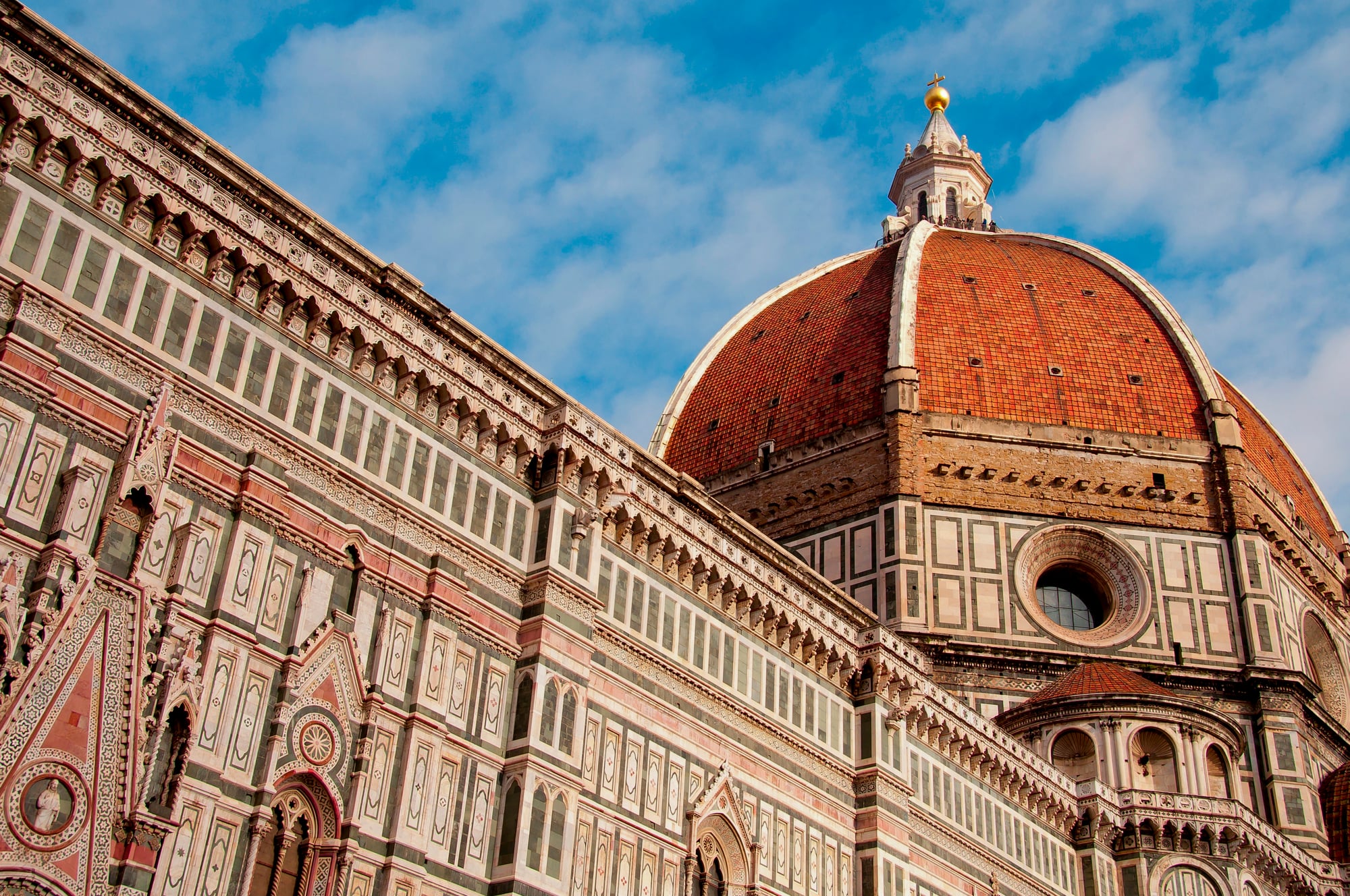
Florence’s Basilica of San Lorenzo houses a secret few would ever imagine—a hidden chamber where Michelangelo once hid for his life.
In the 1520s, political turmoil engulfed Florence as the powerful Medici family faced opposition.
Michelangelo, who had aligned himself with rebels against the Medicis, suddenly found himself in danger when the family regained control.
Rather than flee the city, he concealed himself in a tiny room beneath the Medici Chapels.
For two months, the Renaissance master remained hidden in this cramped, windowless space. He didn’t waste the time.
Using charcoal and chalk, Michelangelo covered the walls with sketches and drawings—practicing his craft even while fearing for his life.
The room remained forgotten for centuries until its discovery in 1975 during restoration work.
Today, visitors can tour this chamber and see Michelangelo’s wall drawings, offering an intimate glimpse into a desperate period in the artist’s life.
Where History Hides
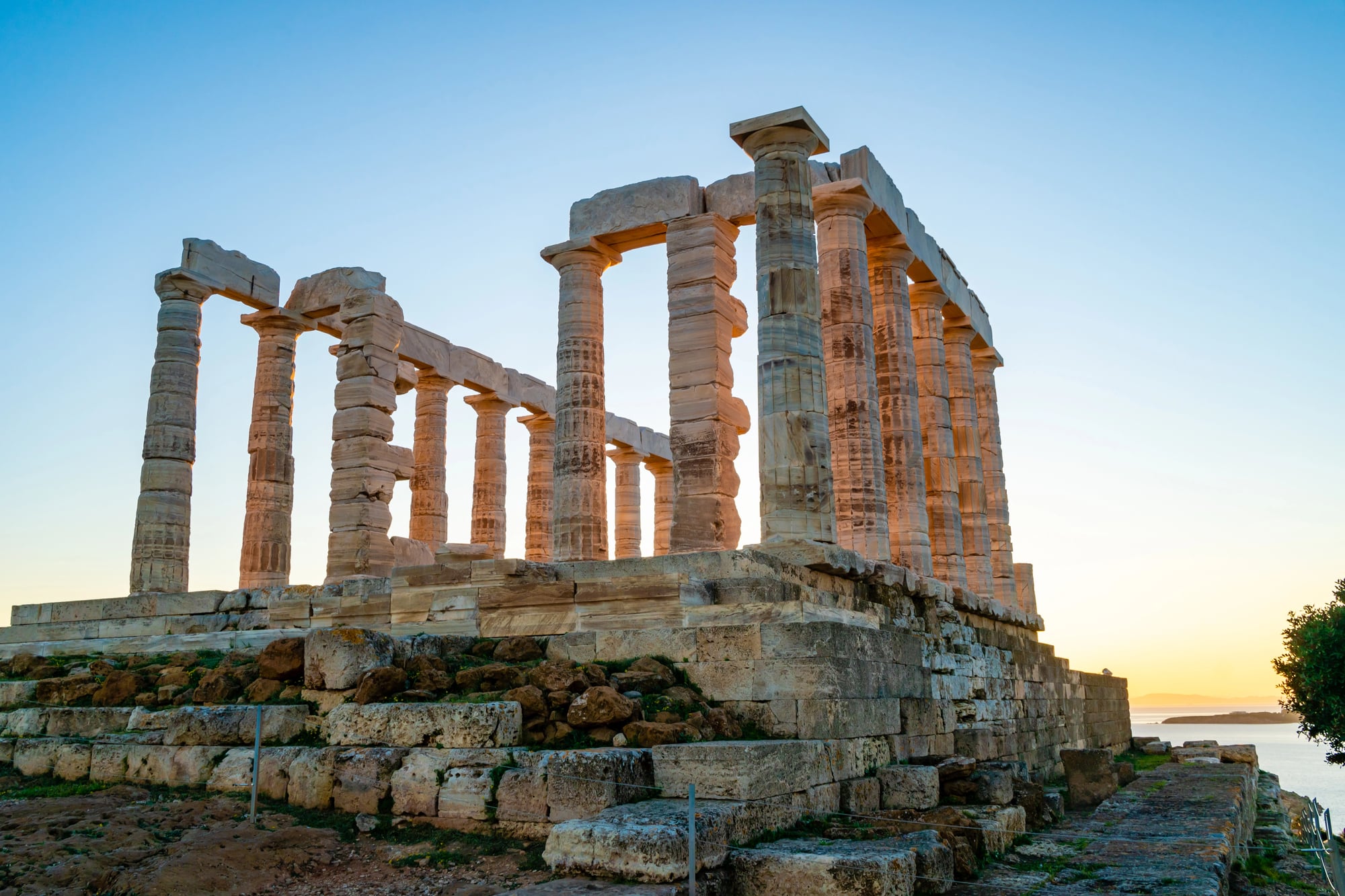
These hidden areas highlight a basic aspect of human nature: our need to establish havens, leave behind traditions, and claim unique experiences.
During perilous times, some secret rooms saved lives.
Others satiated their scientific curiosity or ego.
There are some just because engineers and architects could construct them.
What unites them is their ability to add layers of intrigue to structures we thought we knew.
The next time you go to a well-known site, keep in mind that there may be more to the story than meets the eye.
Hidden chambers that turn monuments from simple tourist attractions into custodians of true mysteries may be waiting somewhere above, below, or next to the public areas.
More from Go2Tutors!

- The Romanov Crown Jewels and Their Tragic Fate
- 13 Historical Mysteries That Science Still Can’t Solve
- Famous Hoaxes That Fooled the World for Years
- 15 Child Stars with Tragic Adult Lives
- 16 Famous Jewelry Pieces in History
Like Go2Tutors’s content? Follow us on MSN.