Actors Forced Into Roles Due to Contracts
Hollywood might look like a place where stars choose their own adventures, but the reality behind the scenes tells a different story. Contracts in the entertainment industry can be incredibly restrictive, and many actors have found themselves stuck playing characters they never wanted to portray.
These binding agreements have led to some awkward performances, damaged careers, and even public feuds between actors and studios. The golden handcuffs of fame come with strings attached, and sometimes those strings pull talented performers into projects they’d rather forget.
Let’s look at some of the most notable cases where contracts turned dream jobs into nightmares.
Edward Norton in The Italian Job
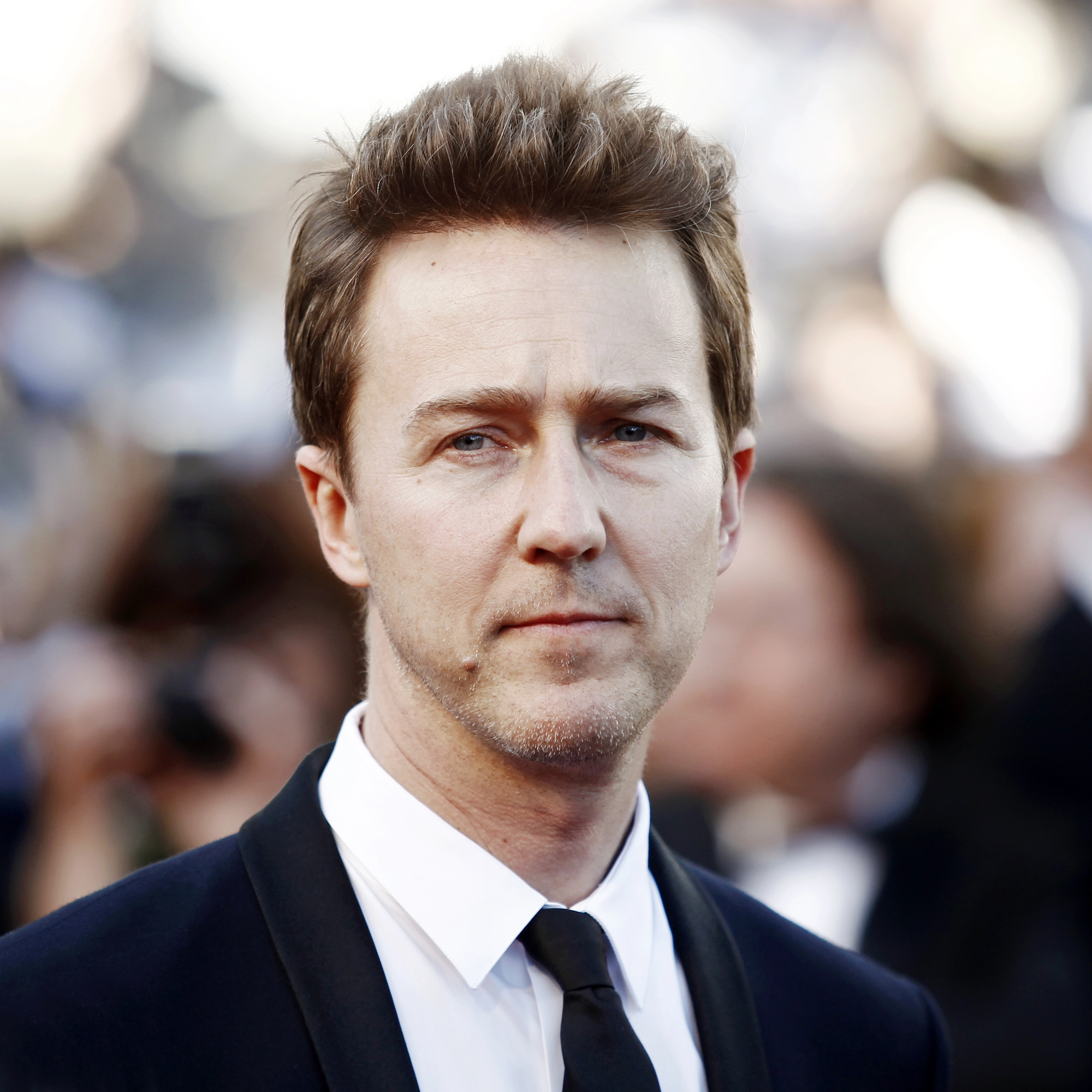
Edward Norton made no secret of his feelings about appearing in the 2003 remake of The Italian Job. Paramount Pictures had him locked into a contract that required one more film, and they chose this heist movie as his obligation.
Norton tried to negotiate his way out, but the studio wouldn’t budge. He showed up on set with visible frustration, and his performance reflected his lack of enthusiasm.
The film’s director later admitted that working with Norton was challenging because the actor clearly didn’t want to be there. Despite the movie’s commercial success, Norton’s participation remains one of Hollywood’s most famous examples of contractual obligation trumping artistic choice.
Shia LaBeouf in Transformers sequels

Shia LaBeouf became a household name through the Transformers franchise, but his contract locked him into multiple sequels before he realized what he’d signed up for. By the time the second film rolled around, LaBeouf was already expressing regret about the series in interviews.
He felt the movies prioritized explosions over storytelling, and he wanted to pursue more serious dramatic roles. The actor had to complete his contractual obligations through three films, even as he publicly criticized the franchise.
His honesty about feeling trapped in the series created tension with director Michael Bay and the studio. LaBeouf couldn’t walk away until his contract expired.
Jennifer Lawrence in the later X-Men films

Jennifer Lawrence’s career exploded after The Hunger Games and her Oscar win, but she was still contractually bound to continue playing Mystique in the X-Men franchise. As her star power grew, her interest in the character diminished significantly.
Reports from the sets of later films suggested Lawrence was counting down the days until her contract ended. The heavy makeup process that took hours each day became increasingly unbearable for her.
She eventually negotiated to appear in fewer scenes in later installments. She still had to show up and complete her contractual duties even though her heart wasn’t in it anymore.
George Lazenby in On Her Majesty’s Secret Service
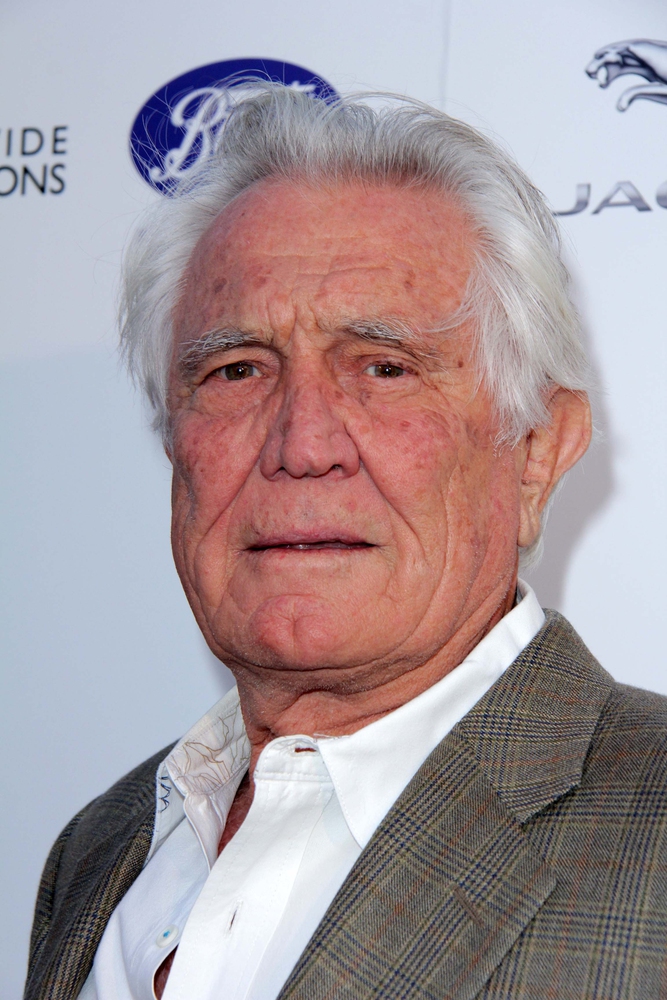
George Lazenby signed a seven-film contract to play James Bond, then immediately regretted his decision after completing just one movie. His agent convinced him that the Bond franchise was outdated and would damage his career.
Lazenby tried to break his contract before On Her Majesty’s Secret Service even hit theaters. The studio fought back legally, and the situation became messy.
Lazenby ultimately walked away from the role, but the legal battles and broken contract damaged his reputation in Hollywood. He went from being the new face of the world’s most famous spy to struggling to find work in the industry.
Alec Guinness in Star Wars
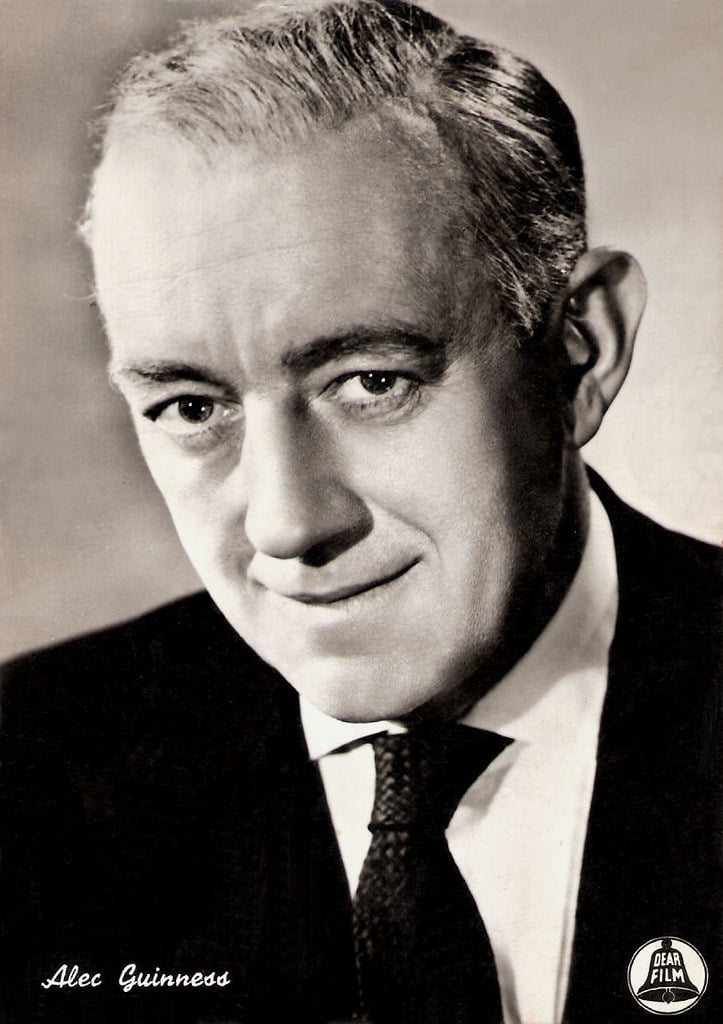
Alec Guinness was a respected stage and film actor who took the role of Obi-Wan Kenobi mainly for the paycheck and because his contract included a small percentage of the profits. He found the dialogue ridiculous and felt embarrassed by the material throughout filming.
Guinness had to complete his contractual obligations for the sequels, even though he considered the films beneath his talents. He later negotiated to have his character killed off in the first film.
He still appeared in the sequels as a force ghost because his contract required it. Despite his disdain for the role, it became his most recognizable work and made him far wealthier than his prestigious dramatic films ever had.
Michelle Pfeiffer in Grease 2

Before Michelle Pfeiffer became a major star, she was locked into a contract with a production company that assigned her to projects without much input. She landed the lead role in Grease 2, a sequel nobody asked for and even fewer people wanted to watch.
Pfeiffer knew the script was weak, but her contract left her no choice. She gave the role her best effort, but the movie flopped spectacularly at the box office and with critics.
The actress had to wait years to shake off the association with this disaster. She later credited it as a learning experience about reading contracts more carefully.
Ryan Reynolds in Green Lantern
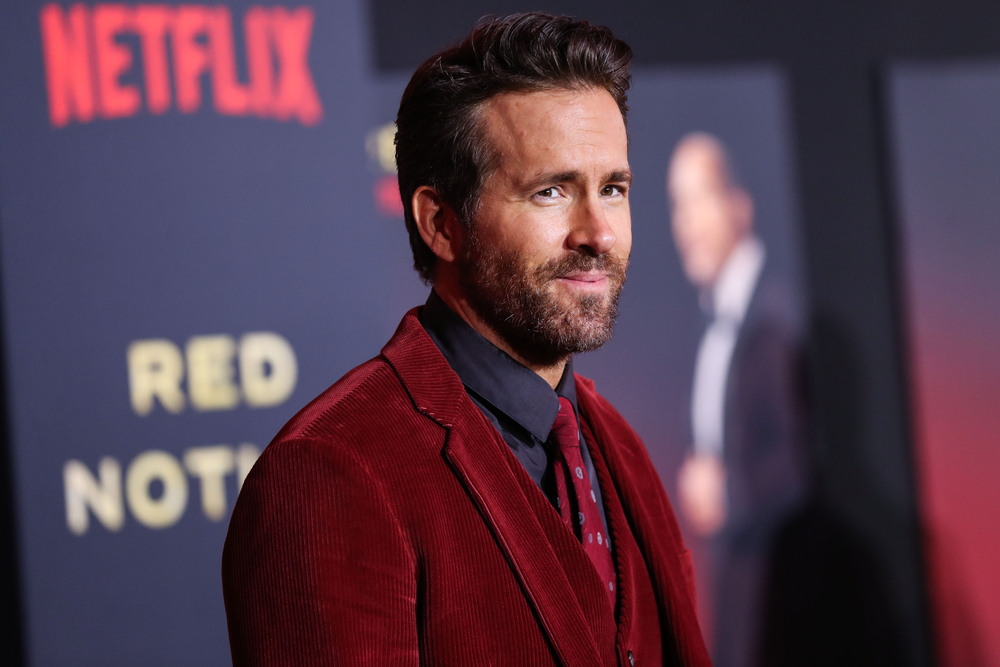
Ryan Reynolds has joked about his regret over Green Lantern for years, but what many fans don’t know is that his contract included potential sequels and appearances in other DC films. Warner Bros. had big plans for the character, and Reynolds was locked in for multiple movies.
When the first film bombed, the studio scrapped the sequel plans, which actually freed Reynolds from his contractual obligations. He’s since said he felt trapped during production because he could see the film wasn’t working but had no way to exit.
The experience taught him to be more selective about signing multi-picture deals.
Terrence Howard and the Iron Man contract dispute
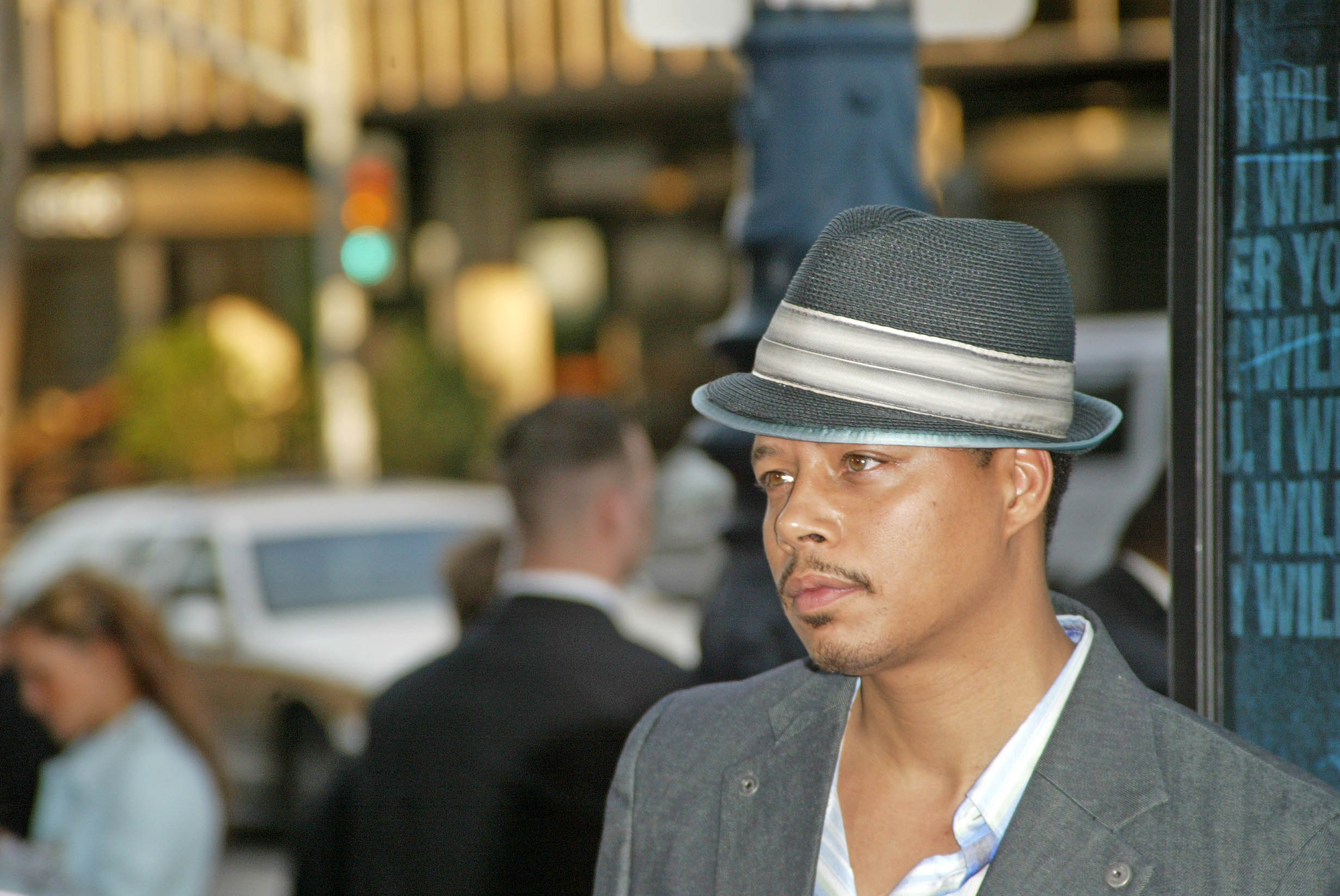
Terrence Howard played War Machine in the first Iron Man film and had signed a contract for the sequel. When Marvel Studios tried to renegotiate his salary downward for Iron Man 2, Howard refused and found himself in a complicated legal situation.
The studio claimed they had the right to recast the role under certain contract conditions. Howard argued he had a binding agreement for the sequel at a specific price.
Marvel ultimately replaced him with Don Cheadle. Howard spent years publicly discussing how the contract dispute derailed what could have been a lucrative franchise role for him.
Sean Connery returning as James Bond in Never Say Never Again
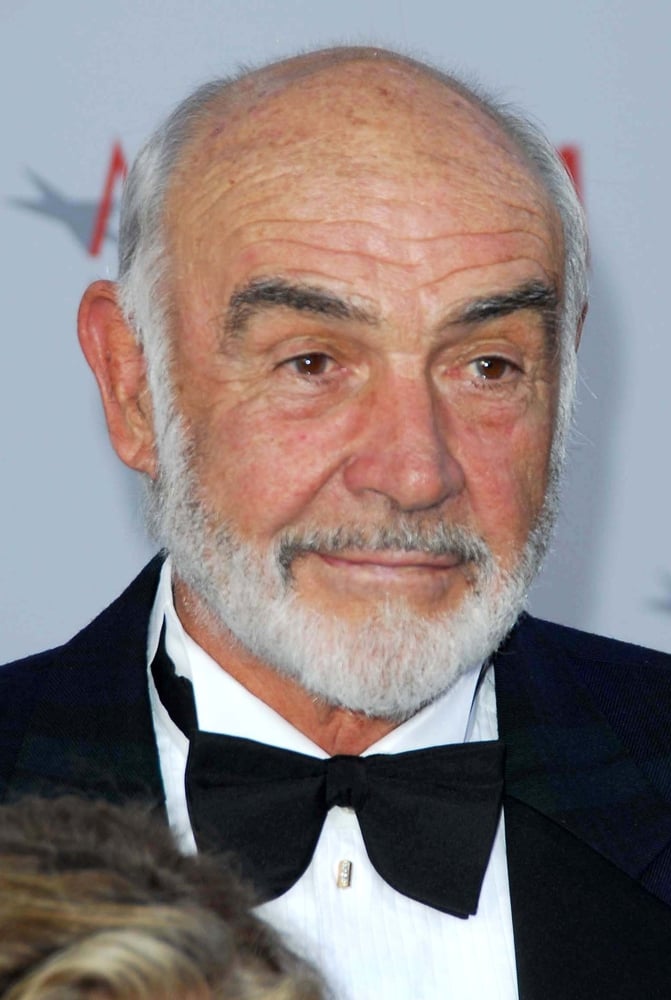
Sean Connery famously retired from playing James Bond in 1971, but a complicated contract situation brought him back twelve years later. A legal dispute over the rights to certain Bond stories resulted in a rival production outside the official franchise.
Connery was contractually obligated to participate in this competing Bond film due to agreements made years earlier. He didn’t want to return to the role but had little choice because of the binding nature of his old contracts.
The film Never Say Never Again became a strange footnote in Bond history. It was produced simultaneously with the official franchise entry.
Katherine Heigl in Knocked Up and its fallout

Katherine Heigl signed onto Knocked Up without fully understanding the cultural impact it would have. After the film’s release, she publicly criticized it as sexist, which created tension with director Judd Apatow.
Her contract included press obligations and potential sequel discussions, which became incredibly awkward after her comments. Heigl had to continue promoting the film per her contractual requirements while simultaneously expressing regret about the project.
The situation damaged her relationships in Hollywood. It showed how contracts can force actors to support projects they no longer believe in.
Val Kilmer in Batman Forever
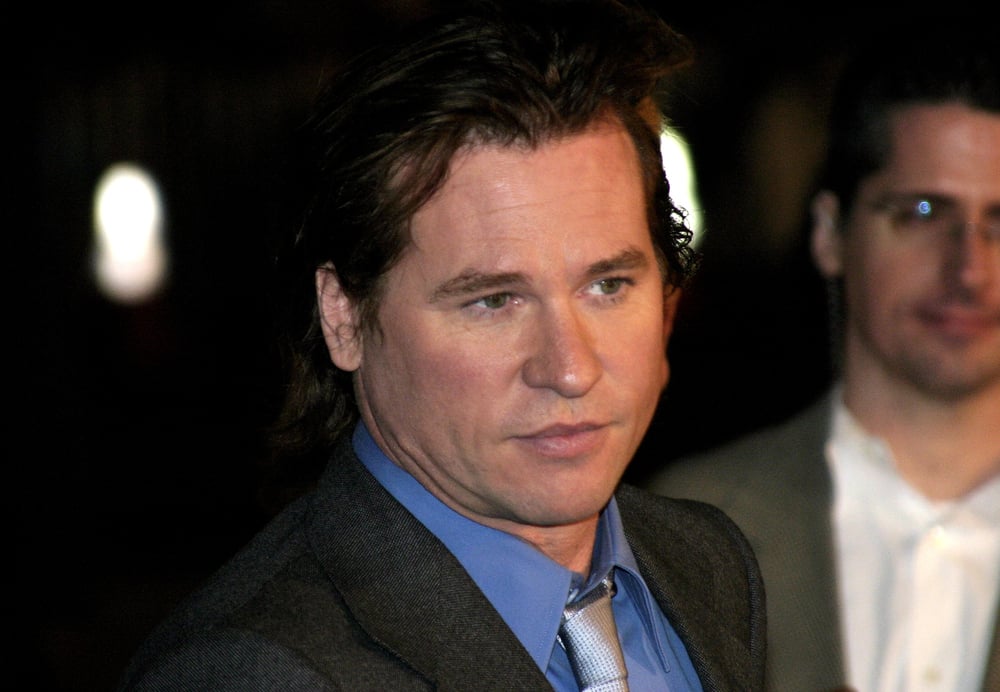
Val Kilmer took on the Batman role after Michael Keaton departed, but he quickly realized the production wasn’t what he expected. Reports from the set described constant conflicts between Kilmer and director Joel Schumacher.
Kilmer wanted to bring depth to Bruce Wayne, while the studio wanted a lighter, more commercial approach. His contract locked him in for potential sequels.
The relationship deteriorated so badly that both sides agreed to part ways after one film. Warner Bros. technically could have enforced his return, but they chose to recast rather than deal with the ongoing tension.
Hugo Weaving in The Hobbit trilogy
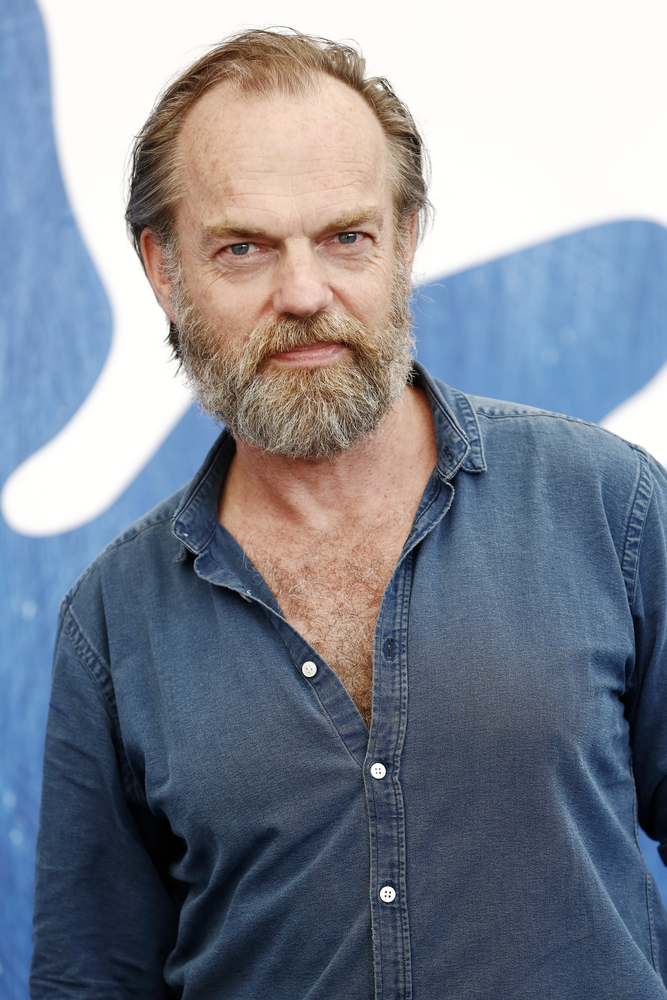
Hugo Weaving played Elrond in The Lord of the Rings trilogy and was contractually obligated to reprise the role for The Hobbit films. By the time production began, Weaving had moved on to other projects and had little interest in returning to Middle-earth.
He fulfilled his contract but later admitted in interviews that he found the experience tedious and uninspiring. The extended filming schedule in New Zealand conflicted with his other commitments.
His contract gave him no way out. He showed up, did his scenes, and collected his paycheck while making it clear this wasn’t a passion project for him.
Gwyneth Paltrow in Marvel movies

Few would expect a leading actress to shrug off a blockbuster series so casually. Yet Gwyneth Paltrow does just that when it comes to the Marvel films she appeared in.
Though cast as Pepper Potts across numerous installments, her heart was never in the universe itself. Obligations tied her to the role – paperwork demanded presence, regardless of personal interest.
Interviews reveal she can’t always recall which Avengers movie featured her next. Building her wellness company took up more mental space than superhero battles ever did.
Still, duty called, so she showed up – even if half-distracted by business plans. Enthusiasm? Absent.
Professionalism? Intact. The cameras rolled, lines were delivered, credits scrolled.
Not every star beams with excitement about their most seen work.
Mickey Rourke in Iron Man 2
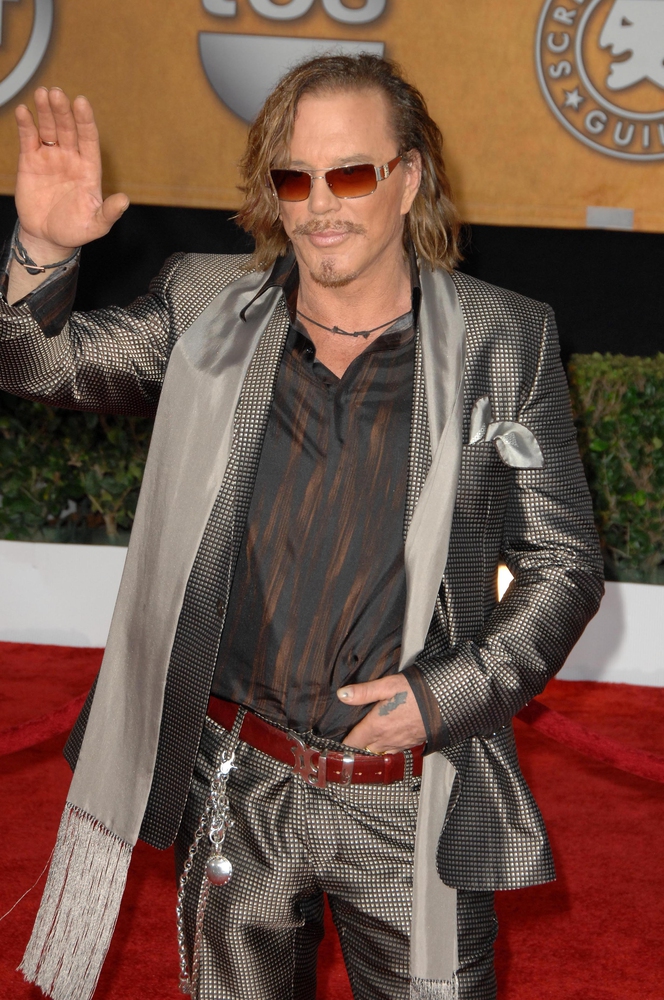
Once upon a time, Mickey Rourke agreed to become Whiplash in Iron Man 2, full of plans for who that man really was beneath the mask. Though he had strong visions for how the past shaped him, Marvel removed nearly every trace of those layers from the pages actors speak from.
Left holding a flat version of someone complex, Rourke still reached into moments during shooting, trying to show pain behind anger. Still, producers leaned hard toward explosions instead of quiet truths between lines.
Even so, he finished what he promised to do under legal terms. Later, words slipped out – Marvel didn’t seem interested in why the bad guy fought, only that he did.
That lack of soul showed plainly when he spoke, voice tinged with something like disappointment.
Megan Fox in Transformers sequels

Fame found her during those early Transformers movies, yet things started feeling off behind the scenes. As scripts rolled in, discomfort grew – her part didn’t sit right anymore.
A harsh remark slipped out, likening Michael Bay to an authoritarian leader. That comment reached executives who’d been waiting for a reason.
Out of the deal she went, released just before filming began again. Relief washed over her afterward, even if doors closed elsewhere.
Speaking up cost something – but silence would’ve cost more. Power sits funny in Hollywood when words break contracts others thought were unbreakable.
Ben Affleck in multiple Batman appearances
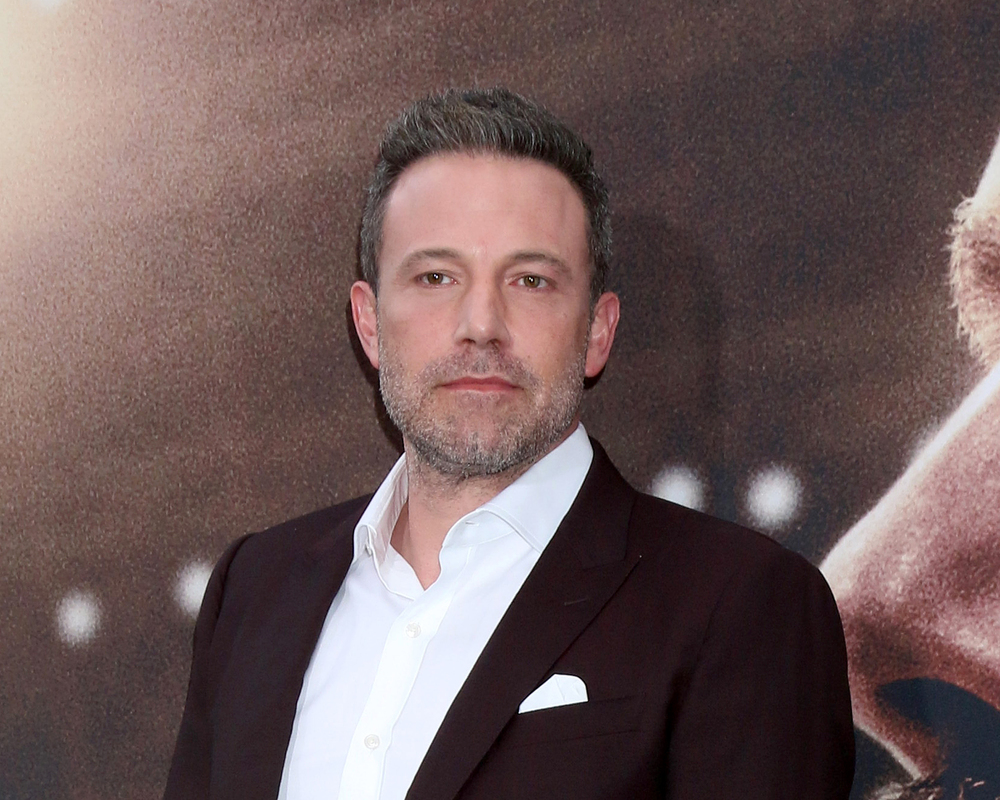
Ben Affleck signed a contract to play Batman in multiple DC films, but his enthusiasm for the role faded quickly after the critical reception of Batman v Superman. He was supposed to direct and star in a standalone Batman film.
He stepped down as director while still contractually obligated to act in the role. Warner Bros. eventually released him from future commitments.
Not before Affleck had to appear in Justice League while clearly checked out from the project. His body language and performance showed an actor going through the motions to satisfy a contract rather than someone engaged with the material.
Eric Bana almost returned for unmade Hulk movies
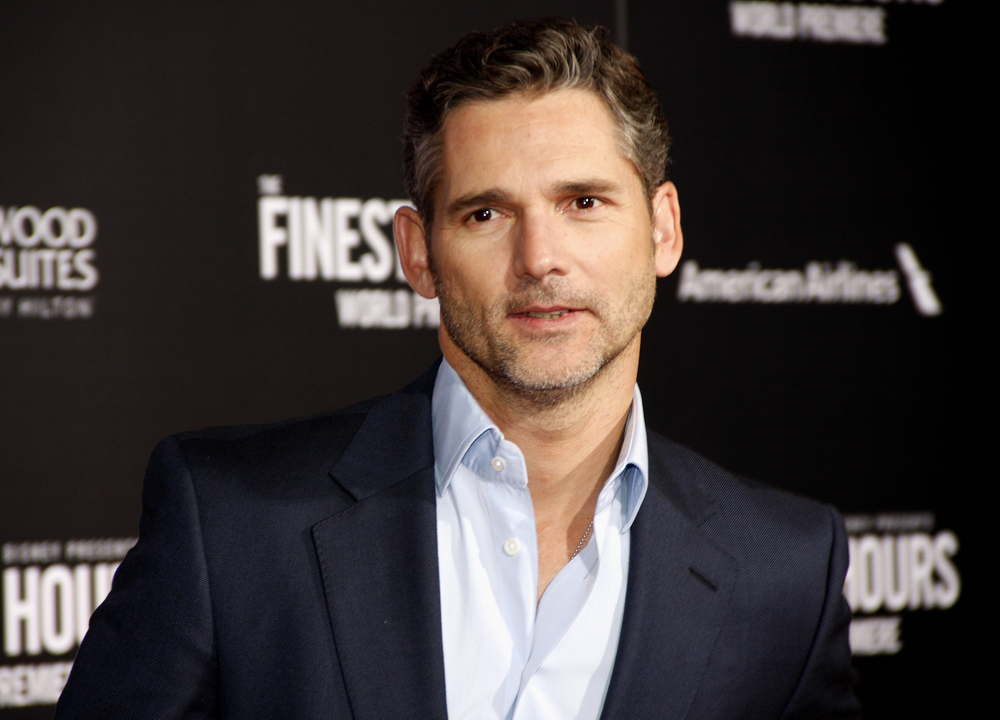
That 2003 Hulk movie by Ang Lee? Eric Bana was in it, plus he’d agreed to do follow-ups if needed.
Trouble hit when the box office numbers came in too low – Marvel scrapped those plans fast. So there he stayed, tied to a deal that went nowhere.
Eventually, Marvel just walked away from the contract entirely. Looking back, Bana said he felt lucky it ended quietly.
Truth is, he took the part for money alone. Superhero stuff never really grabbed him anyway.
Halle Berry in multiple X-Men appearances

Even after winning an Academy Award, Halle Berry stayed tied to the X-Men series through binding agreements. As her status in Hollywood grew, she looked for ways to step away from future installments.
Studio executives refused to release her from those commitments. So back she came, film after film.
Though her character faded into the background. In conversations with reporters, she stayed polite.
Yet viewers could sense her fading interest over time. Her experience reveals a truth often hidden.
Top-tier actors aren’t always free to choose. Especially when early deals lock them in place.
When rules meet imagination

Still, even with new ways of making shows, actors often find themselves stuck in rigid deals. Though streaming changed how movies and series are made, old contract rules hold strong behind the scenes.
Power moves around, yes, but paperwork decides a lot more than most think. When performers shared their struggles, it opened doors others didn’t know were closed.
Glamour hides limits – ones written in fine print that push artists into corners they never wanted. Those voices started something.
Talks about respect, fairness, and who really gets to shape art.
More from Go2Tutors!

- The Romanov Crown Jewels and Their Tragic Fate
- 13 Historical Mysteries That Science Still Can’t Solve
- Famous Hoaxes That Fooled the World for Years
- 15 Child Stars with Tragic Adult Lives
- 16 Famous Jewelry Pieces in History
Like Go2Tutors’s content? Follow us on MSN.



