15 Manners That Kids Don’t Learn Anymore
Every generation worries that kids today lack the social graces of yesterday, though there’s something genuinely different happening now. The digital age has fundamentally shifted how children interact with the world around them.
Many traditional courtesies that once seemed automatic have quietly slipped away from daily life. These aren’t just stuffy old rules—they’re the social glue that makes communities function smoothly while helping people feel respected and valued.
Modern kids master technology and navigate global connections in ways previous generations never could. Yet some essential interpersonal skills have fallen by the wayside. Here is a list of manners that seem to be vanishing from childhood education.
Writing Thank You Notes

Handwritten thank you notes have become about as common as rotary phones. Kids today might fire off a quick text or toss an emoji someone’s way to acknowledge a gift, though the thoughtful practice of sitting down with pen and paper to express genuine gratitude has largely vanished.
This shift represents more than just changing communication preferences—it’s the loss of a ritual that taught children to reflect on kindness received. The practice helped them articulate appreciation in a meaningful way.
Standing When Adults Enter the Room

This traditional sign of respect once taught children to acknowledge authority while showing consideration for their elders. Modern parenting often emphasizes equality between children and adults, which has positive aspects—though it sometimes eliminates gestures that demonstrated awareness of others.
The practice helped kids develop situational awareness. It taught them that certain moments call for special attention and respect.
Asking Permission Before Taking Food
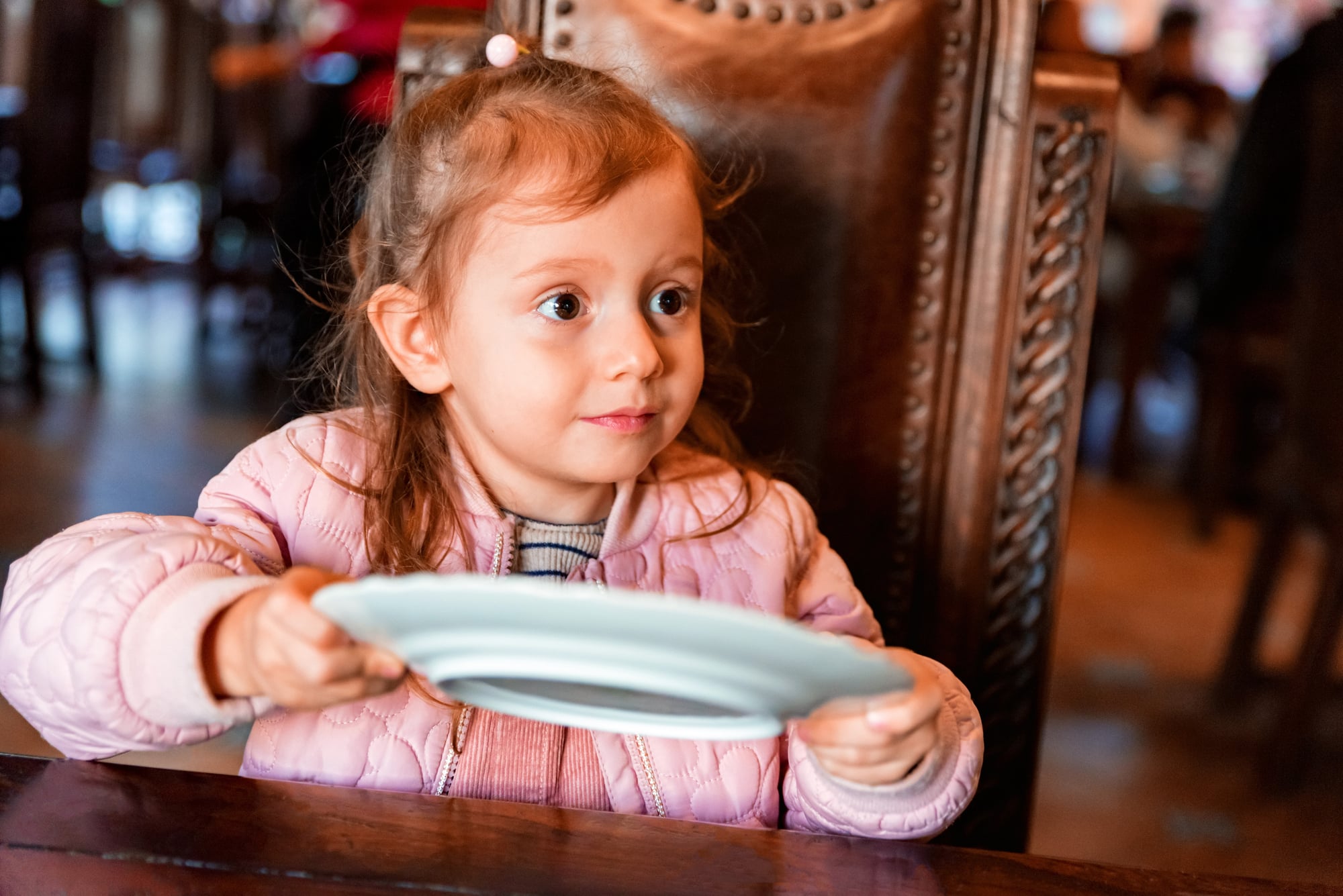
Children used to automatically ask ‘May I have a cookie?’ or ‘Can I get a snack?’ before helping themselves to food in their own homes or elsewhere. This simple courtesy taught impulse control—plus consideration for household resources and family meal plans.
Today’s more casual approach to food access means kids often miss learning about boundaries, sharing, and the importance of checking in with others before taking what they want.
Proper Phone Etiquette

Before smartphones became pocket computers, children learned specific ways to answer the phone, take messages, and speak clearly to callers. They practiced saying ‘May I ask who’s calling?’ along with ‘Please hold while I get them.’
These skills taught responsibility, clear communication—and how to serve as a helpful link between people. Modern kids rarely use phones for actual conversations, missing out on developing these verbal communication skills entirely.
Offering Seats to Others

The courtesy of giving up a seat for elderly people, pregnant women, or anyone who needs it more has become uncommon among children. This practice taught kids to observe their surroundings while recognizing others’ needs.
They learned to act with consideration even when it meant personal sacrifice. The lesson went beyond just seat-giving—it developed empathy and the habit of putting others’ comfort before their own convenience.
Waiting to Be Served

Children once learned to wait patiently for adults to serve them food or drinks rather than reaching across the table or helping themselves first. This restraint taught patience, respect for social order—and consideration for others at the table.
The practice also helped kids understand that good things come to those who wait. Rushing ahead of others shows poor character.
Addressing Adults Formally
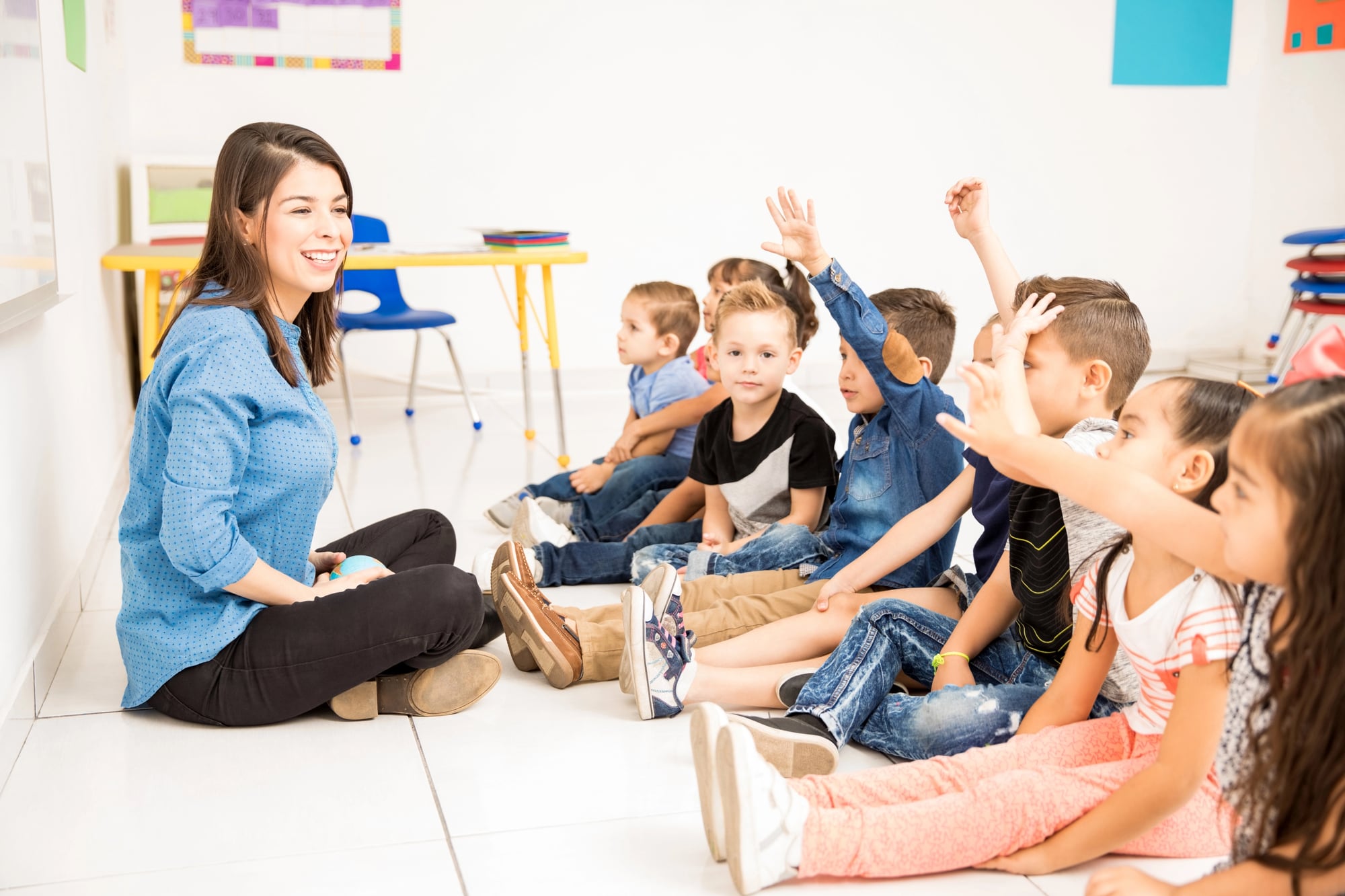
Kids used to automatically call adults ‘Mr.’, ‘Mrs.’, or ‘Miss’ followed by their last name unless specifically invited to do otherwise. This formality taught children to recognize different types of relationships while showing appropriate respect for authority figures.
Modern approaches often encourage more casual interactions—though the formal address system helped kids understand social hierarchy. It demonstrated respect through language.
Removing Hats Indoors

The automatic removal of hats when entering buildings, especially homes, schools, or places of worship, was once as natural as taking off muddy shoes. This simple gesture taught children about appropriate dress for different environments—and showed respect for indoor spaces.
The practice helped kids understand that how we present ourselves matters. Certain settings deserve special consideration.
Helping with Dishes

Children routinely helped clear the table, wash dishes, or at least carry their own plates to the kitchen after meals. This participation taught responsibility and teamwork—plus appreciation for the work that goes into maintaining a household.
Modern conveniences and busy schedules often eliminate these opportunities for kids to contribute to family life. They miss learning that everyone should pitch in.
Writing Proper Letters

Before email and texting, children learned to write formal letters with proper greetings, body paragraphs—and closings. They practiced dating letters, addressing envelopes, and organizing their thoughts in a structured way.
These skills taught patience and planning, plus the importance of clear communication. The lost art of letter writing represents a missed opportunity to develop both writing skills and the ability to express complex thoughts in an organized manner.
Excusing Themselves from the Table

Kids once asked permission before leaving the dinner table, saying ‘May I be excused?’ and waiting for approval. This courtesy taught children that family mealtime was important and that leaving required acknowledgment of others present.
The practice reinforced the idea that meals were communal experiences deserving respect. Individual desires should be balanced with family time.
Opening Doors for Others

Children learned to hold doors open for people behind them, especially adults, elderly individuals, or anyone carrying heavy items. This simple courtesy taught awareness of others’ needs and the importance of small acts of kindness.
The practice helped kids develop the habit of looking out for others while understanding that being helpful makes communities function better.
Polite Interruption

Kids used to learn specific phrases for interrupting conversations politely, such as ‘Excuse me’ or ‘Pardon me, but…’ followed by waiting for acknowledgment before speaking. This skill taught respect for ongoing conversations and the importance of timing in communication.
Modern children often jump into conversations without considering that others might be in the middle of important discussions.
Proper Introductions

Children learned to introduce people to each other properly, starting with the older or more important person and including relevant information to help conversations flow. They practiced saying ‘Mrs. Johnson, I’d like you to meet my friend Sarah’ rather than just mumbling names.
This skill taught social awareness while helping kids understand their role in making others comfortable in social situations.
Chewing with Mouths Closed

While this seems basic, the conscious teaching of proper eating habits has become less common as families eat together less frequently. Children once received consistent reminders about chewing quietly, not talking with food in their mouths, and eating at an appropriate pace.
These habits were taught not just for aesthetics but to show consideration for others who had to watch and listen during meals.
Building Character Through Courtesy

These vanishing courtesies weren’t just arbitrary rules imposed by strict adults—they were tools for building character and social awareness. Each practice taught children to think beyond themselves, consider others’ feelings, and understand that small gestures can have big impacts on relationships and community harmony.
While modern parenting has evolved in many positive ways, bringing back some of these time-tested courtesies could help today’s children develop stronger social skills and deeper empathy. The goal isn’t to return to rigid formality but to give kids the tools they need to navigate social situations with confidence and consideration for others.
More from Go2Tutors!

- The Romanov Crown Jewels and Their Tragic Fate
- 13 Historical Mysteries That Science Still Can’t Solve
- Famous Hoaxes That Fooled the World for Years
- 15 Child Stars with Tragic Adult Lives
- 16 Famous Jewelry Pieces in History
Like Go2Tutors’s content? Follow us on MSN.