Historic Scandals That Reshaped Entertainment
Entertainment thrives on image. The people you see on screen or hear on the radio become larger than life, and the industry works hard to keep them that way.
But every so often, something happens that tears down the curtain. These moments don’t just ruin careers.
They change how the entire industry operates. The scandals that hit hardest are the ones that force everyone to pay attention.
They expose problems that were hiding in plain sight. And they make it impossible to go back to business as usual.
The Fall of Hollywood’s First Superstar
Roscoe “Fatty” Arbuckle was one of the biggest stars in silent film. He made more money than almost anyone in Hollywood in 1921.
Then a young actress named Virginia Rappe died after a party at his hotel, and Arbuckle found himself accused of a horrific crime. The trial turned into a media circus.
Newspapers ran wild with stories that painted Arbuckle as a monster. He went through three trials before a jury finally acquitted him.
The jurors even wrote him an apology. But Hollywood didn’t care about the verdict.
Studios blacklisted him. His films were pulled from theaters.
The scandal sparked the creation of the Hays Code, which would control what could be shown in movies for decades. One man’s downfall rewrote the rules for everyone.
When Fear Came to Hollywood
The 1950s brought a different kind of scandal to entertainment. Senator Joseph McCarthy claimed communists had infiltrated every corner of American life, including the film industry.
The House Un-American Activities Committee started calling people to testify. If you got named, you had two choices.
You could name other people as communists and keep working. Or you could refuse and find yourself unemployable.
Hundreds of writers, directors, and actors ended up on the blacklist. Some people moved to Europe to keep working.
Others used fake names. Many careers just ended.
The blacklist didn’t officially exist, but everyone in Hollywood knew it was real. The industry spent years destroying its own talent because people were too scared to push back.
The Day Music Died on the Radio
Rock and roll exploded in the late 1950s, and radio disc jockeys had enormous power. They decided which songs became hits.
Record companies figured out they could pay DJs to play specific songs, and the practice became standard. The payola scandal broke in 1959 when a congressional investigation exposed the payments.
The most famous DJ, Alan Freed, refused to sign a statement saying he’d never taken money. His career evaporated.
Clark survived by selling his stake in music companies. Radio changed overnight.
The era of the independent DJ with real influence ended. Stations created tighter playlists.
Program directors took over. The music industry lost some of its wild, unpredictable energy because everyone had to prove they were playing songs on merit alone.
The Quiz Shows Were Rigged
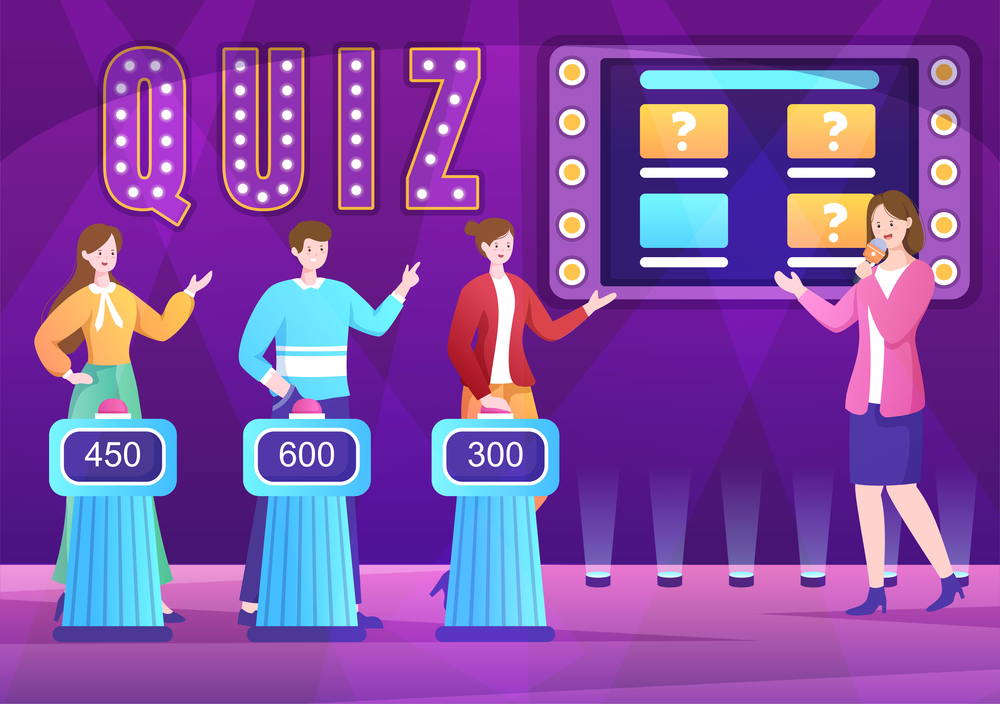
Americans loved watching ordinary people win money on quiz shows in the 1950s. “Twenty-One” and “The $64,000 Question” drew massive audiences.
People treated the contestants like heroes. Then a contestant named Charles Van Doren got caught.
Van Doren was smart, charming, and came from a famous intellectual family. He became a celebrity by winning week after week.
But producers had been feeding him answers. When the truth came out, it crushed the quiz show boom.
Congress held hearings. The networks canceled shows.
Viewers felt betrayed. The scandal led to stricter regulations for game shows that still exist today.
And it taught television executives that audiences would turn on them fast if they felt manipulated.
Polanski and the Permanent Stain
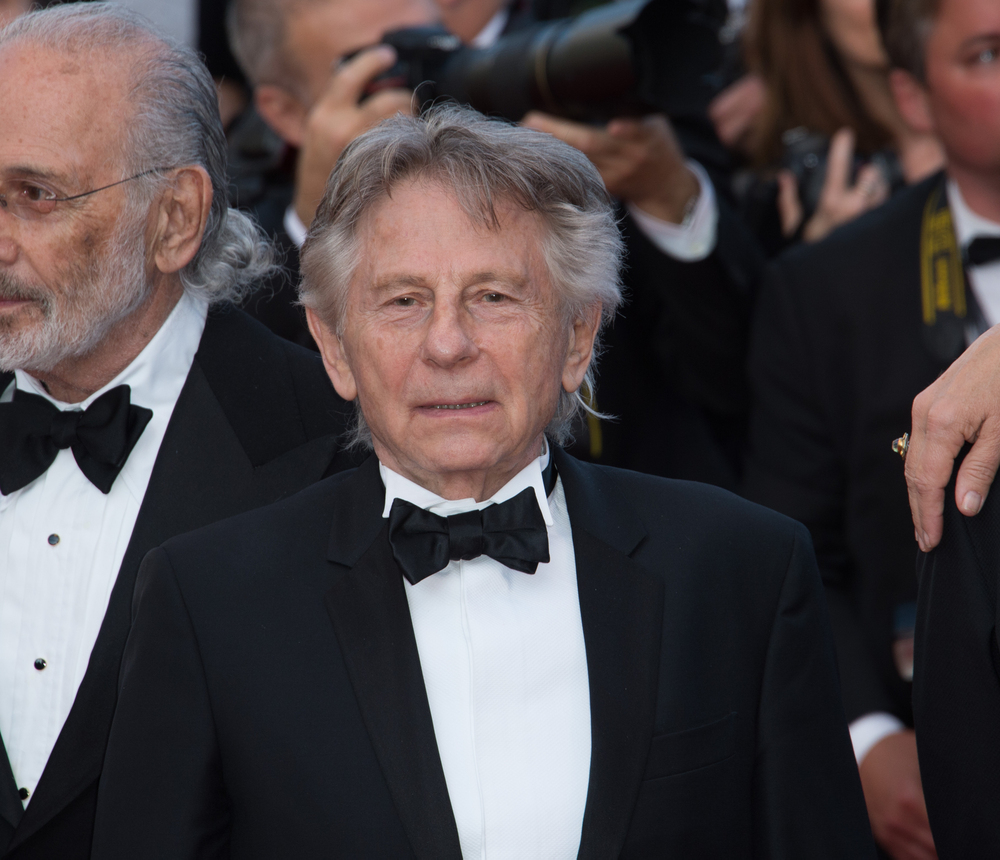
Roman Polanski was already a respected director when he pleaded guilty to unlawful relations with a minor in 1978. He fled to France before sentencing and never came back.
Hollywood kept working with him anyway. For decades, the industry acted like his crimes didn’t matter.
He kept making movies. He won an Oscar.
Actors lined up to work with him. The situation exposed how Hollywood protected powerful men.
The scandal never really went away. It just sat there, getting more uncomfortable as years passed.
When other cases started breaking decades later, people pointed back to Polanski as proof that Hollywood had always known it had a problem with abuse of power.
Milli Vanilli and the Lip-Sync Lie
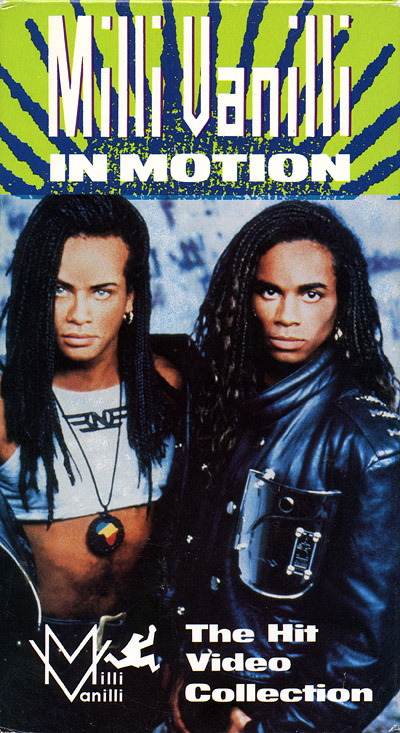
Milli Vanilli won the Grammy for Best New Artist in 1990. They had the hits, the looks, and the moves.
Then their backing track skipped during a live performance, and everything fell apart. The duo hadn’t sung on their own album.
Producer Frank Farian had used other vocalists and hired Rob Pilatus and Fab Morvan to be the faces. When the truth came out, the backlash was instant.
Their Grammy got revoked—something that had never happened before. The scandal changed how people thought about manufactured pop acts.
Suddenly everyone started questioning who was really singing on records. The music industry had to be more transparent about production credits.
Authenticity became valuable in a way it hadn’t been before.
The Super Bowl Moment That Changed Broadcasting
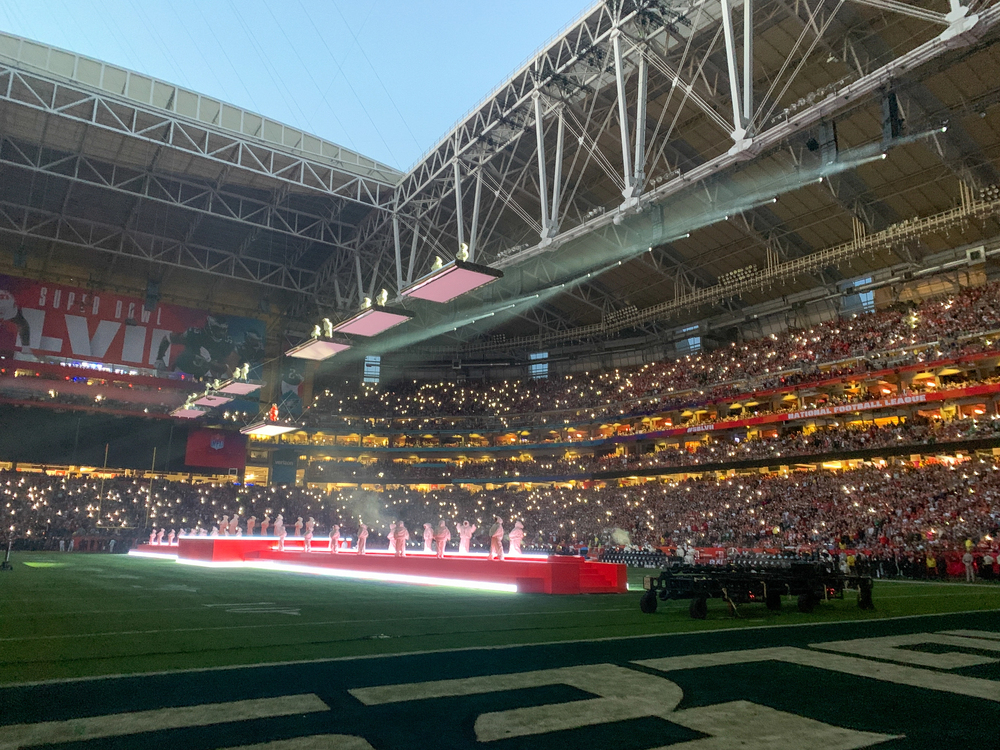
Janet Jackson’s wardrobe malfunction during the 2004 Super Bowl halftime show lasted a fraction of a second. The aftermath lasted years.
The FCC launched investigations. CBS faced massive fines.
The network implemented broadcast delays for live events. YouTube got a boost because people kept searching for the footage.
And the internet became the place people went to see things television wouldn’t show. The incident accelerated the shift in how people consumed media.
Television networks became more cautious. Streaming services started to look more appealing because they didn’t have to worry about FCC regulations.
One moment changed the risk calculation for live broadcasts forever.
When Doping Destroyed a Legend
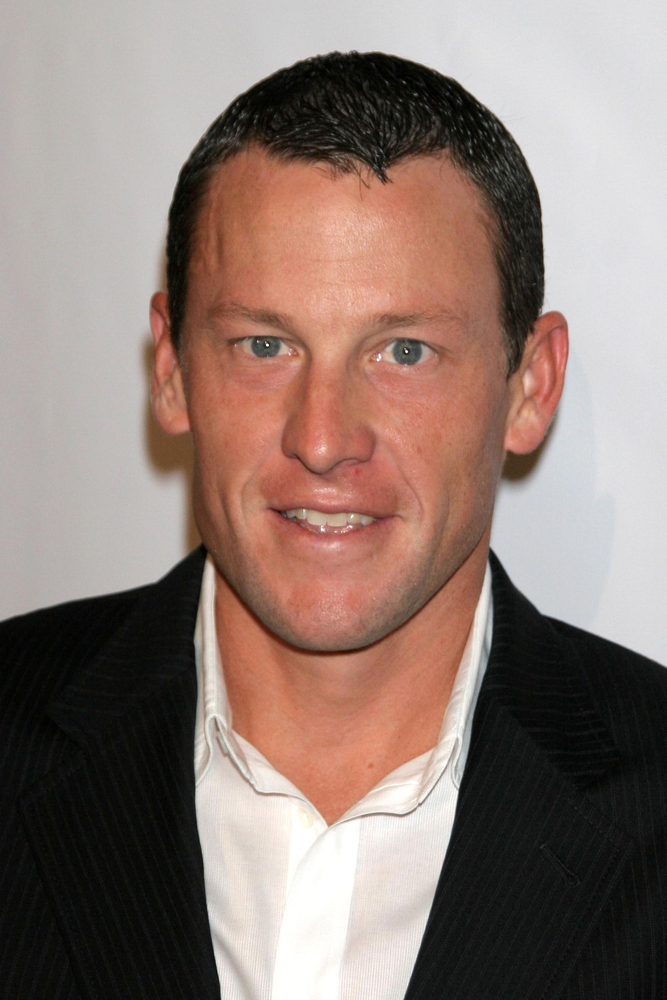
Lance Armstrong survived cancer and came back to win the Tour de France seven times. He became an inspiration.
His Livestrong brand raised millions for cancer research. Then the doping allegations that had followed him for years finally stuck.
The United States Anti-Doping Agency released evidence in 2012 that Armstrong had run the most sophisticated doping program in sports history. He admitted it all in an interview with Oprah Winfrey.
He lost his titles, his sponsors, and his reputation. The scandal forced sports to confront how widespread performance-enhancing drug use had become.
It showed that organizations couldn’t ignore doping just because someone was popular. And it made sponsors much more careful about who they attached their brands to.
The Weinstein Effect
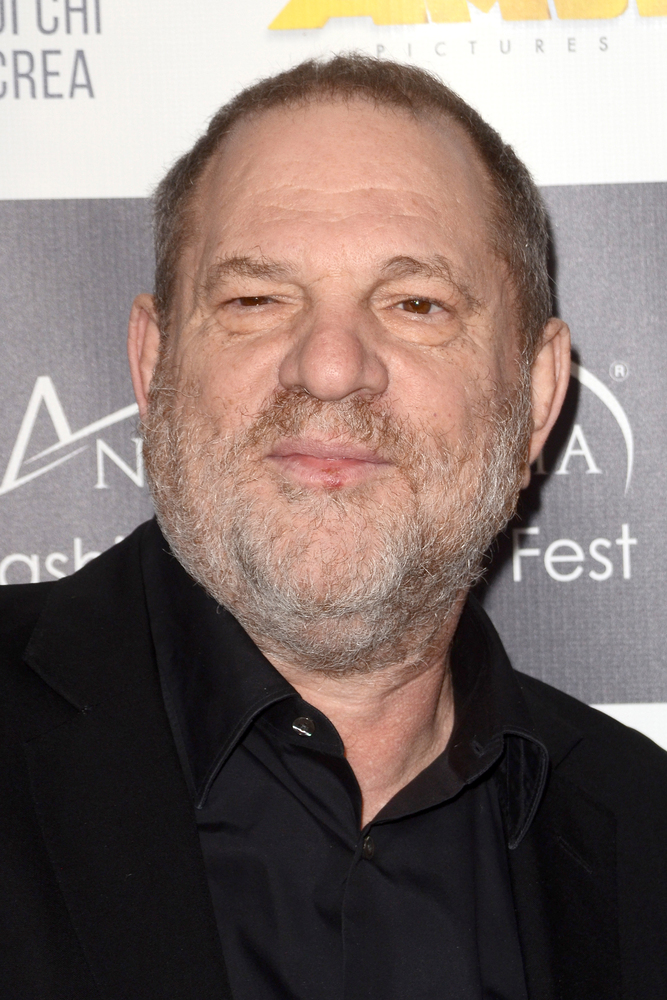
Harvey Weinstein was one of the most powerful producers in Hollywood for decades. Everyone knew he was difficult.
Then The New York Times and The New Yorker published detailed accounts of numerous women accusing him of assault and harassment going back years. The #MeToo movement exploded.
Women in every industry started sharing their stories. More powerful men got exposed.
Hollywood had to admit it had enabled abusers for generations. The entertainment industry changed its practices faster than anyone expected.
New rules about workplace conduct appeared. Power imbalances got scrutinized.
The old excuse of “that’s just how things work” stopped working. The scandal didn’t fix everything, but it made silence impossible.
The College Admissions Scheme

Felicity Huffman and Lori Loughlin weren’t megastars, but they were successful actresses with clean images. When federal prosecutors charged them with paying bribes to get their kids into elite colleges, it shocked people.
The case revealed a massive scheme where wealthy parents paid hundreds of thousands of dollars to cheat the system. Huffman pleaded guilty quickly and served time.
Loughlin fought the charges, lost, and served time too. The scandal resonated because it hit on inequality and fairness.
People already suspected rich families gamed the system, but seeing famous people go to prison for it felt different. It damaged trust in institutions and made audiences view celebrity parents with more skepticism.
Cosby’s Double Life
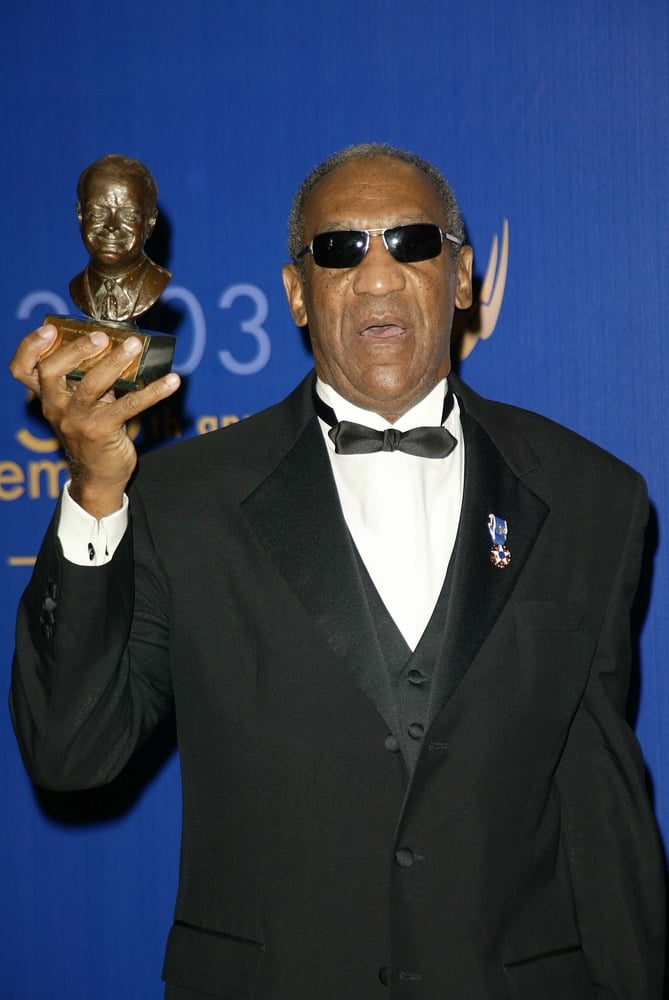
Bill Cosby spent decades as America’s Dad. “The Cosby Show” dominated television in the 1980s.
He lectured about morality and family values. Behind that image, prosecutors said, he had assaulted dozens of women over many years.
The accusations weren’t new, but they’d been ignored for decades. When enough women came forward that ignoring them became impossible, the reckoning was severe.
Cosby went to prison. His shows got pulled from networks.
His legacy turned to ash. The case showed how thoroughly fame could protect someone.
It demonstrated how long victims could be dismissed. And it proved that even the strongest public image would eventually crack under the weight of truth.
Spacey’s Instant Erasure
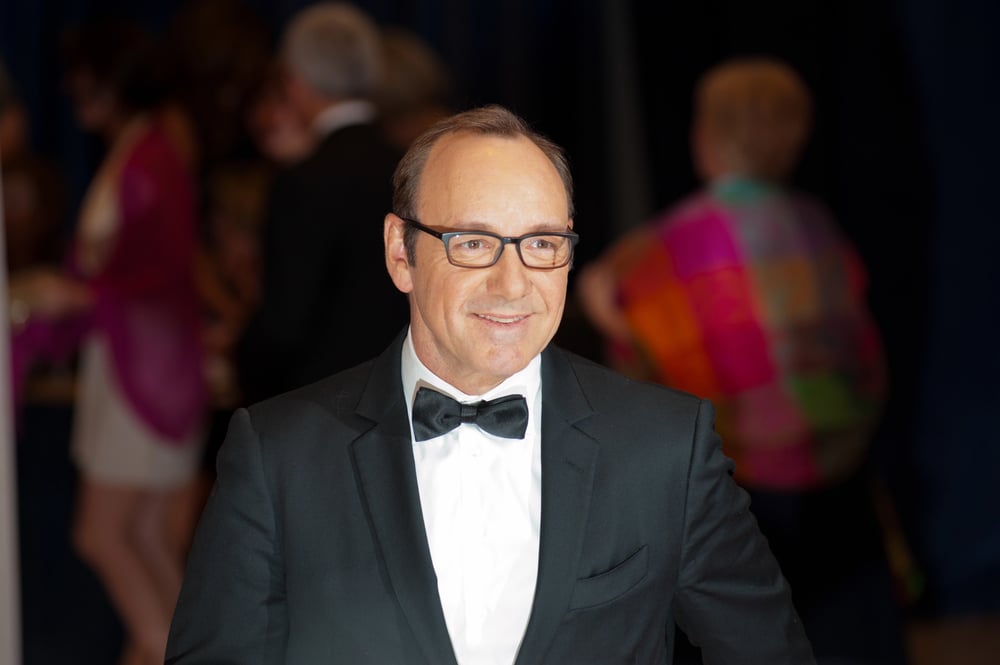
Kevin Spacey was at the peak of his career when actor Anthony Rapp accused him of making advances when Rapp was 14. More accusations followed quickly.
Netflix cut Spacey from “House of Cards” immediately. His scenes got removed from a finished film and reshot with another actor.
The speed of Spacey’s fall showed how much the industry had changed. There was no attempt to wait it out or minimize the damage.
Companies decided they couldn’t be associated with him and moved on. His case became the template for how Hollywood would handle similar situations going forward.
The calculation had shifted. Protecting an accused person was now riskier than cutting them loose, no matter how famous they were.
The Depp-Heard Trial Spectacle
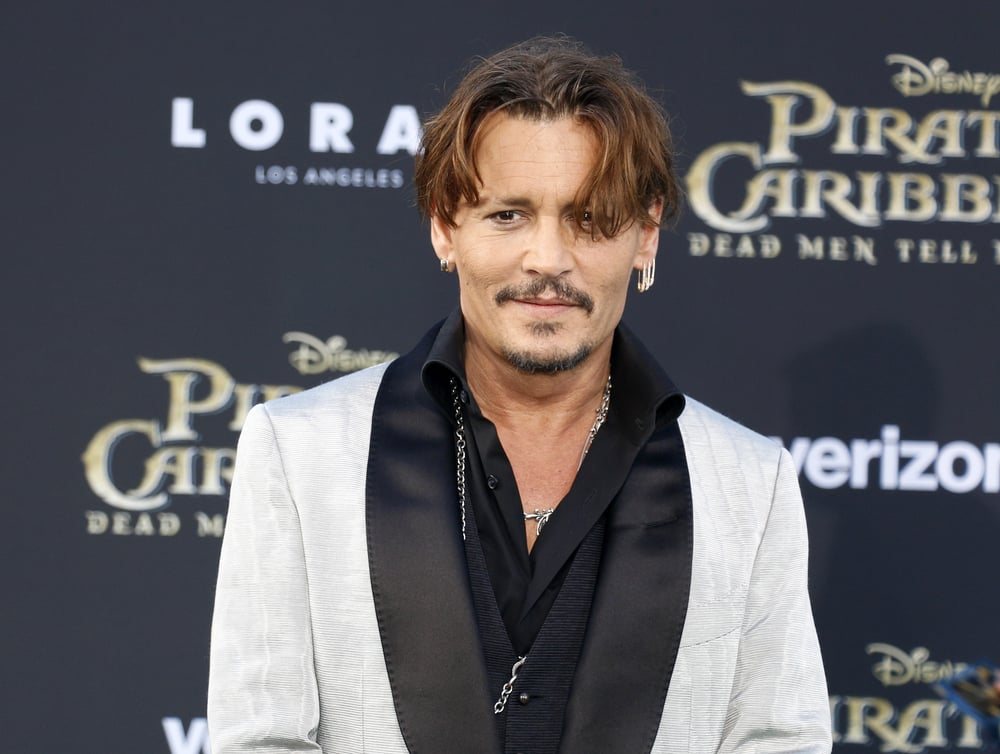
That courtroom fight between Johnny Depp and Amber Heard in 2022? It took over everything.
Not a single detail escaped online scrutiny. Folks lined up behind one or the other without pause.
Suddenly, it felt less like law, more like spectacle – where real pain risked getting buried under noise. Filmed from start to finish, the trial drew eyes across the planet.
Online spaces filled fast – reactions popped up faster than facts could keep pace. What unfolded wasn’t just law being tested, but perception shaped one post at a time.
Not many saw it coming, yet the event shifted who gets trusted when accusations arise. Stories shaped opinions more than facts alone ever could.
Fame now dances with law, turning courtrooms into stages where truth shares space with image.
When the Curtain Falls
What ties these scandals together isn’t just how shocking they were. Out of each came a moment the entertainment world could no longer look away from its own flaws.
Progress crawled forward, uneven and fragile, yet still left marks. In ways that counted.
Truth slips out now and then. The pattern flickers – regret today, silence tomorrow.
A pause follows every scandal. Eyes stay open during the quiet.
Trust builds slowly when leaders step forward. It cracks faster when they hide behind titles.
Who speaks up matters more than speeches. Behind every glittering show lies someone calling the shots.
When things fall apart, it shows who really holds control. Truths slip out when no one is ready to hear them.
Not every headline gets a spotlight on purpose.
More from Go2Tutors!

- The Romanov Crown Jewels and Their Tragic Fate
- 13 Historical Mysteries That Science Still Can’t Solve
- Famous Hoaxes That Fooled the World for Years
- 15 Child Stars with Tragic Adult Lives
- 16 Famous Jewelry Pieces in History
Like Go2Tutors’s content? Follow us on MSN.