15 Eating Customs That Confuse the Rest of the World
Food brings people together across cultures, but sometimes dining etiquette can create quite a cultural divide. What seems perfectly normal in one country might leave visitors completely baffled in another.
From surprising table manners to unexpected dining rituals, these cultural differences often lead to amusing misunderstandings. Here is a list of 15 eating customs from around the world that often leave foreigners scratching their heads in confusion.
Slurping Noodles in Japan
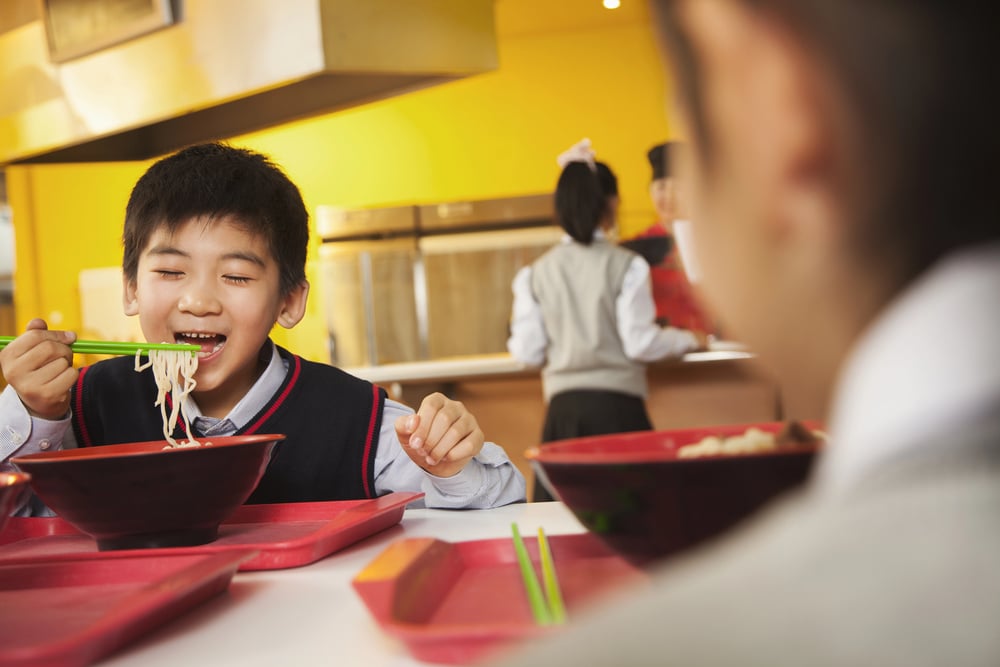
In Western countries, making noise while eating is typically frowned upon. However, slurping your noodles in Japan isn’t just acceptable—it’s encouraged.
This noisy practice is considered a sign of appreciation for the meal and actually enhances the flavor experience by allowing air to mix with the noodles as you eat. Japanese chefs often take the sound of enthusiastic slurping as the highest compliment.
Burping in China

What might get you stern looks in American restaurants is actually a compliment in parts of China. A hearty burp after a meal signals to your host that you enjoyed the food and ate to satisfaction.
Many Chinese diners consider it a genuine expression of contentment rather than a breach of etiquette. The louder the burp, the more sincere the compliment to the chef.
Like Go2Tutors’s content? Follow us on MSN.
Never Empty Your Plate in China
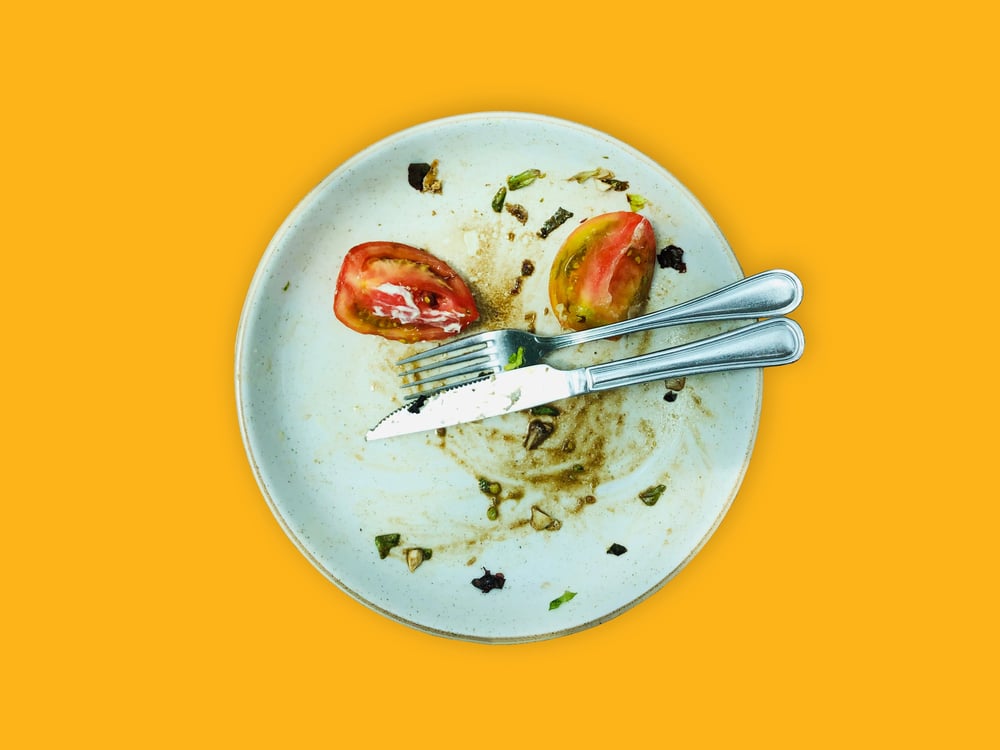
While American children are often told to clean their plates, doing so in China suggests your host didn’t provide enough food. Leaving a small amount of food indicates you’ve been given more than enough to satisfy your hunger.
Hosts intentionally over-serve guests as a sign of hospitality, making this custom particularly confusing for visitors who were raised not to waste food.
Eating Pizza with Knife and Fork in Italy
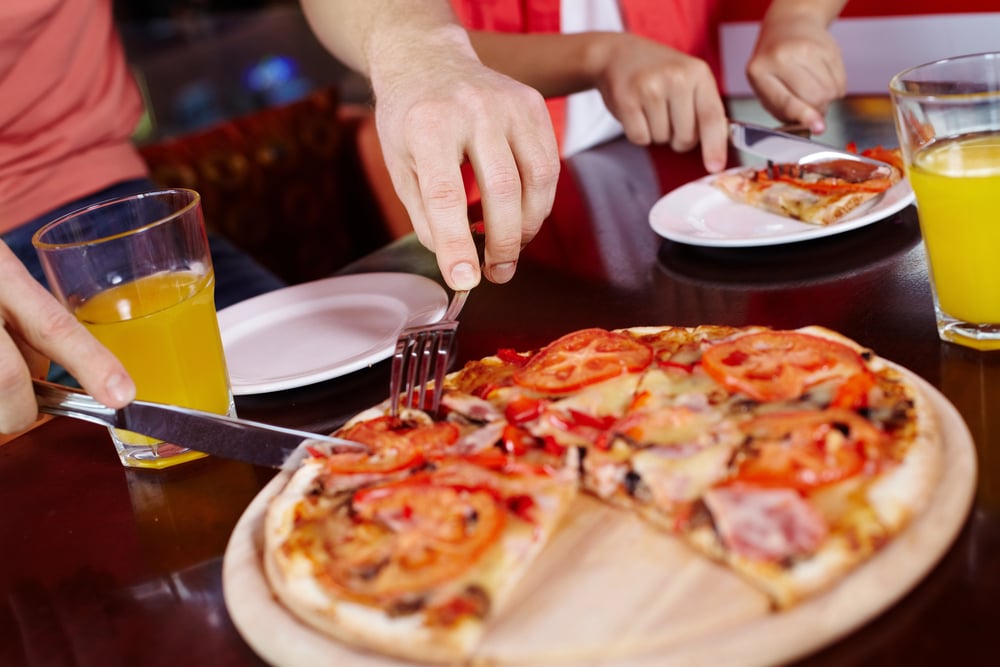
In conventional Italian restaurants, the American practice of taking a piece with your hands would cause concern. Usually, authentic Italian pizza is consumed with cutlery, slicing little pieces with a knife and fork instead of lifting triangular slices.
Especially with the thinner, less structured dough of traditional Italian pizza, this technique preserves the integrity of the toppings and avoids the mess that can result from hand-eating.
Refusing Food and Drink in Middle Eastern Countries

It is considered rude in many Middle Eastern cultures to decline food or drink when it is given. As a show of respect, hosts may offer drinks more than once, and visitors are expected to finally accept.
Before acceptance is proper, there may be multiple rounds of offer and refusal back and forth. Refusal is frequently seen as sincere disinterest rather than a courteous decline, demonstrating the host and guest’s respect for one another.
Like Go2Tutors’s content? Follow us on MSN.
Drinking from a Shared Cup in Georgia

In the country of Georgia, traditional feasts called ‘supras’ involve drinking wine from a communal vessel called a ‘kvevri.’ The designated toastmaster, or ‘tamada,’ leads elaborate toasts throughout the meal, and everyone drinks together from shared cups.
Declining to participate can be seen as refusing fellowship. This intimate custom can be particularly challenging for visitors concerned about hygiene.
Using Bread as a Utensil in Ethiopia

Ethiopian cuisine traditionally involves eating from a large communal platter using injera, a sourdough flatbread, instead of forks or spoons. Diners tear off pieces of injera and use them to scoop up stews and other dishes.
The bread serves both as your utensil and part of your meal. First-time visitors often struggle with the technique of gracefully picking up food without making a mess.
Eating Fruit with Knife and Fork in France

While Americans typically bite directly into apples or pears, many French diners peel and cut fruit into pieces before eating. Even bananas might be peeled and sliced on a plate rather than eaten directly from the peel.
This seemingly fussy approach comes from traditional French dining etiquette that emphasizes elegance and minimizing messiness at the table.
Like Go2Tutors’s content? Follow us on MSN.
Refusing Second Helpings in the Philippines

Filipino hosts show hospitality by continuously offering more food, and guests are expected to accept second or even third helpings. Refusing additional servings might suggest you didn’t enjoy the meal.
This can create uncomfortable situations for visitors trying to watch their portions or who are simply full but don’t want to appear rude.
Adding Fat to Tea in Tibet
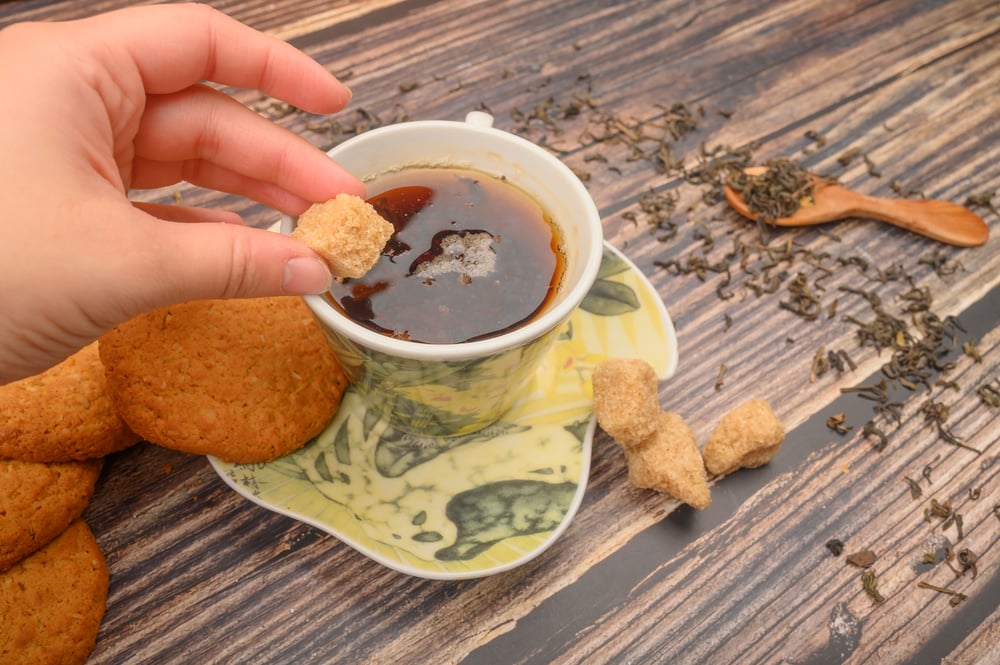
Tibetan butter tea, made with yak butter and salt, shocks many Western palates expecting the sweet, delicate flavor of conventional tea. This high-calorie beverage helps Tibetans maintain energy at high altitudes and in cold climates.
Visitors often struggle with both the unexpected savory flavor and the floating layer of fat that forms on top of the drink.
Eating on the Floor in Japan and Korea

Traditional dining in Japan and Korea often involves sitting on floor cushions at low tables. While this arrangement creates an intimate dining atmosphere, it can be physically challenging for those unaccustomed to sitting cross-legged for extended periods.
Proper posture and leg positioning during these meals require practice and flexibility that many Westerners find difficult to maintain through a lengthy meal.
Like Go2Tutors’s content? Follow us on MSN.
Never Passing Salt Hand-to-Hand in Russia

Russian superstition holds that passing salt directly from one person to another leads to conflict between those individuals. Instead, salt should be placed on the table for the other person to pick up.
This seemingly minor custom can create awkward moments when unsuspecting foreigners attempt to hand salt directly to their Russian dining companions.
Eating with Hands in India

Traditional Indian dining often involves eating without utensils, using only the right hand to scoop up food. There’s actually proper technique involved—food is gathered with the fingertips and pushed into the mouth with the thumb.
Many Westerners find themselves making a mess when attempting this skillful practice. The left hand, considered unclean, is kept away from the food entirely.
Spitting Fish Bones on the Table in China
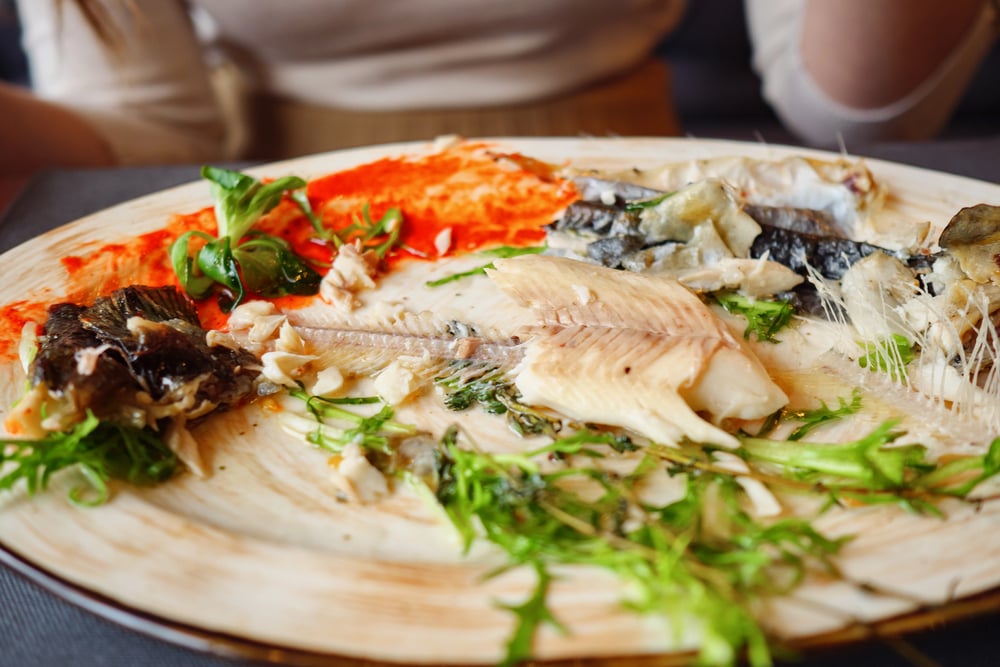
In casual Chinese dining settings, it’s perfectly acceptable to spit bones directly onto the table or a separate plate rather than discreetly removing them from your mouth with a napkin. This practical approach prioritizes enjoying whole fish dishes without the fuss of careful bone extraction.
Visitors often find themselves unsure where to place bones when no dedicated plate is provided.
Like Go2Tutors’s content? Follow us on MSN.
Leaving Food on Your Plate in Russia

Russian hospitality dictates that hosts continually refill empty plates, assuming you want more. To signal you’ve had enough, you should leave a small amount of food on your plate.
This custom creates a dilemma for visitors raised with ‘clean plate’ values, who might unintentionally signal readiness for another serving when they’re actually completely full.
The Cultural Feast Continues

These eating customs remind us that what we consider ‘normal’ at the dinner table is largely determined by cultural context rather than universal rules. What feels intuitive to someone raised in one tradition might seem completely foreign to another.
Understanding these differences doesn’t just prevent awkward dining moments—it offers fascinating insights into how societies express values like respect, appreciation, and community through food practices. Next time you travel, embracing these differences might just lead to your most memorable meals.
More from Go2Tutors!

- 18 Unexpectedly Valuable Collectibles You Might Have Lying Around
- 15 Things Every Teenager in the ’70s Did That Teens Today Wouldn’t Understand
- 15 Strange Things People Have Tried to Ban (And Failed)
- 15 Inventions That Were Immediately Banned After Being Created
- 20 Actors Who Were Almost Cast in Iconic Roles
Like Go2Tutors’s content? Follow us on MSN.