Celebrity Endorsements That Failed
Celebrity endorsements can make or break a brand. When they work, they create iconic partnerships that last decades.
When they don’t, well, companies lose millions and reputations crumble faster than you can say “damage control.” The relationship between brands and celebrities is built on trust, image alignment, and the hope that star power translates to sales.
But scandals, poor judgment, and tone-deaf campaigns have proven time and again that even the biggest names can become liabilities overnight. Here is a list of 15 celebrity endorsements that spectacularly failed.
Lance Armstrong and Nike

Lance Armstrong lost his Nike endorsement deal in October 2012 after the U.S. Anti-Doping Agency released extensive evidence of his participation in a doping conspiracy. In a single day, Armstrong lost eight sponsors as companies scrambled to distance themselves from the cycling legend.
Nike cited “seemingly insurmountable evidence” when terminating their contract with Armstrong, who had been with the company since 1996. The fallout extended beyond endorsements—Armstrong was stripped of his seven Tour de France titles and banned from competitive cycling for life.
Kendall Jenner and Pepsi

Pepsi pulled its 2017 advertisement featuring Kendall Jenner just one day after release following massive backlash. The ad showed Jenner leaving a photo shoot to join a protest march and handing a police officer a Pepsi, seemingly resolving tensions.
Critics accused the company of trivializing the Black Lives Matter movement and exploiting activism for commercial gain. The controversy caused Pepsi’s purchase consideration among millennials to drop from 27% to 24% in just three months.
Pepsi apologized and removed all content, but the damage to their brand perception lingered for years.
Tiger Woods and AT&T

Tiger Woods lost approximately $22 million in endorsements when his extramarital affairs became public knowledge. AT&T severed ties with the golfer when news of his infidelity surfaced, and it wasn’t the only company to do so.
Woods had been one of the highest-paid athletes in endorsement deals, but sponsors found him unpalatable after the scandal. While Nike stuck with him, many other brands walked away from what had been one of the most lucrative endorsement portfolios in sports history.
Michael Vick and Nike
Michael Vick lost endorsements from Rawlings even before his conviction on dog fighting charges, and Nike cut ties two days after his indictment. Reebok pulled Vick jerseys from retail shelves, and Upper Deck removed his autographed memorabilia from its online store and card sets.
The dog fighting scandal permanently damaged Vick’s reputation with much of the American public. Though he eventually returned to football and regained some endorsements years later, the immediate fallout was devastating.
O.J. Simpson and Hertz

O.J. Simpson fronted commercials for Hertz rental cars throughout the 1970s in a deal reportedly worth $550,000 per year. The partnership came to an abrupt end in 1992 when reports of domestic abuse between Simpson and his ex-wife Nicole Brown Simpson first surfaced.
Two years later, Simpson was arrested for the murder of his ex-wife and her friend Ronald Goldman. While he was found not guilty in criminal court, the Hertz endorsement deal was long gone, and Simpson became one of the most controversial figures in American history.
Kate Moss and Burberry
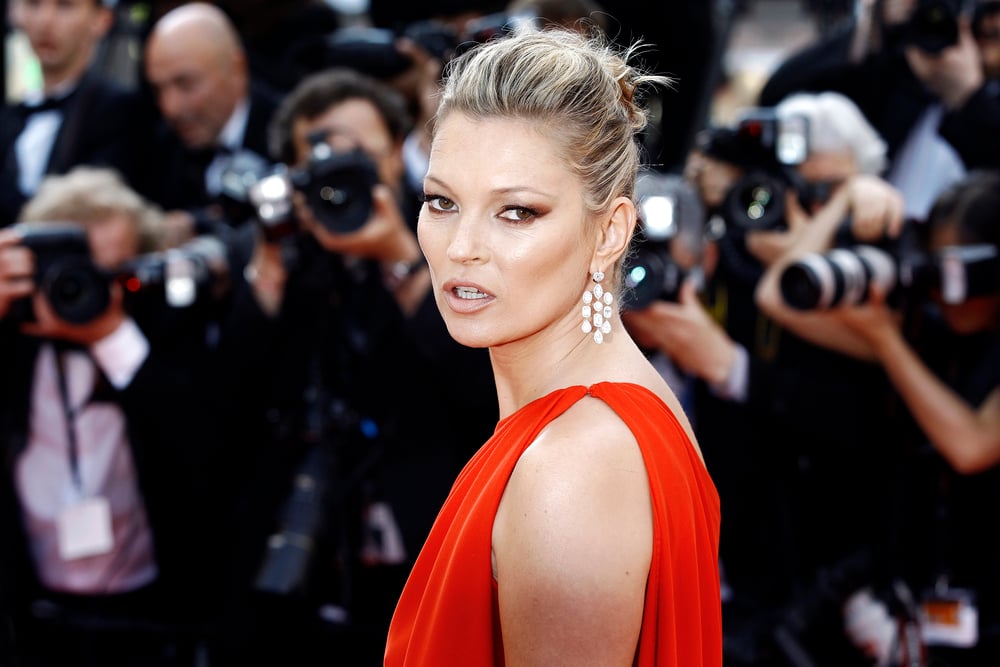
Kate Moss had lucrative deals with Burberry and Chanel that ended in September 2005 due to alleged drug use. Both companies dropped the supermodel after photographs of Moss using illegal substances ran in a London newspaper.
H&M also canceled its campaign with Moss, and several other brands followed suit. The supermodel acknowledged and apologized for her behavior, but the immediate damage to her endorsement portfolio was substantial.
Jared Fogle and Subway

Subway’s partnership with Jared Fogle, who served as the face of the brand and its weight-loss success story, ended when Fogle was implicated in serious criminal charges. Subway immediately severed ties with Fogle, but the damage to their brand reputation was significant.
The case highlighted the importance of thorough background checks and the potential consequences of overlooking warning signs. Subway spent years trying to distance itself from the association and rebuild consumer trust.
Kanye West and Adidas
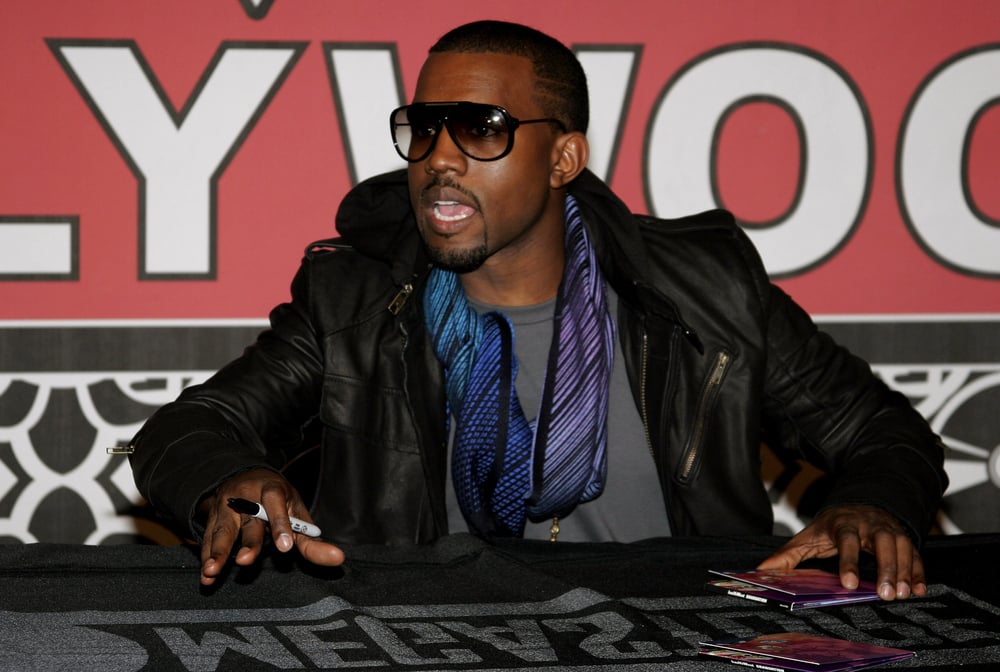
Kanye West’s anti-Semitic remarks led to public outrage and prompted Adidas, Gap, and others to sever legally-binding ties with the rapper. The consequence was a ruthless slashing of West’s net worth after multiple major brands cut their partnerships.
Adidas, which had one of the most profitable celebrity shoe lines with West’s Yeezy brand, walked away from hundreds of millions in potential revenue. The company stated it would not tolerate hate speech and took the financial hit to protect its values.
Johnny Depp and Disney

Disney refused Johnny Depp his role as Jack Sparrow in the sixth Pirates of the Caribbean film around the time of domestic abuse allegations, causing him to lose out on a reported $22.5 million payday. Warner Bros also asked him to step down from his role in the Fantastic Beasts franchise.
Though Depp later won a defamation trial against his ex-wife Amber Heard and public opinion shifted in his favor, the immediate fallout from the allegations cost him multiple lucrative roles and endorsement opportunities.
The Kardashians and MasterCard

The Kardashian sisters launched the Kardashian Kard, a prepaid MasterCard aimed at teenagers, but the card was loaded with large fees targeted at financially inexperienced young adults. Connecticut Attorney General Richard Blumenthal criticized the card’s predatory structure, and the Kardashians pulled the partnership within a month.
The failed endorsement reportedly cost them between $40 million and $60 million combined. It remains one of the most embarrassing product launches associated with the family.
Bode Miller and Visa

Bode Miller entered the 2006 Winter Olympics with magazine covers and $4 million in combined endorsements, including deals with Visa and Italian pasta company Barilla. Miller developed a reputation as a partier at the Olympic Games and failed to win a single medal, which drew negative headlines.
His interview with 60 Minutes, where he discussed trying to ski while intoxicated, didn’t help matters. The damage to his brand was immediate, and sponsors quickly lost interest in associating with him.
Hulk Hogan and Ultimate Grill

Hulk Hogan’s endorsement of the Ultimate Grill, which launched in 2008, failed to reach the success of George Foreman’s similar product. The indoor grill had a habit of setting fire to cooking oil sprays when heating up, which caused a product recall.
Unlike Foreman’s wildly successful grilling machine, Hogan’s version became known more for safety issues than for cooking capabilities. The partnership ended quietly, with the product disappearing from shelves.
Will Smith and Fast and Loose
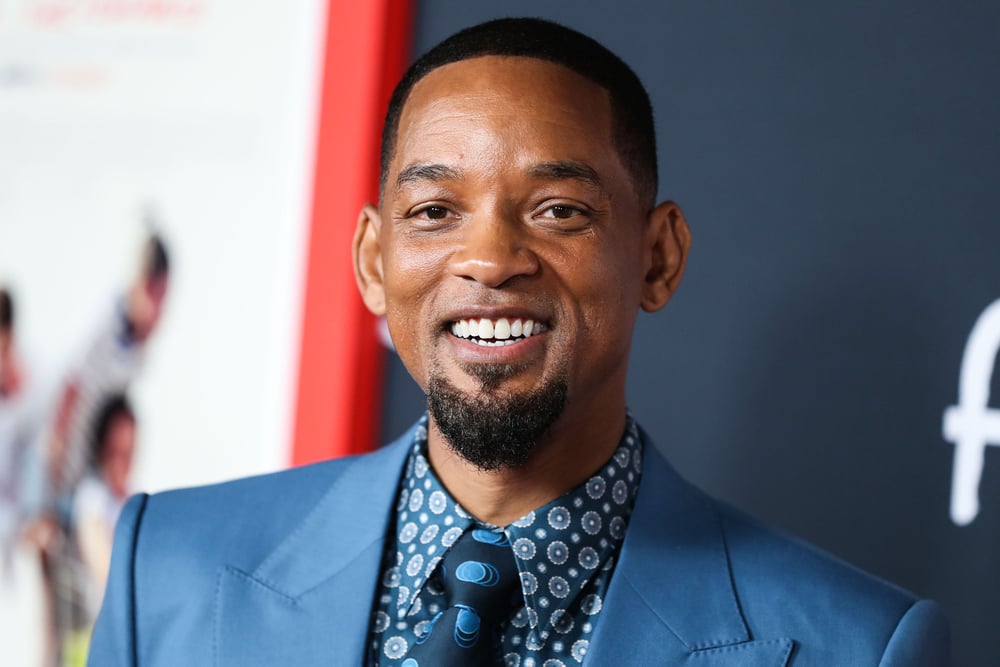
Will Smith’s film Fast and Loose stalled and was put on the back burner following his incident at the Oscars ceremony. Smith’s public reputation took a hit after the widely televised altercation, affecting his upcoming productions and brand partnerships.
The actor’s Q score dropped significantly, and companies became hesitant to associate with him during the immediate aftermath. While he continued working, the incident demonstrated how quickly public perception can shift and impact endorsement opportunities.
Dylan Mulvaney and Bud Light

Bud Light’s endorsement featuring Dylan Mulvaney resulted in sales falling to their lowest point in 24 years, reducing Anheuser-Busch’s value by $4 billion. A year later, Anheuser-Busch still hadn’t recovered from the controversy despite attempts at rebranding and new advertising campaigns.
The product featuring Mulvaney wasn’t even for sale—it was a one-off item sent to her for Instagram. Nevertheless, the backlash was immediate and sustained, with some consumers launching boycotts that significantly impacted sales figures.
David Beckham and Brylcreem

Brylcreem made David Beckham the face of its male grooming products in the late 1990s, but then Beckham shaved his head completely. The brand scrambled to adjust its messaging as Beckham’s personal style change clashed directly with the product they were selling.
Sales dipped as the endorsement lost its relevance—it’s hard to sell hair gel when your spokesperson doesn’t have any hair to gel. The partnership ended soon after, serving as a reminder that celebrity image changes can derail even the most logical brand partnerships.
The Aftermath of Failed Endorsements

Celebrity endorsements remain a gamble that can deliver extraordinary returns or catastrophic losses. The examples above show that scandals, poor judgment, and misaligned values cause the fastest crashes, but even innocent missteps like a bad haircut can derail million-dollar deals.
Companies have learned to include morality clauses in contracts and conduct more thorough vetting, yet failures still happen. The lesson is clear: star power only works when the star’s image remains untarnished, and in today’s social media landscape, that’s harder than ever to maintain.
More from GMore from Go2Tutors!

- The Romanov Crown Jewels and Their Tragic Fate
- 17 Halloween Costumes Once Considered Taboo
- Famous Hoaxes That Fooled the World for Years
- 15 Child Stars with Tragic Adult Lives
- 16 Famous Jewelry Pieces in History
Like Go2Tutors’s content? Follow us on MSN.



