Objects Floating Endlessly in Orbit
High above us, an unseen pileup grows slowly over time. Each day brings another batch of over three thousand working satellites looping around the world, handling jobs like guiding vehicles or tracking storms.
Tagging alongside them are broken machines and scattered pieces – some large, others no bigger than a pen. They float without purpose, spinning through space year after year.
This clutter shows what people can build when they aim high – but also how easily we leave things behind. Still, all those circling bits up there aren’t safe.
Each object, tiny or large, moves insanely fast – racing past at more than 17,000 mph. Hitting one while flying that quick might splinter it into countless new shards, sparking a chain reaction that piles risk on top of risk in busy orbital paths.
How did space get filled with these drifting leftovers? What kind of threat do they really carry?
The view overhead holds way more traffic than nearly anyone thinks.
The Early Days of Orbiting Objects

The story begins in 1957, when the Soviet Union launched Sputnik 1, the first artificial satellite to circle Earth. At just 184 pounds, it was tiny by modern standards, but it marked the start of an era in which humanity began to populate the skies.
Within a few years, both the United States and the USSR were sending satellites, probes, and experimental spacecraft into orbit. These early missions laid the foundation for the vast network of objects that now surround our planet.
Many satellites were eventually retired or abandoned in orbit. Back then, the idea of managing space debris wasn’t a pressing concern—space was vast, and a few satellites seemed harmless.
Over time, however, these abandoned objects accumulated, forming the beginning of the orbital clutter we contend with today. Some early launches ended in spectacular failure, leaving rocket stages and satellite fragments scattered across orbit.
For instance, the launch of Vanguard TV3 ended in an explosion just after liftoff in 1957, sending debris into unpredictable trajectories. Even the iconic Hubble Space Telescope, despite its success, required repeated repair missions to keep it operational, highlighting the need for human oversight in the orbital environment.
The Explosion of Space Debris

Today, the number of objects in orbit has grown exponentially. According to NASA, there are over 30,000 pieces larger than four inches and more than 128 million smaller fragments that are tracked or estimated to exist.
Rocket stages, defunct satellites, and fragments from collisions create a chaotic environment, sometimes referred to as the space equivalent of a junkyard. Even tiny pieces of debris can pose major risks.
A shard no bigger than a marble can punch a pit through a satellite or spacecraft, thanks to the extreme speeds involved. That’s why astronauts aboard the International Space Station (ISS) and satellite operators on Earth constantly monitor orbital traffic to avoid catastrophic collisions.
Some incidents have made headlines for their dramatic consequences. In 2009, an inactive Russian satellite collided with an operational Iridium communications satellite, producing thousands of new debris fragments.
Such events underscore that orbiting objects are not static—they interact in unpredictable ways, creating challenges for operators and engineers alike.
Tracking the Endless Traffic
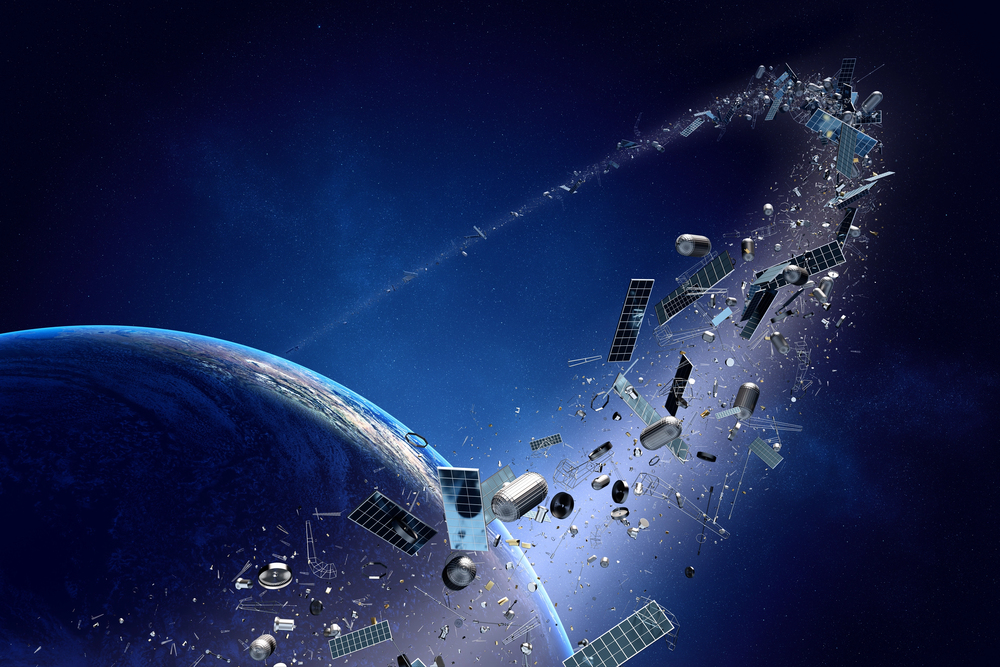
Managing these orbiting objects requires constant vigilance. Organizations like NORAD, ESA, and NASA track thousands of satellites and debris fragments, predicting potential collisions with ever-improving precision.
Radar and telescopic monitoring allow operators to adjust satellite paths or plan evasive maneuvers for the ISS. Still, the task is daunting.
With thousands of objects moving at breakneck speeds in multiple orbits, even a minor miscalculation can have serious consequences. Satellite operators often rely on automated systems and predictive algorithms to ensure safety, but the reality is that no system can perfectly manage the chaos above.
Each object adds to a growing network of orbital traffic that must be monitored 24/7. Tracking is a science in itself.
The U.S. Space Command maintains a database of orbital objects, constantly updating predictions based on gravitational interactions, solar winds, and other factors that can subtly alter trajectories. Even the tiniest miscalculation can send an object hurtling into the path of another at thousands of miles per hour.
Technologies to Manage Orbital Hazards
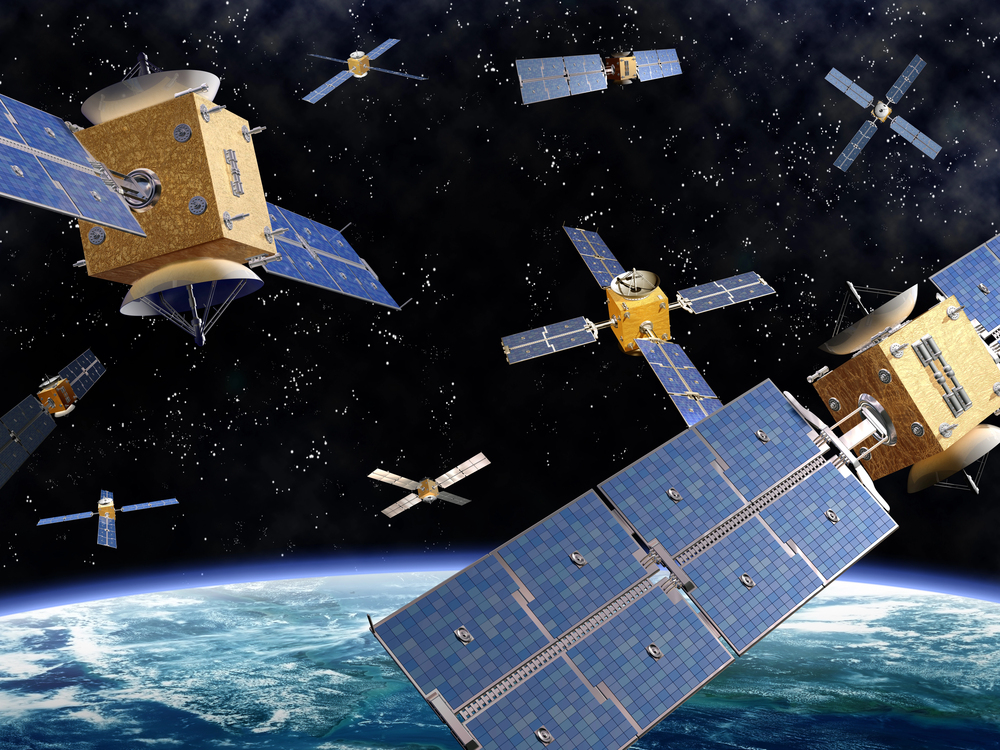
Scientists and engineers have devised a surprising range of strategies to address the orbital clutter problem. Some proposals involve capturing large debris with robotic arms or nets, while others suggest using lasers to gently nudge fragments out of critical orbits.
Satellites themselves can be equipped with deorbiting systems to ensure they don’t remain in orbit indefinitely. Experimental solutions are increasingly creative.
Japanese engineers tested an electrodynamic tether capable of gradually pulling satellites out of orbit without fuel. European teams have proposed harpoon systems that latch onto larger debris, and private companies are exploring drag sails that can slow satellites to accelerate re-entry.
These approaches combine ingenuity with necessity, reflecting a growing recognition that orbital space is a shared resource that cannot be left unmanaged. On the other hand, implementing these solutions on a large scale is a complex and costly challenge.
International coordination is required, since debris in one nation’s orbit can easily affect another’s satellites. Despite the hurdles, research into active debris removal continues to advance, offering hope that the sky will remain navigable for future generations of spacecraft.
The Impact on Future Space Exploration
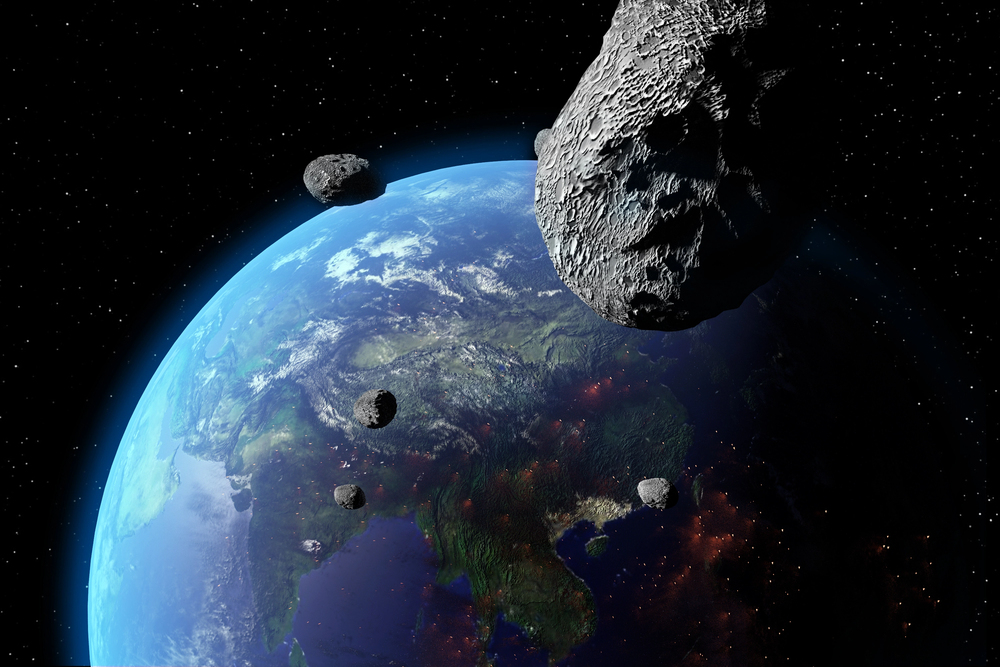
The abundance of orbiting objects isn’t just a technical concern—it has implications for humanity’s future in space. Satellite constellations, like SpaceX’s Starlink, promise global internet coverage but add thousands of additional objects into already crowded orbits.
Even routine activities, such as resupplying the ISS or launching weather satellites, must account for the ever-present risk of collisions. Moreover, missions beyond Earth orbit must consider debris when planning trajectories through low Earth orbit.
Lunar missions, Mars probes, and other deep-space ventures all pass through regions dense with orbital traffic, increasing the stakes for careful planning. The more cluttered these regions become, the greater the risk of losing expensive equipment or endangering human life.
Space exploration now requires careful choreography, as if every launch is a dance amid a vast, invisible maze of floating objects. Commercial ventures into space tourism and mining are also entering the conversation.
Companies envision orbital hotels, lunar mining stations, and asteroid ventures—all of which must navigate an increasingly complex orbital environment. What was once the domain of governments now involves private companies whose activities will further shape the future of orbital management.
Cultural and Philosophical Reflections
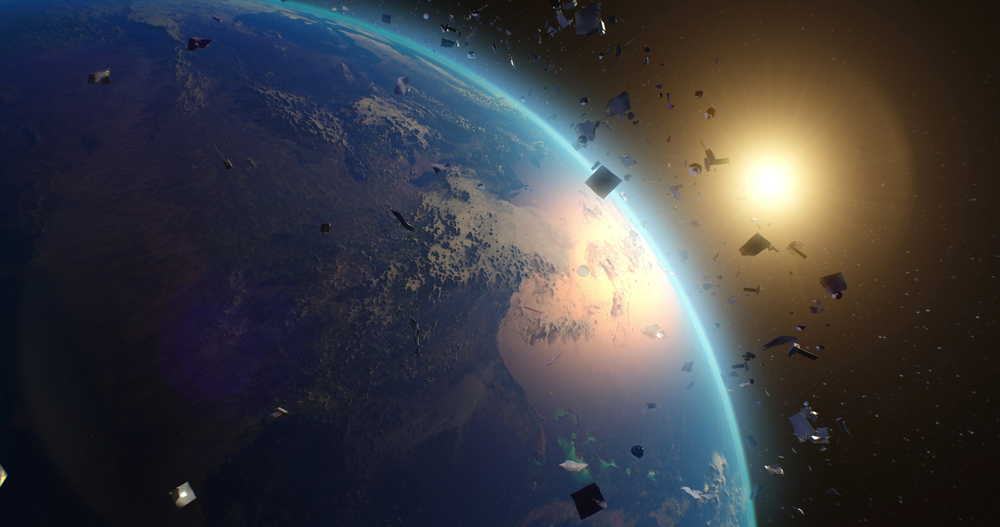
Beyond the technical and practical issues, these objects floating endlessly above us carry a subtle symbolic weight. They reflect humanity’s ingenuity and ambition, marking achievements that span from the first Sputnik to today’s sprawling satellite networks.
Yet they also serve as reminders of our unintended consequences—a quiet, orbiting archive of human activity and impermanence. Even so, there’s a strange beauty in this celestial clutter.
Science fiction often imagines a future where orbiting debris poses dramatic obstacles, yet even in reality, these fragments tell stories of exploration, ambition, and risk. They are both monuments to progress and cautionary markers, showing that every technological leap leaves traces that linger long after the mission is complete.
These orbiting objects have inspired artists, writers, and filmmakers to consider human presence beyond Earth. They feature in novels as obstacles, in documentaries as proof of human innovation, and in photography as glints of metal circling our planet.
They invite reflection on our responsibility and our reach—a reminder that our actions resonate not just on Earth, but in the skies above.
Why It Still Matters

The crowded orbits above our planet aren’t just a curiosity—they’re a pressing concern for science, safety, and the future of space exploration. Each floating object represents both a triumph and a challenge, a testament to human achievement tempered by the need for responsibility.
As we look up at the night sky, it’s easy to forget that many points of light are not stars but machines, silently circling the globe, sometimes for decades. The legacy of these orbiting objects reminds us that every technological step carries consequences and that careful planning is essential to preserving the opportunities of tomorrow.
With awareness, innovation, and cooperation, humanity can continue to explore space without turning the heavens into a congested junkyard. The story of these orbiting objects is ongoing, a quiet reminder that what we send skyward often outlives us, waiting to be managed, understood, and respected.
More from Go2Tutors!

- The Romanov Crown Jewels and Their Tragic Fate
- 13 Historical Mysteries That Science Still Can’t Solve
- Famous Hoaxes That Fooled the World for Years
- 15 Child Stars with Tragic Adult Lives
- 16 Famous Jewelry Pieces in History
Like Go2Tutors’s content? Follow us on MSN.