Viral TikTok Challenges That Went Way Too Far
Most TikTok challenges are harmless. Someone starts a dance, millions of people copy it, and by the following week everyone’s moved on to something else.
That cycle repeats constantly, and the vast majority of it is just people having fun on their phones. But every so often, a challenge spreads that was never safe to begin with — or one that started innocently and got pushed to a place nobody should have followed.
Some caused serious injuries. Some caused deaths.
And TikTok’s algorithm, built to surface whatever is getting the most engagement regardless of what it contains, turned out to be very good at amplifying the wrong things very quickly. These are the challenges that crossed the line — some dramatically, some fatally.
The Blackout Challenge

This is the most serious entry on this list and the one that ended with the highest number of confirmed deaths. The challenge involved cutting off oxygen to the brain until the point of passing out, filmed and posted for views.
The “high” lasted seconds. The risk was permanent brain damage or death.
Multiple children and teenagers died attempting it, some as young as nine years old. Families sued TikTok directly, arguing the algorithm had actively pushed the content to minors.
Courts in several countries took these cases seriously. TikTok maintained the challenge did not originate on its platform, which was true — but the platform’s recommendation system had served it directly to children who had never searched for it.
The Skull Breaker Challenge

The Skull Breaker Challenge required three people. Two of them were in it. The third was not.
The two on the outside would jump, and when the person in the middle jumped to join them, they would kick their legs out from underneath them, sending them crashing straight down onto the back of their head.
It spread through early 2020 and produced a wave of serious injuries. Concussions, fractures, and at least one reported case of a teenager left in a critical condition after the fall.
The cruelty was baked in from the start — it only worked if the person in the middle didn’t know what was coming. Schools across the US, UK, and Latin America sent warning letters home to parents within weeks of it going viral.
The Benadryl Challenge
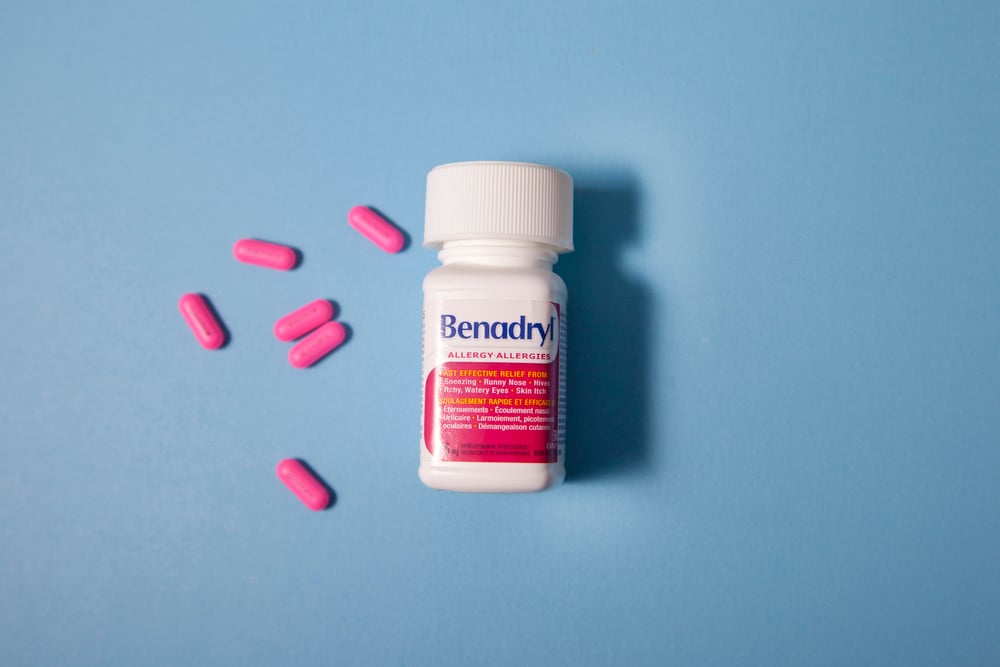
The Benadryl Challenge encouraged teenagers to take large quantities of the over-the-counter antihistamine diphenhydramine to induce hallucinations, then film the experience. The idea circulated in mid-2020 and resulted in multiple hospitalisations and at least one confirmed death.
The US Food and Drug Administration issued a formal warning. Pharmacies in some areas moved the product behind the counter or added purchase limits.
The challenge highlighted something specific about how platform virality works: by the time a warning is issued and content is removed, the challenge has already reached millions of people and the damage is done.
The Fire Challenge
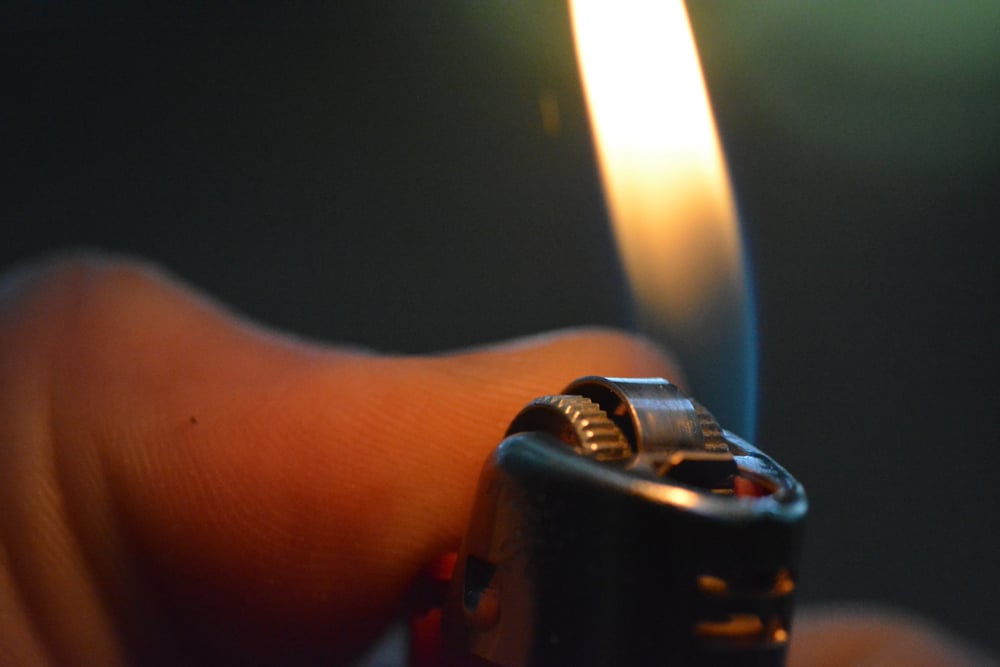
The Fire Challenge predates TikTok — it circulated on YouTube and Facebook for years — but it found a new audience on the platform and spread to a new generation of participants. The format involved setting part of the body alight, usually after applying a flammable liquid, and jumping into water or extinguishing the flames quickly.
It did not always go quickly. Burn injuries from this challenge filled emergency rooms repeatedly across multiple years. Doctors treating the victims described the injuries as severe, covering large portions of the body in some cases, requiring skin grafts and months of recovery.
The challenge kept resurfacing regardless of how many times platforms removed it.
The Milk Crate Challenge

The Milk Crate Challenge was physical rather than chemically dangerous, but the physics of it made serious injury almost certain for anyone who didn’t nail the dismount. Participants stacked milk crates into a pyramid shape and attempted to walk up one side and down the other.
The crates were unstable by nature. The falls were spectacular and terrible.
Orthopedic surgeons took to social media in August 2021 to warn specifically about the types of injuries they were seeing — broken wrists from catching falls, torn ligaments, fractured arms and shoulders. TikTok eventually removed the content under its safety policies.
The videos had already been viewed hundreds of millions of times.
The NyQuil Chicken Challenge

Also known as “Sleepy Chicken,” this challenge involved cooking raw chicken in NyQuil — the cold and flu medication — and eating it. The premise was presented as a recipe.
The reality was that heating the medication caused its active ingredients to concentrate and become far more potent than a standard dose. The FDA issued a public warning in late 2022 explicitly about this challenge, noting that inhaling the vapours during cooking alone could cause harm to the lungs, even before anyone ate the result.
The challenge appeared to be at least partly ironic in origin — a joke about terrible cooking — but enough people attempted it seriously that health authorities felt the need to respond officially.
The Salt and Ice Challenge

The Salt and Ice Challenge involved pressing salt and ice together against bare skin to see how long you could hold it. The combination rapidly drops the temperature at the contact point to well below freezing, causing something close to frostbite within seconds.
The longer you hold it, the worse the damage. It spread primarily among younger teenagers and produced burns that looked and behaved like chemical burns — blistering, scarring, and in serious cases requiring medical treatment. It was popular partly because the initial pain was delayed, which made participants underestimate how much damage was being done until it was too late.
The Outlet Challenge

This one involved inserting a phone charger partway into a wall outlet, leaving the prongs partially exposed, and then sliding a coin across them to complete the circuit. The result was sparks, electrical surges, and in multiple documented cases, house fires and serious burns.
Schools sent home warnings. Electricians posted videos explaining exactly why the physics made this extremely dangerous.
The challenge spread fastest among middle schoolers, and several US school districts reported students attempting it on school property. The electrical damage to outlets and walls required repairs in a number of schools where it was attempted.
The Dry Scooping Challenge
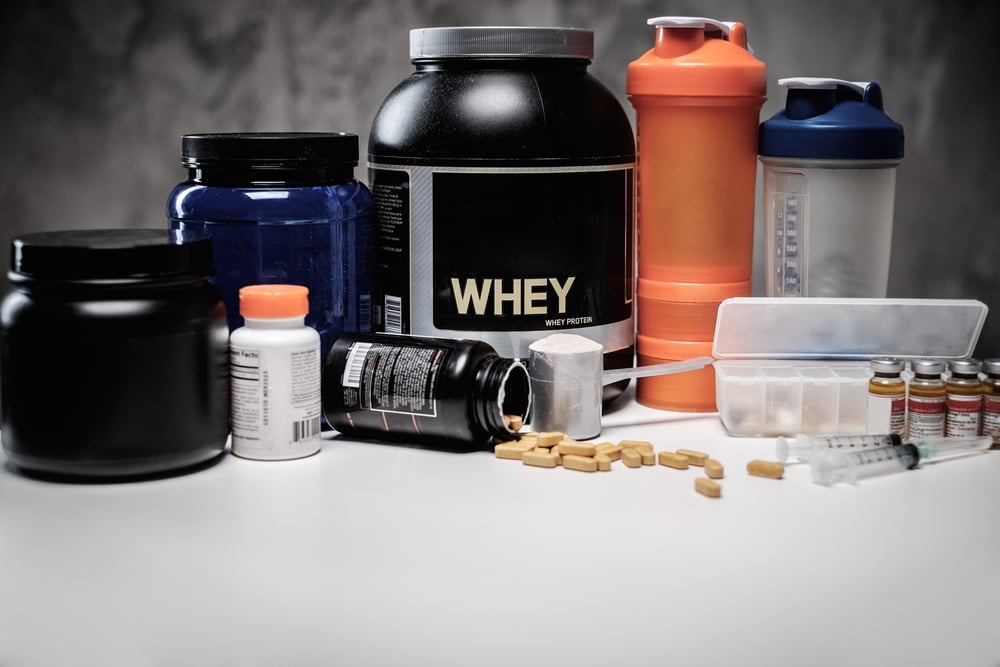
Dry scooping involved taking a full scoop of pre-workout powder — normally dissolved in water before drinking — and swallowing it dry. Pre-workout supplements contain large amounts of caffeine, sometimes the equivalent of several cups of coffee in a single scoop.
One participant, a 20-year-old fitness content creator, had a heart attack during or shortly after attempting the challenge on camera. She survived and documented her recovery.
Other participants reported racing heart rates, chest pain, and choking on the powder. The challenge illustrated how a product designed for safe use in small amounts becomes dangerous when the delivery method is changed entirely.
Devious Licks
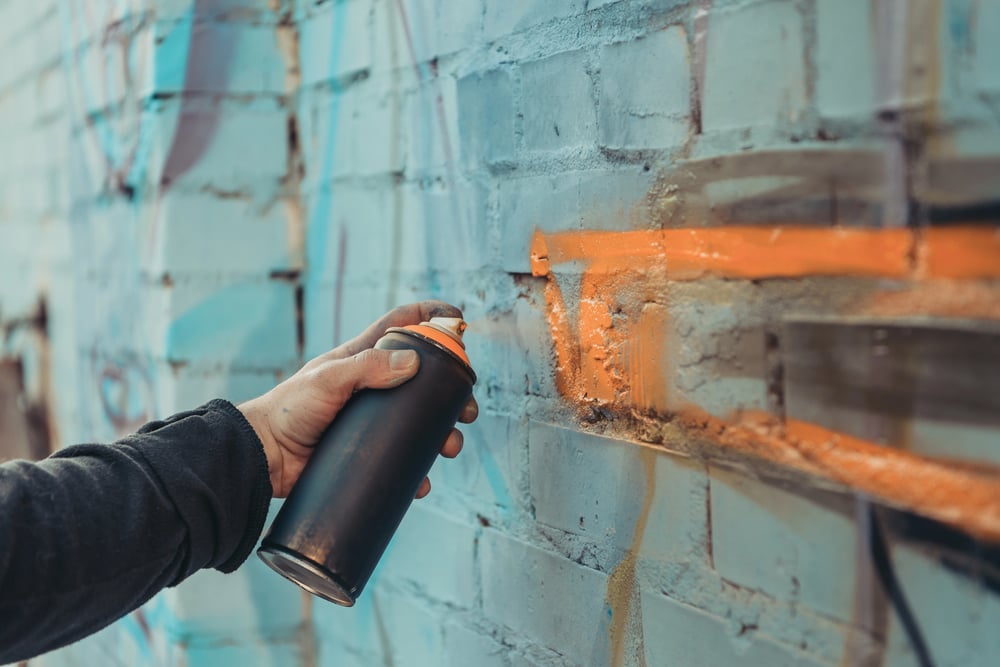
Devious Licks was different from the others. Nobody got hurt — at least not physically. The challenge involved stealing or vandalising items from school bathrooms and filming the result: soap dispensers ripped from walls, mirrors smashed, toilets damaged beyond use.
The more dramatic the destruction, the more engagement the video received. It spread extremely fast in the autumn of 2021 and caused genuine disruption.
Schools locked the bathrooms entirely, forcing students to request supervised access. Repair costs ran into the tens of thousands of dollars at affected schools.
Some students faced criminal charges. TikTok removed the original content and banned the related hashtag.
The challenge was back within days under different search terms.
The Gorilla Glue Challenge

After a woman posted a video explaining that she had used Gorilla Glue spray in her hair instead of a holding product and couldn’t remove it, a small number of people intentionally replicated the experience as a challenge. Industrial-strength adhesive, applied directly to hair.
The original poster required hospital treatment to remove the adhesive without causing further damage. The process took hours and included a medical-grade solvent.
The people who did it deliberately for content required similar interventions. A plastic surgeon offered his services for free to treat the original poster, which itself became a news story.
The whole episode moved from sympathy to bafflement to alarm within about 72 hours.
The Penny Challenge

The Penny Challenge was a variation on the Outlet Challenge. Rather than using a coin to bridge a partially inserted charger, this version involved dropping a coin directly into a power outlet, or bridging an outlet with a coin after removing a plug partially.
The electrical risk was the same — sparks, surges, fire — and it spread through many of the same age groups. Fire departments in the US and UK published warnings with photos of the damage caused: scorched outlets, melted coins, and blackened walls.
Several house fires were attributed to the challenge, though establishing a direct link was complicated by the fact that people who had caused accidental fires were not always forthcoming about how it started.
The Cha-Cha Slide Challenge

This one sits at the lighter end of this list, but it caused genuine road danger. The challenge involved the driver of a moving car responding to the instructions in DJ Casper’s Cha-Cha Slide — sliding left, sliding right, stomping — while the car was in motion.
Passenger-filmed videos of drivers swerving on roads circulated widely. Nobody wanted to be the person who pointed out how obviously dangerous this was, but police departments across the US did exactly that after a number of near-misses and at least one reported collision.
The challenge was low in perceived stakes because the song is cheerful and the movements are small. Vehicles on public roads are not the right venue for small, cheerful movements.
The Cheese Challenge

The Cheese Challenge was the closest thing to purely harmless on this list, which is why it belongs here — as a reminder that not all of these started with bad intentions. Parents threw slices of processed cheese at their babies, filmed the reaction, and posted it.
The babies looked confused. The internet found it funny.
Paediatricians raised concerns about throwing objects at infants’ faces, even soft ones, and about the normalisation of filming babies’ distress for engagement. The challenge wasn’t dangerous in the way the others were.
But it was one of the earlier examples of a pattern that would repeat: content involving children performing for reactions, with the reactions being the product and the child being the prop.
The Blackout That Follows the Flash

Most of these problems share something deeper than where they appear or how they spread. Speed ties them together. One post might spark a chain reaction – sweeping through screens, racking up views, landing teens in hospitals – all before officials issue a single alert.
By the time platforms take down content, the wave has moved on. Grownups and classrooms? They’re still catching breath while the harm takes root.
A handful of those stunts aimed straight to harm, built with clear intent to wound the target. Still others? Wild notions that spread before their creators could blink.
Then there were the ones nobody saw coming – harmless acts that somehow twisted beyond control. Risk, social nudges, craving eyes on you – none invented by the app.
Yet it carried each further, faster, deeper than any force ever had, landing in pockets everywhere without asking. Still moving fast.
Just paused, ready for what comes next.
More from Go2Tutors!

- The Romanov Crown Jewels and Their Tragic Fate
- 13 Historical Mysteries That Science Still Can’t Solve
- Famous Hoaxes That Fooled the World for Years
- 15 Child Stars with Tragic Adult Lives
- 16 Famous Jewelry Pieces in History
Like Go2Tutors’s content? Follow us on MSN.