Lakes Located Inside Volcanic Craters
Volcanoes don’t always erupt in fire and destruction. Sometimes they create something unexpected instead: beautiful lakes sitting quietly in their craters.
These bodies of water form when rain, snow, and underground springs fill the bowl-shaped depression left behind after a volcano finishes its violent work. Some of these lakes sparkle blue and clear while others bubble with deadly gases trapped beneath the surface.
They exist on every continent except Antarctica, ranging from tiny puddles to massive bodies of water that could swallow entire cities. Each crater lake tells a story of destruction followed by creation, violence followed by peace.
The lakes that sit inside volcanic craters aren’t just pretty to look at. They come with science that can surprise anyone.
Crater Lake in Oregon
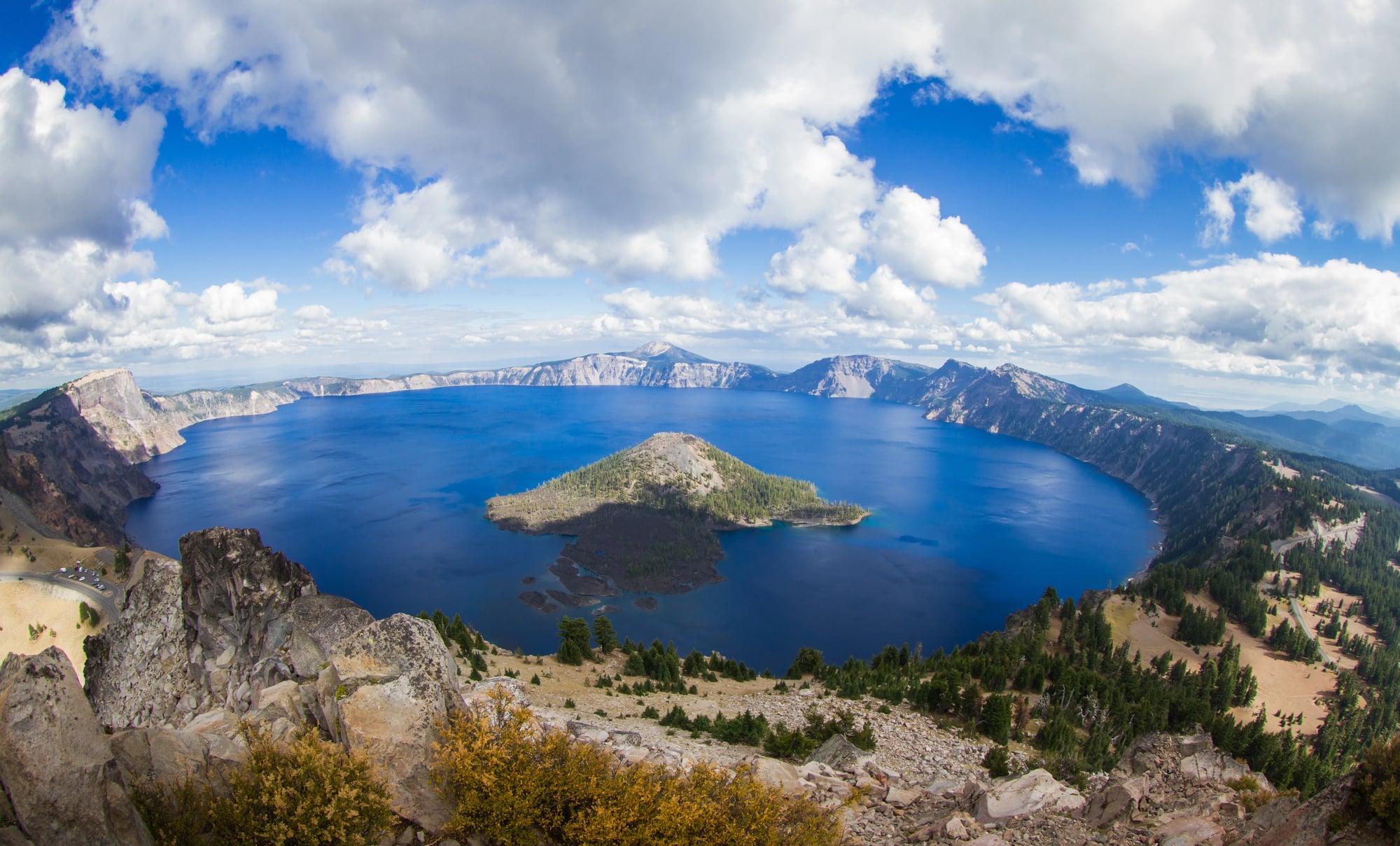
Crater Lake sits inside what used to be Mount Mazama in Oregon. About 7,700 years ago, Mount Mazama erupted with such force that its top collapsed inward, creating a crater over six miles wide.
Rain and snow filled this depression over hundreds of years, creating what’s now the deepest lake in the United States at around 1,950 feet deep. The water is so pure and clear that objects 100 feet below the surface stay visible.
No rivers feed into or flow out of Crater Lake, which helps keep it crystal clean. The only way water enters is through rain and snow, while water leaves through evaporation and seepage.
Lake Toba in Indonesia
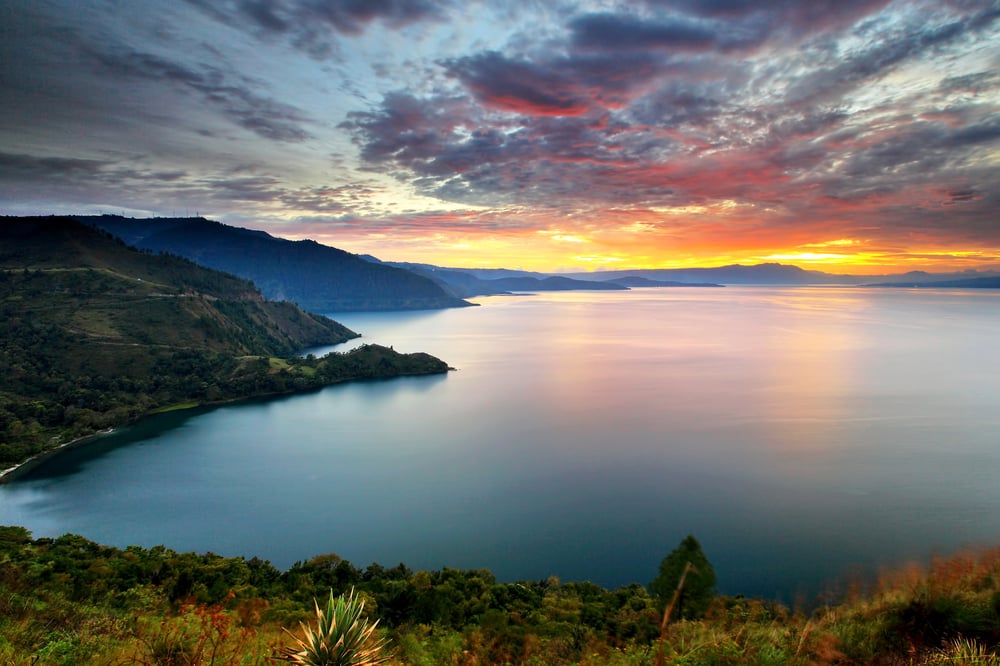
Lake Toba holds the record as the largest volcanic lake on Earth, stretching about 62 miles long and 19 miles wide. This massive body of water formed after an absolutely gigantic eruption around 75,000 years ago that nearly wiped out the human species.
Scientists estimate that the eruption released 2,800 cubic kilometers of material into the atmosphere. The blast was so powerful that it likely caused a volcanic winter that lasted years.
Today, the lake is peaceful and contains Samosir Island in its center, formed when the caldera floor slowly pushed upward from magma pressure below.
Lake Nyos in Cameroon
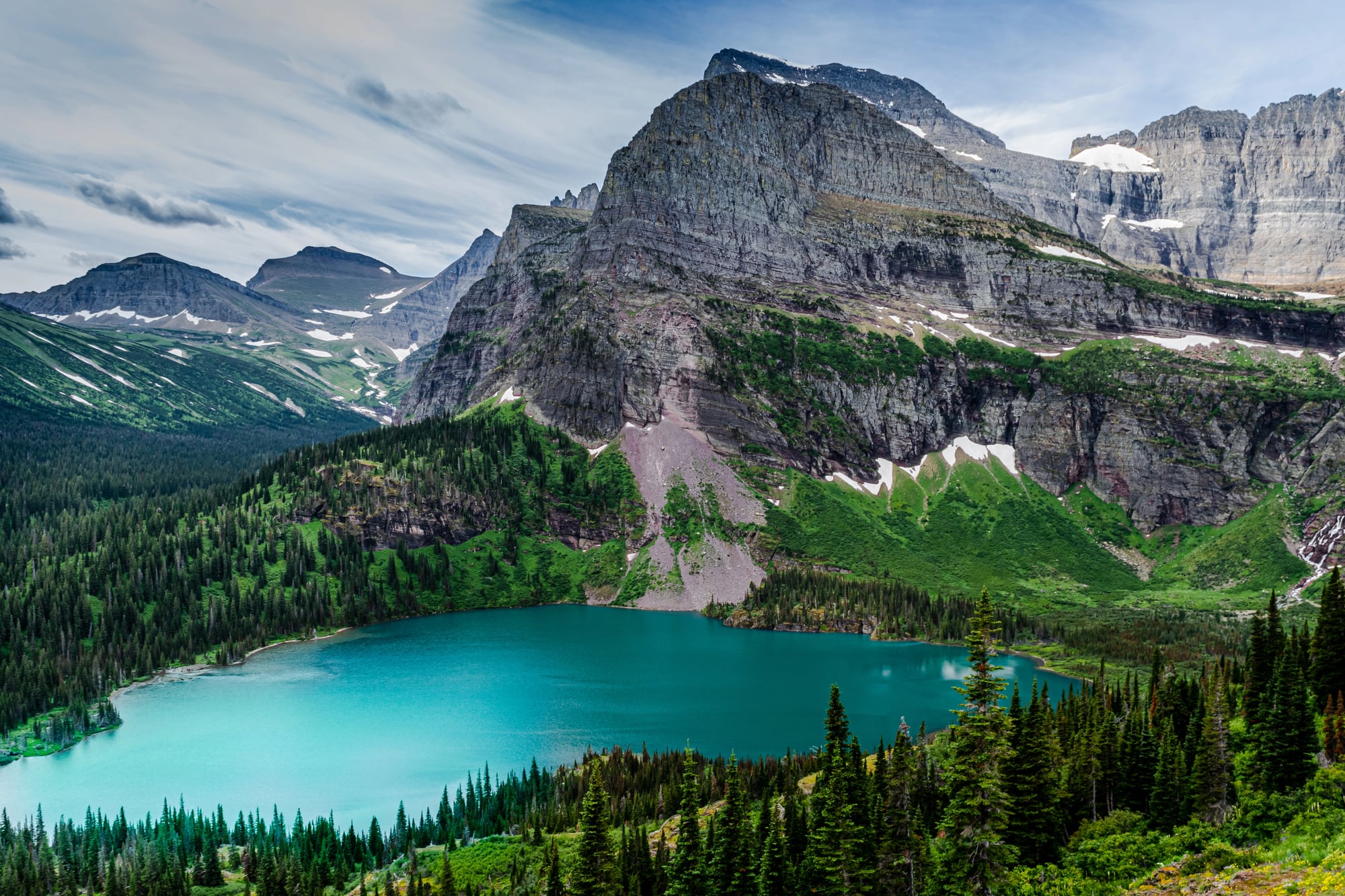
Lake Nyos looks harmless but hides a deadly secret beneath its surface. On August 21, 1986, this crater lake suddenly released a massive cloud of carbon dioxide that hugged the ground and flowed into nearby villages.
The invisible gas suffocated around 1,746 people and 3,500 livestock in their sleep. Magma beneath the lake constantly seeps carbon dioxide into the water, where it dissolves under pressure at the bottom.
A landslide or some other disturbance can trigger the gas to suddenly escape. Engineers installed pipes in 2001 to slowly release the gas in a controlled way, making the lake safer but still dangerous.
Mount Katmai in Alaska
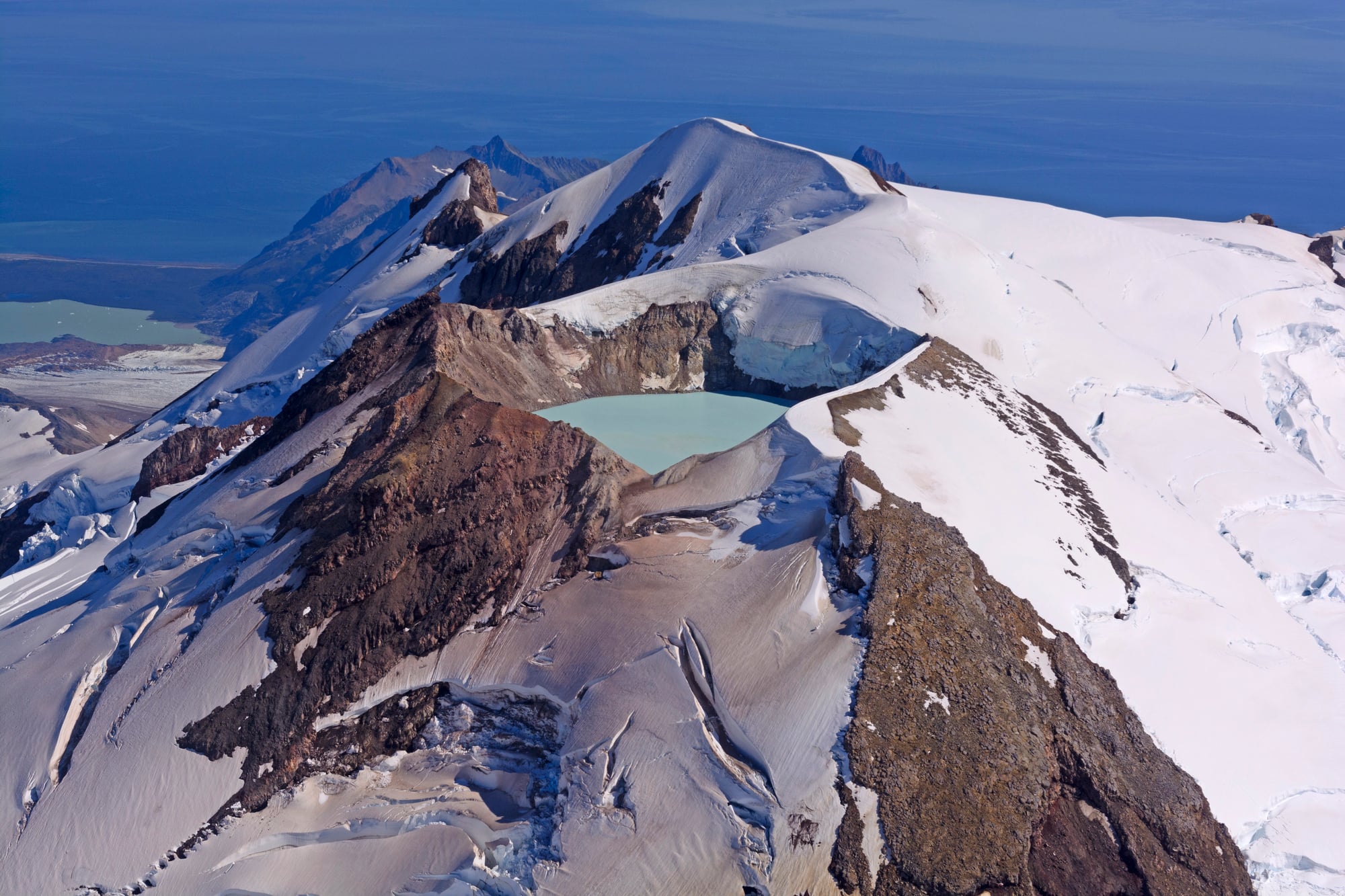
Mount Katmai’s crater lake formed quite recently compared to others. The caldera appeared in 1912 during the eruption that created the Valley of Ten Thousand Smokes.
When explorers first climbed to the summit in 1916, they found a shallow lake. The water depth keeps changing as the lake continues to fill.
By 2010, the lake measured around 787 feet deep but still sits 689 feet below the lowest point on the crater rim. Nobody knows if the lake will eventually fill to the brim or reach some balance point where water loss equals water gain.
Lake Atitlán in Guatemala
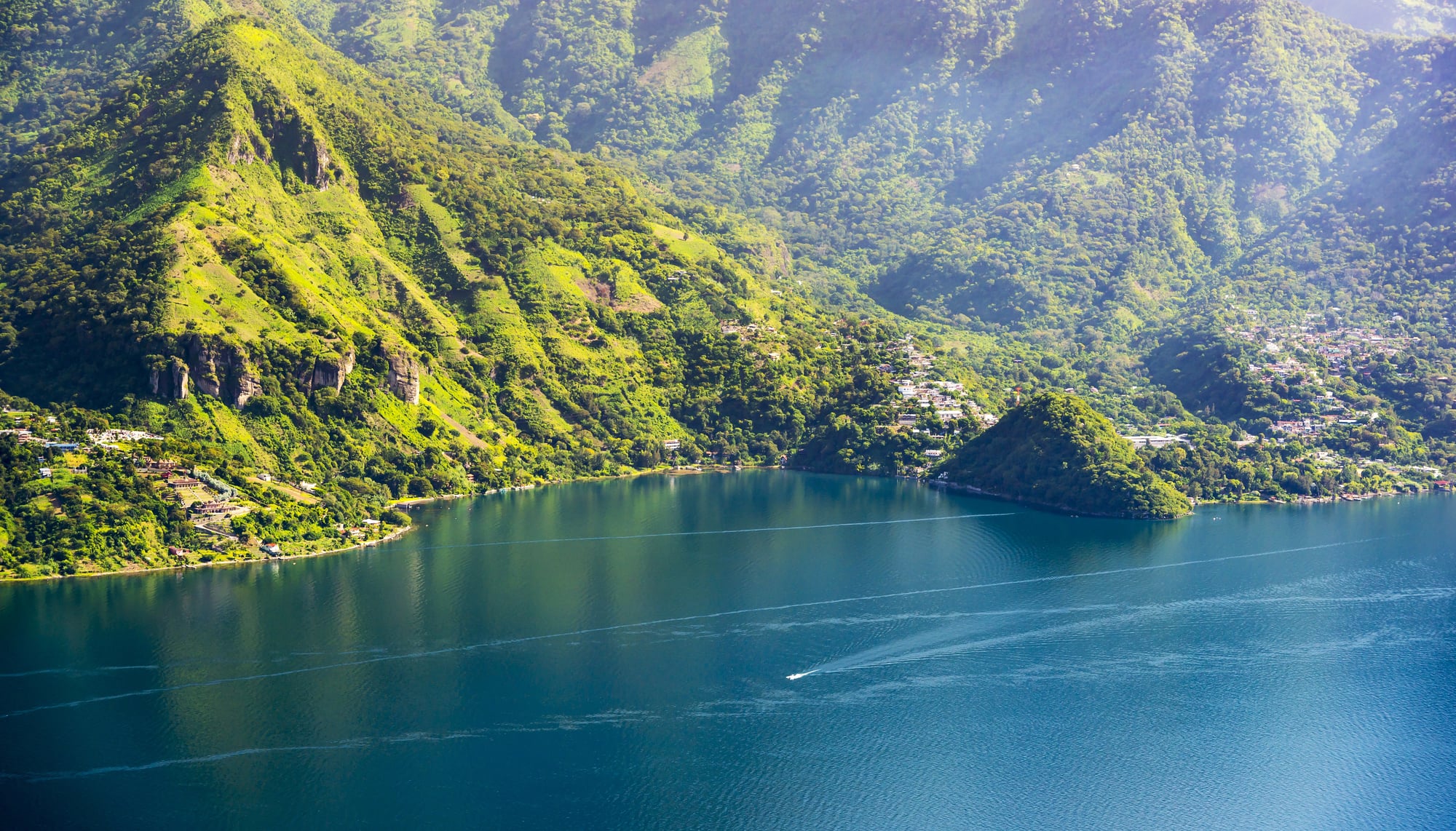
Lake Atitlán formed inside an enormous volcano that erupted 84,000 years ago in what is now Guatemala. Three smaller volcanoes now watch over the lake from its southern shores.
The lake reaches depths of over 1,000 feet in some spots and stretches about 12 miles long. Mayan villages dot the shoreline, and local legends say the lake has no bottom.
Scientists know better, but they do recognize that the lake sits in one of the most beautiful volcanic settings on Earth. Strong winds called ‘Xocomil’ can appear suddenly on the lake, creating dangerous waves.
Ojos del Salado in Chile
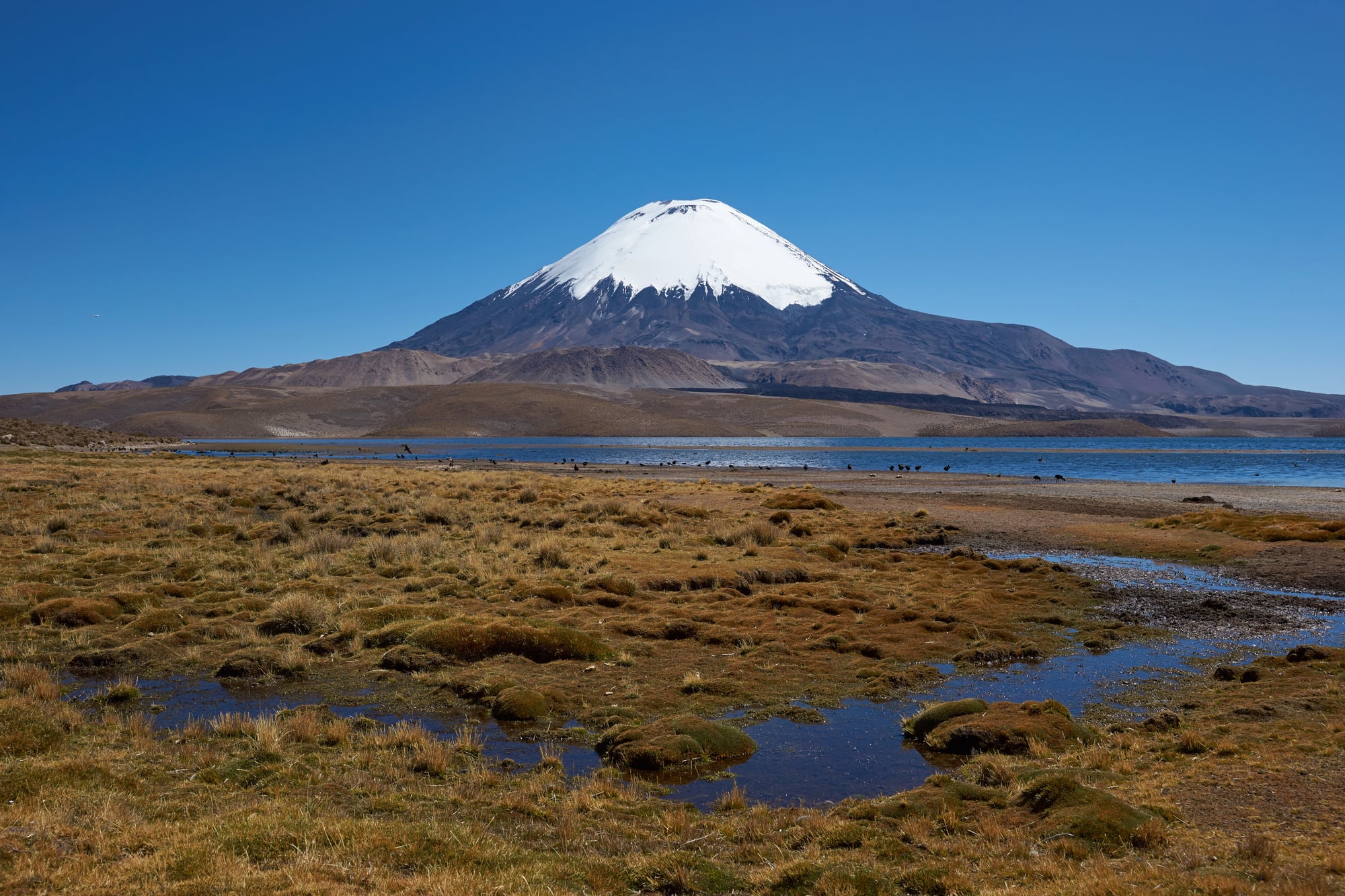
The highest volcano in the world sits on the border between Chile and Argentina. Ojos del Salado reaches 22,615 feet into the sky and contains a small crater lake near its summit at 20,965 feet elevation.
This makes it likely the highest lake of any kind on Earth. The lake measures only about 330 feet across and stays cold year-round.
Few people visit this remote lake because reaching it requires climbing to an altitude where the air is thin and cold. The lake exists despite receiving almost no rainfall because occasional snow and ice melt provides just enough water.
Quilotoa in Ecuador
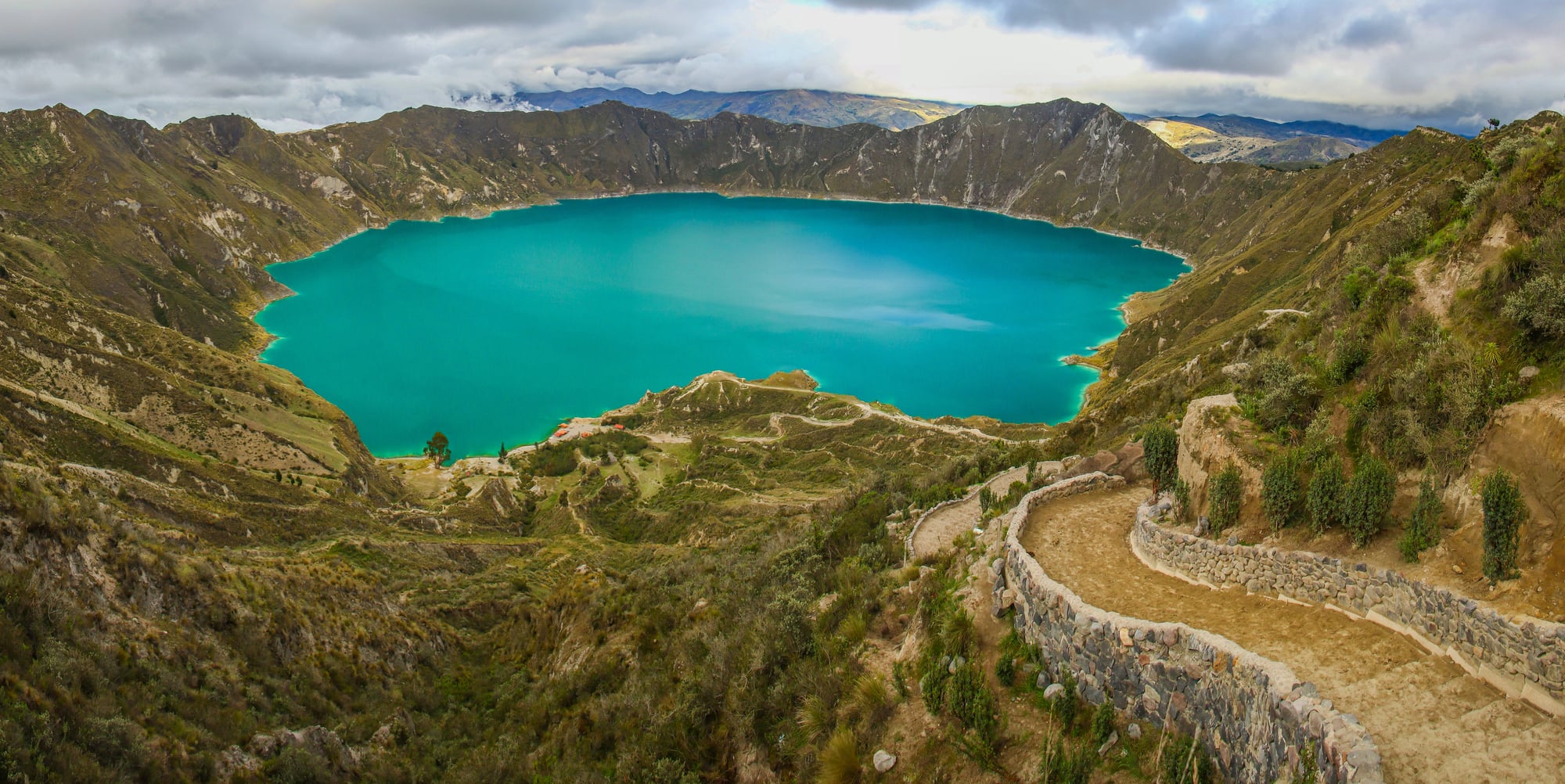
Quilotoa crater lake sits high in the Andes Mountains of Ecuador at about 12,800 feet elevation. The lake’s water glows an incredible greenish color from minerals dissolved in it.
The volcano that created this crater erupted around 800 years ago, sending ash as far as the Pacific coast and the Amazon basin. Today, visitors can hike down to the water’s edge, though the climb back up proves challenging at such high altitude.
Local indigenous people consider the lake sacred and tell stories about spirits that live in its depths.
Mount Rinjani in Indonesia
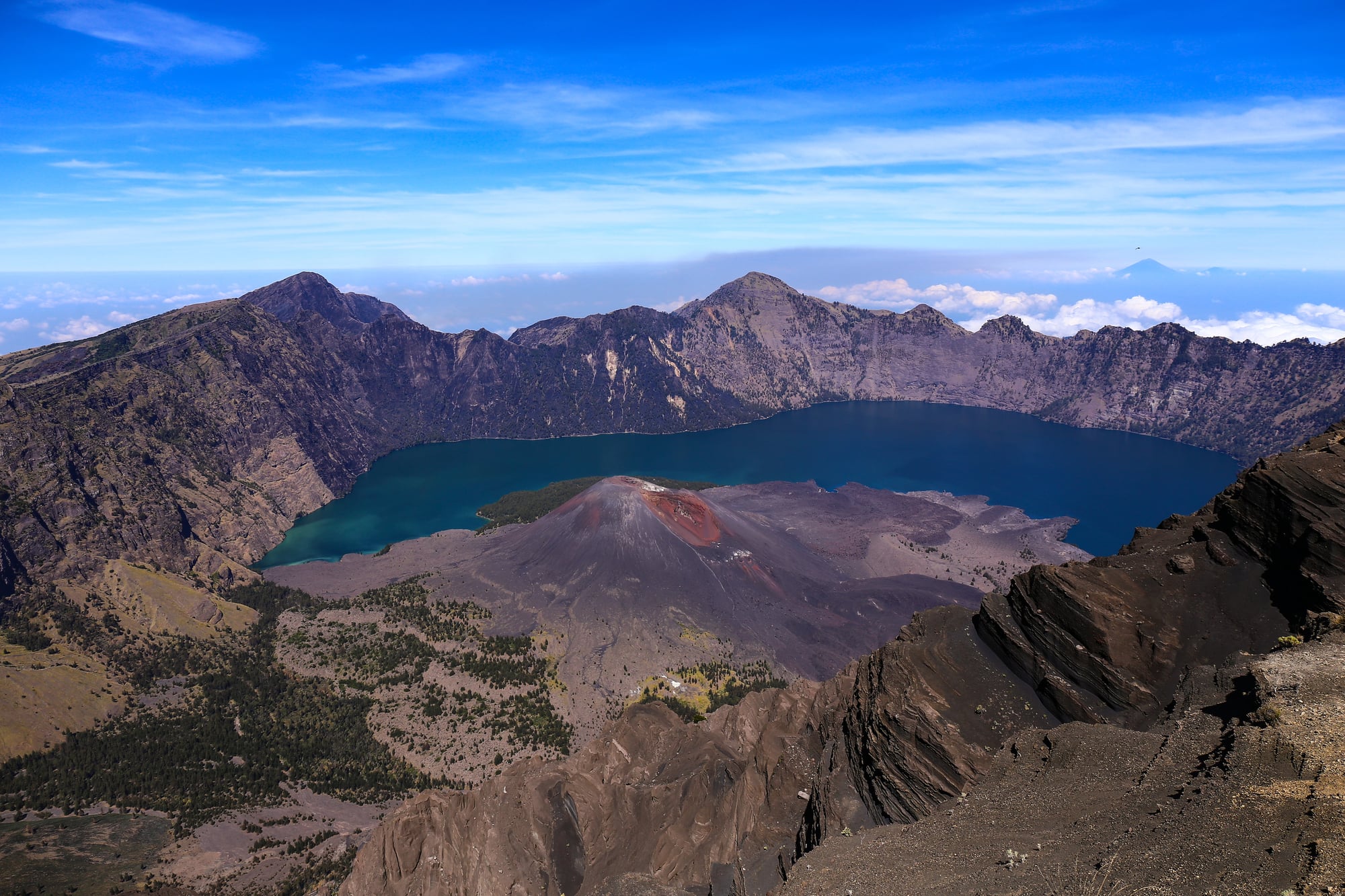
Mount Rinjani towers 12,224 feet above the Indonesian island of Lombok and contains a stunning crater lake called Segara Anak, which means Child of the Sea. The lake earned this name because of its bright turquoise color.
What makes this lake truly strange is the small volcano cone growing right in the middle of it, creating a volcano within a volcano. This inner cone formed from recent eruptions and continues to grow.
The hike to reach this lake takes about 8 to 9 hours and ranks as one of the toughest treks in Indonesia, but those who make it get rewarded with incredible views.
Kelimutu in Indonesia
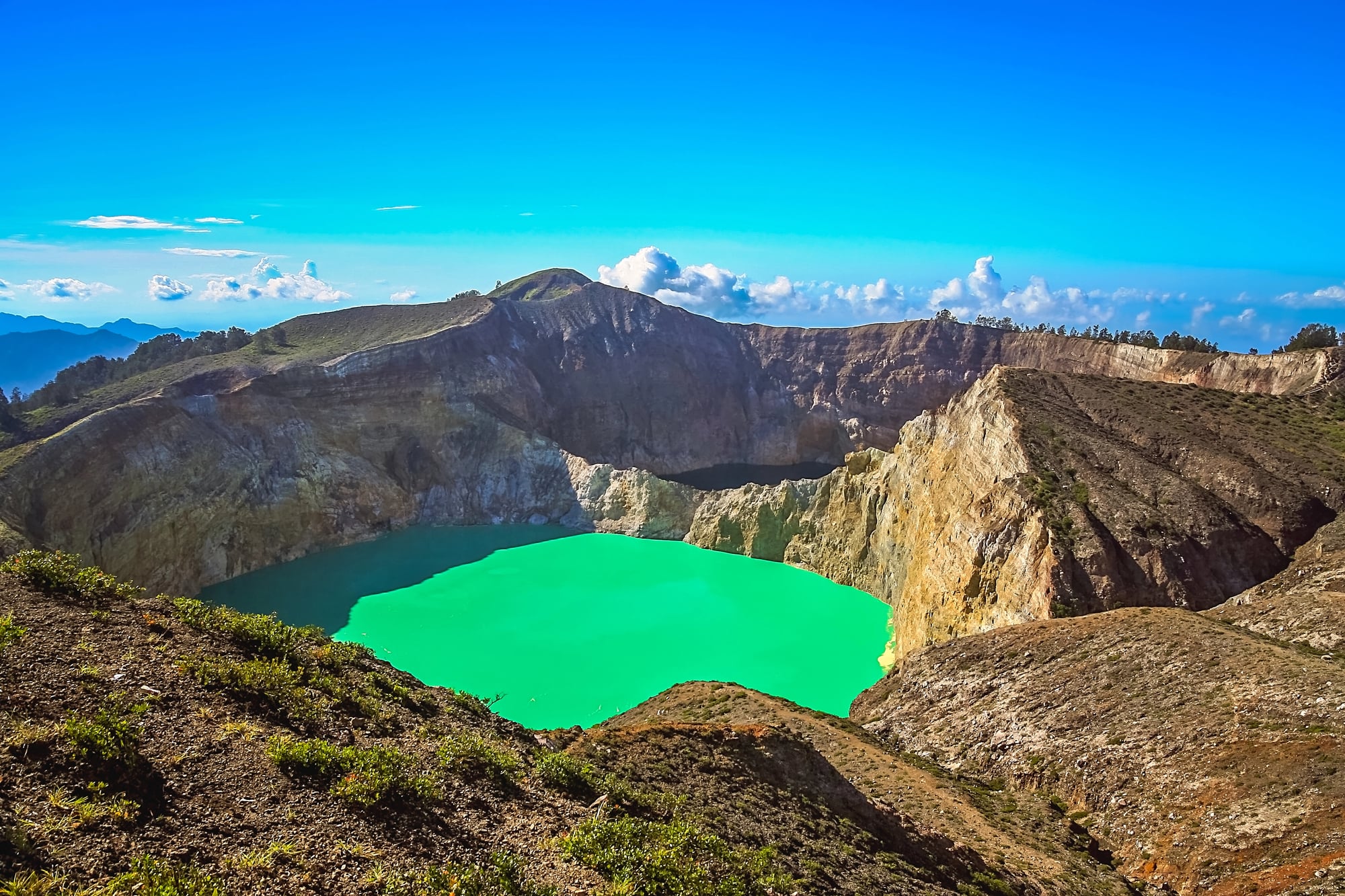
Kelimutu volcano contains three crater lakes that sit right next to each other, and each one displays a different color. The lakes change colors over time due to chemical reactions between minerals and volcanic gases.
Sometimes one lake appears green, another red, and the third black or blue. Other times the colors shift completely.
Local people believe the lakes are resting places for souls, with each lake reserved for different types of spirits. Scientists visit regularly to study why the colors keep changing, making Kelimutu one of the most unusual volcanic lake systems on Earth.
Lagoa do Fogo in the Azores
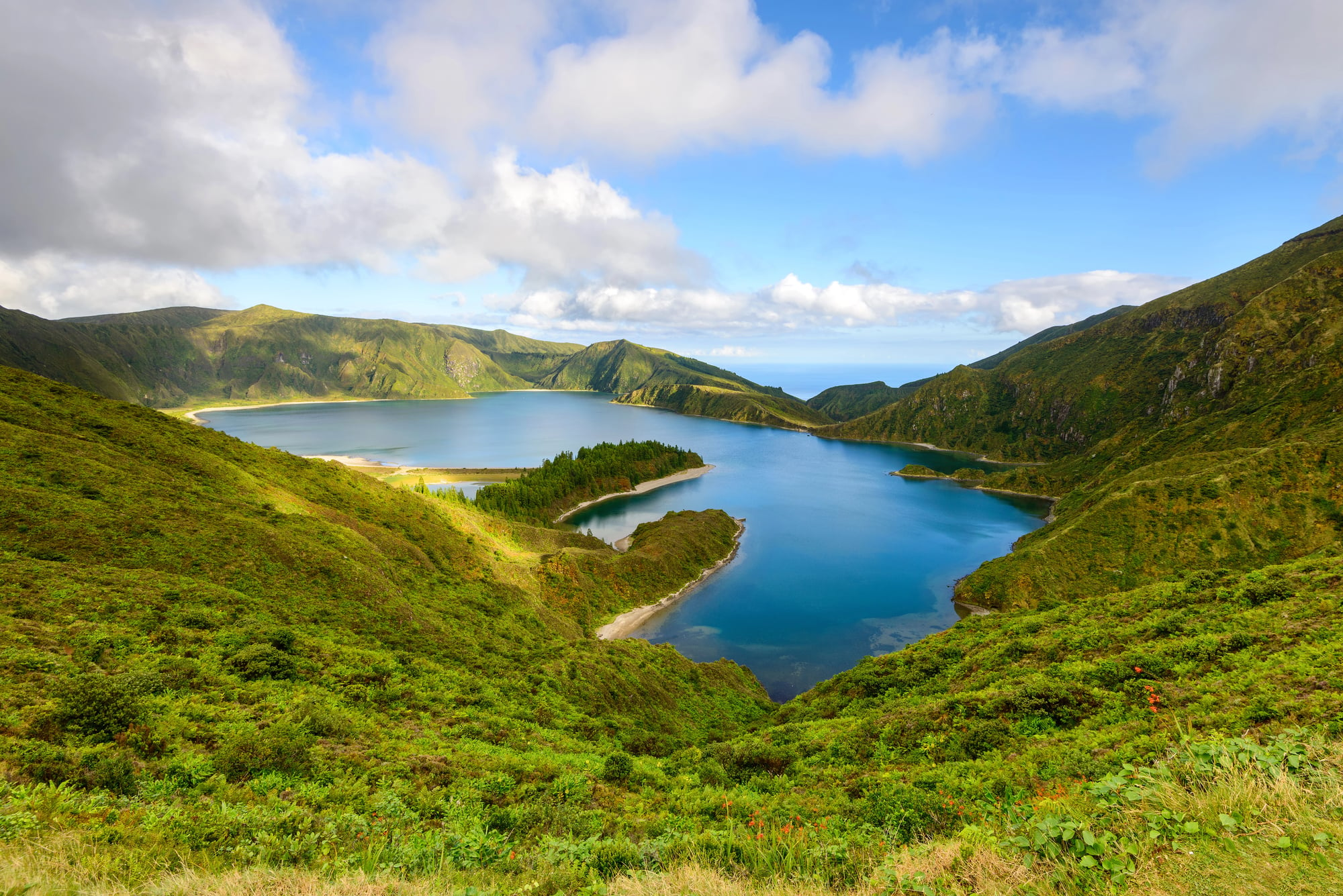
Lagoa do Fogo, which translates to Lake of Fire, sits inside a volcano on São Miguel island in the Portuguese Azores. A nature reserve protects the area around the lake, meaning no construction disturbs the landscape.
The only way to reach the water is by hiking down from viewing platforms along the mountain road. The lake formed after an eruption in 1563 and now provides a peaceful blue contrast to the volcanic landscape.
The protected status helps preserve the unique plants and animals that live around the lake.
Rano Kau on Easter Island
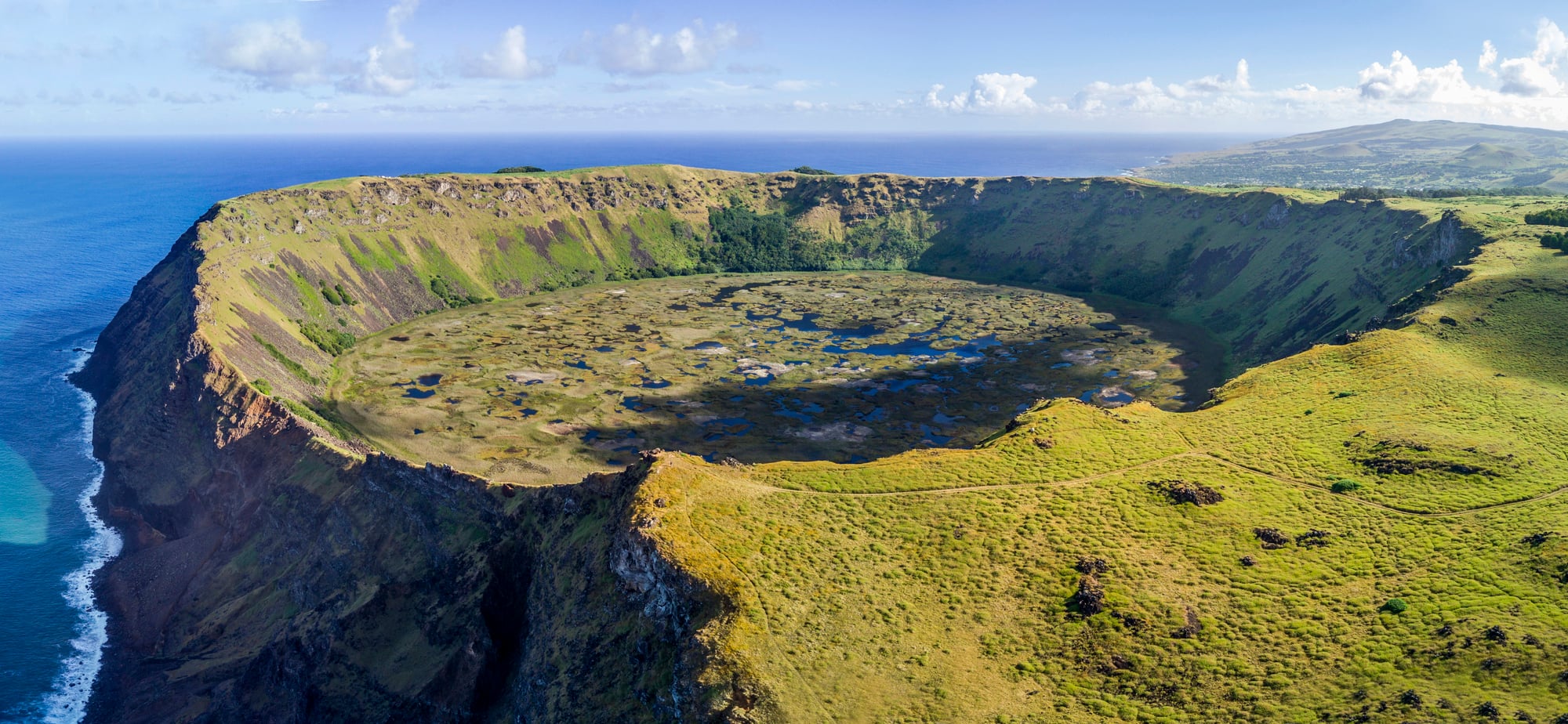
Rano Kau crater lake provides one of only three freshwater sources on Easter Island. The volcano that created this crater makes up the southwestern section of the island.
Ocean waves have carved steep cliffs into the outer rim of the crater, creating a dramatic drop on one side while the lake sits peacefully on the other. Thick vegetation including figs and vines grows inside the crater.
The ancient ceremonial village of Orongo sits on the crater rim, where islanders once held competitions and spiritual ceremonies overlooking both the lake and the ocean far below.
Mount Zao in Japan
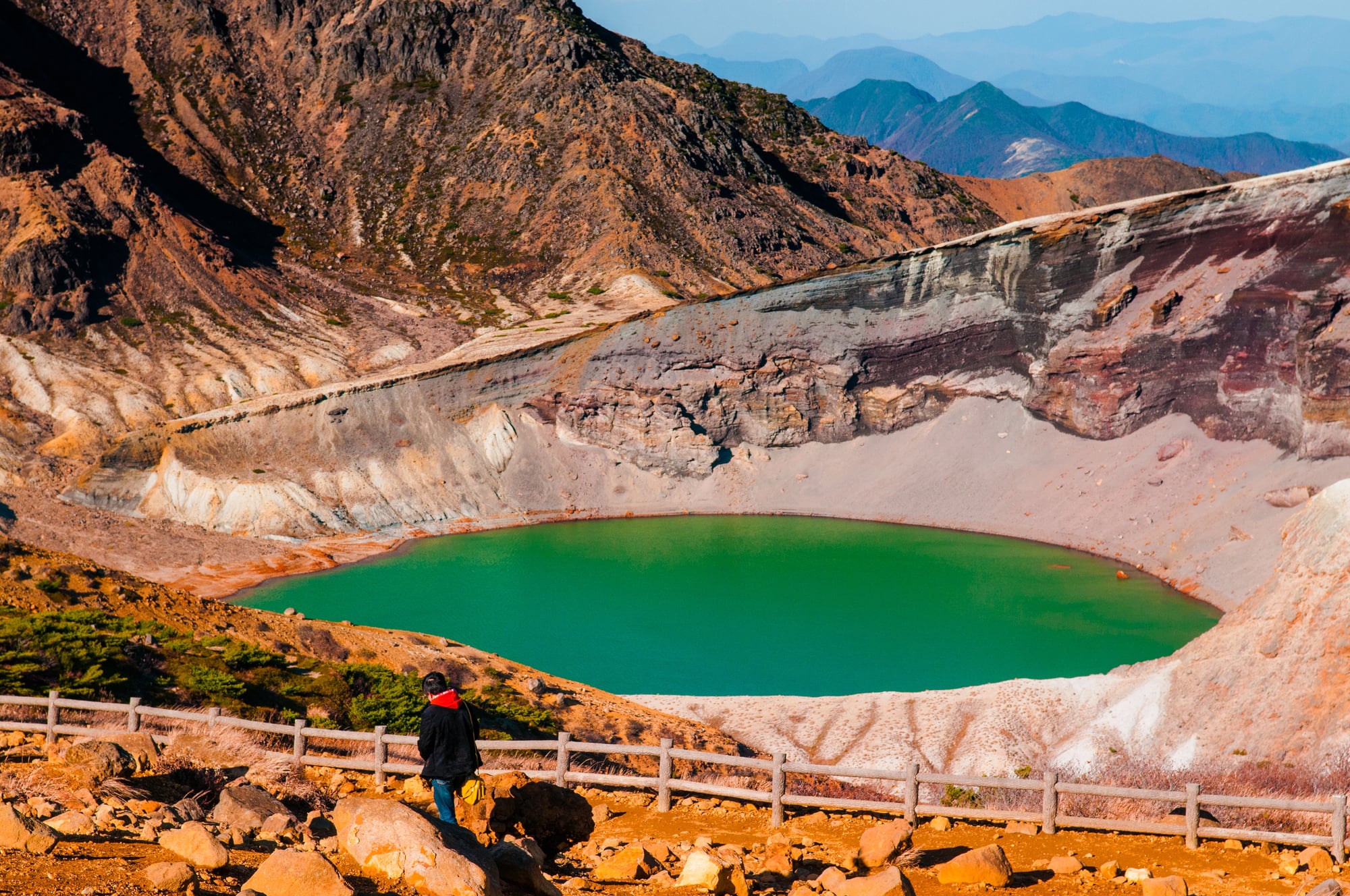
Mount Zao straddles the border between two Japanese prefectures and tops off with a beautiful crater lake called Okama, which means kettle or pot. The lake appears in shades of green or blue depending on the weather and season, earning it the nickname Goshiki-numa, meaning five-color lake.
The water is highly acidic from volcanic gases, so nothing can live in it. Snow covers the area for much of the year, but during summer months tourists visit to see the colorful water surrounded by volcanic peaks.
The lake formed about 1,200 years ago and measures about 1,200 feet across.
Sete Cidades in the Azores
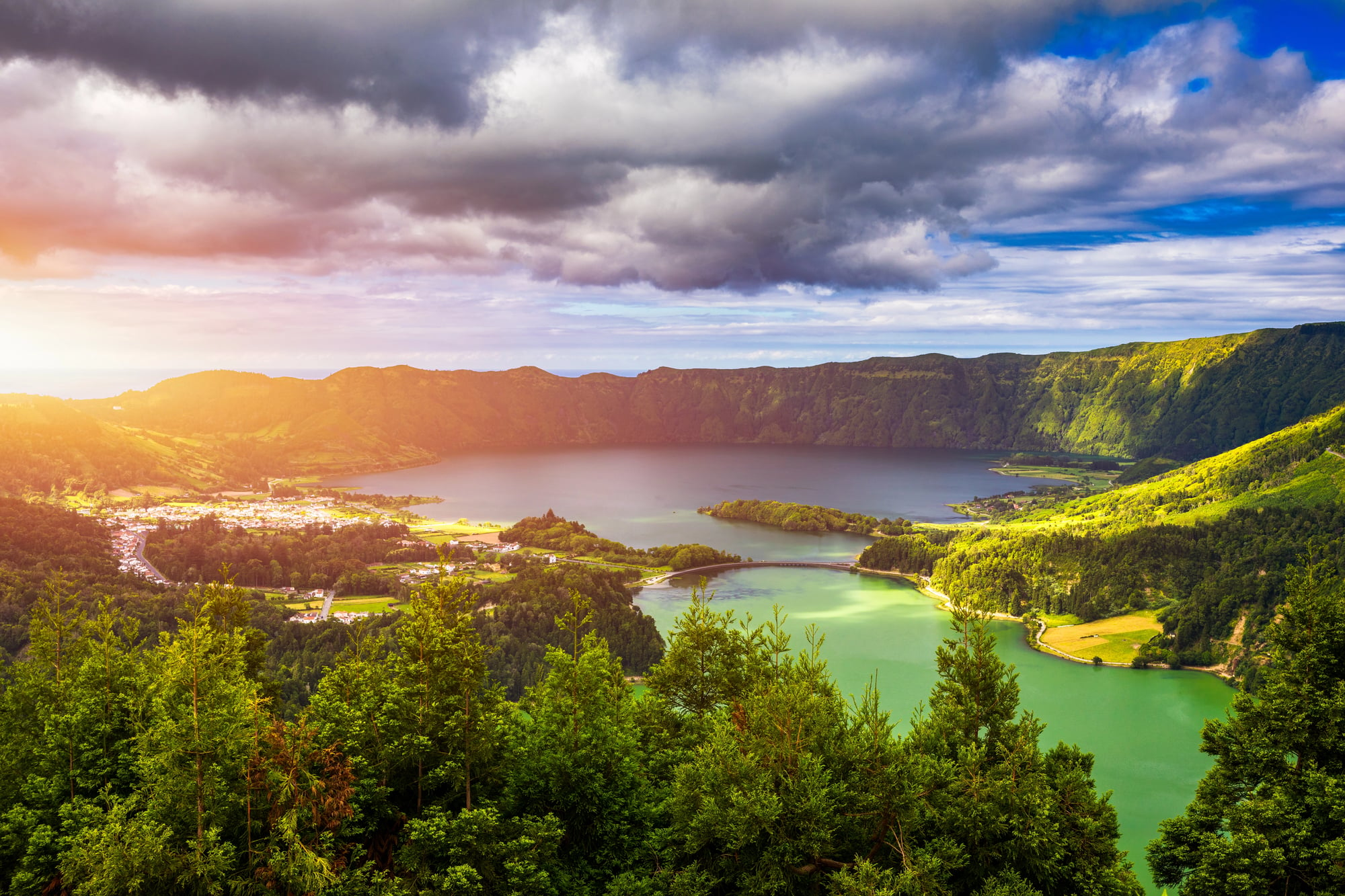
Sete Cidades actually contains two lakes sitting side by side in a nearly perfect circular crater on São Miguel island in the Azores. The twin lakes are called Lagoa Azul (Blue Lake) and Lagoa Verde (Green Lake) because they often appear to be different colors, though they’re actually connected and made of the same water.
The crater formed around 1,500 years ago. Viewed from above, the lakes create a stunning scene with their contrasting colors surrounded by lush green crater walls.
A small village sits inside the caldera, making it one of the few inhabited volcanic craters in the world.
Laguna de Maderas in Nicaragua
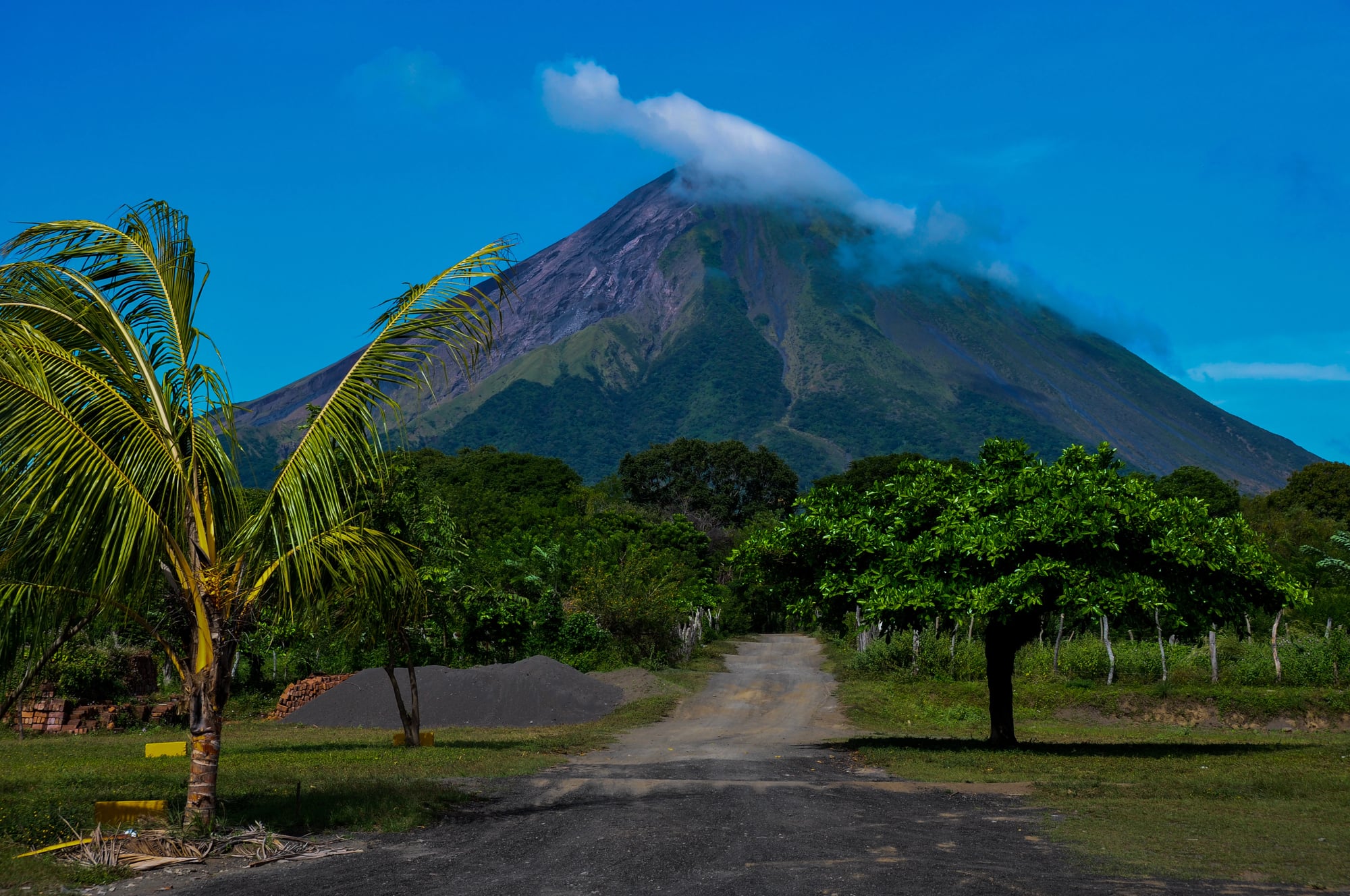
Laguna de Maderas sits at the summit of Volcán Maderas on Ometepe Island in Lake Nicaragua. This creates an unusual situation where a crater lake sits on an island that’s in a bigger lake.
Maderas hasn’t erupted for centuries and is covered in thick cloud forest. The hike to reach the crater lake can take 6 to 9 hours round trip through muddy, slippery terrain where hikers can easily get lost without a guide.
The crater lake provides a rewarding destination for those who make the difficult climb. Thick mist often covers the summit, adding to the mysterious atmosphere.
Heaven Lake on the North Korea-China border
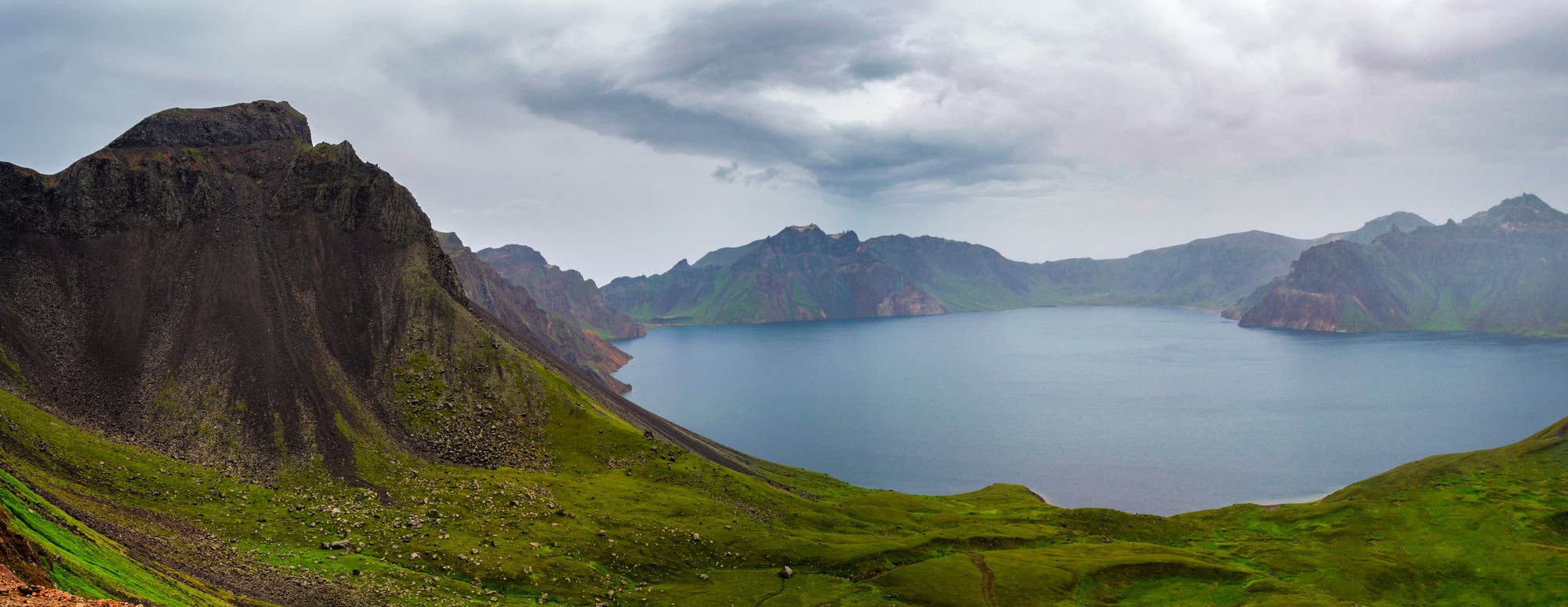
Heaven Lake sits in the crater of Paektu Mountain, which straddles the border between North Korea and China. The lake measures about 5 miles across and reaches depths of around 1,260 feet.
Both countries consider the mountain and lake sacred, with Korean mythology claiming it was the birthplace of the Korean nation. The volcano last erupted in 1903, but scientists monitor it closely because historical records describe massive eruptions in the past.
The lake freezes solid during the long, harsh winters at this high altitude but melts during the brief summer months.
Lagoa do Congro in the Azores
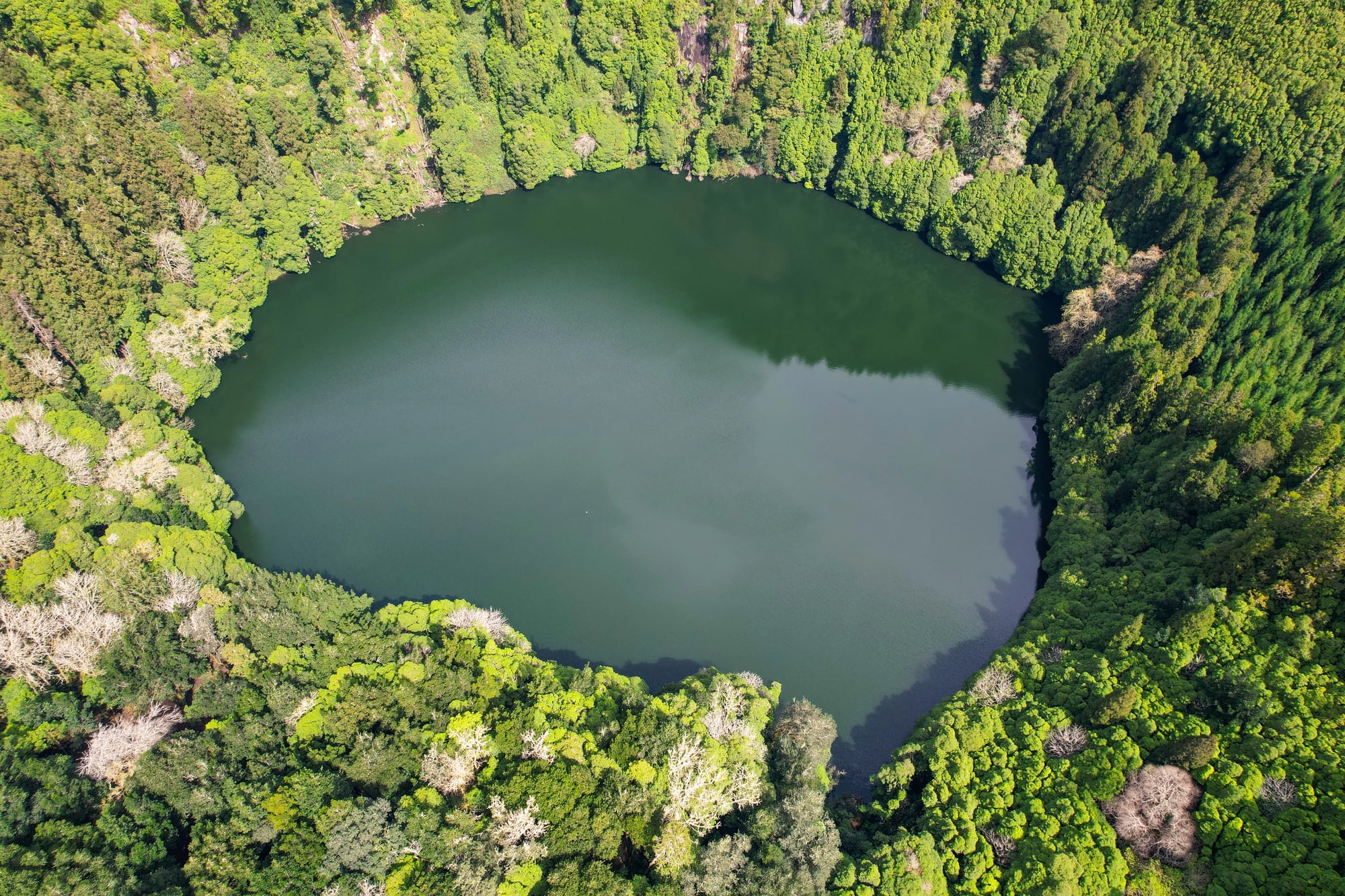
Lake Lagoa do Congro sits quietly on São Miguel, one of the Azores’ lesser-known spots despite being just another crater pool. Born inside a modest volcanic bowl, it hosts life forms shaped by fire and ash over time.
Along its edge, green things thrive that exist only here – nowhere else has them. Rain decides how full it looks; when skies stay clear too long, much of the water slips away.
Looking into these shifts helps scientists see how crater lakes react when the weather changes. Because it sits far away from people, the lake stays mostly untouched.
Surprise Lake in Alaska
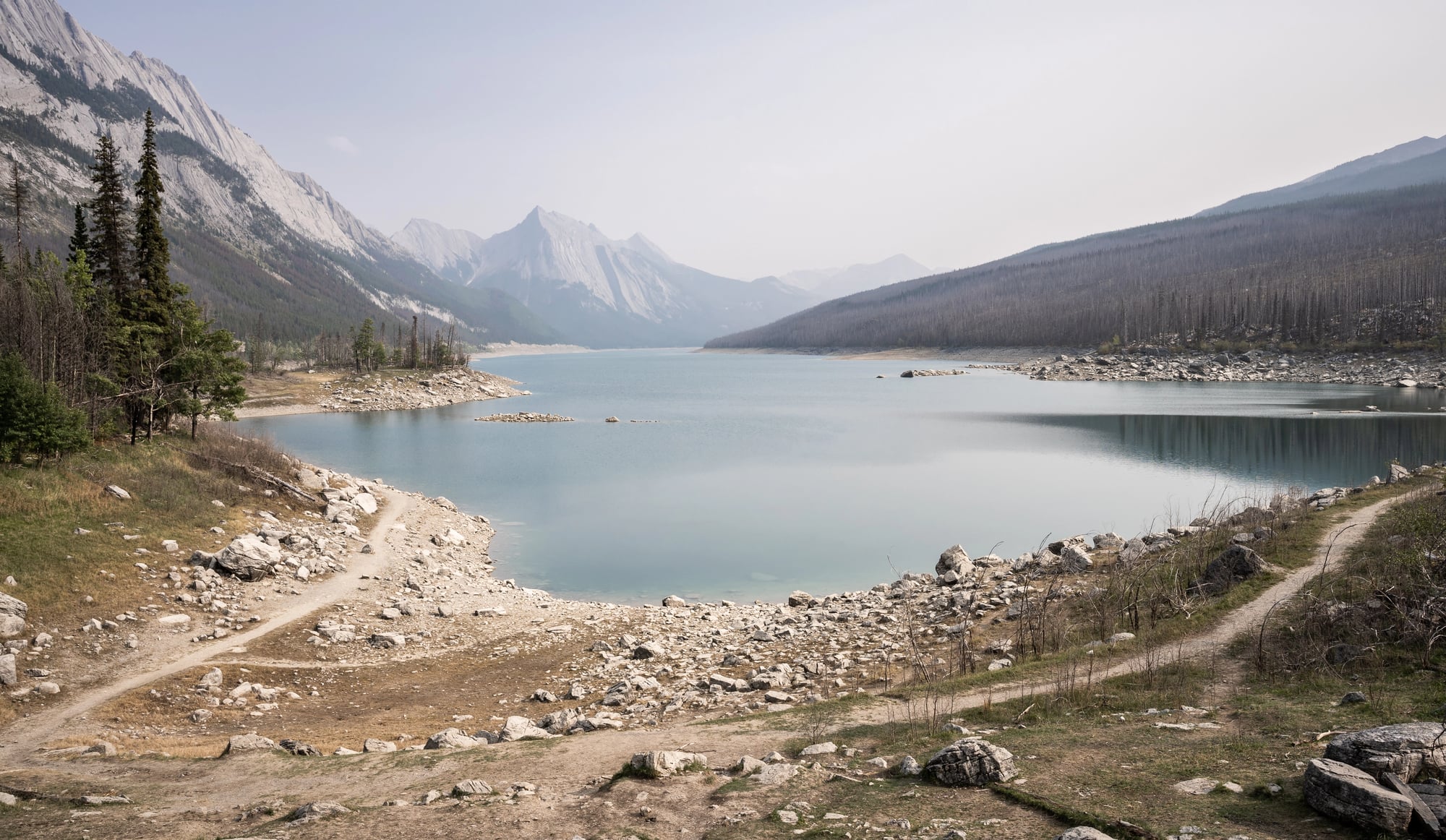
Hidden within Aniakchak Caldera in Alaska lies Surprise Lake. This spot belongs to one of America’s most isolated national monuments – few ever make it here.
Long ago, roughly 3,500 years back, the caldera took shape. At that time, a far bigger body of water filled the basin.
Then came a shift – about 1,800 years since – that changed everything. Water exploded out when pressure cracked open The Gates, an opening in the ring of rock.
That surge emptied nearly all the lake, tearing through the land beneath. Now, what remains is modest: Surprise Lake dips just around 64 feet at its deepest.
From deep below, warm springs pour into the water. Even with tough conditions around it, sockeye salmon make their way here to lay eggs – arctic char do too.
This place gives rise to the Aniakchak River. That river moves steadily toward the Pacific.
When fire creates water
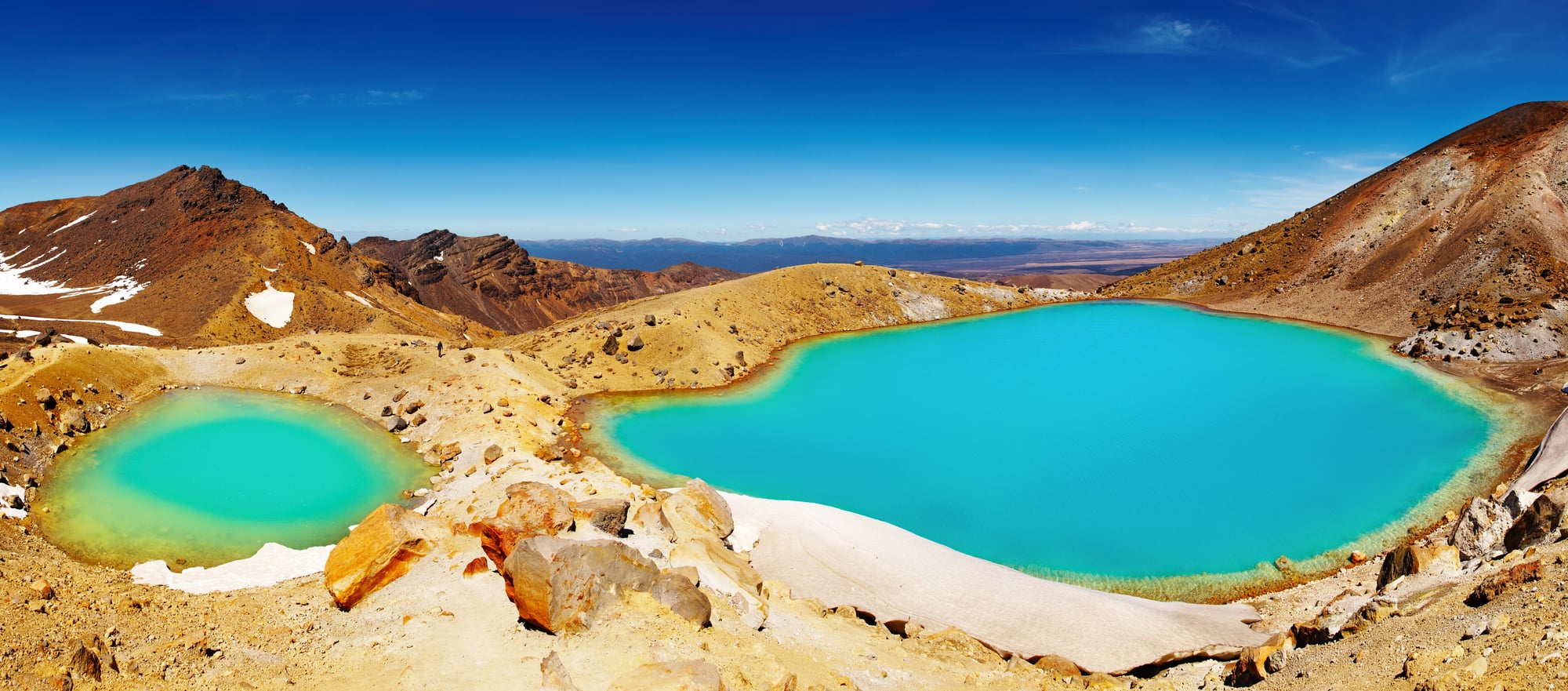
Water finds its way where fire once ruled. When explosions tear peaks open, hollows form slowly beneath the sky.
These pits fill up after time passes, sometimes quietly steaming under gray clouds. Hidden fumes rise without warning in a few of them, making air hard to breathe near the edges.
Others sit calm, reflecting sunlight while people walk nearby or draw fresh supplies downstream. Research goes on around these pools because clues hide in their depths about what ground might shake again.
A single splash in a volcanic bowl can mean centuries passed since fire last roared below. Today’s chaos could be tomorrow’s quiet dip under open sky.
More from Go2Tutors!

- The Romanov Crown Jewels and Their Tragic Fate
- 13 Historical Mysteries That Science Still Can’t Solve
- Famous Hoaxes That Fooled the World for Years
- 15 Child Stars with Tragic Adult Lives
- 16 Famous Jewelry Pieces in History
Like Go2Tutors’s content? Follow us on MSN.