Thanksgiving Facts Schools Never Taught You
Native Americans and Pilgrims share a peaceful feast, everyone is thankful, and the Thanksgiving tale that most Americans grew up with is smooth and polished. Although the story is neat and fits well into elementary school pageants, the true history is much more intricate and fascinating.
Today’s holiday is very different from that 1621 assembly, and the journey from then to now includes centuries of cultural development, presidential politics, and propaganda during the war. A closer look at Thanksgiving facts that are rarely included in textbooks is provided here.
The First Feast Wasn’t Called Thanksgiving
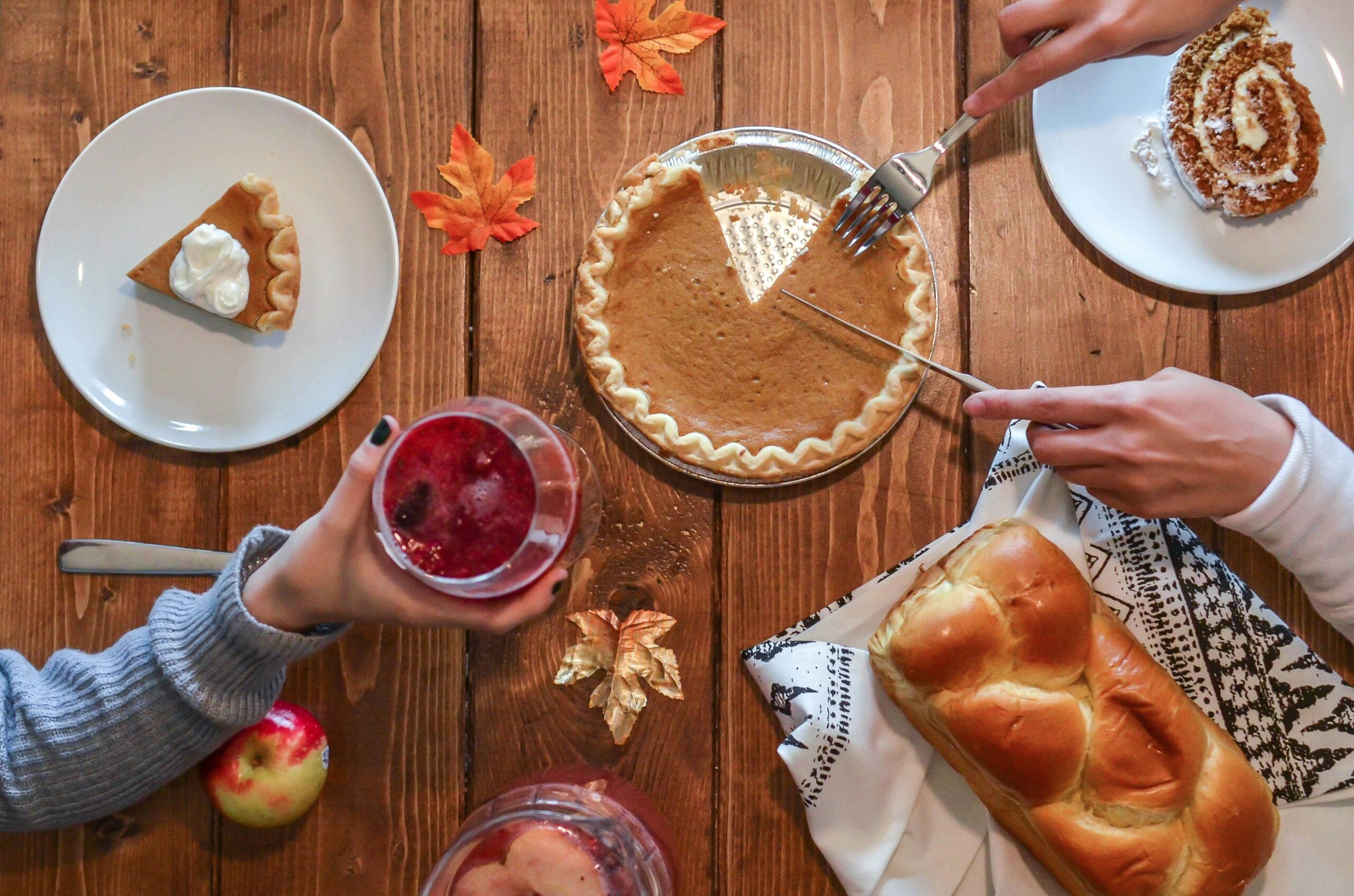
The 1621 harvest celebration in Plymouth wasn’t labeled ‘Thanksgiving’ by the people who attended it. The Pilgrims used the term ‘thanksgiving’ specifically for religious days of prayer and fasting, not feasting.
What happened in autumn 1621 was a secular harvest festival that lasted three days, with about 90 Wampanoag and 53 surviving colonists sharing food. Edward Winslow’s brief account in Mourt’s Relation, published in 1622, mentions waterfowl and deer, but nowhere does he call it a thanksgiving in the religious sense the Pilgrims would have understood.
The Wampanoag leader Massasoit and his people weren’t exactly invited guests in the way the traditional story suggests. Some historians believe the Wampanoag showed up after hearing gunfire from the colonists’ celebration, possibly concerned about potential conflict.
The gathering was more of a diplomatic alliance event than a cozy dinner party. Both groups had practical reasons for maintaining peace—the colonists needed survival knowledge and the Wampanoag wanted allies against rival tribes.
It was pragmatic cooperation, not the idealized friendship often portrayed.
Lincoln Didn’t Invent the Holiday
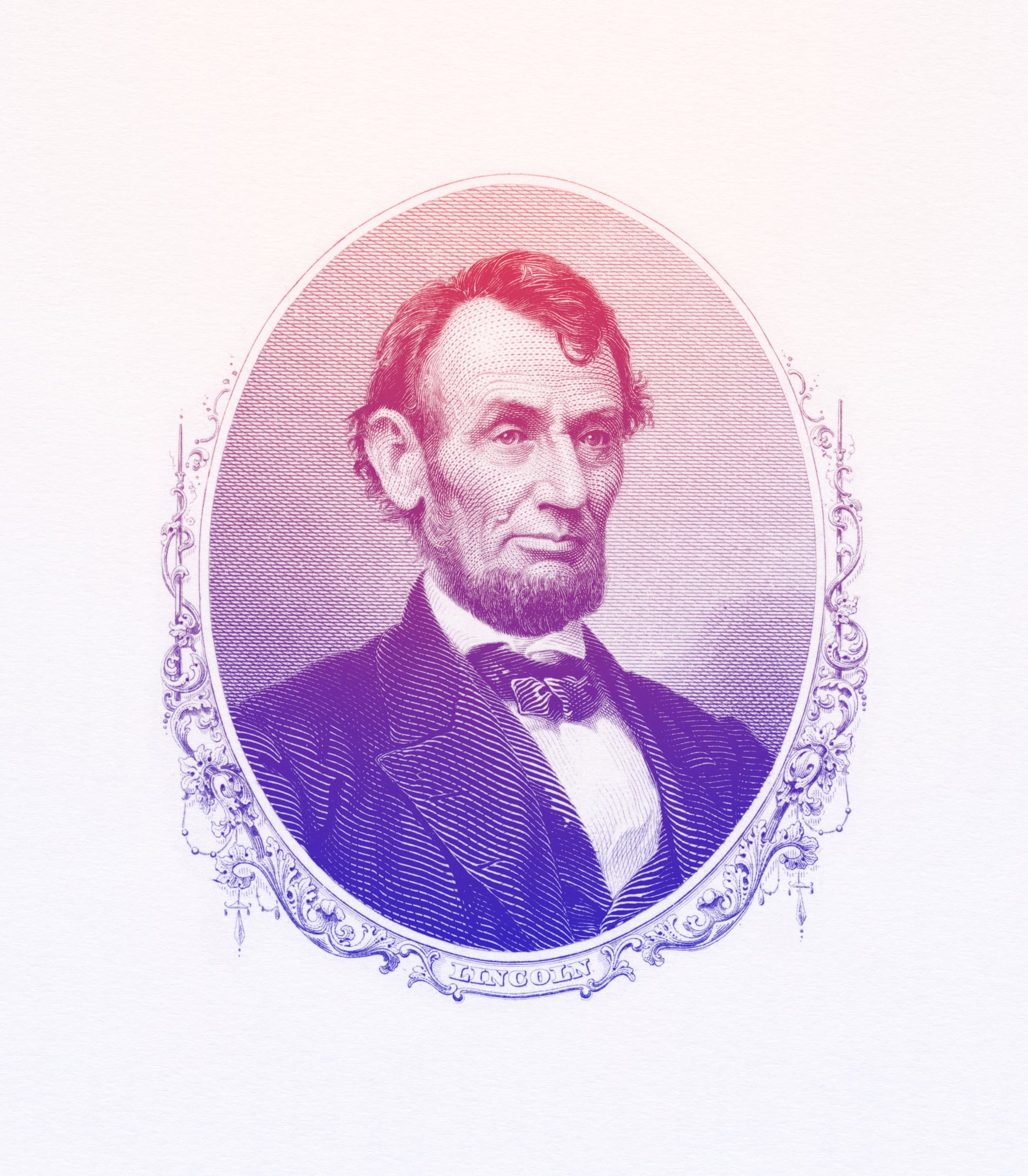
Abraham Lincoln gets credit for making Thanksgiving a national holiday in 1863, but the reality is more nuanced. Various colonies and states had celebrated thanksgiving days for centuries, usually as one-off events tied to specific good fortunes like military victories or bountiful harvests.
George Washington proclaimed a national day of thanksgiving in 1789, and other presidents occasionally followed suit, but these weren’t annual traditions. What Lincoln actually did was establish Thanksgiving as a recurring national holiday, set for the last Thursday in November.
He issued the proclamation on October 3, 1863, in the middle of the Civil War, partly due to decades of lobbying by Sarah Josepha Hale, a magazine editor and author of ‘Mary Had a Little Lamb’ who wrote letters to politicians for 17 years pushing for a unified national holiday. Lincoln saw it as a way to foster unity and gratitude during a time when the country was literally tearing itself apart.
The timing wasn’t coincidental—it was strategic, an attempt to create shared national identity when that identity was under existential threat.
FDR Moved Thanksgiving and People Lost Their Minds
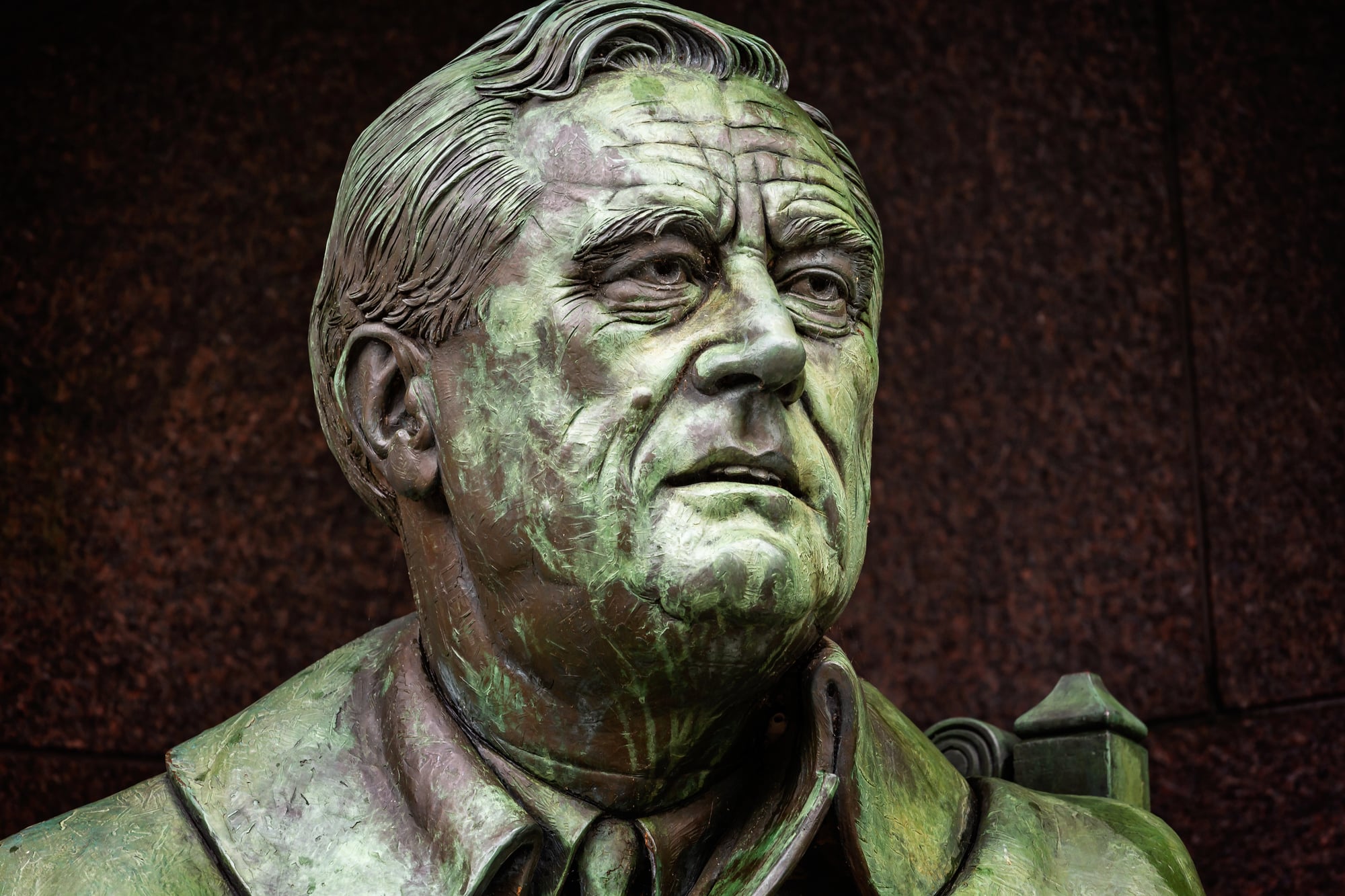
In 1939, Franklin D. Roosevelt decided to move Thanksgiving up a week, from the last Thursday in November to the third Thursday. His reasoning was economic—retail leaders convinced him that a longer shopping season between Thanksgiving and Christmas would help pull the country out of the Great Depression.
It seems almost quaint now, but the decision triggered a surprisingly intense backlash. Some states refused to go along with ‘Franksgiving,’ as critics mockingly called it.
The country ended up celebrating Thanksgiving on different days depending on where you lived, which created chaos for families spread across state lines and businesses trying to coordinate. Football schedules got scrambled, and people complained about their turkeys arriving on the wrong week.
Congress finally settled the issue on December 26, 1941, signing a law that permanently fixed Thanksgiving as the fourth Thursday in November. The whole episode revealed how deeply traditions can embed themselves in just a few generations—people felt genuinely upset about messing with a holiday that, in its current form, was less than 80 years old at that point.
Turkey Wasn’t Necessarily the Main Course
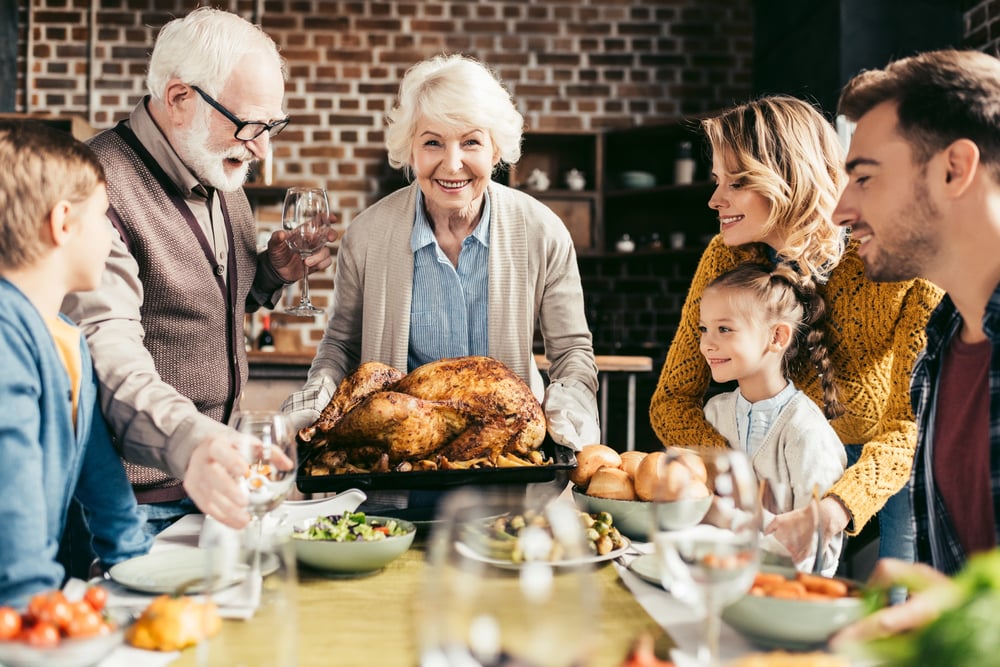
The 1621 feast probably included wildfowl, but whether turkeys were actually on the menu is educated guesswork at best. Turkeys were native to the region, so it’s certainly possible they were eaten, but Winslow’s account mentions colonists hunting ‘fowl,’ which could mean ducks, geese, or swans.
Venison was definitely there—the Wampanoag brought five deer. The meal likely also featured eel and shellfish, along with corn in various forms, but not the sweet corn we know today.
What definitely wasn’t there? Mashed potatoes, sweet potato casserole, cranberry sauce, and pumpkin pie. Potatoes hadn’t made their way to New England yet, sugar was a luxury the struggling Plymouth colony didn’t have, and ovens capable of baking pies weren’t standard equipment.
The Wampanoag and colonists probably ate with their hands or used knives, since forks weren’t yet common in England and were rarely used in Plymouth Colony. The mental image of everyone gathered around a table with place settings and serving dishes is pure retroactive projection—outdoor harvest feasts were far more rustic and improvised.
Many Native Americans Observe a National Day of Mourning
Since 1970, Native Americans have gathered on Thanksgiving Day at Plymouth Rock for a National Day of Mourning. Founded by Wampanoag activist Wamsutta Frank James, the observance represents how for many Indigenous people, Thanksgiving marks the beginning of systematic colonization, displacement, and cultural destruction that followed European arrival.
The 1621 feast might have been peaceful, but within a generation, the relationship between colonists and the Wampanoag deteriorated into King Philip’s War from 1675 to 1678, one of the bloodiest conflicts in American history relative to population size. The National Day of Mourning isn’t about ruining anyone’s holiday—it’s about acknowledging a more complete historical picture.
Participants gather to honor Native ancestors and protest ongoing injustices facing Indigenous communities. It’s a reminder that the same event can hold very different meanings depending on whose perspective you’re considering.
Schools have slowly started incorporating these viewpoints, but for decades, the dominant Thanksgiving narrative completely erased Native American experiences of what came after that initial harvest celebration.
The Macy’s Parade Started as a Marketing Stunt
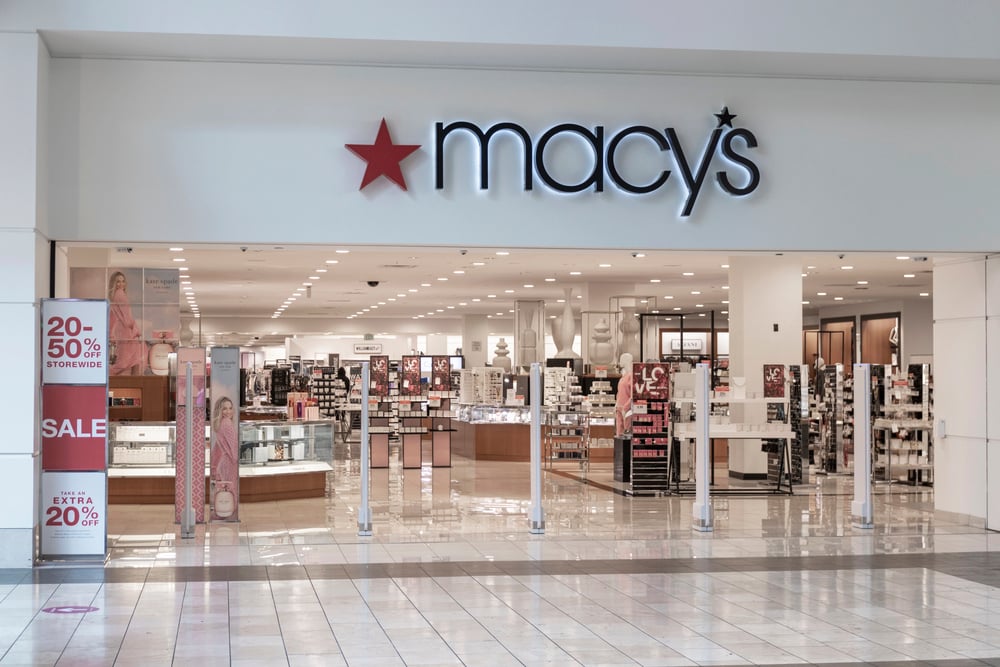
The Macy’s Thanksgiving Day Parade debuted on November 27, 1924, and it was unambiguously designed to boost Christmas shopping. Originally called the Macy’s Christmas Parade, the event featured Macy’s employees, many of whom were first-generation immigrants, marching through Manhattan dressed as clowns, knights, and cowboys, accompanied by animals borrowed from the Central Park Zoo.
The parade ended with Santa Claus arriving at the Macy’s store, officially kicking off the shopping season. Those iconic giant balloons didn’t appear until 1927, starting with Felix the Cat.
Early balloons were released into the sky at the end of the parade with return addresses attached, and anyone who found one and brought it back got a prize. That practice stopped after a balloon wrapped around an airplane wing over Queens, New York, in 1932.
The parade was suspended from 1942 to 1944 because rubber and helium were needed for the war effort, but it came back bigger than ever in 1945. What started as a department store promotion became a cultural institution, watched by millions, though its commercial origins are rarely emphasized in the nostalgia surrounding it.
TV Dinners Owe Their Existence to Thanksgiving
In 1953, Swanson vastly overestimated how many turkeys Americans would buy for Thanksgiving and ended up with 260 tons of frozen leftover turkey. According to company accounts, salesman Gerry Thomas came up with the idea of packaging the turkey with cornbread dressing and gravy in aluminum trays designed to look like airline meals, though historians note that multiple Swanson executives likely contributed to the concept.
The first TV dinners were born out of surplus turkey panic. Swanson sold 10 million TV dinners in 1954, the year after launch, transforming American eating habits in the process.
The dinners cost 98 cents and took 25 minutes to heat in the oven, which seemed miraculous in an era when convenience foods were just beginning to reshape domestic life. The connection to Thanksgiving was right there in the product—the original TV dinner was essentially a portable Thanksgiving meal.
That initial turkey-based dinner established the template for countless frozen meals that followed, all because someone needed to figure out what to do with a mountain of unsold holiday birds.
Why It Still Echoes
Thanksgiving holds a peculiar place in American culture; it is a celebration that has varied meanings for different communities and has deep historical roots but a relatively modern standardized form. Correcting facts isn’t the only thing that separates the elementary school version of history from the real one.
It’s about realizing that the narratives we tell about our country change, become oversimplified, and occasionally omit viewpoints that add complexity. The holiday itself is also constantly evolving, losing some customs while gaining new ones like football and parades.
The human urge to congregate, share food, and signal the arrival of winter is the only thing that has changed; everything else is simply the specific form that we have given that impulse in this location and time.
More from Go2Tutors!

- The Romanov Crown Jewels and Their Tragic Fate
- 13 Historical Mysteries That Science Still Can’t Solve
- Famous Hoaxes That Fooled the World for Years
- 15 Child Stars with Tragic Adult Lives
- 16 Famous Jewelry Pieces in History
Like Go2Tutors’s content? Follow us on MSN.



