Planes That Fly Without Any Pilots
The idea of an airplane flying without someone in the cockpit sounds like science fiction, but it’s already happening. These pilotless aircraft have been around for decades in military operations, and now they’re spreading into commercial delivery, agriculture, surveillance, and even passenger transport.
Technology has reached a point where computers can handle takeoff, flight, and landing without human hands on the controls. The shift raises plenty of questions about safety, jobs, and the future of air travel, but the planes are already in the sky.
Here’s a look at the different types of pilotless aircraft changing how we think about flying.
Military drones

The military started using unmanned aircraft decades before anyone else because they needed to fly dangerous missions without risking pilot lives. These drones can stay in the air for over 30 hours, something no human pilot could manage.
The MQ-9 Reaper and the RQ-4 Global Hawk are two of the most well-known examples, used for surveillance and strikes in conflict zones. Operators control them from ground stations thousands of miles away, watching video feeds and making decisions in real time.
The technology proved so effective that most modern militaries now consider drones essential equipment.
Delivery drones

Companies like Amazon, UPS, and Wing are testing small drones that drop packages at people’s homes. These aircraft carry lightweight items like medicine, food, or small purchases, usually staying within a few miles of their launch point.
They navigate using GPS and sensors that help them avoid buildings, trees, and power lines. Some neighborhoods already receive regular drone deliveries, though regulations still limit where and when companies can operate.
The goal is to make delivery faster and cheaper, especially for urgent items like prescriptions.
Agricultural drones
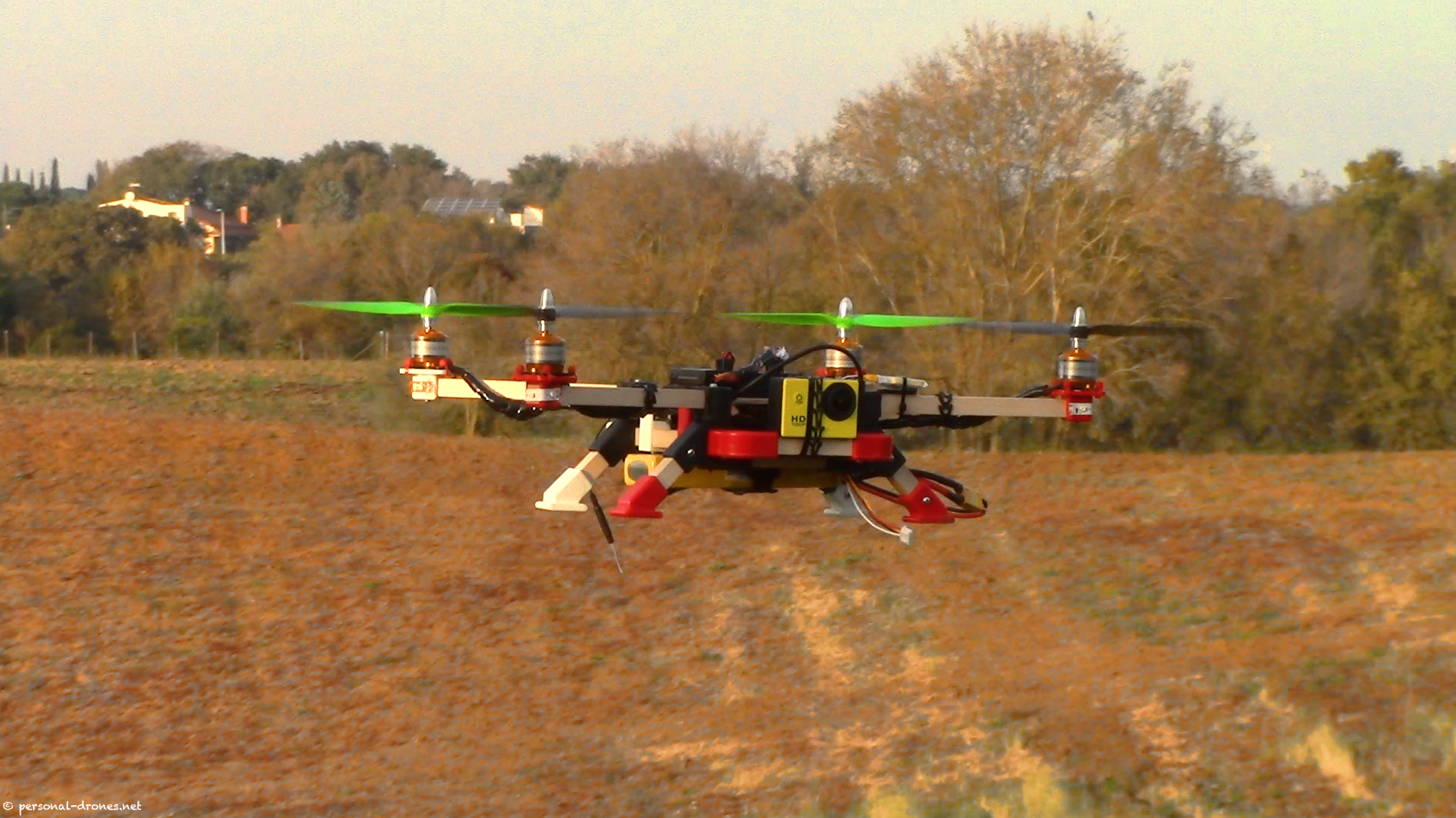
Farmers use unmanned aircraft to monitor crops, spray pesticides, and check soil conditions across large areas. These drones save time compared to driving tractors through fields or hiring crop dusters.
They can spot disease or drought stress in plants before it’s visible from the ground, helping farmers respond quickly. Some models carry tanks and spray equipment, applying chemicals with precision that reduces waste.
The technology helps small and large farms increase yields while using fewer resources.
Cargo planes
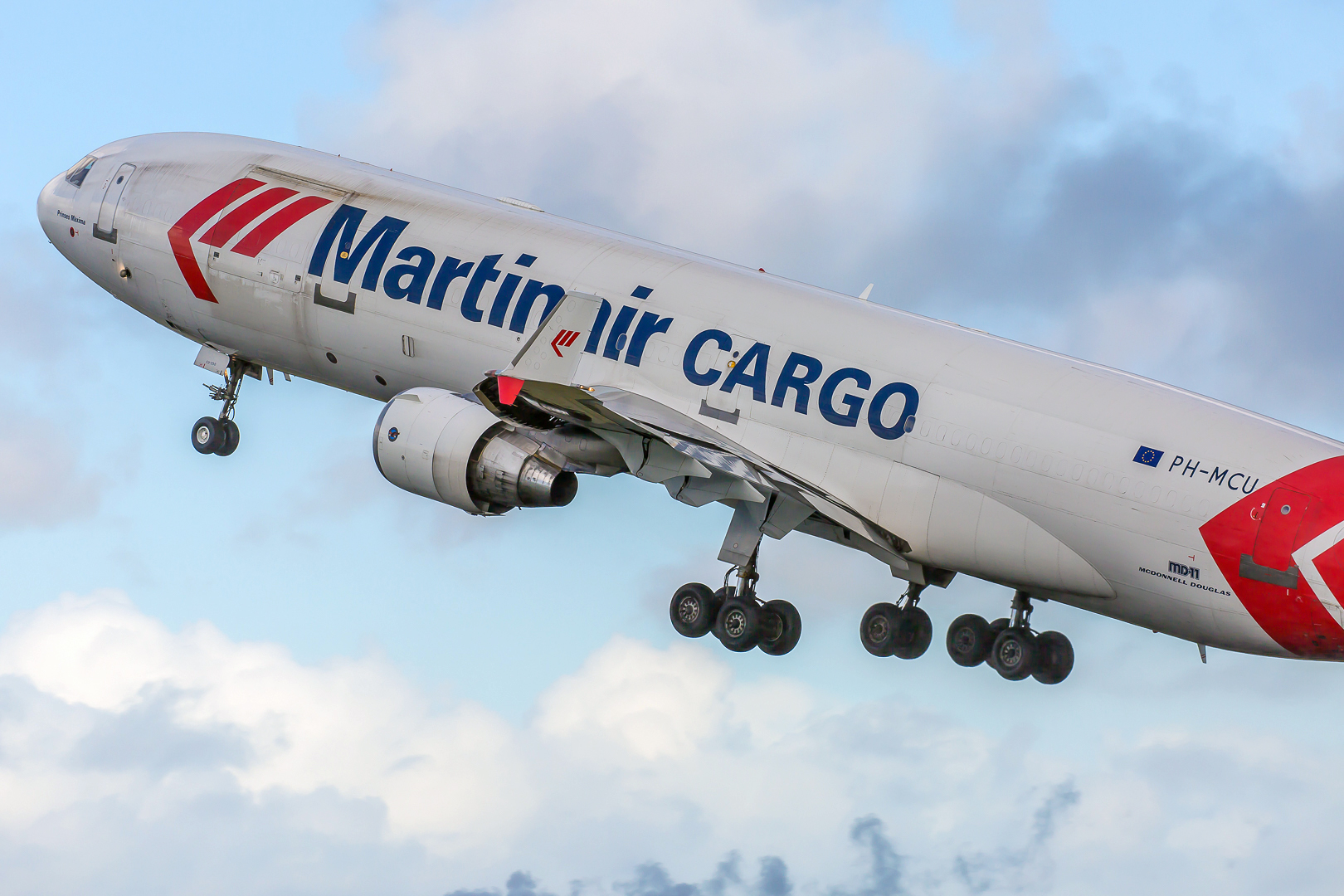
Several companies are working on large pilotless aircraft designed to haul freight instead of people. Reliable Robotics and Xwing have successfully tested remote-controlled cargo flights with planes that normally require pilots.
The aircraft follow programmed routes and can be monitored or controlled from the ground if needed. Converting existing cargo planes to autonomous operation costs less than building new aircraft from scratch.
Airlines and logistics companies see this as a way to address pilot shortages while reducing operating costs.
Surveillance aircraft
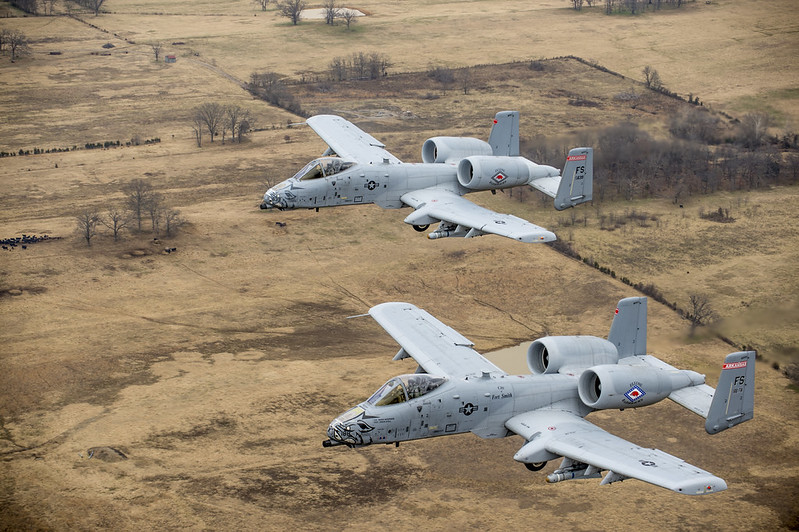
Law enforcement, border patrol, and environmental agencies use drones to monitor large areas from the air. These aircraft can track wildfires, search for missing people, or watch borders without the expense of helicopters.
They fly programmed patterns and send live video back to operators who can redirect them as needed. Some stay airborne for days at a time, providing continuous coverage that manned aircraft can’t match.
Privacy advocates worry about constant aerial surveillance, but agencies argue the technology saves lives and money.
Air taxi prototypes
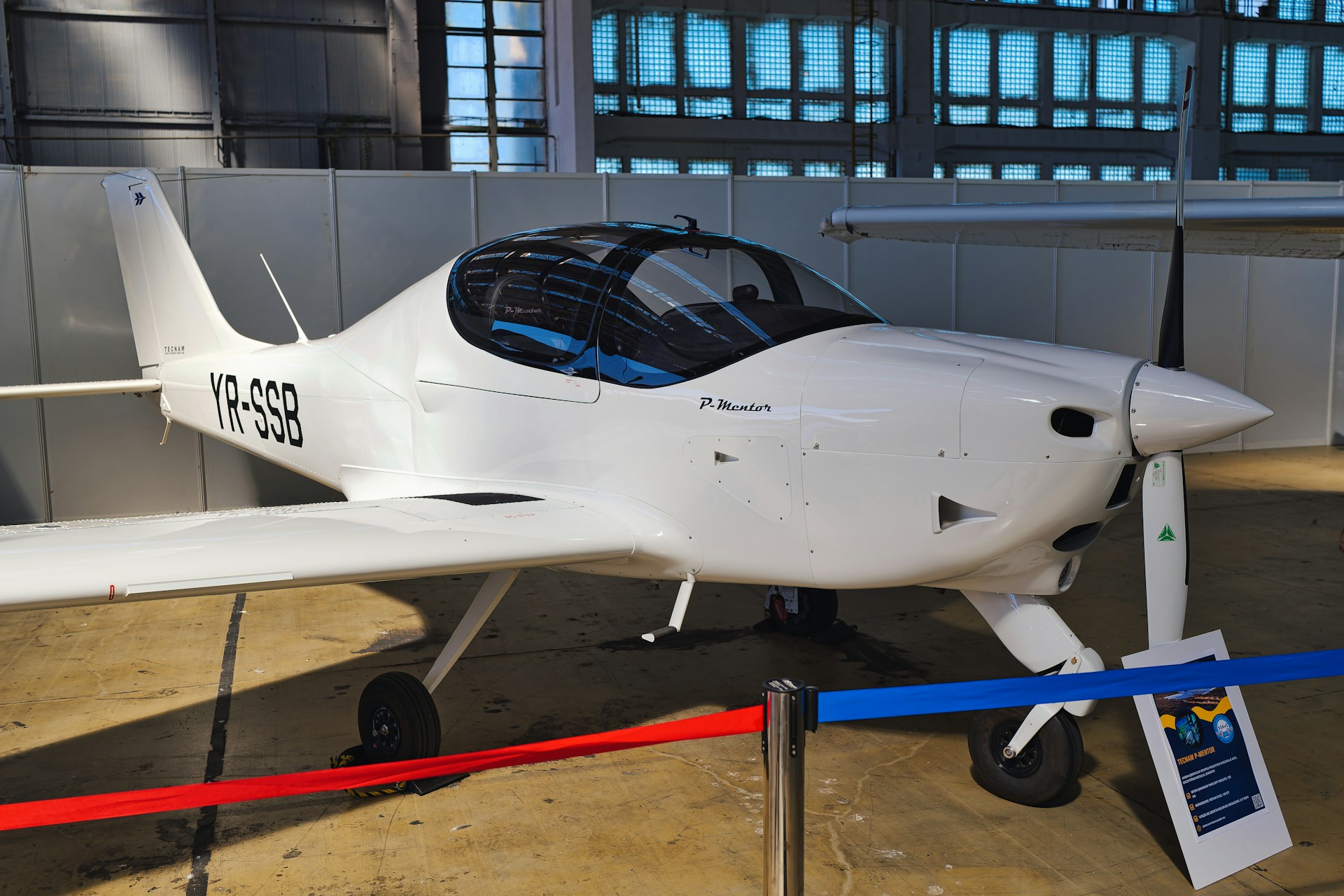
Companies like EHang, Joby Aviation, and Volocopter are building small electric aircraft designed to carry passengers without pilots. These air taxis look like oversized drones with seats and are intended for short urban flights.
The aircraft follow preset routes between landing pads, controlled by computers with human oversight from the ground. Test flights have carried passengers in China and Dubai, though commercial service hasn’t started yet.
Regulators are still figuring out safety standards before allowing widespread passenger flights without pilots onboard.
Target drones
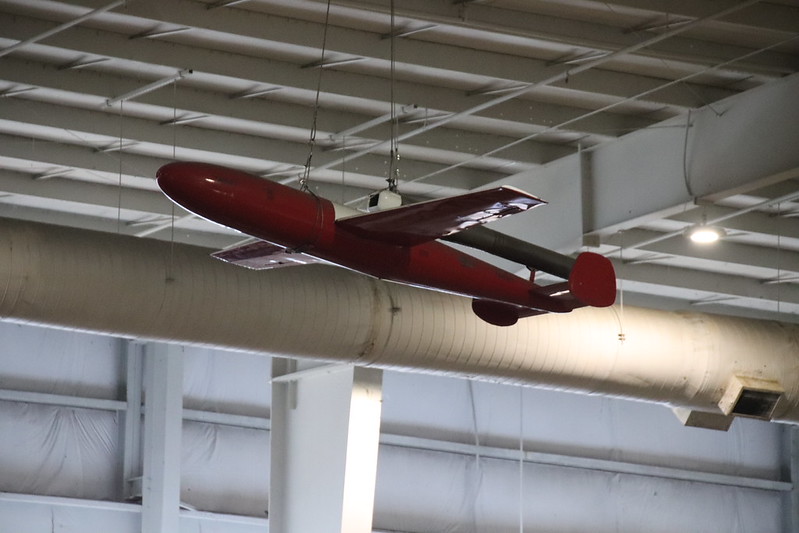
Military forces use pilotless aircraft as moving targets for training exercises. These drones simulate enemy planes or missiles, giving pilots and anti-aircraft crews practice without wasting expensive equipment.
Some target drones are designed to be shot down, while others perform evasive maneuvers and return to base. The technology lets forces practice combat scenarios safely and repeatedly.
Building target drones costs much less than using actual fighter jets for training.
Weather research aircraft
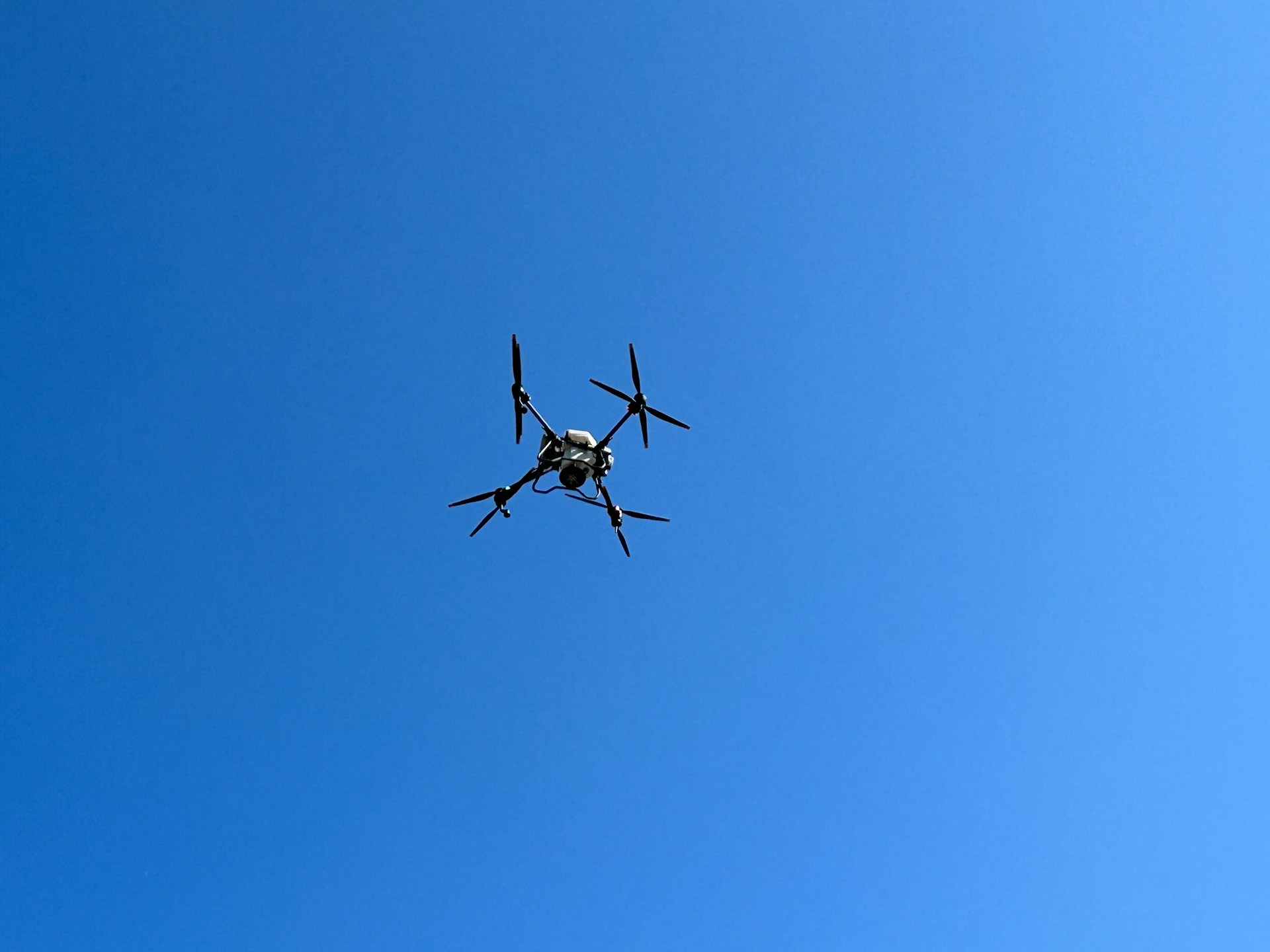
Scientists fly drones into hurricanes, tornadoes, and severe storms to collect data that helps improve forecasts. These aircraft go places too dangerous for pilots, measuring wind speed, pressure, temperature, and humidity inside extreme weather.
The data helps meteorologists understand how storms develop and strengthen. NASA and NOAA regularly use high-altitude drones to study atmospheric conditions over oceans and remote areas.
The information gathered improves warning systems that save lives during severe weather events.
Search and rescue drones
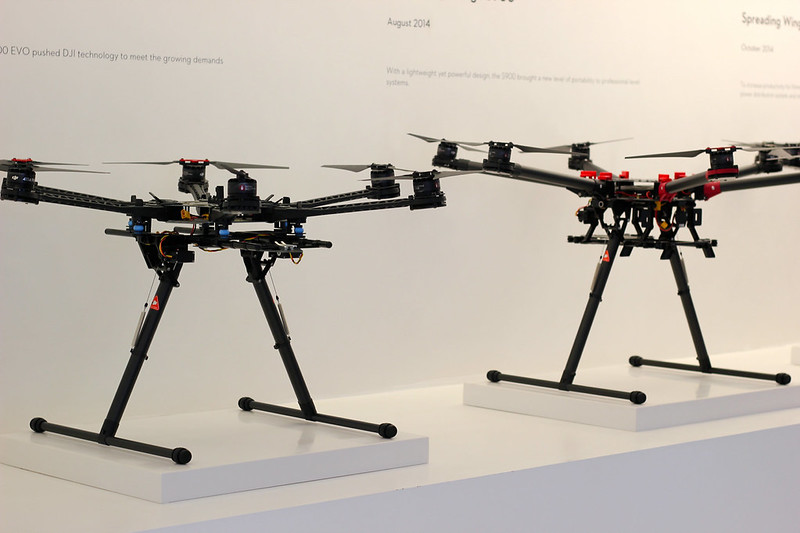
Emergency responders use small drones to find lost hikers, locate accident victims, and assess disaster areas. These aircraft carry thermal cameras that can spot body heat in darkness or through smoke.
They reach remote locations faster than ground teams and provide aerial views that help coordinate rescue efforts. Some drones can drop emergency supplies like water, medicine, or communication devices to stranded people.
The technology has become standard equipment for mountain rescue teams and disaster response units.
Pipeline inspection aircraft
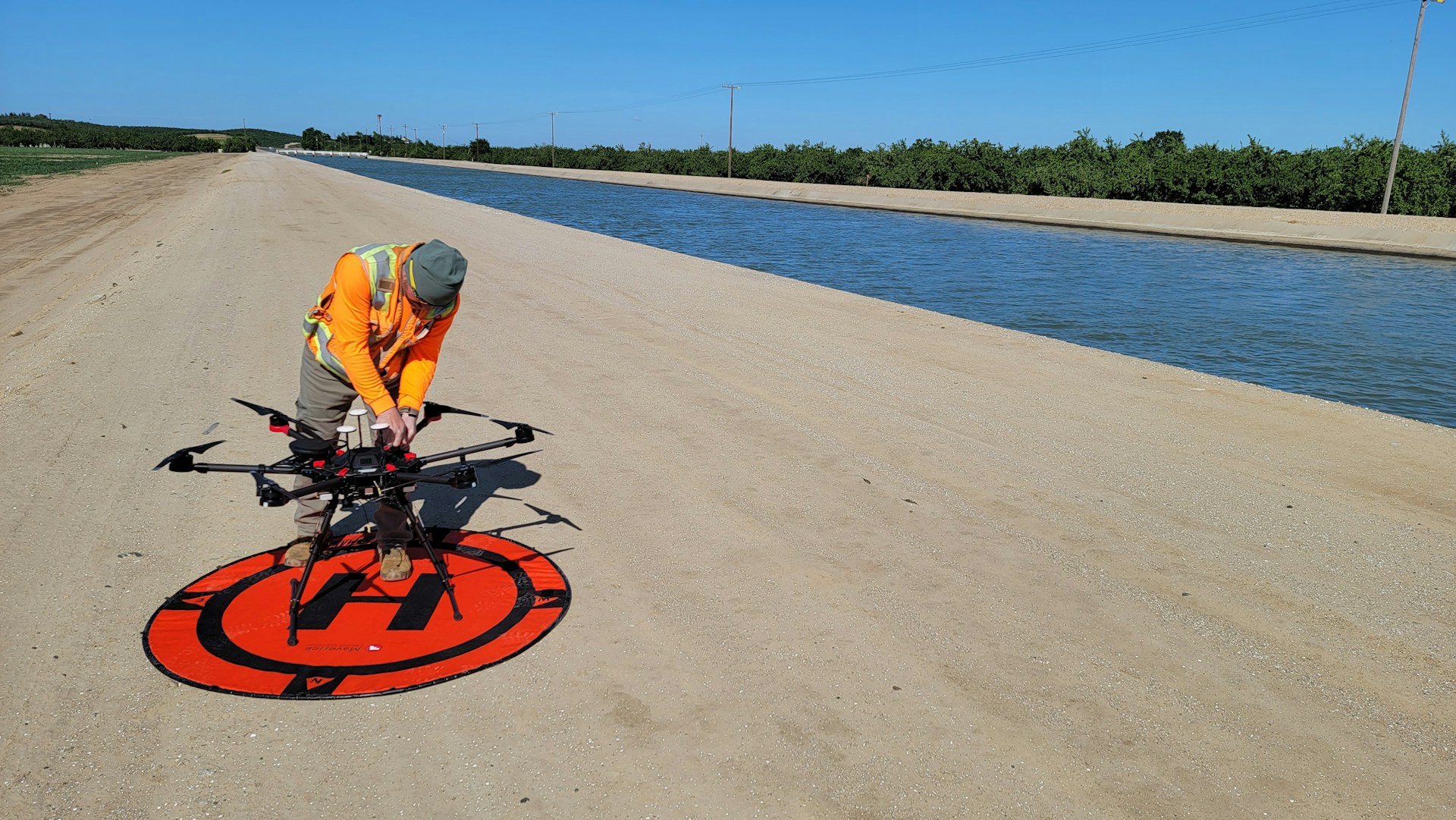
Energy companies fly drones along oil and gas pipelines to check for leaks, damage, or encroachment. These inspections used to require helicopters or ground crews walking the pipeline route.
Drones equipped with special sensors can detect gas leaks invisible to the human eye. They cover hundreds of miles in a day, documenting the pipeline condition with photos and sensor data.
The regular monitoring helps prevent environmental disasters and keeps energy flowing safely.
Forest fire monitoring
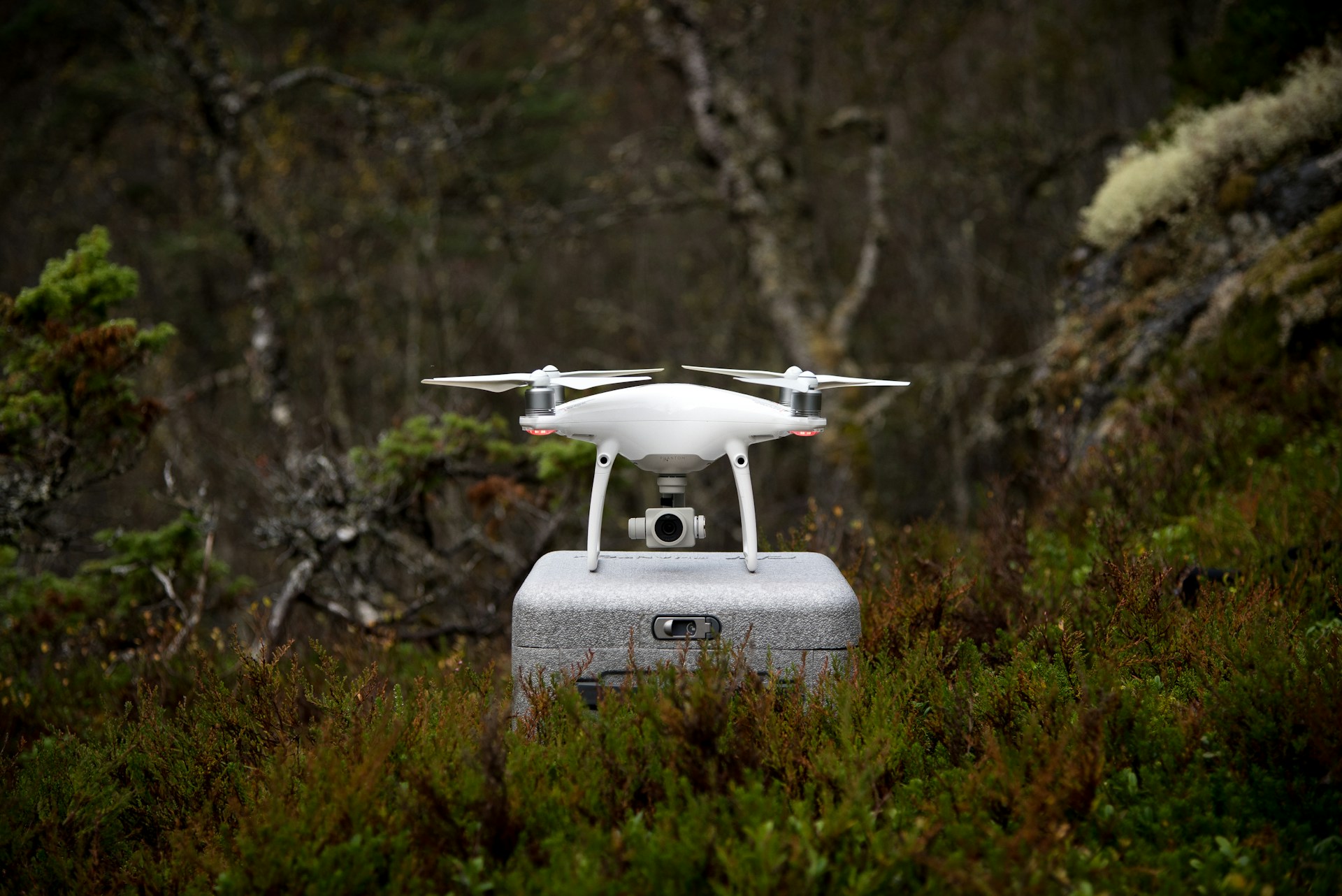
Firefighting agencies use unmanned aircraft to map active wildfires and track how they spread. These drones fly through smoke that would ground helicopters, providing real-time information about fire movement and intensity.
They use infrared cameras to spot hot spots that might flare up later. The data helps fire commanders decide where to deploy crews and equipment most effectively.
Some larger drones can stay over fires for hours, continuously updating maps as conditions change.
Advertising aircraft
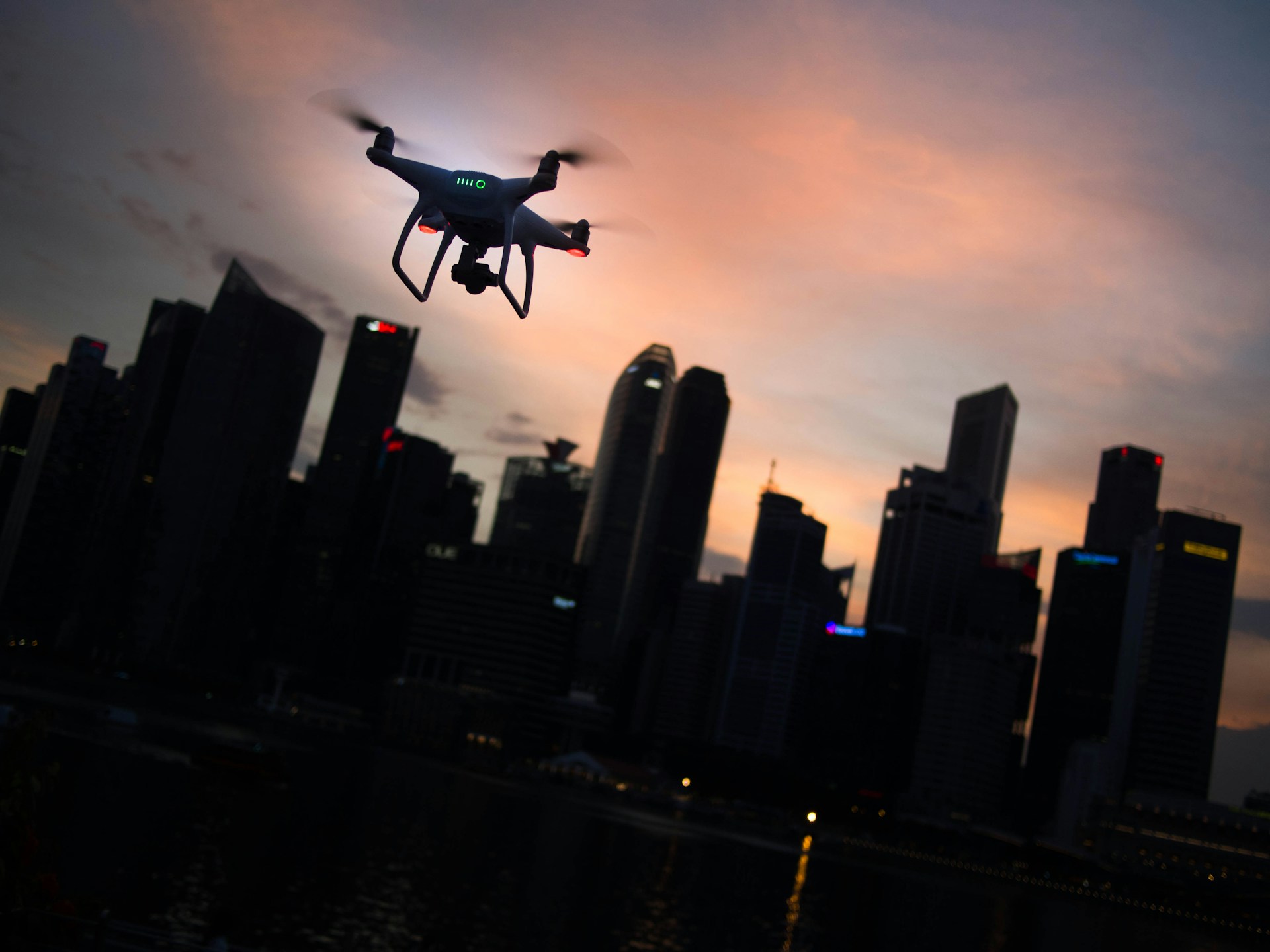
Companies are testing drones that carry banners or display messages over sporting events and beaches. These pilotless aircraft replace traditional banner-towing planes that require pilots.
They fly programmed routes at safe altitudes while displaying advertisements or announcements. The drones cost less to operate than manned aircraft and can hover in place rather than constantly circling.
Regulations limit where and when advertising drones can fly, especially near crowds or airports.
Mapping and surveying drones
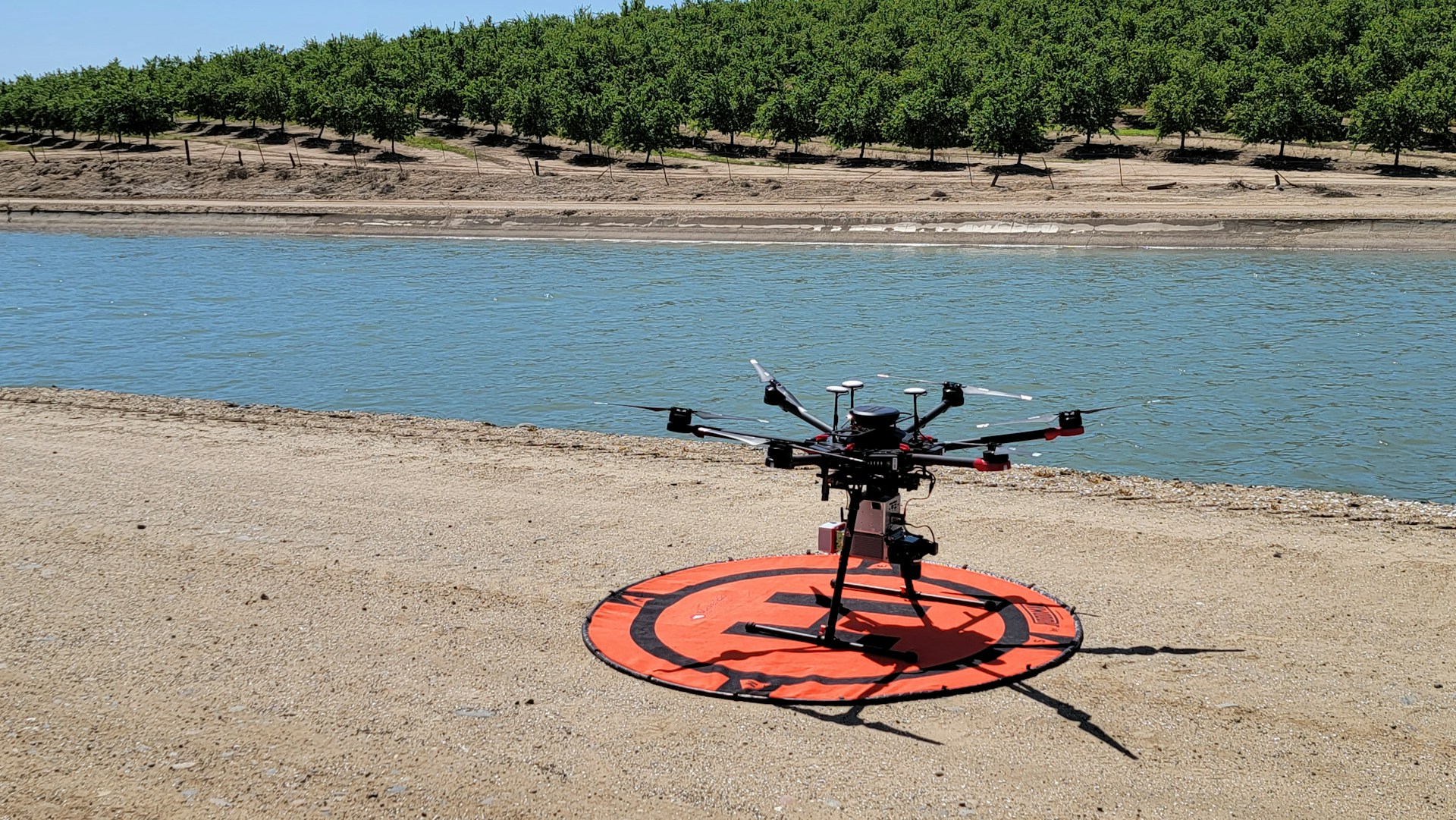
Construction companies, mining operations, and land developers use drones to create detailed maps and 3D models. These aircraft photograph terrain from multiple angles, and software turns the images into accurate topographic maps.
Surveyors get in days what used to take weeks with ground equipment. The technology tracks excavation progress, measures stockpiles, and identifies potential problems before they become expensive.
Drones have made land surveying faster, safer, and more affordable for projects of all sizes.
Film and photography aircraft
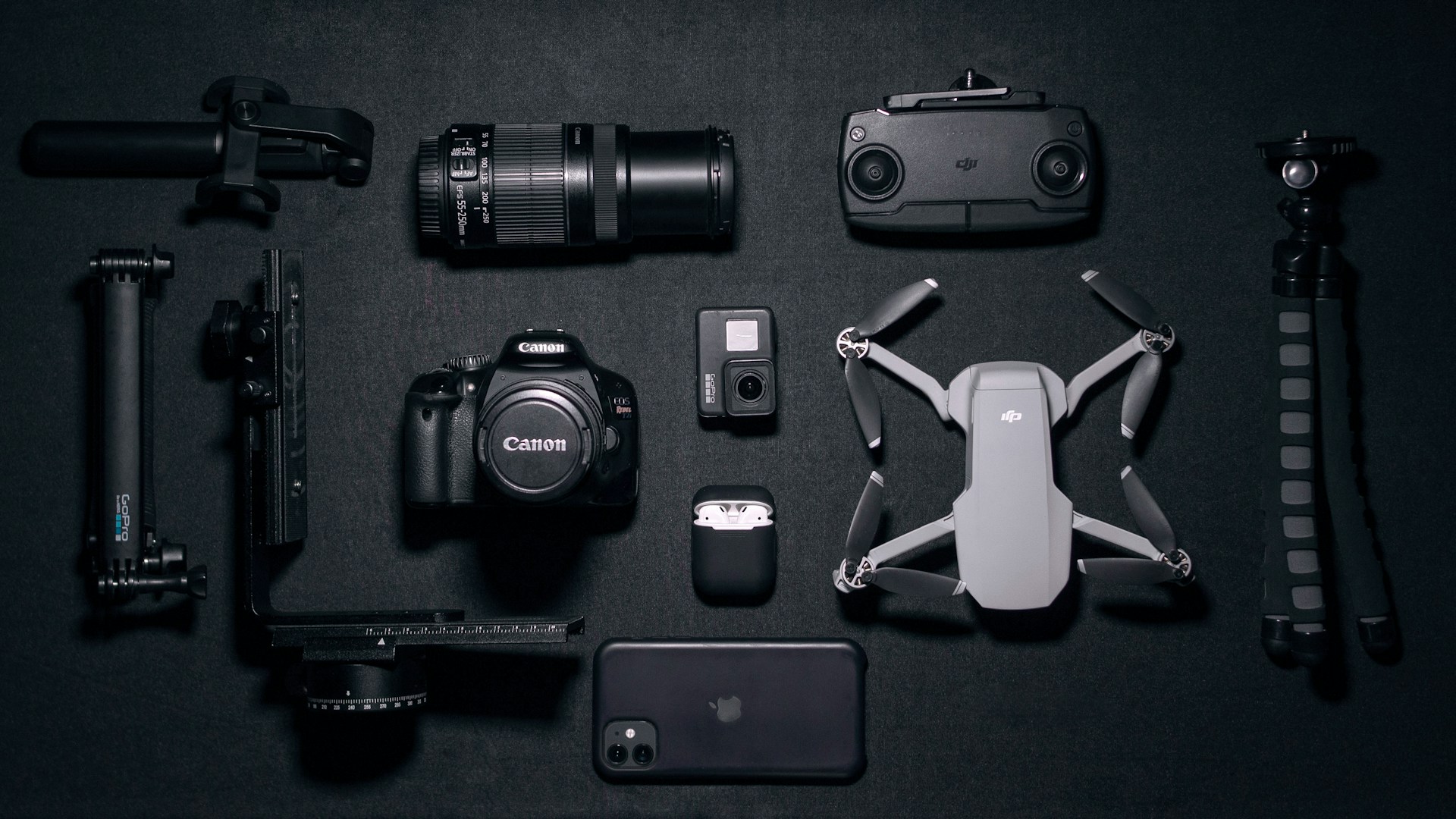
Movie studios and documentary filmmakers use camera drones to capture shots that once required expensive helicopter rentals. These aircraft follow programmed flight paths or respond to operator controls, carrying high-quality cameras on stabilized gimbals.
They fly through tight spaces and perform moves that would be dangerous or impossible with manned aircraft. The technology democratized aerial cinematography, making it accessible to independent filmmakers and small production companies.
Drones are now standard equipment on most film and television productions.
Border patrol drones
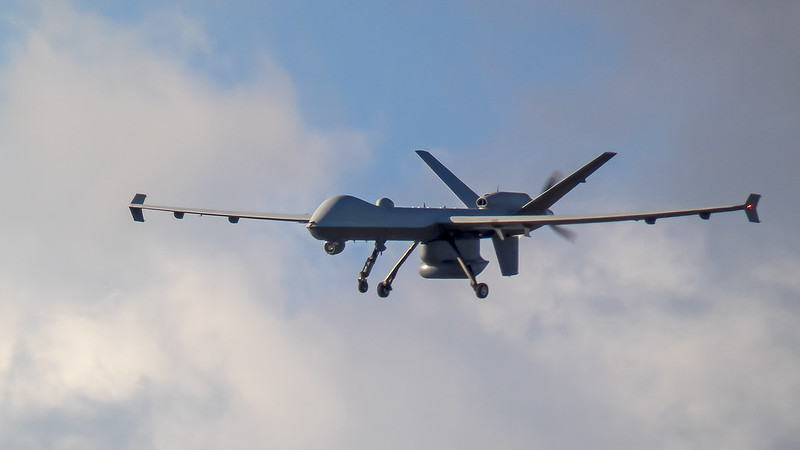
Flying high above boundary lines, big pilotless planes help watch for unauthorized entries and hidden goods. With gear that sees through darkness and detects movement, they cover spots too tough for officers on foot.
Spotting travelers or trucks miles away, these machines guide response teams toward them. One trip lasts more than a full day without landing.
Some say spending so much might not bring equal results. Still, officials insist each drone acts like many extra eyes across wide stretches of land.
Ocean research aircraft
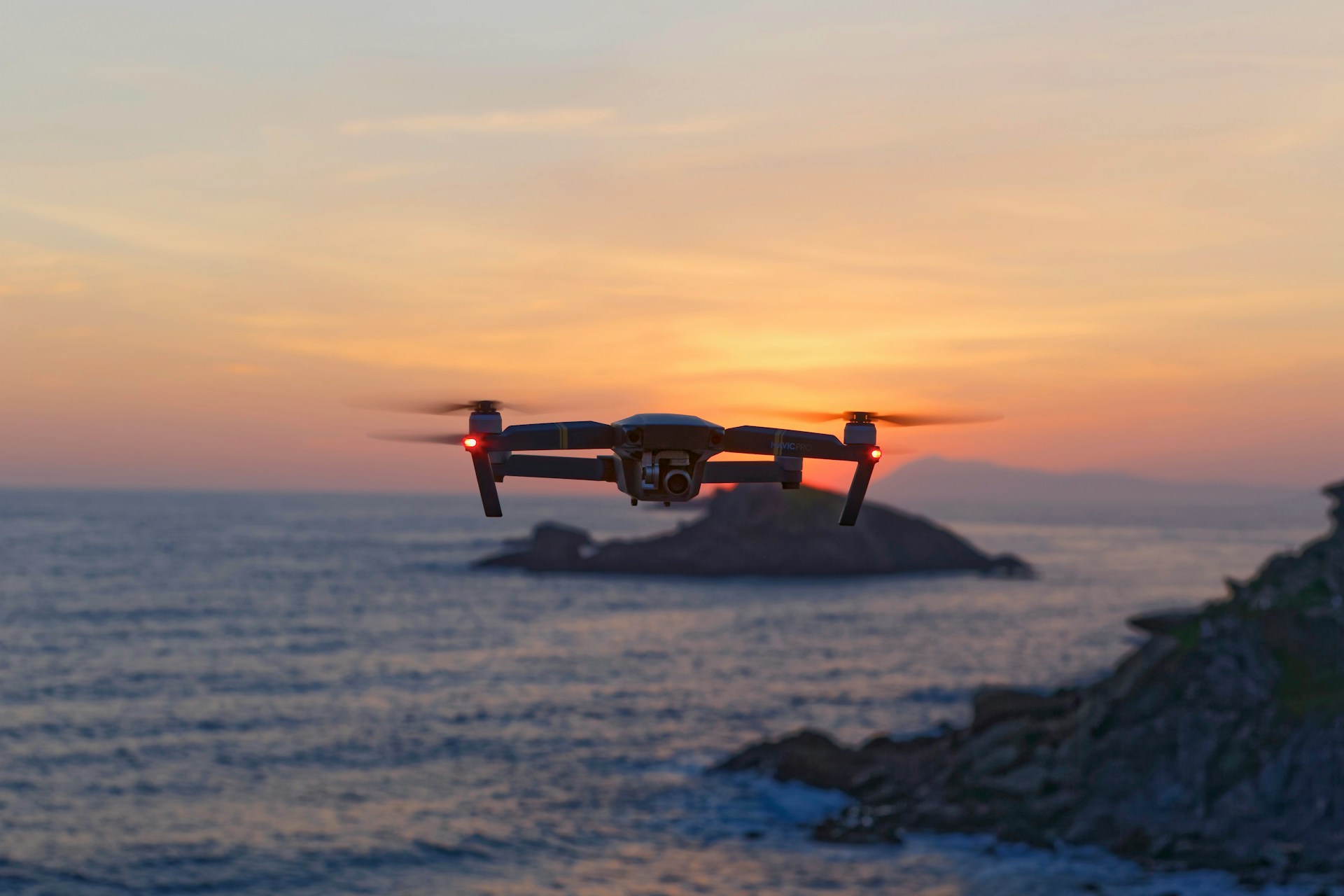
Flying machines help ocean experts watch whales move across seas, spot hidden fishing boats, then check how healthy the water is. Over wide stretches of open sea, these tools work faster than vessels that take more time and cost extra money.
From above, they snap images of creatures below, record how warm the waves are, and also reveal signs of dirty runoff. Certain models touch down on waves to grab liquid pieces, lift back into the sky afterward.
New gear opens faraway zones once nearly impossible to visit often without big expense.
Why they keep spreading
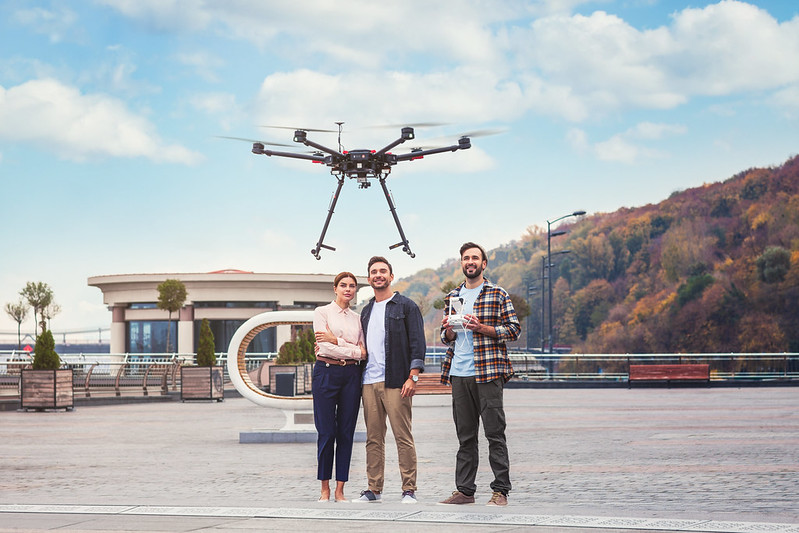
Flying without a person onboard began in limited roles yet continues spreading into fresh fields by tackling actual challenges. Where it’s unsafe for humans, these machines step in instead.
Longer flights happen easily since fatigue does not affect them like it affects crewed missions. Operating costs drop compared to regular flight methods due to fewer resources needed.
Year after year, upgrades make the systems smarter and tougher. Rules shift gradually, building space for their presence near everyday air traffic.
Not if they’ll show up more often is the issue – speed matters most when replacing jobs now handled by pilots.
More from Go2Tutors!

- The Romanov Crown Jewels and Their Tragic Fate
- 13 Historical Mysteries That Science Still Can’t Solve
- Famous Hoaxes That Fooled the World for Years
- 15 Child Stars with Tragic Adult Lives
- 16 Famous Jewelry Pieces in History
Like Go2Tutors’s content? Follow us on MSN.