Most Remote Inhabited Islands
You might think isolation ended with modern technology and global connectivity. But scattered across the world’s oceans, small communities still live thousands of miles from the nearest mainland, often days or weeks away from any other human settlement.
These islands push the boundaries of human habitation, where residents build lives in places most people never even consider visiting.
Tristan da Cunha: The World’s Loneliest Address
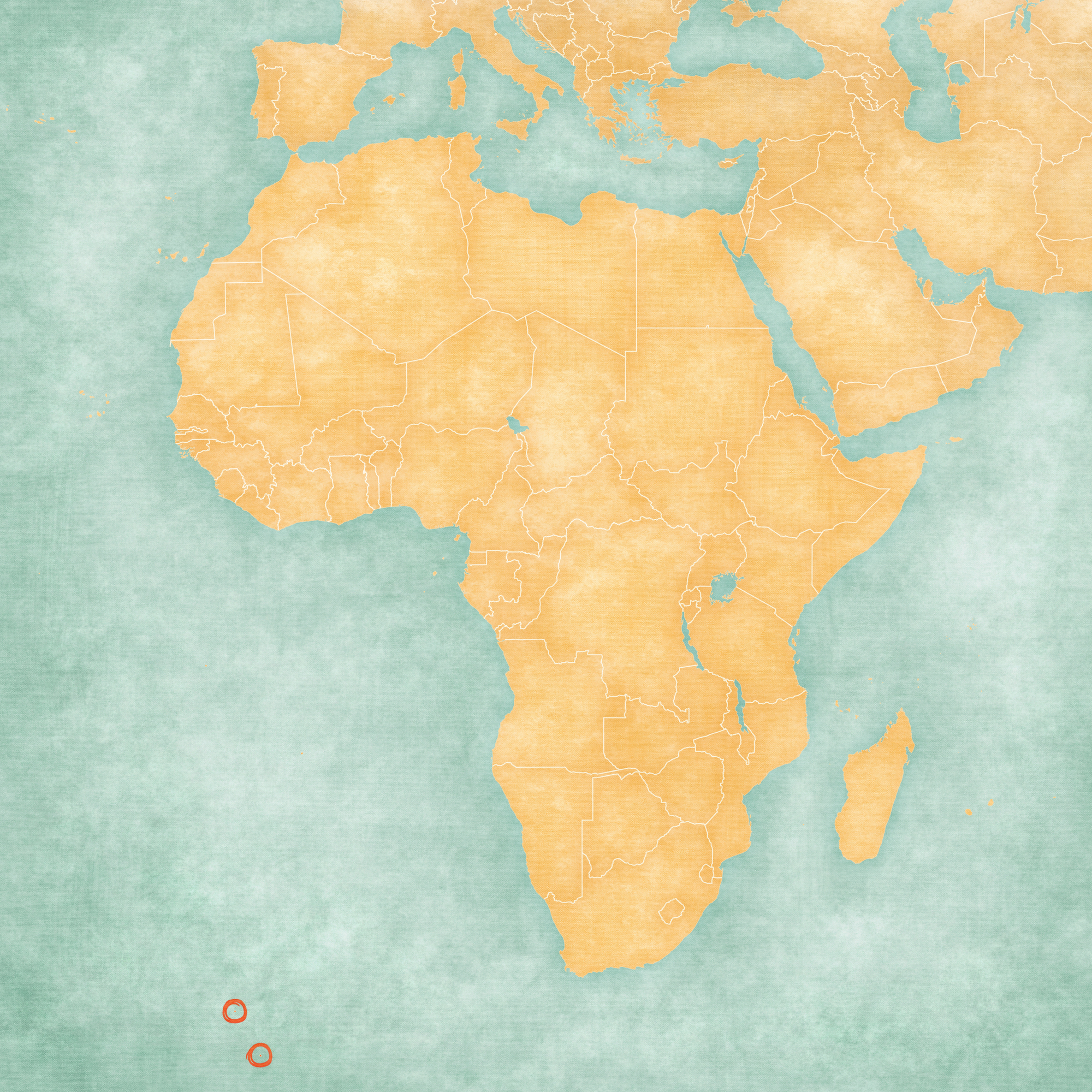
Tristan da Cunha claims the title of the most remote inhabited island on Earth. The archipelago sits in the South Atlantic Ocean, roughly 1,750 miles from South Africa and more than 2,000 miles from South America.
No airstrip exists here. The only way on or off is by boat, and those boats come maybe a dozen times per year.
Around 250 people call this place home, all living in a single settlement called Edinburgh of the Seven Seas. The community traces its roots to a British garrison stationed here in 1816, and most current residents descend from just a handful of original families.
They share about 80 family groups among them. The island itself is a volcano, with its peak usually covered in clouds.
When the volcano erupted in 1961, the entire population evacuated to England. Most returned two years later, choosing this isolated life over the comforts of modern Britain.
That decision tells you something about the pull of this place.
Easter Island: Stone Giants in the Pacific
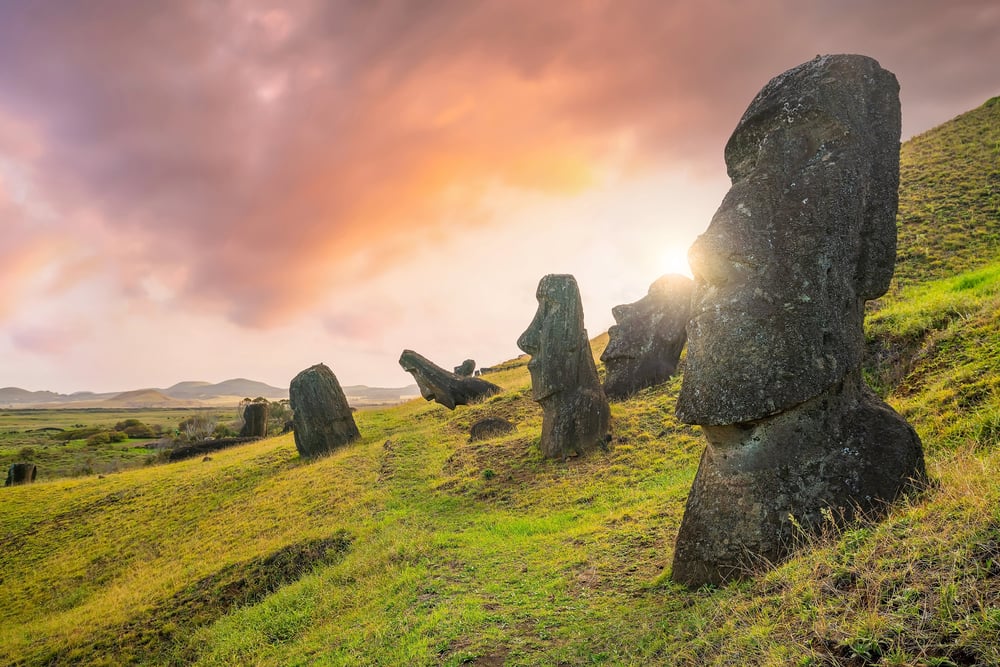
Easter Island, or Rapa Nui as the locals call it, sits 2,300 miles from the nearest mainland and more than 1,200 miles from the closest inhabited island. The island became famous for its massive stone statues, the moai, but the story of the people who live there remains just as compelling.
Today about 7,750 people live on Easter Island, with roughly 45% identifying as Rapa Nui, descendants of the original Polynesian settlers. The rest are mostly Chilean, as the island became a Chilean territory in 1888.
The main town, Hanga Roa, houses nearly everyone. For decades, people believed Easter Island’s original inhabitants destroyed their environment and caused their own population to collapse.
Recent research challenges this narrative. The population probably never exceeded a few thousand people, and residents adapted cleverly to limited resources, creating rock gardens to protect crops from harsh winds.
The real devastation came from European contact, particularly slave raids and diseases like smallpox in the 1860s.
Pitcairn Island: Where the Mutineers Landed
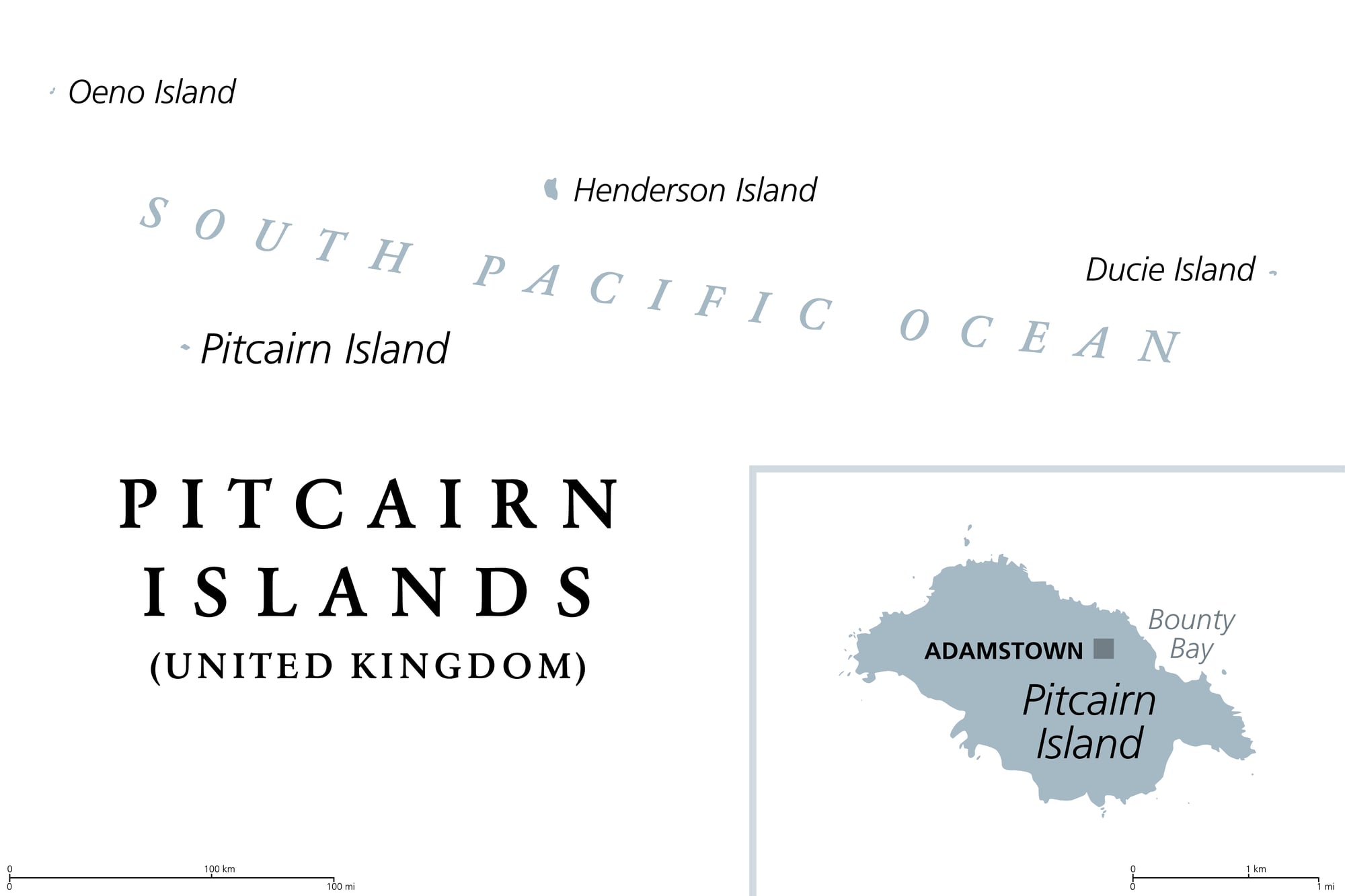
Pitcairn Island might be the most famous remote island, thanks to the story of the HMS Bounty mutineers who settled here in 1790. It’s also one of the least populated places on Earth, with just 34 residents as of 2023.
That makes it 22 times smaller than Vatican City. The island lies in the South Pacific, with no nearby neighbors.
Getting here requires catching the MV Silver Supporter, a freight vessel that makes occasional trips from French Polynesia. The journey isn’t quick or convenient.
Every resident can trace their ancestry back to the mutineers or their Tahitian companions. The tiny population means everyone shares multiple family connections.
Kids attend a school with typically just one or two students per grade level. The island’s main income comes from selling honey and handmade crafts to the rare visitors who make the journey.
Svalbard: Life Near the Top of the World
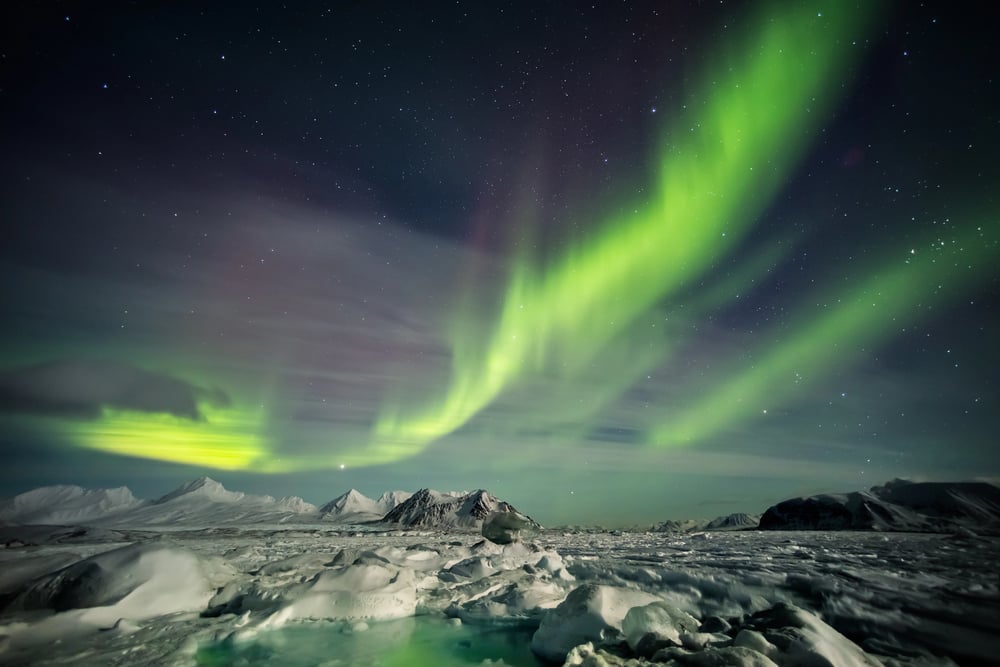
Svalbard breaks the pattern of tiny populations. Longyearbyen, the main settlement, hosts about 2,400 residents from 53 different countries.
But the isolation here comes from geography and climate rather than distance alone. The archipelago sits just 1,300 kilometers from the North Pole.
Polar bears outnumber residents in Svalbard. Anyone leaving town must carry a rifle.
The sun disappears completely from late October to mid-February, then stays above the horizon from April to August. Temperatures can drop below minus 40 degrees.
Despite the harsh conditions, Svalbard has become a hub for Arctic research and tourism. The University Centre in Svalbard attracts international students, and the Global Seed Vault stores backup copies of crop seeds from around the world.
No one is born here though. Pregnant women must travel to mainland Norway to give birth, and the elderly eventually leave too. Svalbard has no nursing homes.
St. Helena: Napoleon’s Prison
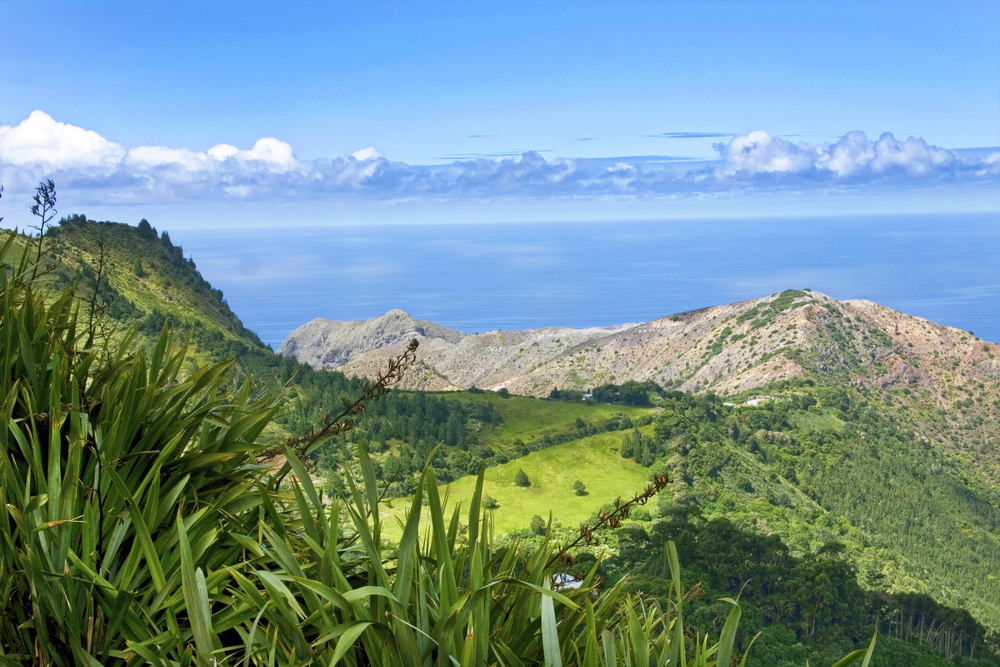
St. Helena sits in the South Atlantic, 1,200 miles from the nearest land. The island gained fame as the place where Napoleon Bonaparte spent his final years in exile after his defeat at Waterloo.
He died here in 1821, and visitors still tour his residence and tomb. About 4,500 people live on St. Helena today.
The island remained accessible only by ship for centuries, with boats arriving every few weeks. This changed in 2016 when the island finally got an airport.
But the airport came with problems. Wind shear makes landing difficult, and several airlines refused to serve the route.
The isolation continues despite the runway. The local economy depends heavily on fishing and limited tourism.
Young people often leave for opportunities elsewhere, creating an aging population. The island’s remoteness means everything imported arrives slowly and costs more.
Robinson Crusoe Island: Reality Behind the Fiction
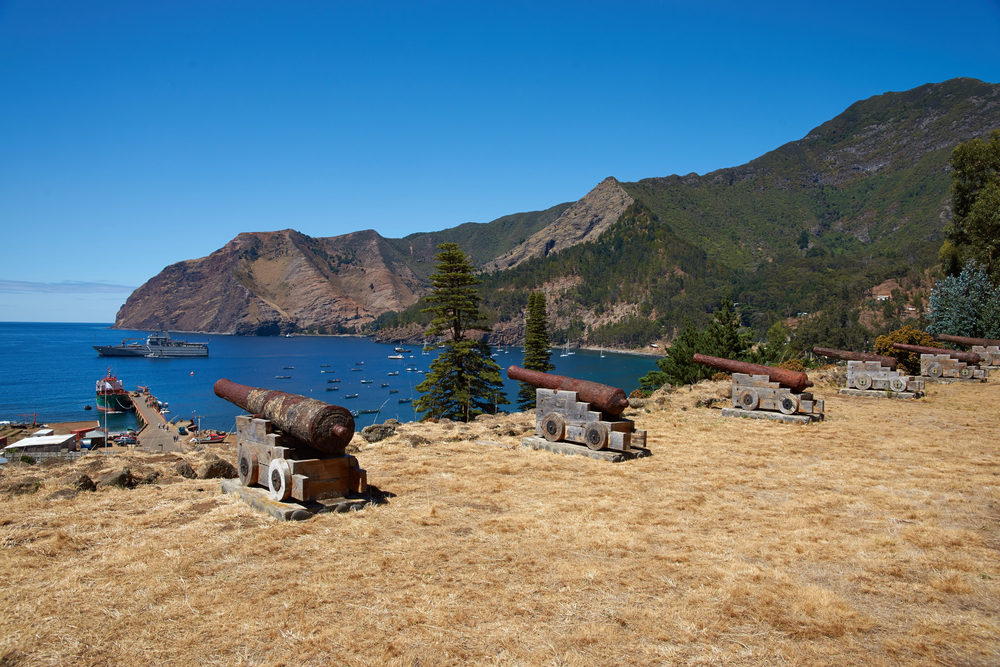
The Juan Fernández Islands include Robinson Crusoe Island, named after Daniel Defoe’s famous novel. The real story proves more interesting than the fiction.
In 1704, a Scottish sailor named Alexander Selkirk got marooned here after arguing with his ship’s captain about the vessel’s seaworthiness. He survived alone for four and a half years before rescue.
Today about 900 people live on the island, mostly in the settlement of San Juan Bautista. The island sits more than 400 miles from the Chilean coast.
Fishing, particularly lobster, drives the economy. The waters around the island teeming with endemic species, including the Juan Fernández fur seal, which nearly went extinct before conservation efforts brought it back.
Unlike the tropical paradise in Defoe’s novel, the real island is rocky and often covered in mist. The weather can turn harsh quickly, and supplies from the mainland arrive irregularly.
Little Diomede: Where Russia Meets America
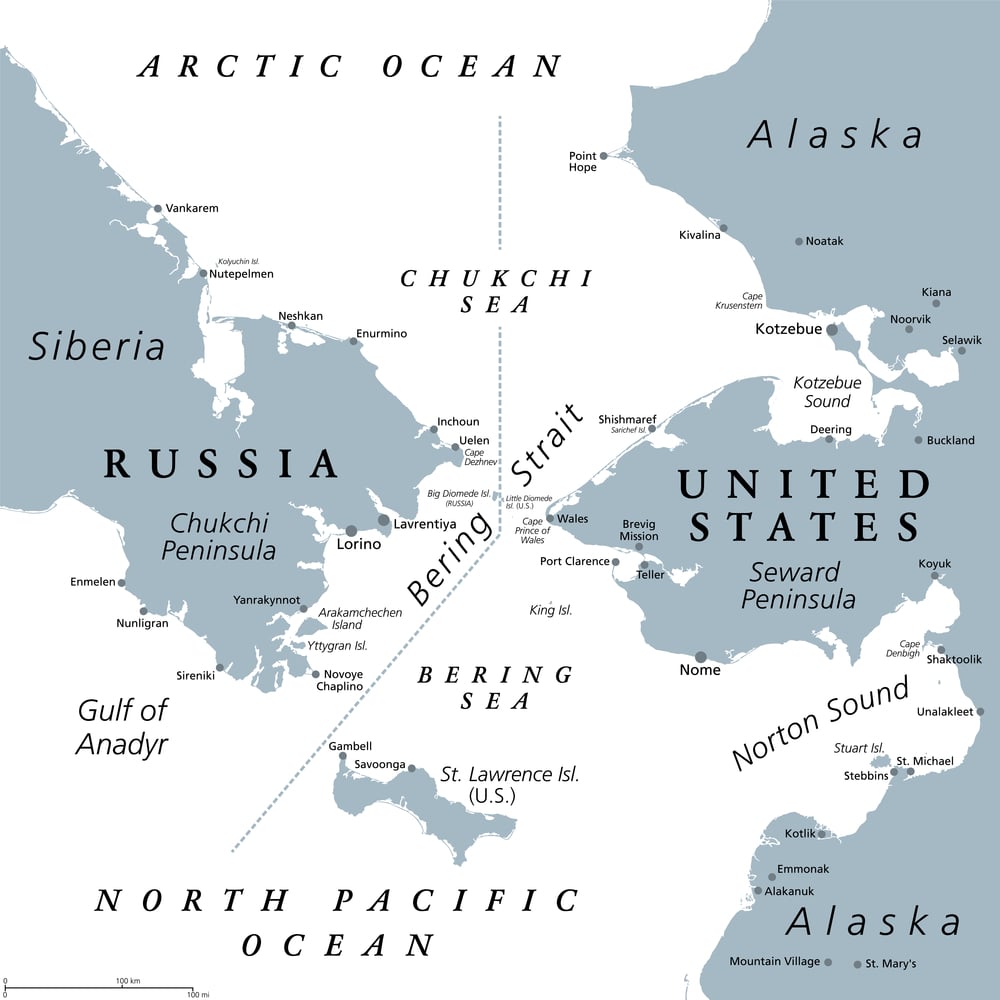
The Diomede Islands sit in the Bering Strait, with Big Diomede belonging to Russia and Little Diomede to the United States. The islands lie less than three miles apart, yet they’re separated by the International Date Line and the maritime border between two nations.
About 120 people live in the village of Diomede on Little Diomede. It’s one of the most isolated communities in Alaska.
No boats can dock here. Supplies arrive by helicopter from Nome, and the mail delivery costs around $300,000 annually.
Residents hunt marine mammals and fish to supplement imported food. In winter, when the water between the islands freezes, you could theoretically walk from America to Russia.
But don’t try it. Border patrol on both sides takes the boundary seriously, and crossing would land you in serious legal trouble.
Kerguelen Islands: The Desolation Islands
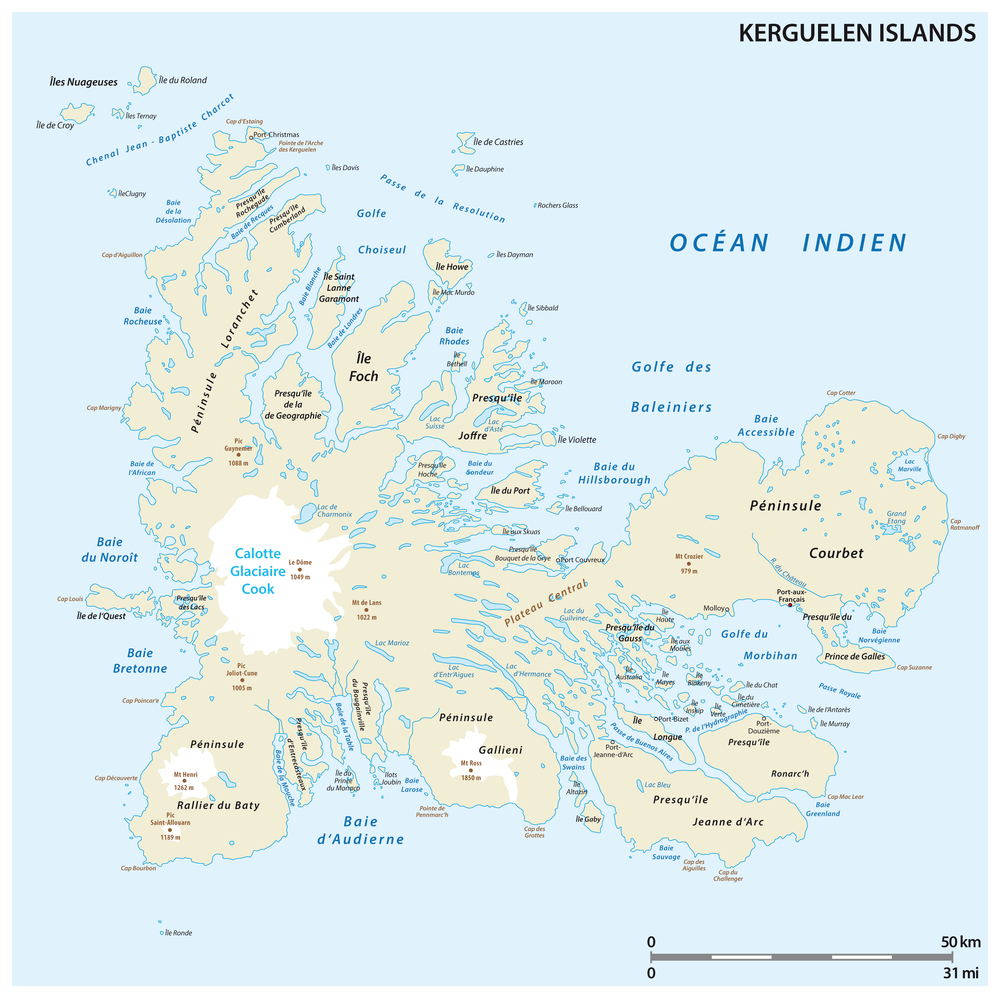
The Kerguelen Islands earned their nickname “Desolation Islands” honestly. These French territories sit in the southern Indian Ocean, more than 2,000 miles from Madagascar.
No permanent residents live here, only 45 to 110 scientists who rotate through the research station. The climate matches the name.
Strong winds blow constantly, and temperatures rarely climb above 50 degrees Fahrenheit even in summer. Glaciers cover many of the islands, and vegetation consists mostly of moss and grass.
Yet life persists. The waters around Kerguelen host elephant seals, fur seals, and numerous seabirds.
The French government maintains a research presence to study these ecosystems and monitor climate change in the southern ocean.
Amsterdam Island: France’s Distant Outpost
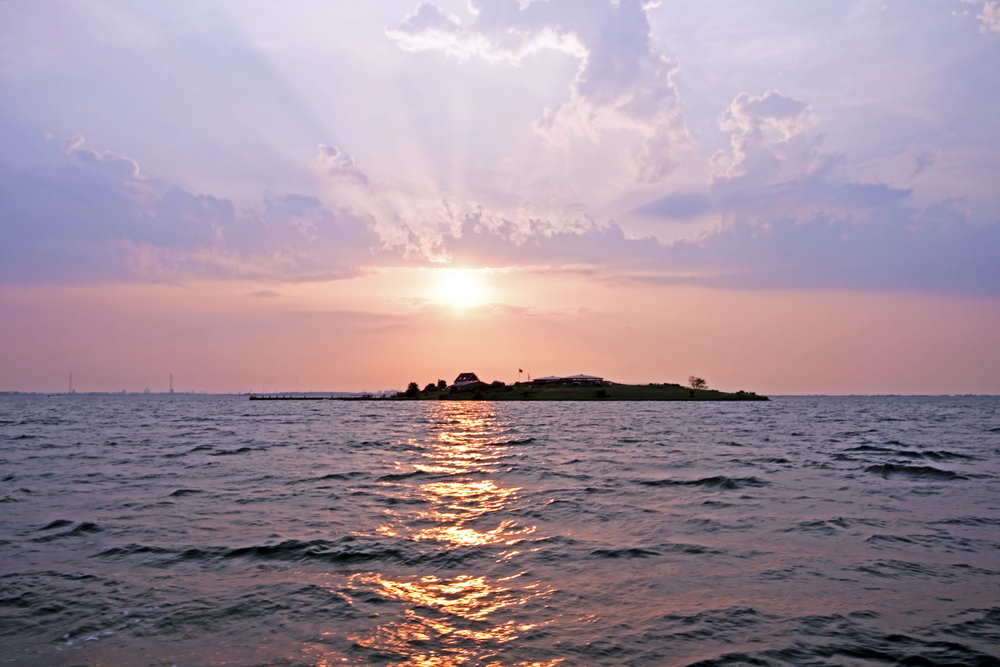
Amsterdam Island floats in the Indian Ocean, more than 2,100 miles from both Madagascar and Australia. France administers the island, but only about 25 researchers live here at any time.
They study the island’s wildlife, particularly the albatrosses and other seabirds that nest here. The island formed from volcanic activity and rises to about 2,800 feet at its highest point.
Trees don’t grow here, but the endemic Amsterdam albatross makes this its only breeding ground in the world. Fewer than 170 of these birds remain, making them critically endangered.
Getting to Amsterdam Island requires convincing the French government you have a legitimate research purpose. Then you need to find a ship willing to make the journey.
Tourism isn’t an option.
Norfolk Island: Australia’s Remote Territory
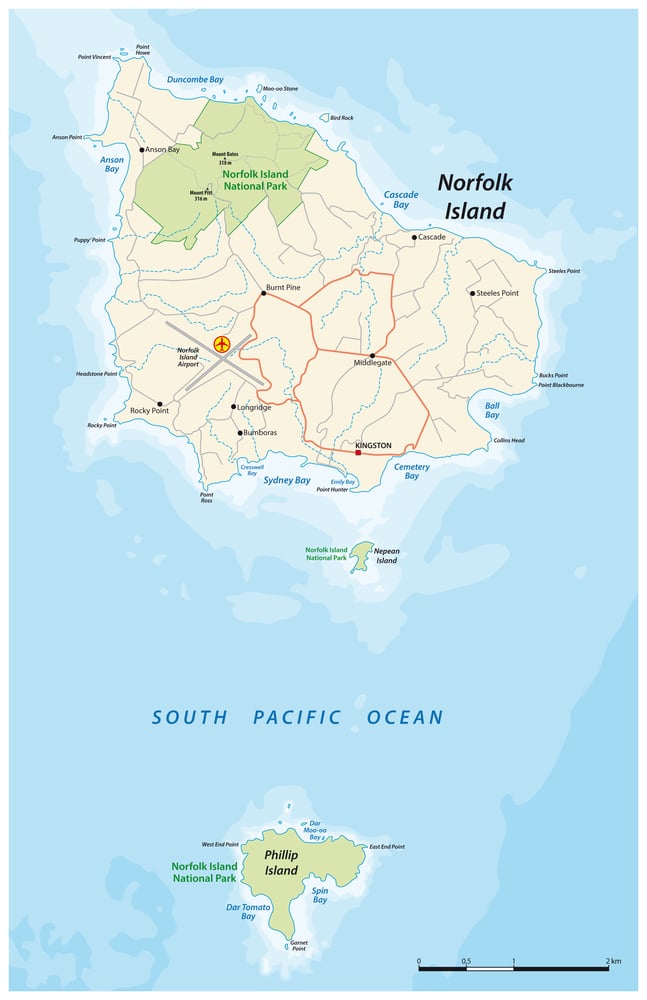
Norfolk Island lies between Australia, New Zealand, and New Caledonia. About 1,750 people live here, making it less isolated than some islands on this list but still quite remote.
The nearest major city, Brisbane, sits more than 900 miles away. The island’s history includes a brutal past as a British penal colony where Australia sent its most troublesome convicts.
Today it’s a self-governing Australian territory with a mixed population. Many residents descend from Pitcairn Islanders who relocated here in the 1850s when Pitcairn became overcrowded.
Norfolk Island has its own language, Norfuk, a creole that mixes English and Tahitian. The economy depends on tourism and tax haven status.
But maintaining services on a small island far from anywhere costs money, and the population has been declining as young people leave for opportunities on the mainland.
Macquarie Island: Where Penguins Rule
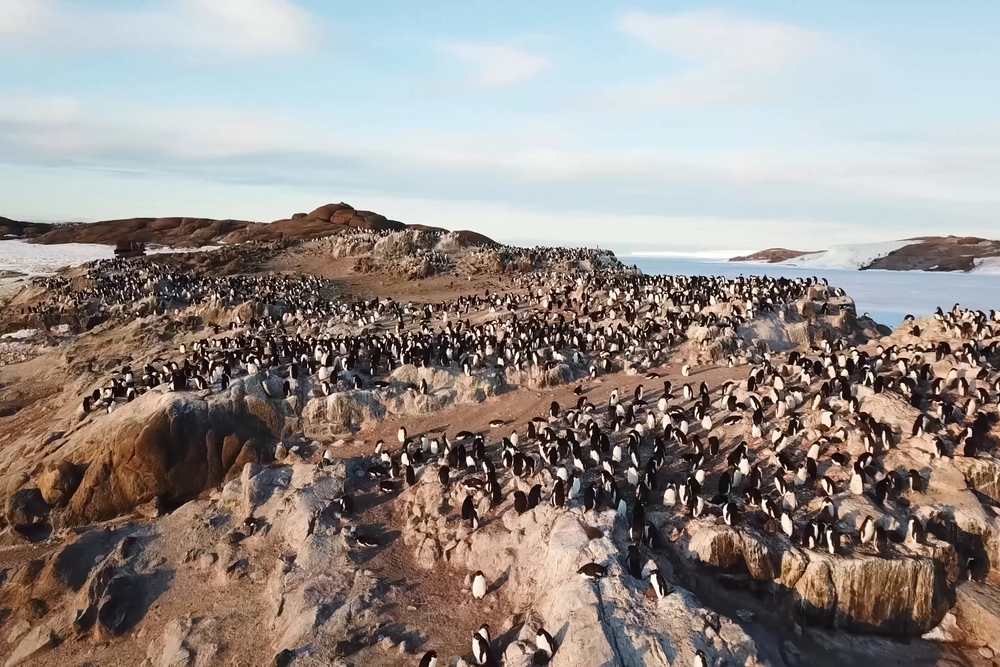
Macquarie Island sits more than 900 miles southeast of Tasmania in the Southern Ocean. Australia administers the island, but the only permanent human presence is a research station staffed by about 20 to 40 people who rotate through.
The island belongs to its wildlife. Four species of penguins breed here, along with three species of albatross and six species of seals.
The island’s ecosystem is so unique that UNESCO declared it a World Heritage Site. The weather makes survival challenging.
Winds blow almost constantly, rain falls 300 days a year, and temperatures hover just above freezing even in summer. Early sealers and whalers devastated the local wildlife, and introduced species nearly destroyed the ecosystem.
Recent conservation efforts have eliminated rabbits and other invasive species, allowing native wildlife to recover.
Jan Mayen: Norway’s Arctic Outpost
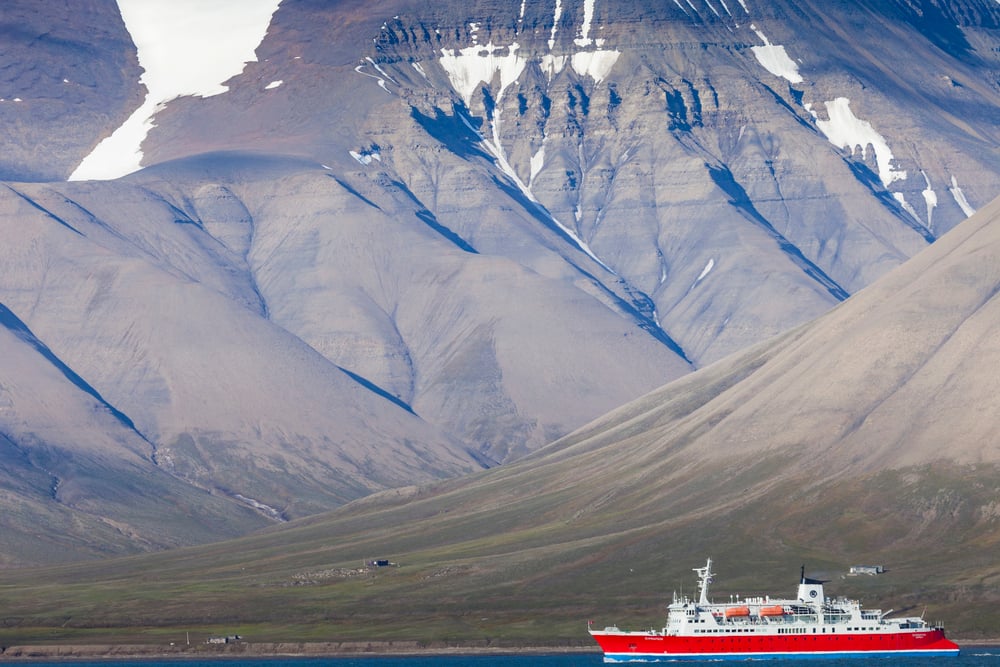
Jan Mayen is a volcanic island in the Arctic Ocean between Greenland and Norway. No permanent population exists.
The Norwegian military and meteorological service maintain a rotating staff of about 18 people who work at the island’s station. The island stretches 34 miles long but barely three miles wide at its widest point.
A massive volcano, Beerenberg, dominates the landscape, rising more than 7,000 feet and covered in glaciers. The northern lights dance overhead during the dark months, and polar bears occasionally wander across the ice from Greenland.
Weather conditions make life here brutal. Storms can pin people inside for days.
Supplies arrive by ship in summer or by aircraft when conditions allow. The isolation is so complete that researchers consider their time here a test of mental endurance as much as physical.
The Realities of Island Living
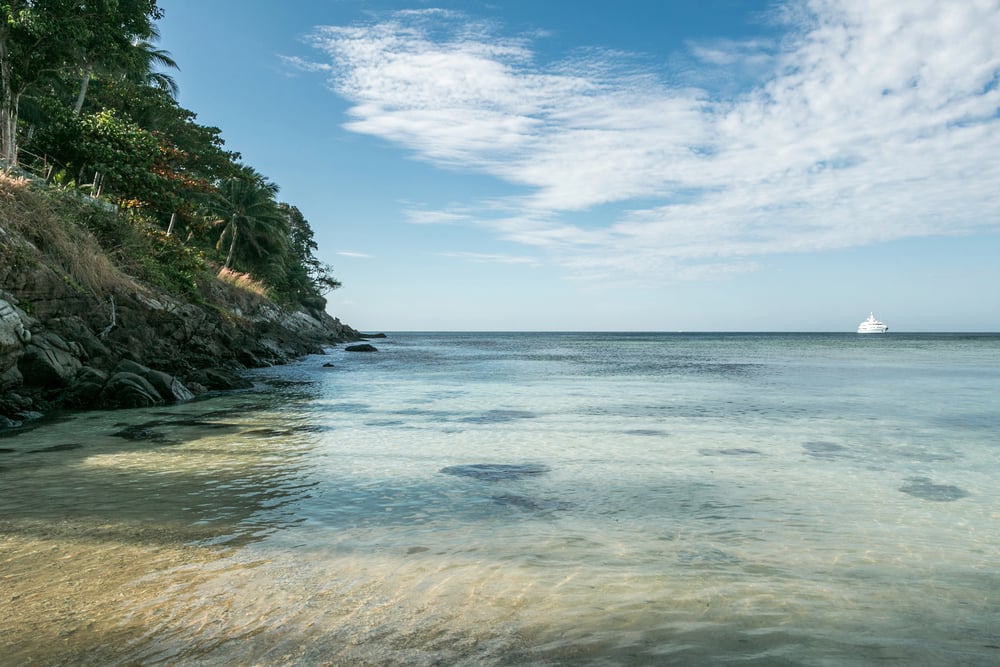
Living on remote islands means accepting limitations most people never consider. Medical emergencies can turn fatal when the nearest hospital is days away by boat.
Fresh food arrives sporadically. Internet connections, when they exist, crawl along slow satellites.
Jobs are limited, usually focused on fishing, tourism, or government work. Weather dictates everything.
A planned supply ship can’t arrive if storms hit. A scheduled flight off the island might get canceled for weeks.
Residents learn patience and self-sufficiency. Many islands maintain their own schools, generate their own power, and treat their own water.
The communities on these islands tend to be tight-knit by necessity. Everyone knows everyone.
Privacy exists more as a concept than reality. But this closeness creates strong social bonds.
Neighbors help each other because they must.
Why People Stay
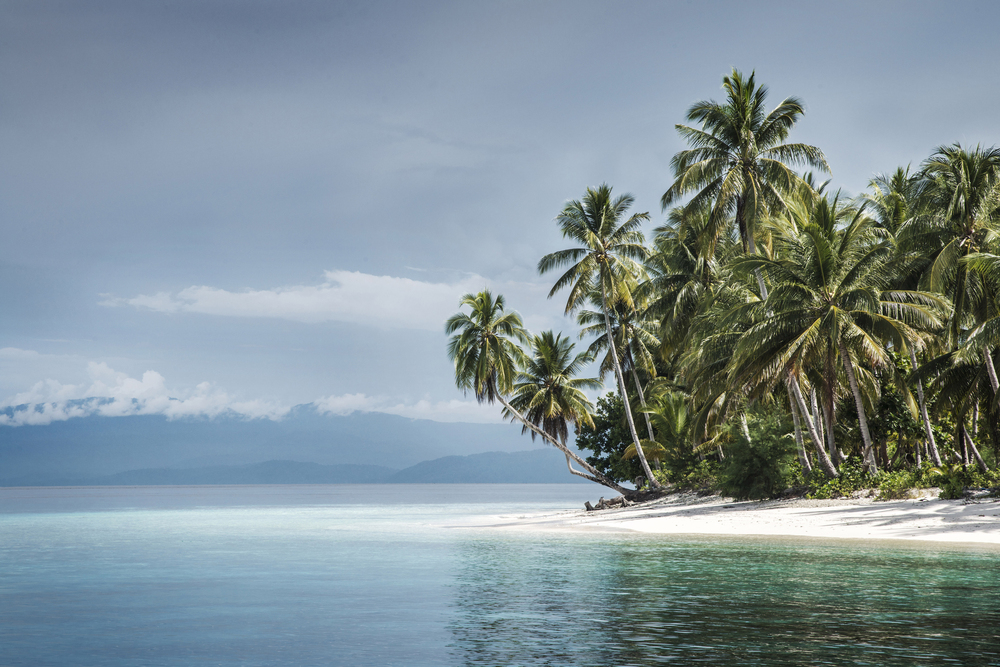
The obvious question is why anyone would choose such isolation. The answers vary by person and island, but common threads emerge.
Some residents were born there and feel connected to the land and community. Others arrive seeking escape from the crowded, fast-paced modern world.
Many islanders describe a freedom unavailable elsewhere. Children play outside without supervision.
Doors stay unlocked. Crime barely exists. The natural world surrounds daily life in a way impossible in cities or even small towns on the mainland.
The work matters too. On many islands, every job contributes directly to the community’s survival.
That sense of purpose and immediate impact attracts people tired of feeling like small cogs in massive systems.
The Pull of the Horizon
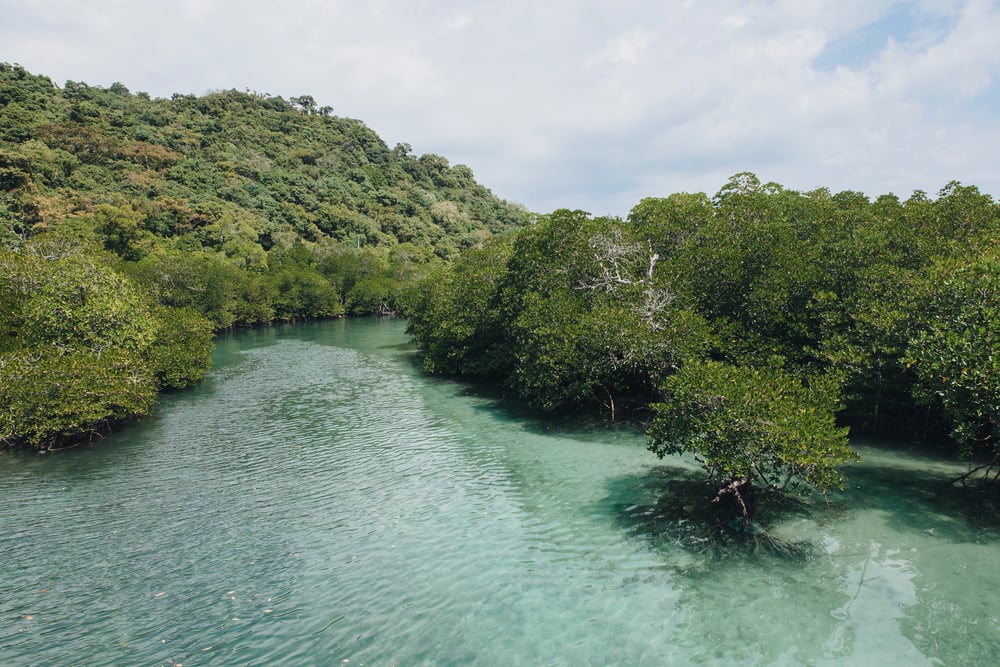
Stand on any of these islands and look at the ocean. Nothing interrupts the view until the curve of the Earth.
No city lights compete with the stars. No highways break the silence.
The horizon encircles you completely, making you aware of both the planet’s vastness and your own insignificance. These places exist outside the normal flow of modern life.
Time moves differently when boats arrive once a month or less. News from the outside world feels distant and sometimes irrelevant.
The concerns of island life, immediate and practical, take precedence. Most visitors leave these islands with mixed feelings.
The beauty captures them. The isolation unnerves them.
Few could imagine staying permanently. But for those who do stay, or who were born into these remote communities, nowhere else feels quite like home.
The ocean that separates them from the rest of humanity also defines who they are.
More from Go2Tutors!

- The Romanov Crown Jewels and Their Tragic Fate
- 13 Historical Mysteries That Science Still Can’t Solve
- Famous Hoaxes That Fooled the World for Years
- 15 Child Stars with Tragic Adult Lives
- 16 Famous Jewelry Pieces in History
Like Go2Tutors’s content? Follow us on MSN.