Mascots That Got Into Big Trouble
Sports mascots are supposed to entertain families and boost team spirit. They dance, they high-five kids, they lead cheers.
Most mascots do exactly what they’re hired to do without incident. But some mascots cross lines, make terrible decisions, or find themselves in situations that end careers and create headlines for all the wrong reasons.
These aren’t minor mishaps or wardrobe malfunctions. These are genuine scandals involving violence, legal consequences, and behavior so inappropriate that teams had to issue public apologies.
The costume doesn’t provide immunity from consequences, as these mascots discovered.
The Phoenix Suns Gorilla’s Battery Charge
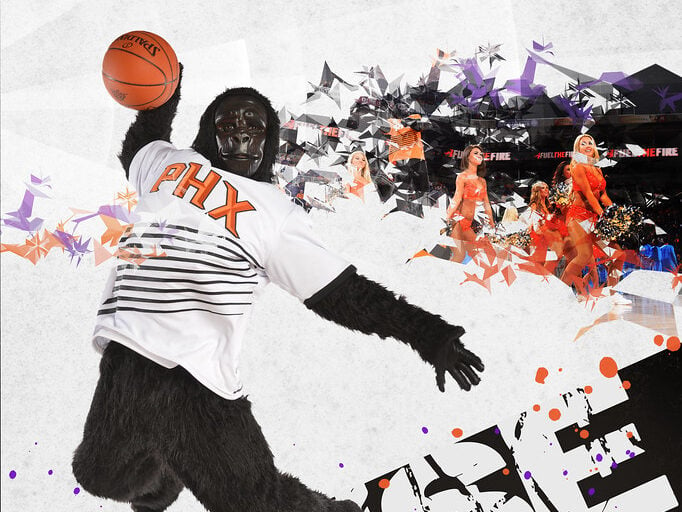
The Suns Gorilla, one of basketball’s most famous mascots, faced battery charges in 1988 after an incident with a referee. During a game, the Gorilla confronted official Jack Nies and allegedly shoved him.
The physical contact crossed from performance into assault. Nies pressed charges, and the situation escalated beyond a simple ejection from the game.
The mascot performer faced actual legal consequences for actions taken while in costume. The case eventually settled, but the incident highlighted how mascot behavior could lead to criminal charges.
Teams across sports took notice and tightened their rules about mascot interactions with officials and opposing players.
Steely McBeam’s Bar Brawl

The Pittsburgh Steelers’ mascot got into a physical altercation at a bar in 2009. Steely McBeam wasn’t in costume at the time, but the performer’s identity became public when police arrived.
The fight involved multiple people and resulted in assault charges. The Steelers organization distanced itself from the incident, emphasizing that the mascot performer was off duty and acting as a private citizen.
But the damage was done. Having your team mascot arrested for fighting undermined the family-friendly image that mascots are supposed to project.
The performer kept the job, but under much stricter behavioral guidelines.
Jaxson de Ville’s Parachute Disaster

The Jacksonville Jaguars’ mascot attempted to parachute into the stadium before a game in 1998. The stunt went horribly wrong.
Strong winds pushed Jaxson off course, and he crashed into the stands at high speed. Two fans were injured when the mascot landed on them.
One woman sustained serious injuries that required hospitalization. The accident created immediate liability concerns and raised questions about who approved such a dangerous stunt.
Jaxson de Ville continued performing after the incident, but the parachute jumps stopped permanently. The mascot stuck to ground-level entertainment where the worst injury would be a twisted ankle.
The incident showed that mascot stunts carry real risks. Insurance companies and team lawyers started scrutinizing mascot performances more carefully after seeing what could go wrong.
The Stanford Tree’s Intoxication Problem
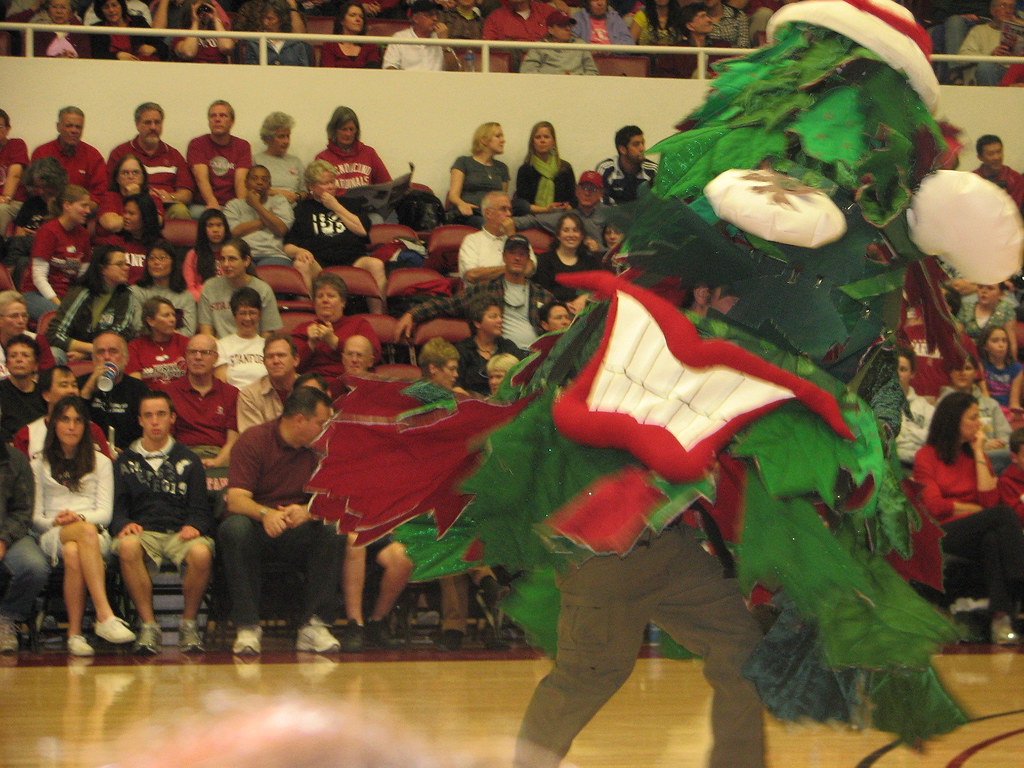
Stanford’s unofficial mascot got banned from a game in 2006 for showing up intoxicated. The Tree, which represents Stanford’s marching band rather than the athletic department, had a history of pushing boundaries.
This particular incident crossed from irreverent to unacceptable. The mascot performer was visibly impaired during a basketball game.
Officials removed the Tree from the venue and banned it from the next game. The Stanford Tree has been suspended multiple times over the years for various infractions.
The mascot’s rebellious reputation is part of its appeal, but appearing at games while drunk violated basic standards of conduct.
Brutus Buckeye’s High-Speed Chase

An Ohio State mascot performer led police on a chase after a traffic stop in 2003. The performer drove away when officers attempted to cite him for a violation, turning a routine stop into a pursuit.
The chase ended when the performer finally pulled over. He faced multiple charges including fleeing and eluding police.
Ohio State suspended him from mascot duties immediately. The incident embarrassed the university.
Brutus Buckeye represents one of college football’s most recognizable programs, and having someone in that role make such poor decisions reflected badly on the entire athletic department.
The Philly Phanatic’s ATV Assault
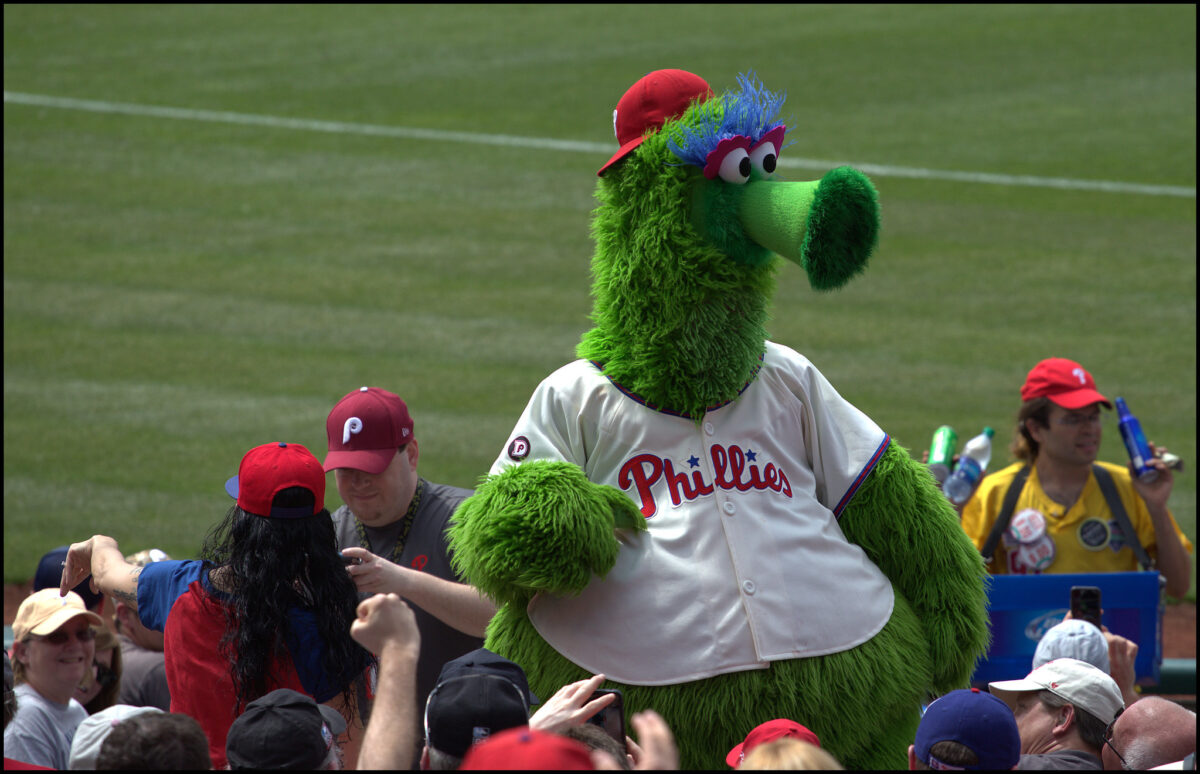
The Phillie Phanatic ran over a woman with his ATV in 2010 during a pregame routine. The mascot drove through the stands as part of the usual entertainment, but lost control and struck a fan.
The woman suffered injuries that required medical treatment. She sued the Phillies organization, claiming negligence in how they allowed the mascot to operate vehicles in crowded areas.
The case settled out of court, but it forced the Phillies to reconsider their mascot’s motorized routines. The Phanatic still drives around the stadium, but with more restrictions on where and how fast.
The incident proved that even beloved mascots aren’t immune to causing real harm. The costume and the entertainment value don’t eliminate liability when someone gets hurt.
Benny the Bull’s Laser Pointer Incident
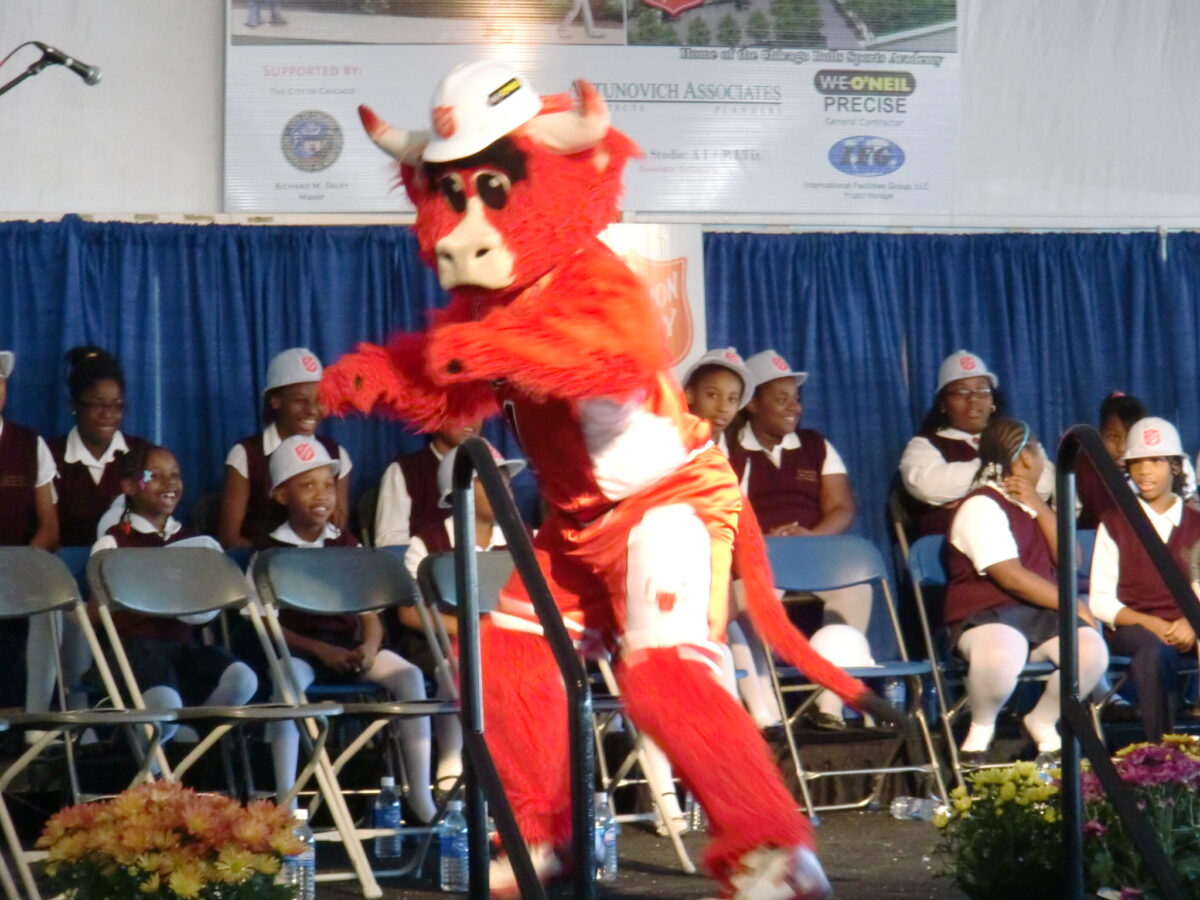
Chicago Bulls mascot Benny the Bull got in trouble for shining a laser pointer at opposing players during a 2000 game. The incident happened during a playoff series against Philadelphia, adding fuel to an already tense rivalry.
The NBA investigated and fined the Bulls organization. Using a laser pointer to distract players crossed from gamesmanship into cheating.
The league made clear that mascots couldn’t help their team win through interference. Benny’s popularity saved his job, but the incident added to his reputation for pushing boundaries.
The mascot continues to be one of the NBA’s most entertaining performers, but under stricter oversight.
Harvey the Hound’s Tongue-Ripping Incident
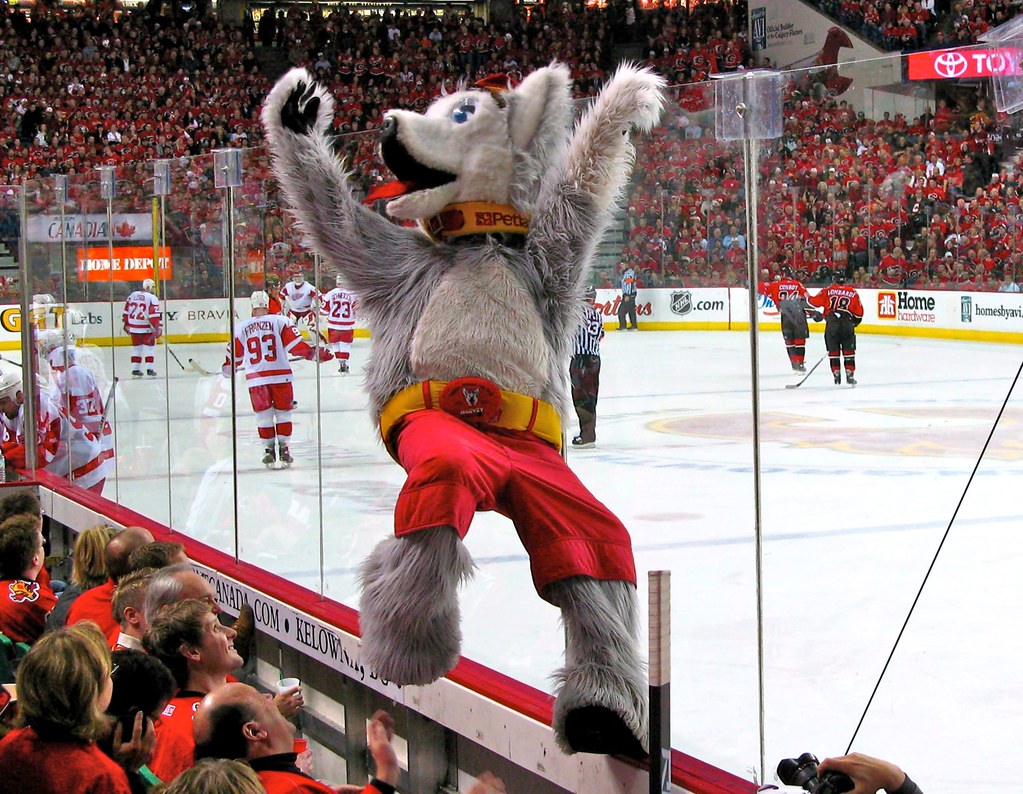
Calgary Flames mascot Harvey the Hound had his foam tongue ripped out by Edmonton Oilers coach Craig MacTavish in 2003. The mascot had been antagonizing MacTavish throughout the game, standing near the Oilers’ bench and making gestures.
MacTavish finally snapped, reached up, grabbed the tongue, and tore it clean off.
The crowd went silent. MacTavish threw the tongue aside and returned to coaching. Harvey stood there, shocked, with his tongue hanging from his costume.
The NHL fined MacTavish for the incident. Harvey the Hound got reprimanded for excessive taunting.
Both sides learned that mascot-coach interactions have limits. The moment became legendary in hockey lore.
Videos of the tongue-ripping circulated for years afterward, turning a moment of anger into a permanent part of hockey history.
The Capitol’s Courtside Arrest
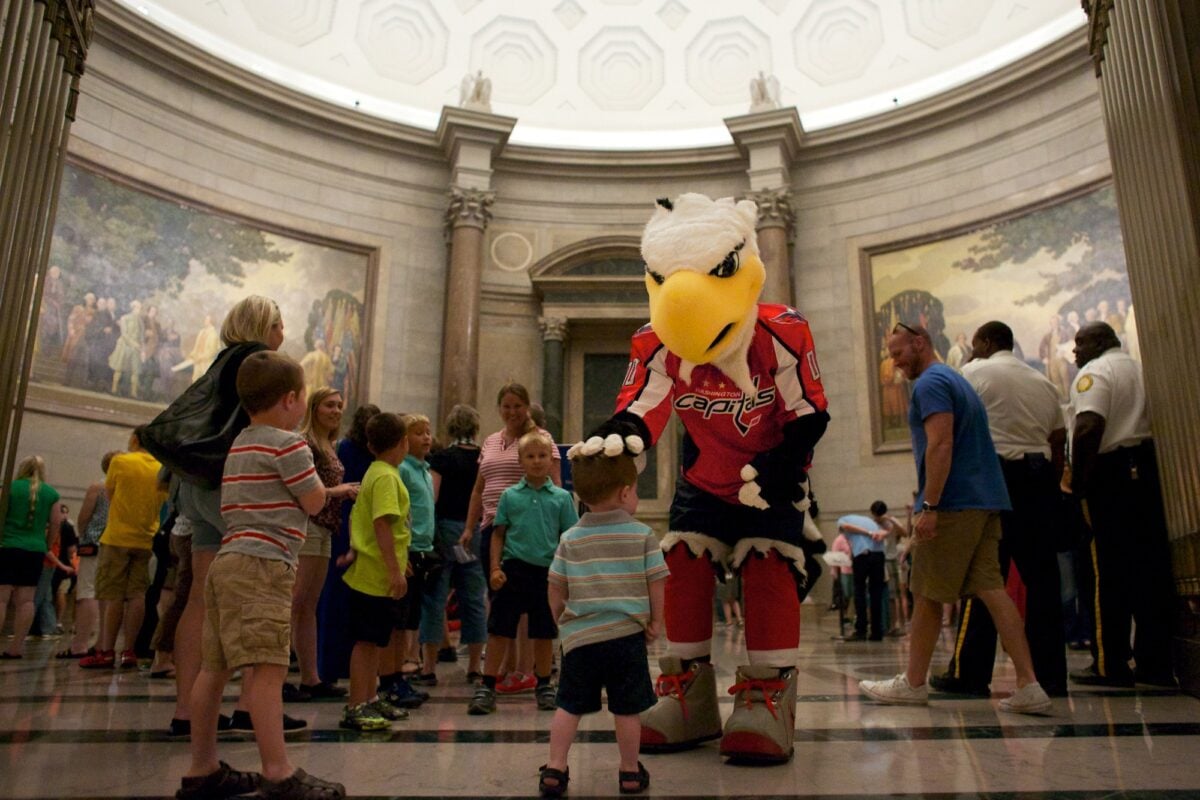
The Washington Capitals mascot Slapshot was arrested at ringside during a boxing match in 1995. The mascot performer got into an altercation with security staff who asked him to leave the area near the ring.
The situation escalated to the point where police intervened and handcuffed the mascot. Images of Slapshot being led away by officers made regional news and embarrassed the Capitals organization.
The performer claimed he had permission to be at the ringside as part of a promotional appearance. Security said he was in a restricted area and refused to leave when asked.
Regardless of who was right, having your mascot arrested looks terrible for the team.
Kingsley’s Royal Rampage
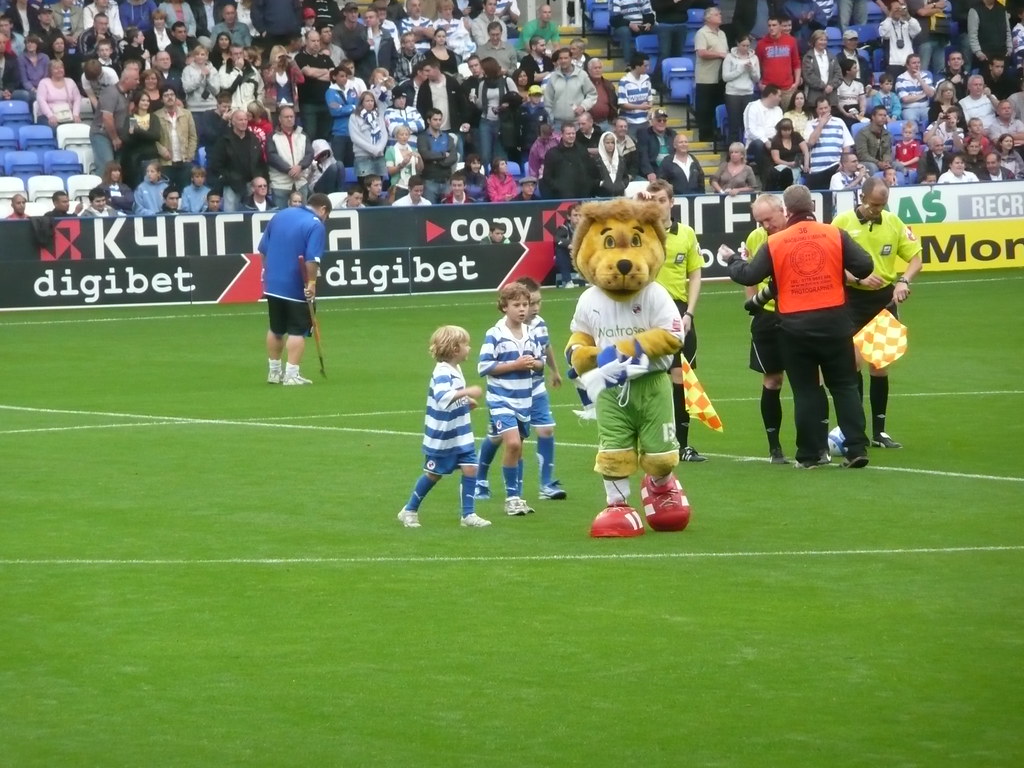
Partick Thistle FC’s mascot Kingsley, a bizarre sun-shaped character, caused controversy from the moment it was unveiled in 2015. But the real trouble came when the performer inside got into confrontations with fans and opposing supporters.
One incident involved Kingsley aggressively confronting away fans, leading to complaints about threatening behavior. Another saw the mascot removed from the sidelines for inappropriate gestures toward referees.
The Scottish club defended Kingsley’s edgy persona but had to acknowledge that the mascot’s behavior sometimes went too far. The character was supposed to be memorably weird, not genuinely menacing.
Sebastian the Ibis’s Hurricane Party
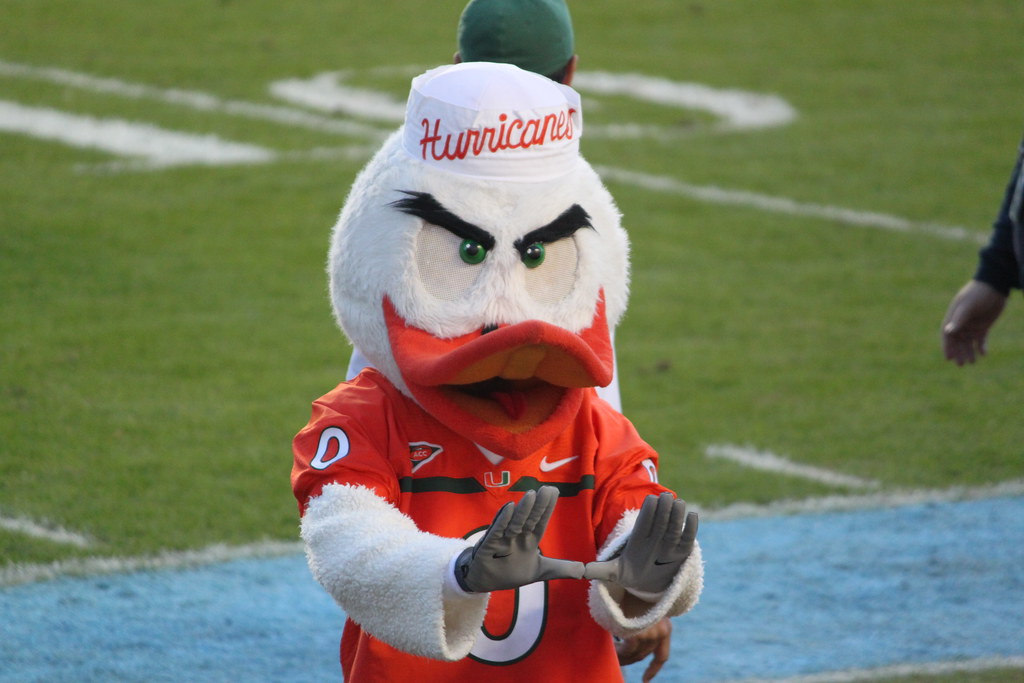
The University of Miami mascot got arrested in 2006 during a football game against Florida International University. A massive brawl broke out on the field, and Sebastian the Ibis ran onto the scene and started swinging his wings at opposing players.
Television cameras caught Sebastian in the middle of the melee, throwing punches while wearing his bird costume. Police arrested the performer for disorderly conduct.
The university suspended him from mascot duties. The incident became a defining moment in one of college football’s ugliest brawls.
Having the mascot join the fight made an already bad situation even more chaotic. Both schools faced severe penalties from their conference.
The Orlando Magic Mascot’s Proposal Sabotage
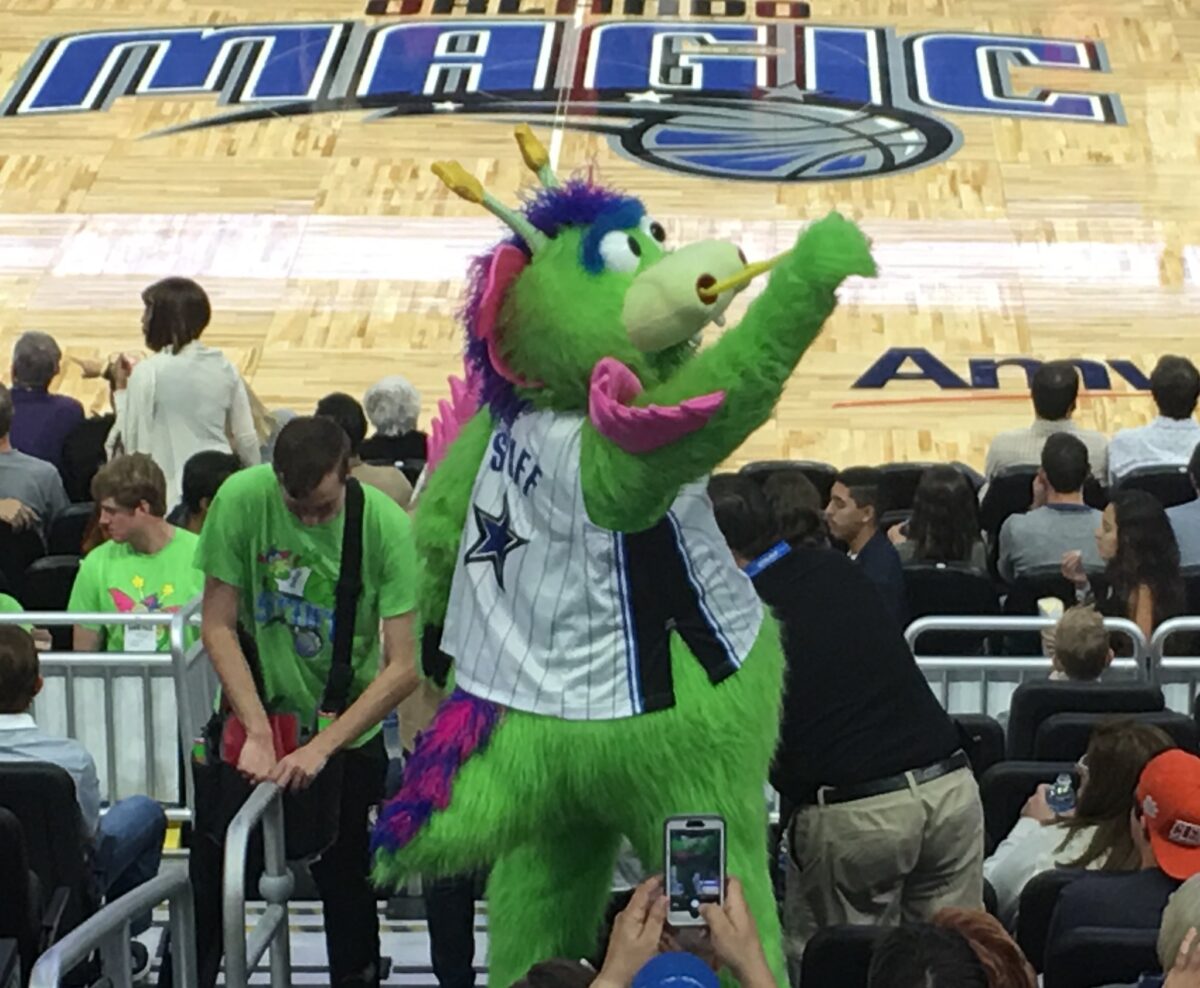
Stuff the Magic Dragon ruined a marriage proposal in 2013 during a halftime show. The stunt was supposed to be romantic: a man would propose to his girlfriend on the court during a game break.
But it was fake. The proposal was staged by the team, and the woman on the court wasn’t actually the man’s girlfriend.
The real girlfriend sat in the stands, watching what she thought was her boyfriend proposing to someone else. Stuff revealed the ruse by showing the woman’s name on a scoreboard message.
The real proposal then happened. But the initial deception traumatized the girlfriend, who had spent minutes thinking her relationship was ending in front of thousands of people.
The stunt received widespread criticism. People called it cruel and manipulative.
The Magic apologized, and teams across sports abandoned similar “fake-out” proposal stunts.
Wild Wing’s Rappelling Catastrophe
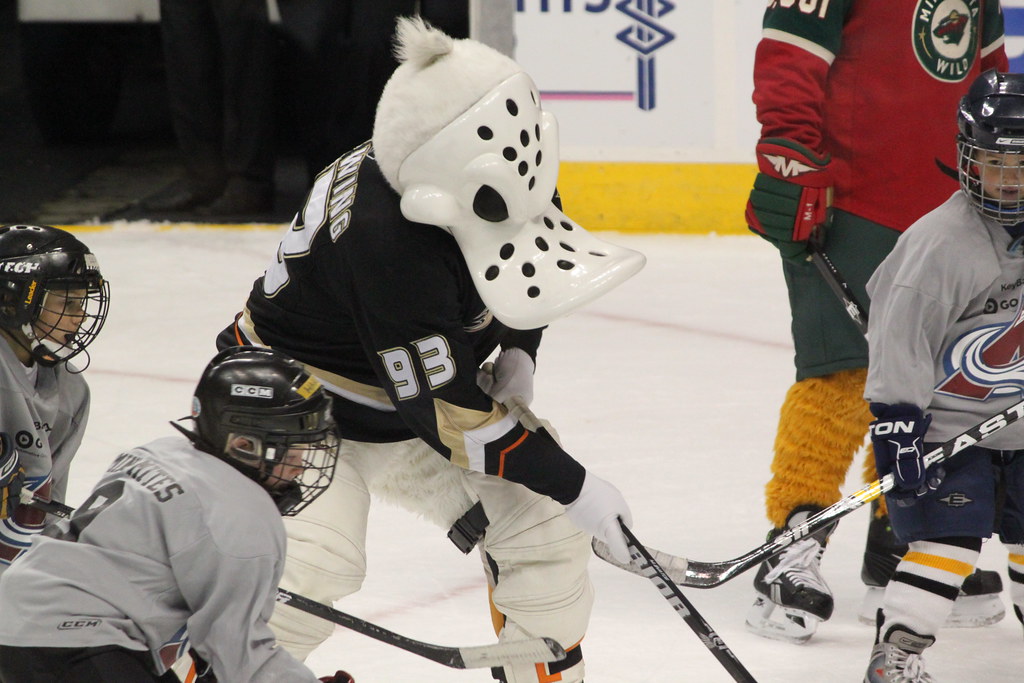
The Anaheim Ducks mascot attempted to rappel from the rafters before a playoff game in 1995. Wild Wing got stuck halfway down and dangled above the ice for several minutes while arena staff figured out how to rescue him.
The delay pushed back the game start. Players stood on the ice waiting while the mascot hung suspended in full view of the crowd.
The embarrassment was complete when workers had to use ladders and additional ropes to bring Wild Wing down. The stunt became a punchline.
Highlight shows the footage replayed. Opposing fans mocked the Ducks for their mascot’s failure to execute a basic stunt.
Wild Wing never attempted another rappelling entrance.
Youppi’s Ejection from Baseball
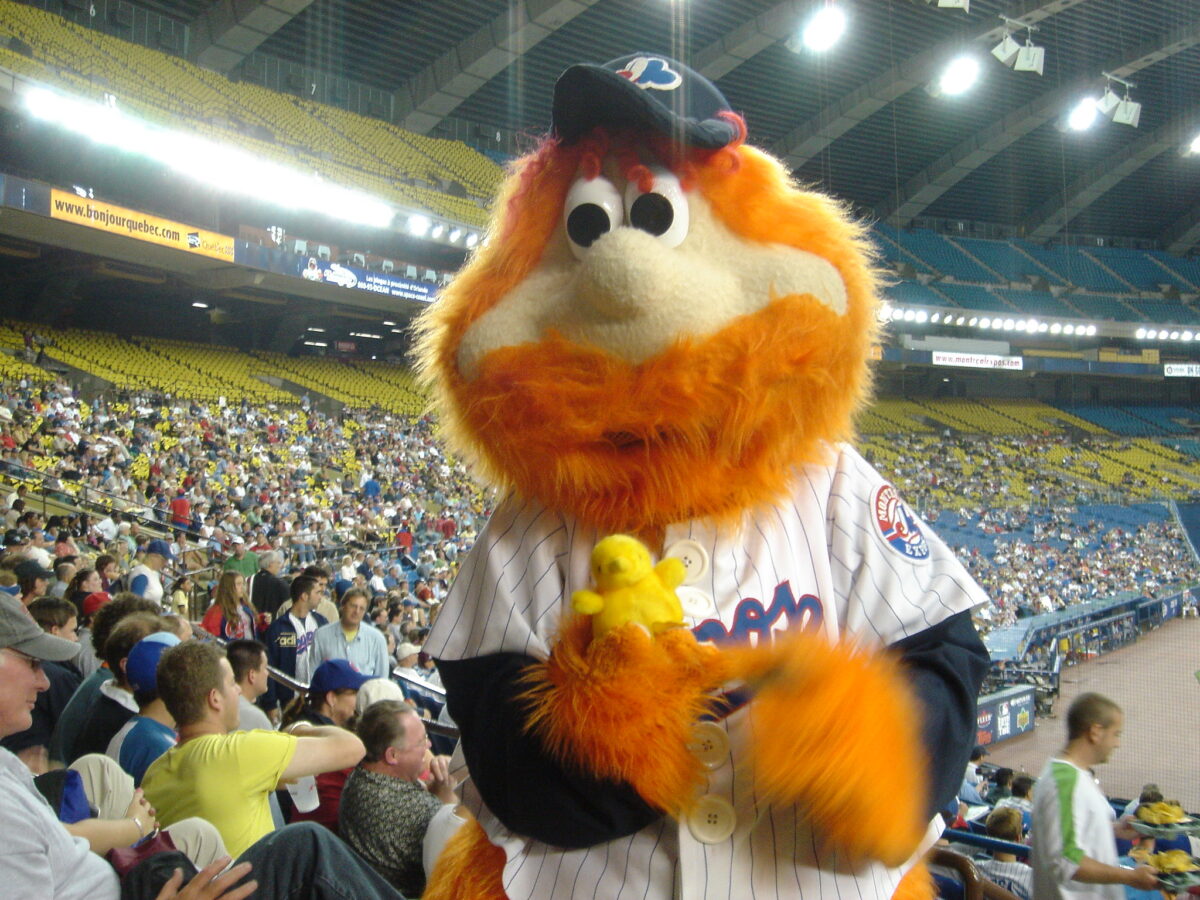
Youppi, originally the Montreal Expos mascot, became the first mascot ever ejected from a Major League Baseball game in 1989. The incident happened during a 22-inning marathon game against the Los Angeles Dodgers.
Youppi had been dancing and gesturing on top of the Dodgers dugout for innings, trying to energize the home crowd. Dodgers manager Tommy Lasorda finally had enough.
He demanded that the umpires remove Youppi from the field. The umpires complied, ejecting the mascot.
Youppi had to leave the stadium, becoming baseball history in the process. The absurdity of a manager arguing for a mascot’s ejection added to the legend of an already legendary game.
When Costumes Don’t Protect You

What ties these events together? Characters are going too far. Teams without rules to fall back on.
People inside suits acting like they’re invisible. Spectators end up injured.
Bad choices leading straight into courtrooms. Few mascots cause problems, even though most work smoothly for years.
These characters know exactly what they’re supposed to do, then do it well. A tiny number slips up – some because they guess wrong about boundaries, others because they choose to ignore them.
Out of past messes came lessons. Today’s costume characters go through long prep sessions, must follow tight rules on conduct, one slip means there are penalties waiting.
Coverage demands mean groups can’t allow risky acts anymore. Anyone with a sketchy record gets weeded out before putting on the suit.
Still, things go sideways when mascots step into chaotic spaces. Crowds roar with raw feeling during matches. Beer moves fast through concrete halls.
Old team feuds simmer under the surface. One misread by a costumed figure – suddenly laughter turns sharp.
Wearing the suit brings trouble right away. Vision inside it is spotty, and motion feels tight.
Bumping into people becomes hard to avoid, stepping somewhere risky even harder. That daring attitude does the role demand? It often slips past confidence into rash moves.
Imagine making money by wearing a huge animal suit and performing for people. It sounds simple enough.
Yet these performers found out it is anything but. Each stumble they made shows what can go wrong when you mix live acts, acrobatics, and excited onlookers.
Not everyone copes well under such pressure. Those who fail often land in legal trouble, face judges, or lose their jobs entirely.
Their experiences become warnings passed down among others in costume.
More from Go2Tutors!

- The Romanov Crown Jewels and Their Tragic Fate
- 13 Historical Mysteries That Science Still Can’t Solve
- Famous Hoaxes That Fooled the World for Years
- 15 Child Stars with Tragic Adult Lives
- 16 Famous Jewelry Pieces in History
Like Go2Tutors’s content? Follow us on MSN.



