Phrases Tied To Outdated Technology
Language has a unique way of lingering even after the things it refers to are gone. You still tell people to “hang up” even though you haven’t slammed a phone down in years.
You “rewind” videos that only exist as digital files. These small reminders of how we speak link us to technologies that influenced entire generations and then vanished almost overnight.
Hang Up the Phone

The phrase comes from telephones that literally hung on walls or sat in cradles. You had to physically place the receiver back on its hook to end a call.
Now you tap a red circle on a glass screen, but the language persists. The action changed completely, but the words feel too natural to replace.
Roll Down the Window
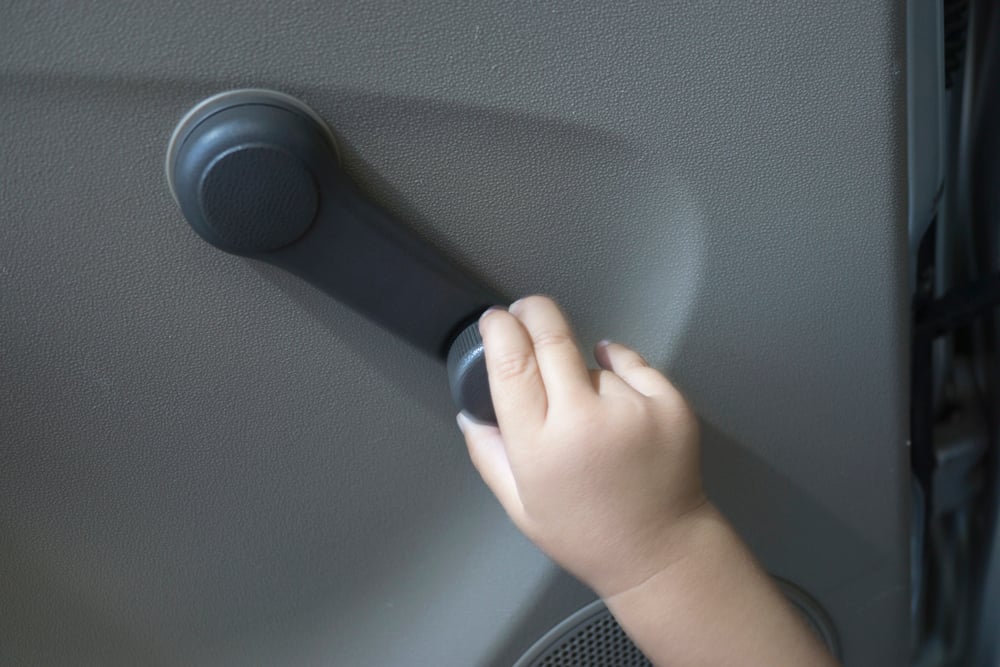
Cars stopped using hand cranks for windows decades ago. Power windows took over, then touch screens started controlling them.
But you still tell someone to “roll down the window” even though no rolling happens anymore. The phrase captures the circular motion your hand made when windows required actual effort to open.
Rewind
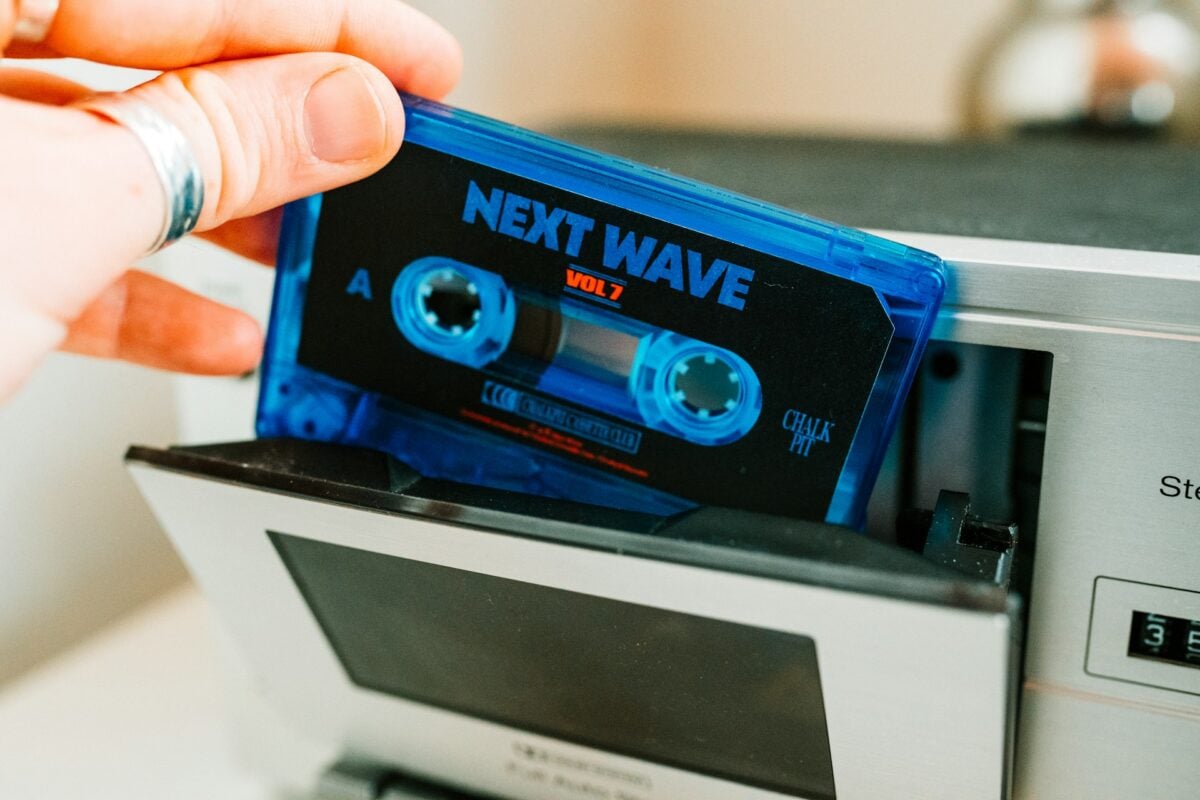
VHS tapes needed rewinding before you returned them to the rental store. That whirring sound of the tape spooling backward became part of movie night.
Streaming services don’t rewind—they just skip to earlier timestamps. But when you miss something in a show, you still say “rewind that part” because no better word exists for going backward through the media.
Carbon Copy

Email programs still use “CC” even though carbon paper disappeared from offices years ago. Typing required force to press through multiple sheets of paper with carbon between them, creating instant copies.
The top sheet went to the primary recipient, carbon copies went to everyone else. Now electrons do the work, but CC remains the standard way to loop people into messages.
Blind carbon copy (BCC) came from the same system. You could hide who received copies by putting their carbon sheets in a separate stack.
The secrecy remains useful, so BCC survived the technology shift intact.
Tape It

Physical tape had to be pressed up against recording heads in order to record something. Reel-to-reel recorders, VHS tapes, and cassettes all operated in essentially the same manner.
Magnetic tape was completely superseded by digital recording, but “tape it” still refers to recording something for later. The medium was outlived by the verb.
Turn the Channel

Television dials clicked satisfyingly as they rotated through channels. You turned a physical knob to change what you watched.
Remote controls made dials obsolete, then streaming made the whole concept of channels less relevant. But you still “turn to” a show even though your finger just presses buttons or swipes glass.
Film It

Actual film stopped being the primary way to capture video years ago. Digital sensors replaced celluloid almost completely.
Professional cameras, phone cameras, security cameras—none of them use film anymore. But “film it” sounds more natural than “record it digitally.” The old word carries weight that newer terms lack.
Photography went through the same shift. You “take a picture” even though nothing gets taken, and you certainly don’t load film anymore.
The language stuck because changing it feels unnecessary.
Sound Like a Broken Record
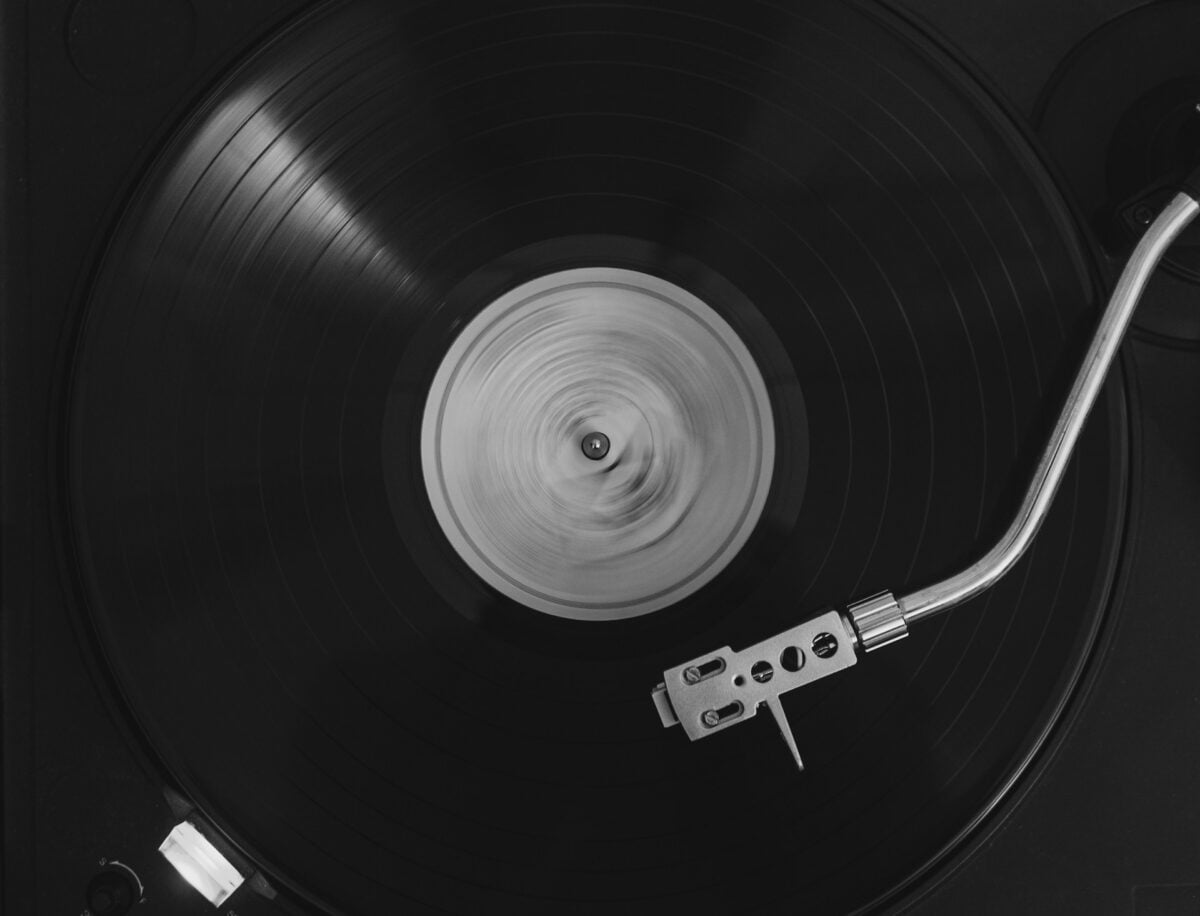
Records could skip, repeating the same section over and over until someone bumped the needle. Hearing the same lyrics five times in a row drove people crazy. Vinyl records still exist, but streaming dominates now.
Still, when someone won’t stop repeating themselves, they sound like a broken record. The image remains clear even if most people have never experienced the actual problem.
Clockwise
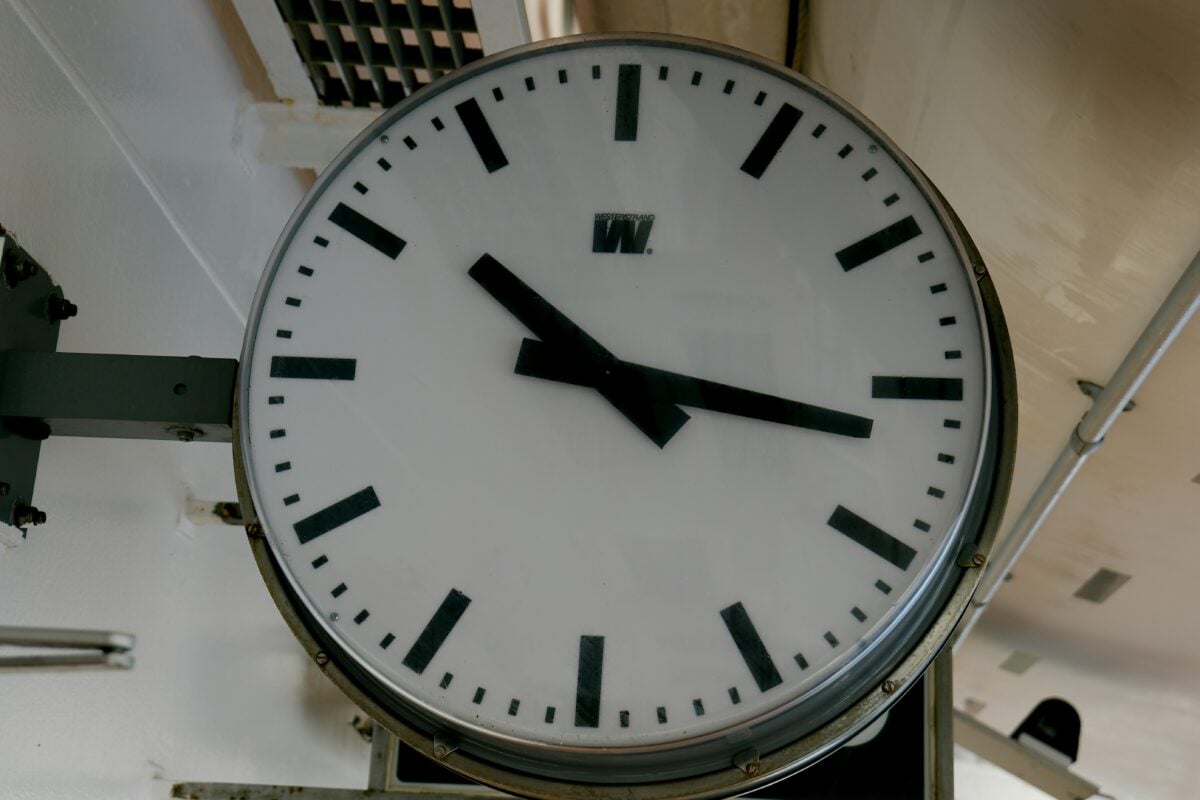
Analog clocks trained generations to understand circular direction. Clockwise meant following the hands—right at the top, down on the right side, left at the bottom, up on the left.
Digital displays replaced most analog clocks, but clockwise still describes rotation direction. The word works because clock hands moved that way for so long that the pattern became a universal reference point.
Counterclockwise gets used just as often. Both terms rely on knowledge that keeps fading as fewer devices show time with moving hands.
Patch Someone Through

Telephone operators literally patched calls through switchboards by plugging cables into jacks. Making a connection meant physical wires touching.
The whole system disappeared when automated switching took over. But when you transfer a call to someone else, you patch them through.
The metaphor survived because it describes the action well enough that no replacement seems necessary.
Don’t Touch That Dial

Radio and TV dials required careful tuning to get clear reception. Touching the dial meant losing your station or making the picture fuzzy.
Remote controls killed the dial but not the phrase. Parents still tell kids not to touch things using language from an era when touching actually mattered to signal quality.
The phrase carries authority beyond its literal meaning now. It says “don’t mess with this” whether or not any dial exists.
Fast Forward
Back in the day, VCR remotes had a fast forward button that let you zip through a tape at double or triple speed. It was quite the sight to see the images whiz by as you tried to find the scene you wanted.
Nowadays, with digital media, things work a bit differently. Instead of really fast-forwarding, you simply jump to different timestamps instantly. Still, we all know what “fast forward” means, so the term has stuck around, even though there isn’t a simpler way to say it.
Dial a Number

Round dials and small finger cutouts were features of rotary phones. Spin the wheel to the right until it locks by inserting your fingertip into the slot next to a digit.
When you let it go, it automatically spun back, ticking off pulses that the network could understand. During the 1970s, those spinning models were replaced by tone-based phones.
After many years, touch screens became the norm. However, people continue to say “dial” without actually turning a knob.
Because it is quick, clear, and stays in your mind, the phrase sticks. Instead of sticking with what we have, replacing it would require additional work.
Words That Outlast Their Sources

Technology shifts quickly, yet speech lags behind. That’s ’cause these terms stick – they cover tasks and ideas outliving the gadgets tied to them.
When you ask someone to hold on during a transfer, it doesn’t matter what system routes the call – what counts is getting the message across. In fifty years, fresh expressions might take over from these outdated terms.
Yet they could last forever – relics of tools that changed how folks talked, did their jobs, or got through life. Anyway, one thing’s clear: speech holds onto more than vocabulary.
It saves whole periods of living, packed into tiny word-sized snapshots.
More from Go2Tutors!

- The Romanov Crown Jewels and Their Tragic Fate
- 13 Historical Mysteries That Science Still Can’t Solve
- Famous Hoaxes That Fooled the World for Years
- 15 Child Stars with Tragic Adult Lives
- 16 Famous Jewelry Pieces in History
Like Go2Tutors’s content? Follow us on MSN.