Costliest Ingredients to Cook
Walking into a grocery store, you see the usual suspects—chicken, rice, vegetables. Then you hear about ingredients that cost more per ounce than your monthly rent.
These aren’t just expensive. They’re foods that make you pause and wonder what makes them worth the price. Some come from remote corners of the world.
Others require years to produce. And a few demand such specific conditions that supply stays permanently tight.
Saffron

This spice costs more than gold by weight. Each tiny thread comes from the stigma of a crocus flower, and you need roughly 75,000 flowers to produce one pound of saffron.
Someone has to hand-pick each flower during a two-week harvest window in autumn, then carefully extract three delicate stigmas from each one. The work happens before dawn when the flowers are still closed.
Wait too long, and the flowers open and lose potency. Most saffron comes from Iran, where generations have perfected this labor-intensive harvest.
The flavor—earthy, slightly sweet, with a hint of hay—transforms paella and bouillabaisse into something memorable. But you need so little that a small jar lasts months.
White Truffles
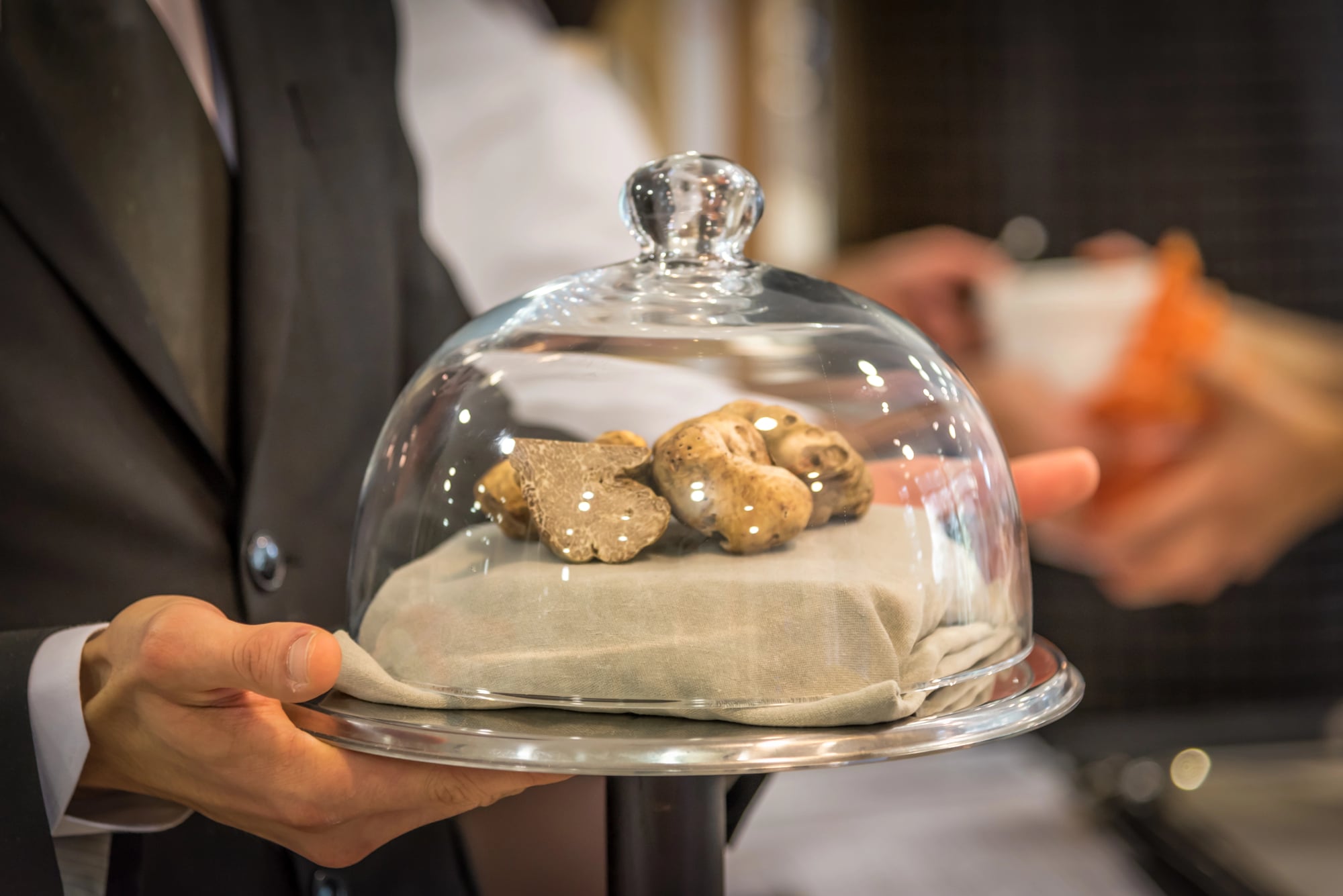
These grow underground near oak and hazelnut trees in northern Italy’s Piedmont region. No one has figured out how to farm them reliably, so trained dogs sniff them out in forests.
The season runs from September through December, creating a narrow window for buyers. A single truffle the size of a golf orb can sell for hundreds of dollars.
The aroma hits you immediately—musky, earthy, somewhere between garlic and aged cheese. Shave thin slices over pasta or eggs, and that scent fills the room.
Heat destroys the flavor, so you add white truffles at the very end. The price fluctuates wildly each year depending on rainfall and temperature during the growing season.
Wagyu Beef
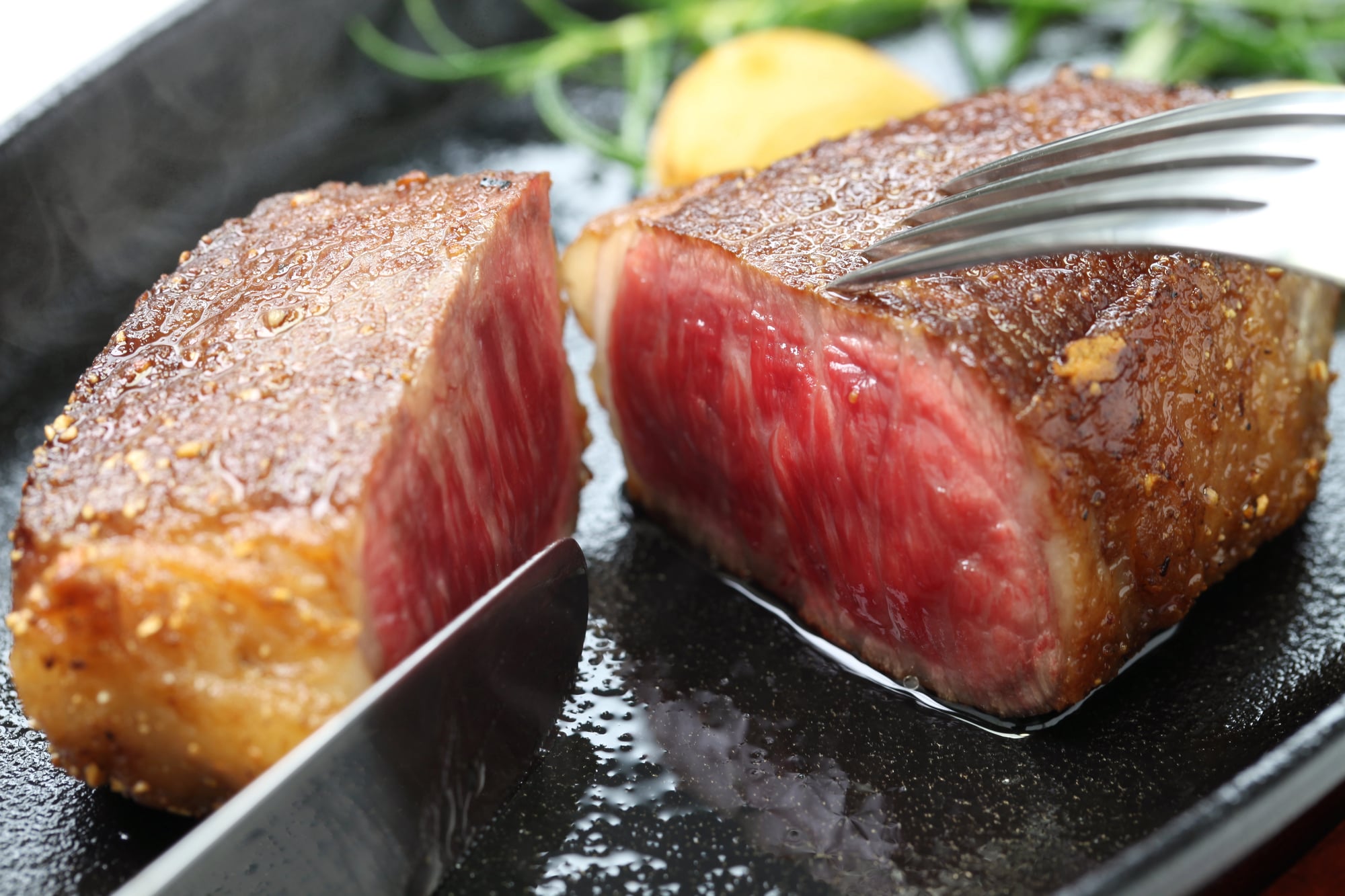
Japanese cattle breeds produce this heavily marbled meat. The fat distributes evenly throughout the muscle, creating those distinctive white streaks.
Authentic Japanese Wagyu comes from cattle raised with specific feed ratios and careful monitoring. Some ranchers even massage their cattle, though that practice is less common than people think.
The beef melts in your mouth because the fat has a lower melting point than other beef. A small steak can run several hundred dollars at restaurants.
You eat it in smaller portions than regular beef because of the richness. The Kobe region produces the most famous Wagyu, but excellent Wagyu comes from other Japanese prefectures too.
Caviar
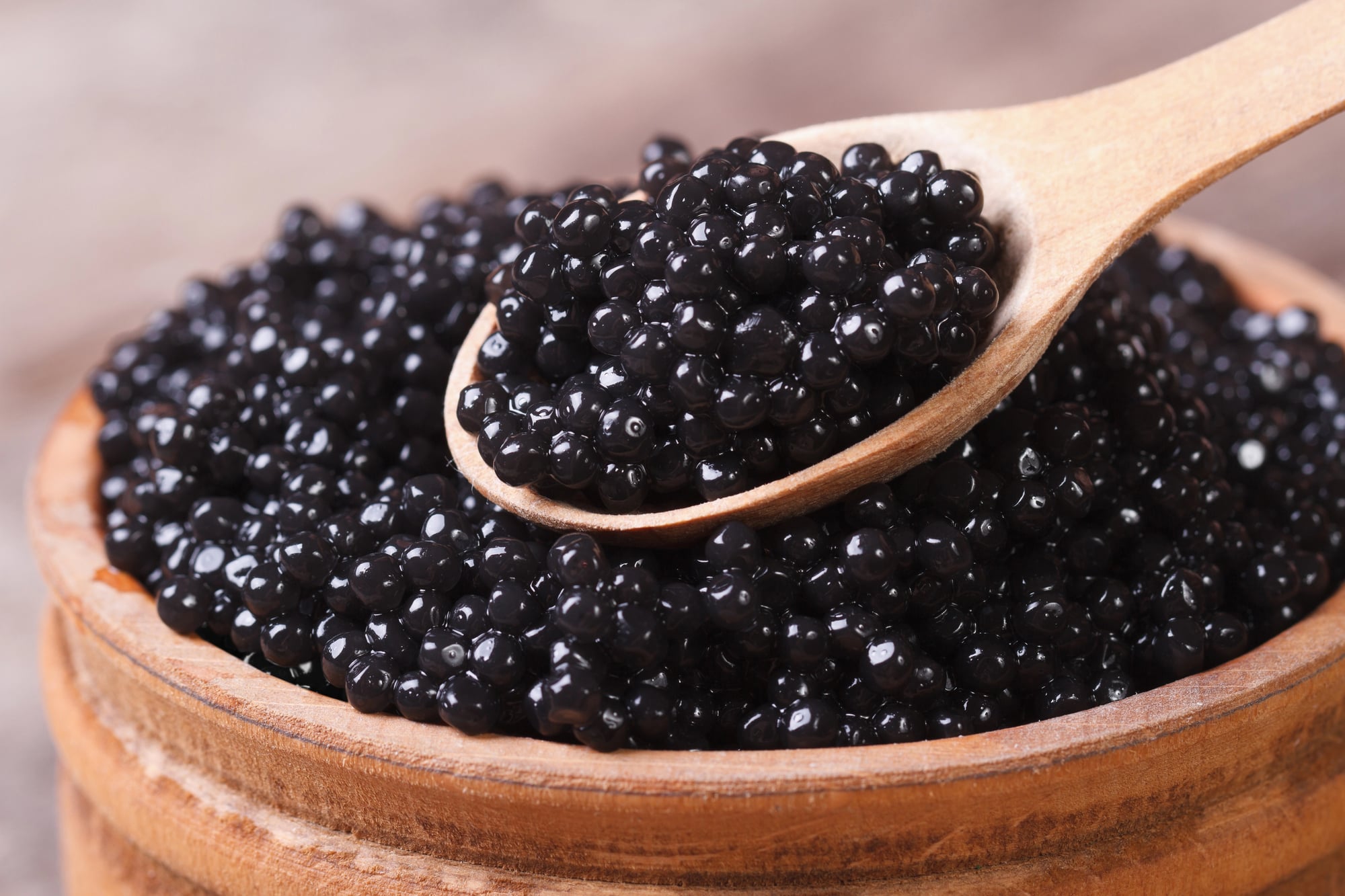
Fish eggs become caviar, but not just any fish eggs. Beluga sturgeon caviar reaches the highest prices because these massive fish take 20 years to mature before they produce eggs.
Overfishing pushed several sturgeon species near extinction, leading to strict regulations and farm-raised alternatives. The eggs pop gently on your tongue, releasing a clean, briny flavor.
Real caviar doesn’t taste fishy. It tastes like the ocean concentrated into tiny spheres.
You serve it cold, often with minimal accompaniment—maybe toast points or blinis with crème fraîche. The color ranges from light gray to almost black.
Bird’s Nest
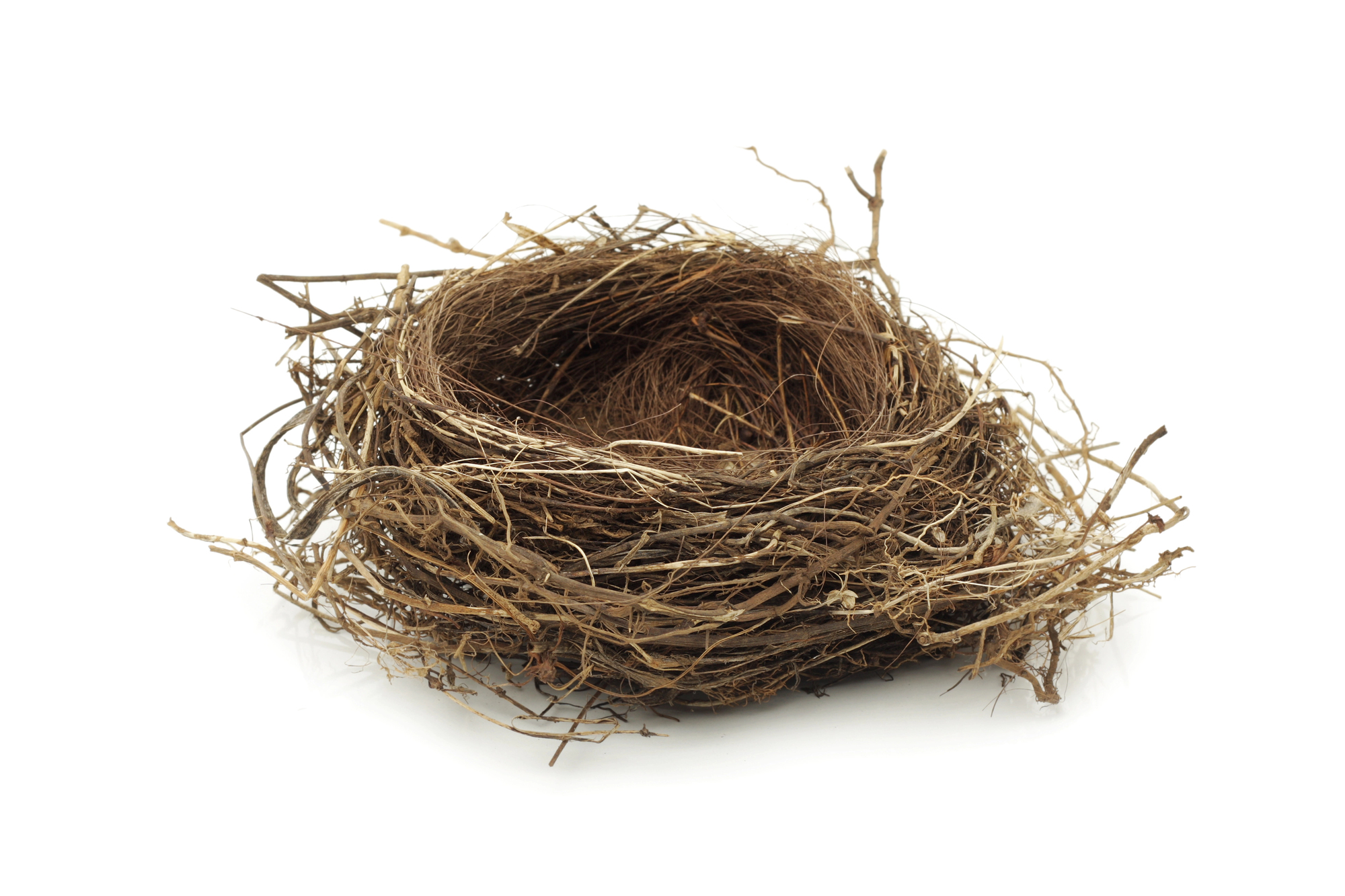
These nests come from swiftlet birds in Southeast Asia that build their homes using saliva. Harvesters climb dangerous cliff faces or enter specially built houses to collect them.
The nests themselves contain almost pure hardened saliva, which dissolves when you cook it in liquid. Chinese cuisine considers bird’s nest soup a delicacy for special occasions.
The texture becomes gelatinous after cooking, and the taste is subtle. People prize it more for supposed health benefits than flavor.
Red nests, colored by minerals in the cave walls, cost even more than white ones. A kilogram of high-quality nests can match the price of a used car.
Jamón Ibérico
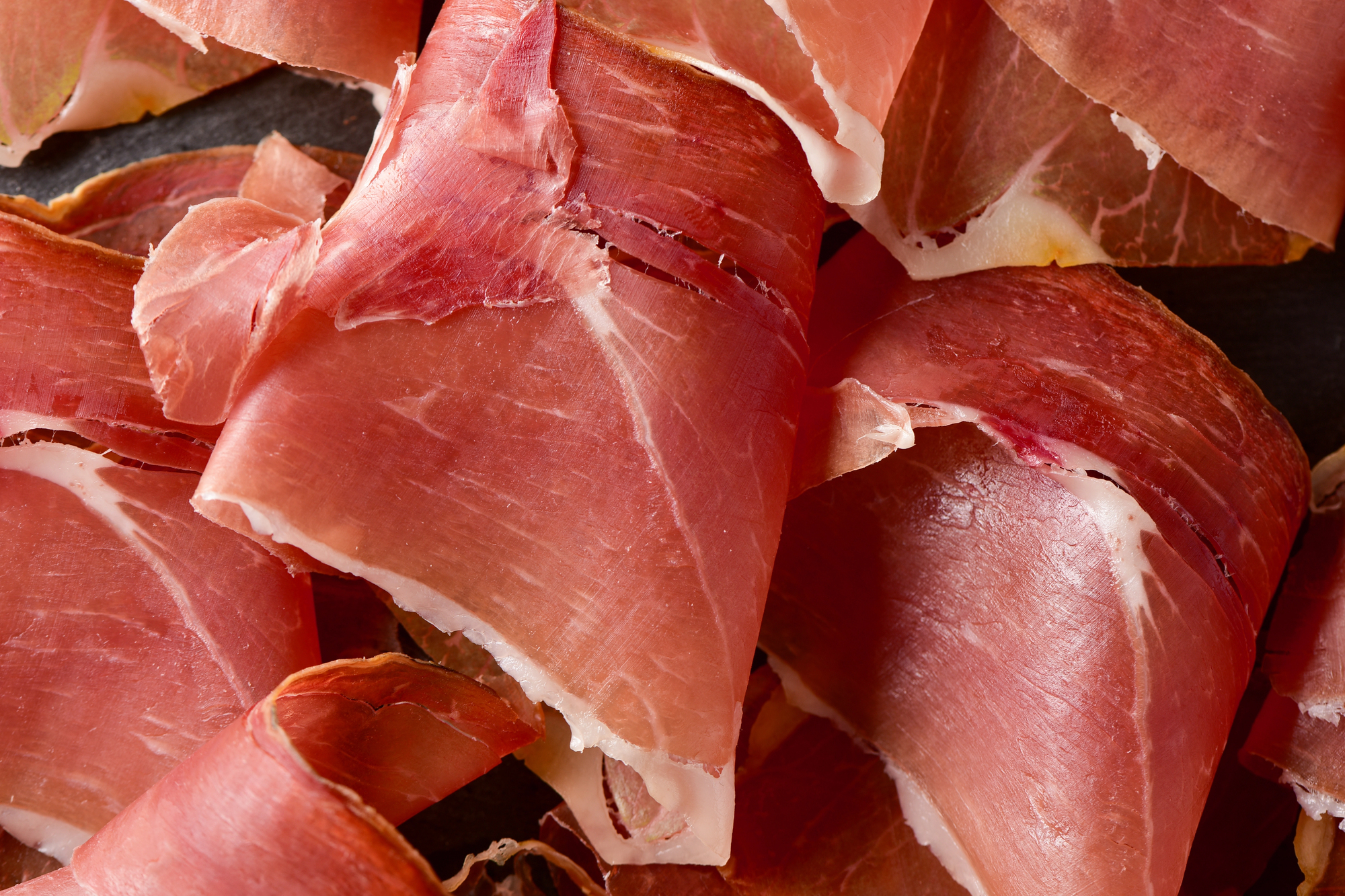
Spanish black pigs create this cured ham. The best versions come from pigs that roam oak forests eating acorns during the final months before slaughter.
The acorn diet affects the fat composition, giving the ham its distinctive nutty flavor and allowing it to cure properly. The curing process takes years.
Whole legs hang in temperature-controlled rooms while naturally occurring mold and enzymes break down the meat. Thin slices appear almost translucent, with fat that melts at room temperature.
You eat it on its own or with simple accompaniments like bread and tomato. A single leg can cost over a thousand dollars.
Kopi Luwak Coffee
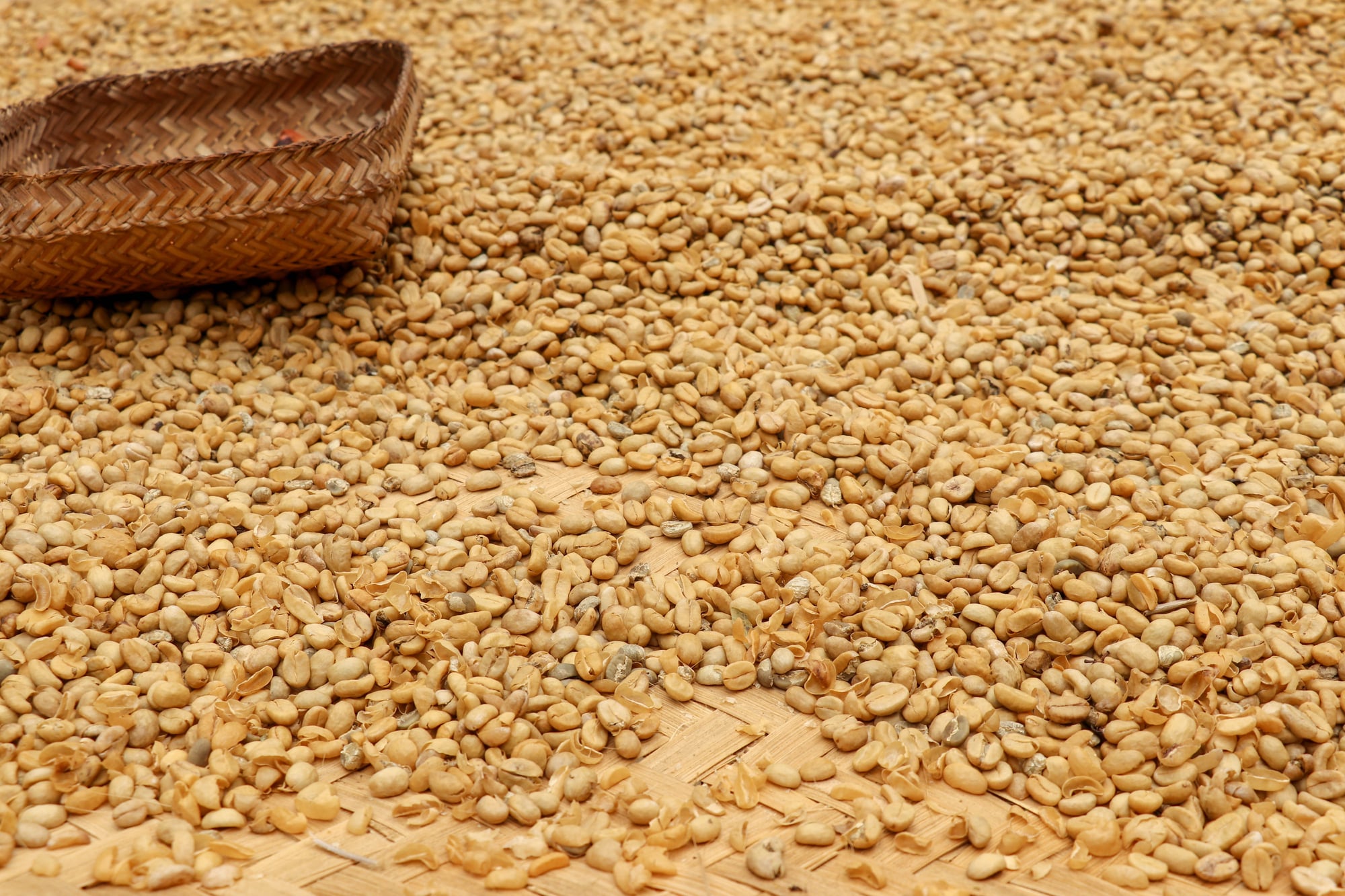
Asian palm civets eat coffee cherries, digest the fruit, and excrete the beans. Collectors gather these beans from the forest floor, clean them, and roast them.
The civet’s digestive enzymes supposedly alter the beans’ chemistry, reducing bitterness. Controversy surrounds this coffee now.
Some producers cage civets and force-feed them cherries, creating ethical concerns. Wild-sourced Kopi Luwak remains expensive and rare.
The taste is smooth and less acidic than regular coffee, though many coffee experts argue it’s not worth the premium. Still, prices stay high because of the unusual production method and limited supply.
Madagascar Vanilla Beans
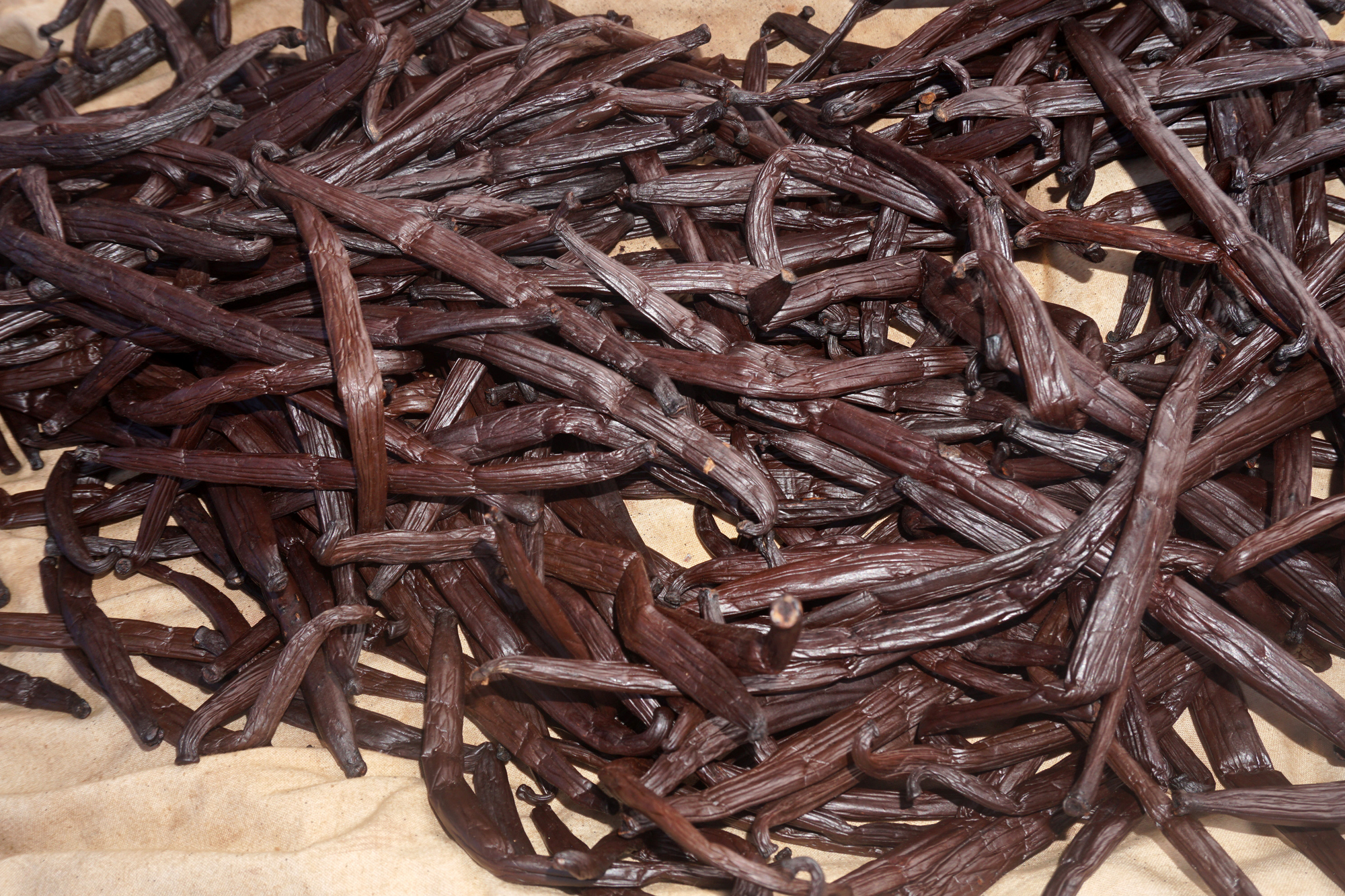
Real vanilla comes from orchids that grow in tropical climates. Madagascar produces most of the world’s vanilla, but the process demands patience.
The vanilla orchid flowers bloom for just one day, and in Madagascar, someone must hand-pollinate each flower. After harvest, the beans go through months of curing—alternating between sun exposure and sweating in boxes.
This develops the complex vanilla flavor. Cyclones frequently damage Madagascar’s crops, causing price spikes.
A single bean can cost more than a nice bottle of wine. The flavor difference between real vanilla and synthetic vanillin is immediately noticeable in baking and cooking.
Bluefin Tuna
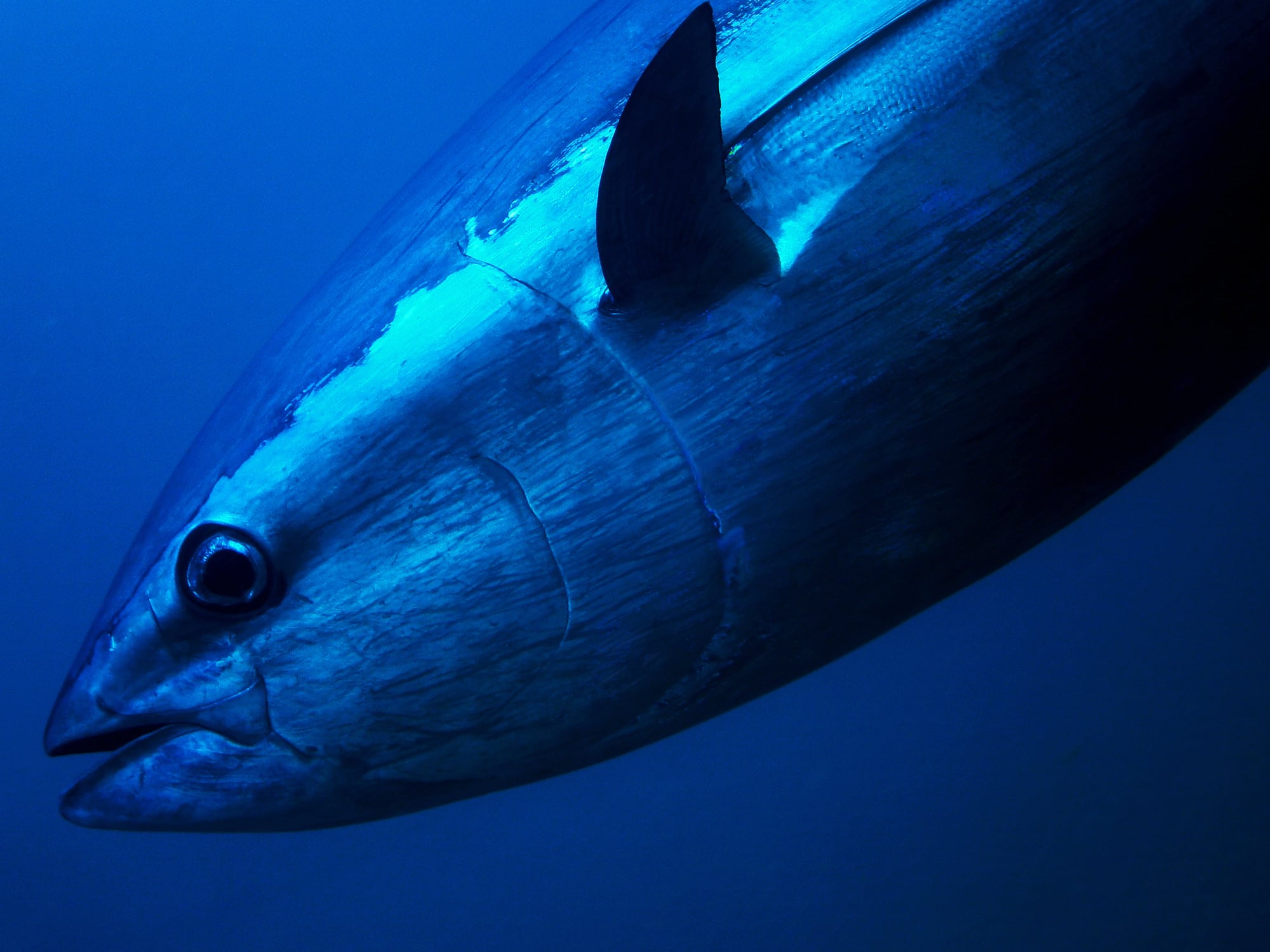
These massive fish swim across oceans and can live for decades. Sushi restaurants prize the fatty belly meat called toro.
At Tokyo’s Toyosu fish market, a single bluefin tuna has sold for over three million dollars, though that was an exceptional case meant to generate publicity. Overfishing has crashed bluefin populations.
The fish grow slowly and reproduce late in life, making recovery difficult. Most bluefin tuna now comes from ranching operations that catch young wild fish and fatten them in pens.
The meat ranges from deep red to pale pink, with the fattiest sections literally melting like butter.
Morel Mushrooms
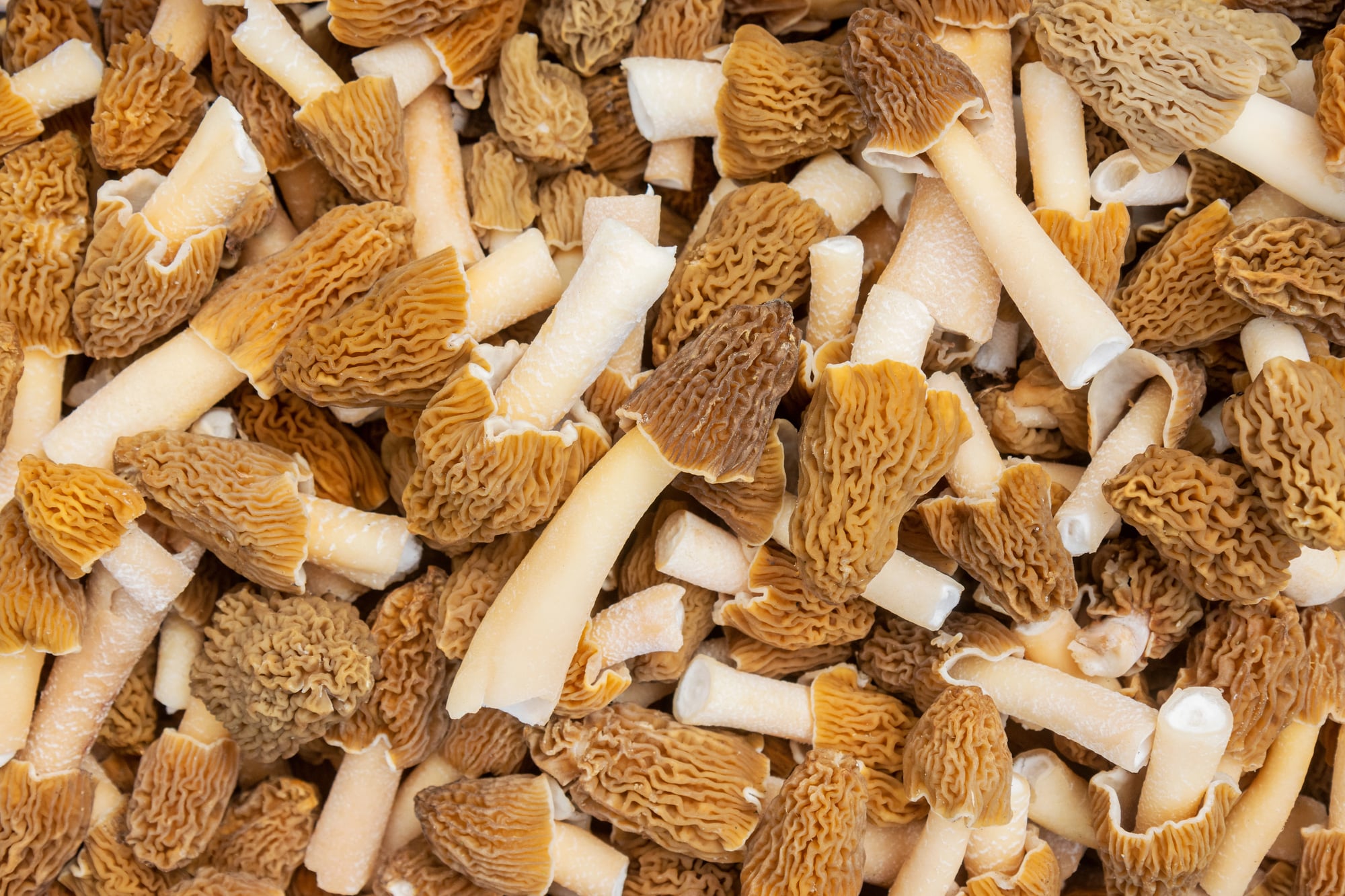
These honeycomb-textured mushrooms appear in spring after specific weather conditions. They grow wild in forests, often near ash trees or in areas that experienced forest fires the previous year.
No one has successfully farmed them commercially because their relationship with tree roots remains mysterious. You have to hunt for morels yourself or buy them from foragers.
The season lasts only weeks. The flavor is earthy and nutty with a meaty texture.
Clean them carefully because dirt hides in those honeycomb pockets. Sauté them in butter or add them to cream sauces.
Fresh morels cost significantly more than common mushrooms, and dried morels command premium prices year-round.
Edible Gold
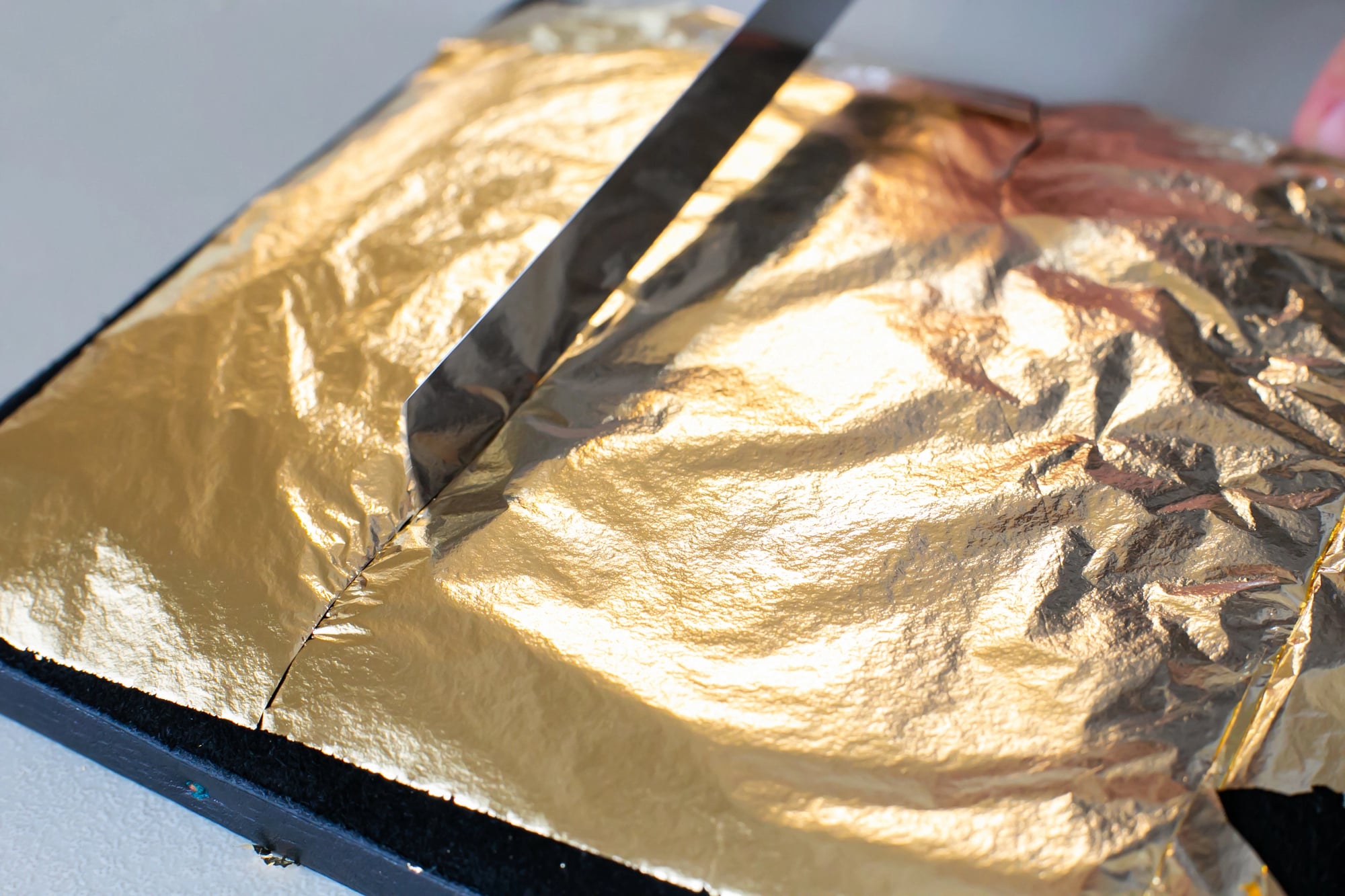
Gold leaf adds no flavor to food. It passes through your digestive system unchanged.
But restaurants use it to signal luxury and create visual drama. The sheets are so thin that they cost less than you’d expect, but they’re still made of actual gold.
You see gold leaf on chocolates, cocktails, and steaks at high-end establishments. The sheets tear easily, so applying them requires care.
They flutter and stick to anything they touch. Some countries have strict regulations about which gold alloys qualify as food-safe.
The effect is purely visual, but that’s exactly the point.
Pule Cheese
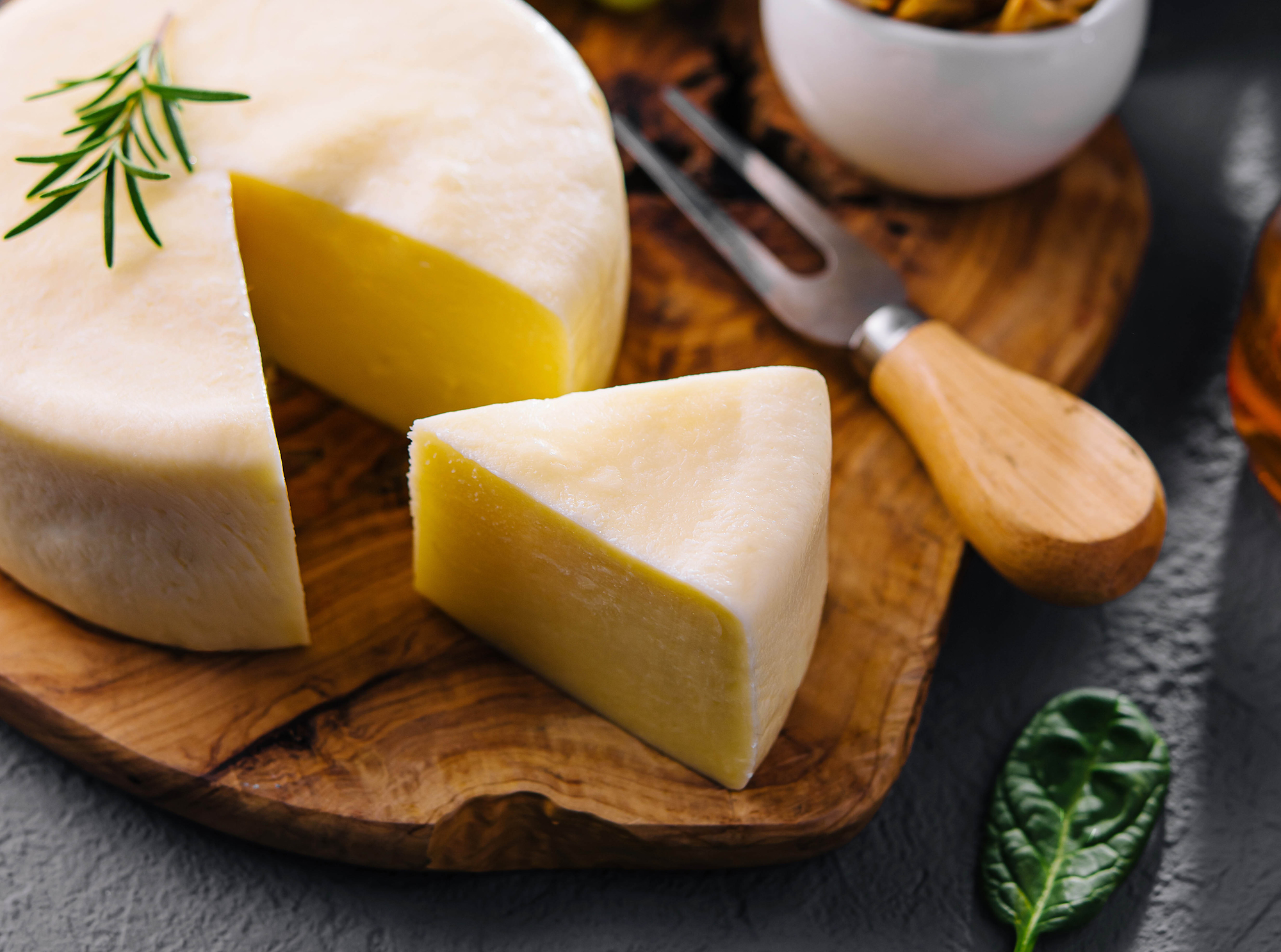
A type of cheese from Serbia is made using milk from Balkan donkeys. Because these animals give milk for just a short time after their young are born, supply stays low.
One kilogram of the cheese needs around 25 liters of that milk. Since a single donkey offers about two liters daily, getting enough becomes a slow process.
A single farm in Serbia makes Pule cheese. Its taste? Rich, crumbly – not quite like Manchego, not exactly feta either.
Because so little exists, the cost climbs high. It often shows up among priciest cheeses globally.
Regular grocery stores do not carry it. Not even niche cheesemongers have it very often.
When Price Meets Plate

Stories hide inside these ingredients – of lack, of habit, of what matters to people. Notable taste is why some feel worth the price.
Tradition gives others meaning beyond how they taste. A handful are mostly about showing off.
Yet one thing ties them together – they show food does not only feed the body. Fine work, long waits, those one-of-a-kind growing spots – sometimes they create tastes nothing else matches.
If that matters to you at mealtime, then cost might feel less like a question.
More from Go2Tutors!

- The Romanov Crown Jewels and Their Tragic Fate
- 13 Historical Mysteries That Science Still Can’t Solve
- Famous Hoaxes That Fooled the World for Years
- 15 Child Stars with Tragic Adult Lives
- 16 Famous Jewelry Pieces in History
Like Go2Tutors’s content? Follow us on MSN.



