Photos of Mysterious Field Patterns Seen from Above
A view from below shows only what’s useful – plants lined up, green cover, soil turned for planting. Yet when seen higher up, things change without warning.
Shapes appear that seem planned, detailed, even strange upon closer look. Up above, patterns unfold – some sharp with order, others flowing like sketches on paper.
Not every shape comes from blueprints; some grow wild through nature’s slow hand. A handful blur the line, making you wonder who – or what – was behind their creation.
It’s less about beauty, more about how quickly they upend what we think we know below our feet. Above, certain fields reveal shapes hard to explain.
Some stretch in lines that twist without reason. Others form circles with no clear purpose.
From high up, these layouts catch the eye. Patterns appear where none should exist.
Shapes repeat across acres for no known cause. What lies below might hold answers. Yet explanations remain out of reach. Each design sits silently under the open sky.
Crop Circles
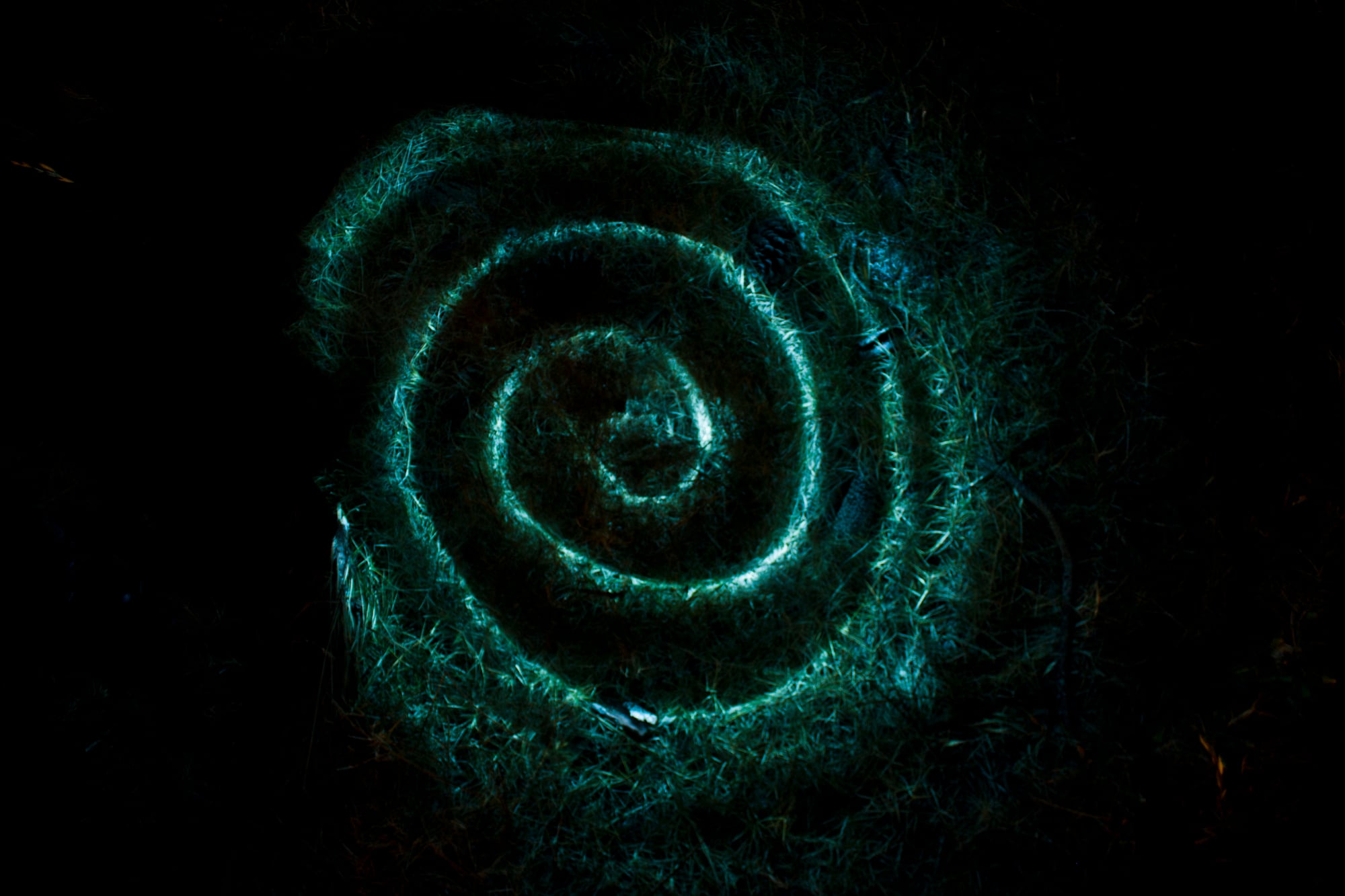
Out in open fields, strange shapes show up where plants lie flat in careful layouts. These marks on the land catch eyes fast, known by most people without needing names.
Mostly spotted after dark hours pass, some carry details so sharp they puzzle those who study them. Though teams have stepped forward claiming credit for fakes, a few remain odd enough to keep questions alive.
What sticks isn’t just how complex they look, but how quickly something like that can emerge under quiet skies.
Center-Pivot Irrigation Circles
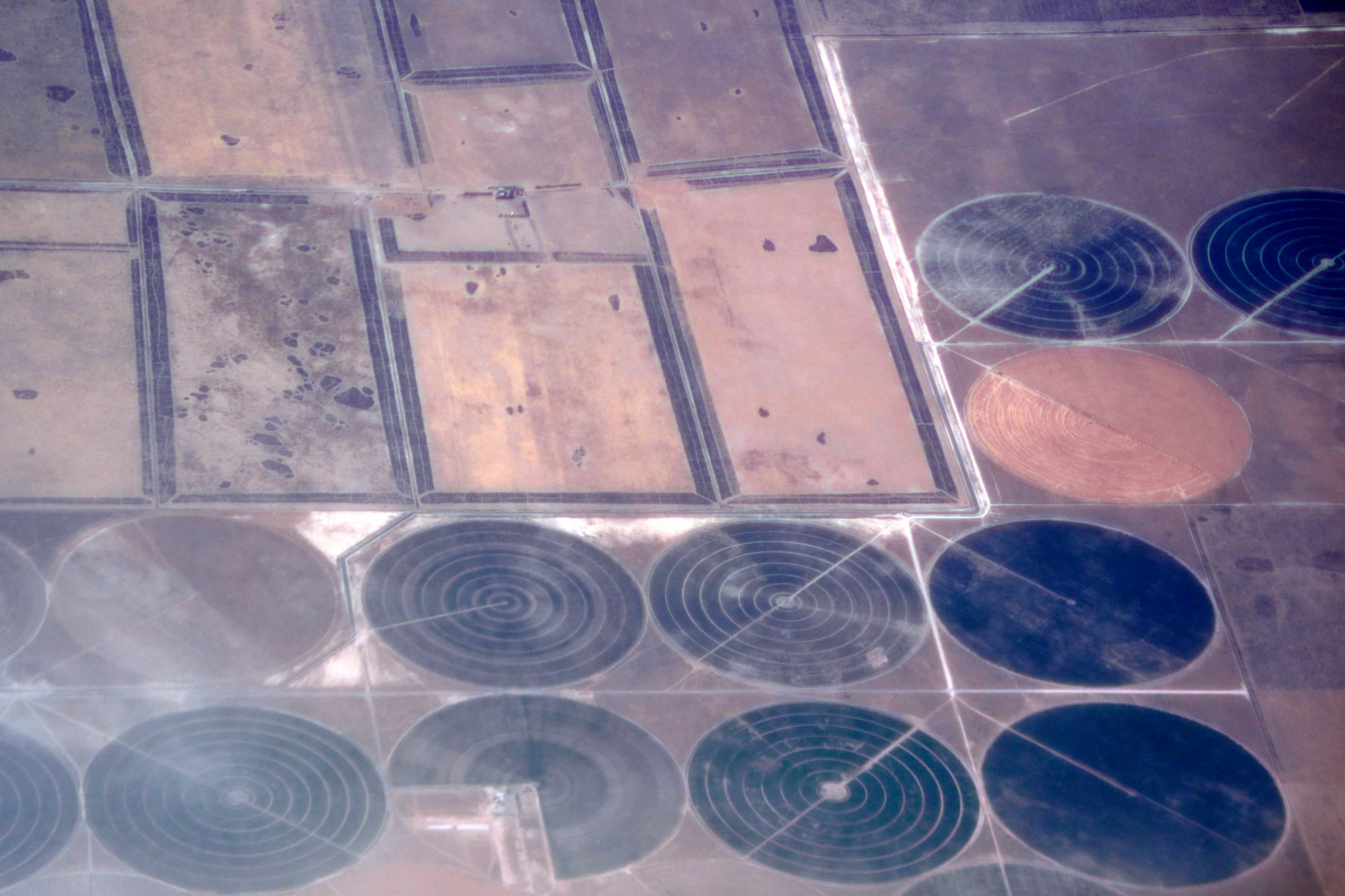
Across parts of the United States and other agricultural regions, fields form near-perfect green circles when viewed from above. These are created by rotating irrigation systems that water crops evenly as they move in a circular path.
The result is highly efficient farming, but also a landscape that looks almost artificially designed. From the air, it resembles a patchwork of giant coins laid across the earth.
Rice Terraces

In mountainous regions, rice terraces create layered patterns that follow the contours of the land. These stepped formations can stretch for miles, forming flowing, organic designs that shift with the seasons.
When filled with water, they reflect the sky, adding another visual dimension. Their beauty comes from the balance between human engineering and natural terrain.
Nazca Desert Patterns
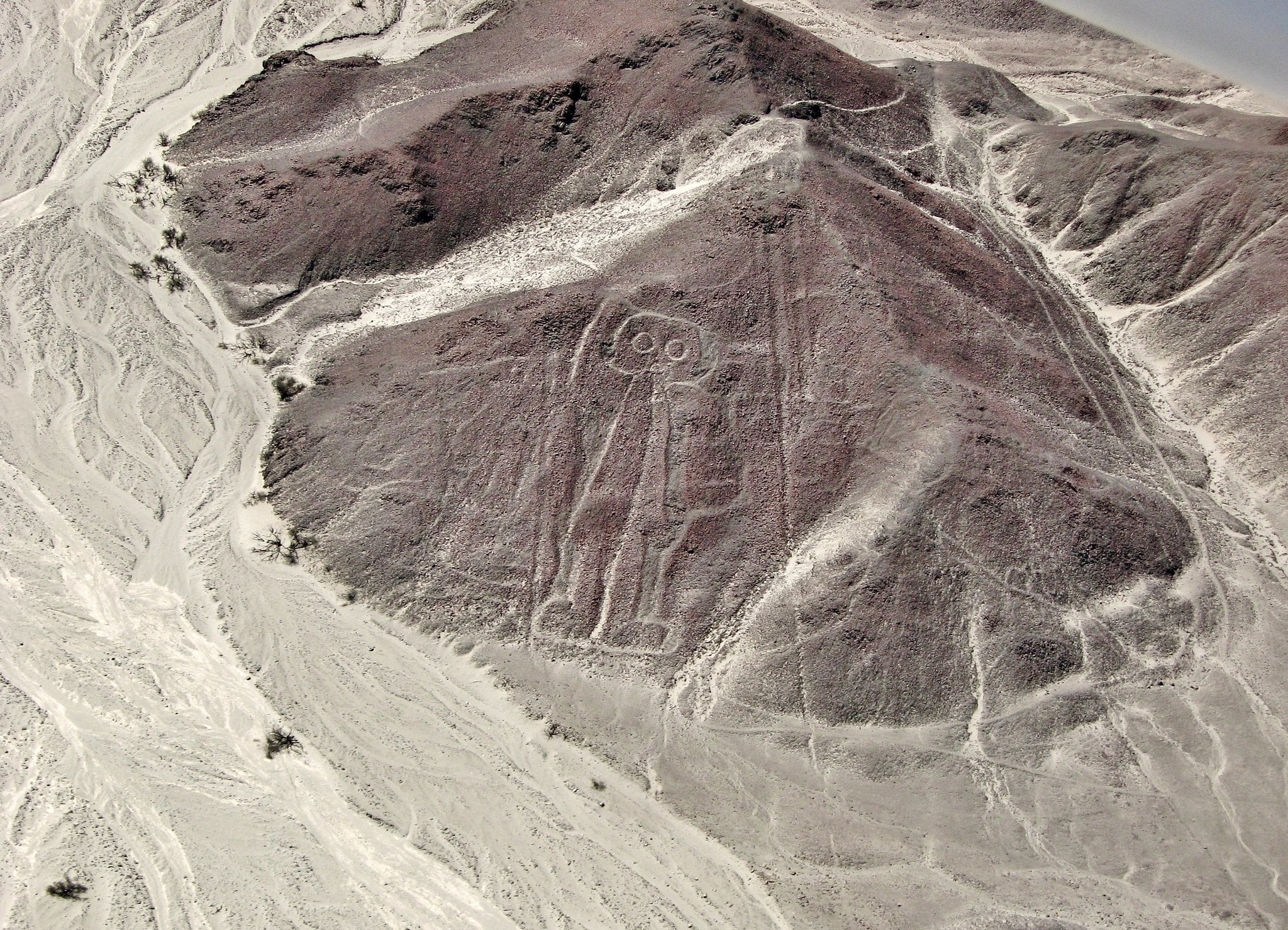
In Peru, the Nazca region features massive ground markings that form shapes only fully visible from above. These lines and figures stretch across miles of desert, maintaining their clarity for centuries due to the dry climate.
Their scale and precision suggest careful planning, yet their exact purpose remains uncertain. Seeing them from the air feels like uncovering a message that was never meant to be read at ground level.
Agricultural Striping Patterns

Some farmland displays long, alternating stripes of color caused by different crops or planting methods. These patterns can stretch across large distances, creating a visual rhythm that feels almost intentional.
While they serve practical purposes like soil management, their appearance from above often feels more artistic than functional. The repetition creates a sense of order that stands out against natural landscapes.
Salt Flats

In places like Bolivia and parts of the United States, salt flats form vast, geometric patterns across the ground. As water evaporates, it leaves behind mineral deposits that crack into polygonal shapes.
These patterns are entirely natural, yet their symmetry can feel almost designed. From above, they resemble a tiled surface stretching endlessly in every direction.
Desert Wind Patterns
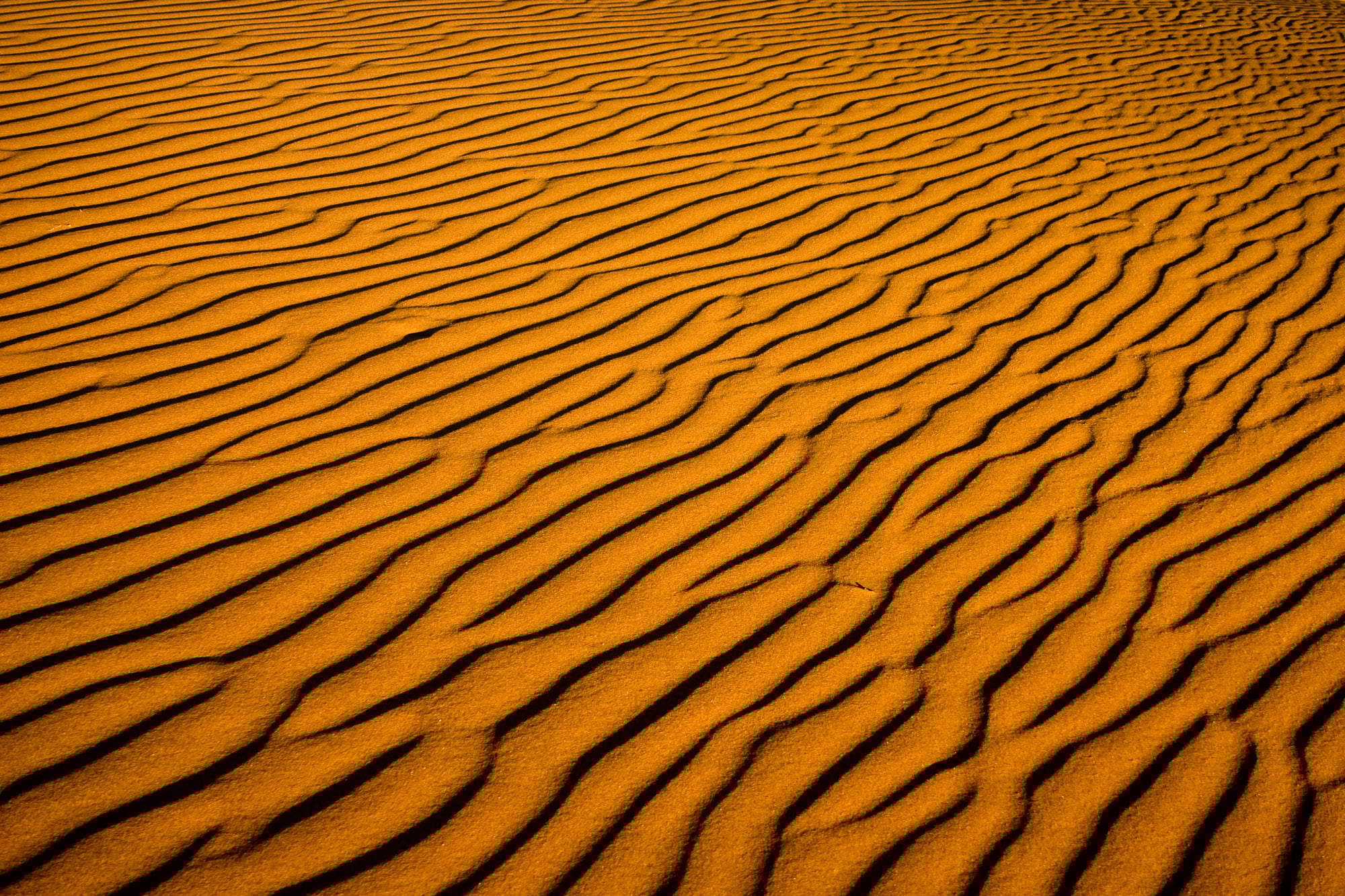
In arid regions, wind shapes the surface of the land into ripples and waves. These patterns shift over time, creating flowing lines that look almost like fabric frozen in place.
Unlike fixed structures, they are constantly changing, shaped by forces that are difficult to see directly. Their temporary nature adds to their intrigue.
Tulip Fields

In parts of Europe, tulip farms create bold blocks of color arranged in precise rows. From above, these fields look like painted stripes stretching across the landscape.
The contrast between colors creates sharp, clean lines that feel almost too perfect to be natural. Yet each row represents careful planning and seasonal timing.
Vineyards
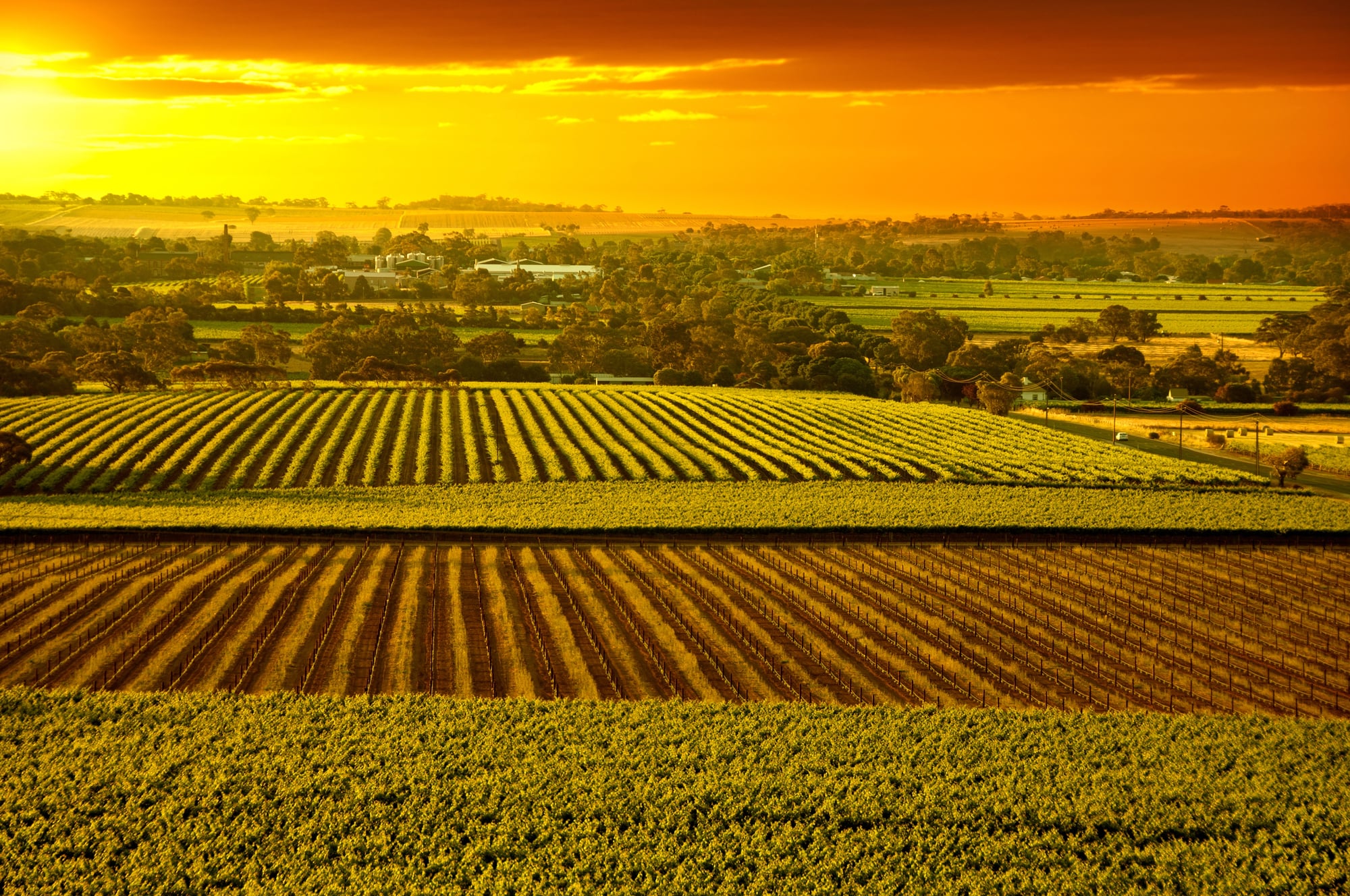
Vineyards often form repeating patterns of rows that follow the natural slope of the land. From the air, these lines can curve and bend, creating shapes that feel both structured and organic.
The spacing between vines adds to the visual rhythm. Over time, these patterns become part of the region’s identity.
Lava Flow Patterns
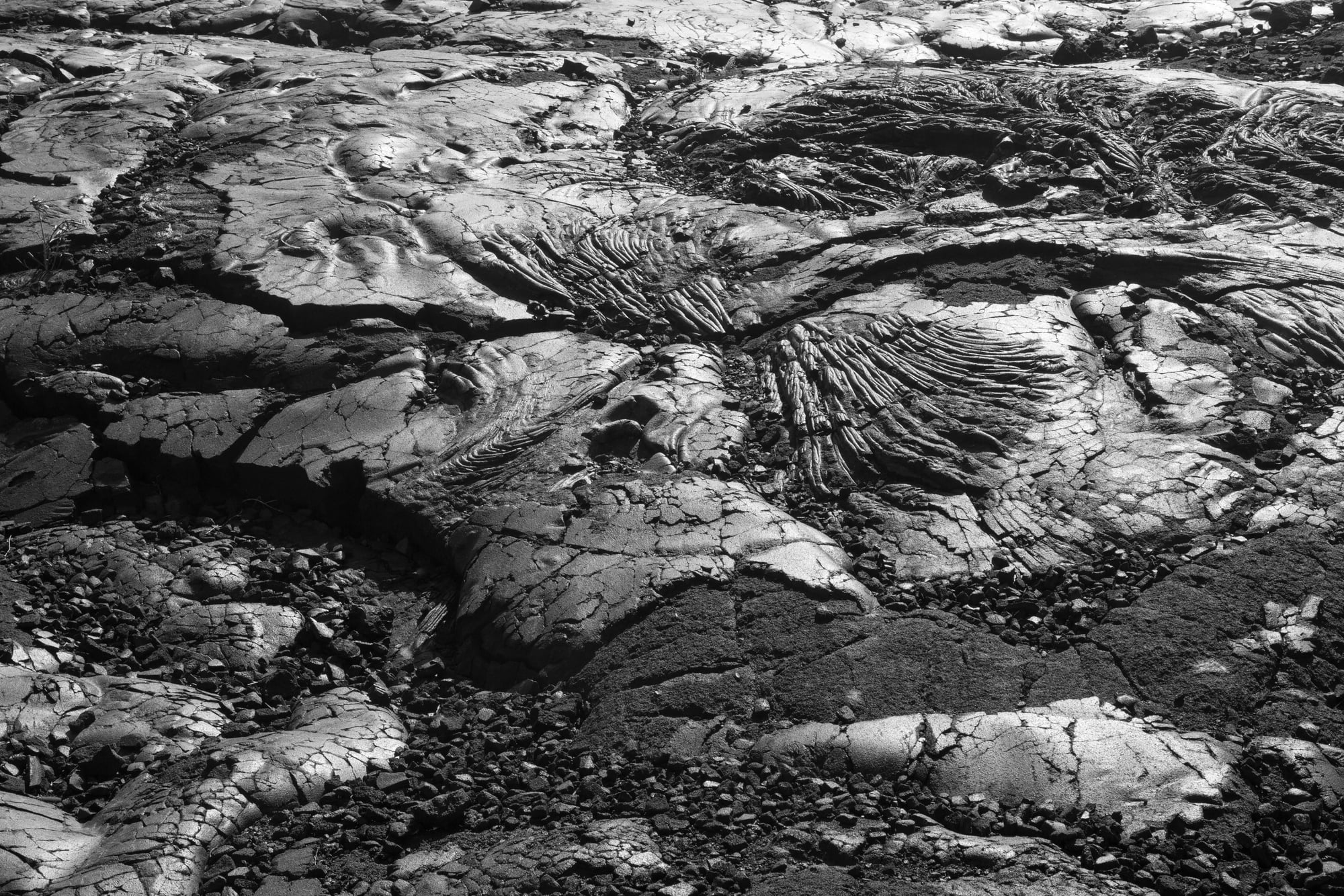
In volcanic regions, cooled lava creates intricate surface patterns that can only be fully appreciated from above. These formations often appear chaotic at first, but closer observation reveals repeating textures and flows.
The contrast between dark rock and surrounding land adds to the visual impact. They serve as a reminder of how powerful natural forces can shape the earth.
Snow-Covered Farmland
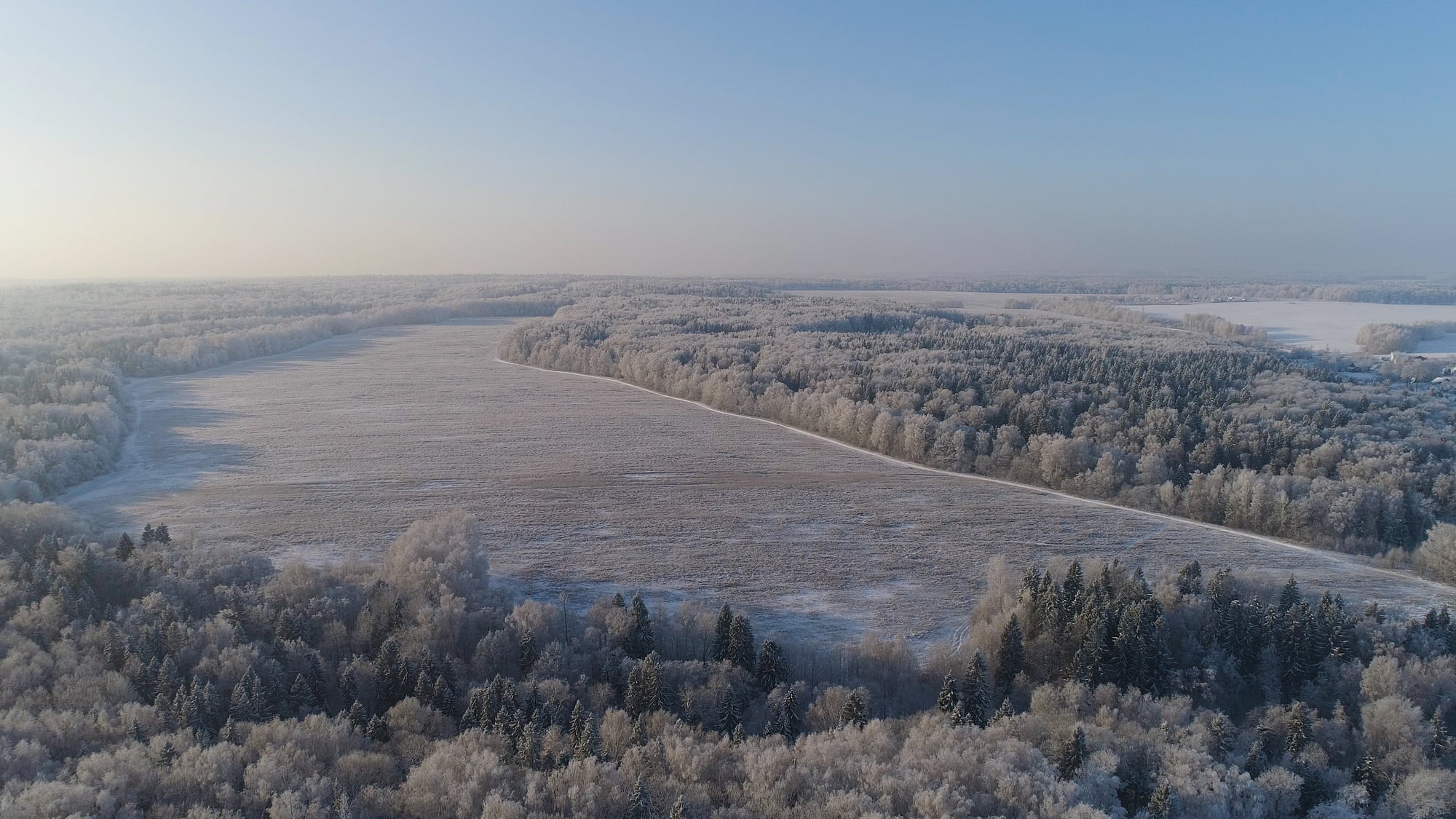
During winter, fields covered in snow can reveal patterns that are invisible during other seasons. Tracks, boundaries, and subtle changes in elevation become more apparent.
The uniform white surface acts like a blank canvas, highlighting details that would otherwise go unnoticed. It’s a temporary transformation that changes how the land is perceived.
Wetland Patterns

Wetlands often form branching, vein-like patterns as water moves through the landscape. These natural designs can look almost like living systems when viewed from above.
The interplay between water and land creates constantly shifting shapes. Their complexity makes them difficult to fully map or predict.
Solar Farm Arrays

Modern solar farms create highly structured patterns made up of rows of panels aligned for maximum efficiency. From above, they form grids that contrast sharply with natural surroundings.
Their uniformity reflects technological precision. At the same time, they introduce a new kind of pattern into the landscape.
Sand Dune Fields
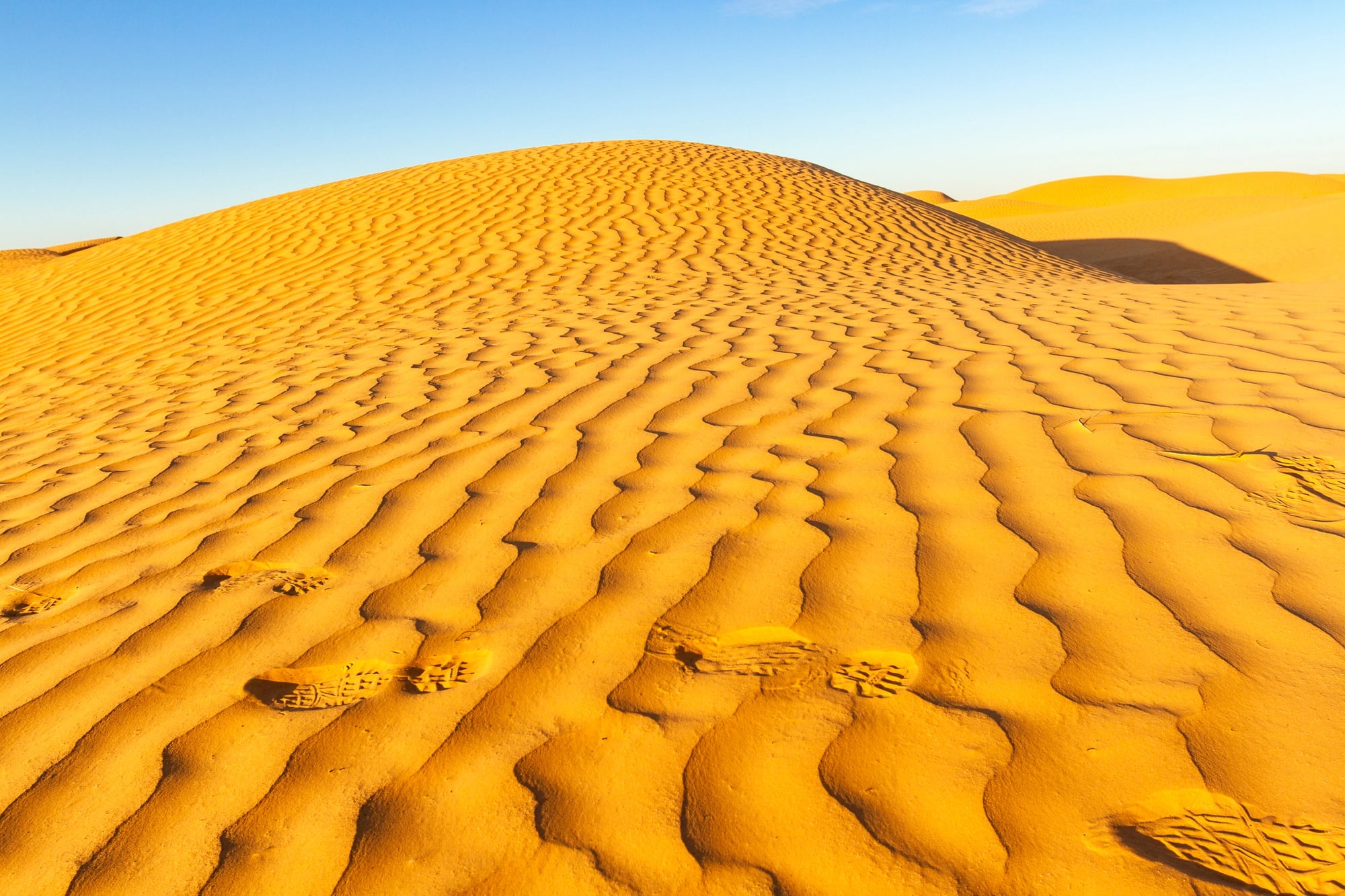
In desert regions, sand dunes create sweeping patterns shaped by wind and time. These formations can stretch for miles, forming waves that look almost identical yet never quite repeat.
Their movement is slow but constant, reshaping the landscape over time. From above, they resemble an endless series of ripples.
Forest Logging Grids
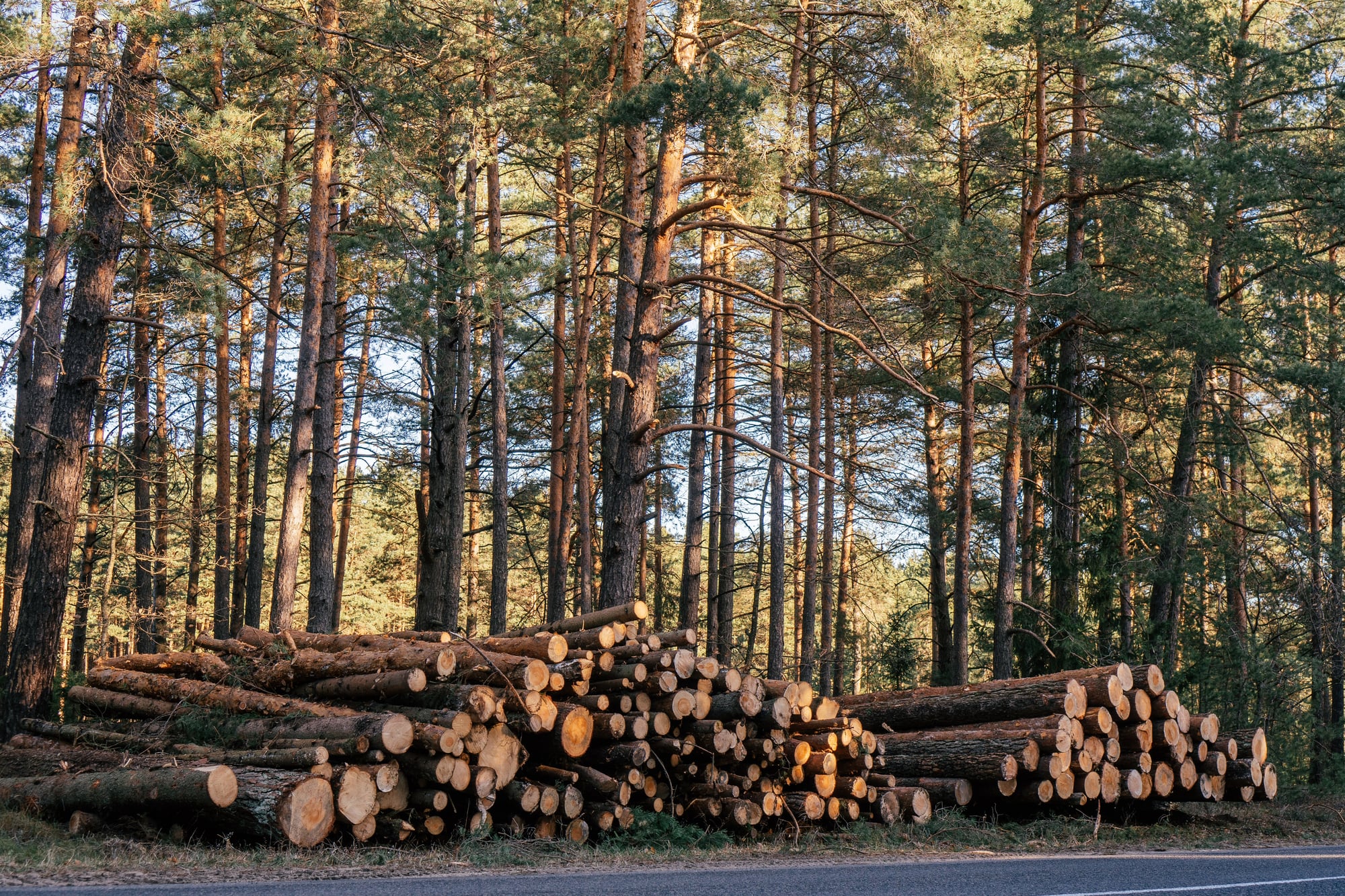
In some areas, forestry practices create visible grids where sections of trees have been cleared or replanted. These patterns can look stark from above, dividing the land into distinct sections.
While functional, they introduce a level of order that contrasts with natural growth. Over time, these grids may soften as vegetation returns.
Frozen Lake Fractures
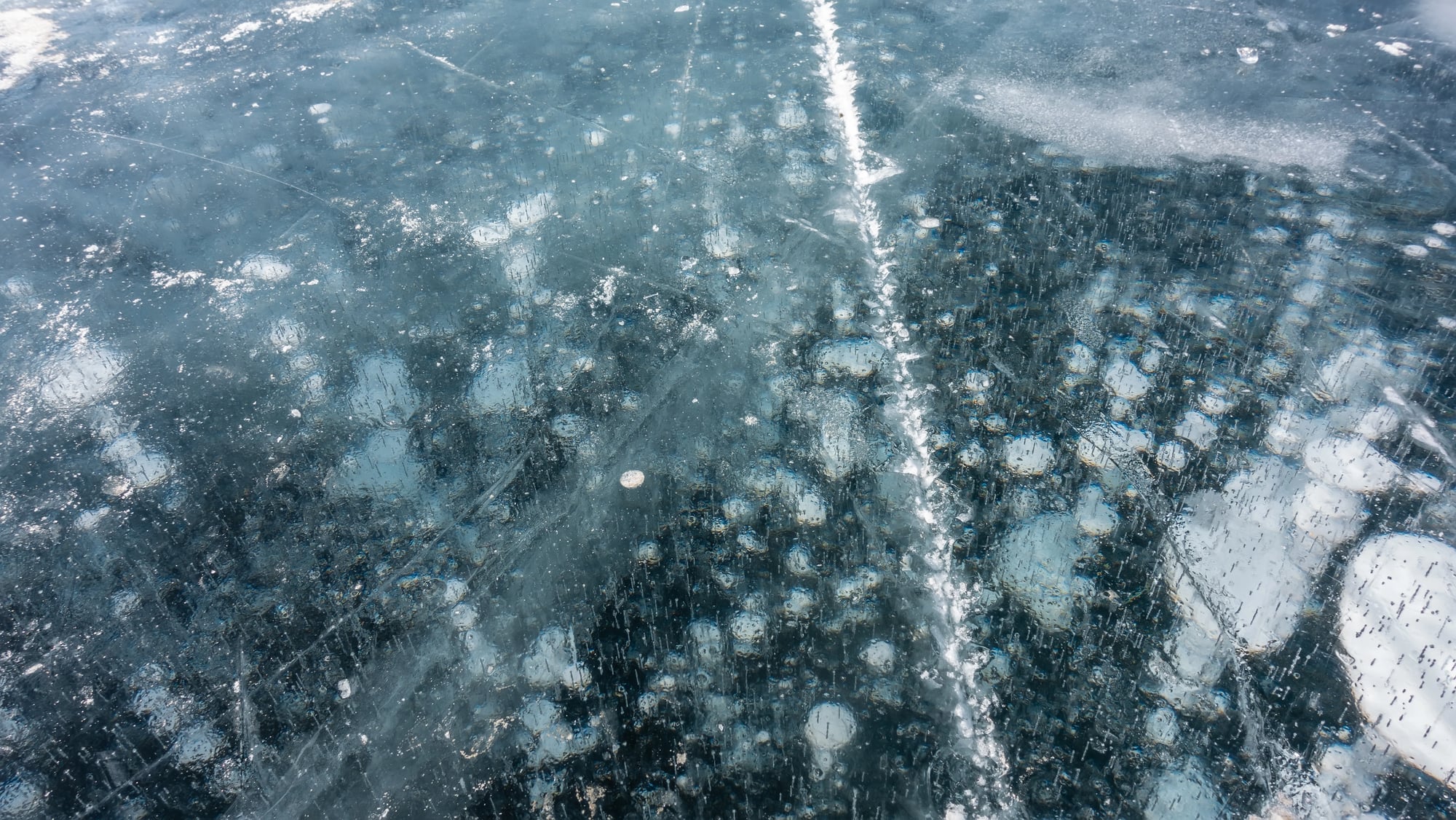
When lakes freeze, cracks can form across the surface in intricate patterns. These fractures spread outward, creating branching lines that look almost like lightning frozen in place.
The patterns are temporary, changing as temperatures shift. From above, they offer a brief glimpse into the dynamic nature of ice.
Flower Field Patterns

Beyond tulips, other flower farms create large-scale patterns through color and arrangement. These fields can appear as gradients or blocks, depending on how they are planted.
The effect is both visual and seasonal, changing throughout the year. From above, they resemble carefully planned designs rather than simple agriculture.
River Delta Formations
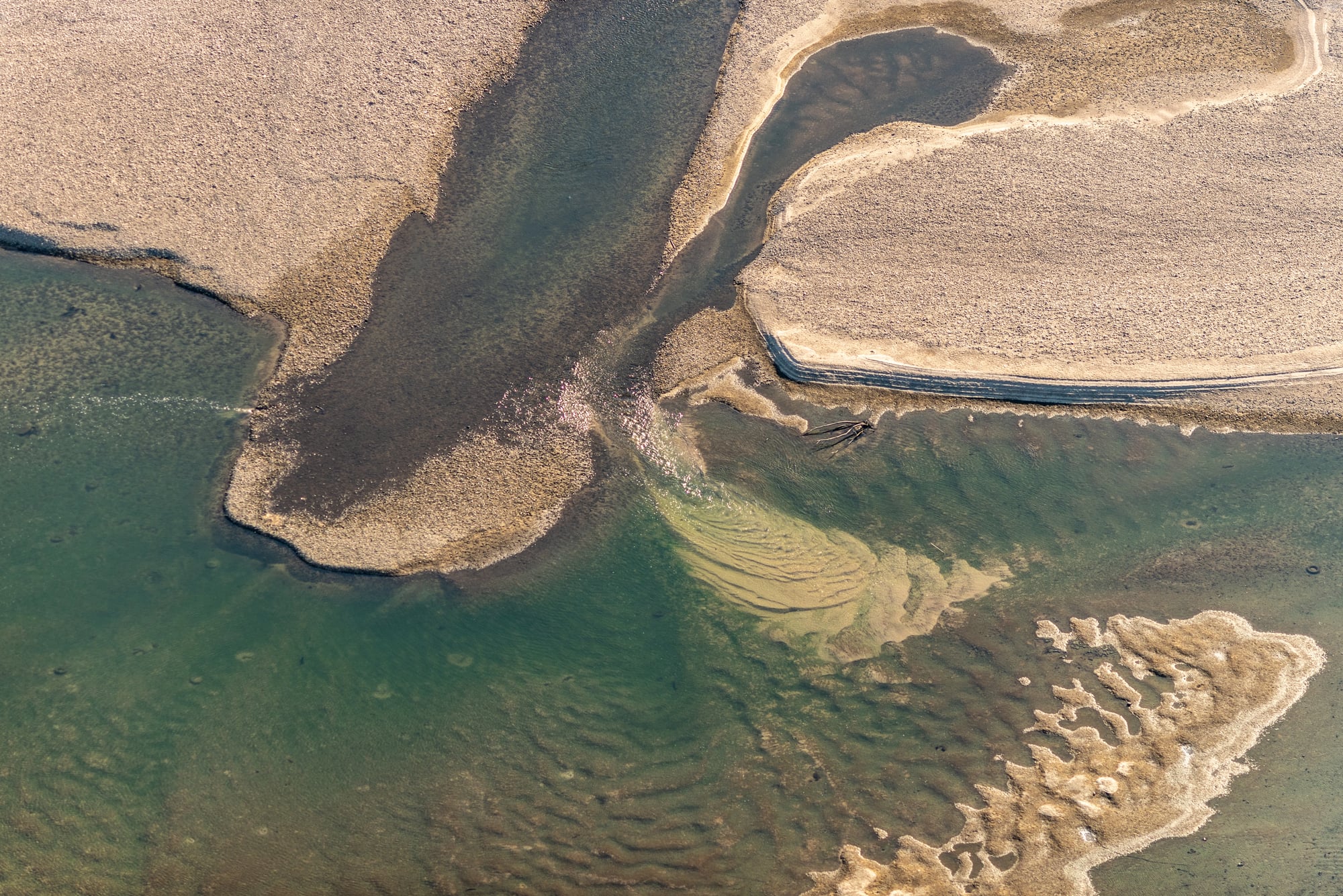
Rivers tend to divide into smaller streams when reaching big water areas. Branching paths take shape like roots spreading through soil.
Water flows shift things around, moving sand and mud each day. Seen from high up, their full layout becomes clear – twisting lines across land. From above, the intricate details stand out most.
Why These Patterns Feel So Strange
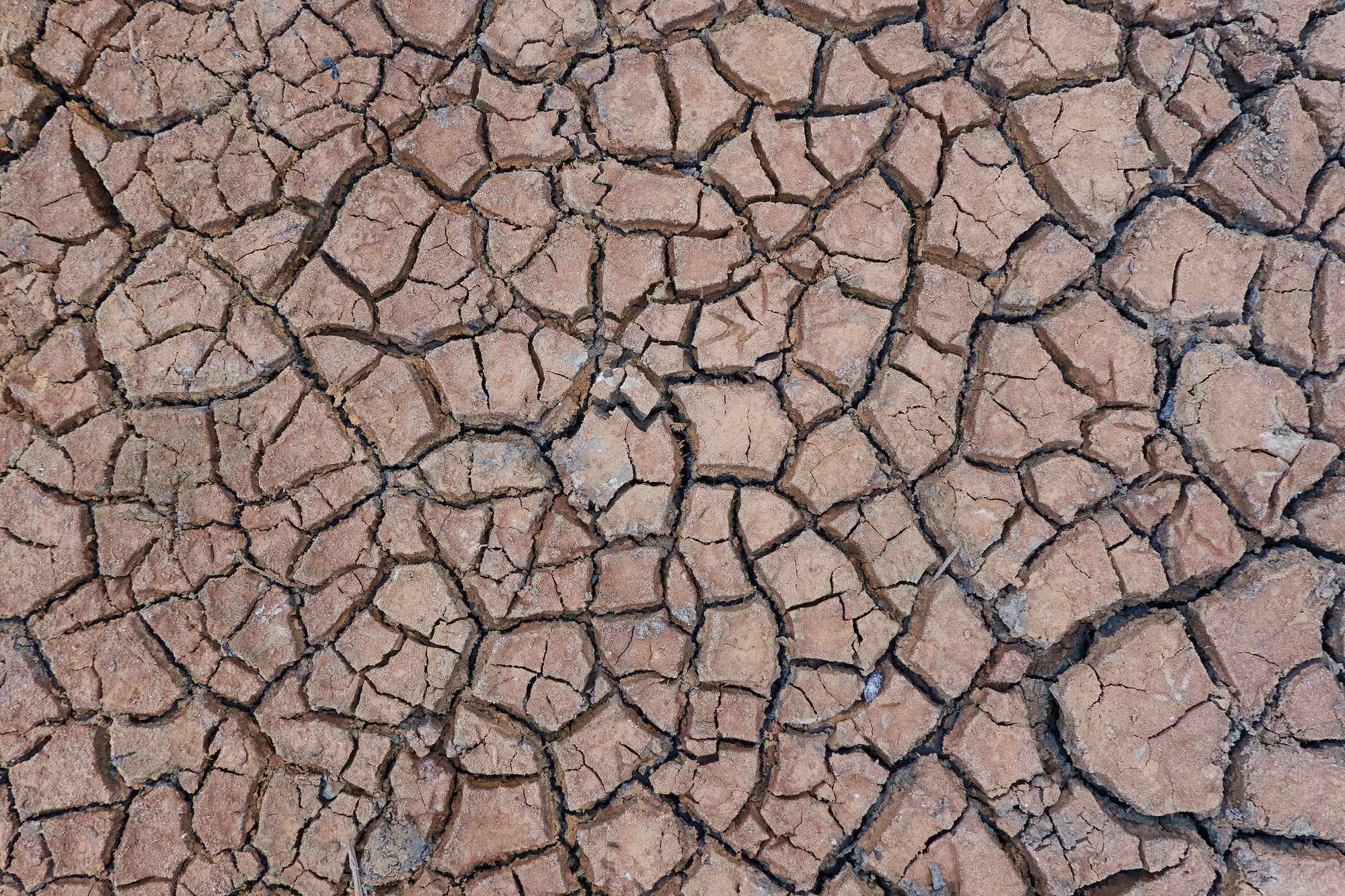
Looking down changes everything. Up close, things serve a purpose or blend into the background.
Seen from high up, shapes turn surprising, like someone planned them on purpose – even if no one did. What sticks is the difference. A nudge that first impressions lie, while clarity often hides behind distance – far enough to take in everything at once.
More from Go2Tutors!

- The Romanov Crown Jewels and Their Tragic Fate
- 13 Historical Mysteries That Science Still Can’t Solve
- Famous Hoaxes That Fooled the World for Years
- 15 Child Stars with Tragic Adult Lives
- 16 Famous Jewelry Pieces in History
Like Go2Tutors’s content? Follow us on MSN.



