16 Facts About Raphael And His Famous Works
Walk through any major art museum and you’ll find yourself stopping in front of paintings that somehow feel both familiar and mysterious. The faces look real enough to speak, the colors seem to glow from within, and there’s a harmony to everything that feels almost too perfect to be human-made.
Chances are, you’re looking at the work of Raphael Sanzio, or something deeply influenced by his revolutionary approach to painting. His name appears alongside Leonardo da Vinci and Michelangelo as one of the three masters of the High Renaissance, but his story goes far beyond that simple categorization.
Born Into Art
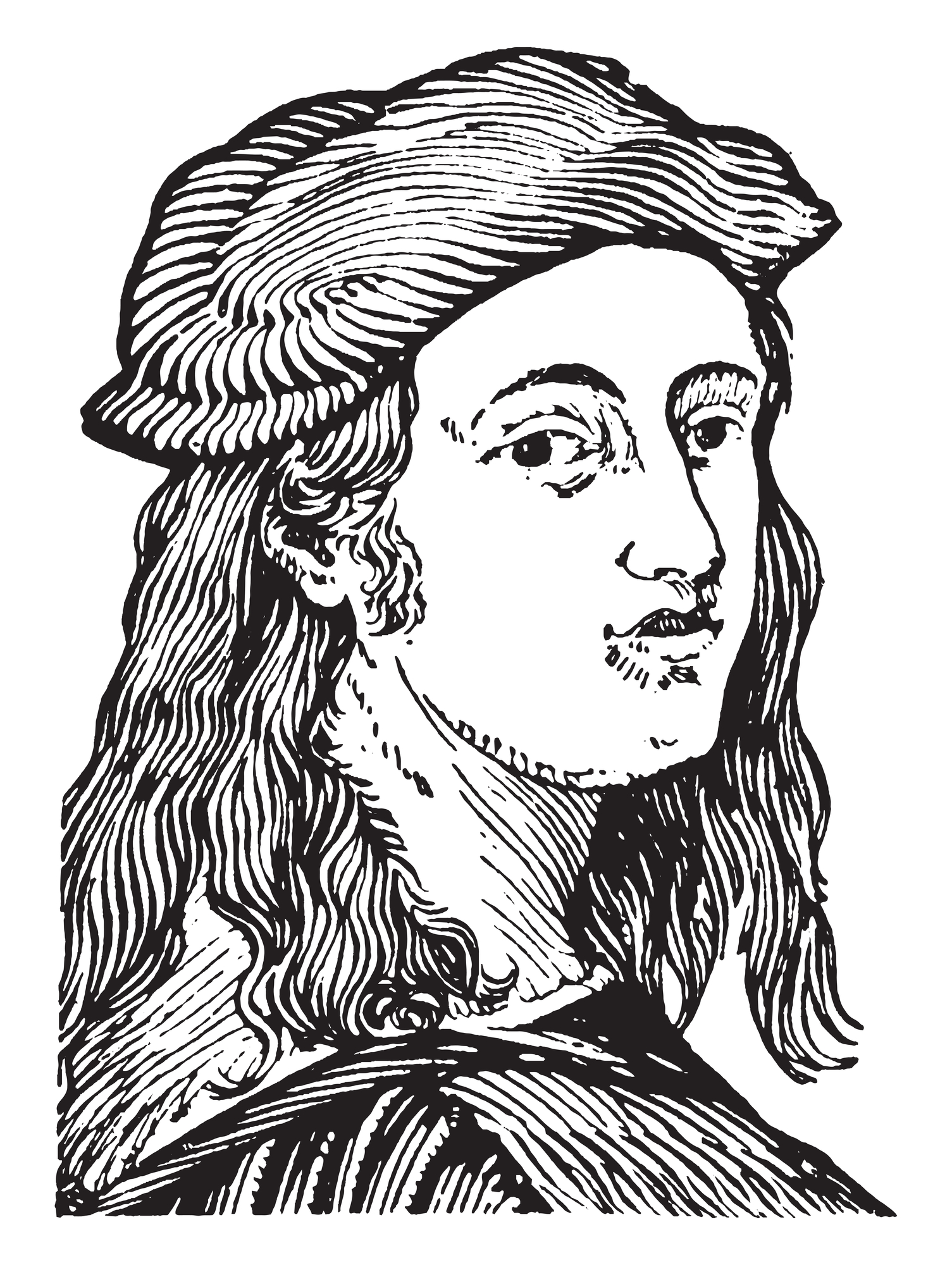
Raphael wasn’t stumbling around trying to figure out his calling. His father, Giovanni Santi, was a court painter in Urbino.
The smell of oil paints and the sight of half-finished canvases were just part of childhood. By age eleven, both parents were dead.
Most kids would be lost. Raphael kept painting.
The Umbrian School Foundation
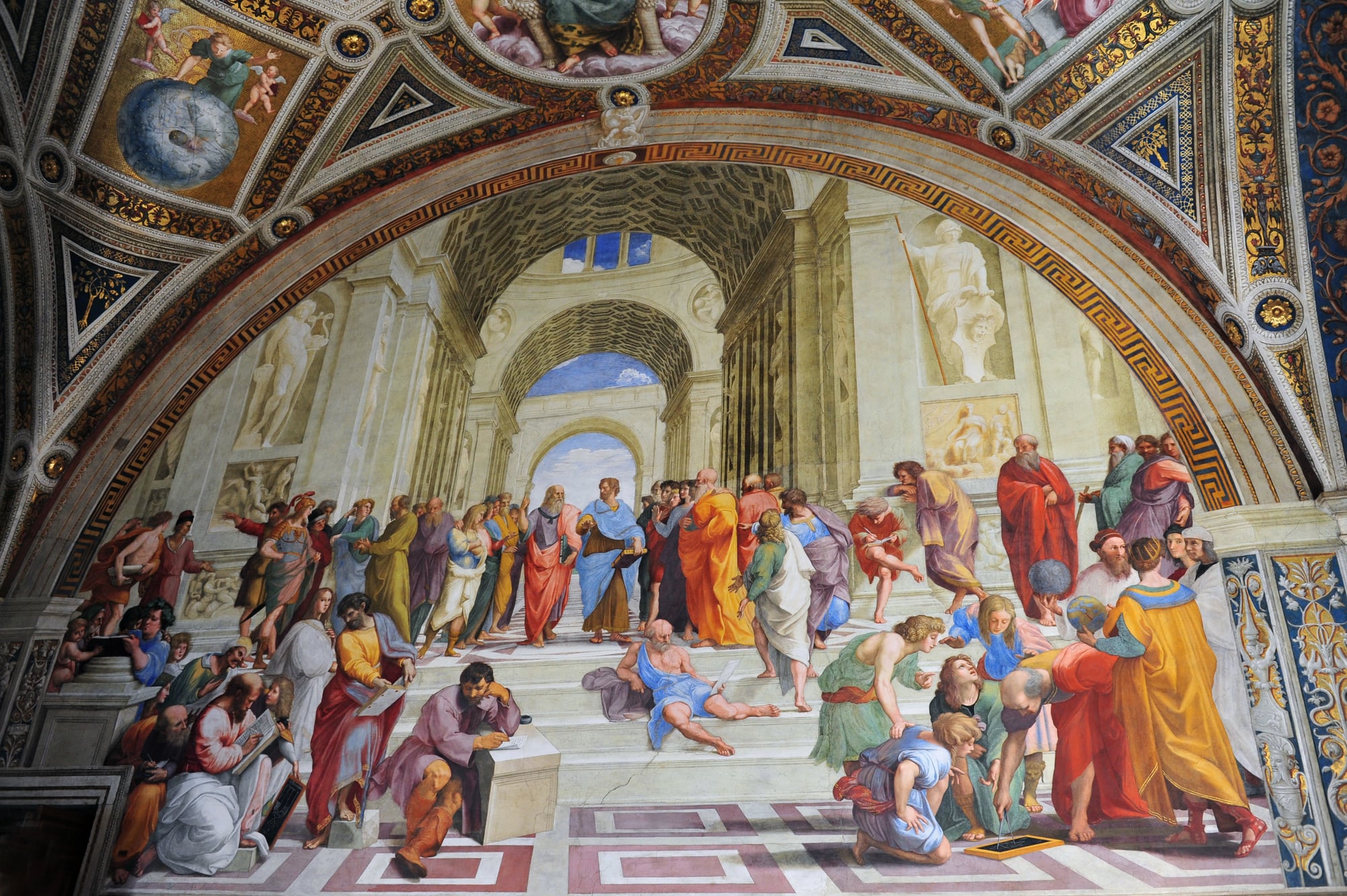
The way Raphael learned to paint tells you everything about why his work feels so different from his contemporaries — he didn’t just study technique, he absorbed an entire philosophy about what painting could accomplish. His teacher Pietro Perugino ran what was essentially a painting laboratory in Perugia, where young artists didn’t just copy existing works but were encouraged to experiment with new approaches to perspective, color theory, and emotional expression.
Students learned to see painting as a form of visual poetry, where every brushstroke carried meaning beyond its immediate purpose. This explains why Raphael’s later works feel like they’re saying something even when you can’t quite put your finger on what that something is.
Madonna Obsession
There’s something almost compulsive about Raphael’s relationship with the Madonna and Child theme — like a musician who keeps returning to the same melody, finding new ways to make it sing. He painted over thirty versions during his career, each one a slight variation on the others, each one solving a different visual problem or exploring a different emotional territory.
The repetition isn’t laziness. It’s the mark of someone who understood that perfection isn’t a destination but a process, something you approach gradually through countless attempts.
Stanze Della Segnatura Mastery
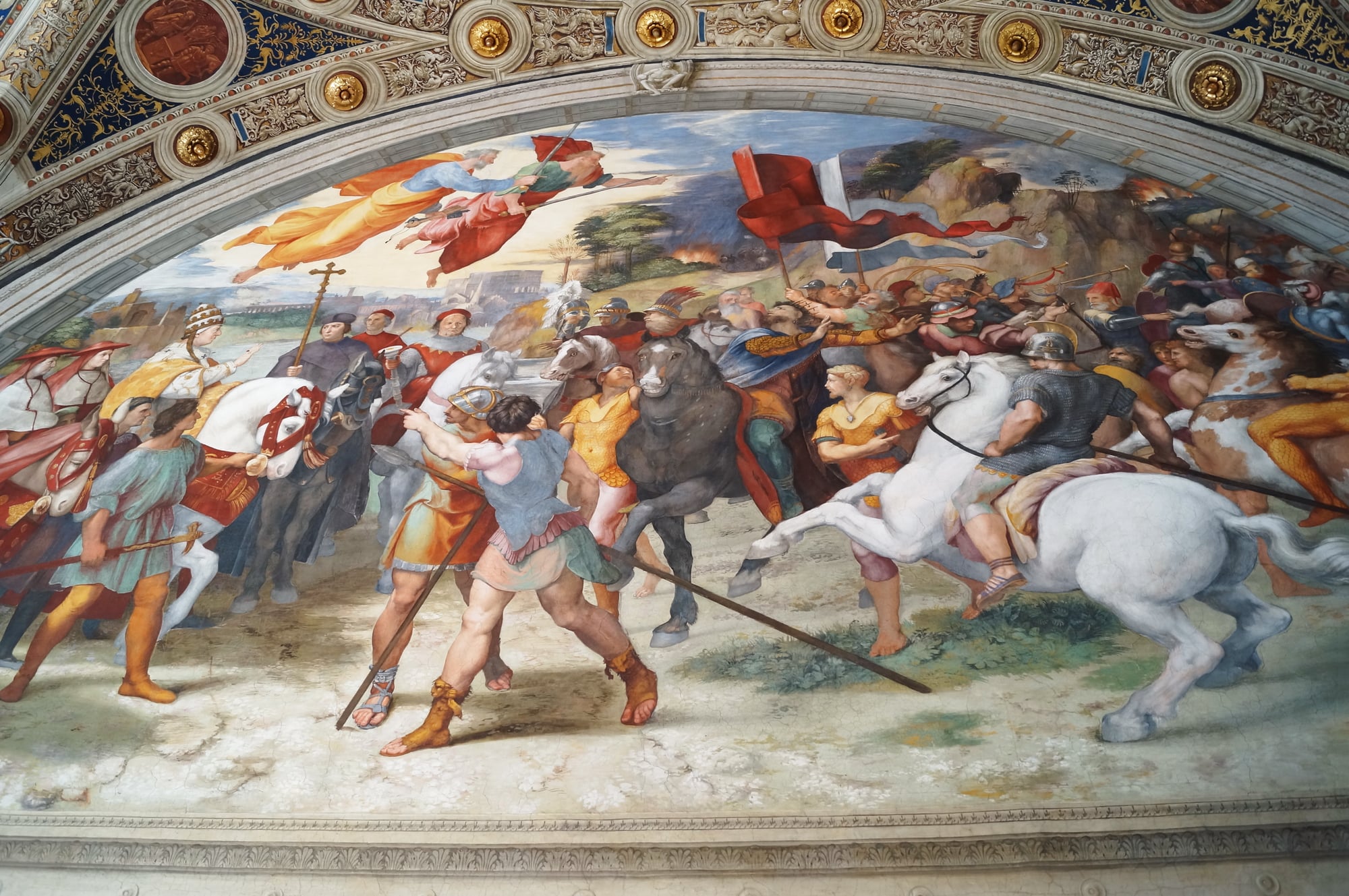
Pope Julius II made the smartest hiring decision in art history when he handed Raphael the keys to his private library. The resulting frescoes aren’t just decoration — they’re a complete visual argument for how human knowledge fits together.
Plato and Aristotle walking down those steps, surrounded by history’s greatest thinkers, all arranged with mathematical precision that somehow feels completely natural. Instead of conflict, Raphael created conversation.
The Sistine Madonna’s Cherubs
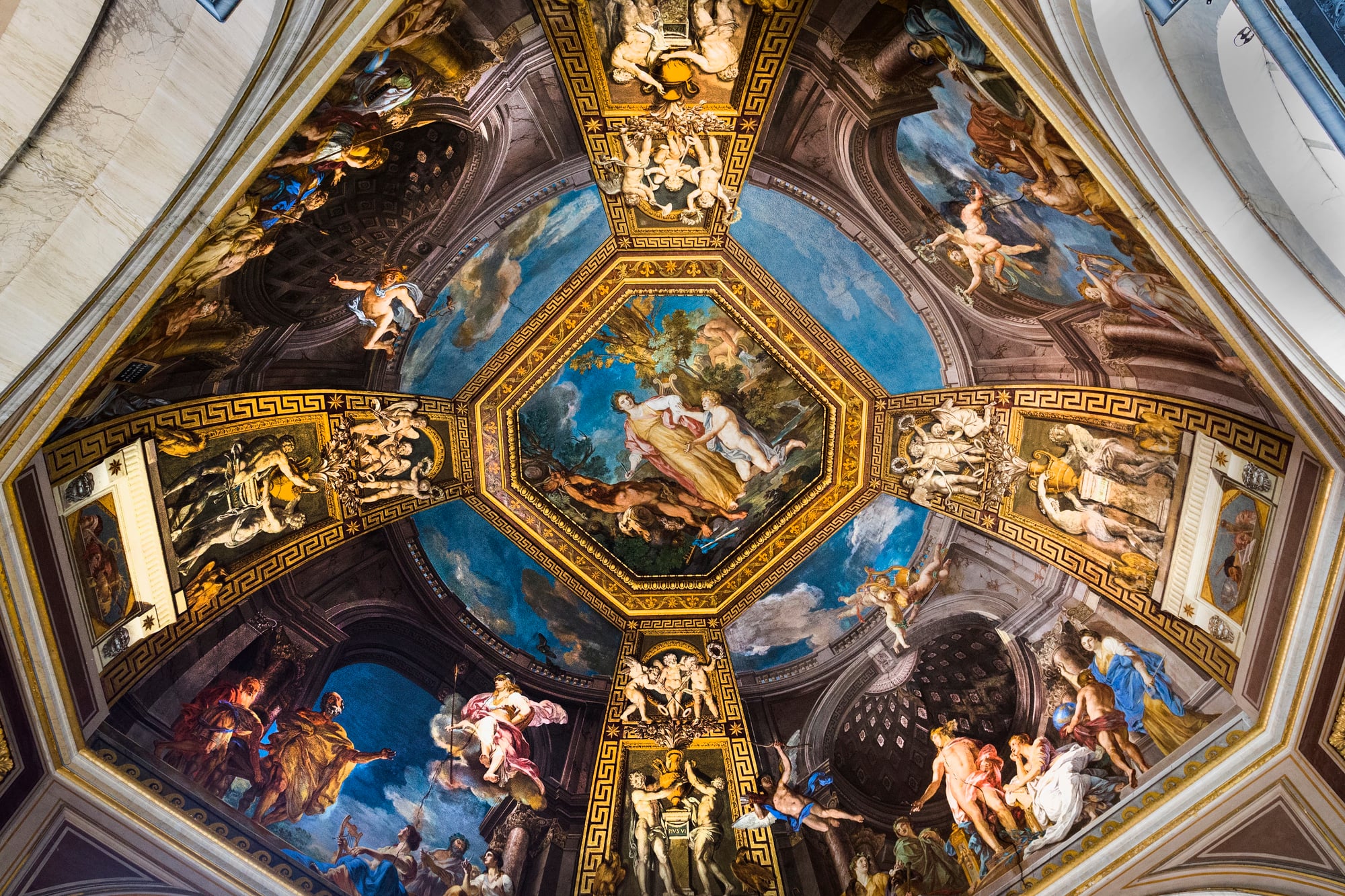
Those two little angels at the bottom of the “Sistine Madonna” have become more famous than most artists’ entire careers. They weren’t part of the original composition; art historians believe Raphael added them later, possibly to fill empty space or to add a touch of earthly irreverence.
They’re doing exactly what the viewer is doing, observing this miraculous scene with a mixture of awe and everyday human skepticism. Raphael painted us into the painting before we even knew we were there.
The Raphael Rooms Revolution
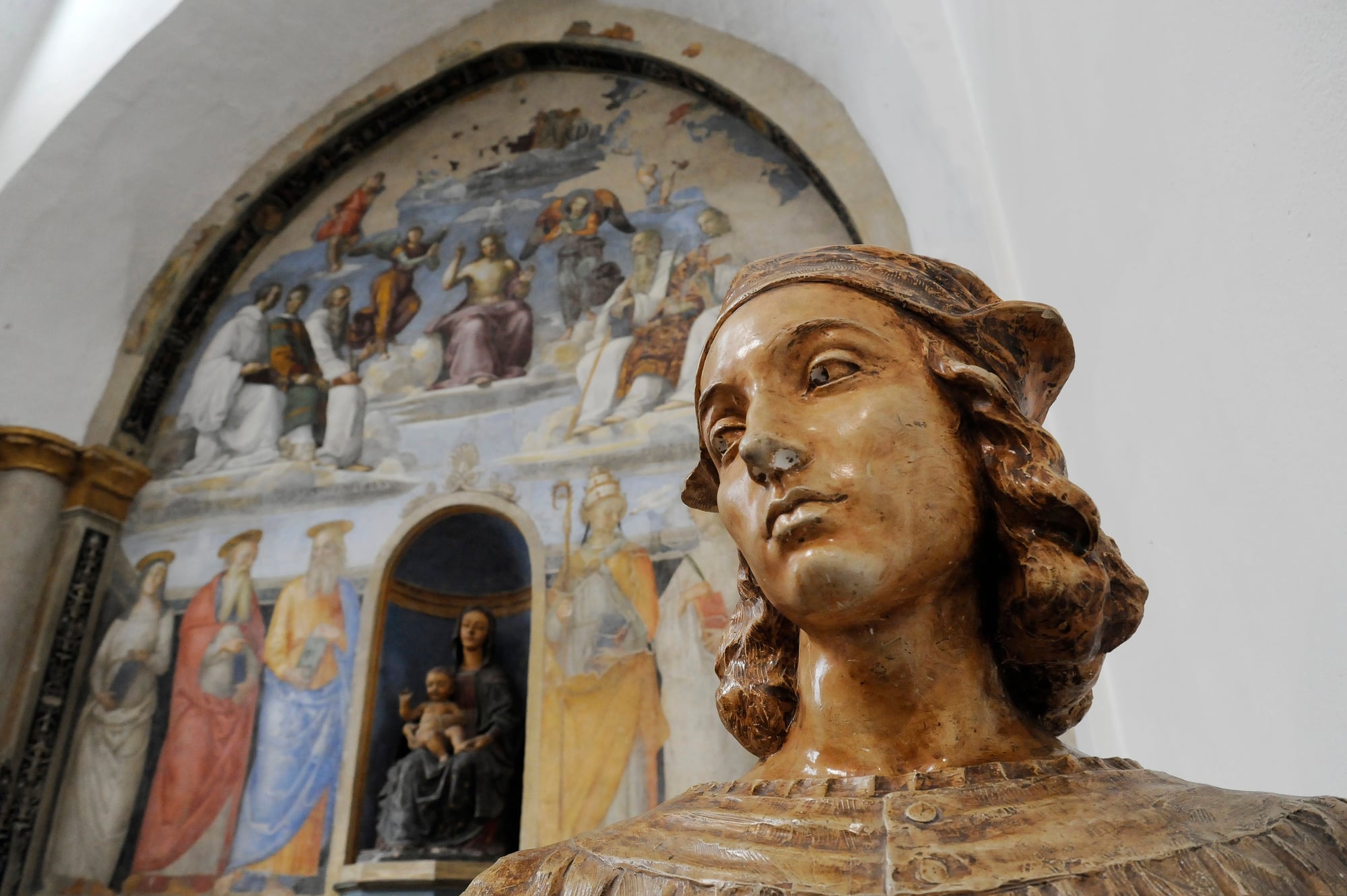
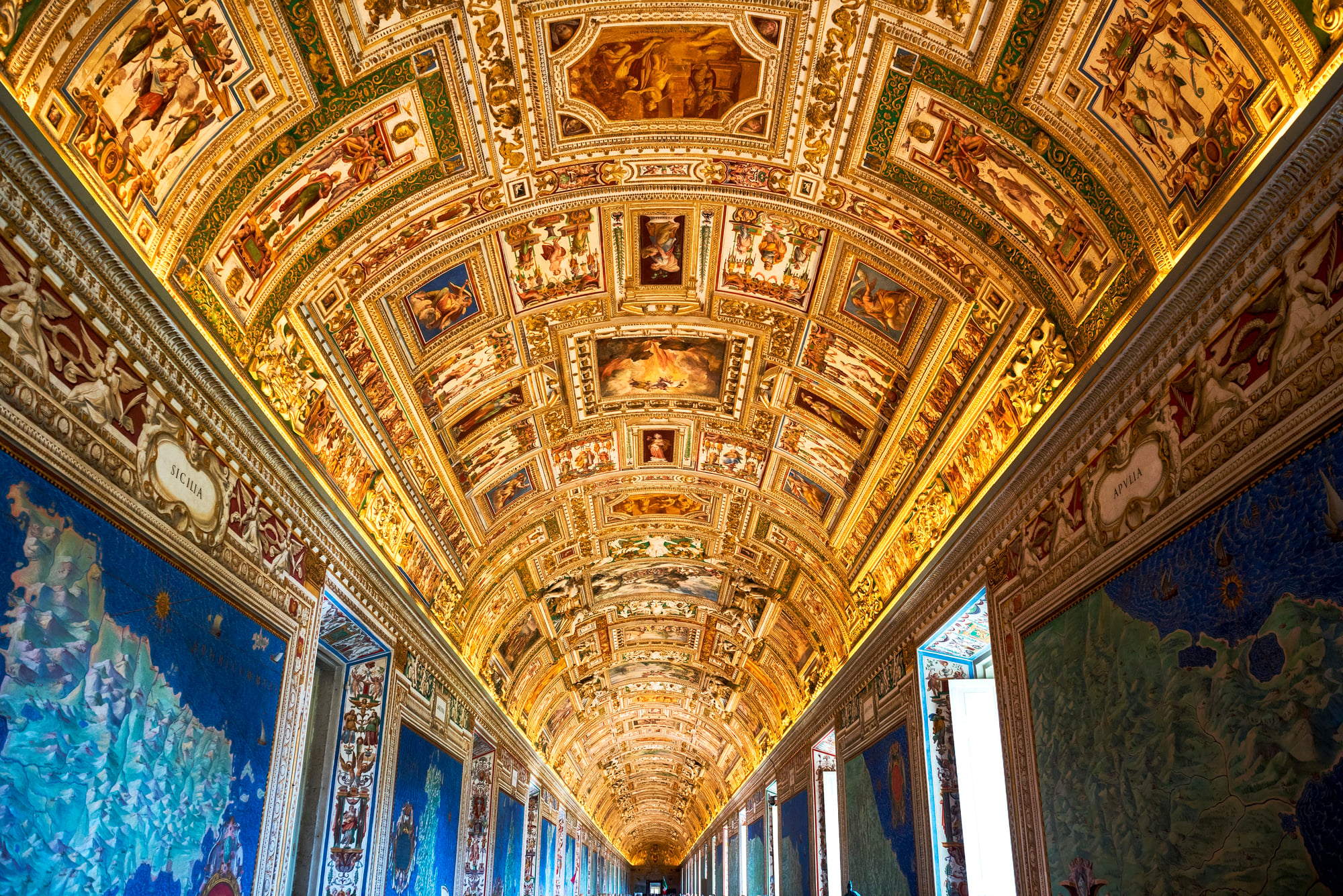
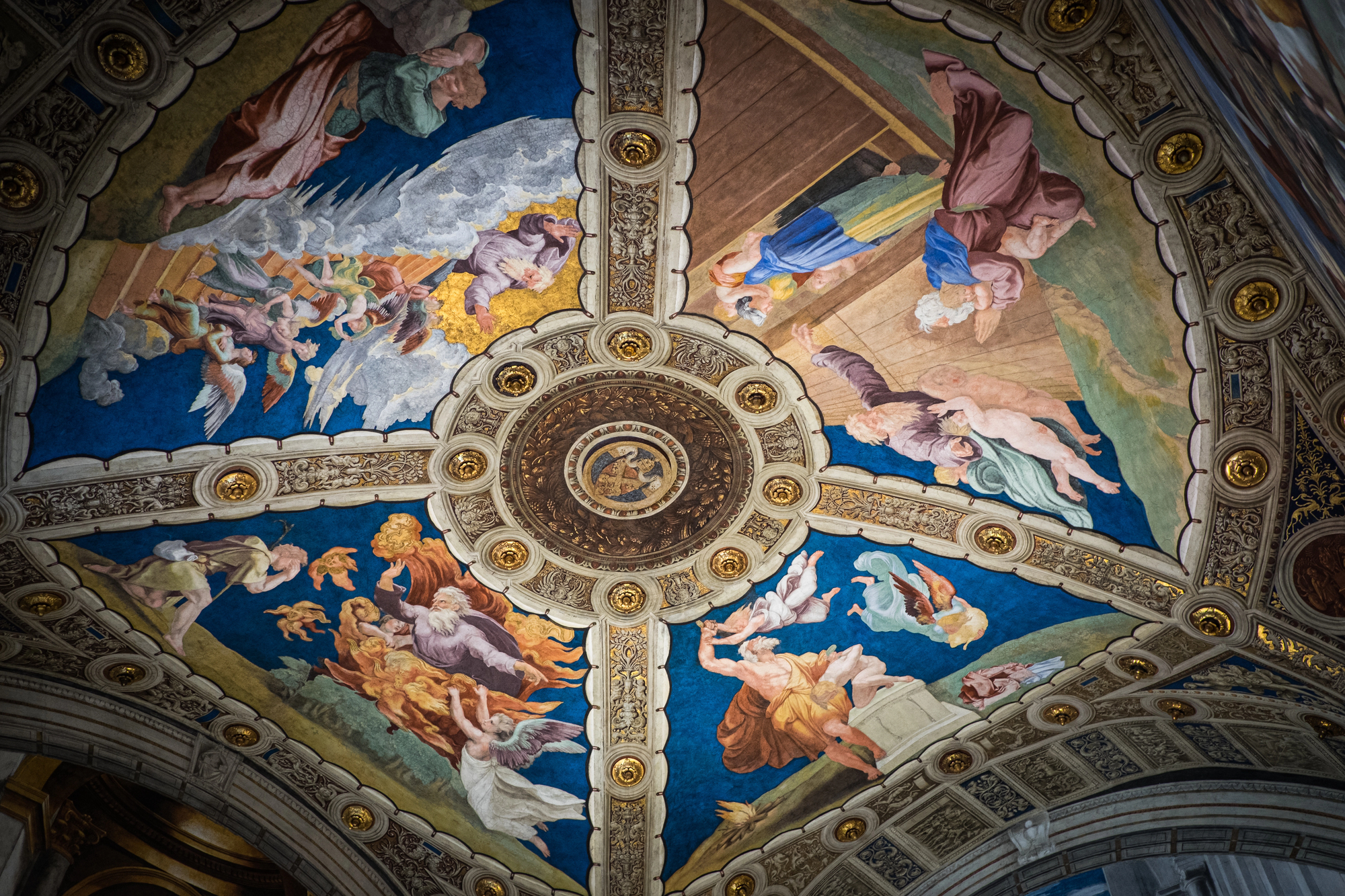
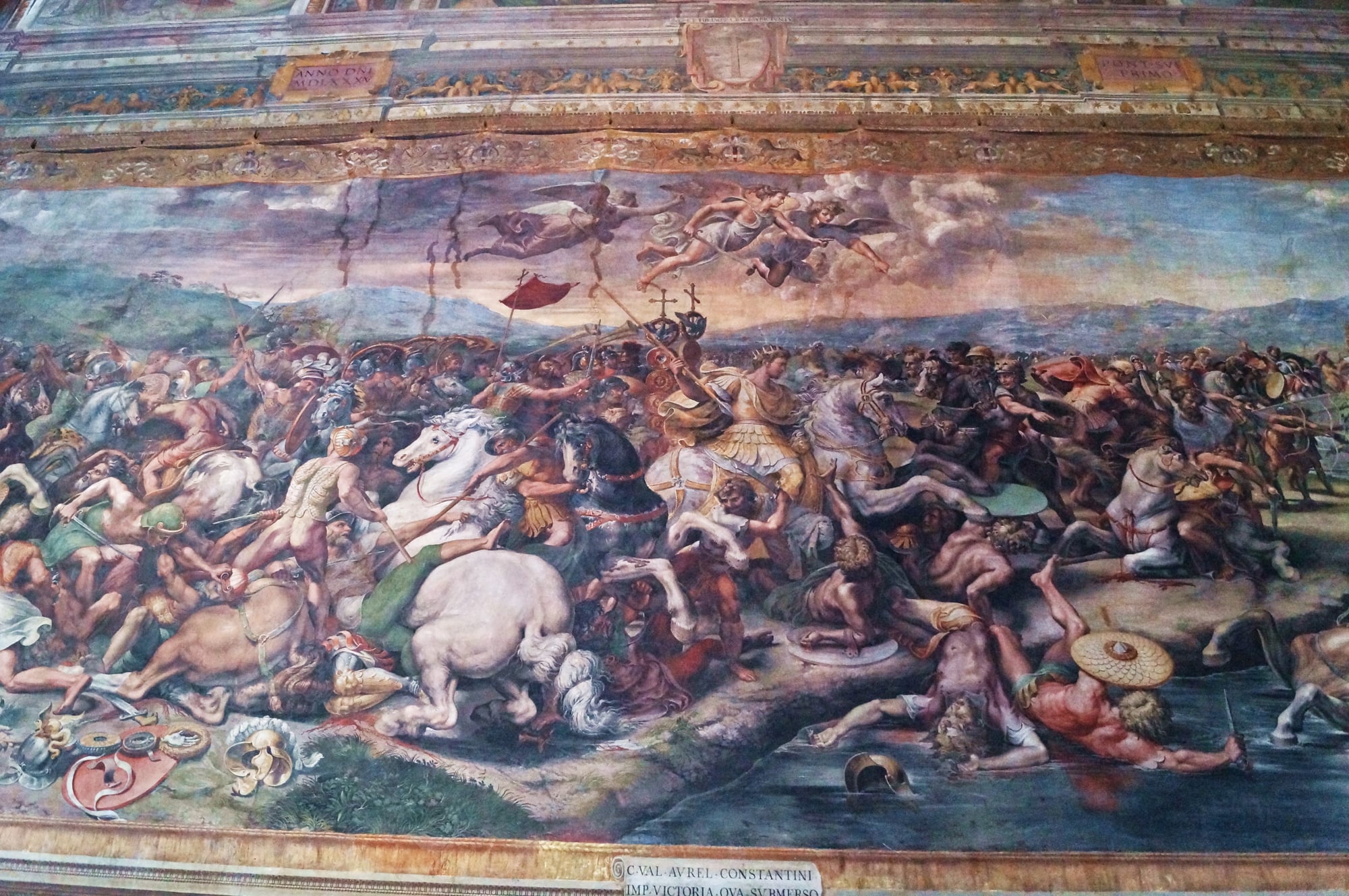
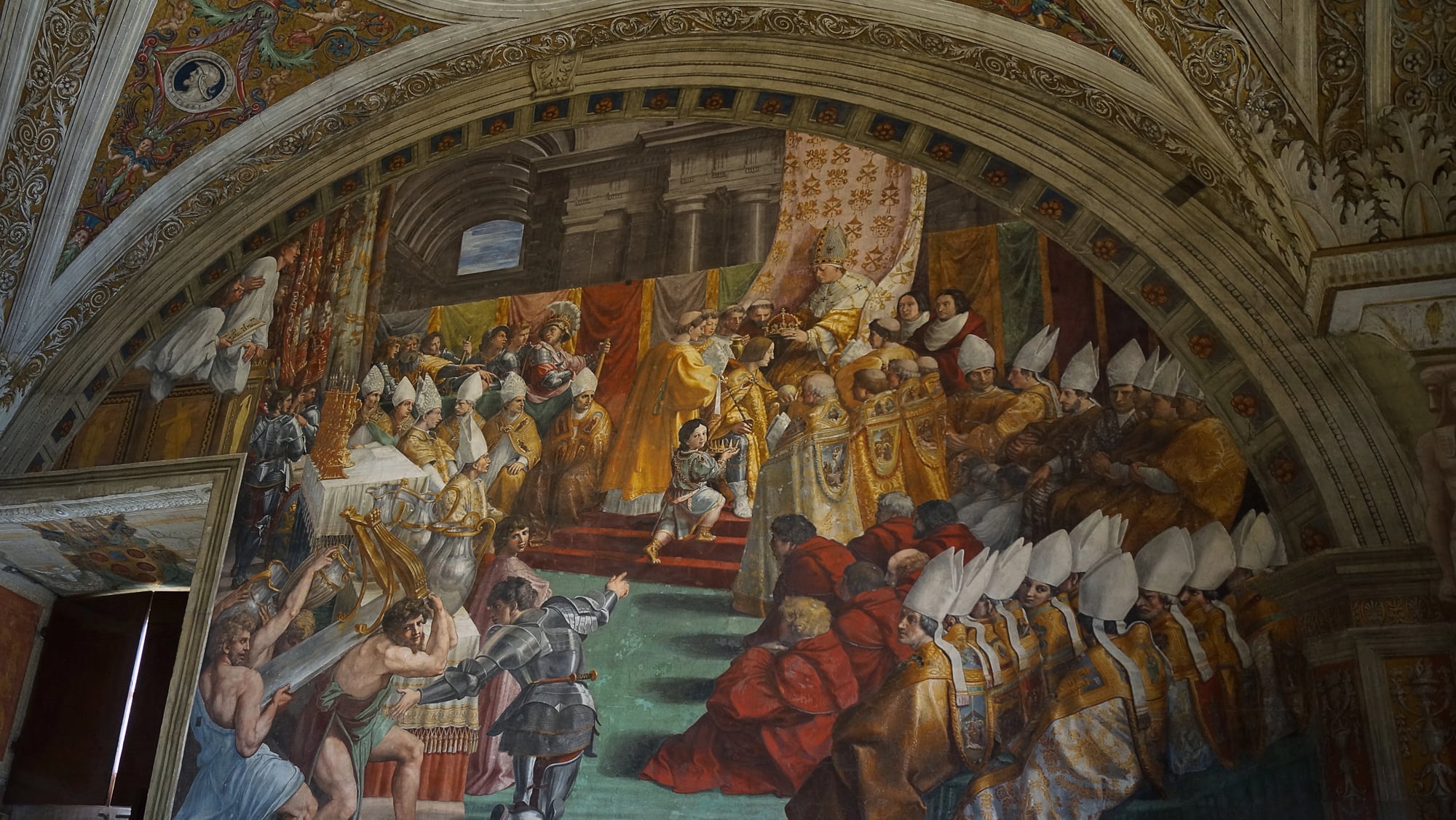
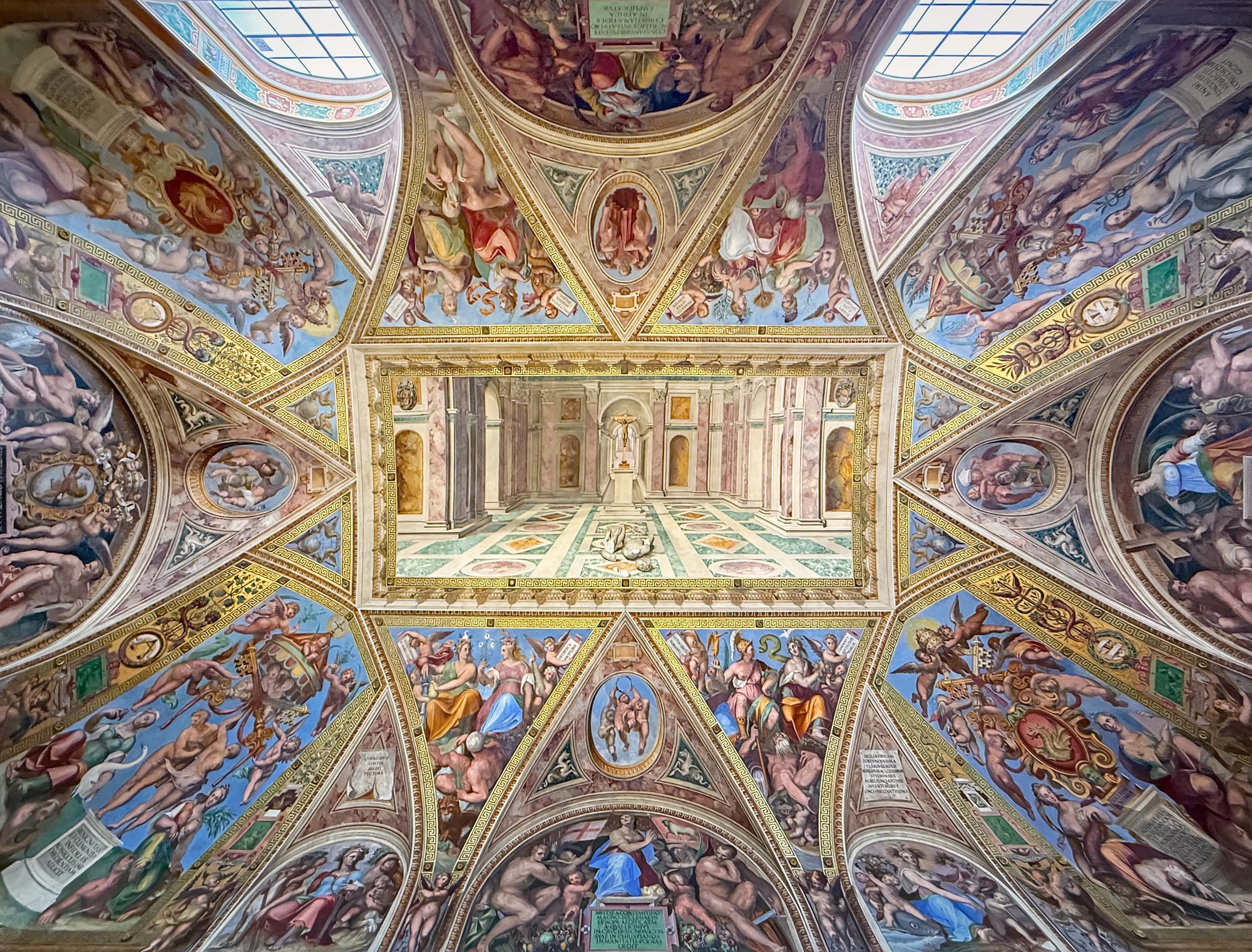
The Vatican wasn’t just commissioning pretty pictures for the Pope’s apartment. Each room tells a different story about papal authority — philosophy, theology, poetry, justice — but they all point to the same conclusion: the Church as the rightful inheritor of both classical wisdom and divine truth.
Raphael figured out how to make fresco painting look as detailed and luminous as oil painting, something most artists thought was impossible. It required obsessive attention to detail and a willingness to work slower than anyone thought reasonable.
The Transfiguration Testament
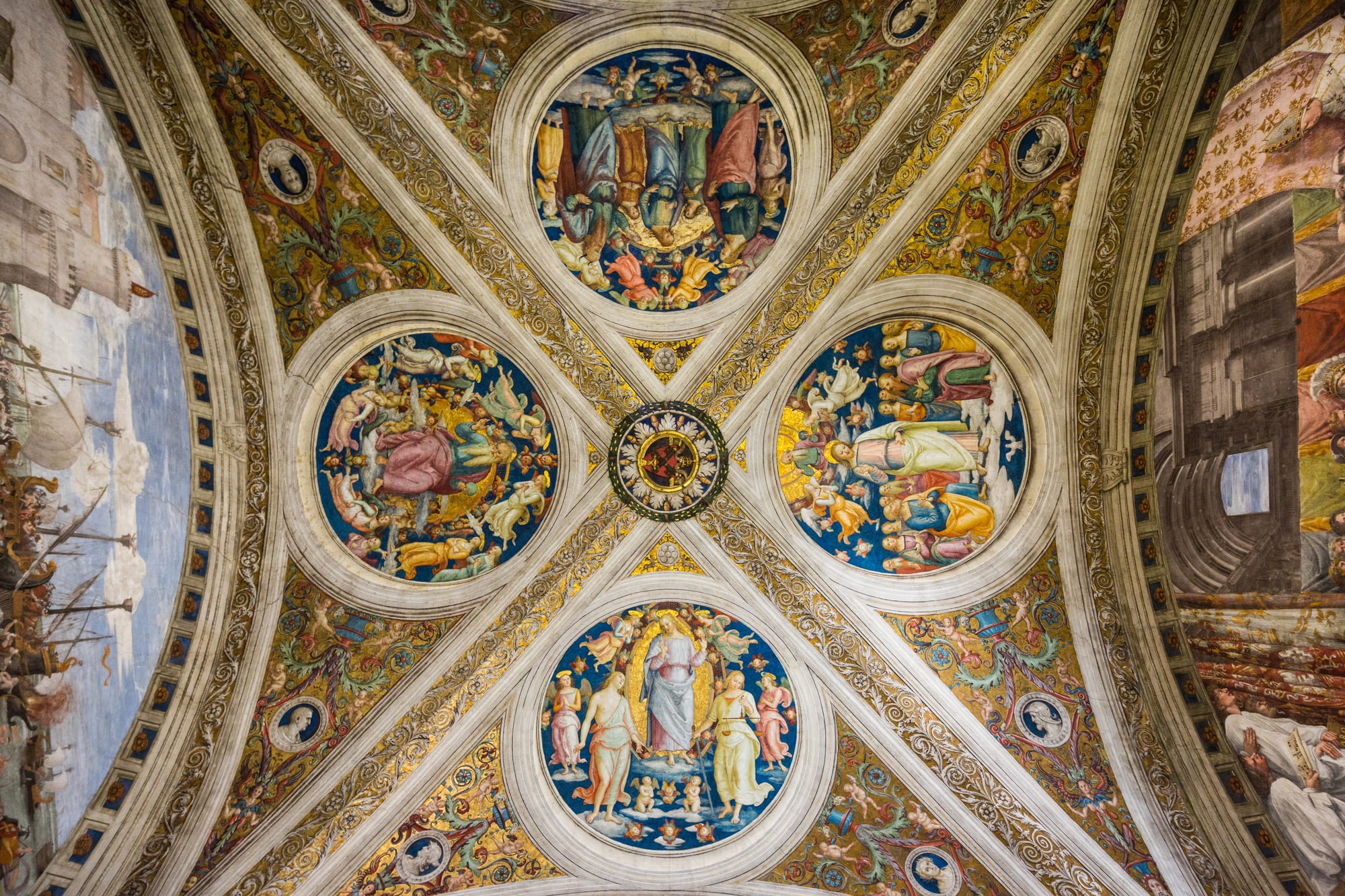
Raphael’s final painting summarizes everything he’d learned about the possibilities of paint on canvas. It’s divided into two distinct sections that create a visual argument about the relationship between earthly struggle and divine intervention.
The upper half glows with the transfigured Christ, floating in light that seems to generate its own luminosity. Below, the apostles wrestle with a possessed boy they can’t heal, their faces twisted with confusion and frustration.
Technical Innovation Master
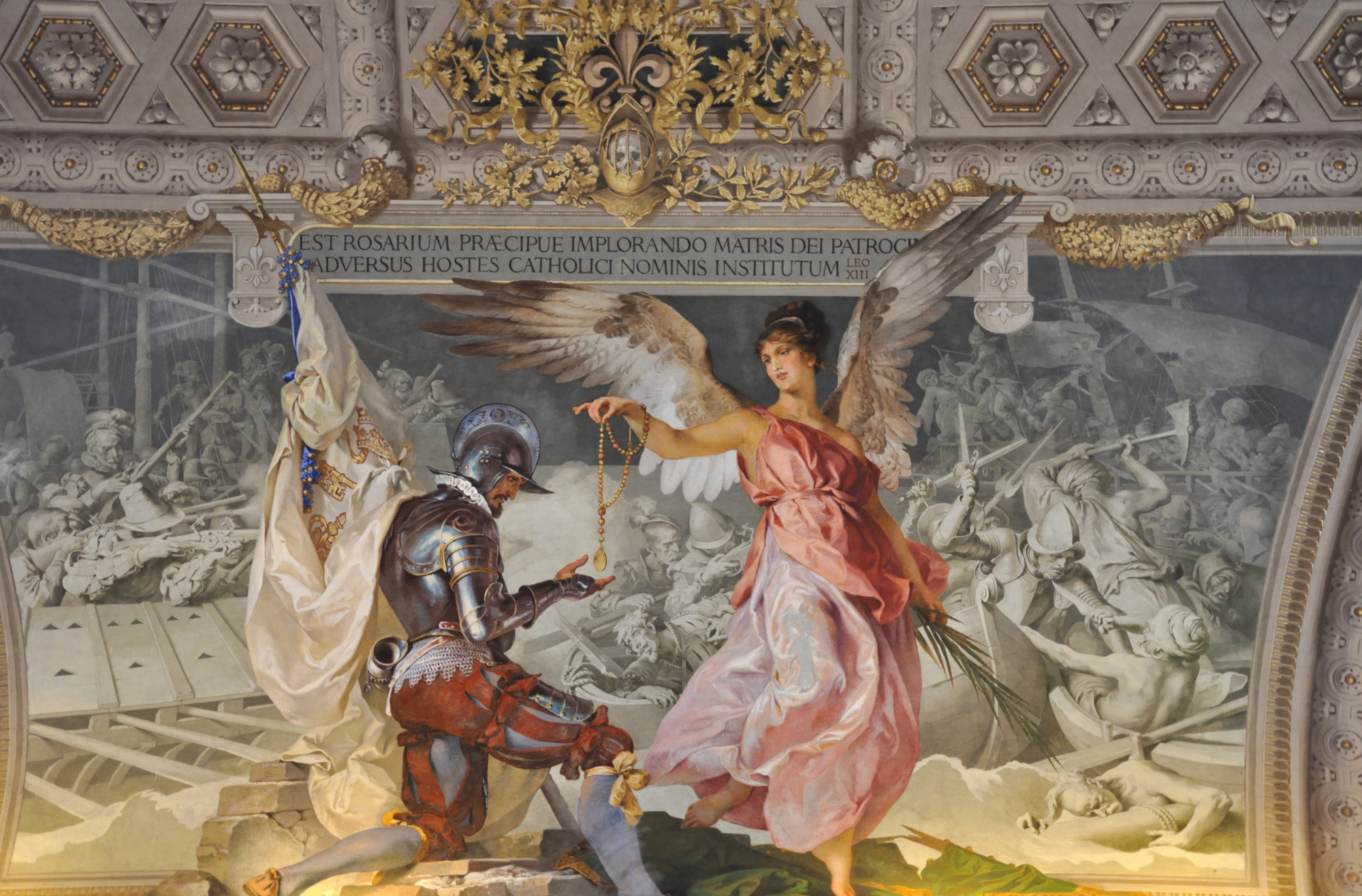
Raphael solved problems other painters didn’t even know existed. His use of sfumato rivaled Leonardo’s, and his understanding of linear perspective was mathematically precise but never felt cold or calculated.
The real breakthrough was color. Raphael figured out how to make different pigments work together in ways that created entirely new emotional effects.
The Divine Proportion Devotee
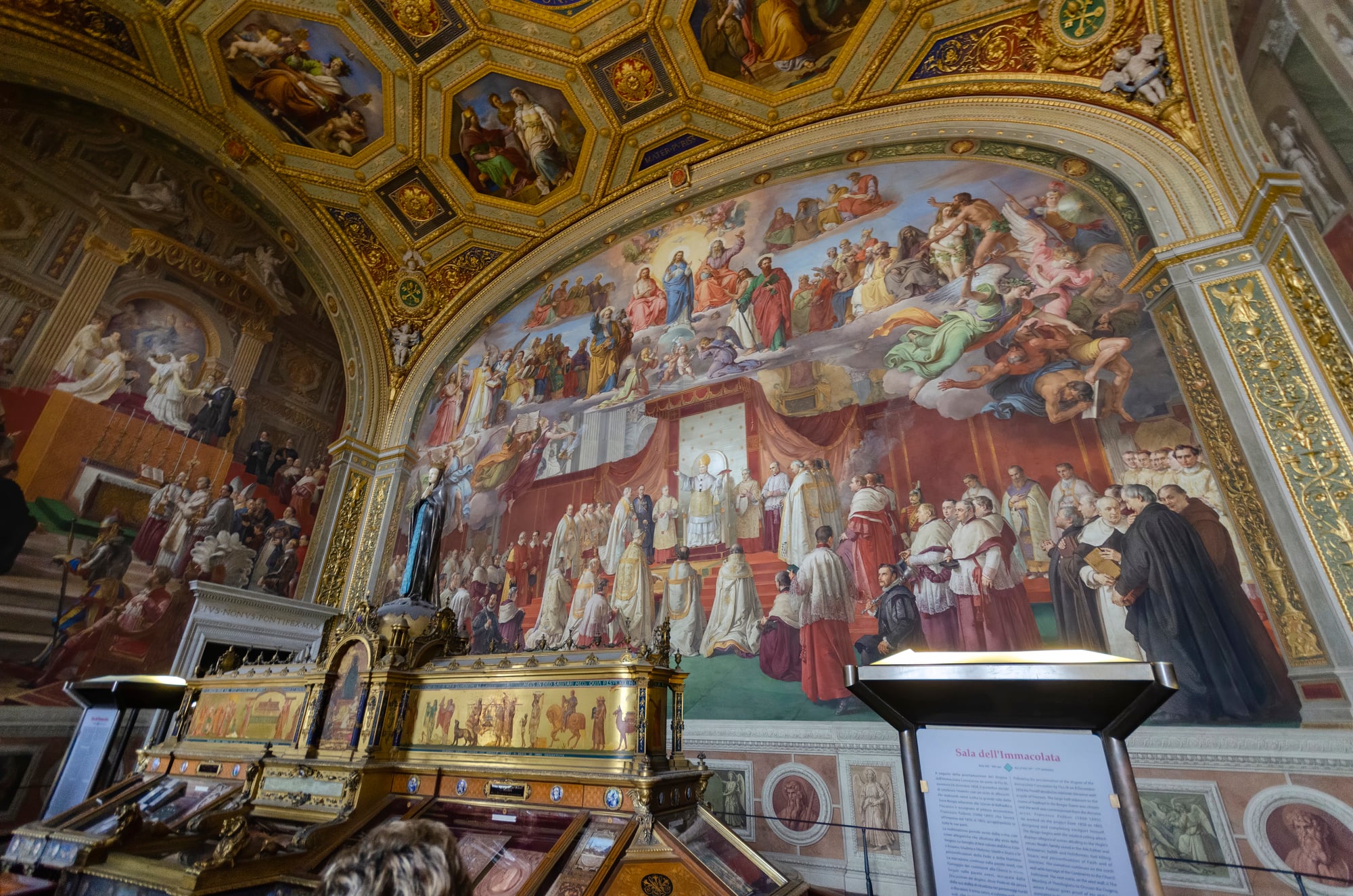
Mathematics and beauty weren’t separate subjects for Raphael — they were different ways of describing the same underlying harmony. His compositions follow the golden ratio consistently, supporting the emotional content without calling attention to itself.
When you’re standing in front of a Raphael painting feeling like everything just “fits together,” you’re responding to mathematical relationships embedded so skillfully that they register as pure aesthetic pleasure.
Portrait Psychology Pioneer
Raphael’s portraits reveal who people thought they were, not just what they looked like. The technique involves subtle manipulation of light and shadow to suggest character traits, with eyes, hands, and backgrounds contributing to personality.
This psychological approach influenced artists for centuries. Even photographers today use lighting techniques that Raphael pioneered five hundred years ago.
The Raphael Face Formula
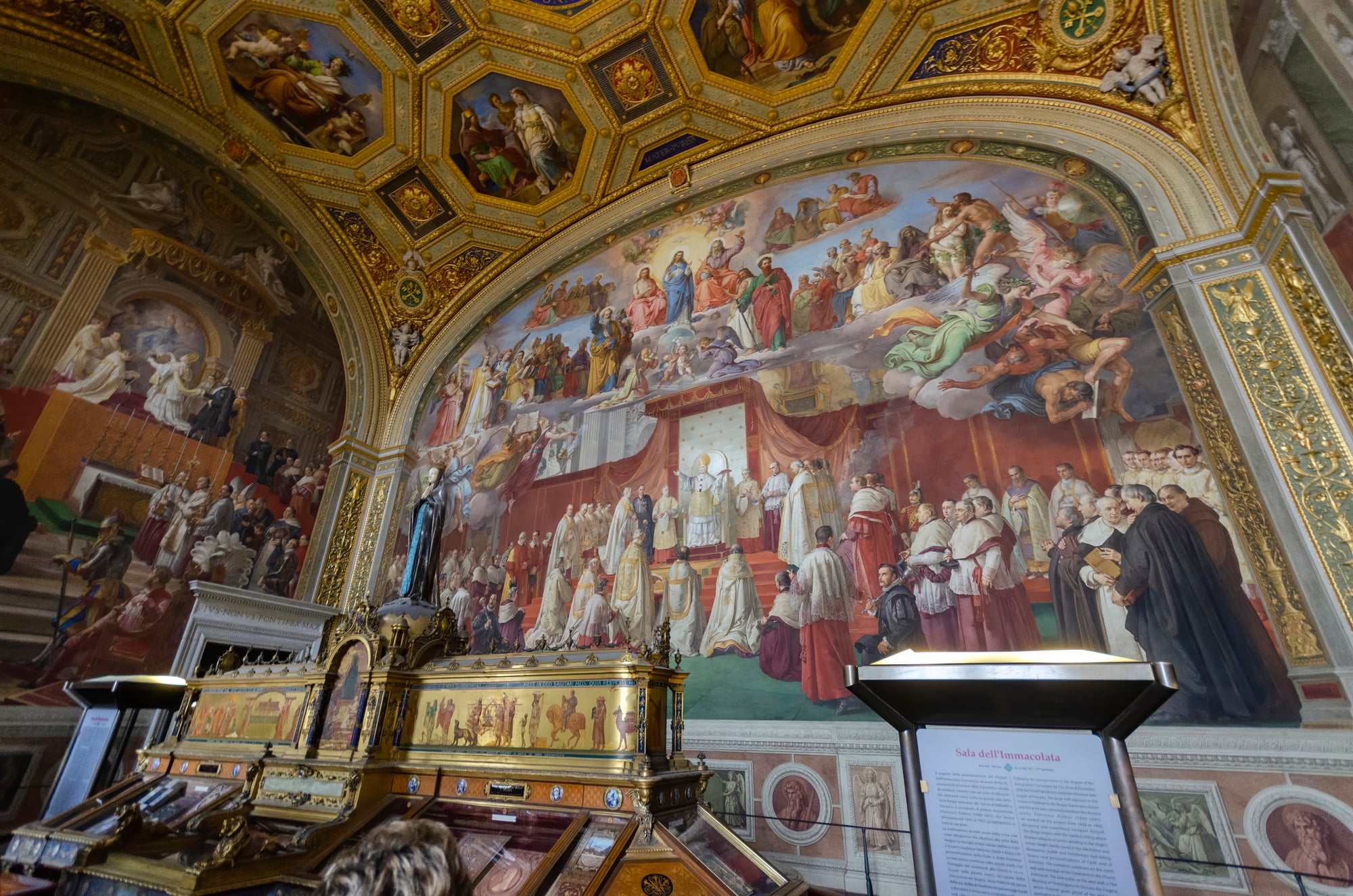
Faces in Raphael paintings look like they belong to the same extended family. He developed a visual language for human beauty that was idealized yet immediately recognizable.
The proportions are mathematically derived but emotionally warm. People commissioned Raphael portraits because they wanted to be transformed into his version of human perfection.
The Color Revolutionary
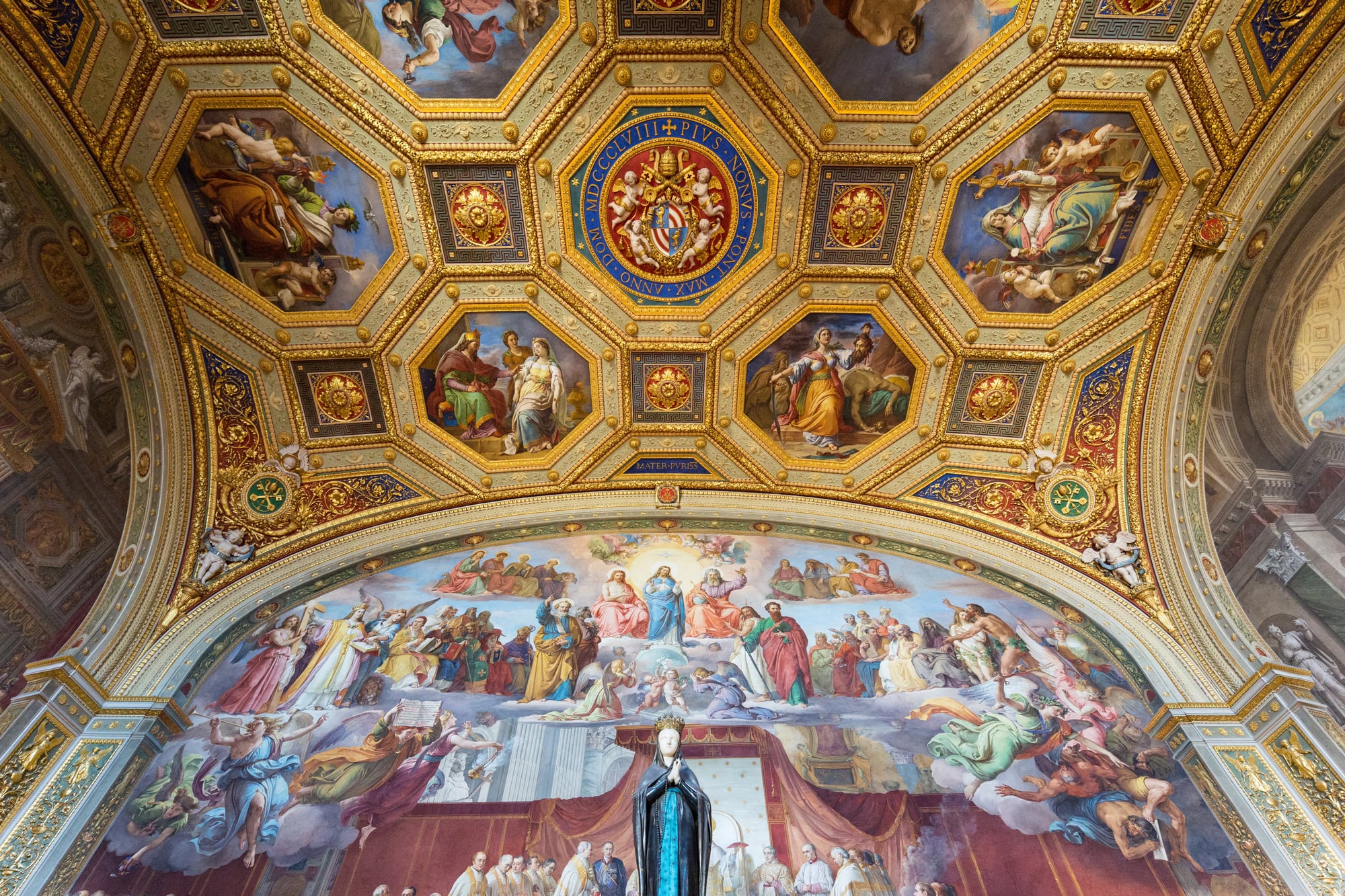
Raphael’s relationship with color reads like a love letter written in pigment. He thought about color the way musicians think about chord progressions, creating harmonies that previous painters couldn’t have imagined.
He understood that color carries emotional information just as precisely as facial expressions. The technical innovations were revolutionary, layering glazes to create colors that seemed to glow from within.
Death At Thirty-Seven
The timing of Raphael’s death feels almost mathematically cruel. He had just reached the point where technical mastery met creative maturity, and the unfinished “Transfiguration” suggests he was moving toward even greater achievements.
Some historians blame the fever that killed him on exhaustion from overwork. What’s certain is that his death created a void in Renaissance art that was never quite filled.
The Influence Empire
Raphael’s impact on subsequent art was definitional. For the next three centuries, European art academies taught “the Raphael method” as the foundation of proper painting technique.
Even artists who rebelled against academic tradition defined themselves partly in opposition to the Raphaelesque ideal of perfect beauty and classical harmony. His approach became the default language of European high culture.
Living Renaissance Legacy
Walking through any major museum today, you’re seeing the world partly through Raphael’s eyes. His vision of art — technical perfection combined with emotional truth — remains the unspoken standard against which other artistic achievements are measured.
The techniques he pioneered continue to influence contemporary artists in digital media, film, and photography. His legacy demonstrates that human creativity, given enough dedication, can produce works that speak across centuries.
The Eternal Question Mark
After five centuries of scholarship, Raphael remains partly mysterious. How did someone who died so young master so many aspects of artistic creation?
The questions aren’t just academic curiosity. His paintings suggest possibilities for beauty, harmony, and creative achievement that most of us glimpse only occasionally.
More from Go2Tutors!

- The Romanov Crown Jewels and Their Tragic Fate
- 13 Historical Mysteries That Science Still Can’t Solve
- Famous Hoaxes That Fooled the World for Years
- 15 Child Stars with Tragic Adult Lives
- 16 Famous Jewelry Pieces in History
Like Go2Tutors’s content? Follow us on MSN.