Actors Who Almost Played Bond
Who gets picked to play James Bond says more about the times than it does about acting talent. A different version of manhood steps into view every time the role changes hands.
Not chosen names matter just as much as those hired. Choices hovering on the edge reveal what kind of energy producers feared, flirted with, or turned away from when the moment demanded a decision.
For years, filmmakers tried out many actors, weighing each choice carefully. Not every name fit – some lacked experience, while fame ruled others out entirely.
Timing sank a couple who might have worked well. These near-casts sketch a version of Bond that never was, shaped only by face and presence, though the words stayed unchanged.
A few steps away from playing James Bond – some actors nearly got there. What stopped them?
A mix of timing, luck, or choices behind the scenes. Each had qualities that caught attention.
Still, something always shifted the decision another way. Not one of them wore the tuxedo for long.
The part went elsewhere, leaving near-misses in its wake.
Sean Connery’s early rivals
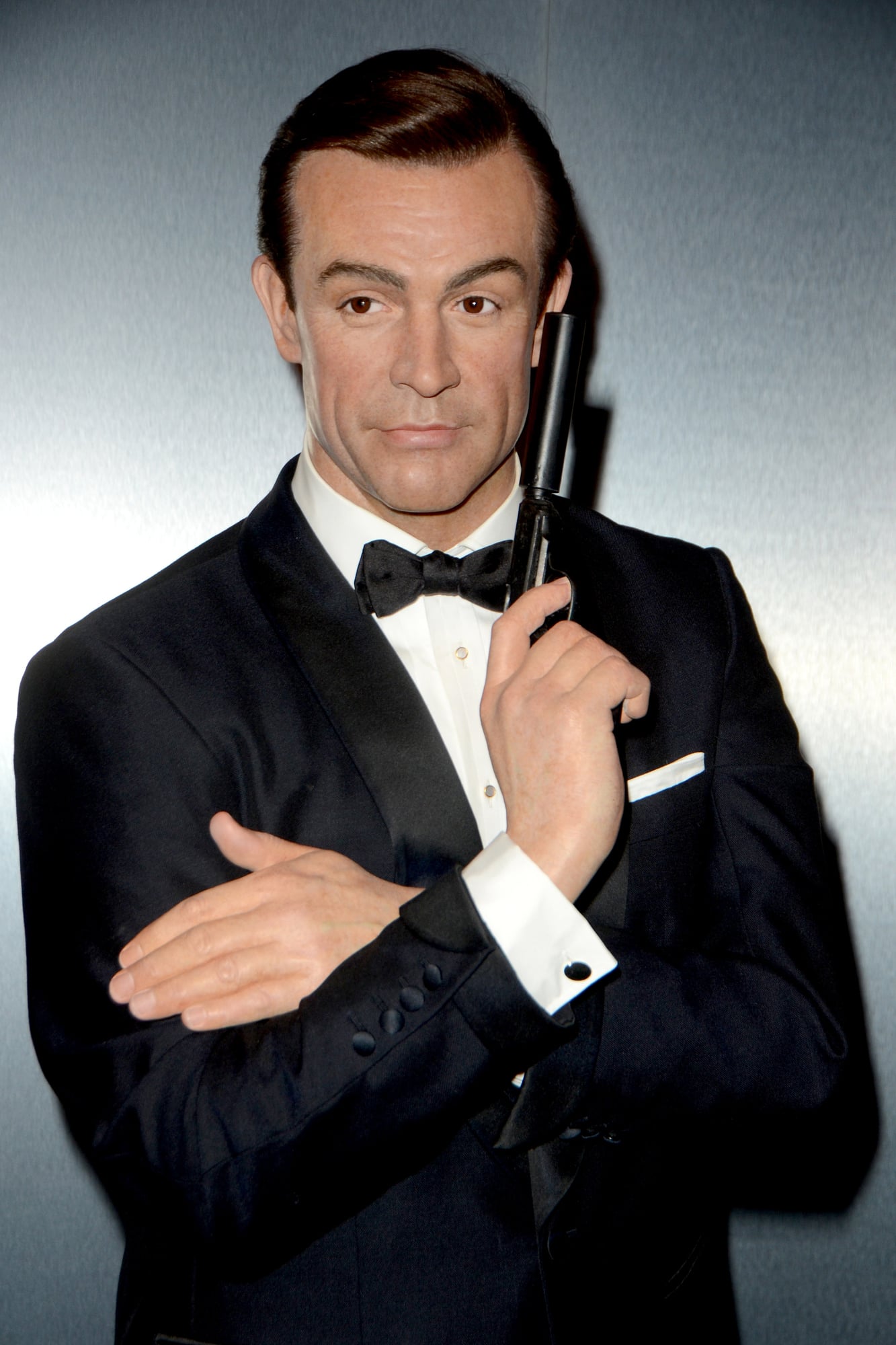
Before Sean Connery became inseparable from Bond, producers weighed several other candidates. One of the strongest contenders was Patrick McGoohan, who was offered the role and turned it down multiple times.
McGoohan objected to Bond’s moral flexibility and lifestyle, believing it conflicted with his personal values. His refusal forced producers to look elsewhere, ultimately leading them to Connery.
In hindsight, the decision shaped cinematic history, but at the time it was a gamble. McGoohan’s restraint might have produced a colder, more severe Bond, one less playful and far less flirtatious.
Cary Grant

Cary Grant was the producers’ dream choice in the early 1960s. He embodied elegance, wit, and effortless charm, qualities that aligned perfectly with Ian Fleming’s literary Bond.
Grant even expressed interest, but negotiations stalled over commitment length. Grant was willing to make a single film, not the multi-picture deal the studio envisioned.
That limitation ruled him out. His version of Bond would likely have leaned heavily into polish and humor, but the franchise needed longevity more than star power.
George Lazenby’s shadow alternatives

When George Lazenby replaced Connery, the decision shocked audiences. Behind the scenes, producers had considered several more established actors, including Timothy Dalton, who was approached but declined due to feeling too young at the time.
Dalton’s restraint delayed his Bond era by nearly two decades. Had he accepted earlier, the tonal shift toward a darker, more literary Bond might have arrived much sooner than it ultimately did.
Roger Moore’s competition
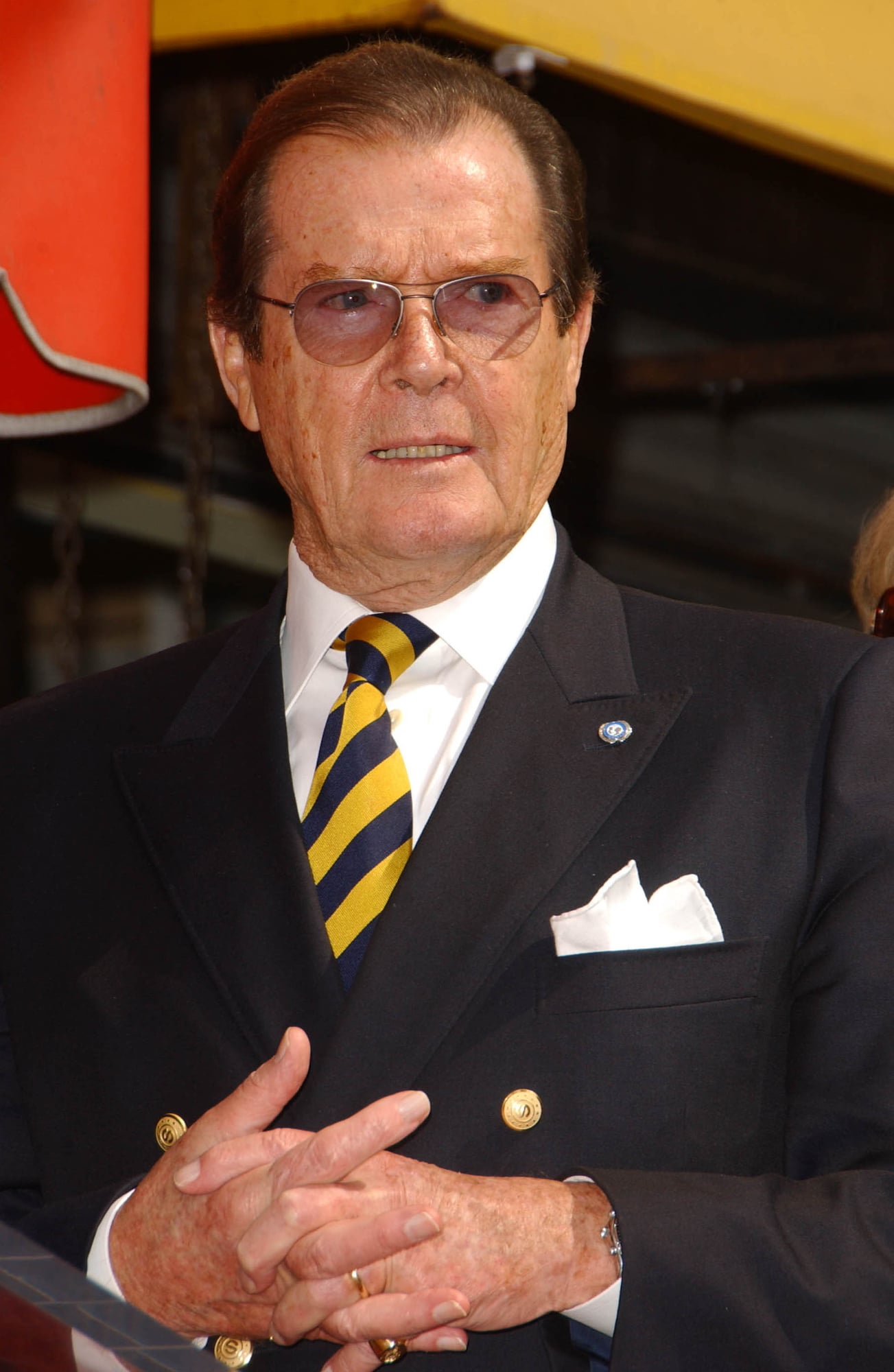
Roger Moore’s casting felt inevitable in retrospect, but he was not the only option. Adam West was briefly considered, riding high on his television fame.
Producers ultimately felt his association with campy heroics would undermine Bond’s credibility. The decision reinforced a crucial rule of Bond casting.
Familiarity could be a liability. Bond needed to feel timeless, not tethered to a single pop culture moment.
Timothy Dalton’s near-misses
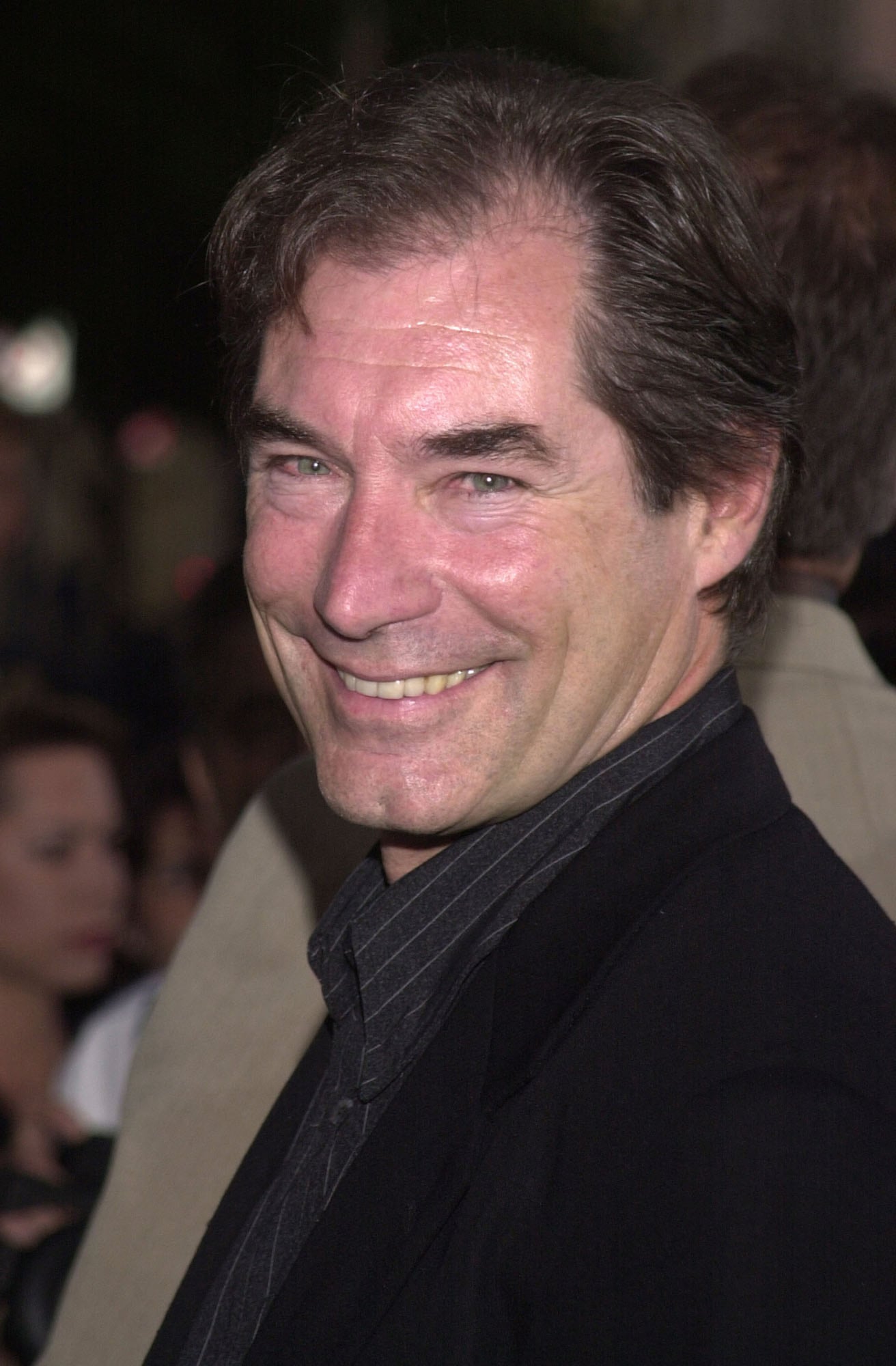
Dalton’s Bond tenure eventually arrived, but only after earlier near-misses. In the 1970s, producers wanted him to replace Connery and later Moore, but Dalton consistently declined, believing the scripts leaned too heavily into humor.
When he finally accepted, his portrayal re-centered Bond as a colder, more disciplined figure. His earlier refusals delayed that tonal correction, allowing lighter interpretations to dominate for years.
Pierce Brosnan before the timing worked
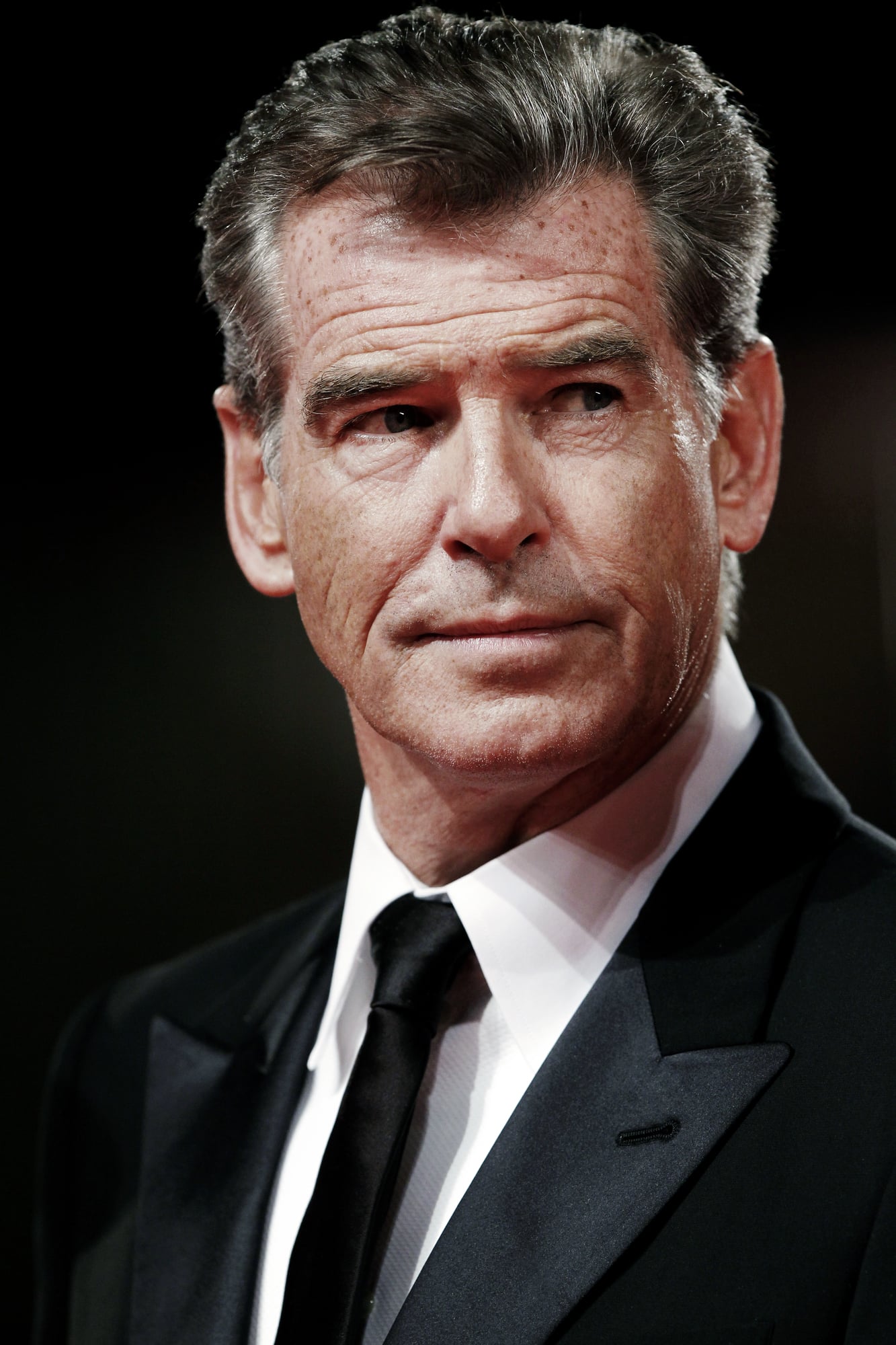
Pierce Brosnan is often cited as the most famous ‘almost Bond’ story that eventually came true. He was the producers’ first choice in the mid-1980s but was contractually tied to a television series at the time.
The delay proved fortuitous. When Brosnan finally stepped into the role years later, the franchise was ready for a smoother, more modern Bond.
Had he been cast earlier, the transition might have felt premature.
Mel Gibson
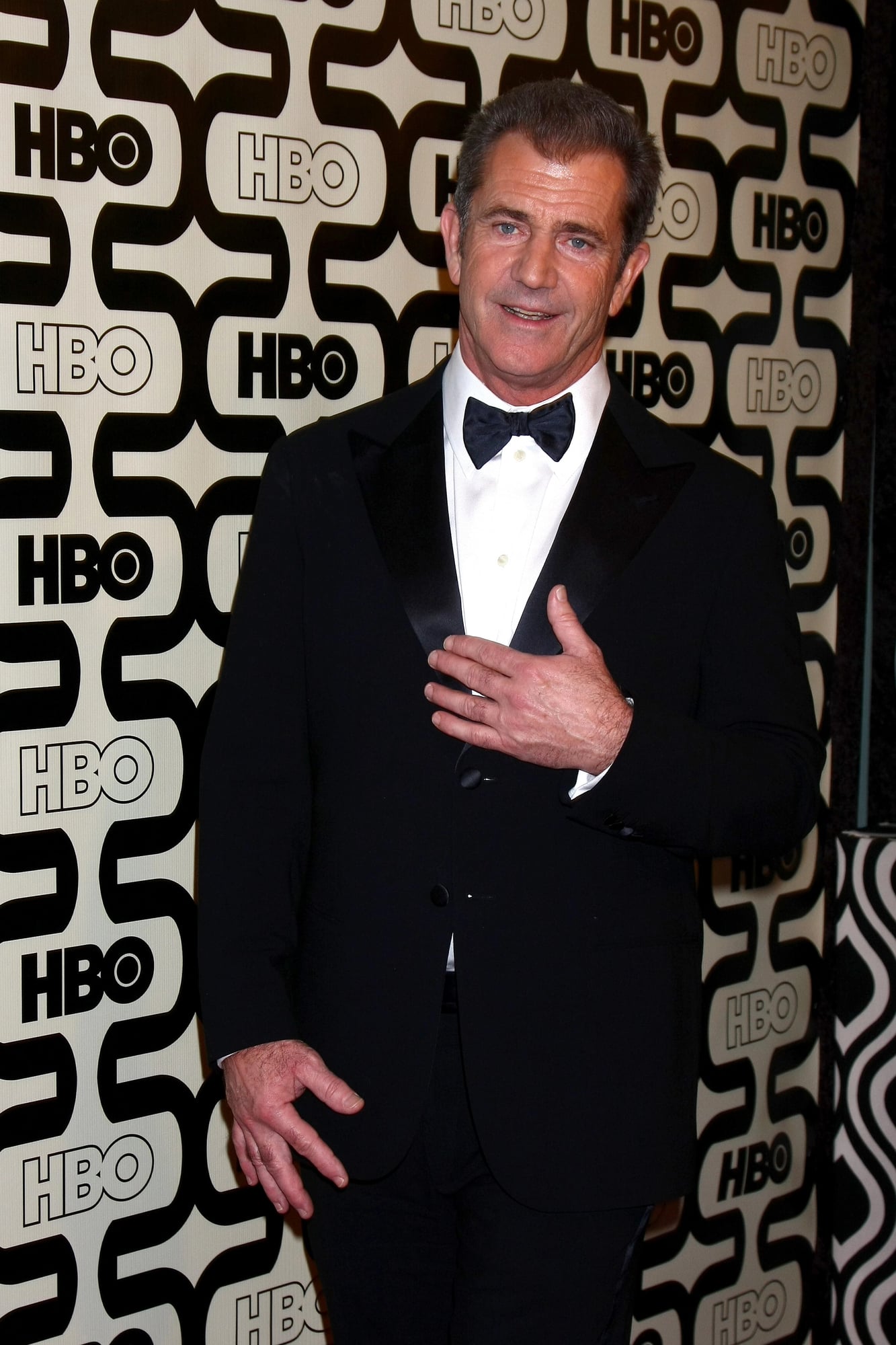
During the late 1980s and early 1990s, Mel Gibson was discussed seriously as a potential Bond. His box office appeal and action credentials made him attractive, but concerns emerged about whether his screen persona aligned with Bond’s restraint.
Gibson’s intensity leaned toward volatility rather than control. Producers ultimately favored actors who suggested danger beneath composure, rather than on the surface.
Sam Neill
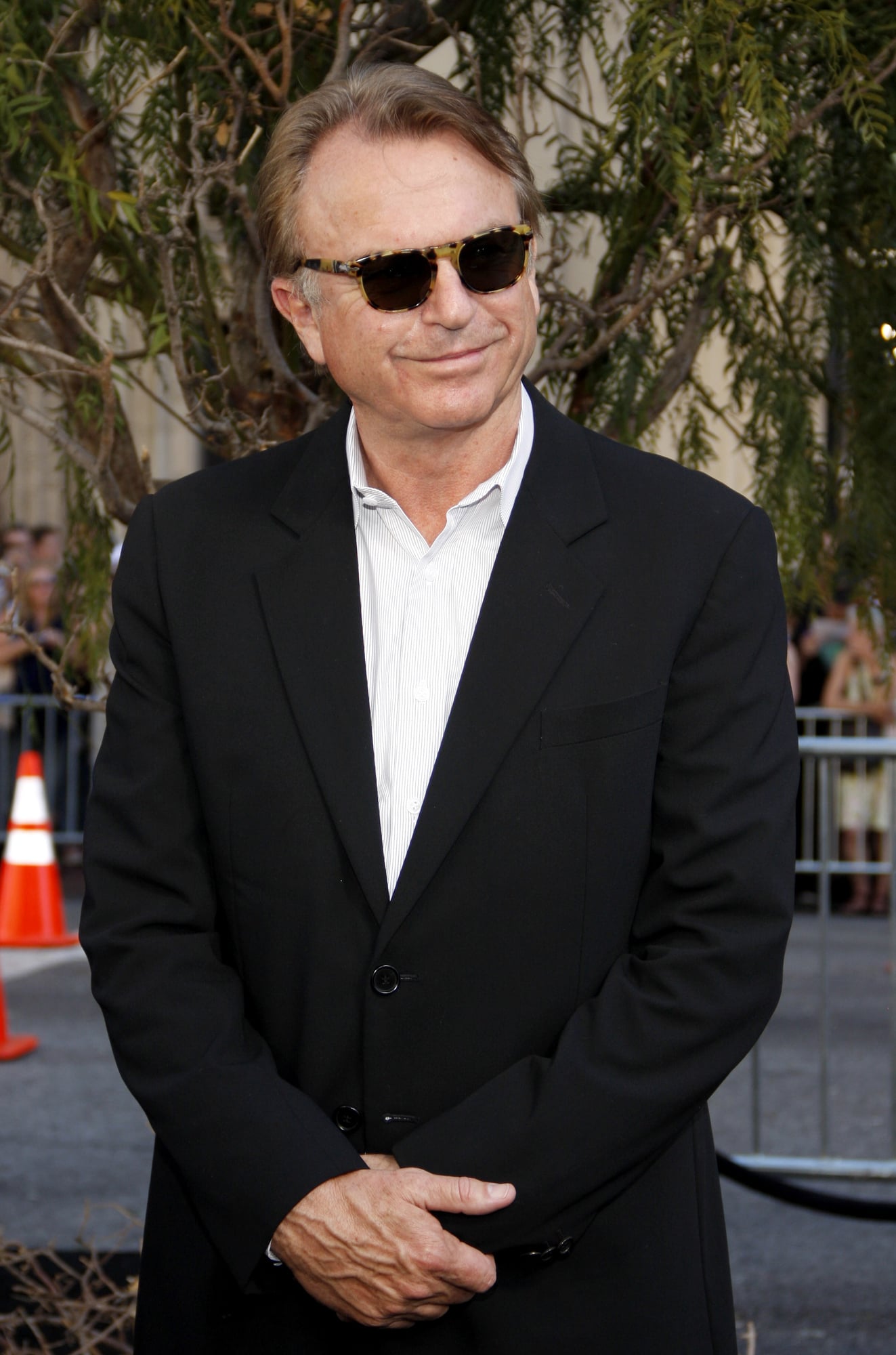
Sam Neill auditioned for Bond during the period that eventually led to Timothy Dalton’s casting. His performance reportedly impressed producers, but his interpretation leaned older and more introspective than the franchise wanted at the time.
Neill’s Bond might have felt more world-weary, emphasizing intelligence over bravado. While compelling, it did not align with the transitional phase the series was navigating.
Hugh Jackman
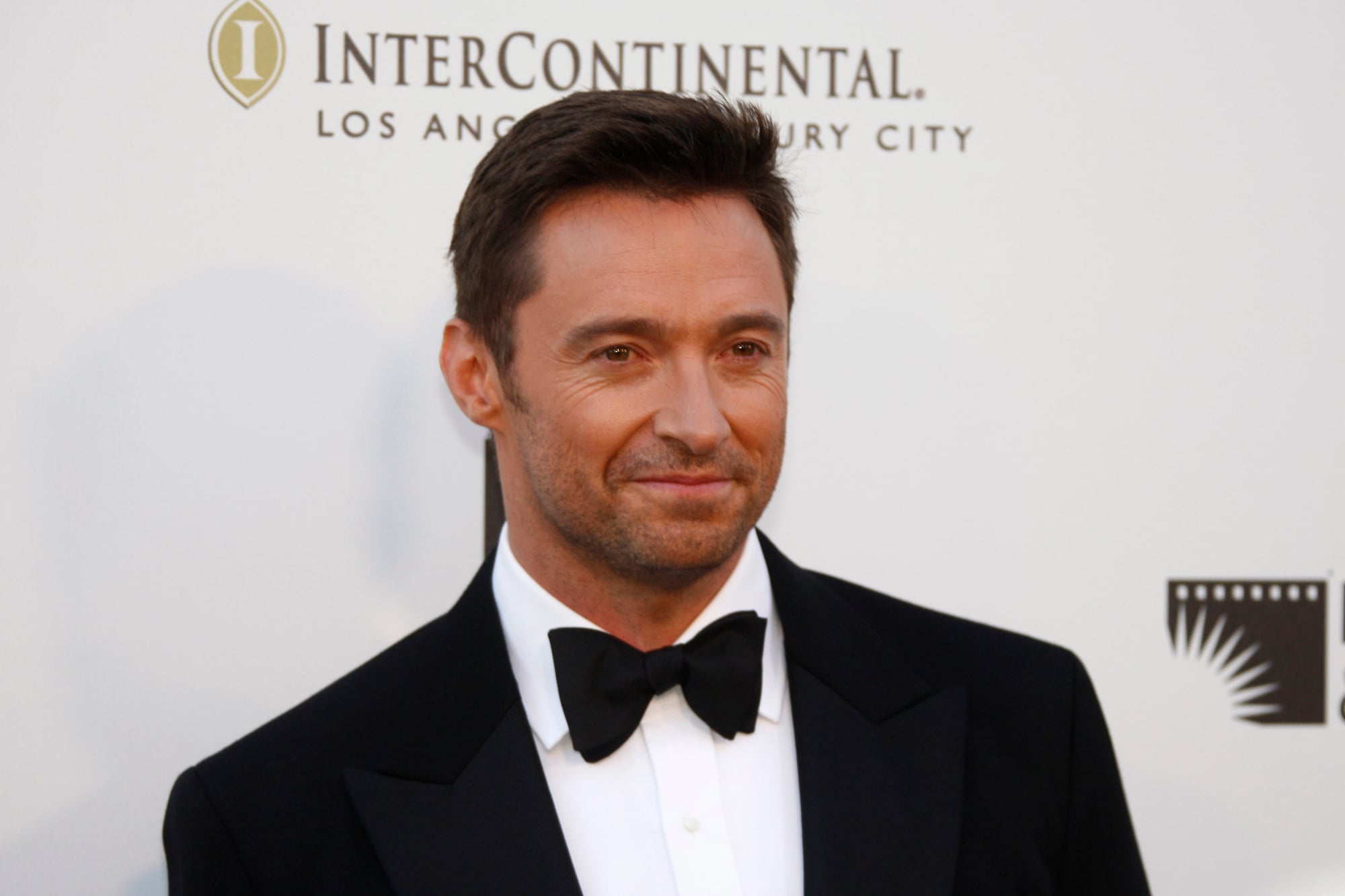
Hugh Jackman was considered during the early 2000s as the franchise searched for a post-Brosnan direction. His charisma and physicality were undeniable, but his rising association with larger-than-life characters complicated the decision.
Producers worried that Jackman’s presence might overwhelm the role rather than disappear into it. Bond, they believed, should define the actor, not the other way around.
Clive Owen
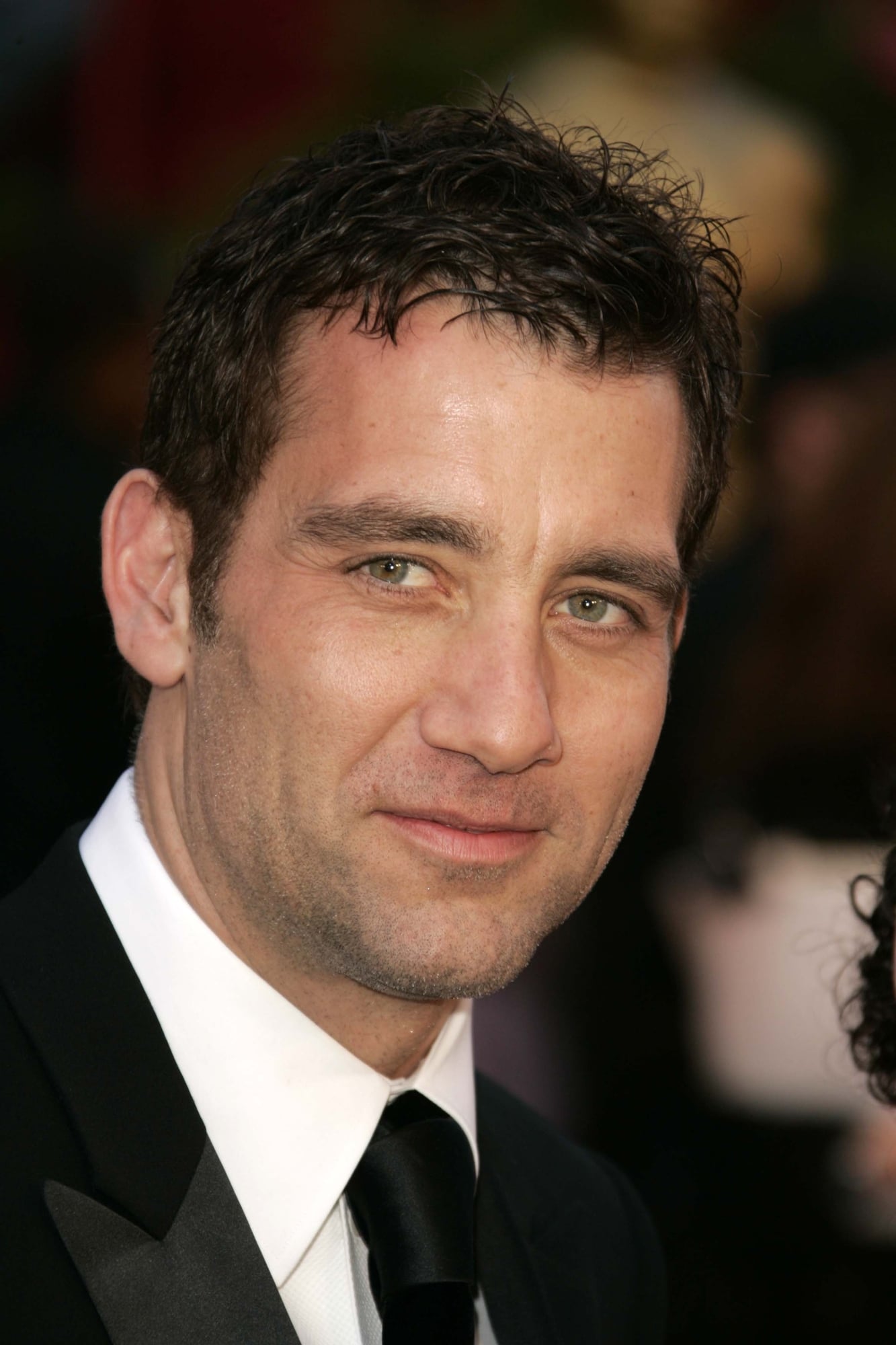
Clive Owen emerged as a fan favorite during the search that ultimately led to Daniel Craig. His brooding intensity and sharp delivery fit the grittier tone producers wanted, and speculation reached a fever pitch.
Despite widespread support, Owen was never officially cast. Timing, age considerations, and behind-the-scenes preferences shifted momentum elsewhere.
His near-casting demonstrated how public enthusiasm does not always align with studio strategy.
Henry Cavill
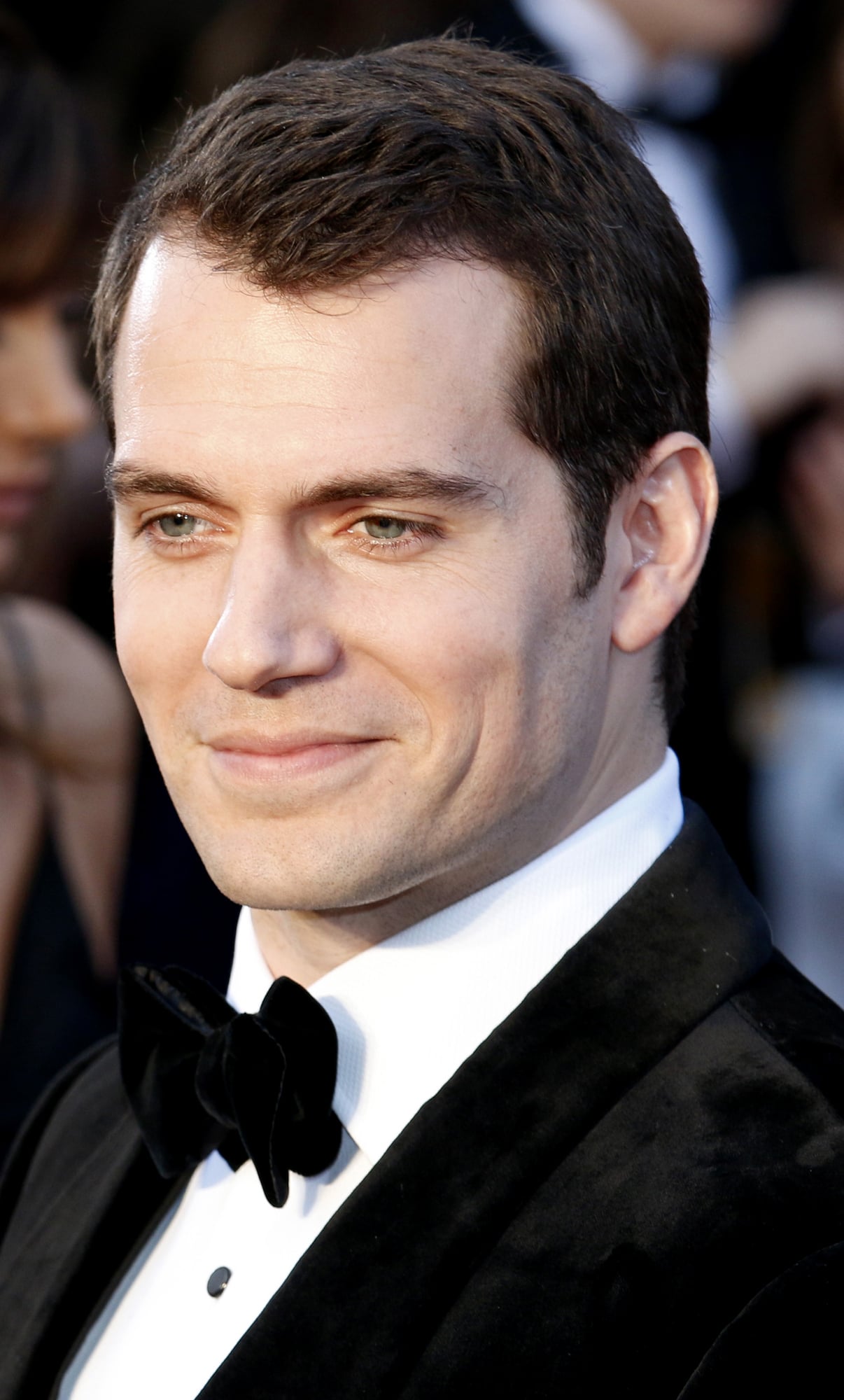
Henry Cavill auditioned for Bond during the casting process that resulted in Daniel Craig. At the time, he was considered too young, despite delivering a strong screen test.
Years later, Cavill’s career validated that early promise. His near-miss highlights how Bond casting is as much about timing as talent.
A few years’ difference can change everything.
Idris Elba
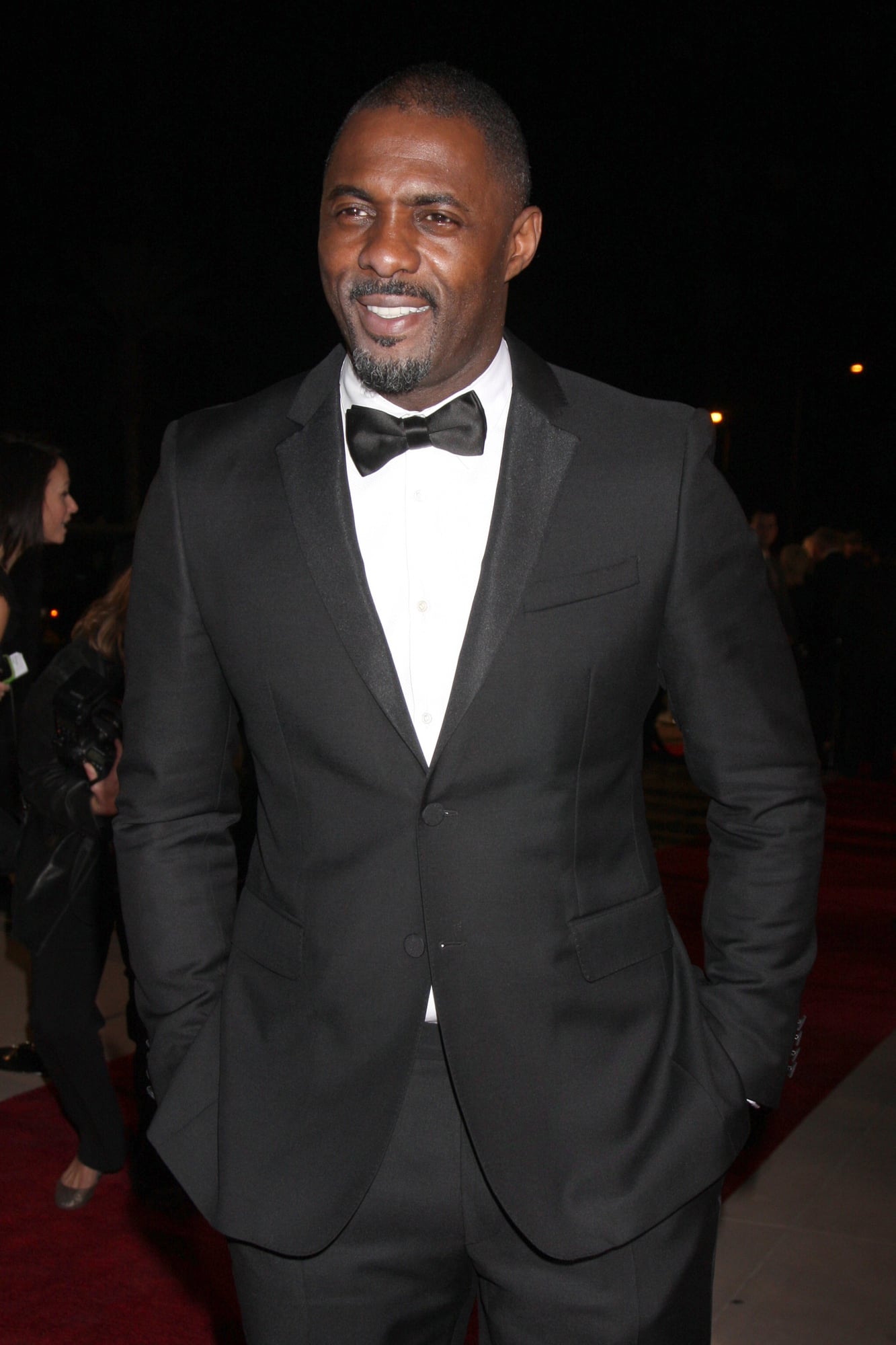
Idris Elba’s name circulated heavily during discussions about Bond’s future in the 2010s. His commanding presence and vocal authority made him a compelling candidate, sparking global conversation.
Ultimately, producers cited age and long-term planning concerns. Elba’s consideration marked a cultural moment, reflecting evolving expectations around who Bond could be, even if the role never materialized.
Tom Hardy

Tom Hardy was briefly linked to Bond speculation, fueled by his intensity and versatility. While never formally cast, his name appeared in serious discussions as the franchise explored darker possibilities.
Hardy’s persona suggested a more volatile Bond, one driven by instinct rather than polish. Whether that would have suited the franchise remains an open question.
What these near-misses reveal
The actors who almost played Bond reveal how carefully the role is calibrated. Bond must balance familiarity and reinvention, danger and control, accessibility and mystery.
Small shifts in tone can redefine an entire era. Near-misses also show that rejection is not failure.
Many actors who passed on Bond or narrowly missed it went on to define their careers elsewhere, sometimes benefiting from the freedom that came with not being tied to a long-running franchise.
Why it still matters
Who plays Bond changes things far beyond a single movie. Fashion shifts.
Stories adapt. Ideas about what makes a hero shift too.
Men nearly cast show fame is never guaranteed. Luck matters.
So does instinct. Choices happen out of sight.
Unmade Bonds let us see alternate paths. A rougher 007.
A quieter one. The version we received appeared when the times called for him.
More from Go2Tutors!

- The Romanov Crown Jewels and Their Tragic Fate
- 13 Historical Mysteries That Science Still Can’t Solve
- Famous Hoaxes That Fooled the World for Years
- 15 Child Stars with Tragic Adult Lives
- 16 Famous Jewelry Pieces in History
Like Go2Tutors’s content? Follow us on MSN.