Actors Who Prefer Playing Villains
Heroes get the glory, but villains get all the fun. While most actors dream of playing the good guy who saves the day, there’s a special group of performers who light up when they get to be bad.
These actors don’t just play villains because that’s what casting directors offer them. They actively seek out roles where they can be twisted, cruel, or downright evil.
The appeal makes sense when you think about it. Heroes have to follow rules, act noble, and always do the right thing.
Villains get to break every rule in the book while chewing scenery and delivering the best lines in the script. Playing the bad guy comes with perks that hero roles can’t match.
Villains get richer characters and more interesting motivations.
Helena Bonham Carter loves being weird
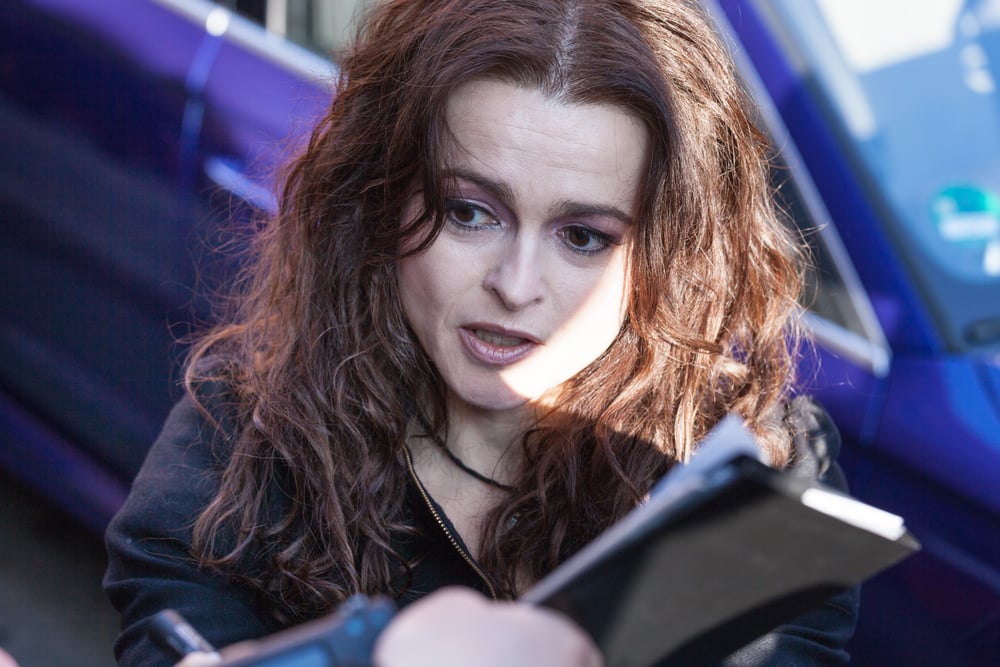
Helena Bonham Carter has made a career out of playing unhinged characters, and she wouldn’t have it any other way. She told BBC America that trying to look beautiful on screen would bore her, which explains why she throws herself into roles like Bellatrix Lestrange in Harry Potter with wild abandon.
When bringing Bellatrix to life, Bonham Carter added her own spin, wanting to be conspicuous and making the character more insane than originally written. She approaches villain roles as chances to explore the darker, stranger sides of human nature without worrying about being likable.
Tim Curry gets permission to behave badly

From Pennywise in IT to the villains in Home Alone 2 and Annie, Tim Curry has played some of cinema’s most memorable bad guys. According to Tulsa World, Curry observed that Americans are typically heroes while British actors often play villains, but he doesn’t mind because villain roles are the most fun to play.
He loves being cast as the bad guy because it gives him permission to behave badly. His over-the-top performances drip with campy menace, and audiences can tell he’s having a blast being terrible.
Charlize Theron found freedom in darkness

Charlize Theron has played tough action heroes and sympathetic characters throughout her career, but she’s described villain roles differently. In an interview with CBS News, Theron explained that getting in the mindset of difficult characters was challenging but provided great freedom, saying it was the first time she kind of relished bad behavior.
That freedom lets her explore parts of herself that don’t usually get screen time. Playing villains removes the pressure to be likable and instead rewards actors for being compelling, no matter how dark that gets.
Christopher Walken disappears into characters

Christopher Walken brings an unpredictable energy to every role he takes, but his villains stand out as particularly memorable. Similar to Tim Curry, Walken knows how to connect with the characters he’s playing, completely disappearing into the role.
His ability to shift from charming to menacing in a single line delivery makes him perfect for antagonists. Walken’s unconventional speech patterns and intense stare create villains that audiences can’t look away from, even when they want to.
Jason Isaacs thinks villains are the best parts
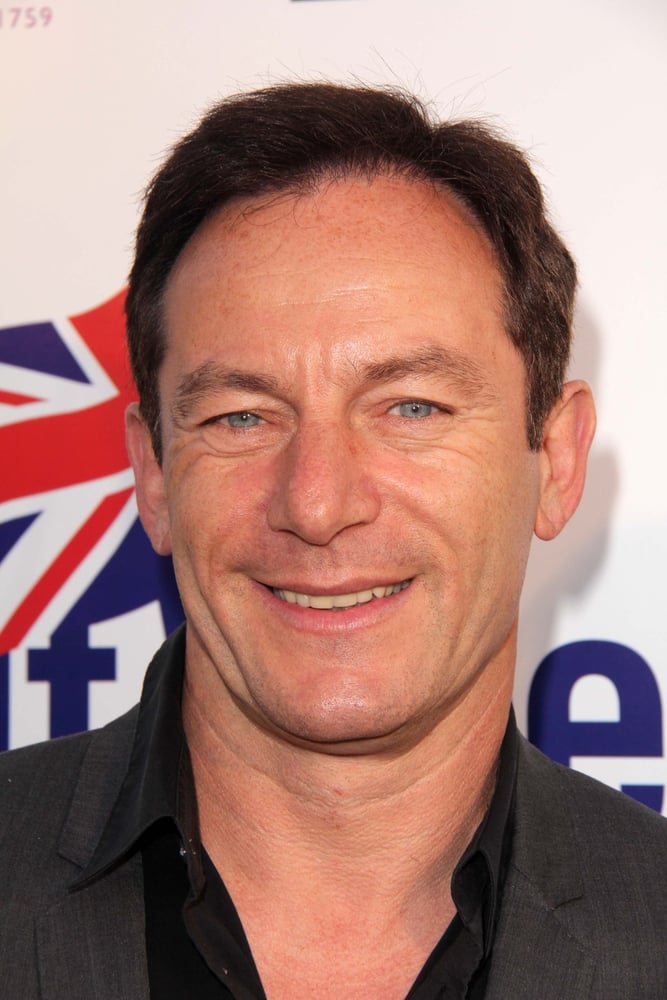
Jason Isaacs has played memorable bad guys from Lucius Malfoy in Harry Potter to Captain Hook in Peter Pan, and he has strong opinions about why. When asked about playing villains, Isaacs revealed he doesn’t like thinking of his characters as villains while acting, but told interviewers that villain roles are fulfilling because they’re the best parts.
Villains drive stories forward with their actions and get the most dramatic moments. Heroes react to what villains do, which makes the antagonist the engine of the plot.
Anthony Hopkins carved a niche playing cool villains
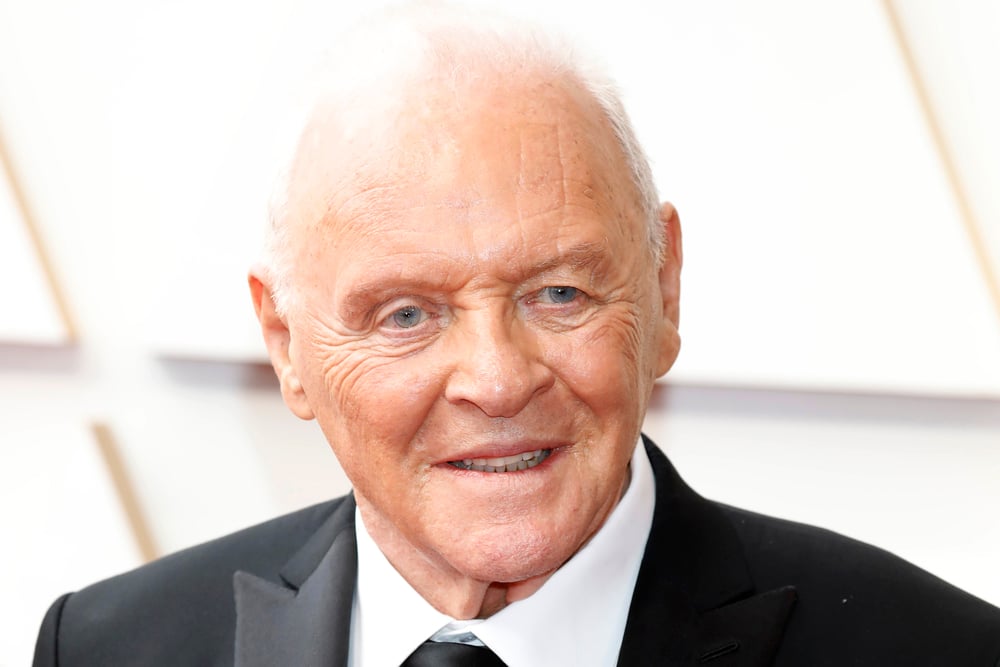
Since his groundbreaking appearance in Silence of the Lambs, Hopkins has carved out a sizeable niche playing cool, unflappable but effortlessly sinister villains across film and television. His Hannibal Lecter remains one of cinema’s most iconic villains, a role he’s returned to multiple times.
Recently, audiences watched his turn as Dr. Robert Ford in HBO’s Westworld, where he was full of sinister secrets and shocking turns. Hopkins brings intelligence and charm to his villains, making them fascinating rather than just frightening.
Cillian Murphy goes from icy to violent instantly
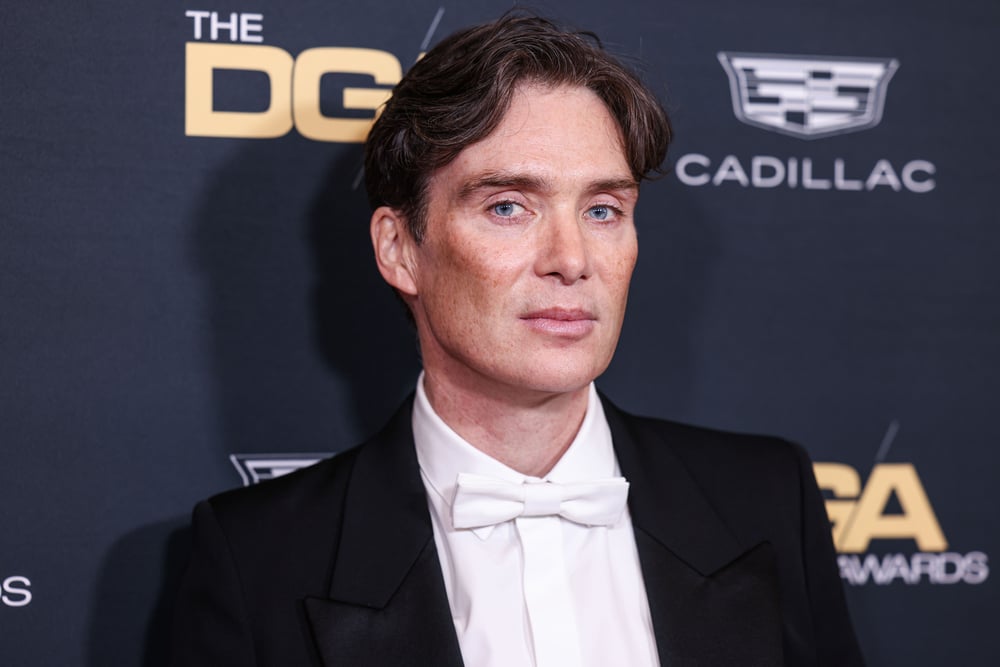
Many audience members first met Cillian Murphy as The Scarecrow in Christopher Nolan’s Dark Knight trilogy, and there aren’t many actors who can imbue a role with as much sinister energy as he has. His piercing eyes and sharp features give him a natural edge for playing unsettling characters.
Murphy’s ability to go from icy cool to short-fused and violent at the drop of a hat makes him an actor people love to see playing big-screen baddies. That unpredictability keeps audiences on edge throughout his performances.
Jessica Lange prefers psychological factors

Jessica Lange has played numerous villain roles throughout her career, particularly in American Horror Story where she portrayed different antagonists each season. When asked about working with Ryan Murphy, Lange admitted the two have good banter about what works for her villainous roles, and instead of doing action sequences, she prefers the psychological factors her characters bring.
Her narcissistic characters feel real because Lange focuses on what makes them tick mentally rather than just making them visually menacing. That psychological depth creates villains that stay with viewers long after the credits roll.
John Travolta found freedom in villainy
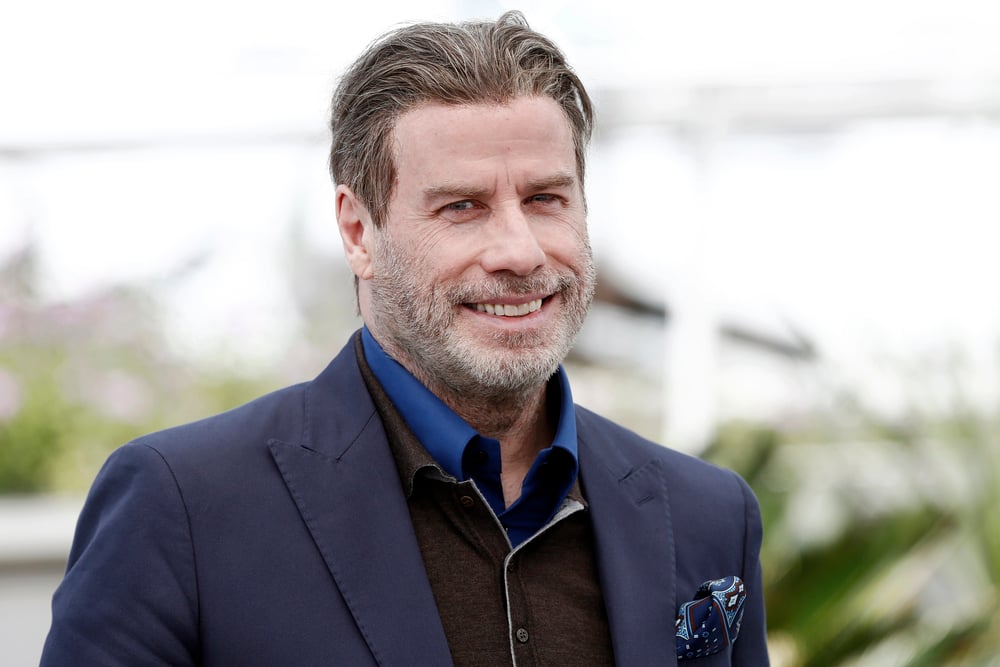
John Travolta built a career playing all kinds of characters from musicals to action films, but he discovered something special about villain roles later in his career. After filming Punisher, Travolta explained how freeing it is to play a villain.
That freedom comes from not having to make the character sympathetic or relatable in traditional ways. Villains can be pure id, acting on desires and impulses that heroes have to suppress, which gives actors room to explore darker human impulses safely.
Christoph Waltz won Oscars for playing bad
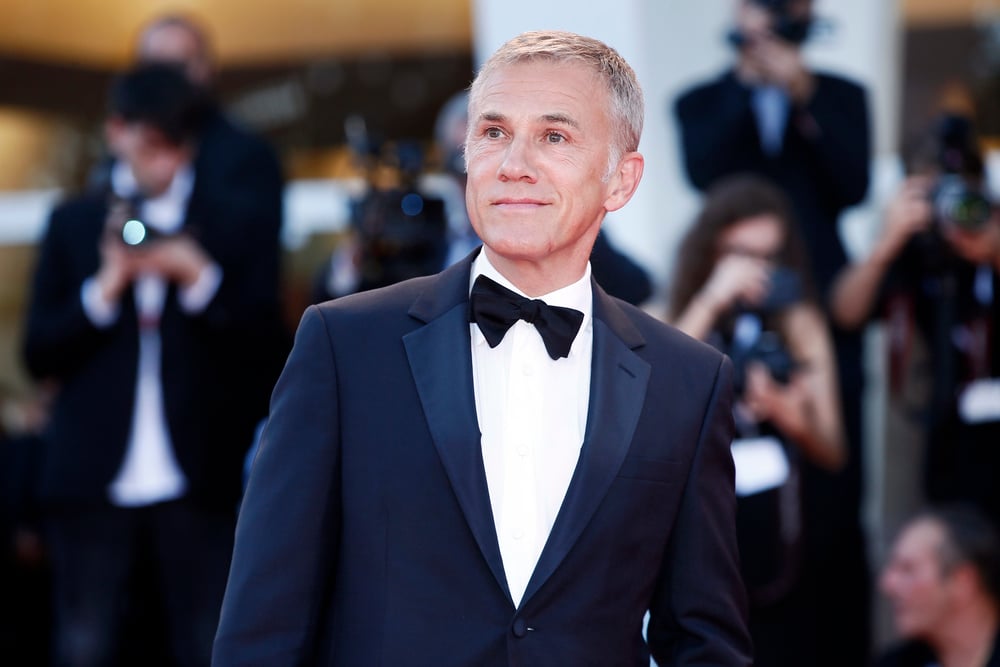
Christoph Waltz plays villains so well that it won him two Oscars, the first for his disturbingly polite SS officer Hans Landa in Inglourious Basterds, and the second for his bounty hunter role. His Hans Landa is particularly remarkable because the character is intelligent, charming, and absolutely terrifying all at once.
Waltz brings sophistication to his villains, making them feel like real people with complex motivations rather than cartoon bad guys. That realism makes them more effective and more memorable.
Samuel L. Jackson approaches villains like heroes

Samuel L. Jackson has explained that he approaches villains the same way he does heroes, saying they are both people in the human realm of possibility, and he doesn’t think their approach to society changes in terms of who you are as a person. Jackson noted that goals are just different or polar opposite, so he doesn’t approach a villain differently.
This authenticity rings true in his performances, creating villains marked by realistic intensity that can become explosive instantly. Treating villains as fully realized people rather than evil stereotypes makes them more compelling.
Tilda Swinton bases villains on real people

Tilda Swinton has said that she creates her equally repellent and magnetic evildoer characters by basing them on real-life people, such as Margaret Thatcher and Ivanka Trump. Her White Witch in Narnia, Gabriel in Constantine, and Minister Mason in Snowpiercer all share a cold authority that feels grounded in reality.
Drawing inspiration from real powerful people gives her villains a believability that pure imagination might not achieve. Swinton’s approach shows that the scariest villains often reflect actual human behavior.
Gary Oldman loves cruel, unredeemable characters

When audiences think of Gary Oldman, they don’t automatically picture a villain, but if you look closely at his filmography, you’ll see that Oldman loves playing the villain, particularly if they’re cruel, unredeemable characters. He’s almost unrecognizable in his role as Dracula, and the same can be said for his turn as Drexl Spivey in True Romance.
Oldman transforms completely for his villain roles, using makeup, accents, and physical changes to disappear into horrible people. His commitment to these dark characters shows a willingness to go places other actors might avoid.
Javier Bardem brings realism to evil
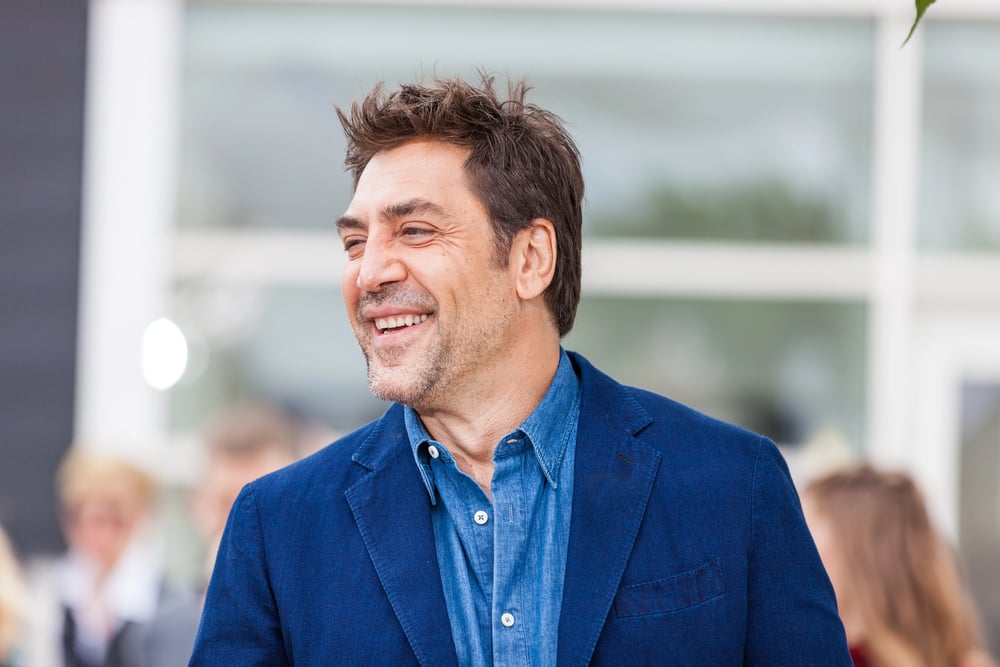
Javier Bardem has played so many unforgettable villains that picking a favorite becomes difficult. His Anton Chigurh in No Country for Old Men remains one of cinema’s most chilling antagonists.
Bardem brought a visceral layer to scenes, and based on The Good Boss, he hasn’t grown tired of playing the bad guy just yet. What makes Bardem’s villains work is how real they feel.
He doesn’t exaggerate or play up evil. Instead, he presents it matter-of-factly, which somehow makes it more disturbing.
Alan Rickman set the standard for screen villains

While many modern viewers know Alan Rickman best as the conflicted Severus Snape from Harry Potter, he already had a well-trod reputation for playing nefarious roles long before. His breakout came when he played one of cinema’s most memorable villains, terrorist mastermind Hans Gruber in the original Die Hard.
Rickman’s take on the urbane villain set the standard for screen villains for decades to come. His controlled delivery, sardonic wit, and commanding presence created a template that countless actors have tried to emulate since.
When bad guys get the best scenes

Funny how playing bad guys opens doors most good guy parts just skip. One moment they charm your socks off, next they make your skin crawl – sometimes both at once.
While heroes wait for things to happen, it is the villains nudging every big turn in the story. Lately viewers lean toward baddies who feel real, not just evil for show, so scriptwriters dig deep when shaping them.
When actors find a role that pushes limits, villains often come to mind first. Playing someone wicked gives room to stretch skills in ways few parts allow.
A performance can crackle with energy when rules are tossed aside. Watch closely next time a beloved star steps into dark shoes – joy might be hiding behind those cold eyes.
More from Go2Tutors!

- The Romanov Crown Jewels and Their Tragic Fate
- 13 Historical Mysteries That Science Still Can’t Solve
- Famous Hoaxes That Fooled the World for Years
- 15 Child Stars with Tragic Adult Lives
- 16 Famous Jewelry Pieces in History
Like Go2Tutors’s content? Follow us on MSN.



