15 Celebs Who Were Extras in 90s Movies
Everyone starts somewhere. The faces you see commanding million-dollar paychecks today once stood in the background of movie sets, waiting for their chance to shine.
Some wore ridiculous costumes. Others got their lines dubbed over.
A few got paid less than minimum wage for a single day of work. These moments happened during the 1990s, when studios still shot on film and unknown actors would take any role they could get.
Renée Zellweger Drove a Blue Truck Through Her Future

That girl in the blue pickup at the Moon Tower bash in Dazed and Confused never spoke a word. Showing up just for the initiation chaos, she lingered near the Emporium, fading into the edges of Richard Linklater’s 1993 film.
Renée Zellweger tried out first for Darla – the character later played by Parker Posey. After missing that role, they still let her stay on set regardless.
Later on, Linklater mentioned that Zellweger didn’t officially count as part of the cast – some rule about lines kept her off the list. Still, she showed up again and again across scenes, present enough for the promo booklet to assign her a role: Nesi White.
A tank top with red and blue stripes was what she had on. Each time, she moved through the frame just when needed.
Few saw it coming when she returned, years later, to stand again across from Matthew McConaughey, their paths crossing like old threads pulled taut. Not flash, not noise, but stillness – her moment arrived inside a tale of runners, silent vows, things half-said.
Beside Tom Cruise, unflinching in words meant for someone else, she held space without asking. What looked ordinary bent sideways, becoming its own kind of signal.
Jack Black Missed His Big Moment Underground
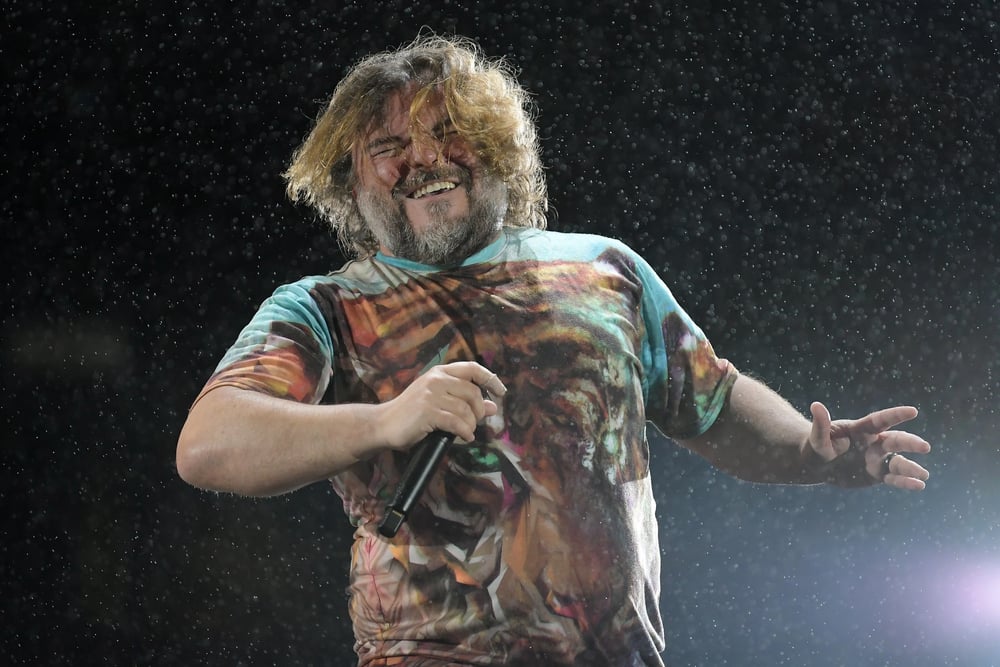
One day in 1993, Sylvester Stallone starred in a futuristic film called Demolition Man – turns out, some parts felt real later on. Long before anyone expected, it showed Arnold Schwarzenegger stepping into politics.
Meetings through screens? That too crept into everyday life.
Even the idea of one chain dominating meals somehow came true. But here’s what slipped past: the boy tossing around trash talk in Wasteland Scrap 2 would grow up to make audiences laugh across America.
Fresh light crept through the trees when Jack arrived, boots crunching gravel by six. Inside the metal box on wheels, hours slipped past without a word spoken. Night pressed close before someone finally appeared at the door.
Go figure – days stacked like plates, each one just the same. Nine o’clock shadows stretched long across empty chairs.
Facing Dennis Leary during a single take, he stayed near the edge, hidden while the comic fired off his usual complaint about lighting up indoors. Not once did Black’s role let out any lines in that moment.
One morning after days of partying, Black overslept. His alarm rang but he stayed under the covers.
On the road, engine running, it hit him – no one had given him lines in weeks. Arriving past schedule, dust on his boots, the crew moved fast without him.
Timing slipped sideways just when they wanted him most. A quiet moment with Leary, scripted and ready, unfolded while he wasn’t there.
Words meant for him were spoken into space instead. The film rolled ahead.
Regret came later, slow and sour, tied to last night’s drinks.
Steve Carell Served Tables Silently

Curly Sue stands as director John Hughes’s final film before his death in 2009. The family comedy about a homeless con artist and the little girl he cares for didn’t set the box office on fire in 1991.
Critics weren’t kind. But the movie holds a special place in film history for one reason: Steve Carell’s first movie role. He played Tesio, a waiter at an upscale restaurant.
Zero lines of dialogue. Just a guy in the background carrying plates and looking appropriately snooty. Carell was 29 years old at the time and looked remarkably similar to how he would look two decades later when The Office made him a household name.
Years later, Carell described the experience as terrifying despite the simplicity of the role. He got to meet Hughes on set, which made the whole thing worthwhile.
The director was gracious with his time and treated even the extras with respect. That small kindness stuck with Carell throughout his career.
Ben Affleck Got Dubbed Over by a Vampire
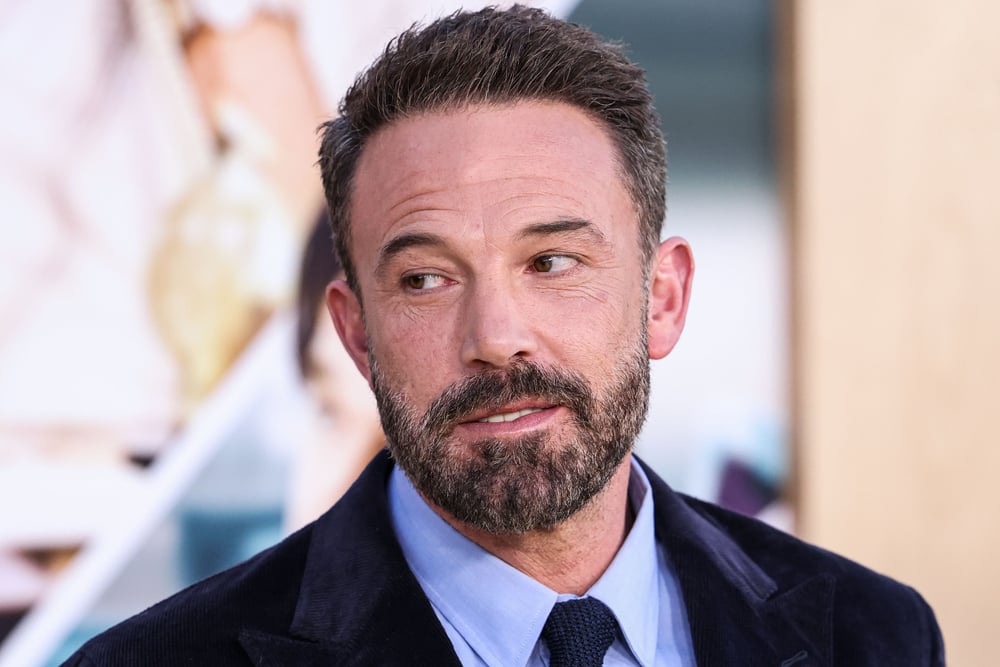
Before Good Will Hunting made him an Oscar winner, before Pearl Harbor made him a blockbuster star, Ben Affleck played Basketball Player #10 in the 1992 Buffy the Vampire Slayer movie. Not the beloved Sarah Michelle Gellar TV series.
The theatrical film that came first and planted the seeds for what Joss Whedon would later refine on television. Affleck’s character faced down a vampire during a high school basketball game.
His one line of dialogue: “Take it, man.” He handed the orb to the undead opponent and tried to look scared.
The director seemed happy with the take. Affleck left feeling good about his work.
Then he went to see the movie in theaters. That wasn’t his voice coming out of his mouth.
Someone else had dubbed the line in post-production. Director Fran Rubel Kuzui apparently hated his performance so much that she paid another actor to come in and record those three words.
Affleck’s actual voice never made it into the final cut, though his face did. The whole ordeal lasted seconds on screen.
His credit appeared as “Basketball Player #10 (uncredited).” Years later, Affleck jokes about it freely, but at the time the realization that his performance got replaced must have stung.
Matt Damon and Ben Affleck Became Fenway Extras Together
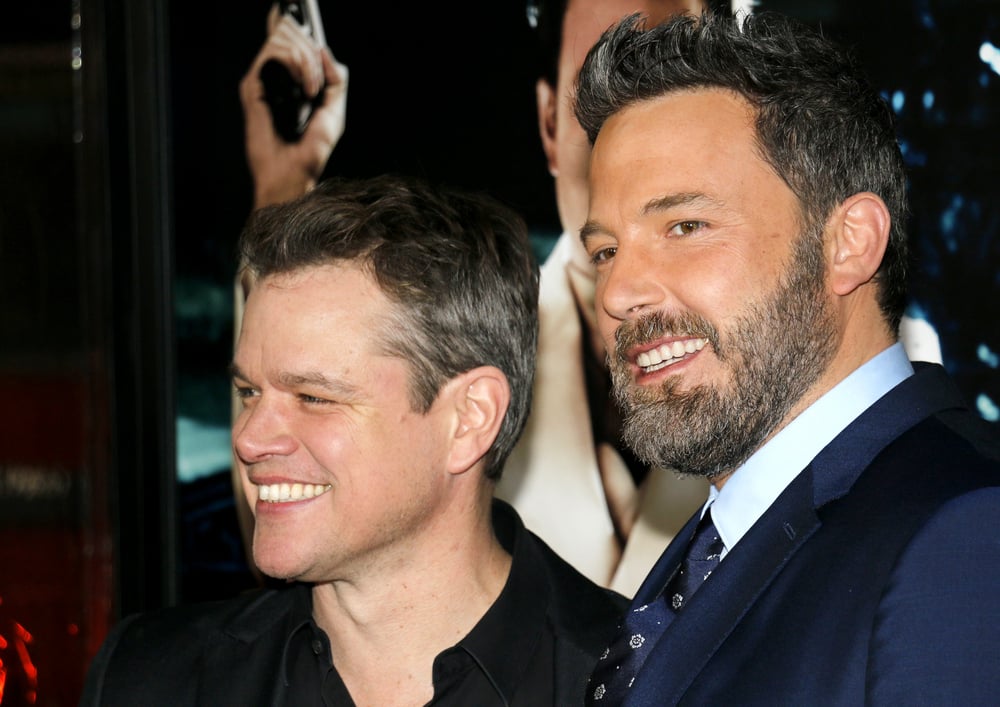
Field of Dreams technically came out in 1989, making it just barely outside the 90s. But the Boston natives’ first movie together deserves mention for what it represents.
Damon and Affleck appeared as extras during the Fenway Park scenes. You won’t spot them even if you pause frame by frame.
They blended into a crowd of roughly 3,000 other extras watching a baseball game. The main reason they took the gig?
They got to go to Fenway Park. For two kids from Cambridge dreaming of Hollywood careers, sitting in those stands felt like an accomplishment.
Between takes, they struck up a conversation with Kevin Costner that lasted about five minutes. Costner remembers them as enthusiastic kids who both leaned in at the same time, leaned back at the same time, and looked at each other at the same time.
They were “on fire” even then.
Megan Fox Danced in a Controversial Scene

Bad Boys II came out in 2003, technically making this one fall outside the 90s window. But the controversy around it connects directly to the culture of 90s action filmmaking that carried into the early 2000s.
Megan Fox appeared as an uncredited dancer in a club scene. She wore a stars-and-stripes swimsuit, a red cowboy hat, and six-inch heels.
She was 15 years old. Director Michael Bay approved the costume.
When someone pointed out her age, Bay’s solution involved having her dance under a waterfall instead of sitting at the bar with a drink. Fox described the experience as “kind of a microcosm of how Bay’s mind works.”
Years later, when the story resurfaced during the #MeToo movement, Fox clarified that she never felt assaulted or preyed upon. Bay posted her audition footage for Transformers to show she was fully clothed and treated professionally on that set.
The cameo lasts maybe two seconds on screen. Most viewers never noticed her.
But the behind-the-scenes story became more famous than the actual appearance.
Leo DiCaprio Wasn’t Always Romeo

Leonardo DiCaprio’s path to stardom started on television rather than in movie theaters. He appeared in commercials, then graduated to bit parts on shows like Santa Barbara, The New Lassie, and Roseanne in the early 90s.
His recurring role on Growing Pains in 1991 and 1992 earned him a Young Artist Award nomination. By 1993, at just 19 years old, he picked up his first Oscar nomination for What’s Eating Gilbert Grape.
His television work put him in the same scenes as other future stars. Tobey Maguire and Joseph Gordon-Levitt also appeared on Roseanne during those years, all of them taking whatever work they could find.
The path from background player to leading man wasn’t linear or guaranteed. DiCaprio hustled through countless auditions and rejections before Titanic changed everything in 1997.
Seth Green Played an Unnamed Vampire

Before he became the voice of Chris Griffin on Family Guy, before Austin Powers made him a comedy icon, Seth Green appeared in the 1992 Buffy the Vampire Slayer movie. His role? An unnamed vampire.
Uncredited. Basically a background creature in makeup.
Green’s real breakout in the Buffyverse came years later when he joined the television series cast as Daniel “Oz” Osbourne. That recurring role across seasons two through four made him a fan favorite.
But his first encounter with the franchise involved standing around in prosthetics without any memorable moments. The movie’s production attracted several future stars for small parts.
Ricki Lake appeared as Charlotte, also uncredited. Hilary Swank showed up as a cheerleader.
Looking back at the cast list reveals how many recognizable faces passed through that set before anyone knew who they’d become.
Tobey Maguire Was Just Another Extra
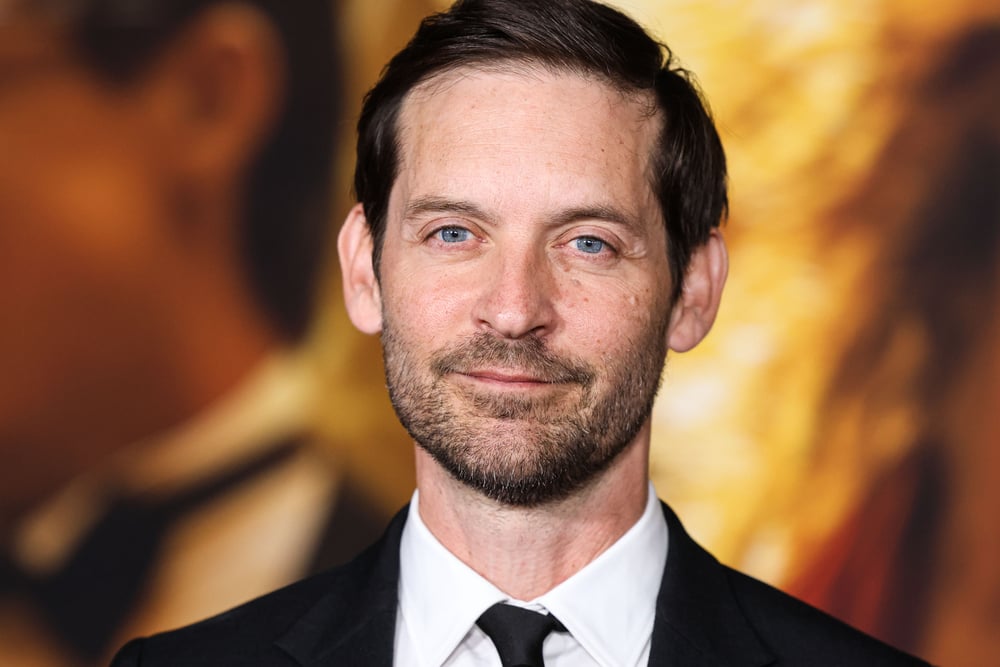
Before he put on the Spider-Man suit, Tobey Maguire worked his way through Hollywood’s entry-level roles. He appeared on television shows as unnamed characters and background players.
His friendship with Leonardo DiCaprio started during this period, both of them attending the same auditions and supporting each other through the constant rejection. Maguire’s breakthrough came later in the 90s with The Ice Storm and Pleasantville.
But his early work consisted of showing up, standing where directed, and hoping someone would notice him. The process tested patience and resilience.
Many actors gave up. Maguire stuck with it long enough to become one of the defining superhero actors of his generation.
Elijah Wood Started Young in Hollywood
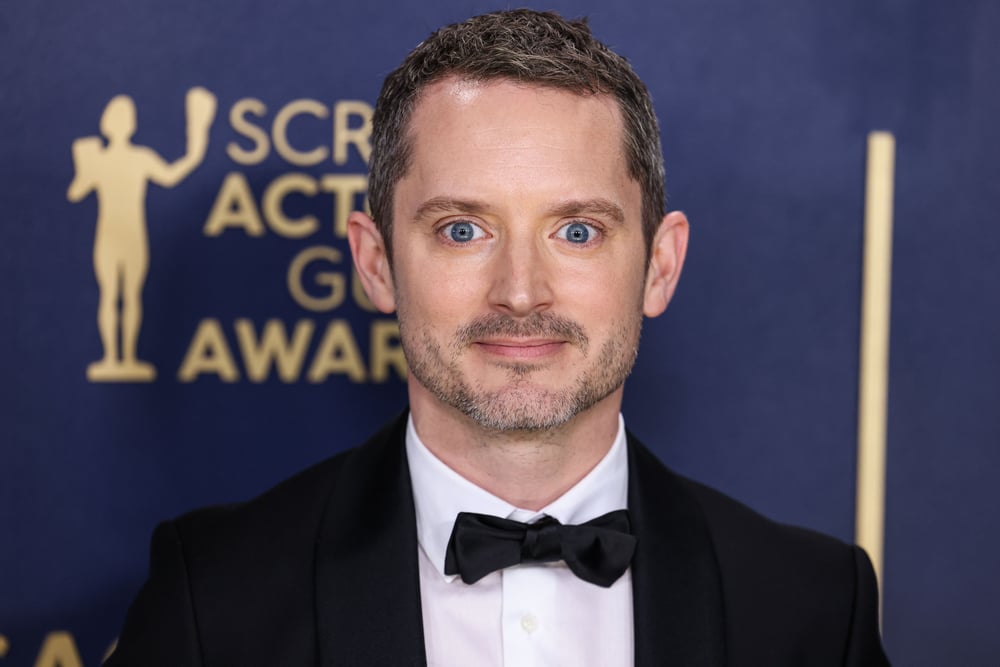
Little kid jobs started it all for Elijah Wood. Early ninety days saw him shift from ad spots on TV into brief scenes in films. Not until The Good Son in 1993 did things change – starring opposite Macaulay Culkin, after plenty of time stuck in tiny roles.
Most kids who act never make it as grown-up stars. Still, Wood made the leap, stepping into Frodo Baggins’ shoes for Peter Jackson’s Lord of the Rings films.
Before that fame, though, he spent time off to the side on movie sets, watching closely, picking up details, quietly studying how acting and filming fit together.
Joseph Gordon-Levitt Found His Start on Television

Back when the nineties shaped a lot of young performers, Joseph Gordon-Levitt began right where others did – on TV screens in fleeting parts. Small appearances stacked up, each one shaping how he handled scenes without drawing much attention.
Not until 1996 did things shift noticeably, thanks to steady moments on 3rd Rock from the Sun. Before that spotlight, though, most roles slipped by unnoticed, just quiet steps forward.
Starting out, Gordon-Levitt didn’t shy away from tiny roles, which quietly built what was to come. On set, he picked up how to act with discipline, listen closely to feedback, yet still shine even with just moments on camera.
When larger chances finally arrived, that earlier grind made a difference without drawing attention.
Natalie Portman Got Her Start as a Pre-Teen
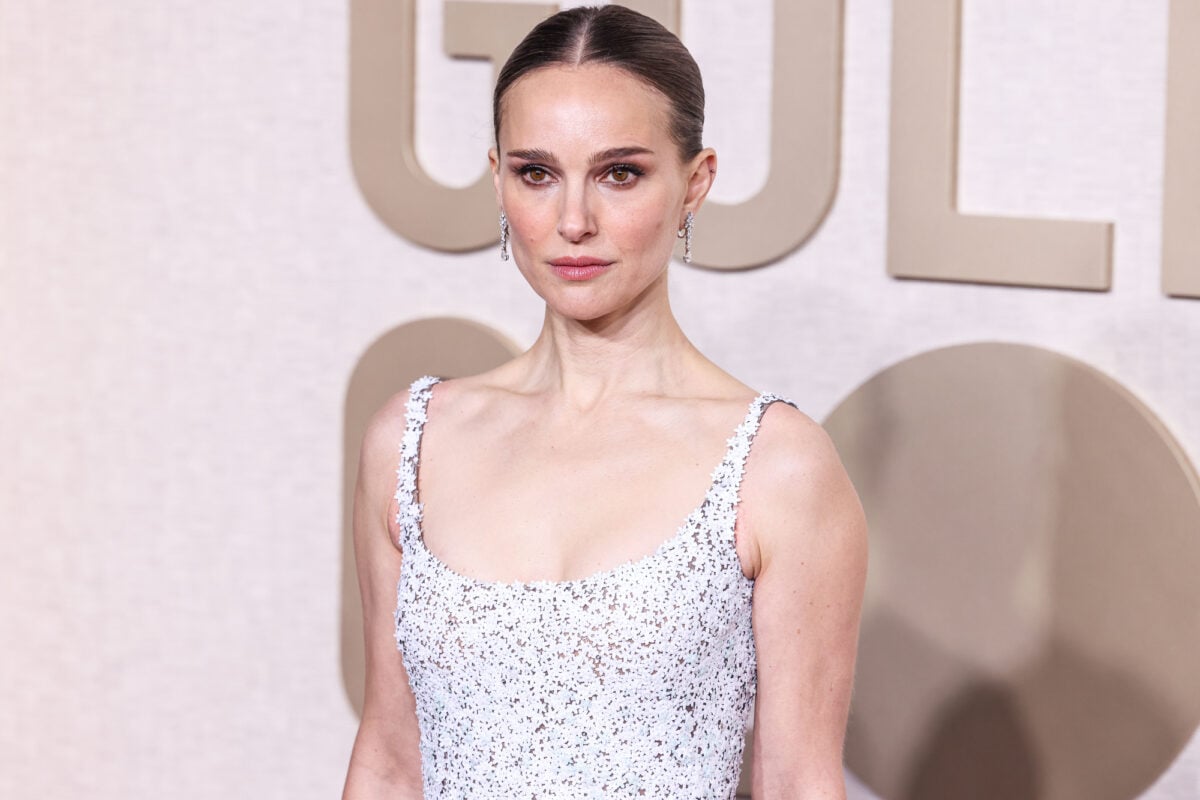
A young Natalie Portman stepped into acting just after turning thirteen. Not long before fame found her in The Professional (1994), she appeared in ads, grabbing every small chance offered.
By age eleven, the drive was there – clear, steady – not waiting for luck. That early spark shaped everything that followed.
Her path started quiet, yet never uncertain. When the 90s closed, Portman stood out among Hollywood’s rising talents.
Her role in Star Wars: The Phantom Menace, released in ’99, proved she could carry major films. Unlike others chasing quick fame, she embraced modest roles at first – this choice made her different.
Christina Ricci Grew Up On Screen

Christina Ricci’s childhood in Hollywood began with small television roles before The Addams Family made her famous in 1991. Throughout the early 90s, she balanced her growing fame with continued work on smaller projects.
Her role as Wednesday Addams defined her public image, but she worked consistently to prove she could handle more complex material. Ricci’s transition from child star to adult actor succeeded where so many others failed.
She took risks with her role choices and never coasted on her early success. The foundation she built in her first years in the industry taught her discipline and professionalism that carried through her entire career.
Kirsten Dunst Paid Her Dues

Little did most know, Kirsten Dunst began performing before she could even write her name – ads, photo sessions, that sort of thing. Though just a child then, by ’94 she stepped into Interview with the Vampire having spent more time near cameras than many adults.
Sharing scenes with Tom Cruise and Brad Pitt didn’t shake her; instead, she matched their presence without blinking. It wasn’t luck – it was practice showing up where it counted.
Into the late Nineties, Dunst kept busy with big studio movies alongside quiet indie roles. Not once did she get stuck playing just one kind of character. Her range grew because she said yes to almost every part offered.
Each project taught her something new, even the tiny ones.
Viola Davis Earned Every Scene
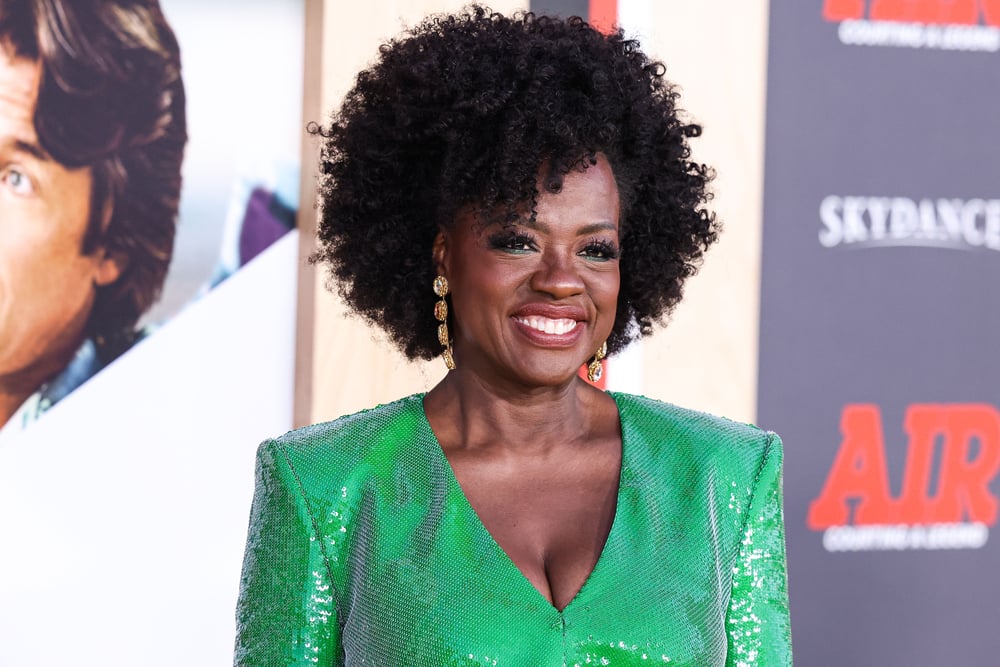
After graduating from Juilliard in 1993, Viola Davis faced the same struggle every classically trained actor encounters. Years of intensive study don’t automatically translate into work.
She took small parts on television shows like NYPD Blue and New York Undercover throughout the mid-90s, building her resume one minor role at a time. The path from background player to respected performer took years of grinding through auditions and rejections.
Davis performed on and off-Broadway, taking whatever roles came her way while waiting for something substantial. Her breakthrough came after winning her first Tony Award for King Hedley II, which led to film roles in movies like Solaris and Syriana.
Davis eventually became the first Black performer to achieve the Triple Crown of Acting, winning an Oscar, an Emmy, and a Tony. But those accolades came after more than a decade of paying dues in the industry.
Her willingness to start at the bottom and work her way up through sheer talent and determination set her apart from actors who gave up when success didn’t come immediately.
Where They Started Shapes Where They End Up

The actors who made it through the 90s extra experience share certain traits. They showed up on time even when nobody cared about their performance.
They treated every role seriously regardless of how small. They learned to handle rejection and kept pushing forward when easier paths tempted them to quit.
Hollywood runs on luck and timing, but it also rewards persistence. The extras who became stars understood that background work wasn’t beneath them.
It was training. Every day on set taught them something new about the industry they wanted to conquer.
Some got lucky breaks. Others created their own opportunities.
All of them started somewhere most people would consider the bottom.
More from Go2Tutors!

- The Romanov Crown Jewels and Their Tragic Fate
- 13 Historical Mysteries That Science Still Can’t Solve
- Famous Hoaxes That Fooled the World for Years
- 15 Child Stars with Tragic Adult Lives
- 16 Famous Jewelry Pieces in History
Like Go2Tutors’s content? Follow us on MSN.



