Actors Who Quit Over Creative Disputes
Hollywood is a business built on massive egos, artistic vision, and millions of dollars riding on every decision. When these forces collide, the results can be explosive.
While most disputes get resolved behind closed doors, some creative differences become so insurmountable that talented actors simply walk away from major projects, leaving studios scrambling and fans wondering what might have been. Creative disputes in the entertainment industry are more common than audiences realize.
Here is a list of actors who made headlines by quitting high-profile projects when their artistic vision clashed with directors, producers, or studios.
Eric Stoltz
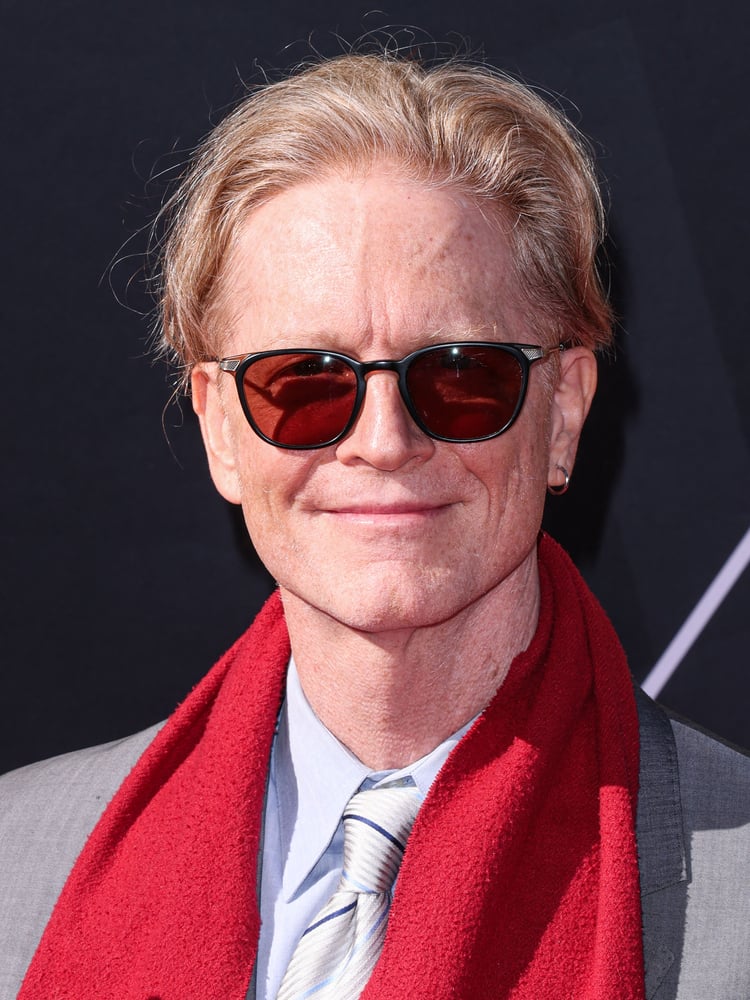
Eric Stoltz was originally cast as Marty McFly in Back to the Future, diving deep into a serious, method-acting approach that didn’t gel with the lighthearted, comedic tone the director wanted. After six weeks of shooting, Stoltz was replaced by Michael J. Fox, who brought the playful energy that defined the film.
The switch wasn’t just about acting style – Stoltz’s intense method approach reportedly made him difficult to work with on set, creating tension with cast and crew alike.
James Purefoy
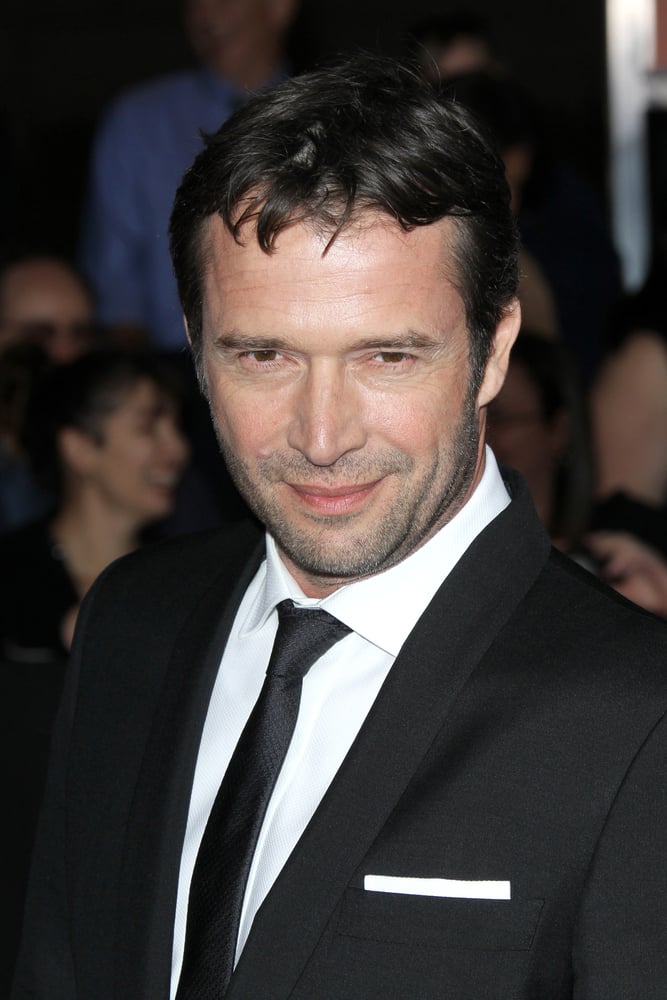
James Purefoy was originally cast as V in V for Vendetta, but left early in production due to creative differences about how to play the character. While rumors suggested he quit because he didn’t like wearing the iconic mask, Purefoy firmly denied this.
“It was genuine creative differences. It was genuinely about the way to approach that character, which is what creative differences are all about – and sometimes they become intolerable,” he explained. Hugo Weaving ultimately took over the role and made it memorable.
Ryan Gosling

Ryan Gosling was cast as Jack Salmon in The Lovely Bones, but gained 60 pounds for the role, believing his character should weigh “210 pounds”. Jackson had a completely different vision for the character and unfortunately, Gosling was forced to quit due to the weight gain.
“We had a different idea of how the character should look. We didn’t talk very much during the preproduction process, which was the problem,” Gosling later admitted. Mark Wahlberg stepped in as his replacement.
Edward Norton

Edward Norton was originally set to reprise his role as Bruce Banner in The Avengers and any Hulk sequels but backed out due to creative differences. Norton wanted to take the character in a darker direction inspired by Christopher Nolan’s work, while Marvel had different plans for their cinematic universe.
“They were like ‘That’s what we want!’ As it turned out, that wasn’t what they wanted,” Norton remarked about the experience. Mark Ruffalo eventually took over the role and made it his own.
Christopher Eccleston
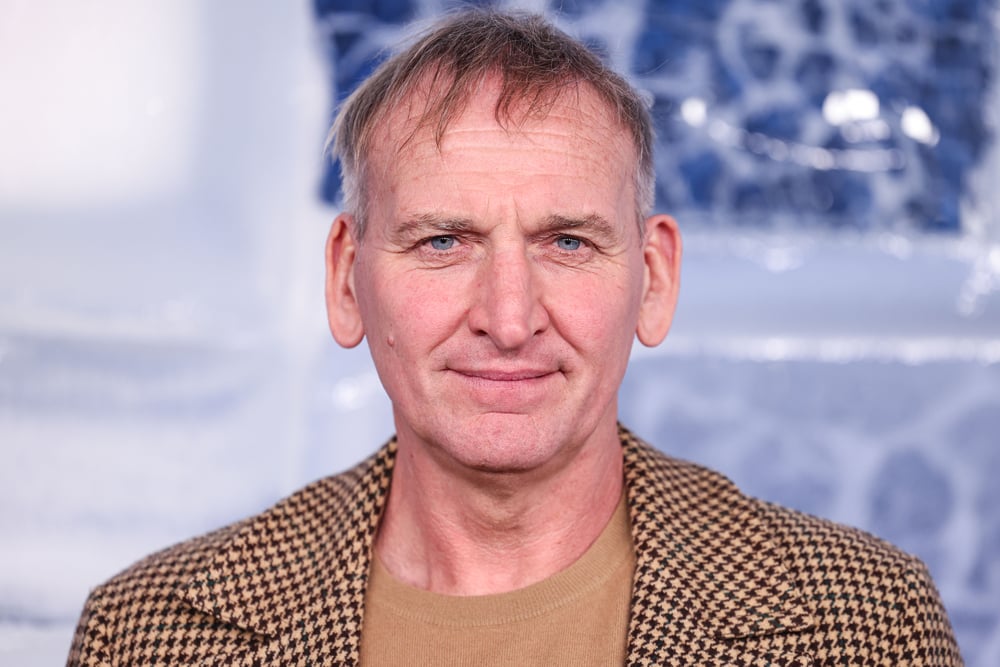
Christopher Eccleston decided to leave Doctor Who after just 13 episodes due to creative differences with producers. “I wanted to do it my way, they wanted something else. We were never going to compromise so it was best to be straight about it and just go,” he told The Daily Record in 2015.
Despite the show’s massive success, Eccleston later admitted he regretted not staying longer in the iconic role.
Chevy Chase
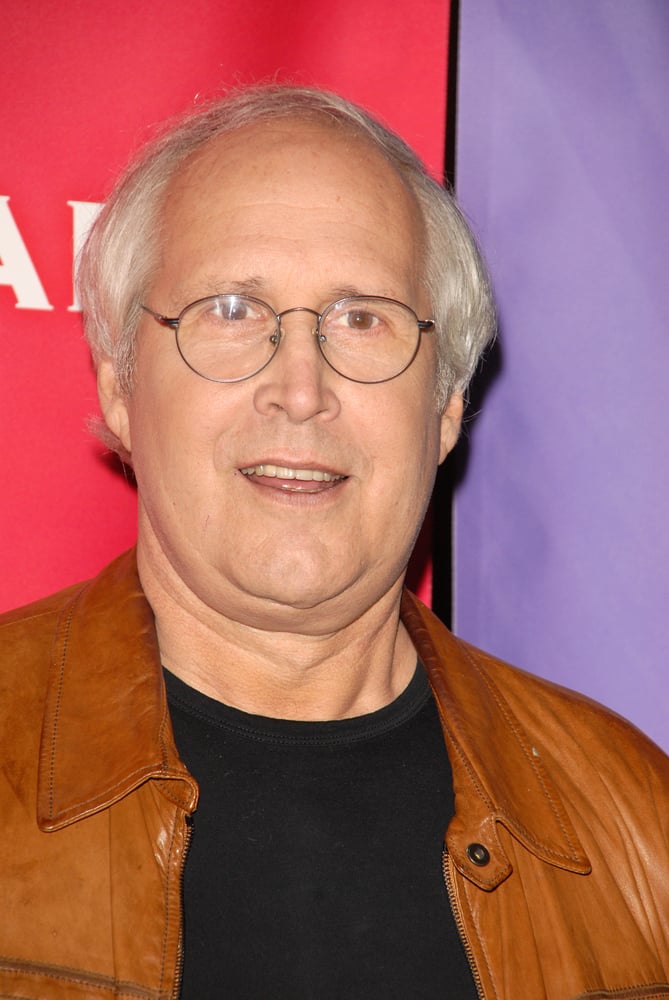
Chevy Chase clashed with many cast members during his time on Community, but no feud was greater than his dispute with showrunner Dan Harmon. Chase left the NBC show Community in 2012 after years of disagreements with the production’s creator.
The situation became so toxic that Harmon reportedly convinced the entire crew to curse at Chase on his final day. Chase later called taking the role ‘a big mistake.’
Jean-Claude Van Damme
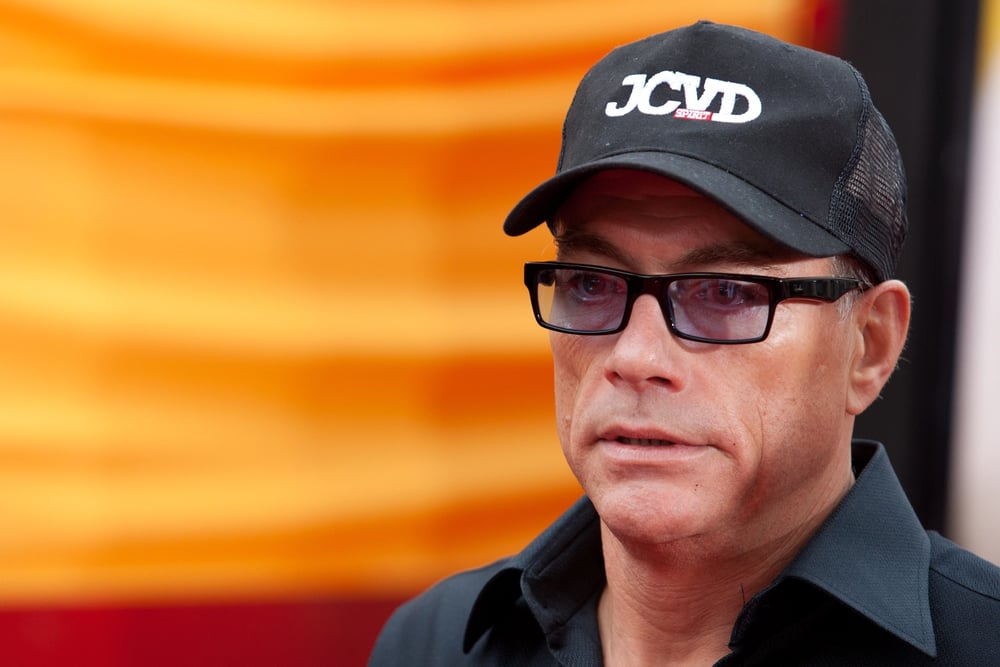
Jean Claude Van Damme was originally cast as Predator, and he reportedly dropped out because of his costume. The martial arts star found the bulky alien suit too restrictive for his fighting style and complained about its design during production.
The bulky suit slowed production, and his complaints about its design led to his replacement by Kevin Peter Hall. Van Damme’s brief stint highlighted the physical challenges of bringing movie monsters to life.
Terrence Howard
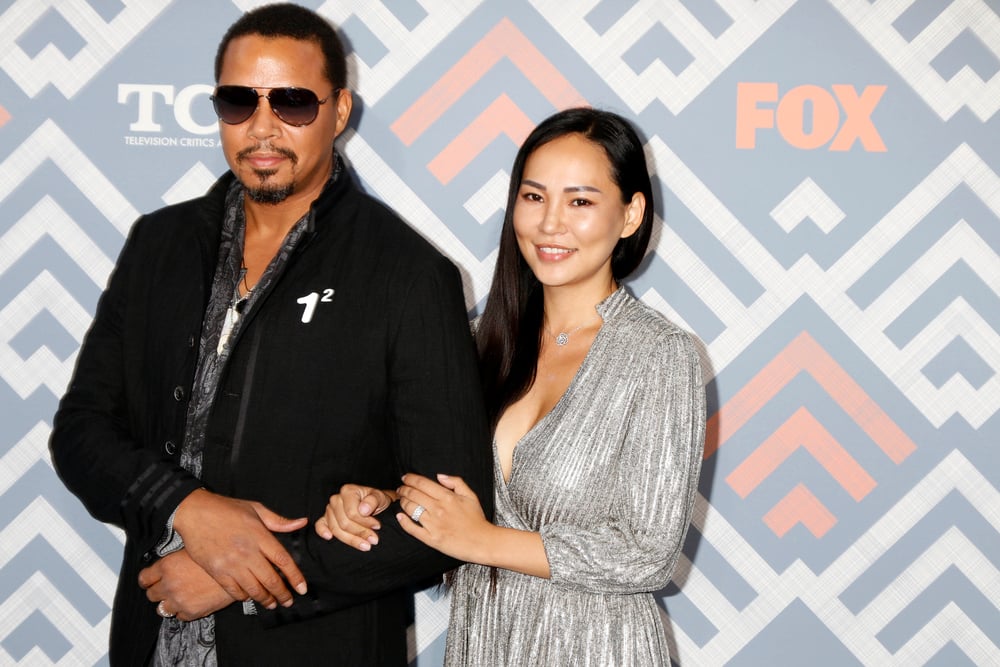
After delivering a standout performance in the first Iron Man film as Tony Stark’s best friend Rhodey, many expected Terrence Howard to return in Iron Man 2 and don the War Machine suit. However, Howard walked away from the Marvel Cinematic Universe due to salary disputes and creative differences about his character’s direction.
Don Cheadle took over the role and has played War Machine ever since, but Howard’s departure marked one of the MCU’s first major casting changes.
Charlie Sheen

Charlie Sheen’s departure from Two and a Half Men was one of the messiest in TV history, involving salary disputes, clashes with the creators, highly publicized substance use, and legal battles. In an 11-page letter sent to Sheen’s attorneys from the network, they claimed the actor’s productivity levels at work had dropped, which created an issue for the crew behind the scenes.
The situation became so volatile that his character was killed off-screen, and Ashton Kutcher joined the cast as a replacement.
Julianne Moore
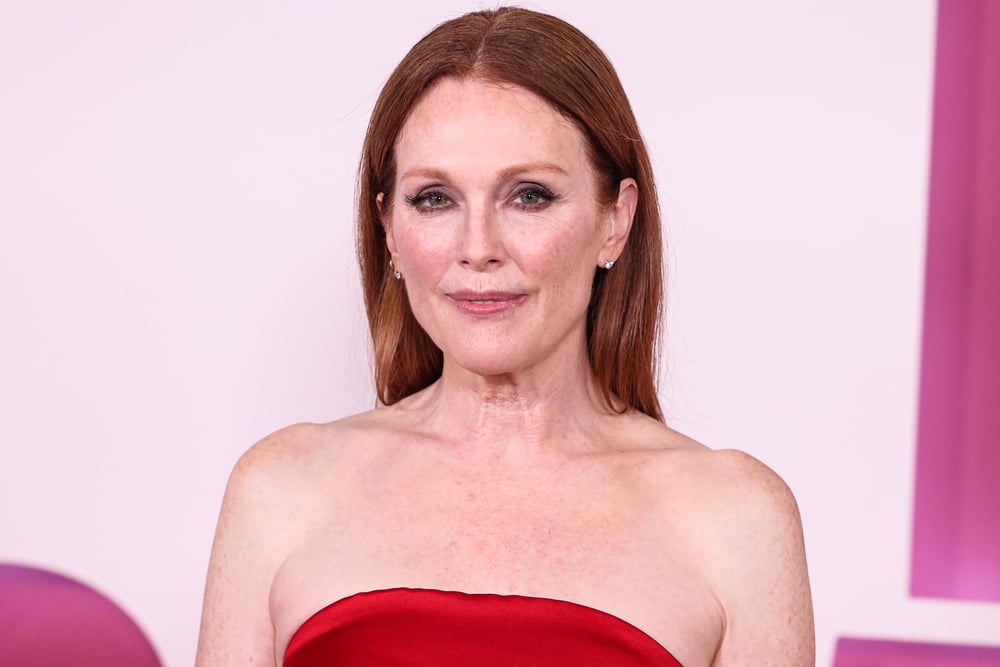
Julianne Moore was set to play Lee Israel in Can You Ever Forgive Me? but was fired six days before shooting due to creative clashes with director Nicole Holofcener, who disliked Moore’s push for prosthetics. “I didn’t leave that movie, I was fired. I think she didn’t like what I was doing,” Moore revealed on Watch What Happens Live.
Melissa McCarthy stepped in and earned an Oscar nomination for her performance, proving sometimes creative conflicts lead to better casting choices.
Shia LaBeouf
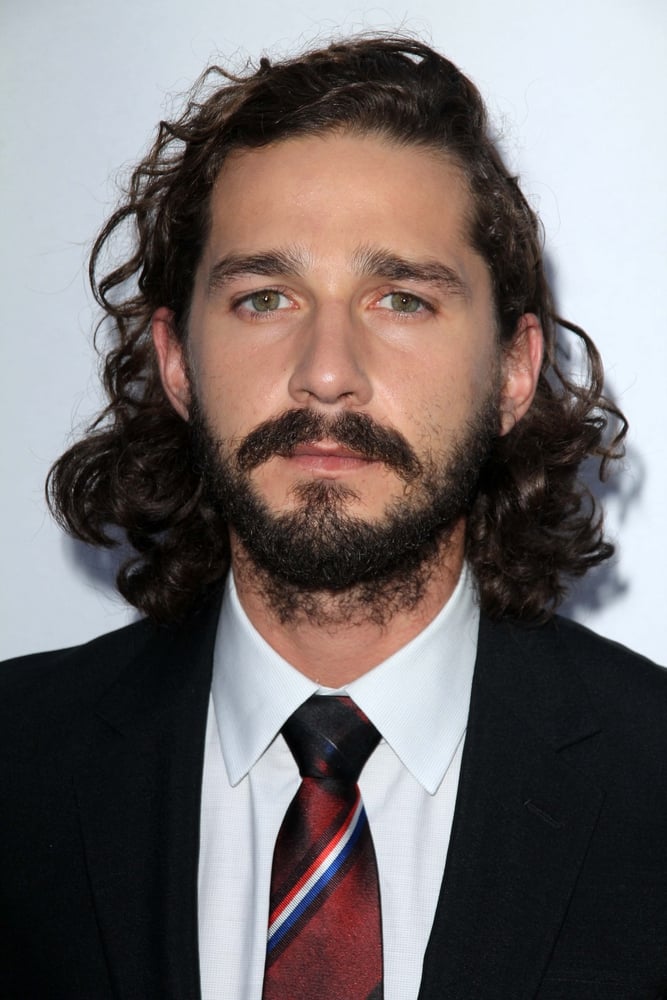
LaBeouf’s departure from Don’t Worry Darling became one of Hollywood’s most publicized creative disputes. LaBeouf refuted director Olivia Wilde’s statement saying, “You and I both know the reasons for my exit. I quit your film because your actors and I couldn’t find time to rehearse”.
The actor even shared text exchanges and a video from Wilde to support his version of events, creating a public back-and-forth about the real reasons behind his exit. Harry Styles ultimately replaced him in the role.
Kevin Spacey

Kevin Spacey had finished filming as J. Paul Getty in All the Money in the World when misconduct allegations surfaced. While not exactly a creative dispute, director Ridley Scott swiftly replaced him with Christopher Plummer, who reshot all scenes in just 10 days.
The remarkable turnaround showed how quickly Hollywood can pivot when necessary, and Plummer earned an Oscar nomination for his last-minute performance.
When Creative Visions Collide

These departures reveal how precarious the filmmaking process can be, even with major stars and big budgets involved. Creative disputes aren’t just about ego clashes – they often stem from fundamental disagreements about character interpretation, story direction, or artistic vision.
While these conflicts can derail productions and cost studios millions, they sometimes lead to better casting choices that define careers and create cinema history. The tension between artistic integrity and commercial demands continues to shape Hollywood, ensuring that creative disputes will remain part of the industry’s dramatic landscape for years to come.
More from Go2Tutors!

- The Romanov Crown Jewels and Their Tragic Fate
- 13 Historical Mysteries That Science Still Can’t Solve
- Famous Hoaxes That Fooled the World for Years
- 15 Child Stars with Tragic Adult Lives
- 16 Famous Jewelry Pieces in History
Like Go2Tutors’s content? Follow us on MSN.



